Unknown's avatar

About Jack & Barbra Donachy

Writers, photographers, food lovers, anglers, travelers and students of poetry

Brownie Blondies, Blond Brownies, Brownie Double Deckers… Hey, Brownies!

brownie blondies n

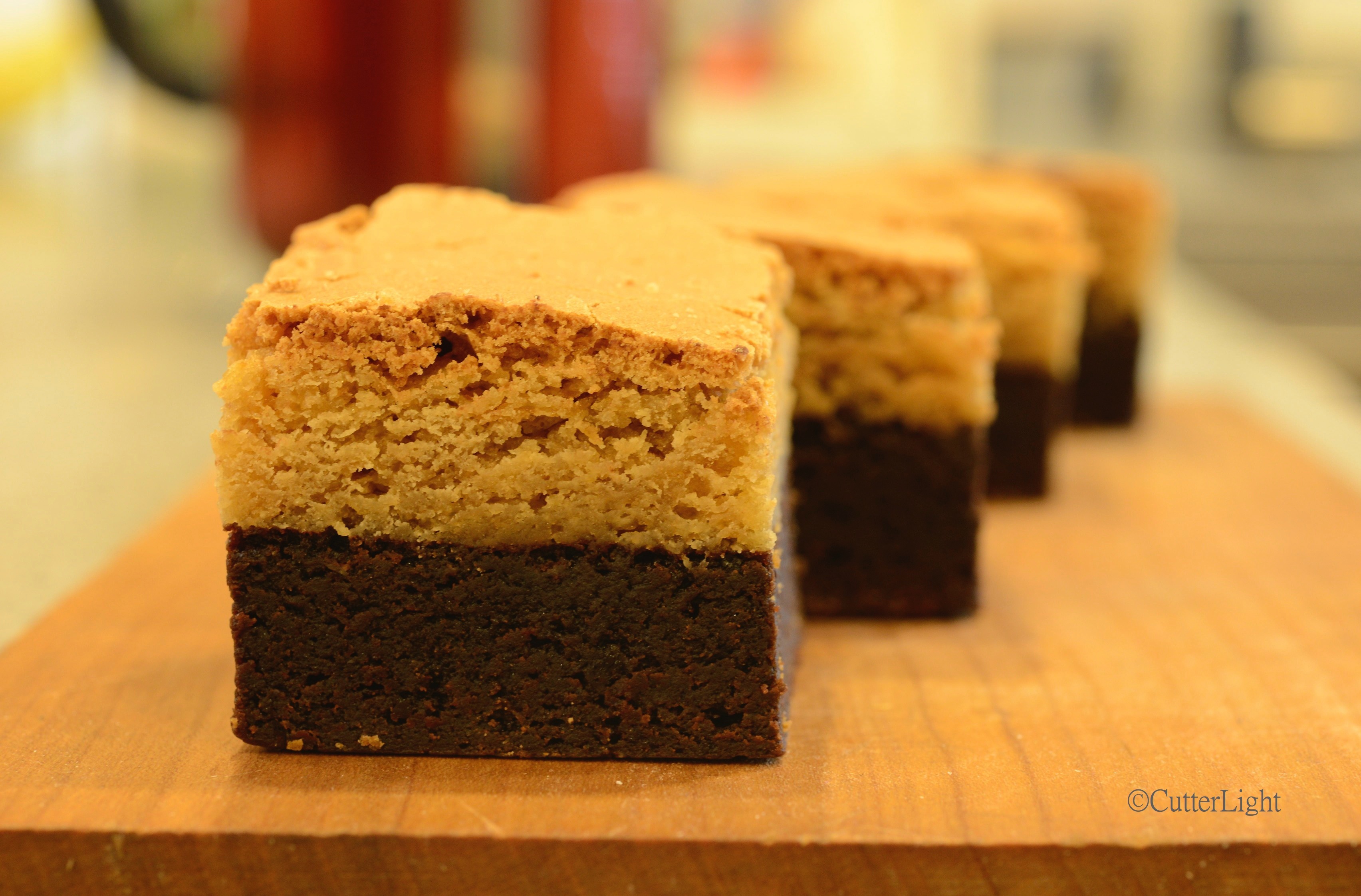
When faced with a difficult choice such as brownies or blondies, my answer is both! We love dense, chewy brownies, and lots of Dutch processed cocoa makes the brownie layer in this recipe super chocolatey. Slightly caramelizing the brown sugar gives the blondie layer a rich caramel flavor. There doesn’t seem to be a clever portmanteau to name these bits of deliciousness… How about Double Decker Blondie Brownies?

Every couple of weeks I have a bake sale in my classroom. Students save up tickets and can buy various privileges, or they can choose to spend their earnings on Barbra’s Bakery. Everyone wins, right? I get to bake and they get to enjoy freshly made items created just for them. The tasty products keep them earning tickets!

Last Friday, I asked my students for some ideas. They were smitten with the blondies I’d previously whipped up and suggested a double-decker version of blondies and brownies sandwiching a layer of chocolate frosting. I love sweets, but that sounded too sweet. However, the double-decker idea was intriguing. The key would be to somehow keep the layers separate for an appealing visual effect, like a black and tan beer.

The trick turned out to be first partially baking the brownie layer and then gently layering on the blondie dough before the final bake. The concoction was a big hit with the students and also with all the lucky adults who got to participate in the tasting.

Brownie Double Deckers

Ingredients

For the brownie

  • 1 1/4 cups dutch processed cocoa
  • 1 1/4 cups all purpose flour
  • 1 tsp salt
  • 1 1/2 cups unsalted butter, melted
  • 3 cups granulated sugar
  • 5 eggs
  • 2 tsp vanilla extract

For the blondie

  • 2/3 cup unsalted butter
  • 2 cups brown sugar
  • 2 eggs
  • 2 tsp vanilla extract
  • a little less than 2 cups all purpose flour
  • 1 tsp baking powder
  • 1 tsp salt

Directions

  1. Preheat oven to 375 degrees F (190 degrees C).
  2. Line a 9 x 13 inch baking dish with foil and generously butter. Set aside.
  3. Sift together dry brownie ingredients – flour, cocoa, and salt – in a large bowl.
  4. In a medium bowl, mix together melted butter and granulated sugar.
  5. Mix in one egg at a time until all 5 eggs are thoroughly mixed in.
  6. Stir in vanilla extract.
  7. Stir dry ingredients into wet.
  8. Pour brownie batter into baking dish and bake for 20 minutes. Brownie should be just starting to set.
  9. While brownie is baking, make blondie dough.
  10. Place butter and brown sugar in a medium pot. Stir over medium heat until mixture is just melted.
  11. Let mixture cool for a few minutes, then stir in eggs and vanilla.
  12. Stir in flour one cup at a time.
  13. Stir in baking powder and salt. Do not overmix.
  14. After the brownies have baked for 20 minutes, reduce oven temperature to 350 degrees F (175 degrees C).
  15. Carefully spoon blondie mixture on top of brownies. Gently spread blondie mixture to cover brownies. Don’t worry about making the dough perfectly even, it will spread during baking.
  16. Bake double-decker for an additional 30 minutes. A toothpick inserted in the center of the brownies will come out clean when it is done.
  17. As delicious as these smell straight out of the oven, they taste best when totally cool. We served ours with freshly brewed cups of chai tea.

Recipe adapted from Rachel Ray.

Mongolian Scones: An Airy, “No Cream” Version of a Breakfast Favorite
Mongolian Scones w egg n

“Mongolian” scones, a lighter and fluffier version of their English cousin, are quick to make and a delicious start to our day in the coldest capital in the world, Ulaanbaatar.

We are part of a foodie network in Ulaanbaatar (UB) where one of the most common questions is, “Can you get ______ ingredient here?” Although UB is a thriving city of over a million inhabitants, Mongolia is still a developing country where certain items can be difficult to come by. Heavy whipping cream is one example. When we finally tracked some down, the price tag was the equivalent of 28 US dollars for a one liter container. The cost and inconvenience associated with certain items has been fostering invention as we experiment with substitutions to our recipes.

Our “Mongolian” scones are our answer to the question, “What can I substitute for heavy cream in scones?” The answer is yogurt, which is inexpensive and readily available in Ulaanbaatar’s grocery stores. The result is a lighter, less crumbly scone.

For this version, we used a large cookie scoop, overfilled, to create mounded scones. It is typical to create scones in a disc shape and to then cut them into wedges. The mounded shape allowed a nice rise and more crunchy surface area in one perfectly portioned breakfast scone to accompany our Mongolian eggs and delicious, thick-sliced Mongolian bacon.

Mongolian scones stacked n

A large cookie scoop portioned this dough into sixteen scones. An ice cream scoop would work well for slightly larger scones.

Mongolian Scones with Cranberry and Pecans

Ingredients

  • 2 cups all-purpose flour
  • 1/4 packed brown sugar
  • 1 tbsp baking powder
  • 1/4 tsp ground nutmeg
  • 1/4 tsp salt
  • 1 tsp dried orange peel, or fresh orange zest
  • 1/4 cup unsalted butter, chilled and diced
  • 3/4 cup dried cranberries
  • 1/2 cup chopped pecans
  • 1 tbsp granulated sugar
  • 2 small eggs (Mongolian stores typically carry smaller eggs than are sold in America)
  • 3/4 cup plain yogurt

Direction

  1. Preheat oven to 375 degrees F (190 degrees C).
  2. Cover baking sheet with parchment paper and set aside.
  3. Stir flour, brown sugar, baking powder, nutmeg, salt and orange peel together in a large bowl.
  4. Stir cranberries and pecans into the flour mixture.
  5. In a small bowl, whisk granulated sugar and eggs together. Mix in yogurt.
  6. Pour wet ingredients into dry.
  7. Stir ingredients until fully incorporated with a rubber spatula. Dough will be very sticky.
  8. Scoop out generous cookie scoops (2 tbsp or more) of dough and drop mounds on baking sheet.
  9. Bake for 15 minutes, until scones are golden brown.
  10. Enjoy fresh out of the oven with a fried egg and a slice of bacon.

The Wild Right Outside Ulaanbaatar: Hiking Mongolia’s Bogd Khan Mountain

bogdkahn hikers with lit up larches n

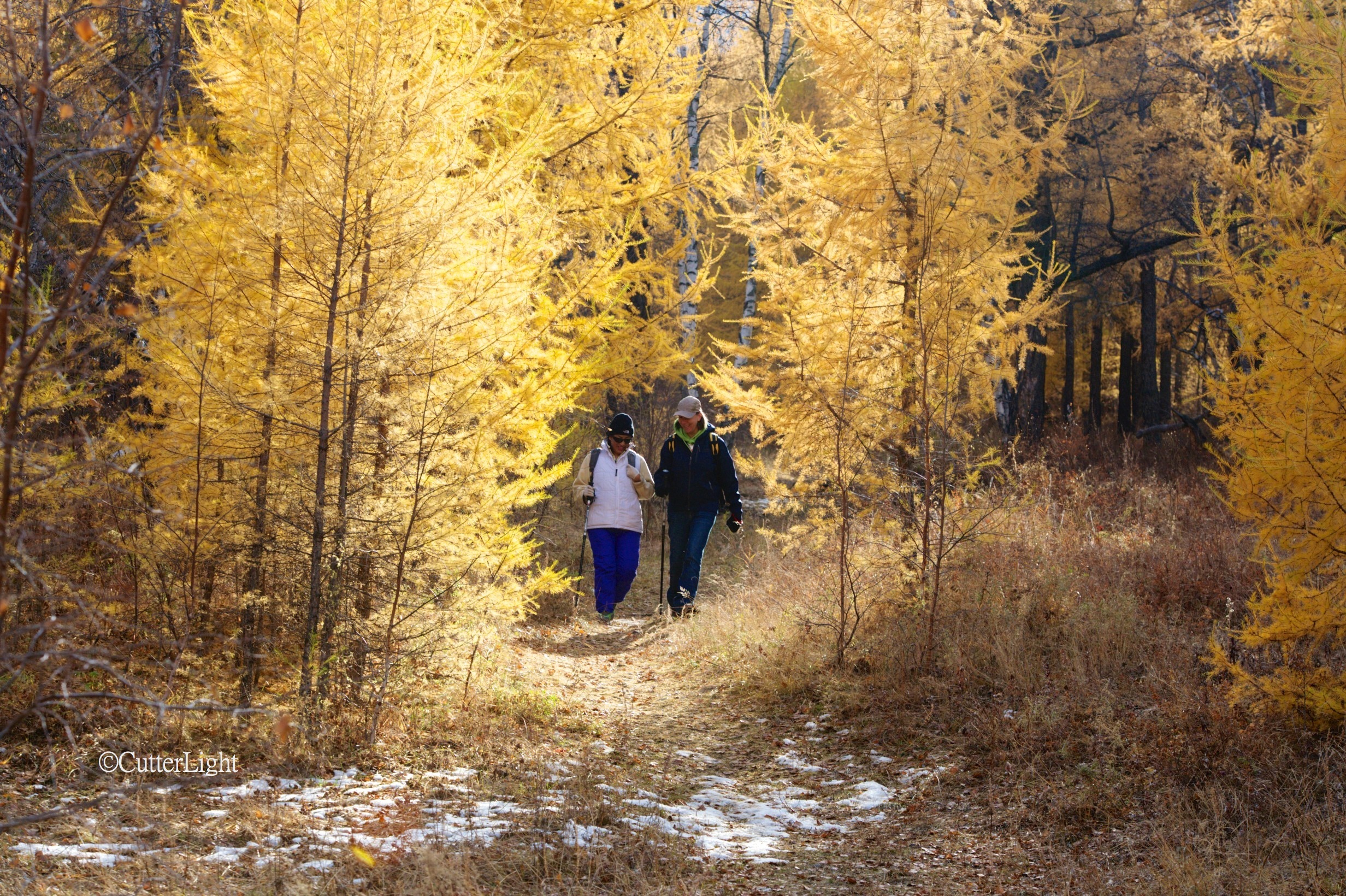
Yellow with fall, larch trees light the trail as Barbra and a friend make their way down from the summit of Bogd Khan Mountain. A Unesco Heritage Site, Bogd Khan rises 3,000 feet (914 meters) above the southern edge of the city of Ulaanbaatar, itself over 4,000 feet (1,310 meters) above sea level. Considered sacred by Mongolians, the mountain is home to numerous species of birds and other animals, some of which are rare.

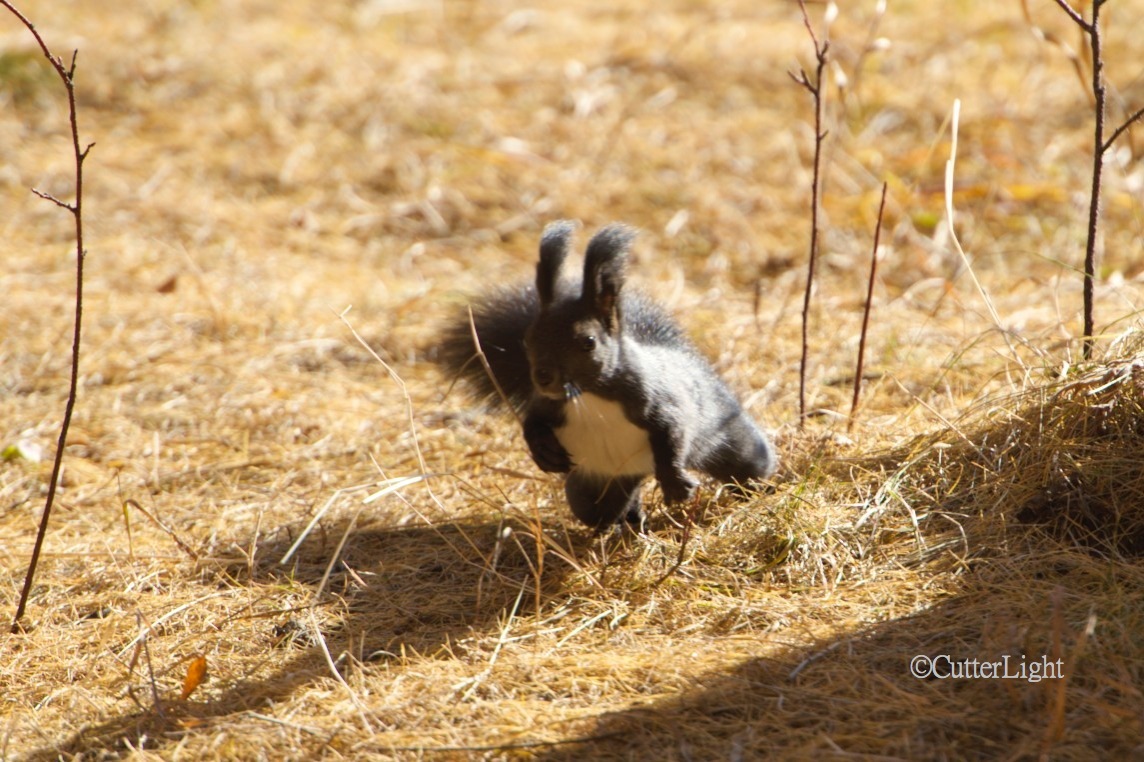
Sciurus vulgaris eurasian red squirrel n

The Eurasian red squirrels (Sciurus vulgaris) of Bogd Khan are nearly black. Siberian Pine and Scotch pine provide ample forage for the forest’s squirrels and chipmunks; abundant birds of prey and foxes keep them on their toes. Prompted by increasingly cold nights, this one was a whir of activity as he scampered from tree base to tree base in an attempt to build his stash of pine seeds. 

red squirrel n

We followed a looping path up the mountain and back down, pausing at the summit for lunch under Mongolia’s signature blue skies. The hike took us through deciduous forests of mostly larch (Larix siberia) and birch (Betula paltyphylla) in the lower elevations, gradually giving way to evergreen forests predominated by Siberian and Scotch pine as we we climbed higher. 

icy stream with gold n

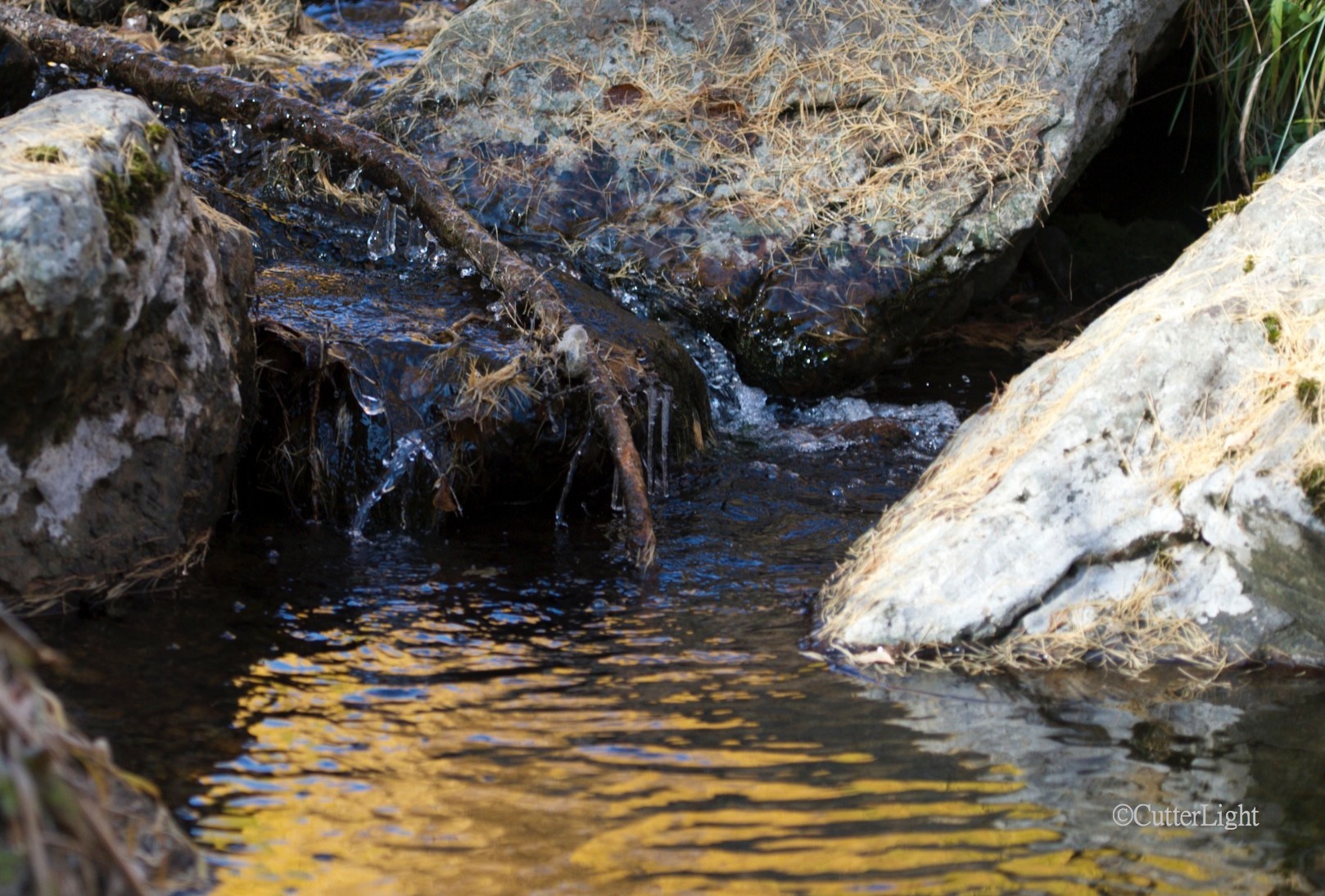
Recently nighttime temperatures have been plunging well below freezing with daytime highs climbing into the 40’s (degrees Fahrenheit), perfect fall hiking weather. This icy little brook is lit with the gold of larch trees and morning sunlight. 

Last embers of fall n

Catching the slanting rays of early sunlight, some of the last embers of red glow in this small meadow on the shoulders of Bogd Khan. Just weeks ago raptors such as black kites seemed to be everywhere. Now ravens and crows have taken over the skies. Winter is coming.

great tits Parus major n

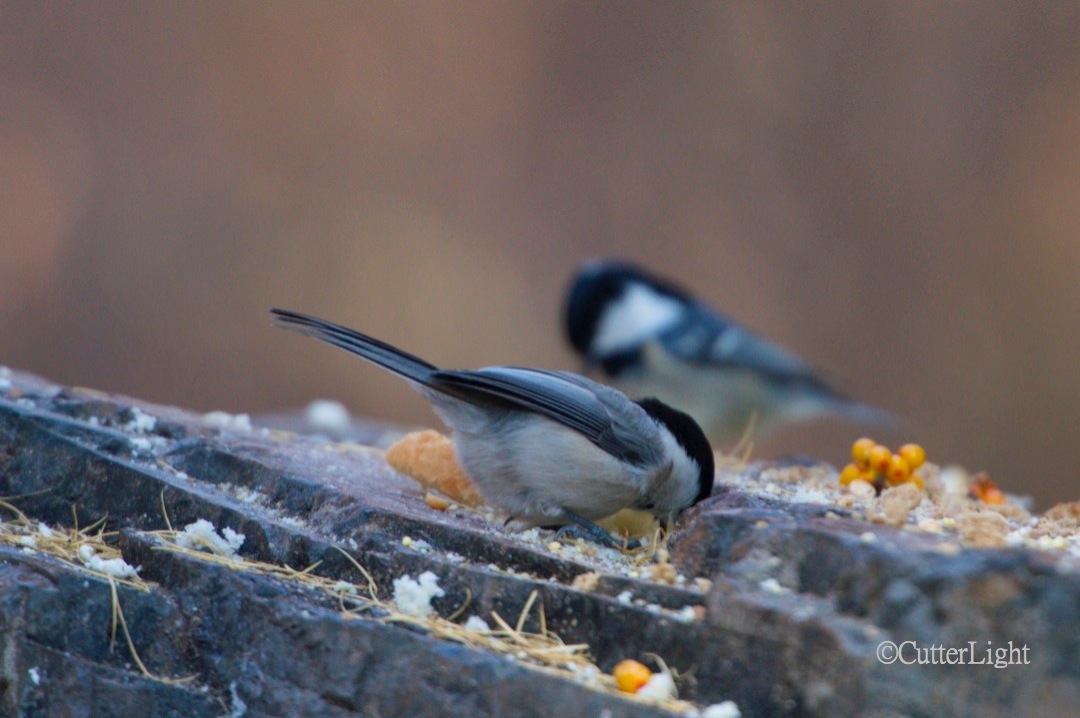
A previous hiker left a snack for these great tits (Parus major), including sea-buckthorn berries. They look and sound very much like their North American cousins, black-capped chickadees. 

eurasian nuthatch sitta europaea n

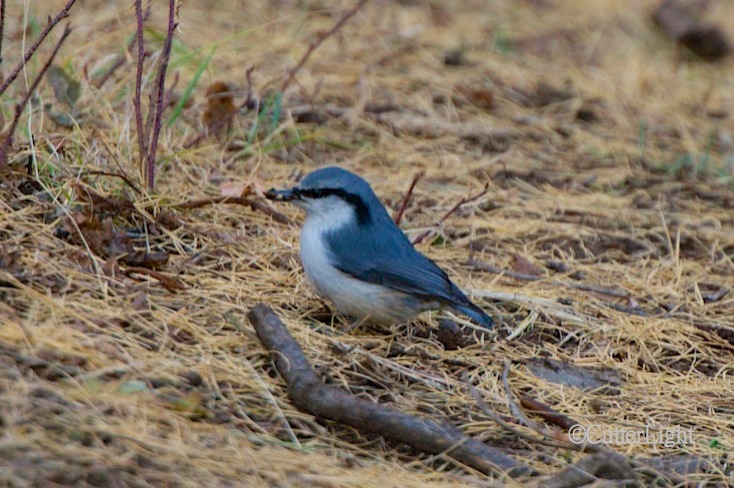
Another common resident of Mongolia’s forests is the Eurasian nuthatch, (Sitta europaea). This one is sorting through larch needles for insects and seeds. 

vulpus vulpus young red fox n

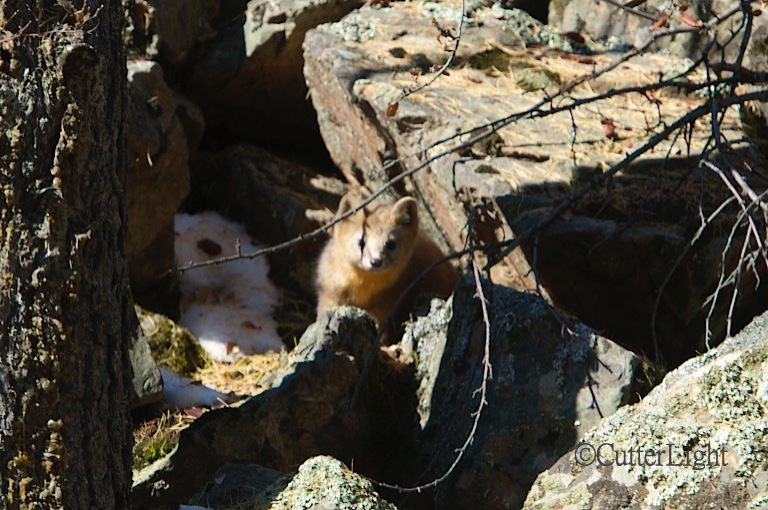
A first for us, this sable (Martes zibellina) appeared to be hunting when we startled each other. 

red fox hunting n

This little guy was quite skittish and didn’t hang around long before he took off for less populated (by us) hunting grounds. Picas, gerbils, squirrels and other rodents are abundant throughout the steppe and forests of Mongolia. Already thickened up for winter, his coat looks luxurious.

siberian chipmunk eutamias sibiricus n

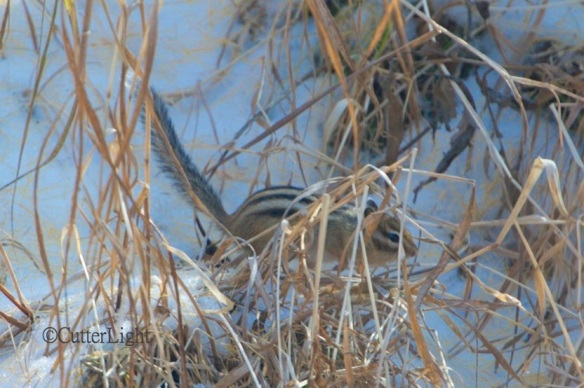
With foxes and sables on the prowl, this Siberian chipmunk didn’t sit still for even a second as he crammed his cheeks with seeds. Ranging from northern Japan through Europe, this is the only non-North American species of chipmunk. 

great tit n

As we gained altitude, stands of deciduous trees gave way to evergreens. The chirps and peeps of secretive birds followed us up the mountain.

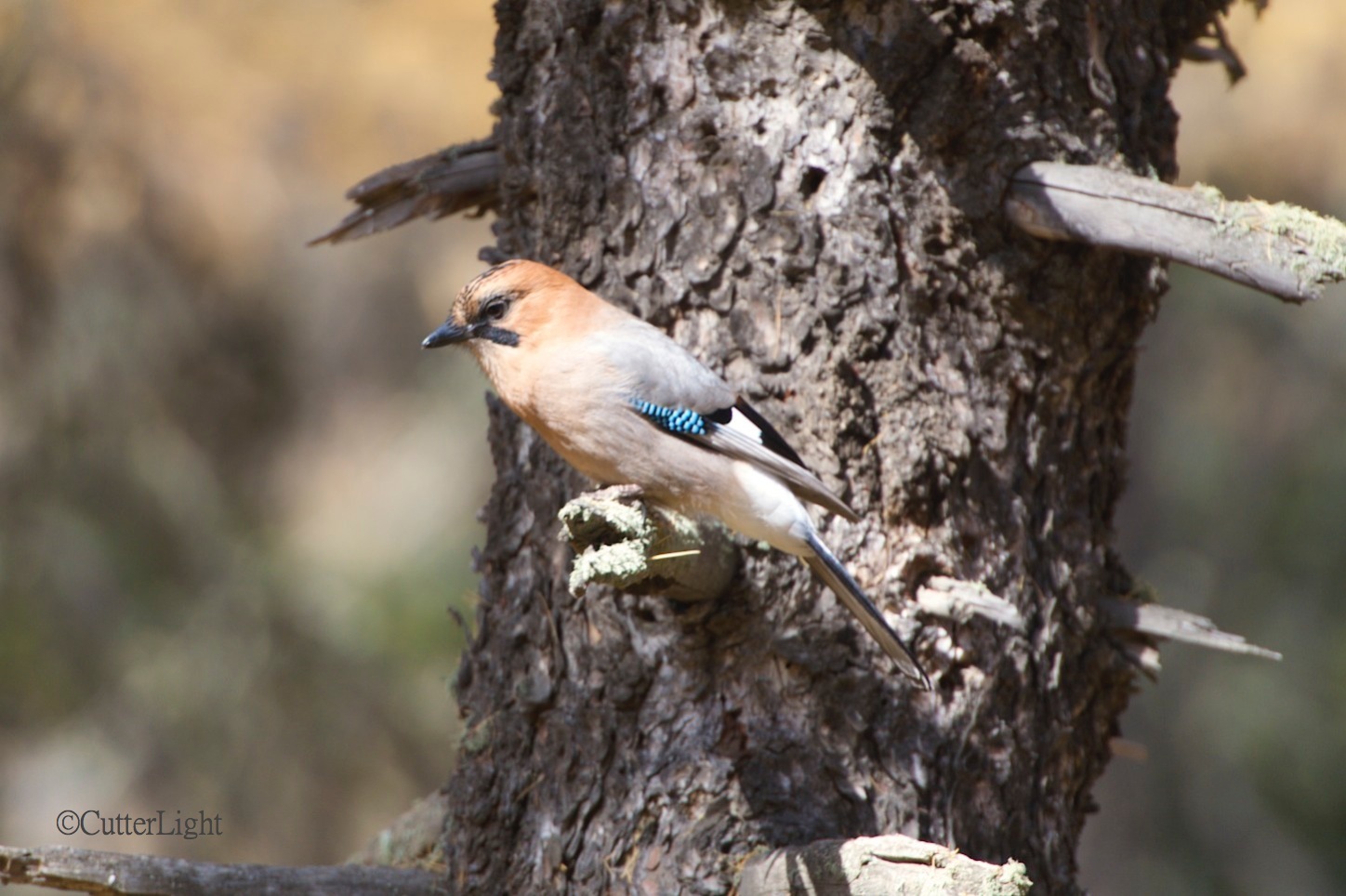
garrulus glandarius brandtiieurasian jay n

The jay from which all jays get their name – the Eurasian jay – was a bird we had really wanted to get a look at. The subspecies locally common in Mongolia, (Garrulus glandarius Brandtii) is one of the most colorful among this group. They appeared to us to be considerably larger than either the blue jay or the Steller’s jay of North America.

siberian jay in flight n

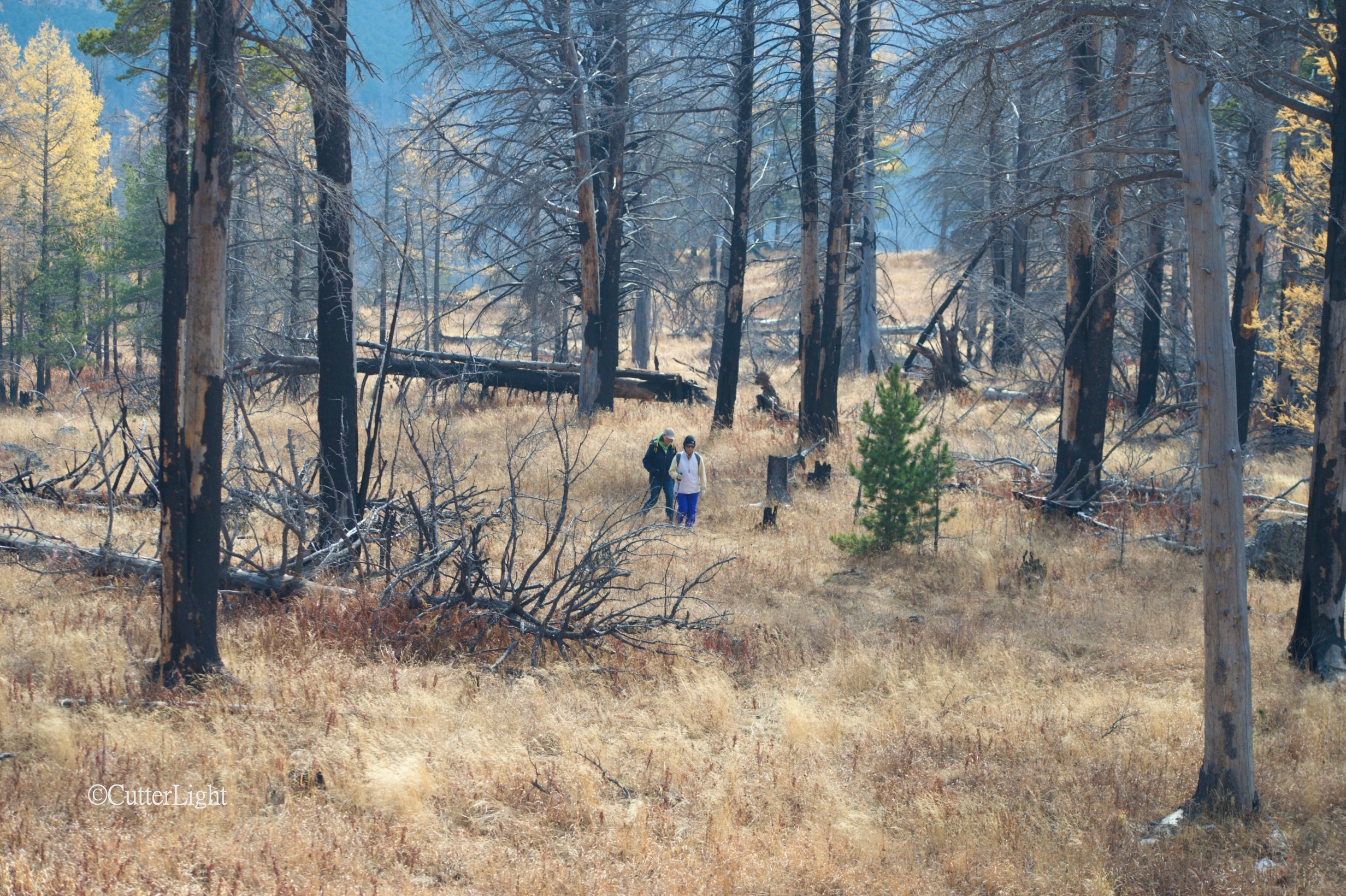
hike through fire-damaged bodkhan n

Fire opened the canopy in an area near the summit of Bogd Khan allowing a grassy meadow, laced with deer trails, to emerge. We’re looking forward to making this hike in warmer seasons when wildflowers are in bloom.

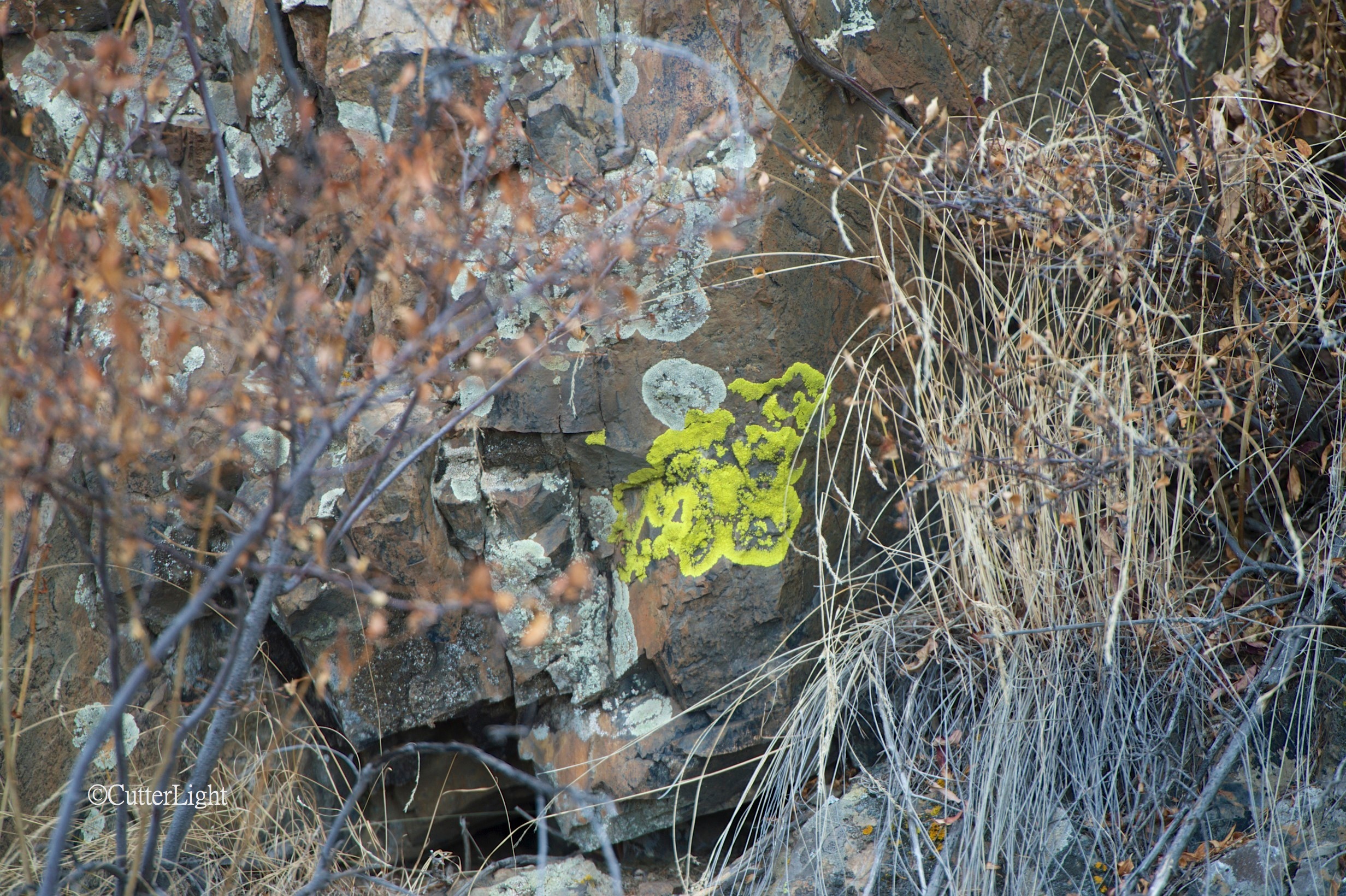
lichen chartreuse n

This splash of chartreuse from a rock-hugging lichen was startling.

yellow wildflower fall bloom n

As was the unexpected yellow in this small, late-blooming flower.

bodkhan fall larches birches n

And then their were landscapes like this… jumbles of birch and larch that seemed to be lit from within. 

OLYMPUS DIGITAL CAMERA

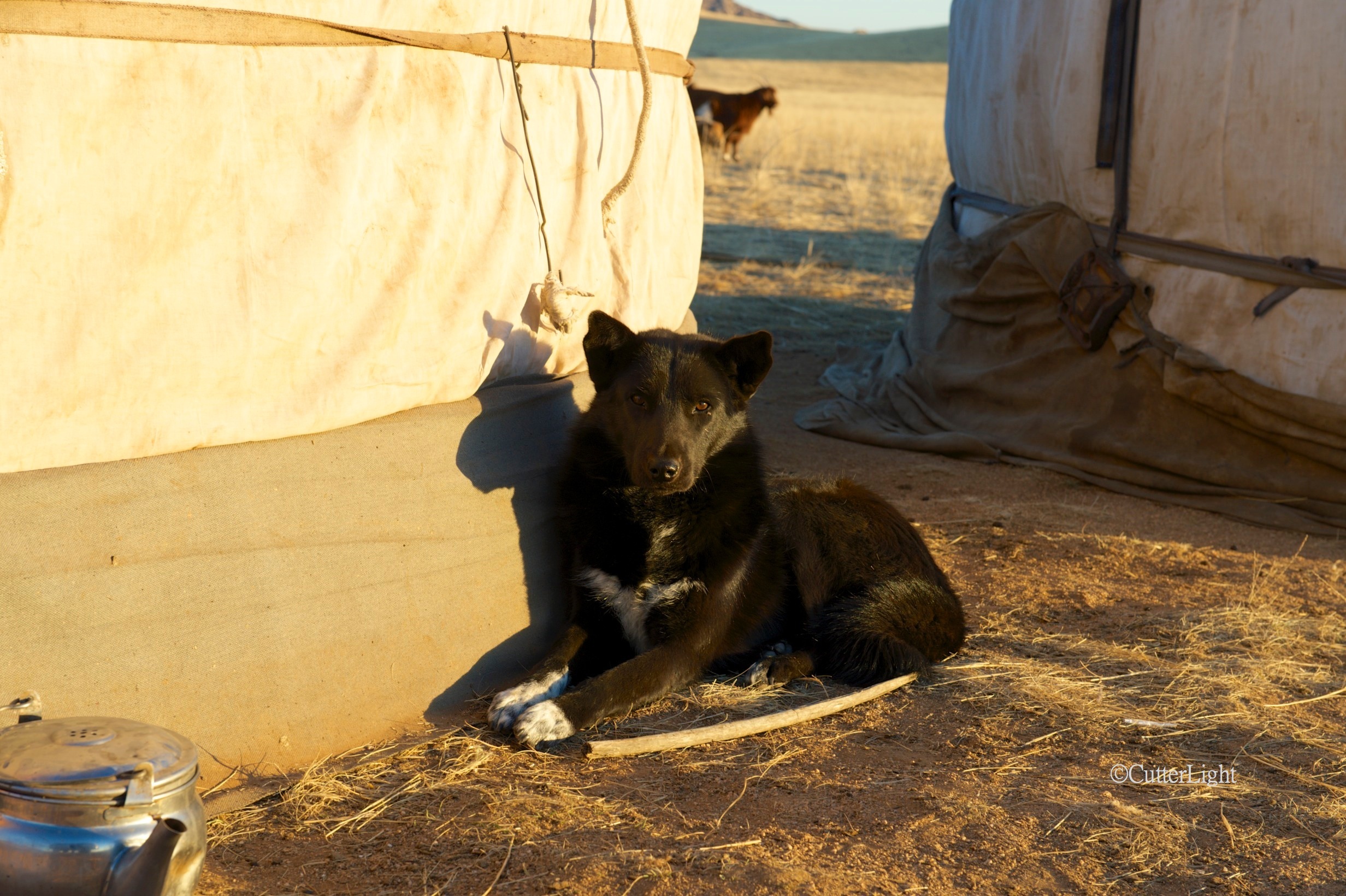
We emerged from the forest as the sun was beginning to sink below the mountain ridge, tired in the best possible way. It is a fortunate family that lives in this ger on the edge of this great forest.

Chocolate Candy Bar Coffee Cake

chocolate coffee cake_n

Warm afternoon sunshine streamed in through the windows on a cool fall day, illuminating this rich, moist afternoon snack created from a favorite chocolate candy bar. Served with freshly brewed cups of hot tea it was just the thing before a walk into town.

Chocolate coffee cake is tempting straight out of the oven. But this cake tastes best the day after it is baked. The traditional streusel topping turns a good cake into an irresistible afternoon treat.

Chocolate Candy Bar Coffee Cake

Ingredients

Streusel top:

  • 2/3 cup all purpose flour
  • 1/2 cup firmly packed brown sugar
  • 1/2 tsp cinnamon
  • 6 tbsp cold unsalted butter, cut into small pieces
  • 1/2 quality chocolate candy bar, chopped fine

Cake:

  • 2 cups all purpose flour
  • 2/3 cup unsweetened Dutch-process cocoa powder
  • 1 tsp baking soda
  • 1 tsp baking powder
  • 1/2 tsp salt
  • 1/2 cup unsalted butter
  • 1 cup granulated sugar
  • 3 large eggs
  • 1  1/4 cups plain yoghurt
  • 1  1/2 tsp pure vanilla extract
  • 1 cup chopped pecans

Instructions

  1. Preheat oven to 350 degrees F.
  2. Grease a 9 x 13 inch glass baking dish.
  3. In a small bowl, mix together the following streusel ingredients: flour, sugar, and cinnamon.
  4. Rub in butter into streusel mixture, until coarse crumbs form.
  5. Fold in chopped chocolate pieces. Set aside.
  6. To make the cake, in a large bowl, whisk together flour, cocoa, baking powder, baking soda, and salt.
  7. In another bowl, cream together butter and sugar.
  8. Add eggs, one at a time, beating thoroughly.
  9. Mix in yoghurt and vanilla extract.
  10. Stir wet ingredients into dry. Mix thoroughly.
  11. Fold in chopped pecans.
  12. Pour batter into prepared pan.
  13. Sprinkle streusel mixture evenly over batter.
  14. Bake until topping is golden, about 40 minutes. Cake is done when toothpick inserted into center of cake comes out clean.
  15. Let pan cool on wire rack. Cut into squares to serve.

Stacking Up Shortbread Cookie Recipes: Espresso-Chocolate and Almond

shortbread cookies_new

A quintessential shortbread recipe revamped twice for two deliciously buttery versions of a classic cookie.

Shortbread cookies offer delectably crunchy bites that still maintain the sense of a soft cookie. Using powdered sugar as the sweetener gives these cookies their appealing melt-in-your-mouth texture. A blog I follow, Smitten Kitchen, posted a scrumptious coffee flavored version of these cookies featuring a deep, chocolately finish. Her recipe included a clever trick of rolling out the dough in a zip top plastic bag and then allowing it to chill in the bag, making for quick and easy cutting of the chilled dough. I made a batch of her espresso-chocolate flavored cookies and then experimented with my own almond flavored version. How did these two recipes stack up? Deliciously!

After successful experimentation substituting the coffee and chocolate with almonds, I can imagine a whole host of substitute flavors to continue playing with – lemon, caramel, anise…

Espresso Chocolate Shortbread Cookies

Ingredients

  • 1 tbsp coffee extract (or highly concentrated coffee)
  • 8 oz unsalted butter, room temperature
  • 2/3 cup powdered sugar
  • 1/2 tsp vanilla extract
  • 2 cups all-purpose flour
  • 4 oz of your favorite chocolate bar, chopped finely. I found one with toffee bits inside which worked fabulously.

Directions

  1. Thoroughly mix butter and powdered sugar in a medium bowl.
  2. Stir in coffee and vanilla.
  3. Mix in flour. Don’t overmix.
  4. Fold in chopped chocolate.
  5. Transfer dough to a gallon-sized zip top bag.
  6. Roll the dough out until it is about 1/4 inch thick. You should have a rectangle about 9 x 10 inches.
  7. Squeeze out the air and zip bag closed. Refrigerate dough for 2 hours. Refrigerated dough will keep for a couple of days.
  8. Preheat oven to 325 degrees F.
  9. Line a baking sheet with parchment paper.
  10. Cut the dough-filled plastic bag so you can remove top layer.
  11. Turn dough out onto a board.
  12. Cut dough into cookies – about 1 1/2 inch squares.
  13. Place cookies on parchment lined baking sheet.
  14. Bake for 10 minutes. Then rotate pan and bake for additional 10 minutes.
  15. Cool cookies on wire rack.
  16. Cookies will taste best when they are fully cooled.

Recipe courtesy of Smitten Kitchen.

Almond Shortbread Cookies

Ingredients

  • 1 tbsp almond extract
  • 8 oz unsalted butter, room temperature
  • 2/3 cup powdered sugar
  • 1/2 tsp vanilla extract
  • 2 cups all-purpose flour
  • 4 oz almonds, chopped fine.

Directions

  1. Thoroughly mix butter and powdered sugar in a medium bowl.
  2. Stir in almond and vanilla extracts.
  3. Mix in flour. Don’t overmix.
  4. Fold in chopped almonds.
  5. Transfer dough to a gallon-sized zip top bag.
  6. Roll the dough out until it is about 1/4 inch thick. You should have a rectangle about 9 x 10 inches.
  7. Squeeze out the air and zip bag closed. Refrigerate dough for 2 hours. Refrigerated dough will keep for a couple of days.
  8. Preheat oven to 325 degrees F.
  9. Line a baking sheet with parchment paper.
  10. Cut the dough-filled plastic bag so you can remove top layer.
  11. Turn dough out onto a board.
  12. Cut dough into cookies – about 1 1/2 inch squares.
  13. Place cookies on parchment lined baking sheet.
  14. Bake for 10 minutes. Then rotate pan and bake for additional 10 minutes.
  15. Cool cookies on wire rack.
  16. Cookies will taste best when they are fully cooled.

Poppy Seed Cloverleaf Rolls

poppy seed roll clover leaf n

In theory, this recipe will make twelve rolls. When I went to retrieve the rolls for my photo shoot, there were only six. Jack!?! They must have been really tasty!

The transition from Alaska to Ulaanbaatar, Mongolia has not been easy for the baker in me. Ulaanbaatar is known for being the coldest capital in the world. Since we have arrived, the weather has been really warm. Turns out highs in the 70’s and 80’s F is mighty warm for our Alaskan blood. Finally, a cloudy day with a high of 53 degrees F made for a comfortable baking weather.

After years of making dough in my Zojirushi bread machine, the move to a country with different electrical outlets encouraged me to relinquish my training wheels and bake on my own. I had always had trouble getting my doughs to rise properly in our home in Point Hope. With experience and a few tricks, I was ready to give it a go without any machinery.

I pulled my Williams-Sonoma Baking Book off the shelf and looked for a yeasted bread recipe which would be a delicious accompaniment to Jack’s tomato soup. Poppy seed cloverleaf rolls sounded tasty and look beautiful, too. The recipe was easy to follow and the dough rose beautifully. The final product proved to be irresistible.

Poppy Seed Cloverleaf Rolls

Ingredients

  • 1 cup whole milk
  • 2 tbsp unsalted butter, plus extra for greasing
  • 1 tbsp granulated sugar
  • 2  1/2 tsp active dry yeast
  • 3/4 tsp salt
  • 2 3/4 cups all purpose flour
  • 1 tbsp light oil
  • 1 egg, well beaten
  • 1  1/4 tsp poppy seeds

Directions

  1. In a small pan over low heat, mix milk, butter, and sugar.
  2. Stir until butter is melted.
  3. Pour milk mixture into a large bowl.
  4. Allow mixture to cool to 105 – 115 degrees F, then whisk in yeast.
  5. Let mixture stand until foamy, about 5 minutes.
  6. Whisk again and then stir in flour and salt, about 1/2 cup at a time. Dough should be soft and sticky.
  7. Turn dough out onto a lightly floured surface and knead until it is smooth and elastic, about 5 minutes.
  8. Coat a bowl with oil, then add dough to bowl. Turn dough so that it is covered with oil.
  9. Cover bowl with damp cloth and allow dough to rise until doubled, about 1  1/2 hours.
  10. Grease 12 standard muffin cups.
  11. Turn the dough out onto a lightly floured surface.
  12. Flatten dough to a rectangle.
  13. Cut rectangle into 12 equal portions.
  14. Take each portion and break into 3 pieces. Roll each piece into a ball and place three balls into each muffin cup.
  15. Cover pan with a kitchen towel and allow dough to rise until doubled, about an hour.
  16. Preheat oven to 375 degrees F.
  17. Brush tops of rolls with egg.
  18. Sprinkle each roll with some of the poppy seeds.
  19. Bake until puffed and golden, about 15 minutes.
  20. Remove from pan right away. Serve hot or warm.

Recipe courtesy of The Williams-Sonoma Baking Book.

Khorkhog: Eating, Drinking and Being Merry in Mongolia

OLYMPUS DIGITAL CAMERA

Traditional Mongolian barbecue consists of the meat of an entire animal (often sheep), fire-heated rocks and root vegetables placed together in a large cooking container. The heated rocks slow-cook the meat and vegetables while the sealed container keeps the flavor in.

To celebrate the beginning of the school year, our Mongolian colleagues prepared a khorkhog feast to share with us. Khorkhog refers to a Mongolian method of cooking meat as well as to the celebratory event where the meat is enjoyed.

OLYMPUS DIGITAL CAMERA

This elaborately decorated bus took us to the feast site. Opulent to our eyes, we were told that this is a “normal” bus. (Our friend Dawn Doig is seated on the right.)

OLYMPUS DIGITAL CAMERA

Our picnic site was located on the grounds of the Hotel Mongolia which offers upscale services along with ger (yurt) sleeping quarters. Traditionally made of felt walls and wood frames, gers are the portable homes of the nomadic people of the Mongolian steppe.

In the early 13th century a former Mongolian herder name Temujin was renamed Genghis Khan, ruler of all who live in felt tents. Under Genghis Khan and later his sons, the Mongolian Empire would eventually include an uninterrupted sweep of territory extending as far west as present day Hungary, east through southern Russia, central Asia, Northern China and Mongolia – the largest contiguous empire ever to exist. Military forays pushed into Southeast Asia and although never successfully invaded, Mongolian leadership even had their sights set on Japan. Present-day Mongolia is the 19th largest country – but with a population of about three million people is the least densely populated.

OLYMPUS DIGITAL CAMERA

In the center courtyard of the Hotel Mongolia is a silver tree fountain which was inspired by the Silver Tree of the ancient city of Karakorum, the 13th century capital of the Mongol Empire. The original sculpture was made of silver and other precious metals. When the khan wanted to serve drinks to his guests, the sculpture’s serpents would gush alcoholic beverages.

OLYMPUS DIGITAL CAMERA

“Why didn’t you let me bring my tenkara rod?” Jack pouted as he watched a local fisherman try his luck in the Tuul River. Next time, Jack. Next time. The presence of stoneflies, mayflies and caddis larvae indicated good water quality, but we have yet to see a fish come out of this highly-pressured section of the Tuul River.

OLYMPUS DIGITAL CAMERA

We were treated to a lovely picnic prepared by our Mongolian colleagues. Khorkhog meat cooked to perfection was served alongside roasted root vegetables and potatoes. An assortment of salads rounded out the meal and people were snacking on pine nuts from cones they’d found nearby. The centerpiece of the spread was a beautiful bowl of airag, fermented mare’s milk.

OLYMPUS DIGITAL CAMERA

A bit of a sour face is a standard reaction upon first sampling a bowl of airag. We understand that this beverage is traditionally offered by nomadic hosts to guests in Mongolia. We anticipate sampling a few more airags in our future Mongolian adventures.

OLYMPUS DIGITAL CAMERA

We were told it is customary to check the vodka (for poison?) by dipping one’s right ring finger into the drink and then scrutinizing the finger for black streaks. When the milk vodka passes the test, the drinker gives thanks to the spiritual world by flicking some of the liquid to the sky and to the left and right and then touching his forehead. This particular batch of mare’s milk vodka was brought by one of our colleagues whose family has a special recipe. The drink has a decided aftertaste of blue cheese.

OLYMPUS DIGITAL CAMERA

After a filling meal, we took a leisurely stroll atop the wall surrounding the hotel. Black kites, durian jackdaws, and red-billed choughs soared through the blue skies and we even startled a hare on our way to the picnic site.

OLYMPUS DIGITAL CAMERA

OLYMPUS DIGITAL CAMERA

We stopped to check out the indicate details in the roof tiles of the main buildings.

OLYMPUS DIGITAL CAMERA Our walk ended where some of the men were preparing another khorkhog using the same cooking process as in the metal containers, but this time using a sheep’s stomach as the cooking vessel.

This was a day of feasting, drinking and being merry with new friends!

Hustai (Khustai) National Park, Mongolia: Biodiversity and Ancient Carved Gravestones

Przewalski's horses a n

Wild Takhi, or Przewalski’s horses, graze the vast, rolling steppe lands of Mongolia’s Hustai National Park. Extinct in the wild by the late 1960’s, Takhi were reintroduced to Hustai in 1992 and have since flourished. Unlike the ferel “wild” horses of North America, Takhi are a true wild species – the only remaining wild horse in the world. We visited the park on a day when wildflowers and raptors seemed to be everywhere.

Located in Central Mongolia about 60 miles (100 km) west of the capital of Ulaanbaatar, Hustai National Park provides habitat for dozens of species of mammals and over 200 species of birds. Sixteen species of fish swim in the cold waters of the Tuul river which borders the southern edge of the park. On the day we visited in early August, recent rains had prompted a profusion of wildflowers.

Harebell n

Above, abundant hairbell blooms added vibrant splashes of color to the steppe as did pink bloom, (below). Interesting to us is that both species were familiar from hikes on the Alaskan tundra. 

Pink bloom n

marmots n

In any given year, as many as 150,000 marmots inhabit Hustai’s 195 square miles, providing food for the park’s foxes, wolves, lynx and birds of prey such as golden eagles.

black kite n

With our 200-400 mm lens in transit from the Nikon repair factory, we weren’t able to obtain the captures we wanted of the golden eagles and the beautifully marked lammergeiers we encountered. Happily, black kites like the handsome specimen above were abundant and not particularly shy. 

Mongolian herder n

His brightly colored traditional garb striking against the hazy pastels of the steppe, this nomadic herder was tending a mixed flock of sheep and goats. These herds share the grasslands with Mongolian gazelles, red deer, roe deer and the wild Takhi. 

DSC_7761 - Version 3 n

Some 1,200 to 1,400 years ago, a Turkic culture left behind groups of carved granite stone figures in the Hustai area. Elbows close to the body and hands folded across the heart, it’s likely that this six foot tall figure at the Ongot grave site is mourning the loss of a leader or nobleman. 

ram head stone n

Carved sheep represent spiritual sacrifice. Elsewhere, stylized lions watched guard over the grave site.

Pika n

Safely back at the entrance of his burrow, this pica posed for a moment before disappearing. The nearby steppe is also home to gerbils, hamsters and badgers.

pink wildflowers w ladybug n

Almost glowing, maiden pinks are said to have derived their name from the crenelated edges of their petals which appear to have been trimmed with pinking shears.

chiming bells Chiming bells are familiar throughout northern climes.

Prezwalski's horses b n

Horses do indeed make a landscape more beautiful. 

The Kindness of Strangers

OLYMPUS DIGITAL CAMERA

The America you miss is still there… if you look for it.

One of the best things about traveling is the great people we meet and the conversations we get into with them. At the end of a long day of driving, we eased our rig curbside in front of a beautifully landscaped cottage-style home on a quiet, tree-shaded street in Sultan, Washington. We were looking for a place to spend the night, and to our delight, the town was having a street fair complete with food booths, amusement rides, an auto show and live music. The challenge was finding a place to park our 50 foot combination of camper and C-Dory where we wouldn’t be in anyone’s way.

The owner of the house we were in front of was outside working in her garden. Jack and I understand that people can be irritated or suspicious to find a camper parked in front of their place. Whenever possible, we like to talk to homeowners so that they know our intent is to park overnight and not to move in. As is often the case, this homeowner, Toni, was happy to have us as temporary neighbors. After talking with her for a while and getting some tips on cool things to do in Sultan, we left her with a jar of our cloudberry jam. Then we got cleaned up and walked downtown to the fair which was reminiscent of the Autumn Leaf Festivals back in Jack’s hometown of Clarion, Pennsylvania and of thousands of similar fairs all across North America.

The next morning as we were preparing to depart Sultan, Toni presented us with a small cupful of deliciousness – beautifully ripe wild strawberries harvested from her garden. Time and again, these small, meaningful encounters with people add flavor and warmth to our travel. Whether it’s great service from a boatyard, restaurant or hardware store, conversations with business owners and chefs, or joys of the day and travel tips shared with the people we happen to have as temporary neighbors in a campground or at a local eatery, we continue to consistently discover that by turning off the endless cycle of negativity on news programs and going out and talking with people, the America we remember is still out there, waiting to be discovered.

OLYMPUS DIGITAL CAMERA

Summer street fair & auto show, Sultan, Washington, 2014.

Artists of the North Pacific Seas: The Watercolors of Dall’s Porpoises

Dall's Porpoise, full animal n

You might see a plume of ocean spray, a glimpse of black and white and if you’re close enough, you’ll hear a burst of expelled air as one of the speedsters of the sea comes up for a breath. Playing in the boat’s wake, Dall’s porpoises create ephemeral pieces of art out of seawater, light and air.

Dall's porpoise saltwater mohawk n

Water & Light Mohawk. Dall’s porpoises are capable of keeping pace with boats cruising at over 30 mph (55 kph), a speed that places them with or perhaps slightly ahead of Orcas and Pilot Whales as the sea’s fastest cetaceans. 

Dall's porpoise folded water n

Folded Glass. In Alaska’s seas, a steady diet of herring and other small fish help keep the population robust. Males, which attain larger sizes than females, can grow to a length of about eight feet and attain weights just under 500 pounds.

Dall's porpoise black and silver on blue n

Black and Silver. Typically traveling in pairs or in packs up to a dozen or so animals, tell-tale water spouts in the distance are a sign that the porpoises are in the area. If their stomachs are full and the speed of the boat is just right, they may come zipping across the water to play.

Dall's Porpoise Tail n

Watercolor Brush. Dall’s porpoises can seem to appear out of nowhere, and before long they disappear again. 

Dall's porpoise water burst n

Farewell Waterburst. Currently, populations of Dall’s porpoises are doing well. They prefer to swim over deep (500 feet), cold water along the continental shelves ranging from southern Japan, as far north as the Bering Sea, and along the west coast of America as far south as Southern California. As a species, they would benefit from international cooperation to conserve the fish stocks they rely on for food and to ensure that they are not accidentally caught in fishing nets.