Unknown's avatar

About Jack & Barbra Donachy

Writers, photographers, food lovers, anglers, travelers and students of poetry

Oasis in the Southern Gobi: A Camel-Back Trek

Buntings framed by desert wood n

Brown with October’s cold, a gnarled desert tree frames buntings (possibly Jankowski’s) (Emberiza sp.) near our ger in Mongolia’s southern Gobi Desert .

A few miles south of the Khongoryn Els singing dunes marked our southern-most push into the Gobi.

OLYMPUS DIGITAL CAMERA

A herdsman’s goats crowd around a rare source of water. 

black-tailed gazelle against dunes n

While driving, we encountered a species of gazelle that was new to us – black-tailed gazelle (Gazella subgutturosa).

black-tailed gazelle n

The black-tails proved to be every bit as skittish as the Mongolian gazelle we’d been seeing throughout the trip. 

After driving through an expanse of mostly sand and rock, we came into an area of small trees, shrubs and tall grasses, evidence of water close to the desert’s surface. The family gers there would be our camp for the next two nights. With water available, one of our first orders of business was good hair shampooings all around. This was to be the closest thing to a shower we had during our eight-day trek, and it was decidedly refreshing.

OLYMPUS DIGITAL CAMERA

Jimi Carter and I lug water cans to our ger for impromptu hair washing. The effects of the mini-shower were immediately spirit lifting. 

gerbil in s gobi

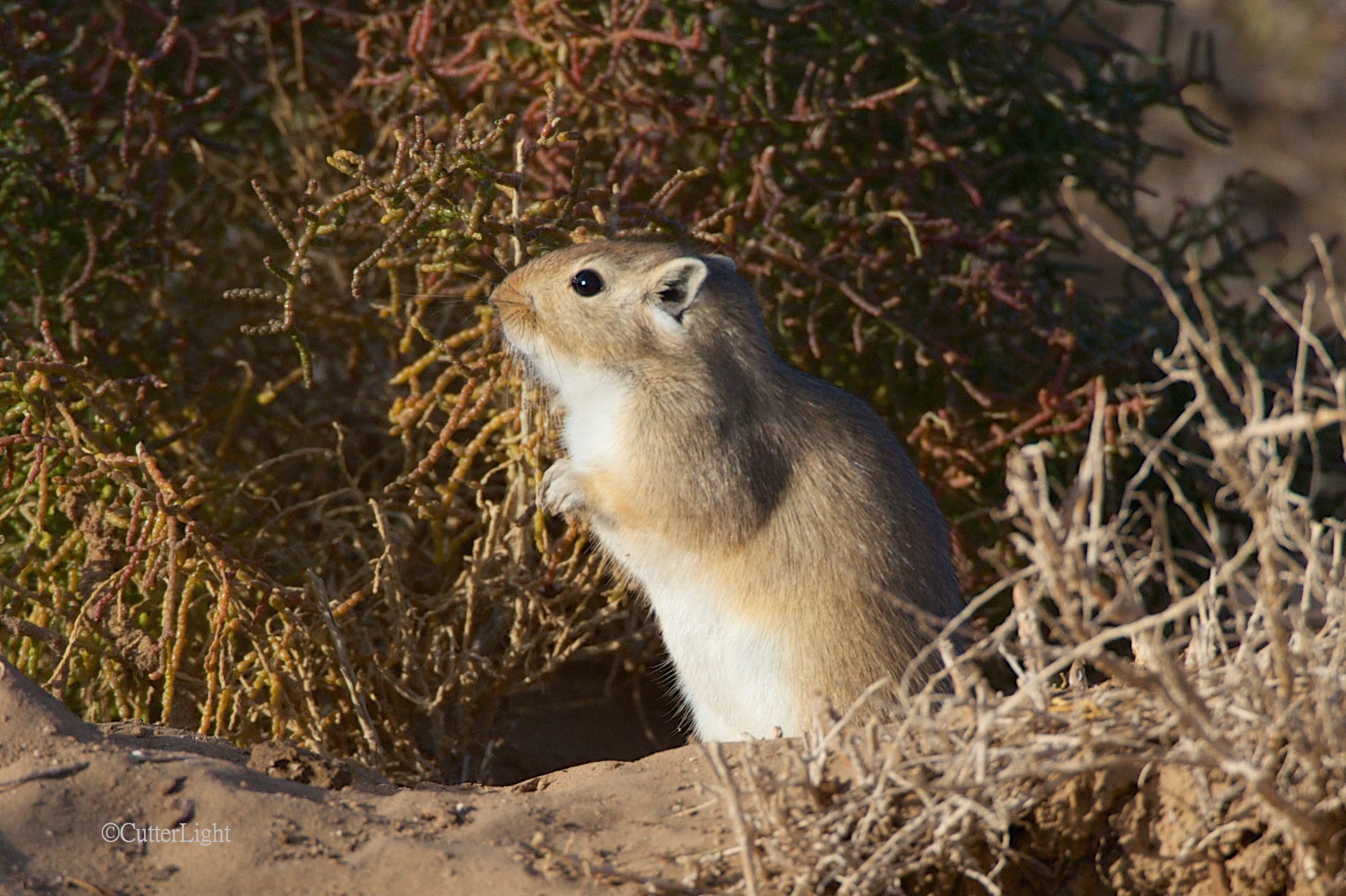
There was a large gerbil warren not far from our camp – and signs that a fox had recently visited it. 

OLYMPUS DIGITAL CAMERA

For dinner, the appetizers featured steaming bowls of temeni suute tsai (suu – te – tsay) – camel milk tea, fried bread and camel milk aarts. Aarts is similar to sweet, mild cream cheese. It was absolutely delicious, and we had to remind ourselves to save room for the main course – goat with a variety of goat meat sausages. 

sunset south gobi

The sunset that night was, as usual, spectacular. 

OLYMPUS DIGITAL CAMERA

This was the most spacious and ornately decorated ger we stayed in. Note the bag of aarts – camel milk cream cheese – on the right wall. After breakfast, our host rounded up several camels for our trek to a set of dunes about three miles from the ger. 

OLYMPUS DIGITAL CAMERA

Decked out in a traditional dell, our driver, Nimka, (foreground) and our host were ready to mount up and lead the way to the dunes.

cinereous n

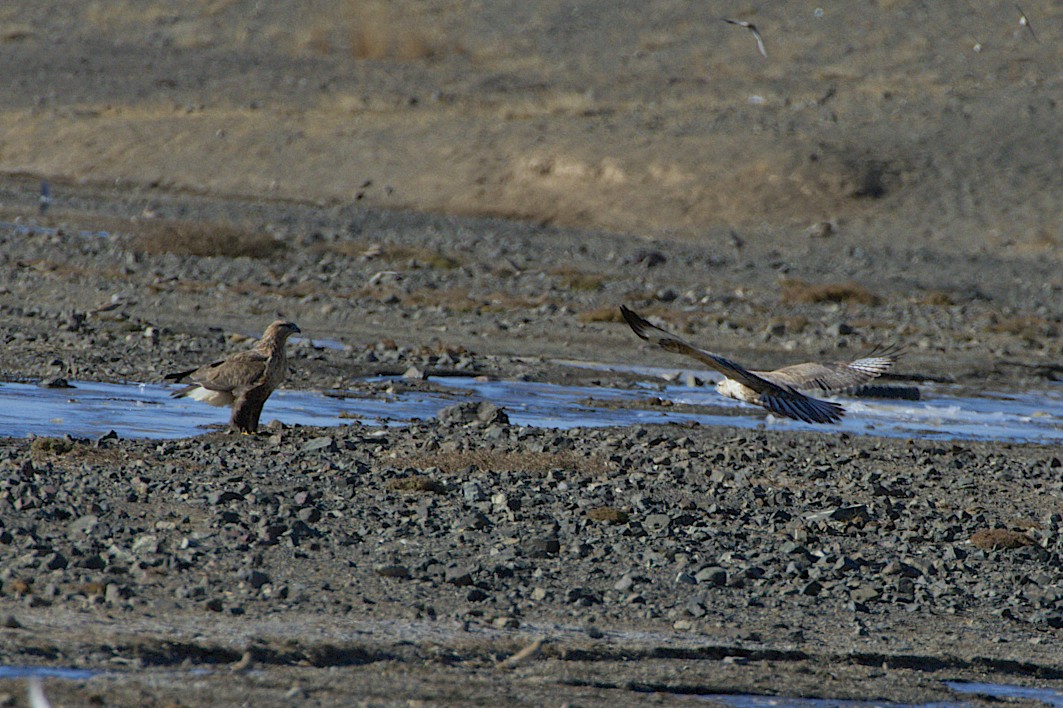
Raptors use the dunes as perches and hunting grounds. Here a cinereous vulture (Aegypius monachus) executes a take-off… 

common buzzard n

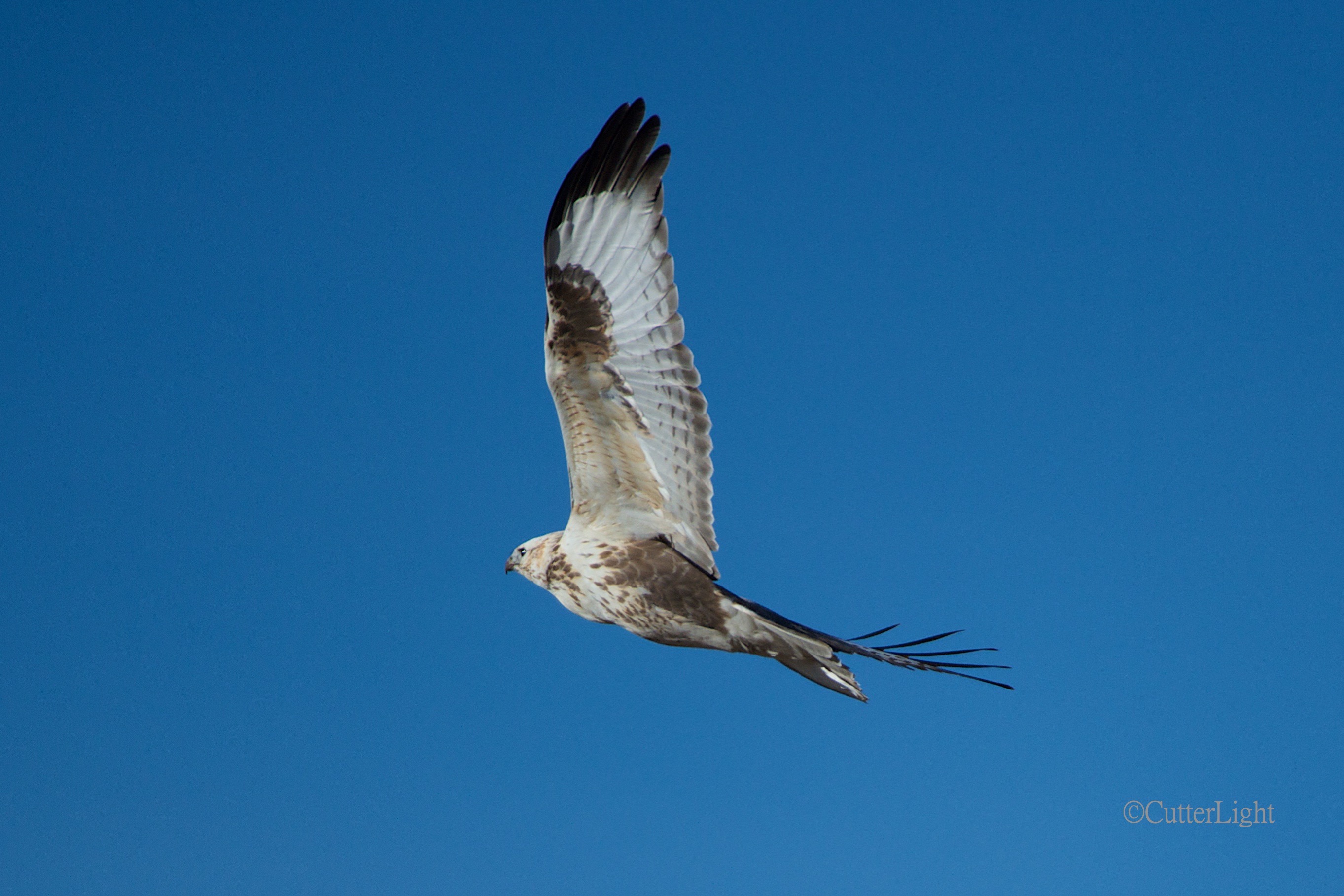
…and a common buzzard (Buteo buteo) soars above the landscape scanning for prey.

OLYMPUS DIGITAL CAMERA

Evidence of a successful hunt. The porcupine-like quills are those of a hedgehog. We found several of these pellets along the ridge of the dune. Birds of prey regurgitate the undigested parts of the birds and mammals they dine on.

OLYMPUS DIGITAL CAMERA

Camels tethered below, we ascended a fairly steep dune where we’d seen raptors perched. Although we never did encounter a fox, once again their tracks were present, along with those of hares. 

OLYMPUS DIGITAL CAMERA

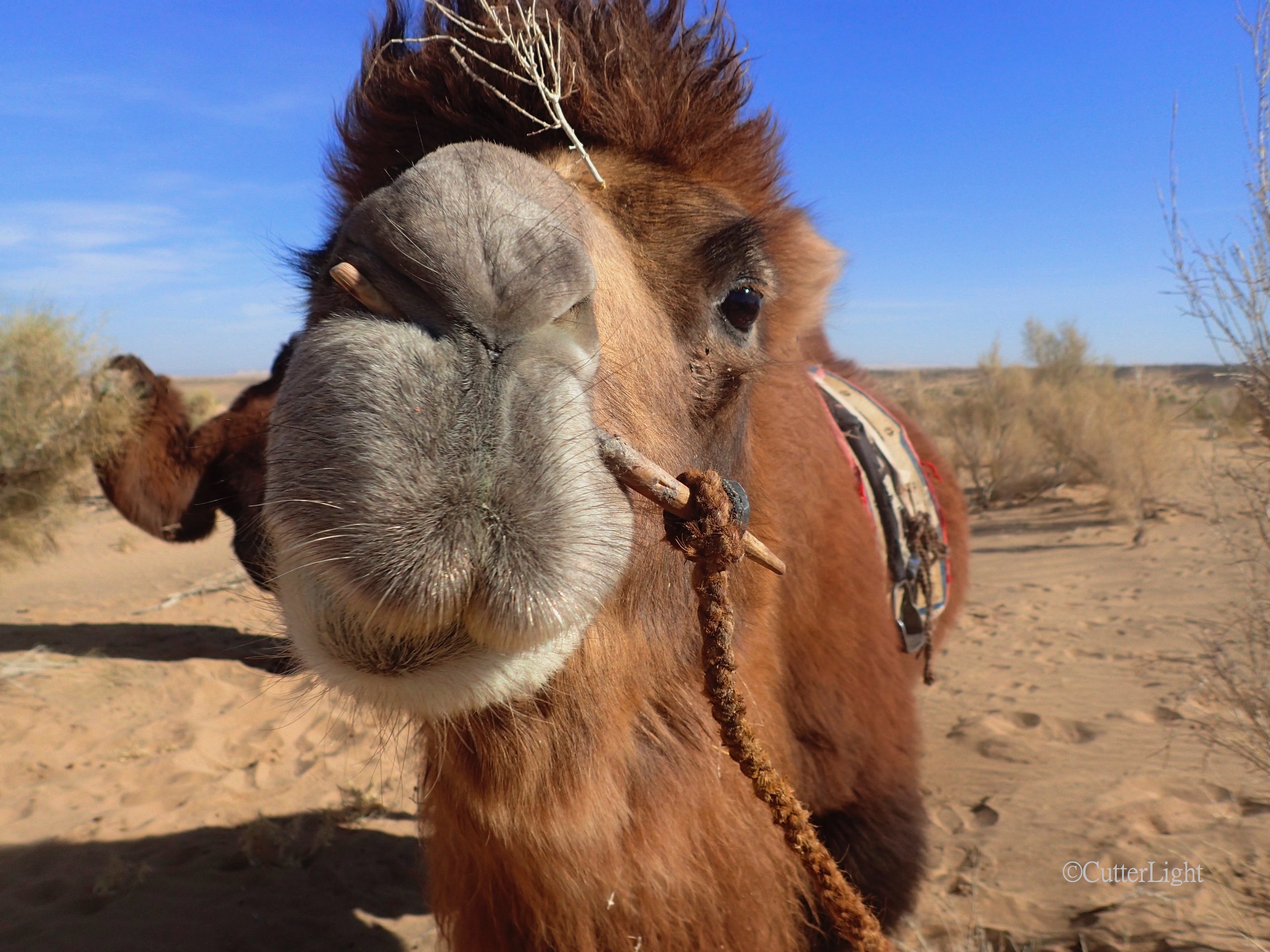
We named our camels for the trek. Here Barbra’s camel, Timmy, hams it up for the camera. (The Mongolian word for camel is teme – hence Timmy the teme.)

Below: Surprisingly lush growths of various seed producing grasses provide forage for the abundant bird and rodent populations, which in turn provide prey for foxes, wolves and the Gobi’s numerous raptors.

wheat grass wild n

red grass on wheat n

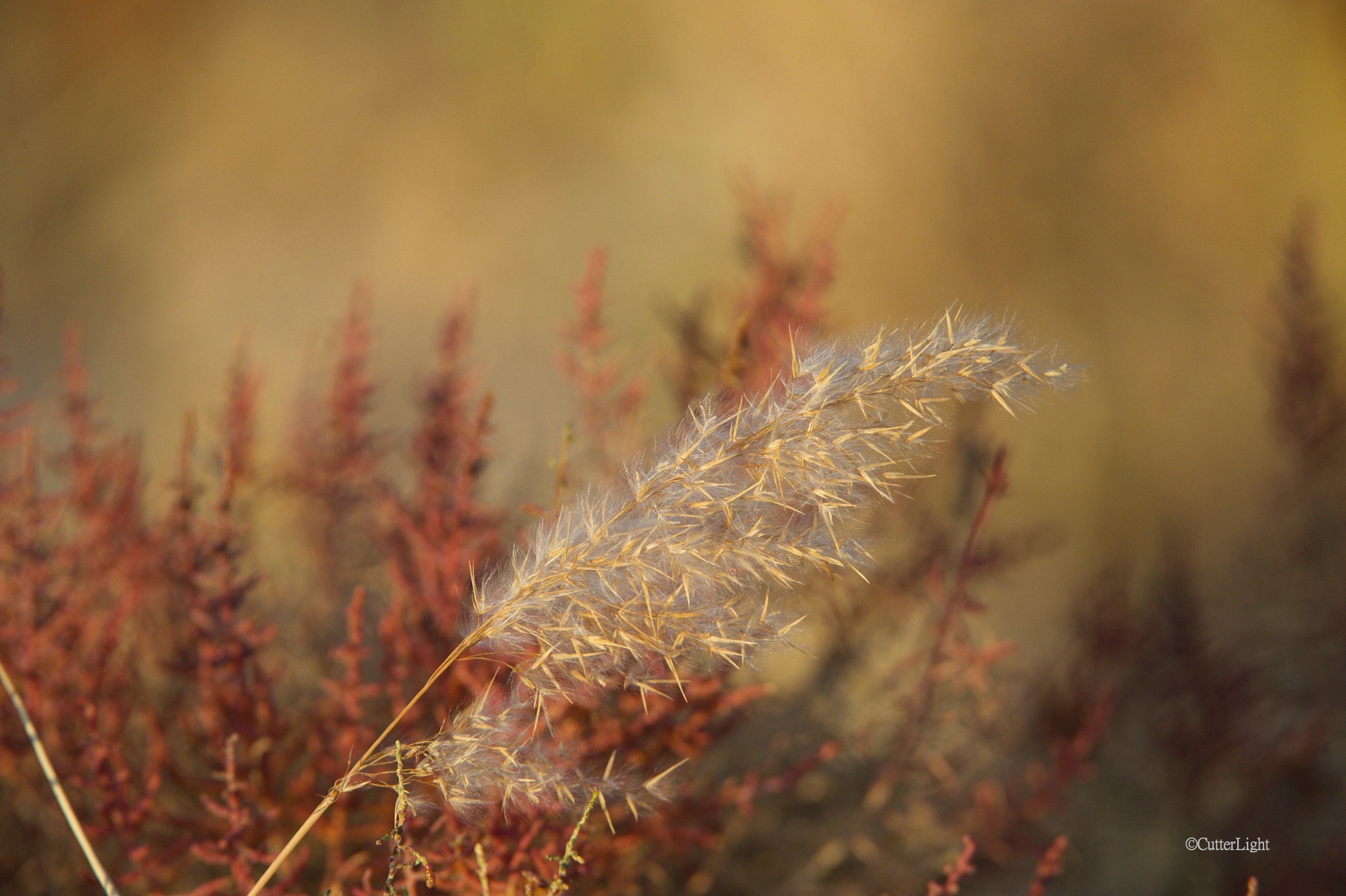
backlit seed head n

buntings 2 n

In addition to the many buntings and sparrows around this oasis ger, there were times in the early morning when thousands of doves filled the skies. 


Climbing Khongoryn Els: The Gobi Desert’s Singing Dunes

dunes big with human n

Towering nearly 200 meters high, Mongolia’s Khongoryn Els are among approximately 30 “singing dunes” worldwide. Precise balances of humidity, silicon content and sand grain size and shape must be perfect to achieve the deeply vibrating hum these dunes produce. Click any photo to enlarge. 

With each step up the steep slope of the dunes, we simultaneously gained and lost elevation, slipping back with the shifting sand. Although the mid-October day was cool, we were stripped down to jeans and shirts, and would have been more comfortable in shorts. By the midway point, we were drenched with sweat. And that’s about when we began to notice it – an unmistakable vibration that began in our feet and traveled through our leg bones up through our hips accompanied by a low, resonate hum. The sound was audible – sort of like monks chanting “ohmmmmmm” from somewhere deep in their throats.

sculpted dunes 1 n

Wind sculpted sand has fascinated humans for millennia. Views like this were our reward for hiking to the top of the dunes.

barbra climbing dunes n

Water bottle in tow, Barbra takes a breather halfway up the tallest dune. Livestock look like mere dots on the shores of the distant shallow lake. The water is a morning gathering place for doves in the thousands… perhaps tens of thousands.

OLYMPUS DIGITAL CAMERA

The top of the dunes felt like the top of the world –  the perfect place to make sand angels. 

sea of dunes n

Although much of the Gobi Desert is rocky and wet enough to support plant life, the area of the singing dunes is an ocean of ever-shifting sand. See Yolyn Am Canyon: Wildlife Safari amidst Remnants of the Gobi’s last Glacier and The Gobi Desert’s Valley of the Lammergeier.

dunes sculpted contrast n

Dusk was closing in by the time we descended the Khongoryn Els, creating dramatic contrasts along the dunes’ curving edges. 

One of the funnest runs of our lives was racing down the dunes barefoot – a 200 meter decent, big strides landing in soft, cool sand, only slightly tilted away from vertical.


The Gobi Desert’s Valley of the Lammergeier

ibex bull w cow n

On our second day in the Yolyn Am Canyon in mid-October, we encountered more ibex such as this handsome billy. The sheer number of raptors was astounding.

russian van tight squeeze n

Out trusty Russian van slipped through a seemingly impossible passage. Here and there, falcon, hawk and eagle’s nests were perched on ledges along the craggy, vertical walls.

Saker falcon n

A saker falcon stretches his wings during a morning of hunting. 

rough legged hawk wheatears

Small birds and mammals abound in the canyon, providing ample forage for raptors and other predators. On this morning, swarms of wheatears seemed oblivious to this rough-legged hawk, which was probably hoping to score one of the canyon’s many small mammals.

shy pica

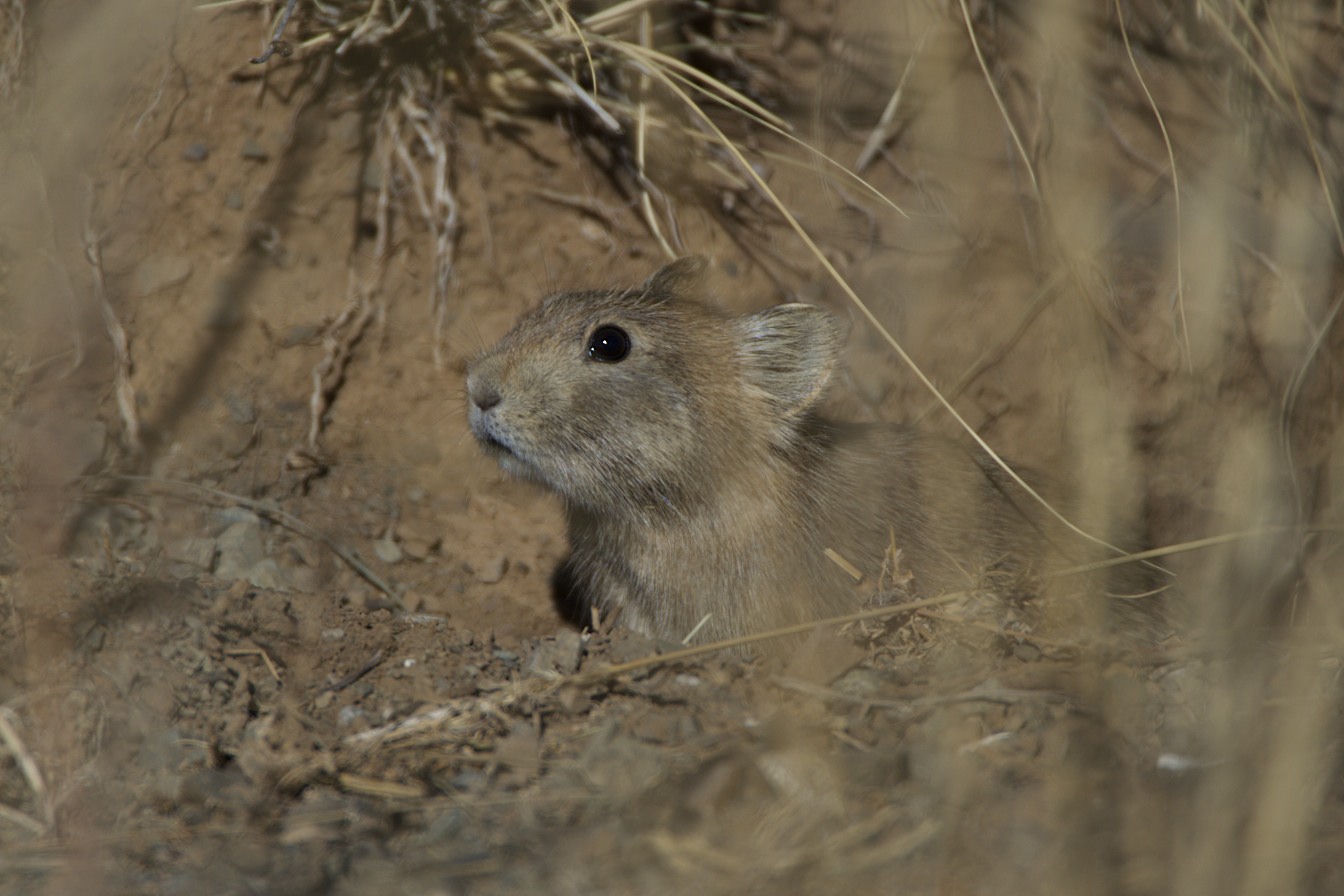
This shy pica had good reason to be on high alert. 

rough legged hawk pair

Probably a mated pair, these rough-legged hawks were hunting along a spring creek.

young & female ibex yolyn am 2 n

During our two-day journey on foot and by van through the canyon, we saw over 20 ibex.

bull ibex walking downslope n

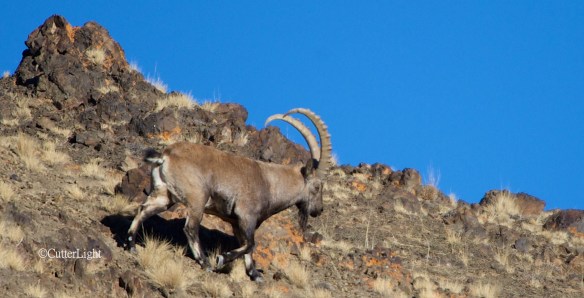
Bearded, muscular and with iron-like knobbed horns silhouetted against a blue Mongolian sky, this billy cast a baleful eye on us as he calmly passed by.

lammergeier disapper rocks

The shape of the tail and the gold under the chin make it easy to identify this as the Yolyn Am’s eponymous bird – a lammergeier, also known as a bearded vulture. They kept their distance. We have equally blurry shots of the canyon’s golden eagles. 

OLYMPUS DIGITAL CAMERA

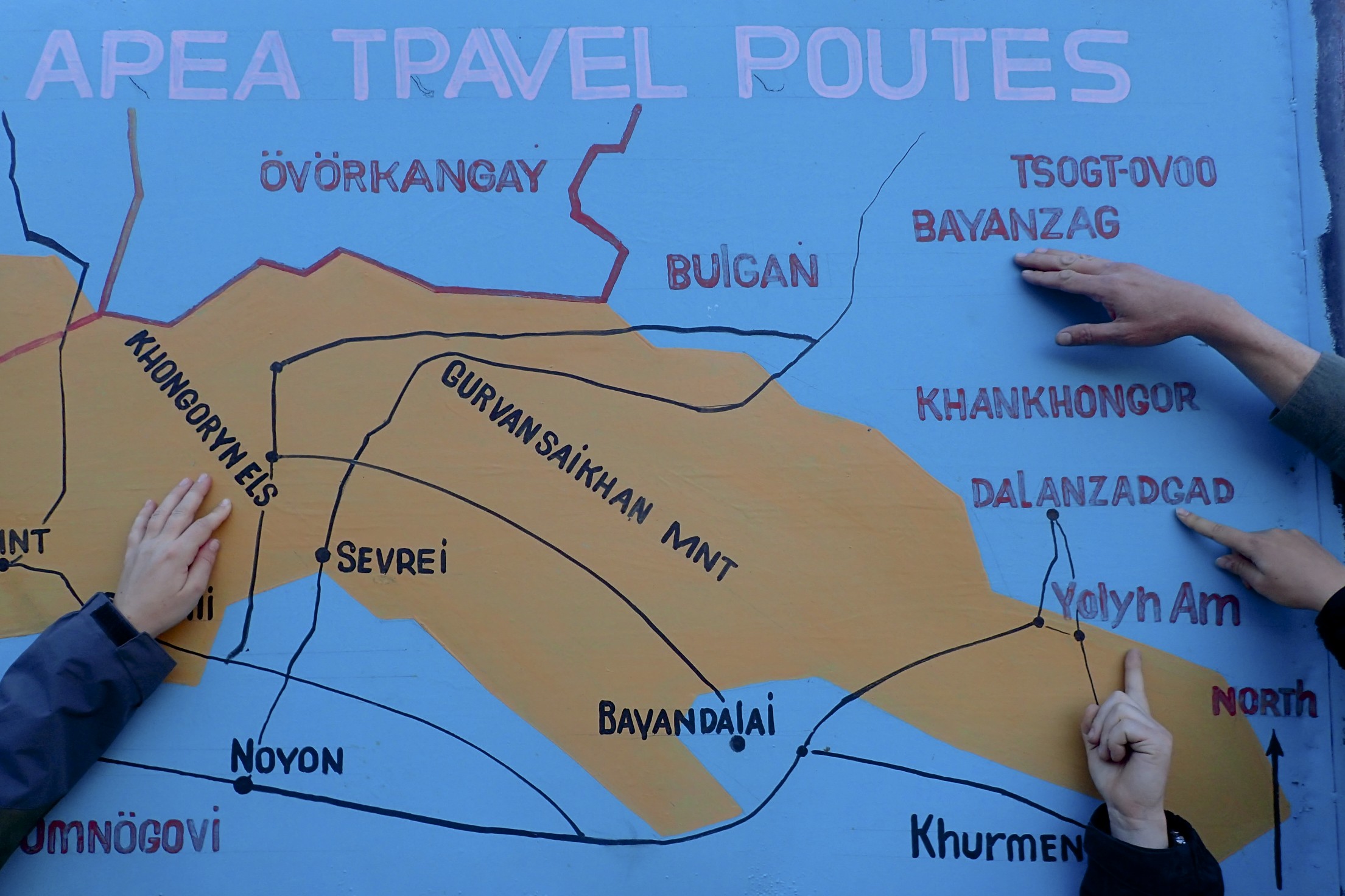
Three-hundred fifty miles (560 km) south of Ulaanbaatar, the Gobi Desert is wild and remote yet accessible. (In Mongolian cyrillic, the   “P’s” are pronounced as “R’s” in English.)

Coming next: The famous Singing Dunes – an Ocean of Sand

Yolyn Am Canyon, Mongolia: Wildlife Safari amidst Remnants of the Gobi Desert’s Last Glacier

ibex bull disappearing n

When this magnificent male Siberian ibex turned his back to us and disappeared, our hearts sank. But moments later, he reemerged for a second photo op. His group of females, young males and yearlings was tucked away up a narrow arm of Mongolia’s remote Yolyn Am Canyon.

ovoo Yolin Am Canyon n

Ovoos – sacred mounds of stones and other objects – are common throughout Mongolia. This one is a testament to the special place Yolyn Am Canyon holds in the hearts of the Mongolian people. Translated as “The Valley of the Lammergeiers” (a raptor also known as bearded vultures), the canyon is home to abundant wildlife, some of it rare.

On the evening of day four of our tour from Ulaanbaatar through the Gobi Desert, we stayed in a ger on the outskirts of Mongolia’s Yolyn Am Canyon. Situated at elevation in a narrow valley surrounded by jagged peaks, sunlight only briefly reaches the canyon’s floor each day. Until recent times, ice remained in the valley throughout the year, which made Yolyn Am the Gobi’s last glacier. In recent years, the ice is gone by August or September. By the time of our visit in mid-October, however, ice had returned to the spring creek that flows through the valley’s shadows.

chaffinch n

It is the universal story across our planet: Where there is water, there is life. The spring creek emerging from the stone mountains of Yolyn Am are an oasis sought out by diminutive passerines such as this chaffinch (Fringilla sp) as well as charismatic megafauna such as the park’s argali bighorn sheep and Siberian ibex.

chaffinch bathing n

Fringed with October ice even in the sunny portions of the canyon, this water makes for a chilly bath.

pica fight 2 n

Dense populations of Daurian pika (Ochotona dauurica) and other rodents sometimes lead to disputes. With winter’s icy lock looming, it is critical that each pika lay claim to a food source and stock up enough grass and seed to get them through the coming dark and cold. When stakes are high, these relatives of rabbits go at it with teeth bared and kicks flying.

Pika vanquished n

Ears back and chin down, the vanquished rival retreats to his burrow.

Walking through the narrow canyon in late morning light, we found ourselves surrounded by innumerable pikas, gerbils, wheatears, horned larks, buntings and other passerines. The abundance of wildlife was a revelation, and for me, an avid birder, it was hard to take my eyes of the creek bank and sunny glades where most of the action was going on.

And then magic happened.

“Jack!” one or our party exclaimed. “Ibex!” I followed the line of his index finger to a far off ridge where, unmistakably silhouetted against a famously blue Mongolian sky stood a beautiful example of a mature male Siberian Ibex. In such flawless relief against the sky and perfectly still, it looked like a statue. Far off in the distance, it was staring directly at us and no doubt had been for some time.

I crouched low and began pacing myself toward it. Forty strides, stop, shoot. Forty strides, stop, shoot. Along the way I passed up the very shot of red-billed choughs (Pyrrhocorax pyrrhocorax brachipus)  – a crow-like bird with a distinctive bright red bill and matching legs – I’d been hoping to get on this trip. I kept closing ground on the ibex, and although still well out of range, I reasoned that with every set of 20 paces I might be getting slightly better shots.

And then I looked down to where my left foot was about to fall near the edge of the creek and saw something I hadn’t even considered would be a possibility on this cool October morning…

Halys pit viper n

Which of us more surprised the other is impossible to say. For a brief moment, I considered stopping to reposition this 22 inch (55 cm)  snake, or to at least get a better photographic angle on him. But the ibex… Ironically, it turns out that seeing a Halys pit viper (Gloydius halys) is more unusual than seeing an ibex. On the other hand, as the name “pit viper” suggests, it’s just as well I didn’t mess around with this guy. Besides, on this cold day in a land where raptors are abundant, it was in the snake’s best interest that I left him alone.

ibex bull 2nd look n

This was a thrill. The ibex was still far off and way up, but he couldn’t have been any more beautifully silhouetted against the October sky atop this classic, jagged ridge. And then he disappeared for the last time. When I turned around to find Barbra and our group, they were pointing up a narrow canyon arm I’d just passed. The arm was on the other side of the ridge over which the male had disappeared, so I suspected this is where the rest of his group might be. The chase was on!

Somewhere between walking and running, I began scrambling as fast as I could up a wild side canyon. For one short stretch where a feeder spring tumbled over a mossy rock face, the ascent was almost vertical and I struggled between the camera gear I was carrying and finding hand-holds. But once I got up on the bench, there they were. Six, no, eight… maybe a dozen ibex represented by young males with their horns just beginning to gain weight and curl, females, younger animals and kids. They were watching me, but they had the high ground and I was on the opposite side of the canyon. They didn’t seem particularly nervous, so I continued scrambling, breaking a trail as I climbed.

young ibex looking at me n

With sturdy legs and heavily muscled bodies, the wild goats are stunning. 

As I stepped through the low undergrowth, I suddenly recognized an unmistakable smell. Wild juniper. I reluctantly took my eyes off the ibex and looked down to see a vast carpet of berried shrubs blanketing the side of the canyon I was climbing. Still making my way to higher ground and watching the animals on the opposite canyon wall, I found myself almost instinctively thinking, “This would be the perfect place for…”

At that very moment the ground around my feet exploded in a wind-rush thrum of blurred wings. Chukar!

chukar w lichen rock n

Shooting in manual, I was spinning dials like mad on my camera to adjust from the sunny slopes on the opposite canyon wall where the ibex were to the shade where this hen chukar was kind enough to pose on a lichen-stained rock complimenting her colors. The rest of the covey – her brood, I’m guessing – kited off to the opposite canyon wall and began calling each other back together. 

white-winged snow finch im back n

It seems that everywhere we looked that day, wildlife was abundant and cooperative. This young white-winged snow bunting (Montifringilla nivalis) insistently remained underfoot till I snapped a few shots.

white-winged snow finch im n

Our day-hike through Yolyn Am ended with shadows and cold crowding us out of the canyon, and though we could have walked further, we began to reckon that a warm ger and a hot meal sounded pretty good.

frozen water Yolin Am Canyon n

Ice – the great aquifer of arid highlands. It is this frozen water, slowly melting through the summer, that keeps the Yolyn Am Canyon wet and fecund. We couldn’t help but wonder what changes are in store for this magical place as the planet continues to warm.

red-billed choughs sunset n

A flock of red-billed choughs gathers in the canyon’s last light before flying to their roosts.

Next: Further South in the Yolyn Am Canyon – more ibex, gerbils, a lammergeier, rough-legged hawks, and a rare saker falcon in “The Valley of the Lammergeiers.”

Secrets for Fluffier Country Butter Biscuits

buttery biscuits n

Hot from the oven, these beautiful country-style biscuits have a down-home balance of crunchy peaks and crannies and buttery fluffiness. They’ll disappear faster than you can say “Breakfast is served!”

There are two tricks to fluffy biscuits. The first is use frozen butter. I use a cheese grater to add it to the dough while it’s still frozen. The grated butter pieces are just the right size to stir into the flour for even distribution. As the biscuits bake, buttery pockets are created and the steam released causes the dough to rise and become flaky.

The other trick is to tear the dough into biscuits instead of cutting it. Alternatively, you can use a cookie scoop to create the biscuits. Both methods produce fluffier biscuits than laying out the dough and cutting it. A traditional method of making biscuits is to use a water glass to cut them. Don’t. The glass seals the dough edges which inhibits the dough’s ability to rise. Tearing the dough is quick and allows for minimal handling. The edges of the ripped biscuits bake up into satisfyingly crunchy peaks and crannies.

Rustic Fluffy Butter Biscuits

Ingredients

  • 2 cups all purpose flour
  • 1 tbsp baking powder
  • 1 tsp salt
  • 1 tbsp granulated sugar
  • 1/3 cup unsalted butter, frozen
  • 1 cup whole milk

Directions

  1. Preheat oven to 425 degrees F (220 degrees C). Cover baking sheet with parchment paper and set aside.
  2. In a large bowl, whisk together the flour, baking powder, salt, and sugar.
  3. Grate frozen butter into flour mixture using a cheese grater with large holes.
  4. Stir butter into flour mixture until it is evenly mixed.
  5. Gradually stir in milk until dough just pulls away from the side of the bowl. Do not overstir.
  6. Turn dough out onto a floured surface and knead until dough sticks together. It will be craggy looking.
  7. Pull off pieces sized to your liking and gently flatten them to about 1 inch thick.
  8. Place pieces on baking sheet.
  9. Bake for 11 – 13 minutes. Edges will be golden brown when done.
  10. Let cool slightly before serving. Serve warm or room temperature.

As buttery as these are, Jack still slathers them with butter and adds honey. I like them “as is” unless we have a favorite homemade jam on hand.

Day 3: Tsagaan Suvarga, The Gobi Desert’s White Cliffs – Gazelles and Ger Life

camel skull & white cliffs n

In the distance, Mongolia’s Tsagaan Suvarga – The White Cliffs. In the foreground, a camel skull. A zud (harsh winter) can wipe out hundreds of thousands or even millions of livestock. And yet a hardy breed of people thrive here and in a land where humans and their herds of animals have coexisted with nature for millennia, wild animals are surprisingly abundant.

As we continued our journey south, the land unfolding before us bore little resemblance to what we had imagined the Gobi would be like. Throughout the journey, our van passed through nearly endless mixed flocks of passerines – wheatears, larks, buntings and sparrows. Eagles, hawks, ravens and vultures soared overhead. And there were times when gazelle seemed to be everywhere.

barbra photo camel n

Initially, we had no idea what to expect from the domesticated Bactrian camels we encountered, so we approached with caution. As it turned out, they were even-tempered and in some cases not opposed to having their heads scratched. With thick coats of fur, sturdy legs, heavily muscled bodies and the capacity to go for a full week without water, these magnificent animals have evolved to thrive in one of the world’s harshest environments.

“Would you ride one?” Barbra asked playfully motioning toward the group of camels standing a few meters from us. I could tell by the smile on her face and the twinkle in her eyes that she was in.

“Maybe,” I replied with some hesitation. They appeared to be docile enough.  “But not in circles in some tourist camp. If I get on a camel, it’s going to be to go somewhere.”

In fact, we’d get our opportunity in a couple of days. Between seeing several mammal and bird species that were new to us and after eating and drinking things we’d previously only read about (and in a couple of instances had never heard of) this proved to be a trip of firsts.

gazelle bull vocalizing n

A thick-necked buck (center) vocalizes an alarm to his group of females and young. Mongolian gazelle (Procapra gutturosa) are the definition of skittish. It took our group several attempts before we began to learn how to approach these shy animals closely enough to get decent photographs.

Almost constantly on the move and sometimes covering thousands of square miles in a given year, Mongolian gazelle have adopted a nomadic lifestyle well-suited to the arid steppe and desert. Hunted both legally and illegally, their numbers remain robust at more than a million individuals. On our trip from Ulaanbaatar to the Gobi, we encountered thousands.

gazelle galloping kicking up dirt n

Pounding hooves and flying dirt. Standing about as tall as a man’s knee at the shoulder, these diminutive ungulates are capable of speeds up to 40 miles an hour (65 kph). (Click any of these photos to enlarge them.)

With seven of us in the van along with camera gear, sleeping gear, cooking gear, small chairs, tubs of food, extra water, eight three-liter boxes of wine, gifts for our host families, day packs and clothing bags rattling over steppe and desert, you might suspect we felt crowded and uncomfortable. It amazed us that we did not. We never tired of seeing the wildlife and landscapes and anticipating what might be around the next hill.

Nonetheless, after a day of bouncing across the open range, we were always happy to pull into our next ger, meet our hosts, and settle in.

hostess airating tea horizongtal

Our hostess aerates a steaming pot of yamani suute tsai (suu – te – tsay) . Goat milk tea is a staple beverage in many Mongolian gers. Adamant non milk drinkers, Barbra and I loved the warmth, nutrition and flavor of this drink and came to look forward to a steamy bowl of it (or of the equally delicious temeeni suite tsai – camel milk tea) before dinner each evening. 
Gers are eminently well-suited to the life of nomadic herdsmen and their families. Round and with conical roofs, there are no flat walls or edges to catch the wind. Covered with felt, they are well insulated. At around 500 square feet, (46 square meters) these one-room homes are an answer to the “tiny house” movement’s quest for a comfortable, efficient living space.

In modern times, many gers feature solar panels and batteries to power TVs and lights. A centrally-positioned steel stove, generally fueled with dry dung, serves as both a cook-stove and a heating system. Typical gers are appointed with wooden-framed beds, a small dining table, a few chairs, and perhaps a chest of drawers or two, all generally brightly colored. If you look around carefully, you’re likely to notice a rifle tucked away somewhere; wolves are still a threat to livestock in many locales, and foxes are common. There is no running water.

red motorcycle & ger n

Although many herdsmen tend their animals on horseback, motorcycles have proved their usefulness as well.

OLYMPUS DIGITAL CAMERA

In the last remaining light of the day, our host prepares a young sheep for dinner. His wife used the entrails to whip up the best country sausage we’ve ever tasted. Nothing was wasted. As the eldest in our group, I was offered dibs on the heart, kidneys, lungs, blood sausage, liver and the highly prized, succulently fatty tail. Some of these were epicurean firsts. Salted and otherwise very lightly seasoned, all were quite toothsome. The cigarette, which our host hand-rolled prior to beginning this chore, never left his lips.

nimka & ger life n

Breakfast. Our driver, Nimka, relaxes with a bowl of goat milk tea in which homemade sausage from the previous night’s meal is steeping.

Jack sipping goat milk tea w sausage n

Following Nimka’s lead, I have a bowl of the same. It was absolutely delicious.

rustic bucket & Ladle n

No doubt the key to the excellent flavor of everything was its freshness. Here is the bucket our hosts used for milking the goats.

photographer jack @ white cliffs n

Looking out over the desert plain from a vantage point on the White Cliffs. Day by day, hour by hour, we found ourselves falling in love with this country.

Next stop: Yolin Am Canyon: Remnants of the Gobi’s last glacier. Ibex, Picas, Raptors and more…

Super Fluffy Frittata: Brunch is Served


fluffy frittata n

Bacon? Smoked salmon? Leaks? Mushrooms? Smoked cheese? Pick your ingredients and bake them into this deliciously fluffy frittata.

We love our weekends – time to cook a special breakfast or brunch and linger over it with a second cup of coffee and a good book of poetry. Adaptable to a wide range of ingredients, frittatas are among our favorite weekend breakfasts.

One key to turning out a great frittata is to use the right pan. We’ve been using Swiss Diamond nonstick cookware for years and are big fans. Sunny-side up, scrambled, or easy over, eggs slow-cooked over low heat in these pans are a revelation. And although the word frittata has its etymological roots in the Italian friggere, which means “fried,” we usually bake ours. Sautéing vegetables before they go into the egg mixture brings out their sweetness, drives off excess moisture and allows for a richer balance of flavors. And the key to a super fluffy frittata? Separate out the yolks and whip the whites into fluffy peaks, then fold them into whatever mixture of egg yolks, cheese, meat and vegetables you’ve prepared. Here’s how we made ours this morning.
Ingredients (Serves 4)

  • 8″ nonstick, oven-safe frying pan with lid. Swiss Diamond pans have heavy bottoms and non-stick cooking surfaces that are perfect for this, and they’re oven safe.
  • 2 strips thick bacon
  • 1/3 cup yellow bell pepper, chopped coarse
  • 1/3 cup onion, chopped coarse
  • 1/3 cup fresh mushrooms, chopped coarse
  • 1 clove garlic, chopped coarse
  • 1 tablespoon butter + 1 tablespoon extra virgin olive oil (for sautéing vegetables)
  • 2 tbsp white wine, sherry or mirin
  • 1 tablespoon olive (for frittata pan)
  • 1 cup shredded cheese such as smoked gouda
  • 4 eggs
  • smoked sea salt (or regular sea salt)
  • freshly ground black pepper
  • 1/2 teaspoon ground chili pepper, separated into equal portions. We used Penzeys Southwest Seasoning which is a blend of sweet ancho, oregano, cayenne pepper, cumin, chipotle pepper and cilantro.
  • Caviar (optional)

Directons

  1. Adjust oven rack to center position and preheat oven to 325 degrees F (160 degrees C)
  2. Cut bacon into small pieces. In a medium-sized pan, fry over medium heat till edges are crisp. Drain on paper towels.
  3. Wipe excess bacon grease from pan. Add butter and olive oil. Heat over medium till just sizzling. Add onions and sauté for two minutes, stirring occasionally. Add white wine, bell peppers, sea salt, black pepper and ground pepper, stirring occasionally. If necessary, turn heat up slightly to drive off excess liquid. Cook till onions turn translucent. Remove from heat and transfer to a bowl to cool slightly (so that when added to the egg yolks, they don’t cook them).
  4. Separate egg yolks and whites into two sufficiently large bowls.
  5. Use a blender or whisk attachment to whip egg whites to fluffy peaks. Set aside.
  6. To the egg yolks, add vegetables, bacon, shredded cheese, remaining ground pepper, and additional salt and black pepper to taste. Mix thoroughly.
  7. Gently fold egg whites into egg yolk mixture.
  8. Add olive oil to 8″ frying pan. Pour mixture into pan. Cover with lid and place into preheated oven. Check in 15 minutes. Expect total cooking time to be about 25 minutes.
  9. Garnish with caviar and serve hot.

We enjoyed our frittata with sautéed mushroom caps, summer squash, big mugs of coffee and Czeslaw Misosz’s poetry anthology, A Book of Luminous Things. 

Gobi Desert Trek Day II: The Central Mongolian Steppe from Ikh Khayrkhan Uul to Baga Gazaryn Uul

horses in salt lake n

It’s a tough breed of horses that call Mongolia home. Most Mongolians were practically born in the saddle, and even Ulaanbaatar’s urbanites ride them with ease. But these horses are never truly tamed in the western sense of that word. Here a group wades a small salt lake on a mid-October morning a few ticks above freezing.

We woke after spending our first night in a ger to a world of frosted grass and blue skies. After breakfast and some casual rock climbing on nearby outcrops, we piled into the van and resumed our journey south to the Gobi Desert.

russian van off road n

Beefy and easy to keep running, four-wheel drive Russian-built vans are standard on the Mongolian steppe. 

ruddy shelducs salt lake n

Ruddy shelducks (Tadorna furruginea). The white edge along the lakeshore at the top of this photo is salt.  Known for their affinity for brackish water, ruddy shelduck numbers are declining worldwide as salty wetlands are drained for agriculture. In addition to the horses in the photo above, the lake was also populated with common shelducks and teal. 

common shelducks salty lake n

Heads down and tails up, common shelducks (Tadorna tadornain muted late fall plumage sift through the lake’s briny muck. Meanwhile, hundreds of passerines, including scores of horned larks, flitted through the air and along the shoreline.

The sun moved higher into the sky. With the soft morning light leaving the lake’s waters, it was time to climb back into the van. The vastness of the land, dotted here and there with horses, cattle, goats, sheep and wild gazelle, continued to mesmerize us. But ever so subtly, we noticed that the grass itself was becoming more sparse.

Off in the distance, a group of especially large-looking horses caught our attention. As we drew closer, humps emerged from their backs. Camels! In less than a morning’s drive, we found ourselves transitioning from the lush grasslands of the steppe to the northern edge of one of the world’s great deserts: the Gobi.

OLYMPUS DIGITAL CAMERA

Birch trees tell a tale of water just below the ground’s surface in an otherwise parched landscape, and it was here a band of monks established a monastery long since abandoned and fallen to ruins. 

OLYMPUS DIGITAL CAMERA

And yet in a sense, the monastery is still alive and vibrant as these nearby ovoos attest. It is the custom in Mongolia to add rocks and other items to these cairns and walk around them clockwise three times out of respect for the sky and earth and to ensure a safe journey.

grasshopper_new

Brown with late autumn, this familiar grasshopper is a testament to species similarity throughout the Northern Hemisphere. Existing in tremendous numbers in a country where pesticides are still all but unheard of, these hopping protein pills account for the huge number of birds here.

OLYMPUS DIGITAL CAMERA

Featuring a dinner of stew with Mongolian-style noodles, goat milk tea, and six liters of wine along with our hosts’  airag (fermented mare’s milk), our second night was celebratory. 

That night, we stayed with a nomadic family in their winter camp. Their gers and ungated livestock enclosures (where the otherwise free-ranging animals spend the night) were tucked away from the coming winter wind among rock outcrops.

Nomadic Mongolian herders don’t travel constantly; they maintain two to four seasonal camps. As the seasons change, they pack up their gers, gather their livestock, and take advantage of fresh pasture.

Twice at this camp – once in the evening and once in the morning – we flushed out large coveys of some type of partridge. Both times the birds flew directly into the low sun, so that all we got was the sudden wind-rush thrum of wings, hearts stopped dead in our chests, and winged silhouettes. As usual, rock buntings and other finch-like birds were abundant.

red rocks at sunset n

Sunset on another day in the cold, spare paradise we were discovering. Below, the night sky.

big dipper over ger n

Dipper scooping out the horizon… dome of the felt-covered ger glowing white on the sky… Fire inside against the chill of the night… Straight above, the wash of the Milky Way… 

Next: The Middle Gobi Desert: Life in a Mongolian ger.

Coming soon: Raptors, Gazelles, Ibex, Picas and a Pit Viper


Ulaanbaatar to the Singing Dunes of Khongoryn Els – Eight Days in Mongolia’s Gobi Desert: Part I

gers & horses in big country n

Roughly 75 miles (120 km) from Ulaanbaatar, grazing horses and the first ger we stayed in are dwarfed against vast grasslands rimmed in mountains. Although the mountains appear low, the grasslands themselves are over 4,000 feet above sea level. With abundant wildlife, few villages and virtually no paved highways, the Mongolian steppe is one of the world’s great high plains wildernesses.

We have no idea how our driver, Nimka, and our guide, Otgo, found the first ger we stayed in. Pitch dark except for the wash of the Milky Way in the night sky and the headlights from our van, Nimka steered from one set of indistinct dirt tracks in the grass to another. My insistence that we stop for a look at herds of gazelle coupled with our late-in-the-day start from Ulaanbaatar, Mongolia’s capital, had us arriving well after dark.

And then, suddenly, there it was. A faint glow gradually assumed the round shape of a nomadic family’s home. Nimka eased the van to a stop, introductions were made, and we soon were inside. A bowl filled to brimming with airag – fermented mare’s milk – was ladled out from a large leather bag hanging on one side of the ger’s wall and passed around.

OLYMPUS DIGITAL CAMERA

Proudly displayed on a rustic, hand-decorated wooden frame, this leather bag contains airag, the fermented mare’s milk that is the traditional welcoming offer in many gers throughout Mongolia. Slightly sour, slightly alcoholic, slightly sweet…

In addition to the airag, the couple who owned the ger prepared a large wok-shaped pot of mutton stew – hearty fare and welcome as we hadn’t eaten since noon. This was our first experience staying with a family in their ger, and initially it was a bit awkward. Our hosts spoke no English. We spoke almost no Mongolian. Would it be OK to take photos? Should we bring in a box of wine and offer it? And, uh… is there an outhouse or something?

Our guide Otgo, spoke excellent English and quickly helped us get acclimated. Upon entering a ger, one is to move clockwise. The oldest male in the party (in this case, me) is expected to sit at the “top” of the ger, directly across from the door. We’d be rolling out sleeping bags at bedtime. As for an outhouse… pick a bush, clump of tall grass or rock outcrop to duck behind, and for the “big jobs,” dig out a hole with the heel of your shoe.

OLYMPUS DIGITAL CAMERA

With a diameter of around 25 feet (7.6 meters), a typical ger has about 500 square feet (46 square meters) of living space. The ger’s centerpiece is a steel stove with a wok-like pot designed to fit perfectly. Outside temperatures at night dipped to freezing in mid-October, but a steady feed of dry manure kept the ger warm to roasting. 

OLYMPUS DIGITAL CAMERA

The stove’s chimney extends through an opening in the center of the ger. The sun hadn’t been up long when we sat down to breakfast: coffee, tea, cheese and bread and jam.

OLYMPUS DIGITAL CAMERA

After breakfast, Nimka got to work changing one of the tires on his tough, Russan-built four-wheel drive van. This was the first of four flats during our eight-day trip.

OLYMPUS DIGITAL CAMERA

Freshly-made aaruul, a type of dried milk curd, cures in the early morning sun atop the roof of the ger. Once it’s dry, aaruul can be kept almost indefinitely. This was the food that fueled Chinggis Khan and his armies as they conquered the largest area of land ever to fall under one empire. Tasting like sour milk, aaruul is an acquired taste for most non-Mongolians.

horse with beautiful mane & tail n

Legendary for their endurance, the horses of Mongolia are sturdy, tough and beautiful. 

horse brand n

There essentially are no fences in the Mongolian countryside.

mongolian dog n

Dogs such as this handsome fellow are an integral part of herders’ lives. While not abundant, wolves are still part of the Mongolian landscape. This guy was quite friendly, as were most of the dogs we encountered.

1st ger landscape w cattle n

A string of cattle makes its way along tire tracks that pass for the local road near the first ger we stayed at. Over the next few posts, we will share more of what we saw and experienced on our trip to the Gobi, including encounters with thousands of Monglian gazelle, countless birds of prey, groups of Siberian ibex, dinosaur fossils, exotic traditional Mongolian cuisine, a sojourn into the desert by camel, and even a pit viper. Stay tuned!

Pinchos Morunos – Spiced Grilled Pork & Red Grapes Served on Skewers

pinchos morutos 2One of Spain’s most popular tapas, pinchos morunos features skewered pork and flame grapes in a dish that balances citric tang and sweetness against a mix of fiery and savory spices. Our first lesson with The Joy of Mediterranean Cooking was a tasty success!

Pinchos refers to small wooden skewers and morunos means “in the way of the Moors.” Of course, when the Moors, who were from Morocco, crossed the Mediterranean Sea in 711 CE (Common Era) the dishes they brought with them would have reflected their Islamic faith, which means that pork would have been off the menu. When Spain finally won independence, they employed all the wonderful spices the Northern Africans had introduced to create a grilled dish with pork. It’s been a favorite tapa there ever since. Flame grapes go perfectly with the marinated grilled pork. Here in Ulaanbaatar, Mongolia, we found tiny 4-inch (10 cm) skewers that were perfect for serving these as a snack, an appetizer or a main entrée.

We’ve mentioned The Great Courses in previous posts and would be remiss if we didn’t mention this excellent company here. Thus far, we’ve studied baking, cooking, photography and wine appreciation through them, all from the comfort of our own home (or boat), all at very reasonable prices and all with topnotch instructors. It’s been a long held dream to study cooking at the Culinary Institute of America, an institution Craig Claiborne likened to the Juliard of professional cooking. Here we are, in Mongolia, studying Mediterranean Cuisine with CIA’s Chef Bill Briwa and loving it!

For more on The Great Courses, see:

Photography: Great Cameras and Joel Sartore’s Great Course

Cooking: Deep Fried Parsnips – World’s Best Bar Snack?

Baking: Chocolate Mousse Cake – Chocolate, Chocolate, Chocolate!

Pinchos Morunos – Grilled Skewered Pork with Flame Grapes

Ingredients

  • 1 lb pork tenderloin cut into 1″ cubes
  • flame grapes
  • wooden skewers
  • 1 tbsp curry powder
  • 1/2 tsp cumin
  • 1/2 tsp paprika
  • 1/2 tsp coriander
  • 1/4 tsp cinnamon
  • 1/4 cup lemon juice (approximately the juice from 1 lemon)
  • 1/4 cup orange juice
  • 1/4 cup extra virgin olive oil
  • 2 cloves garlic, chopped fine
  • salt and pepper to taste

Directions

  1. For the marinade, combine spices in a mixing bowl.
  2. Add orange juice, lemon juice, garlic and olive oil. Stir together.
  3. Add salt and pepper to taste.
  4. Add cubed pork to briefly marinate – approximately 20 minutes.
  5. Skewer flame grapes and pork, alternating pork, grape, pork, grape.
  6. Cook in a dry skillet or on a grill over medium high heat for about 5 minutes, turning once to ensure even cooking. The pork should be nicely browned.
  7. Garnish with chopped parsley and lemon wedges. We served our pinchos morunos with smashed baked potatoes whipped together with onions and garlic sautéed in butter and white wine and a light cheese.

Enjoy pinchos morunos with a Riesling, Sangria or a cold beer.

Adapted from Bill Briwa’s recipe in The Everyday Gourmet: The Joy of Mediterranean Cooking