Unknown's avatar

About Jack & Barbra Donachy

Writers, photographers, food lovers, anglers, travelers and students of poetry

A Whale of a Tour: Cruising Alaska’s Kenai Fjords National Park

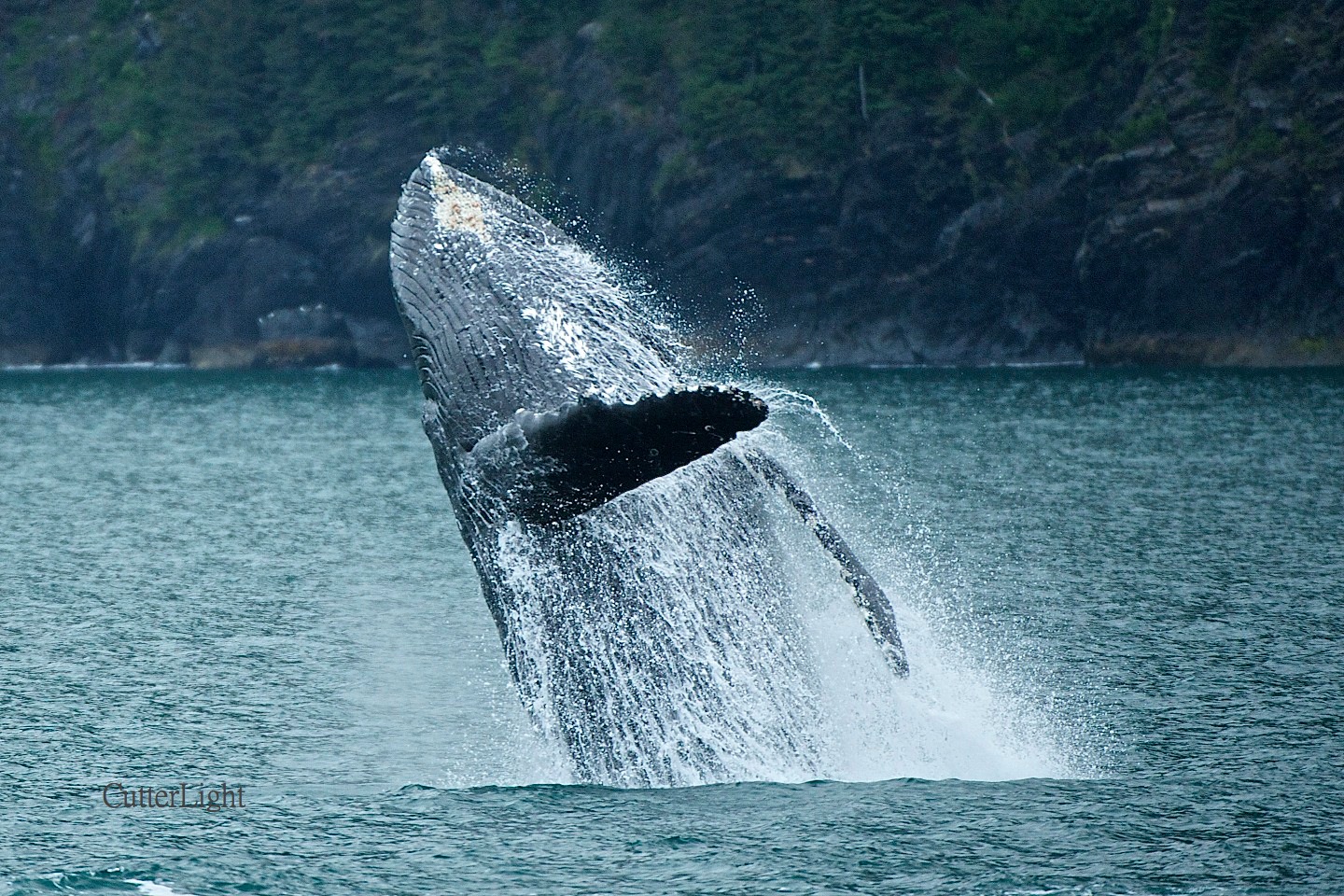
humpback breaching c n

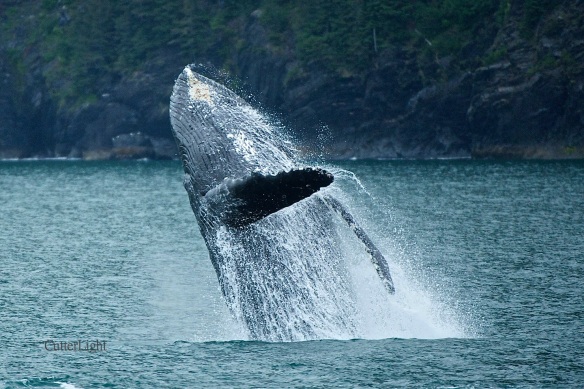
In what seemed to be sheer exuberance, this humpback whale heaved himself out of the sea again and again, the perfectly executed cannonballs sending up enormous showers. From eagles to orcas and sow bears with cubs to mountain goats with kids, a recent cruise of the Kenai Fjords National Park near Seward presented opportunities to photograph a number of Alaska’s wildlife stars.  

Last summer while salmon fishing aboard our C-Dory Angler, Gillie, we found ourselves suddenly quite close to three massive, bubble feeding, lunging humpback whales – the largest humpbacks we’ve seen to date. The whales and the salmon were drawn to the same thing: acres of herring so dense they were causing our boat’s sonar to misinterpret the vast school as seafloor. Between netting bright silver salmon for our daughter who was visiting from California, navigating the boat and snapping photos of the feeding leviathans we were kept on our toes. At one point the whales surfaced so close to our boat we could smell their breath. It was a bit unnerving.
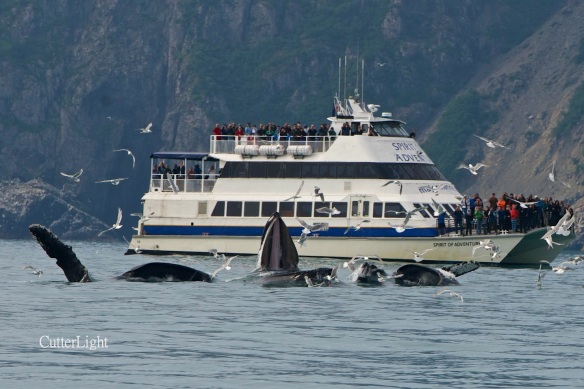
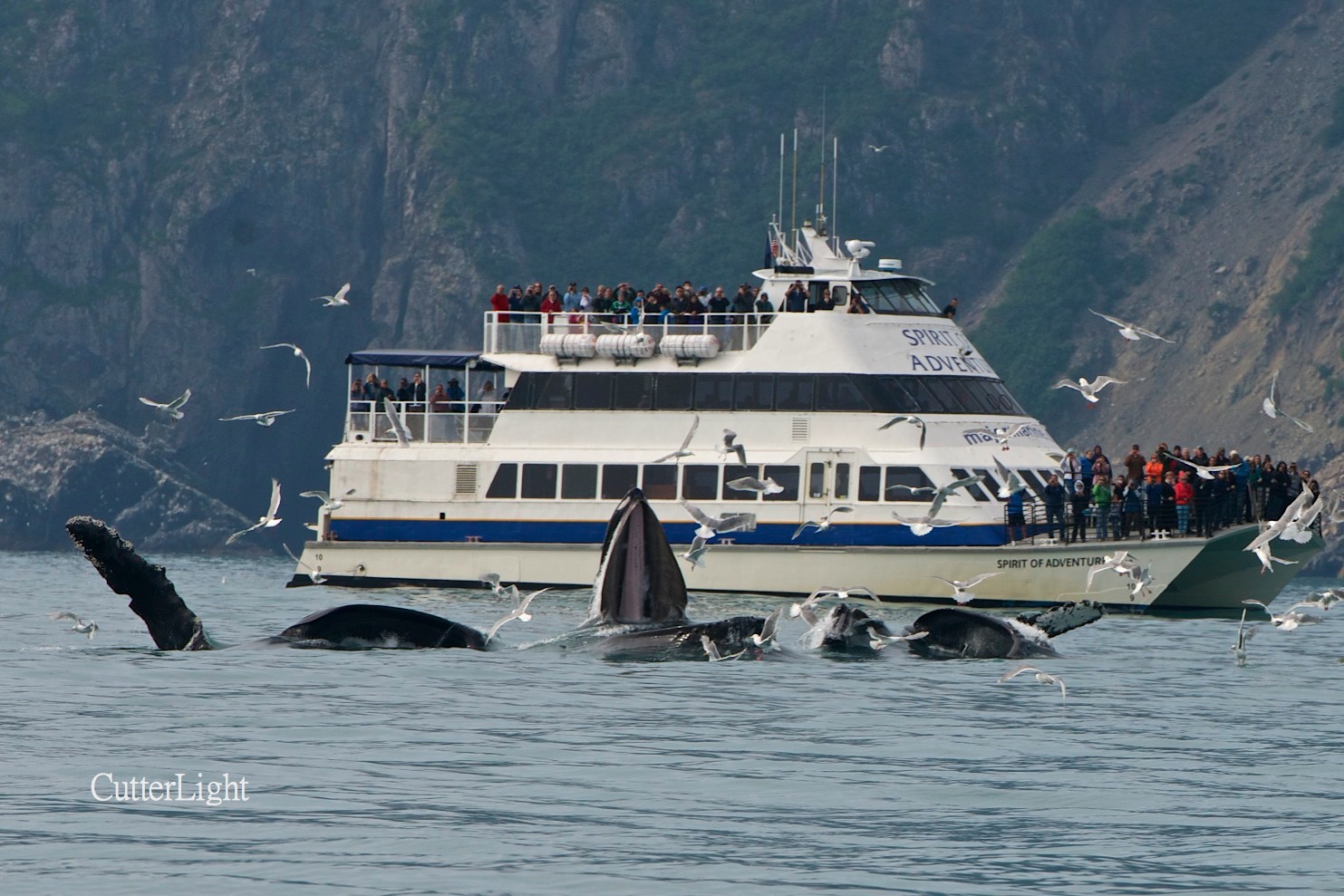
whales lunge feeding major marine n

One moment the seas would be calm, the gulls and kittiwakes resting on the water with just a few sentinels circling about. Suddenly the birds aloft would cry out, signaling the sitting birds to take wing… and then these three massive whales would erupt from the sea. If you look closely, you can see a panicked herring barely escaping the gaping jaws of the center whale.  

That evening when we uploaded our photos, we were disappointed to find that the best of our whale shots were marred by the presence of a tour boat in the background. And then it hit us – why not see if the tour company would be interested in the pictures? That’s how we came into possession of tickets for Major Marine Tour’s all-day Kenai Fjords National Park nature cruise, complete with and an all-you-can-eat Alaskan salmon and prime rib lunch. Having now experienced three of these tours, we give them the highest possible recommendation for anyone interested in the wildlife and natural history of coastal Alaska.

eagle on sea rock n

Eagles are common along the shoreline of the fjords, and we never tire of admiring them. Not above scavenging, these opportunistic birds will prey on salmon, other fish, seabirds and even baby mountain goats. 

This past Monday we used four of our tickets to book ourselves and friends visiting from Montana on a tour on the Spirit of Adventure – the very boat we’d photographed the previous summer. A few brief sprinkles of rain aside, it was a beautiful day, and since it was a lightly-booked weekday cruise we had plenty of room at our dining table as well as at the ship’s rails when we were viewing glaciers and wildlife.
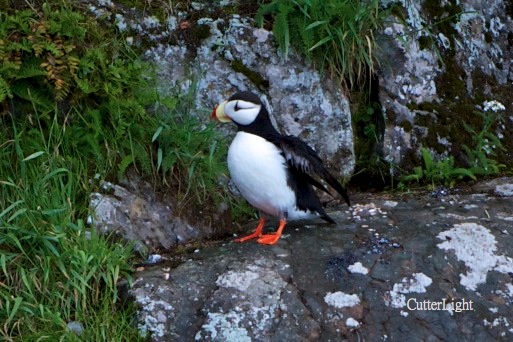
horned puffin on cliffs n

Both horned puffins (above) and tufted puffins nest in the cliffs above the fjords. 
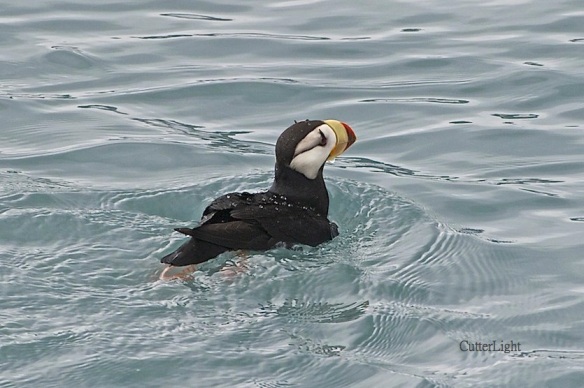
horned puffin swimming n

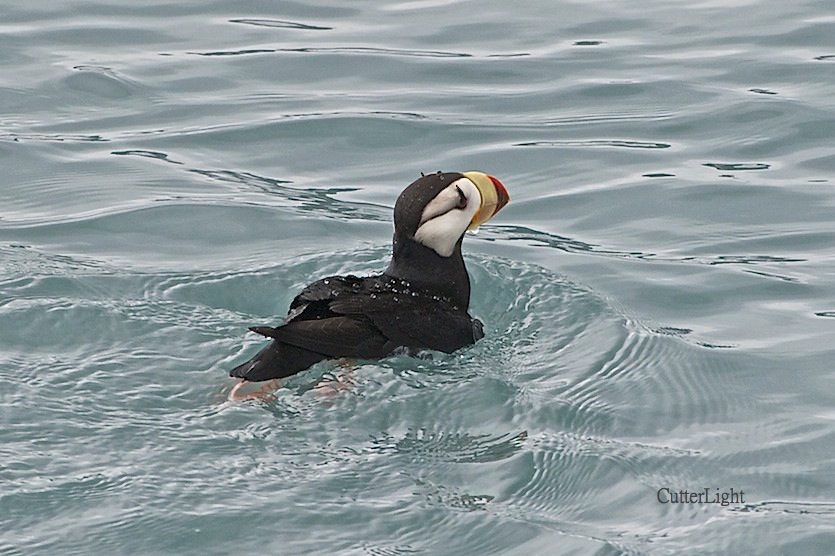
The feathery “horns” above their eyes give horned puffins their name. This one, fresh from a dive in search of small fish, popped up right next to the boat. 
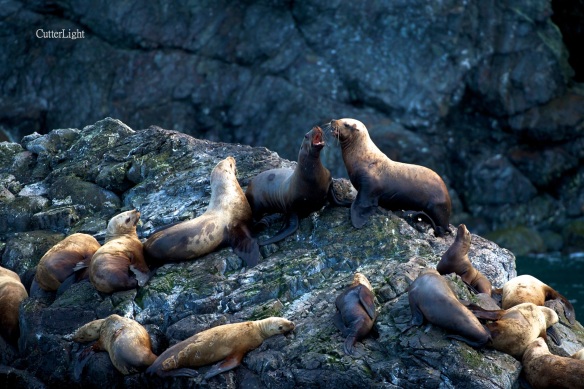
Stellar's Sea Lions n

Certain places in the Kenai Fjords are important breeding grounds for Stellar’s sea lions. In recent years, their population has fallen into decline and although human overfishing may be the culprit, no definitive cause has been identified.

kittiwakes n monkey flowers n

Seep (or common) monkeyflower adorns the cliff walls of this black-legged kittiwake rookery. We didn’t spot any eggs, but the nests look complete and ready for this year’s broods. 
murres thick bill dense raft n

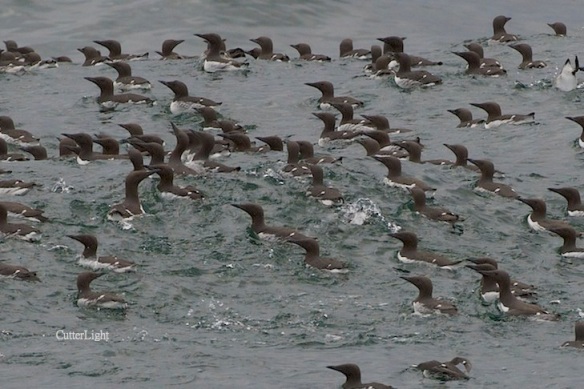
Meanwhile dense rafts of dozens or even hundreds of thick billed murres gather along current seams that push baitfish into tight schools where they become easy pickings. 

Dall porpoise w beak n

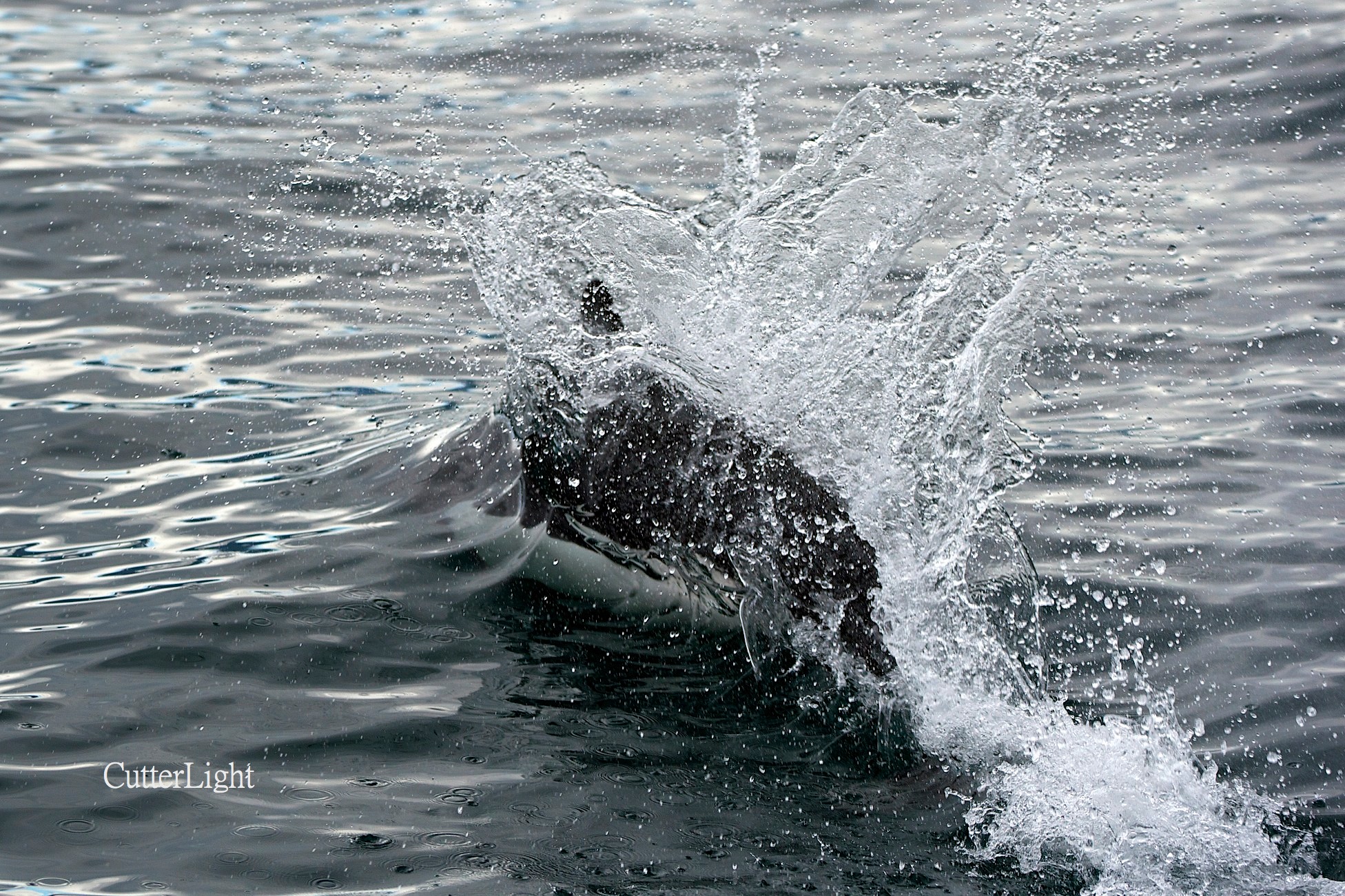
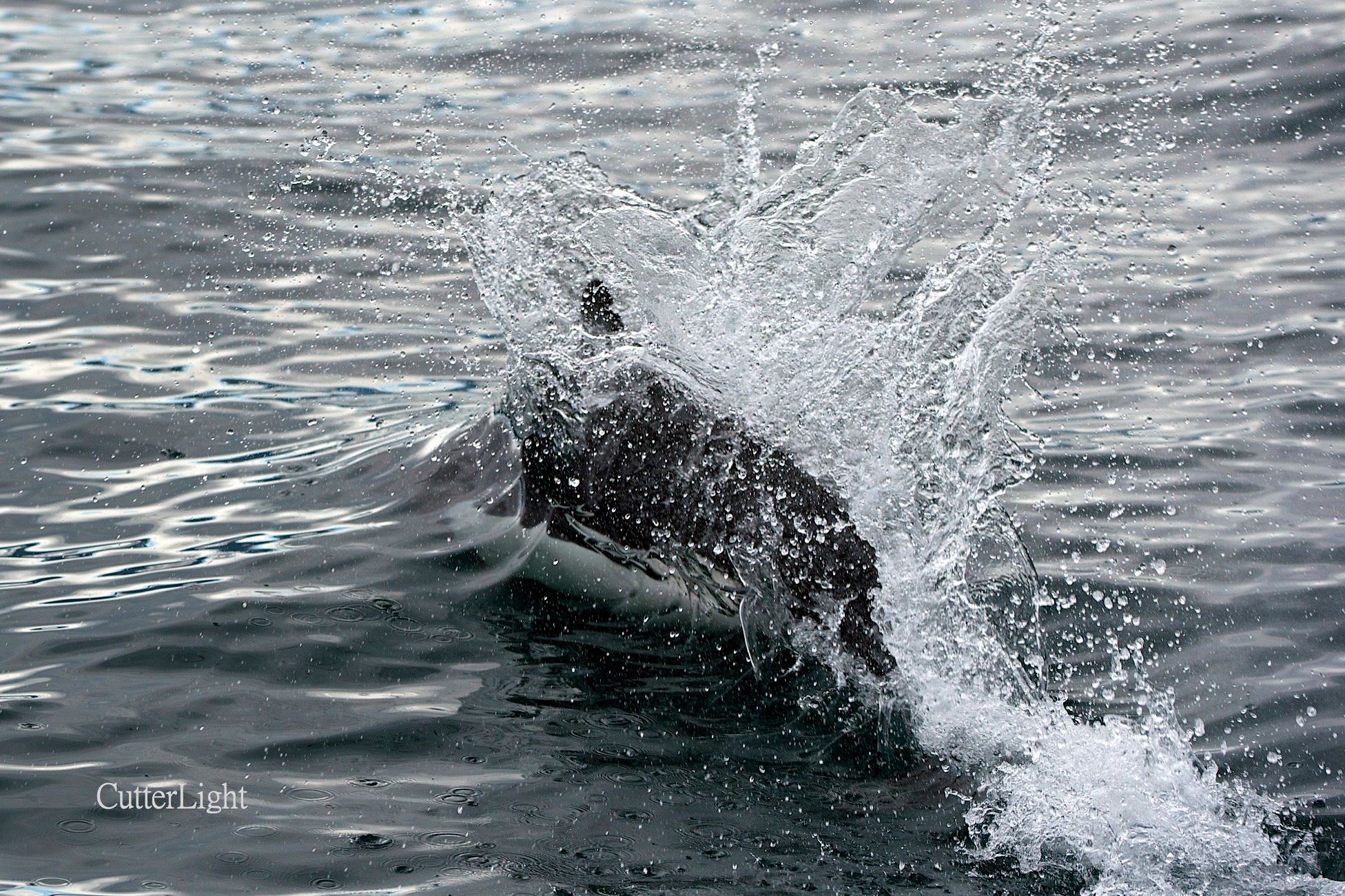
Reminiscent of the Tasmanian Devil of Warner Brother’s cartoon fame, Dall’s porpoises can appear at any time, zipping across the sea in plumes of spray in pursuit of the fish they feed on or just a good bow wake to play in. They are reportedly capable of speeds of around 35 miles per hour (55 kilometers). On this day, the porpoises were in a playful mood and the captain hit the boat speed just right. For several minutes half-a-dozen of these sleek speedsters zig-zagged across our bow. 
Holegate glacier sluffing ice n

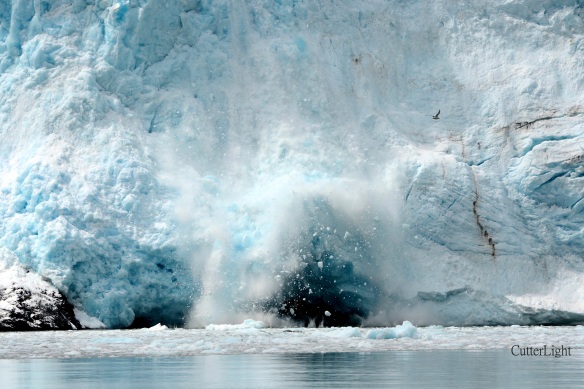
Although wildlife is a major draw on these cruises, the fjords are equally famous for spectacular tidewater glaciers. Above, Holegate Glacier sloughs off tons of ice at a time in thunderous cascades. Note the seagull at the upper right of the photo. 
glacier ice margaritas n

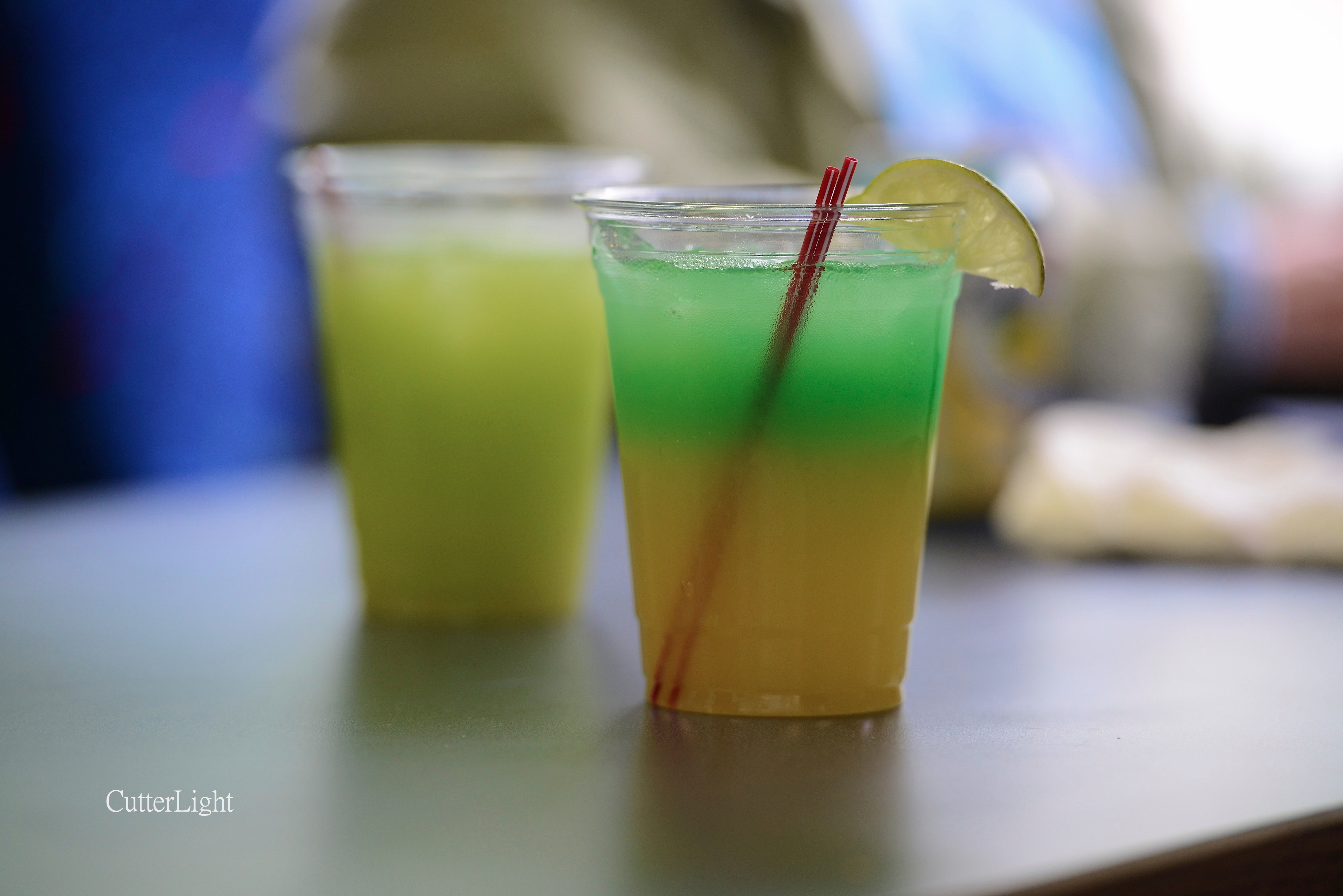
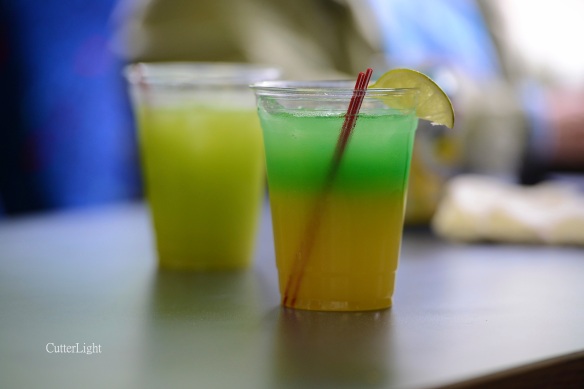
When the crew scooped up a pristine chunk of glacial ice in a net and announced that Glacial Ice Margaritas were being served, we couldn’t resist. The ice – which is hundreds to thousands of years old depending on which part of the glacier it comes from – is super dense, hard, clear and cold. 
sea otter on ice w harbor seals n

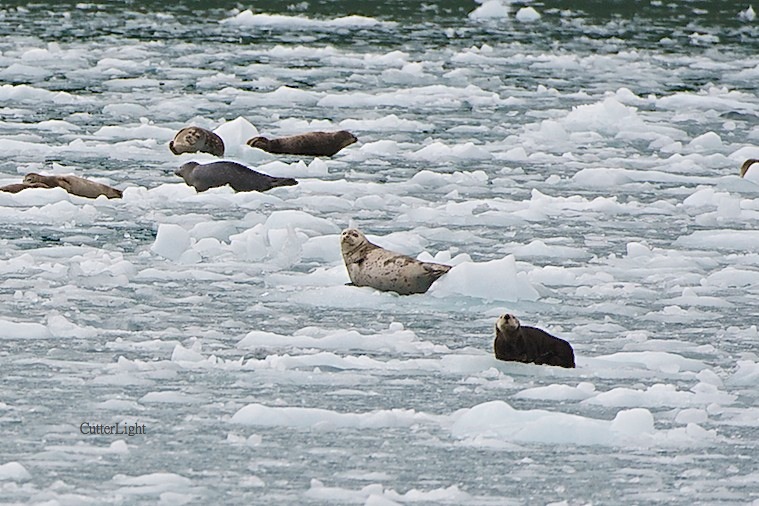
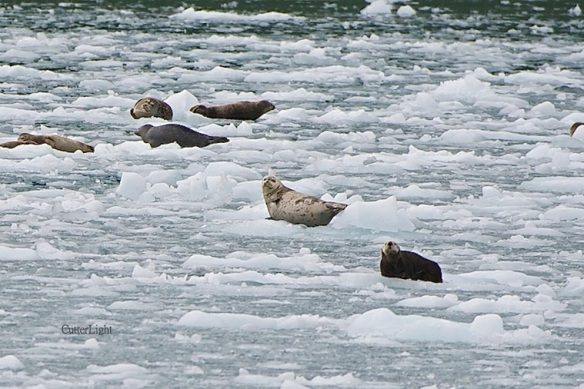
Near Aialik Glacier, dozens of harbor seals were hauled out on the ice along with quite a few sea otters such as the one in the foreground above. The National Park Ranger providing commentary aboard Spirit of Adventure remarked that prior to the Russian hunting of sea otters (which, by the early 20th century had nearly driven them to extinction) it was common to see sea otters hauled out on land. 

Orcas transient resurrection bay 2014 n

Throughout the seven-and-a-half hour cruise we kept a keen eye for orcas. The day had already been amazing – truly one for the books: leaping salmon, a sow black bear with cubs in a clearing on a mountainside, a nanny mountain goat with her young kid just above the high tide line, whales, porpoises, and a dozen or so species of sea birds all had checks next to them.

Toward the very end of the cruise, as we were nearing Seward, the pair in the above photo showed up. Kenai Fjords NP is home to three distinct types of these cetaceans: resident, transient and offshore. The three types have different diets: residents are salmon and fish eaters, transients focus on mammals such as seals and sea lions, and offshore orcas are known to hunt sharks and baleen whales. The three varieties also have different languages and DNA tests indicate that they do not interbreed. This pair – the male in back with the longer, more angular dorsal fin, the female in front with a shorter, more rounded dorsal fin – may be transient orcas.  
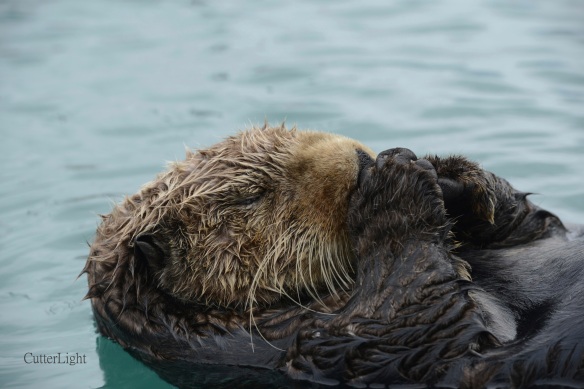
sleeping otter in harbor n

Even before the cruise begins there are wildlife viewing opportunities right in the harbor. This sleepy otter filled up on mussels he pulled from pilings before conking out for an after breakfast snooze. 
Cowboy Soup – The Day After Wagon Wheel Ribs

cowboy sparerib soup n

The leftover stock from oven-cooked Wagon Wheel Baby Back Ribs is the base for one of the best soups we’ve ever enjoyed. 

This soup doesn’t really have much to do with cowboys, except that if we were cowboys, this would be what we’d want to eat around the campfire. A cold night, wolves howling in the darkness, shooting stars above, a roaring fire cracking and sparking, a properly chilled Riesling… (We’re the kinds of cowboys who pack stemware.)
Cowboy Soup

Ingredients

  • 2 cups leftover liquid from Wagon Wheel Ribs
  • 1 pound leftover baby back ribs, meat cut from bone and sliced into bite-sized chunks
  • leftover bones, cracked
  • leftover potatoes, beans and onions
  • fresh sweet corn from one or two cobs (1 – 2 cups)
  • 1 cup smoked gouda cheese, shredded
  • bay leaf
  • additional potatoes, cut into large chunks, salted and seasoned as desired
  • additional spices and seasonings such as chili powder, jerk rub, Cholula sauce, Mongolian fire oil, oregano, mesquite seasoning, salt and pepper, as desired
  • sour cream

Directions

  • Place leftover ingredients from Wagon Wheel Ribs (liquid, meat, bones, potatoes, beans, onions) and bay leaf in a medium-sized pot and heat over medium heat, stirring occasionally. Simmer.
  • Meanwhile, place olive oil in a skillet and heat over medium heat. Add chunks of additional potatoes, seasoned as desired with salt, pepper, Cholula sauce and jerk rub. Cook till tender.
  • Add potatoes to soup. Stir in sweet corn and gouda cheese. Add additional seasonings if desired.
  • Serve piping hot with a dollop of sour cream.

Wagon Wheel Baby Back Ribs

wagon wheel spare ribs

Look Ma, no grill! Seasoned just right and slow cooked in the oven in a large pan along with potatoes and onions, these baby back ribs come out sweet, spicy, tangy and falling off the bone. See recipe below.

Oftentimes camp cooking proves to be the mother of invention. On a rainy, windy evening in Seward, outdoor grilling was out of the picture. But our appetites were already set on baby back ribs…

This one-pan method for baby back ribs is sure to be a crowd pleaser and is as close to no-fuss cooking as you can get. Cleanup’s a breeze, too. We use a 12.5″ Swiss Diamond pan – our wagon wheel – for this kind of cooking. It’s heavy, oven-safe and non-stick. Mirin, a very sweet rice wine used liberally in Japanese cooking, gives this dish a pleasant sweetness complementing the heat.

Wagon Wheel Ribs

Ingredients

  • 1 set baby back ribs, cut into individual-sized servings of 2 to 4 ribs each
  • a few small potatoes, some cut into large chunks, others left whole
  • 1 large sweet onion, chopped coarse
  • 2 cups black beans, already cooked
  • 4 cloves garlic, chopped coarse
  • mirin (or substitute a little sherry and honey)
  • olive oil
  • Cholula sauce
  • Mongolian fire oil
  • mesquite seasoning (optional)
  • a chili-based dry rub with some heat such as Jamaican jerk rub or any rub featuring powdered chili, oregano, cinnamon and similar seasonings
  • sea salt
  • freshly cracked pepper

Directions

  1. Preheat oven to 300 degrees F. (The oven in our camper only goes down to 300 degrees. You can cook these ribs more slowly and at a lower temperature if you prefer.)
  2. Rub plenty of the dry chili-based rub into each set of ribs. Set aside.
  3. Place roughly equal portions of mirin, Cholula sauce and olive oil in a large, oven-safe frying pan (one that has a lid) and mix together over low heat. Stir in a little Mongolia fire oil or similarly spicy oil. Stir in mesquite seasoning, salt and pepper. There should be enough liquid to amply cover the bottom of the pan.
  4. Add the ribs to the pan, turning each piece so that they are coated with liquid. Place meat side down, cover the pan with a lid and place in the oven. Cook for 30 minutes.
  5. Remove the pan from the oven. Turn the ribs over so that they are bone side down. Add garlic, onions, potatoes and beans. Cover the pan and return to the oven. Cook for an additional hour.
  6.  Test the meat and potatoes with a fork for tenderness. Meat should easily come off the bone. (Save the liquid for delicious Cowboy Soup.)

A dry or semi-dry Riesling is an ideal wine to pair with spicy pork ribs.

Sweet and Sustainable: Alaska Prawns and Shrimp (and a Great Place to Find Them)

spot prawns on soba n

Zaru soba (Japanese buckwheat noodles) topped with Thai-seasoned Alaska spot prawns makes a perfect summertime meal. See recipe below.  

The windshield has a crack running through it, there’s a little rust and a dent or two on the body, and some of the paint is chipping off the hand-lettered sign affixed to the vehicle’s side, but we look for Patrick Johnson’s little black truck every summer when we’re cruising around Alaska’s Kenai Peninsula and we hit the brakes when we find it. If we don’t happen across his truck, we go find him at his Shrimp Guys Seafoods shop in Soldotna. Patrick sells sashimi-grade seafood smelling as fresh and briny as the seas it comes from.

Alaska shrimp & scallops sign n

Maybe it’s my East Coast upbringing, but experience has taught that fancy shops with glitzy signage are usually not the best places to look for quality seafood. The first time we saw the above sign, which is attached to Patrick’s older model black pickup truck, it took me back to days in the Carolinas where small-time operations were hands down the best places to pick up fresh blue crabs, white shrimp, oysters and maybe a flounder to enjoy with a bottle of something white and dry for the evening meal.  

Alaska spot prawns fresh_n

Alaska’s prized spot prawns, ready to be peeled, seasoned and treated every so briefly and gently with heat.

There are two secrets to great seafood: cook it while it’s fresh, and don’t cook it long. If seafood smells bad, it is. That “bad” smell is not seafood; it’s bacteria growing on seafood. A quality seafood shop (or the seafood counter in a well-run grocery store) will smell pleasantly of the ocean – a little briny, vaguely sweet.

As to cooking shrimp or prawns, a former mentor in South Carolina gave me advice that applies to everything from broiled salmon to fried summer fluke. He was showing me how to prepare the white shrimp I’d caught in a cast net and iced earlier that day. (Read in a slow, South Carolina drawl.)  Jack, a little butter, a little lemon and a little garlic – that’s all they want. And a minute-and-a-half in the pan. Remember, they’ll keep cooking after you’ve removed them from heat, so a minute-and-a-half really means you’re cooking them for two minutes. But get them off the heat before two minutes, or you’ll ruin them. side stripe shrimp n

Smaller than spot prawns, these Alaska side stripe shrimp have the soft texture and signature sweetness of the ama-ebi served by sushi chefs. They are excellent served raw and dipped in soy sauce with a hint of wasabi. Any leftovers make a superb omelet or open-faced shrimp melt sandwich. 

Zaru Soba with Thai Seasoned Spot Prawns (serves two)

Ingredients (This recipe is a snap to make with pre-made seasoning and dipping sauce.)

  • soba (Japanese-style buckwheat noodles)
  • 6 spot prawns, peeled, vein removed and cut open butterfly style along their length. Give them a squirt of lime or lemon and set aside.
  • 2 tbsp coconut oil (or olive oil)
  • Spicy Thai-style seasoning mix, or mix your own from powdered chili peppers, powdered garlic, cinnamon, nutmeg and sesame seeds
  • green onions, sliced thin
  • English cucumber, cut julienne – about 1 1/2 inch of cucumber per serving
  • nori (dried seaweed) cut into thin strips
  • wasabi
  • mentsuyu – chilled dipping sauce – available at Asian grocers or in the Asian section of most regular grocery stores. Or make your own from soy sauce, mirin, sake and bonito flakes.

Directions

  1. Use a bowl to coat prawns in seasoning and let stand.
  2. Boil soba according to maker’s directions. Rinse thoroughly in cold water and drain.
  3. Mix mentsuyu with cold water, according to maker’s directions. Mix in wasabi to taste and add a few slices of green onions.
  4. Heat coconut oil in a frying pan over medium heat. Add seasoned prawns. Use tongs to turn so that both sides are cooked – about 90 seconds total. Place on a plate to stop cooking.
  5. Place cold, drained soba noodles on two plates. Add prawns. Garnish with cucumber, onions and nori. Serve with individual side bowls of cold mentsuyu dipping sauce.

Enjoy this dish with a chilled bottle of Bianchello – a beautiful white wine from Central Italy that seems to have been created for light seafood dishes.

For sashimi grade seafood, contact Patrick Johnson at 907-394-4201 or email him at akjohnson98@gmail.com. You can find his shop at 44526 Sterling Highway, Soldotna, Alaska


Resurrection Bay Wildlife, a C-Dory Angler Tour: Sea Lions, Mountain Goats and More

sea lion roaring 2014 nWith a mighty roar this young bull sea lion bellows out that this rock in Resurrection Bay near Seward, Alaska is his rock. Nestled between snow-capped mountains and hosting an abundance of otters, porpoises, seals and sea lions, sea birds by the tens of thousands and with whales almost a given, the bay offers lots to look at. 

A morning filled with sunshine, calm seas and friends visiting from out of town were inspiration to take our C-Dory out for a lap around Resurrection Bay.

mountain goat may 2014 n

sea otter spy hopping 2014 n


Sea otters like this curious spy-hopper are abundant along the shoreline. Meanwhile, scan the mountainsides on the east side of the bay for puffy white balls; put binoculars on them and they might become mountain goats. 

A pair of juvenile sea lions were swimming in the harbor near our boat as we made ready, and almost as soon as we cleared the marina a harbor porpoise arced near our boat. Bald eagles chirped and spiraled in the blue sky overhead, terns and kittiwakes dive-bombed for small fish, and several cormorants, including a crested cormorant, were drying their wings on the remnants of a pier after a morning of fishing. horned puffins may 2014 nHorned puffins are among the tens of thousands of seabirds that nest in the rocky mountainsides surrounding Resurrection Bay.  whale tale may 2014 nNo cruise is complete without encountering the whales that call the outer parts of the bay and the nearby Alaska Gulf home. This sounding humpback appeared to be feeding on herring.  sea lions communicating nThere’s sometimes a fine line between love and aggression. At one point, the smaller sea lion appeared to have its mouth entirely inside the larger one’s. After some barking back and forth and a little more bared-teeth interplay, the larger animal slid into the ice water – perhaps to forage.

kittiwakes nesting 2014 n

Approaching Cape Resurrection by boat, you can smell the rookery well before your eyes pick out individual birds on the whitewashed cliffs. Here, thousands upon thousands of black legged kittiwakes jockey for position as they haphazardly construct precariously perched nests.

murres raft 2014 n

Dense rafts of murres rest near current seams that disorient small fish – the murres’ prey. At times, acres of herring can be seen just below the surface of Resurrection Bay’s waters.

murres 3 2014 n

Thick-Billed Murres are so common it can be easy to forget what amazing birds they are. Somewhat stubby-looking on land, they can achieve flight speeds of 75 miles an hour. In water, they transform into sleek acrobats, capable of dives to over 300 feet deep – the length of a football field.  

tufted puffins may 2014 n

A pair of tufted puffins, golden sunlight illuminating their eponymous feathers, glide through the waters of Resurrection Bay in search of small fish.

Whether life takes you to coastal Alaska or some other shore, we can’t recommend a boat tour of inshore and nearshore waters highly enough. In Seward, local tour boat companies offer daily cruises captained by experienced National Park Service rangers – a not-to-be-missed experience.

C-Dory_new.jpg 

Braised Elk Roast Camper Style: One Pan Cooking in The Wagon Wheel

elk roast n

Elk roasts liberally rolled in freshly cracked pepper and slow cooked with sweet onions, baby Yukon Gold potatoes and the chef’s choice of additional vegetables is an appealing meal that can be prepared virtually anywhere. Recipe below.

Over the years we’ve become big fans of Swiss Diamond cookware. Covered eggs cooked over very low heat in their non-stick frying pans are a revelation. Nothing sticks, and as long as the manufacturer’s instructions regarding overly high heat are followed, the surface on this cookware remains in excellent condition through years of regular use.

My favorite Swiss Diamond pan is their big, 12.5  inch frying pan. We call it The Wagon Wheel and it’s perfect for everything from baking a pizza to frying fish to slow cooking a roast in in the oven. The challenge with a pan this large is fitting it into some ovens – such as the one on our Lance truck camper. In fact, even storing a pan of this size in a camper is no mean feat.

So I removed the handle. Permanently. It’s around somewhere, safely tucked away along with the hardware used to attach it. On the camper, we don’t need the handle. Oven mitts suffice.

The elk roasts were a gift from a friend. The recipe is uncomplicated. The finished meal is hearty and has great eye appeal – the perfect meal with a glass of old vine Zinfandel on a rainy evening in Seward, Alaska.

Braised Elk Roast

Ingredients

  • 1 pound elk rump roast or similar cut from wild game or beef
  • 1 large sweet onion, chopped coarse
  • whole small potatoes
  • other vegetables as desired: parsnips, carrots, brussels sprouts, garlic cloves, mushrooms and even chunks of pumpkin or squash are all good candidates
  • olive oil
  • freshly cracked pepper
  • sea salt
  • sherry or red wine
  • additional seasonings such as rosemary, sage or thyme, if desired

Directions

  1. Preheat oven to 250 degrees F. (Our camper oven only turns down to 300 degrees F – a little hotter than perfect, but still fine.)
  2. Heat light olive oil or similar frying oil over sufficiently high heat to create a sizzle when the meat hits the pan. Sear the meat on all sides. Use tongs to hold the meat if necessary. About 2 to 3 minutes per side. Remove meat and set aside.
  3. Lower heat on pan to medium low. Deglaze pan by adding sherry or wine and use a spatula to gently scrape the brown fond created during searing. Slightly reduce liquid over medium to medium-low heat.
  4. Meanwhile place seared roast in a bowl. Roll the roast in olive oil, salt and freshly cracked pepper to give the roast a coating.
  5. Add additional olive oil to the pan as necessary. Add onions and other vegetables along with salt and pepper, stirring briefly to thoroughly coat with oil. Add the meat, cover the pan with a lid, and place in oven.
  6. Cook covered for an hour for a small roast, longer for a larger roast. Add additional wine or a little water to maintain a broth on bottom of pan, if necessary.


Mother Whale and Child Carving & Scrimshaw

HK ivory whale detail n

Bowhead whale mother and child: Walrus tusk ivory with bowhead whale baleen eyes set on bowhead whale baleen. The baleen is scrimshawed with marine animals commonly hunted for subsistence by the Inupiat people of Point Hope, Alaska.

As we’re preparing to leave Point Hope, we wanted a piece of local art to take with us – something that captures the spirit of Tikigaq (the traditional name of this village). Henry Koonook is both an outstanding carver and a friend, and so we commissioned this piece.

HK walrus skrimshaw detail n

Detail, scrimshaw on baleen of ringed seal and walrus.

Henry still does most of his work with hand tools, using local natural media.

HK carving whole n

The entire piece measures about 11″ x 3″. Henry Koonook’s signature and the year the piece was created are visible in the lower right corner.

Bowhead whales constitute a vital part of the subsistence-based hunting and gathering culture in Point Hope. (Their numbers, which plummeted during the days when whaling boats from the world over pillaged the Chukchi Sea, are growing at a steady pace in recent years.) Seals and walruses are also culturally important. We are happy to take with us to our new home this piece of art that represent this beauty of this Arctic village by the sea.

Armed With Lemon, Cream Cheese and a Kitchen Torch

lemon cheesecake brulee_n

How to improve the creamy texture and flavor of lemon cheesecake bars baked atop a sugar cookie crust? Sprinkle with sugar and torch it to add a crunchy layer of caramel! 

After creating a delectable two-toned crème brûlée and a chai crème brûlée, we became hopelessly smitten with our kitchen torch and the multi-sensory delight it produces when applied to sugar crystals. We applied the technique to a different dessert with a creamy texture, cheesecake, and ended up with very satisfying results. We baked the cheesecakes in a rectangular pan so they could be cut into squares about two bites each, which is the perfect size – a miniature feast for the senses.

In recipes that call for sweetened condensed milk, we make our own. In addition to being less expensive and more natural, our homemade version has none of the tin-can aftertaste common to many canned products, and none of the harmful BPA manufacturers use to line cans. With the help of a stick blender, it’s easy to whip together 1 cup of powdered milk, 2/3 cup of sugar, 1/3 cup of boiling water, and 3 tablespoons of butter to create 14 ounces of sweetened condensed milk. This homemade version keeps well covered in the refrigerator.

Lemon Brûlée Cheesecake Bars

Ingredients

  • 5 tbsp unsalted butter, softened
  • 1/4 cup granulated sugar
  • 1/2 cup all purpose flour
  • 1/2 tsp vanilla extract
  • 4 oz. softened cream cheese
  • 7 oz. sweetened condensed milk
  • 1 egg
  • 1 tbsp lemon zest
  • 4 tbsp lemon juice
  • 3 tbsp fine granulated sugar for brulee-ing, approximately

Directions

  1. Preheat oven to 350 degrees. Line an 8.5″ x 4.5″ glass loaf pan with parchment paper and lightly spray with nonstick cooking spray. Set aside.
  2. In large bowl, combine butter, sugar, flour and vanilla until dough forms.
  3. Press evenly into the bottom of prepared dish. Set aside.
  4. In another bowl, whip cream cheese.
  5. Stir in sweetened condensed milk. Scrape sides and mix again.
  6. Pour in egg, lemon zest and juice.
  7. Mix until mixture starts to thicken, 20-30 seconds. Scrape sides and mix again briefly.
  8. Pour overtop cookie bottom and smooth the top.
  9. Bake 20 minutes or until cheesecake is completely set.
  10. Cool, then refrigerate.
  11. Cut into 16 squares and separate.
  12. Sprinkle the tops of each square with 1 teaspoon of sugar and spread around with finger to evenly distribute sugar. Torch the tops until the sugar melts and turns an amber color. (If you don’t have a torch, place under the broiler.)

Let the top cool for a few minutes, then serve immediately.

Swirled Cloudberry Jam Scones


scones cloudberry swirl b n

Cloudberry jam swirled into these buttery scones creates an attractive twist on a breakfast, brunch or snack-time favorite.

With our date for departing Point Hope set for less than four weeks from now, we still have several jars of cloudberry jam on hand. I went to bed last contemplating creative ways to use this luscious pantry item and woke this morning inspired: Why not roll the scone dough jelly roll-style?

Since traditional scones dough is not very sweet, it lends itself to the savory or the sweet depending on what is mixed into it. This recipe would work nicely with any type of jam or savory spread.

scones cloudberry swirl a n

Swirled Cloudberry Jam Scones

Ingredients

  • 2 cups all purpose flour
  • 1/3 cup granulated sugar
  • 1 tsp baking powder
  • 1/4 tsp baking soda
  • pinch salt
  • 1 stick (1/2 cup) frozen unsalted butter
  • 2 eggs
  • 1/2 cup unflavored yogurt
  • cold water
  • 3/4 cup cloudberry jam

Directions

  1. Preheat oven to 400 degrees F. Line a baking sheet with parchment paper. Set aside.
  2. In a medium bowl, whisk together flour, sugar, baking powder, baking soda and salt.
  3. Grate frozen butter into flour mixture. Stir well.
  4. Whisk together eggs and yogurt.
  5. Pour yogurt mixture into flour mixture and knead together. Mixture will be sticky.
  6. Add cold water to mixture while kneading, a tablespoon at a time, until dough comes together.
  7. Turn dough onto lightly floured surface.
  8. Roll dough into a rectangle. Dough should be about 1/2 inch thick.
  9. Spread jam onto rectangle, avoiding edges.
  10. Roll dough up jelly roll-style.
  11. Cut log into 3/4 inch pieces.
  12. Place cut scones onto parchment-lined baking sheet.
  13. Bake until golden, about 15 minutes.
  14. Let cool a few minutes before serving.
  15. Serve with lemon curd and a freshly brewed cup of coffee.

Pecan Banana Coffee Cake: More Tasty Experiments With Black Bananas

Banana coffee cake_n

This moist, flavorful cake topped with crunchy pecan streusel is ready for a hot cup of joe. Four bananas per loaf make for a fairly nutritious slice, as cakes go, and a good excuse for seconds!

If you read about our banana mochi bread, you’ll know we are experimenting with the bounty of black bananas recently bestowed upon us! After sampling the banana mochi bread, Jack “requested” the next creation contain nuts. (He made me strike the phrase “petulantly demanded.” Editors… sigh.) To satisfy his request, this recipe for banana coffee cake included pecans in the batter and also as part of the topping. Jack said, “Mmmmm.” Guess that was the best compliment he could muster with his mouth full. One loaf went in the freezer, and one remains out for tomorrow’s breakfast.

Banana Coffee Cake

Ingredients

Cake –

  • 1/2 cup unsalted butter, softened
  • 1 cup granulated sugar
  • 3 eggs
  • 1 tsp vanilla extract
  • 4 bananas, mashed
  • 2 cups all-purpose flour
  • 1 tsp baking soda
  • 1 tsp baking powder
  • pinch salt
  • 3/4 cup chopped pecans
  • 1/4 cup soy milk (regular milk would work, too)

Topping –

  • 1/4 cup all-purpose flour
  • 1/4 cup brown sugar
  • 1/4 cup granulated sugar
  • generous tsp ground cinnamon
  • 2 tbsp unsalted butter, softened
  • 3/4 cup chopped pecans

Directions

  1. Preheat oven to 350 degrees F. Grease two 9″ x 5″ loaf pans. Set aside.
  2. In a medium bowl, combine flour, baking soda, baking powder, and salt. Whisk together until well blended.
  3. Using a stand mixer, beat butter and sugar until combined.
  4. Add eggs and vanilla, beat until combined.
  5. Add bananas and milk, beat until combined.
  6. Add flour mixture to banana mixture and mix until just combined.
  7. Pour half the batter in each loaf pan.
  8. In a small bowl, mix together topping ingredients.
  9. Crumble half of topping mixture on top of batter in each loaf pan.
  10. Bake for 25-30 minutes.
  11. Let cool on wire racks.
  12. Enjoy while still warm with a fresh cup of joe.