Rivers of Ice: Glaciers, Icefields and Floating Sculptures of Blue

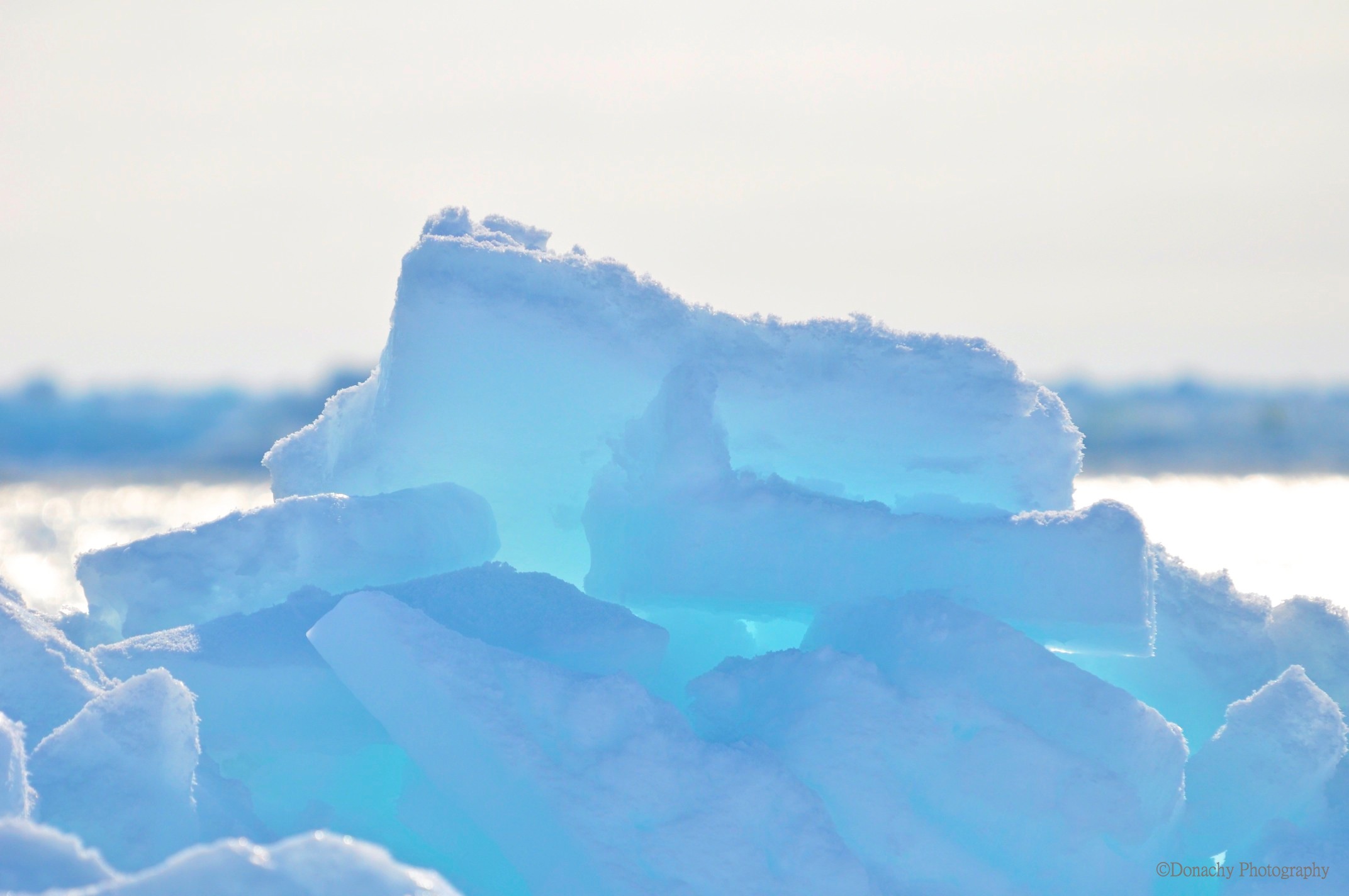
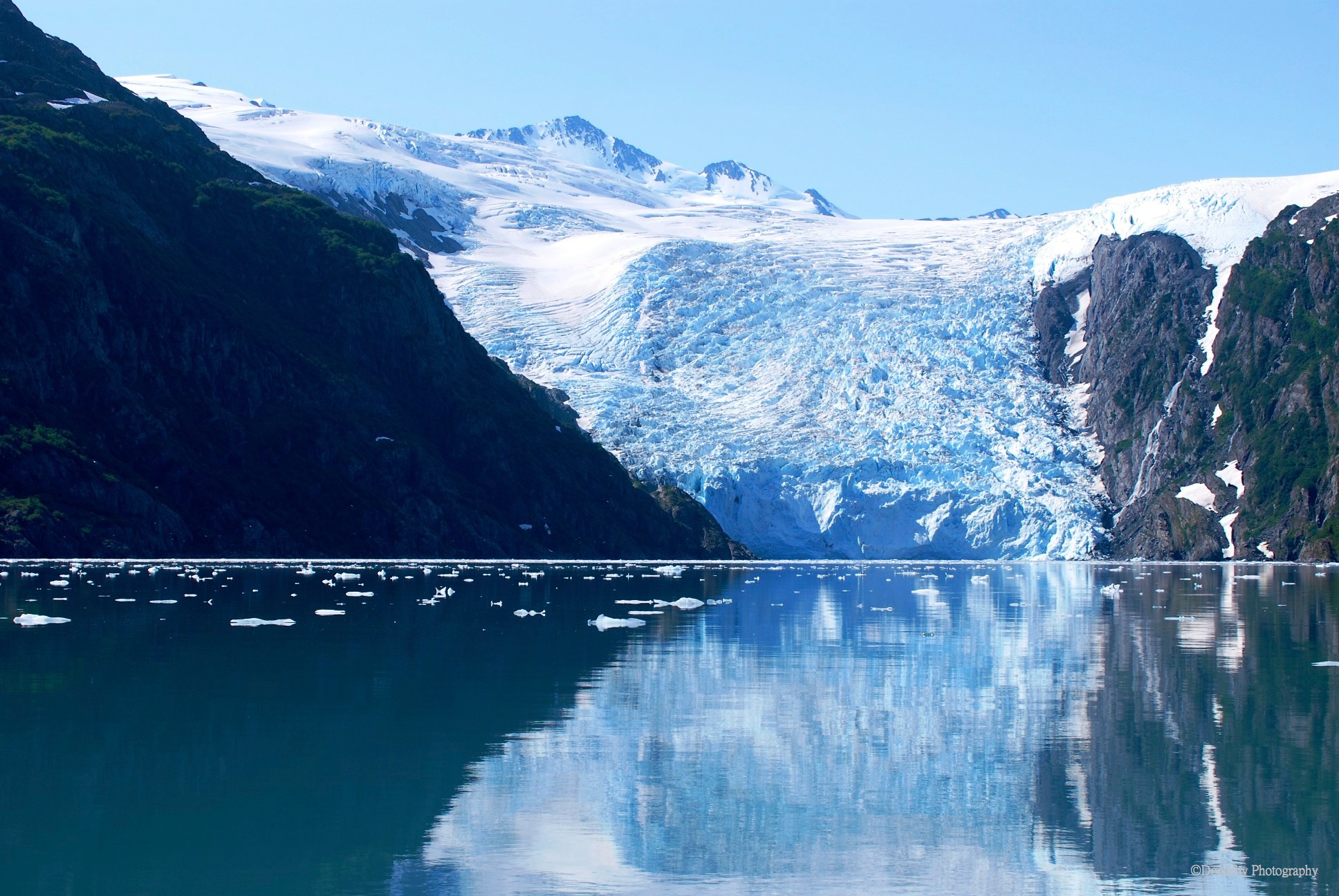
Icebergs such as this ethereal blue sculpture are the culmination of a dynamic process eons in the making.

It’s easy to imagine glaciers as static – water interrupted, subject to thaw and melt, but otherwise frozen in space and time. In reality, they’re more like slow moving rivers, pulled down by gravity, pushed forward by the unimaginable tonnage of ice and snow in the icefields where the originate. A fast-moving glacier can travel at a rate of 20 meters a day or more.

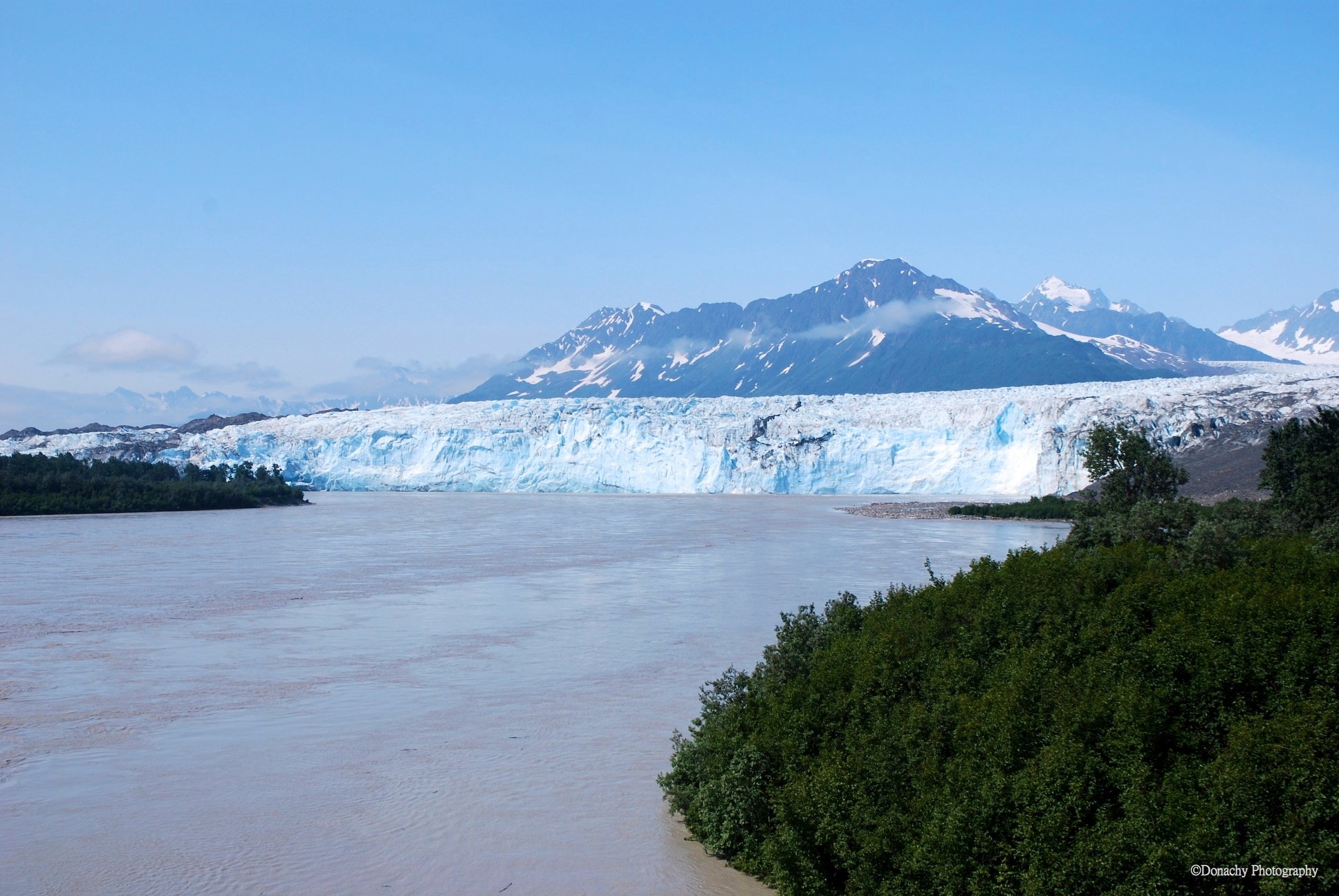
Tidewater glaciers are among the most dynamic forms of ice in nature. Like the Blackstone Glacier (pictured below), they flow from icefields, much as a mountain stream might originate as the outflow from an alpine lake. What makes tidewater glaciers so fascinating is that they don’t gradually turn to water as they descend down a mountain valley, warming and thawing with the descent.

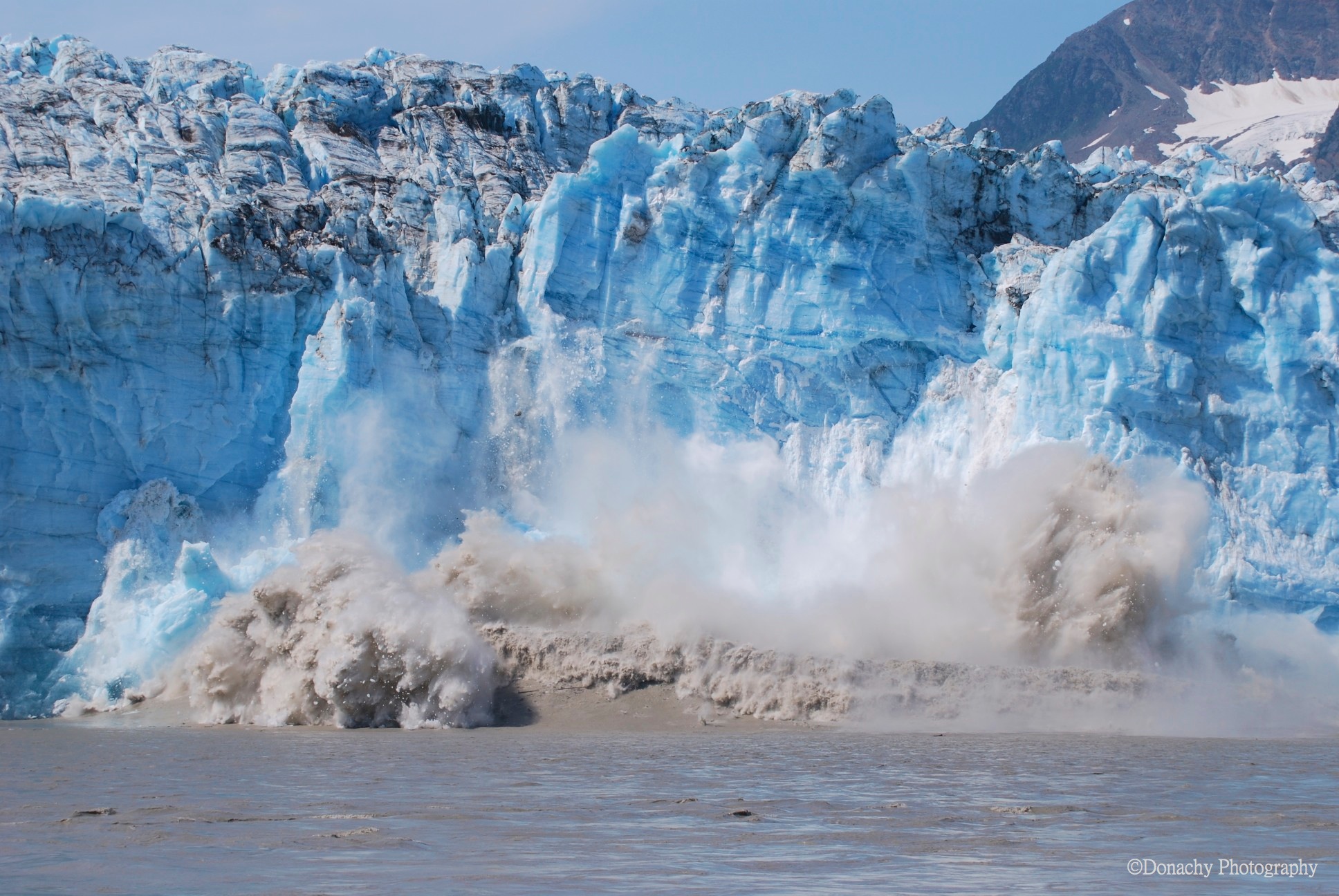
Instead, tidewater glaciers terminate when they reach the sea. The ice continues to flow, pushing the face of the glacier forward. If the face of the glacier is large enough, the combination of forward movement and warmer air and water temperatures can result in spectacular calving events, with massive pieces of ice sloughing off into the sea.

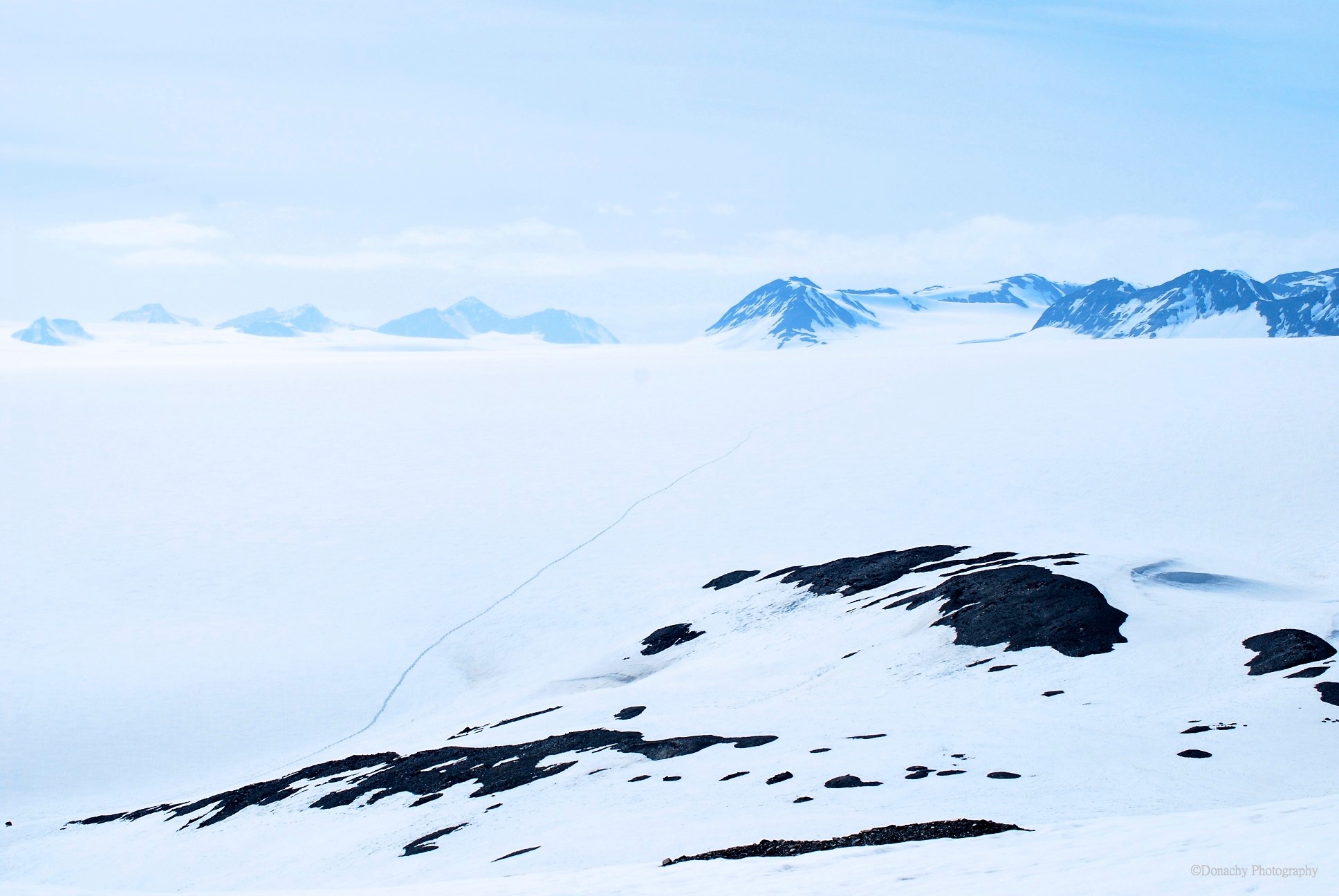
The Harding Ice Field, which gives birth to three dozen or more glaciers, stretches out like a vast, island-studed lake. 

As soon as the freshly calved ice hits the water, it become part of sea’s ecosystem. Harbor seals (above) and black-legged kittiwakes (members of the gull family, below) use the frozen islands to rest, feed and stage hunts. The seals also use the ice as nurseries.


Summer Blueberry Picking on the Arctic Tundra

Friends from Shishmaref after an afternoon of blueberry picking. Gathering a cupful or two of these small, tart berries growing in scattered clumps across the tundra was work… the fun kind. The following morning, we celebrated with a stack of blueberry waffles.

Accustomed to the six and seven-foot tall blueberry bushes of Oregon where Barbra and I had picked berries by the bucketful when I lived in Astoria, we were surprised to learn that blueberries were growing right under our feet on our walks through the tundra near Shishmaref. “There’s lots,” one of my students told us. “We’re going to go tomorrow. You guys can follow.”

“Follow” is the village English way of saying “come along.” And sure enough, once we learned to key in on the unmistakable Autumn-red of the bushes (if ground-hugging plants that top out at six-inches can properly be called bushes), we began finding an abundance of small, perfectly ripe, deliciously tart berries. The comparatively thick, woody stems of some of these bushes suggested that they had weathered quite a few seasons near the Arctic Circle. Growing among the blueberries were crowberries (locally called blackberries) and low bush cranberries. Elsewhere in the far north, including in Europe, there are cloudberries, perhaps the most delicious berry on earth.

We walked along in the late summer sun, finding patches of berries here and there, crouching and kneeling to pick, and then moving on to find another patch of tell-tale red. Birds were out sharing the bounty – or maybe the insects associated wtih the fruit: lapland longspurs, white-crowned sparrows, savanah sparrows, and other small birds.

The pause that refreshes. A berry-picker gazes across the open tundra on Sarichef Island where Shishmaref is located, snacking on a bag of berries that probably aren’t going to make it all the way home. The red leaves near her feet? Yep. Blueberries!

Alaskan Salmon Stuffed Eggs

Wild salmon is the key to these super-tasty deviled eggs. This is recipe #6 in the Salmon Challenge.

Deviled eggs are always a favorite appetizer, and this recipe works well with canned sockeye, smoked salmon, or fresh salmon that’s been grilled or broiled. Variations on the basic recipe are endless.

A note on boiling eggs: It’s surprising how many different ways various cookbooks and Internet sites suggesting boiling eggs. What this seems to suggest is that it’s not as simple a task and one might think. Here’s my two-cents, for what it’s worth.

Don’t start with the freshest eggs. Eggs that are a a few days old, or older, work better. Place cold eggs in cold, unsalted water. Bring to a boil. Cook eggs on a low boil – just above a simmer – for 13 minutesDrain off the hot water and immediately cover eggs with cold tap water. Roll eggs to crack the shells (this can be done while they’re still in the pan of there aren’t too many eggs) and keep them in cold water with shells, refreshing the water if it becomes warm. Let the eggs cool in the water, then roll them on a flat surface and peel off the shells. Wait until eggs are thoroughly cool before cutting them.

I’ve tried several methods of boiling eggs. This one works well again and again, with very few problems such as green egg yolks, shells sticking to eggs or overly done or underdone eggs.

Ingredients:

  • 6 large eggs
  • 3 to 4 ounces salmon, broken apart or cut until small pieces (canned sockeye, freshly grilled Chinook, or smoked salmon, for example)
  • 4 anchovy fillets, chopped fine
  • 3 spinach leaves, chopped fine (optional)
  • 2 tsp capers, chopped fine
  • 2 tablespoons mayonnaise (or 1 1/2 tablespoons mayonnaise & 1/2 tablespoon Dijon mustard)
  • freshly ground pepper to taste
  • 1 tsp dried tarragon (or, of course, use fresh)
  • garnish with a sprinkle of paprika and a fresh grind of black pepper and, perhaps, a tarragon leaf or piece of fresh spinach

Directions:

  1. Hard boil the eggs. Slice peeled eggs in half. Remove the yolks and place into a mixing bowl. Mash the yolks with a fork until evenly broken up and set aside.
  2. In a separate bowl, thoroughly mix together all the other ingredients except the garnish. Then add this mixture to the yolks and mix together with a fork. Do not make this too pasty. You should be able to see pieces of caper, tarragon and salmon.
  3. Use a spoon or cookie scoop to stuff the mixture into the eggs.
  4. Garnish with paprika, pepper, etc.
  5. Keep chilled until ready to serve.

These could be served on shiso leaves for added visual and gustatory attractiveness.

Arctic Spring

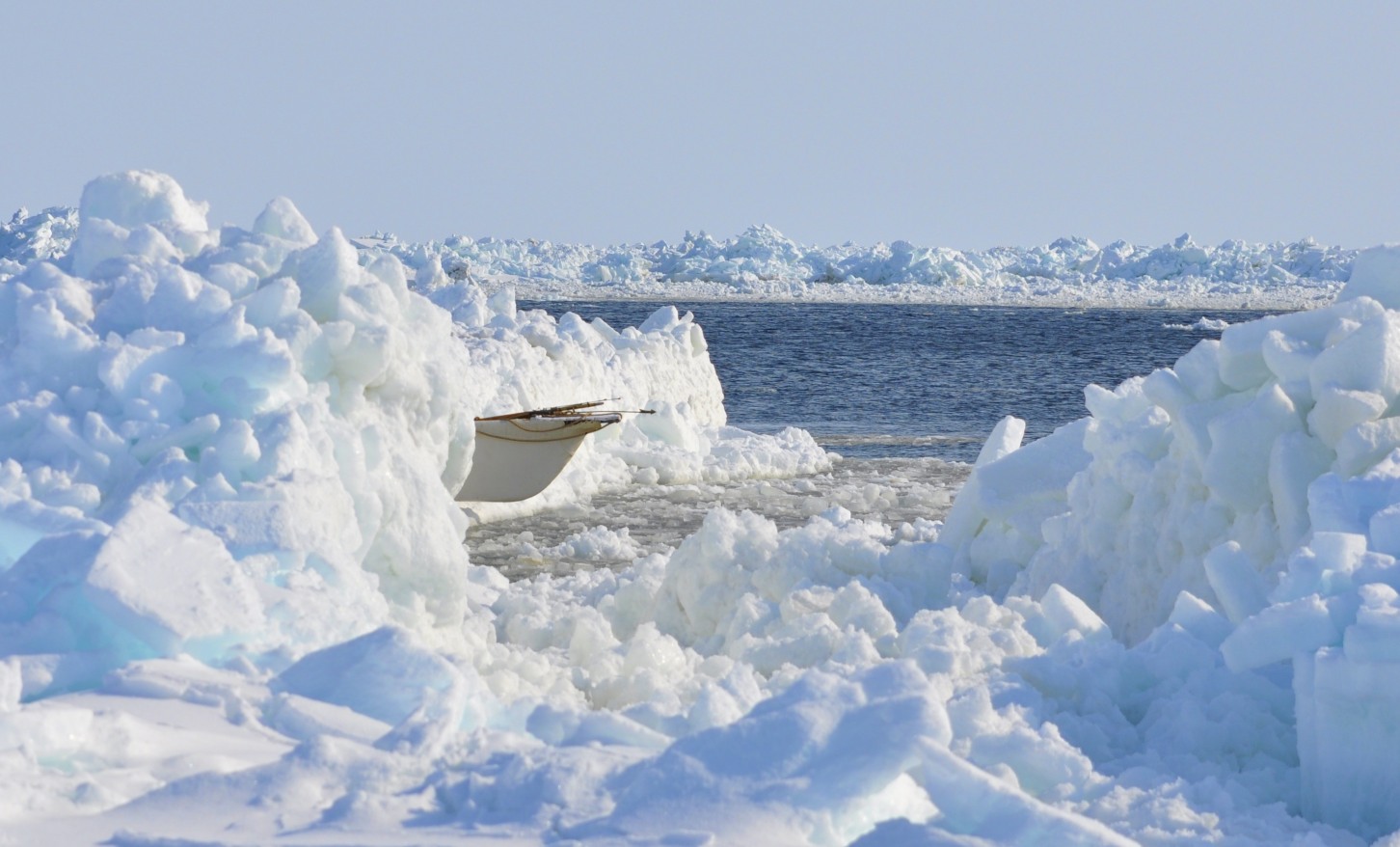
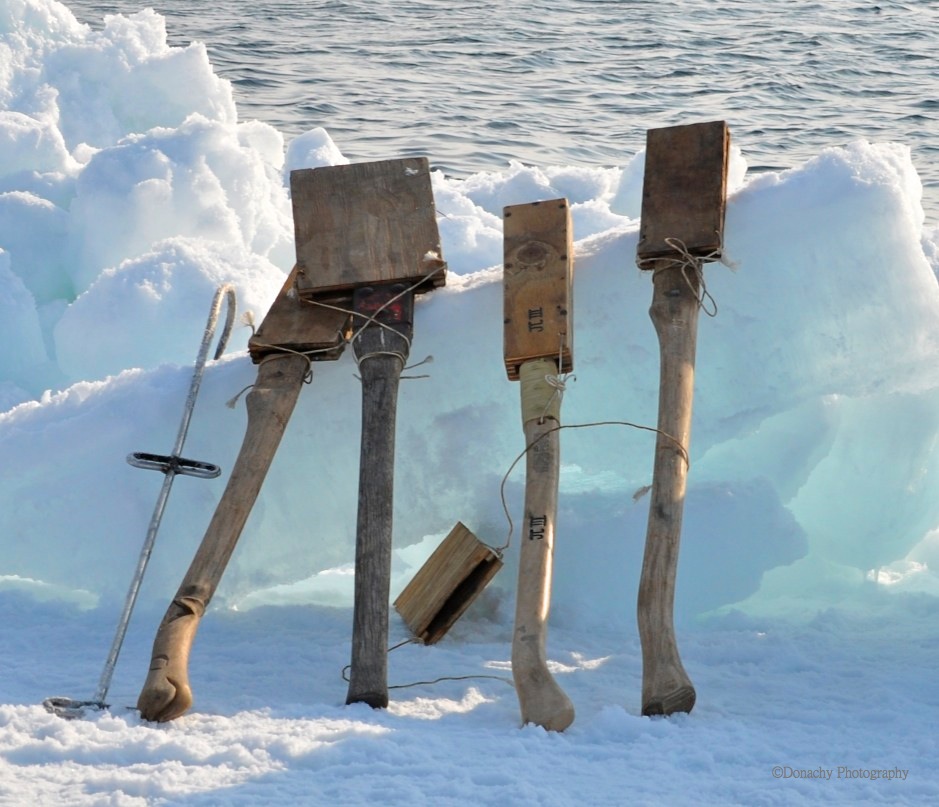
Hand stitched ugruk (bearded seal) skins cover the wooden ribs of this traditionally-crafted boat as it sits atop a rack in Point Hope, Alaska. With spring officially here (the Vernal Equinox was March 20), whaling season has begun. Whaling crews have been going out to break trail these past few days. This is rough going across the frozen, buckled landscape of the Arctic Ocean. 

Each Arctic day is lengthening by eight minutes, and the sun is shining with perceptible warmth as months of negative double digit cold gradually give way to highs approaching an even zero degrees Fahrenheit. Although the seas continue to be locked up tight, that is how it should be this time of year. Once the trail is broken, the village’s two whaling crews will set up their camps far out on the ice near open water, where, with boats stitched together from the skins of bearded seals at the ready, men dressed in warm, white parkas will wait and watch.

A small skiff seems to await the Chukchi Sea’s thaw.

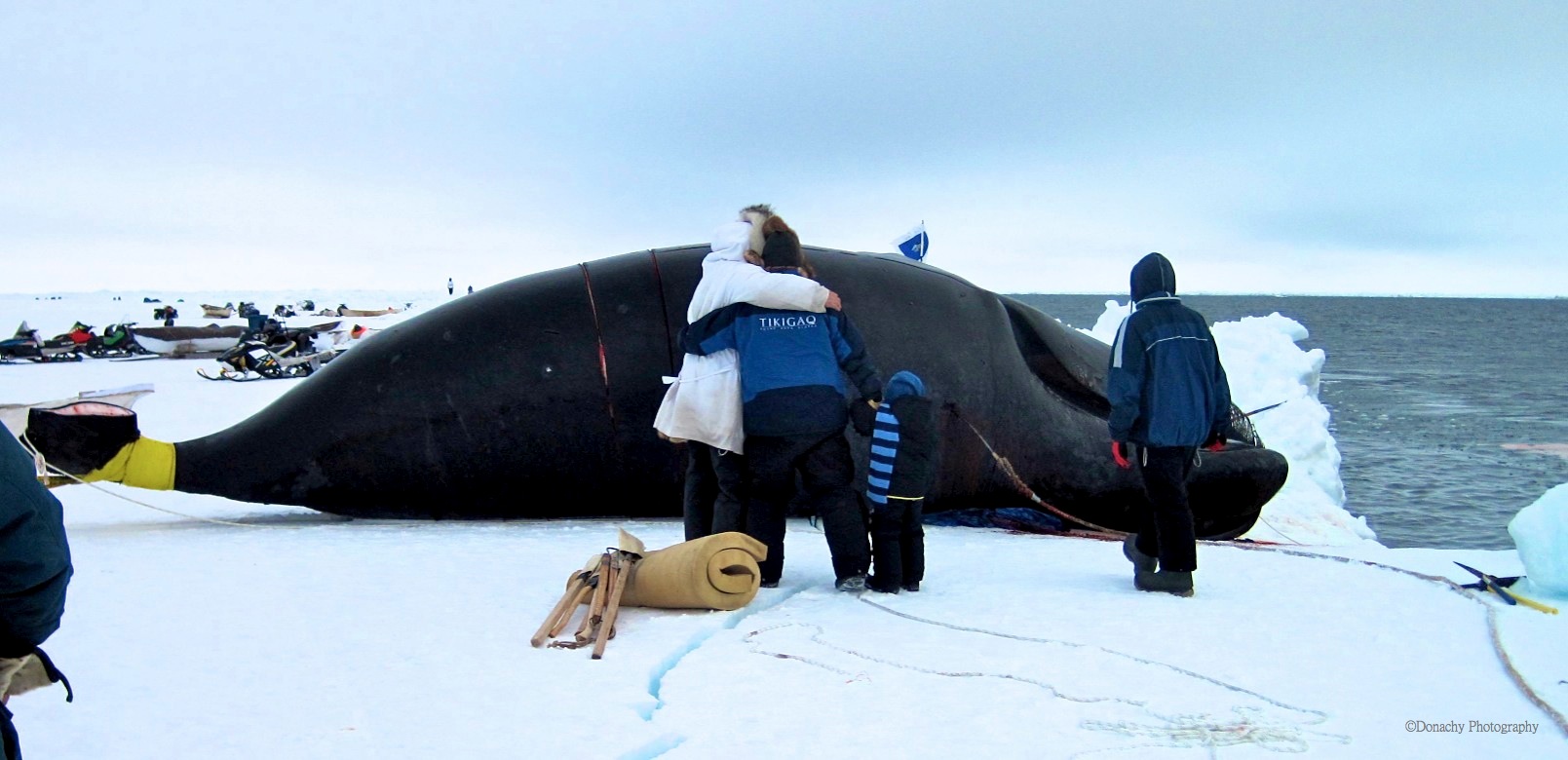
Last year, three whales gave themselves to the village. That is the way people here say it. Animals are not “killed.” They give themselves, and for a whale to give itself, the hunters’ skill, preparation and worthiness must all come together. Point Hope is one of the oldest continuously inhabited settlements in the Americas. Perhaps the oldest. Here, the unique interplay of sea and river, hills and tundra bring salmon, char, seabirds, caribou, whales and even berries to the inhabitants. Compared to many other villages, the people of Tikigaq (Crooked Finger – so named for a narrow thrust of land at the tip of the peninsula that long since eroded away) have seldom had to go far for food.

The whales are bowheads, a right whale. These baleen whales may weigh 30 tons or more. Occasionally ivory, slate and jade harpoon heads of old are discovered buried deep in a whale’s blubber, indicating that they have a lifespan of at least 150 years. Although commercial whaling in the 1800’s pushed populations to near extinction, they have gradually recovered and numbers in the Chukchi Sea continue to grow by about 3% each year to over 10,000 currently.

Inuit artist Kenojuak Ashevak’s painting (above) depicts the circle of Arctic seasons. Her painting shows open water for less than half of the year.

When we leave the village in mid-May to spend our summer further south in Alaska, much of the tundra and the Chukchi Sea will still be locked in ice. When we return in mid-August, the tundra will be carpeted in shades of green, some of it already giving way to Autumn’s gold. In high summer, flowers bloom in profusion, but by August, most will be done. Berries – cloudberries, cranberries and crowberries near the village, joined by blueberries further out – will follow. Waves will tumble on the shore as though the ice never existed, and salmon and char will be swimming in the clear-green water.

Beaver Fur Hats: Real Warm

Inupiat craftsman Isaac Atungana of Point Hope specializes in these luxuriously warm and comfortable beaver fur hats.

After months of admiring the ruffs on the parkas of our students and friends in Shishmaref, I got a beautiful wolf ruff for Barbra.  Our friend Nancy sewed on it. Aside from its beauty, the ruff around her hood serves a very practical purpose: protection from the elements. Whether made of polar bear fur, wolf fur, or, perhaps best of all, wolverine fur, a good ruff traps a pocket of warm air around the wearer’s face, keeps the wind off bare skin, and cuts down on the sun’s glare. Barbra loves hers. “You should get one,” she’s been urging this past winter.

Partly out of tightfistedness, partly out of skepticism, I’ve been resisting. First, good ruffs are fairly expensive. Second, I just couldn’t see how a little fur, fur that isn’t even lying next to one’s skin, could make that much difference. So I’ve soldiered on with my performance fleece face mask and my Mountain Hardware Polartec watch cap. Quality gear, and with my head and face thus ensconced and tucked beneath the down hood of my Mountain Hardware parka, I reasoned that I should be plenty warm.

And down to about zero degrees Fahrenheit, I am. Below that, if I have to be out long, especially if there’s wind, I get cold pretty fast.

“Face hurts,” I say to Barbra.

“You should let me get you a ruff,” she replies. “A real good one. Wolverine.”

“Maybe,” I answer back like a record with a needle stuck.

The other day, Isaac Atungana, who makes superbly warm beaver fur hats, showed me his latest creation. Unlike his other hats, this one was completely lined with thick, soft, warm beaver fur.

I try it on. It’s a little big. “I can take it in right along this seam,” he says pointing.

The first time I wore the hat, it was negative 17 outside with a windchill pushing the temperature down to negative 50. It was a revelation. My face didn’t hurt at all. In fact, I felt downright… cozy! And that was with the hat on backwards! (I’ve since been instructed as to the proper positioning of the hat on one’s head.)

The beaver fur extends past my face and traps a pocket of air the same way a ruff does. And the hat, which weighs nearly a pound, is thick and well-insulated, comfortable and warm. Man, if I had had this hat when deer hunting and ice fishing back in Pennsylvania…

Bison Joes with Roasted Bell Peppers

Roasted bell peppers and ground bison combined with freshly baked buns for a memorable version of an America Classic.

One of the challenges of living hundreds of miles beyond the road system is that we frequently can’t get the ingredients we want for cooking. With the school year rapidly drawing to a close (fewer than eight weeks remain now) and an abundance of ground bison in our freezer, Barbra had been requesting Sloppy Joes. “I’ll make the buns!” she promised. Problem is, the village store hasn’t had onions since early January. The last shipment was frozen solid and had to be tossed out. We’re out as well, and I couldn’t quite imagine Sloppy Joes without diced sweet onions mixed in with the meat and sauce.

And then, out of the blue, a friend gave us two green bell peppers. Roasted and skin peeled, these would provide the tangy sweetness I was looking for. I had a large carrot in the fridge that needed to be used, so I diced and sautéed it and added it to the ingredients as well.

Mixed together with an off-the-cuff sauce, our Bison Joe’s came out great – more savory than sloppy, and sweet enough to please the kid in us.

Bison Joes with Roasted Bell Peppers

Ingredients

  • 1 pound ground bison
  • 5 cloves garlic, chopped fine
  • 2 bell peppers, cut in half, stems and seeds removed
  • 2/3 cup finely chopped carrots
  • olive oil, as needed
  • 1/2 cup Sloppy Joe sauce (below)
Directions for roasting bell peppers:
  1. Place a baking sheet (a good, thick one is best) into oven and preheat to 500 °F.
  2. Using a brush, spray bottle or fingers, thoroughly cover bell pepper halves with light olive oil, canola oil or other oil that will withstand high temperatures.
  3. When oven is preheated, place bell peppers open side down on baking sheet. Roast until peppers soften, skin begins to loosen, and outside begins to brown. Turn the peppers over and continue to roast until desired color is achieved. (You will see at least some spots burned black. How much of this you want is up to you. I go for just a little black.)
  4. Remove peppers from baking sheet, place in paper bag and close. This will help steam the skins loose.
  5. When cool enough to handle, peel off the skin.
  6. Dice the peppers (about 1/4″ pieces) and set aside.
Directions for bison, carrots and garlic:
  1. Add about 2 tablespoons olive oil to a large frying pan and heat over medium heat. Add ground bison. Breaking up the meat and stirring, cook until evenly browned. Pour out on paper towels to drain off oil and fat and set aside.
  2. Add about 1 tablespoon olive oil to a medium frying pan and heat over medium to medium-low heat. Add carrots, stirring frequently. Just before done, add the garlic and cook an additional 1 to 2 minutes. Place in a small bowl and set aside to cool.
Sloppy Joe Sauce
Ingredients
  • 1/3 cup ketchup
  • 1/4 cup Dijon mustard
  • 1/2 tablespoon Worcestershire sauce
  • 1 tablespoon Cholula sauce
  • 1 tablespoon soy sauce
  • 1 teaspoon cumin
  • 1 teaspoon dried oregano
  • 1/2 teaspoon basil
  • couple dashes powdered cinnamon
  • 1/2 teaspoon chili powder
  • several grinds freshly cracked pepper
  • 2 tablespoons olive oil

Directions:

  1. Add all ingredients to a non-reactive bowl and mix thoroughly. Add the garlic and carrots (above). Add the bell peppers. Add additional chili powder, cumin or Cholula for more of a kick.
  2. Place the browned bison in a large skillet. Heat on medium heat and add enough sauce to coat the meat. Beyond that, how much sauce to add is a matter of cook’s choice. Mix thoroughly, cooking and stirring till everything is hot.

Serve on toasted buns or toasted bread with a frosty mug of root beer.

The Sailing Vessel Bandon

The t’s have been crossed and the final i dotted. All 37 feet and 12 tons of the sailing vessel Tarsus is ours.

What have we gotten into?

There’s a line from the film The Shipping News that seems to fit. “Course, you don’t know nothin’ about boats, but that’s entertaining, too.” 

Four years ago when we bought our C-Dory, Gillie, I’d never piloted a power boat longer than 12 feet – my dad’s aluminum car-topper with its 5 hp engine. Barbra had even less experience with boats. All we really knew was that we wanted a fishing boat. So we did our due diligence – read books, researched on the Internet, visited dealerships, checked out boats in marinas, talked to people and attended boat shows. In the end, we came to a familiar set of conclusions, the short of which go like this: There are a lot of boats for sale, and most of ‘em float. Out of all those boats, a few makes stand out. After that, everything is a compromise. The boat we really wanted was too big to readily trailer; thus it was not the boat we really wanted. We took the plunge, bought Gillie and a year later towed her all the way to Alaska, to the Port of Valdez, which is over 3,000 miles from Sacramento. We then launched her, ran 90 miles to the Port of Cordova, and spent the next eight days and nights fishing and camping aboard our boat in Prince William Sound.

Above: Jagged rocks and islands create a maze leading from Resurrection Bay out into the Gulf of Alaska. Top photo: Massive Blackstone Glacier towers above its namesake bay near Whittier, Alaska.

Time and tide kept me from sailing, but I honestly can’t remember a time in my life when I didn’t want to sail. It’s always been there. Landlocked in western Pennsylvania, my family would take summer vacations to the coast – up to Cape Cod, down to North Carolina’s Outer Banks, west to Oregon – where we’d spend a week frenetically touring museums and historical sites, dining out in restaurants, perusing art galleries and shopping. For my part, I could have spent all day every day on those vacations doing nothing more elaborate than fishing the first tide of the day, combing the beaches, and walking the marina docks. The boats, particularly the sailboats, were magical. Mesmerizing. I’d see their owners emerging from below deck, or topside working on this or that, or just relaxing and looking off in the distance and I wanted to be those people. I had so many questions for them, but I never worked up the courage to break free from my family, approach one of them and ask. Questions like, How does it work? How do you steer it? Do you live on it? What does its name mean? Where have you been on it? Where will you go next?

Tarsus’ former owners were podiatrists. Although we haven’t completed a formal name change yet, on each piece of paper associated with the sale (for a boat this size, there’s nearly as much paperwork as in a home sale) we have penned in Bandon where the vessel’s name appears.

Sea otters are a common, always welcome sight along Alaska’s southeast and central coasts. 

There’s a small town on the southern Oregon coast where a river with runs of salmon, steelhead and striped bass joins the Pacific. Bandon. For a long time, Barbra and I looked at land on the Coquille River upstream from Bandon. In addition to the fish, the area has deer, turkeys, game birds and elk as well as good mushrooming and abundant wild berries. It’s a quiet part of the world, not overly far from wine country. We talked about a piece of land with trees, a spot for a garden, raising chickens there and cutting our own firewood for a wood burning stove in a cozy house where we would homestead.

Bandon is that. But it’s more. This time, it’s not the boat that represents the compromise. It’s the lifestyle. Choosing to become sailors means, at least for now, not becoming homesteaders. It means not driving our camper all over North America, or having a cabin on the shores of a lake full of walleyes, or collecting wine, or, in Barbra’s case, getting a pilot’s license.

Bandon will be docked in the Marina at Seward, pictured here in early July.

To borrow from Robert Frost, Bandon is the road we’ve taken. She’s got a sound hull, every amenity and comfort we need and then some, and sails to take us over any sea. It is dreams come true for us, and in some of those dreams there is a placid lake full of walleyes, and endless summer days touring North America in our camper, a herd of elk feeding on windfalls beneath our apple trees, a salmon fresh from our river for Thanksgiving dinner, a wood burning stove and a freshly made blackberry pie.

Resurrection Bay, where Seward is located, has one of the largest summertime concentrations of Coho salmon in North America. There is an abundant, varied and rich ecosystem in the bay, making it a premier locale for everything from watching sea birds and otters to seeing whales, dolphins and porpoises. The surrounding mountains are spectacular and help ensure for predictable winds, making Resurrection Bay a great place to sail. For more information about the sailing vessel Bandon, click on the word Tarsus.

A Boat to Sail the Ocean Blue

We fell in love with this 2002 Island Packet 350 last summer while visiting Seward. Here she is hauled out for survey on March 3.

Her tip-to-tip length is 37′ 10″, on deck she’s 35′, and at the waterline 29′ 4″. Her mast rises 48′ 3″ above the water. Rigged as a cutter, she’s also powered by a 38 hp Yanmar diesel engine. Displacement is eight tons. Gross tons: 12. 

Below deck there are two staterooms (sleeping berths), one fore and one aft. The two settees convert to beds to sleep a total of six people. Teak deck, 6′ 4″ of headroom in the main cabin, and lots of storage space. The head, complete with shower, is located just aft of the forward stateroom. The fuel tank holds 50 gallons of diesel and the freshwater tank holds 100 gallons. There’s a dedicated navigation table, a dinette table that folds into a bulkhead when not in use, a smartly designed galley and easy access to the engine.

The gimbled two-burner stove with oven is the centerpiece of the galley. The narrow space allows the cook to wedge in and brace when the boat is moving. The microwave will go. 

Here she is this past summer with a fresh coat of bottom paint. She sure put a song in our hearts! (Click photo for larger view.)


Arctic Ocean in February

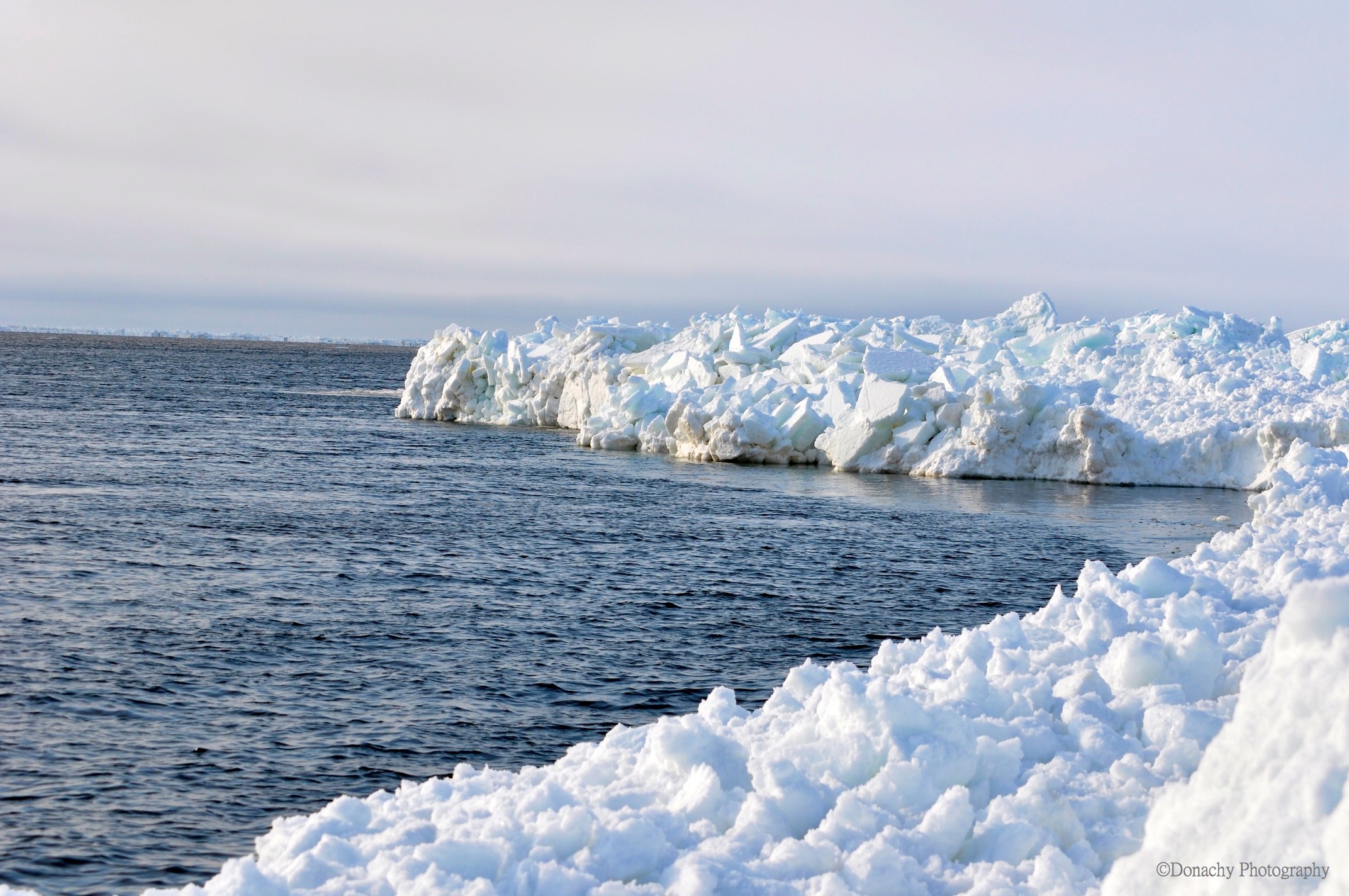
The Arctic Ocean pushes sea ice into jagged heaps of translucent blue near shore. Further out, fog swirls on the horizon below a brooding sky.

Storm coming.

Point  Hope, February 18, 2012.

Spicy Chicken Farfalle Soup

A hot bowl of spicy chicken and bow tie soup is just the thing on a cold January day.

We’re both fans of Southwestern style rubs. Penzey Spices makes a good one, as does Dean & Deluca. I’m sure there are others. I whipped up this wonderfully spicy chicken noodle soup using leftover chicken thighs I’d rubbed and broiled for last night’s dinner. Vary your ingredients according to how much chicken you have on hand and what’s in your pantry. By the way, if you haven’t tried Better Than Bouillon brand, it really is–better than bouillon. Much better. In addition to plain chicken and beef, they make 42 other styles of soup base including a lobster base that is absolutely delicious.

Ingredients:

  • skinless, boneless chicken thighs rubbed with Southwestern-style seasoning and broiled
  • sweet onions, chopped coarse
  • carrots, chopped coarse
  • celery, chopped coarse
  • sweet corn
  • garlic, chopped coarse
  • Kalamata olives, chopped coarse
  • sun-dried tomatoes, chopped coarse
  • mushrooms, chopped coarse
  • fresh bow tie (or other) pasta
  • Cholula sauce
  • Better Than Bouillon, chicken flavor
  • olive oil
  • Italian herbs (fresh or dried)
  • smoked sea salt
  • freshly ground black pepper
  • (If I had fresh, hot red peppers, I would have used them)

1. Cut chicken into small pieces and set aside.

2. Place enough water in a pot to cover the ingredients. Add bouillon and bring to a boil.

3. Heat olive oil in a skillet. Add chopped vegetables, starting with the carrots and onions as they require more cooking time. Add Italian herbs and stir in well. After two or three minutes, add celery, olives, garlic and mushrooms. Cook until onions are just turning translucent and carrots and celery are just barely crunchy.

4. Add sautéed vegetables to boiling water. Add chicken, Cholula sauce to taste, a few grinds of pepper and the smoked sea salt.

5. Add fresh pasta and continue boiling till just done. (If using store-bought pasta, it is better to add it to the boiling water before adding the other ingredients to cook it to desired tenderness without overcooking the vegetables.)

6. Serve piping hot.