Ink and Light: “Winter Hunt” and Shakespeare’s Poem for Runners

saker-khustai-n

Winter Hunt: Saker Falcon, Kustai National Park, Mongolia

Prized by falconers for their beauty and power, Saker Falcons are endangered due to black market trading and habitat loss. They are the national bird of Mongolia.

           (From) The Winter’s Tale 
      Jog on, jog on, the foot-path way,
        And merrily hent the stile-a:
      A merry heart goes all day,
        Your sad tires in a mile-a.
William Shakespeare – lines from The Winter’s Tale, 1623

In otherwise good health, Shakespeare (1564-1616) died 3 days shy of 52. Many of his plays were published posthumously. According to one source, Shakespeare’s death followed a night of heavy drinking with Ben Johnson and Michael Drayton. An apocryphal tale or not, all of his plays contain references to drink.

Ink and Light: Framed in Light and “Something like a Raven”

x-framed-in-light-copy-n

Framed in Light: Umiaks and Northern Lights, Point Hope, Alaska

                   …in silence                  where all things
      and all beings reach                 back into time before iron and oil.
        dg nanouk okpik – Tulunigraq: Something like a Raven, 2012

Whaling crews of the Inupiat Eskimo village of Point Hope still hunt on the Chukchi Sea from traditional umiaks – small whaling skiffs with wooden frames and bearded seal skin hulls.

dg nanouk okpik is an Inupiaq-Inuit poet from Alaska’s North Slope. Nanouk is Polar Bear and Okpik is Cloudberry in the Inupiaq language. Her book Corpse Whale was published by the University of Arizona Press in 2012.

Ink and Light: “For John Clare” and a Redpoll in Mongolia

x-thin-air-n

Thin Air: Common Redpoll, Ulaanbaatar, Mongolia

Redpolls breed in Arctic regions around the world, descending into lower latitudes in winter. A bird of the North, they generally are uncommon south of Canada.

For John Clare
The whole scene is fixed your mind,
the music all present,
as though you could see
each note as well as hear it.
John Ashbery, lines from For John Clare, published in 1969

John Ashbery’s (1927-) poetry has earned nearly every major award including the Pulitzer. The subject of this poem, John Clare (1793-1864), emerged from difficult early years to write beautiful poetry about the natural world before later being institutionalized for insanity.

Fire and Ice Needles: Dawn, Hustai National Park, Mongolia

ice needles at dawn n

Stalked a group of stag red deer

up a draw to the top of a rise 

where the sun broke fiery and cold

lighting feather grass and ice needles

suspended in the negative something air.

Along the ridge, winter-hard antlers

lit with sunlight

scattered into the dawn.

– Hustai National Park, Mongolia, 2014

Jack Donachy


Super Fluffy Frittata: Brunch is Served


fluffy frittata n

Bacon? Smoked salmon? Leaks? Mushrooms? Smoked cheese? Pick your ingredients and bake them into this deliciously fluffy frittata.

We love our weekends – time to cook a special breakfast or brunch and linger over it with a second cup of coffee and a good book of poetry. Adaptable to a wide range of ingredients, frittatas are among our favorite weekend breakfasts.

One key to turning out a great frittata is to use the right pan. We’ve been using Swiss Diamond nonstick cookware for years and are big fans. Sunny-side up, scrambled, or easy over, eggs slow-cooked over low heat in these pans are a revelation. And although the word frittata has its etymological roots in the Italian friggere, which means “fried,” we usually bake ours. Sautéing vegetables before they go into the egg mixture brings out their sweetness, drives off excess moisture and allows for a richer balance of flavors. And the key to a super fluffy frittata? Separate out the yolks and whip the whites into fluffy peaks, then fold them into whatever mixture of egg yolks, cheese, meat and vegetables you’ve prepared. Here’s how we made ours this morning.

Ingredients (Serves 4)

  • 8″ nonstick, oven-safe frying pan with lid. Swiss Diamond pans have heavy bottoms and non-stick cooking surfaces that are perfect for this, and they’re oven safe.
  • 2 strips thick bacon
  • 1/3 cup yellow bell pepper, chopped coarse
  • 1/3 cup onion, chopped coarse
  • 1/3 cup fresh mushrooms, chopped coarse
  • 1 clove garlic, chopped coarse
  • 1 tablespoon butter + 1 tablespoon extra virgin olive oil (for sautéing vegetables)
  • 2 tbsp white wine, sherry or mirin
  • 1 tablespoon olive (for frittata pan)
  • 1 cup shredded cheese such as smoked gouda
  • 4 eggs
  • smoked sea salt (or regular sea salt)
  • freshly ground black pepper
  • 1/2 teaspoon ground chili pepper, separated into equal portions. We used Penzeys Southwest Seasoning which is a blend of sweet ancho, oregano, cayenne pepper, cumin, chipotle pepper and cilantro.
  • Caviar (optional)

Directons

  1. Adjust oven rack to center position and preheat oven to 325 degrees F (160 degrees C)
  2. Cut bacon into small pieces. In a medium-sized pan, fry over medium heat till edges are crisp. Drain on paper towels.
  3. Wipe excess bacon grease from pan. Add butter and olive oil. Heat over medium till just sizzling. Add onions and sauté for two minutes, stirring occasionally. Add white wine, bell peppers, sea salt, black pepper and ground pepper, stirring occasionally. If necessary, turn heat up slightly to drive off excess liquid. Cook till onions turn translucent. Remove from heat and transfer to a bowl to cool slightly (so that when added to the egg yolks, they don’t cook them).
  4. Separate egg yolks and whites into two sufficiently large bowls.
  5. Use a blender or whisk attachment to whip egg whites to fluffy peaks. Set aside.
  6. To the egg yolks, add vegetables, bacon, shredded cheese, remaining ground pepper, and additional salt and black pepper to taste. Mix thoroughly.
  7. Gently fold egg whites into egg yolk mixture.
  8. Add olive oil to 8″ frying pan. Pour mixture into pan. Cover with lid and place into preheated oven. Check in 15 minutes. Expect total cooking time to be about 25 minutes.
  9. Garnish with caviar and serve hot.

We enjoyed our frittata with sautéed mushroom caps, summer squash, big mugs of coffee and Czeslaw Misosz’s poetry anthology, A Book of Luminous Things. 

Gobi Desert Trek Day II: The Central Mongolian Steppe from Ikh Khayrkhan Uul to Baga Gazaryn Uul

horses in salt lake n

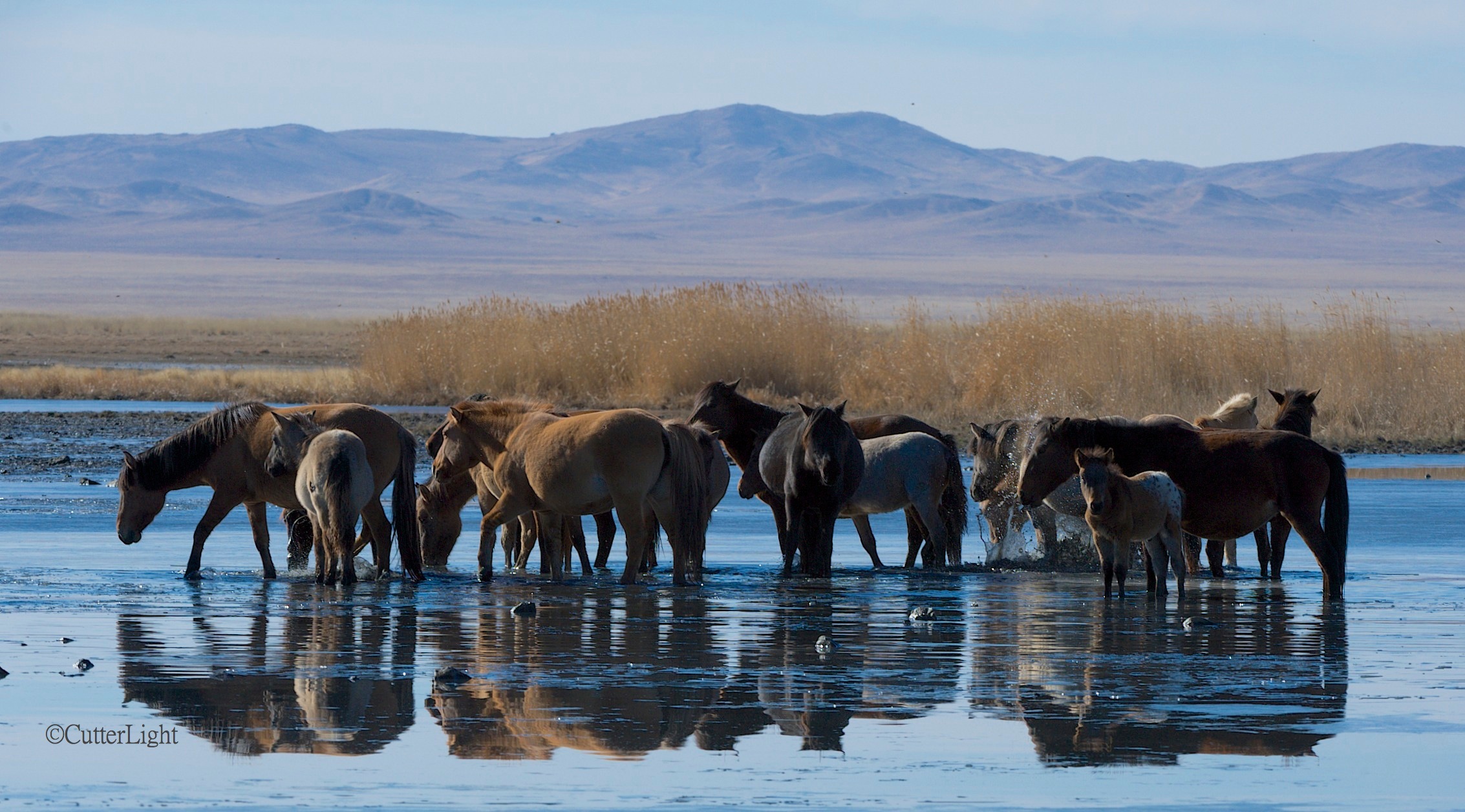
It’s a tough breed of horses that call Mongolia home. Most Mongolians were practically born in the saddle, and even Ulaanbaatar’s urbanites ride them with ease. But these horses are never truly tamed in the western sense of that word. Here a group wades a small salt lake on a mid-October morning a few ticks above freezing.

We woke after spending our first night in a ger to a world of frosted grass and blue skies. After breakfast and some casual rock climbing on nearby outcrops, we piled into the van and resumed our journey south to the Gobi Desert.

russian van off road n

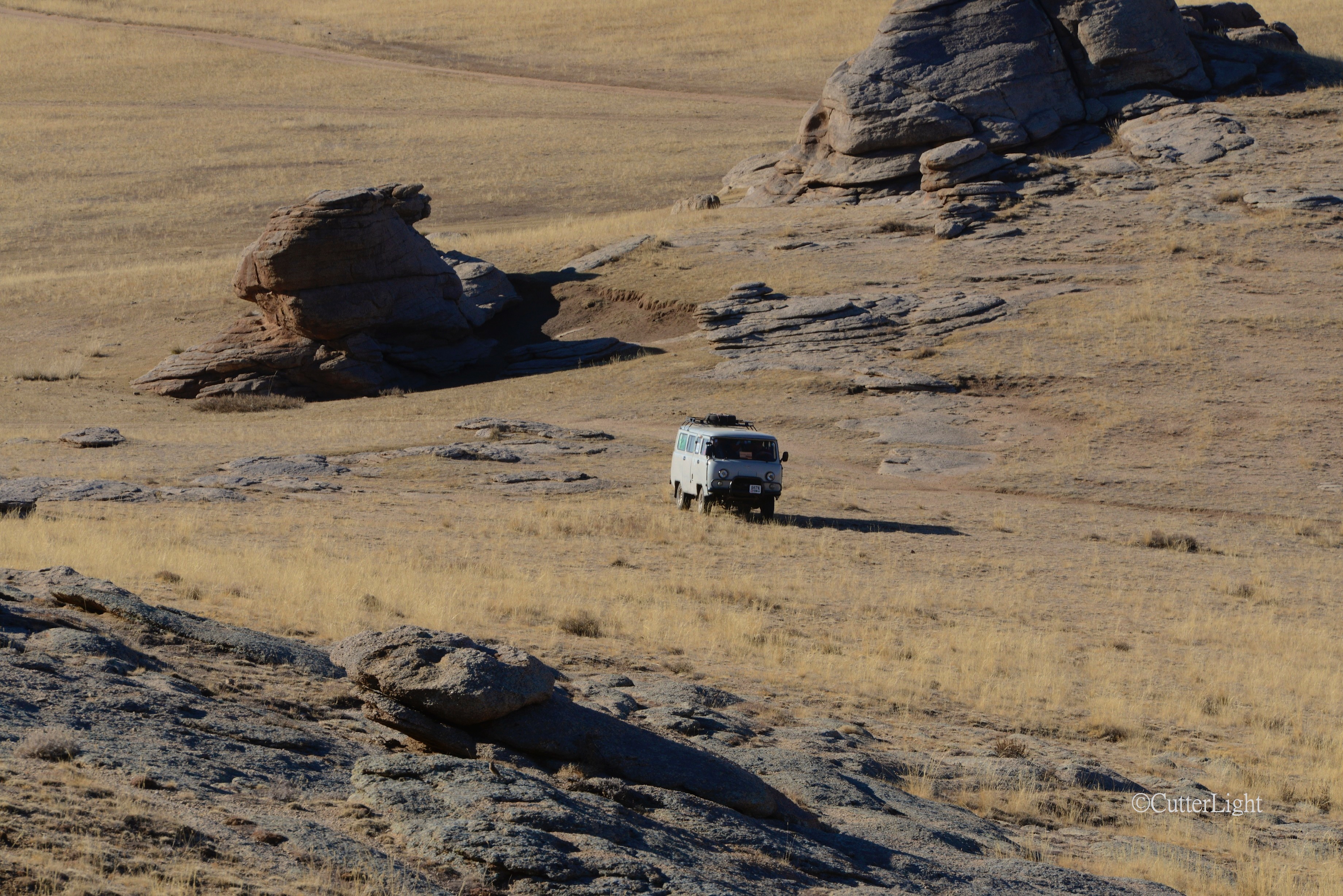
Beefy and easy to keep running, four-wheel drive Russian-built vans are standard on the Mongolian steppe. 
ruddy shelducs salt lake n

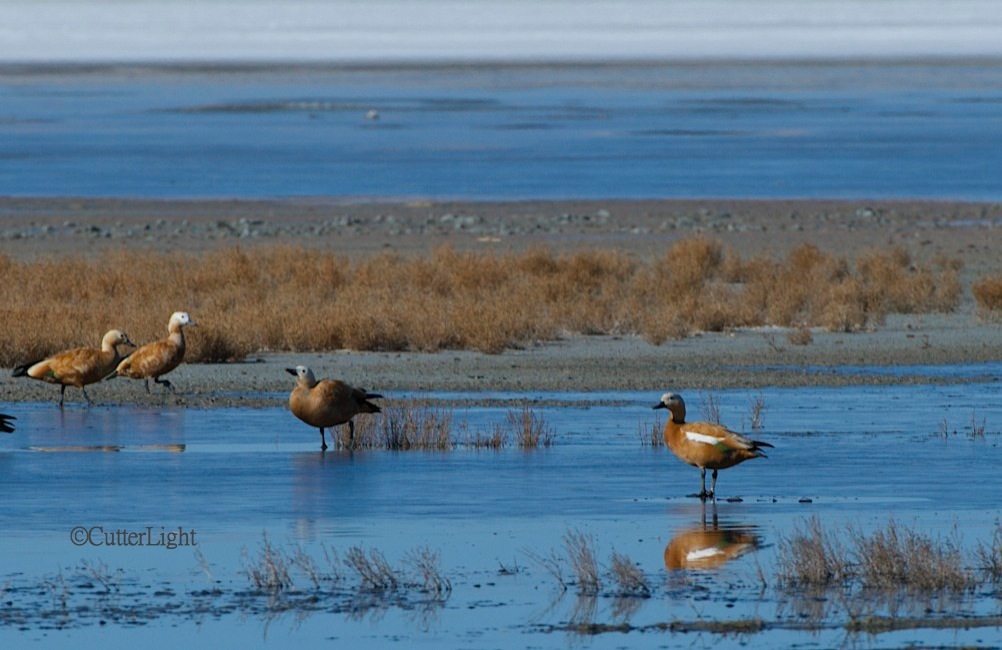
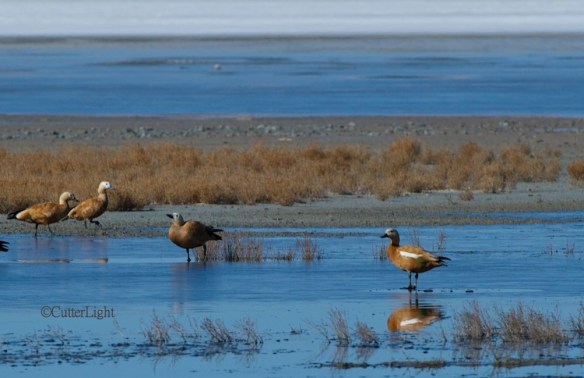
Ruddy shelducks (Tadorna furruginea). The white edge along the lakeshore at the top of this photo is salt.  Known for their affinity for brackish water, ruddy shelduck numbers are declining worldwide as salty wetlands are drained for agriculture. In addition to the horses in the photo above, the lake was also populated with common shelducks and teal. 

common shelducks salty lake n

Heads down and tails up, common shelducks (Tadorna tadornain muted late fall plumage sift through the lake’s briny muck. Meanwhile, hundreds of passerines, including scores of horned larks, flitted through the air and along the shoreline.

The sun moved higher into the sky. With the soft morning light leaving the lake’s waters, it was time to climb back into the van. The vastness of the land, dotted here and there with horses, cattle, goats, sheep and wild gazelle, continued to mesmerize us. But ever so subtly, we noticed that the grass itself was becoming more sparse.

Off in the distance, a group of especially large-looking horses caught our attention. As we drew closer, humps emerged from their backs. Camels! In less than a morning’s drive, we found ourselves transitioning from the lush grasslands of the steppe to the northern edge of one of the world’s great deserts: the Gobi.
OLYMPUS DIGITAL CAMERA

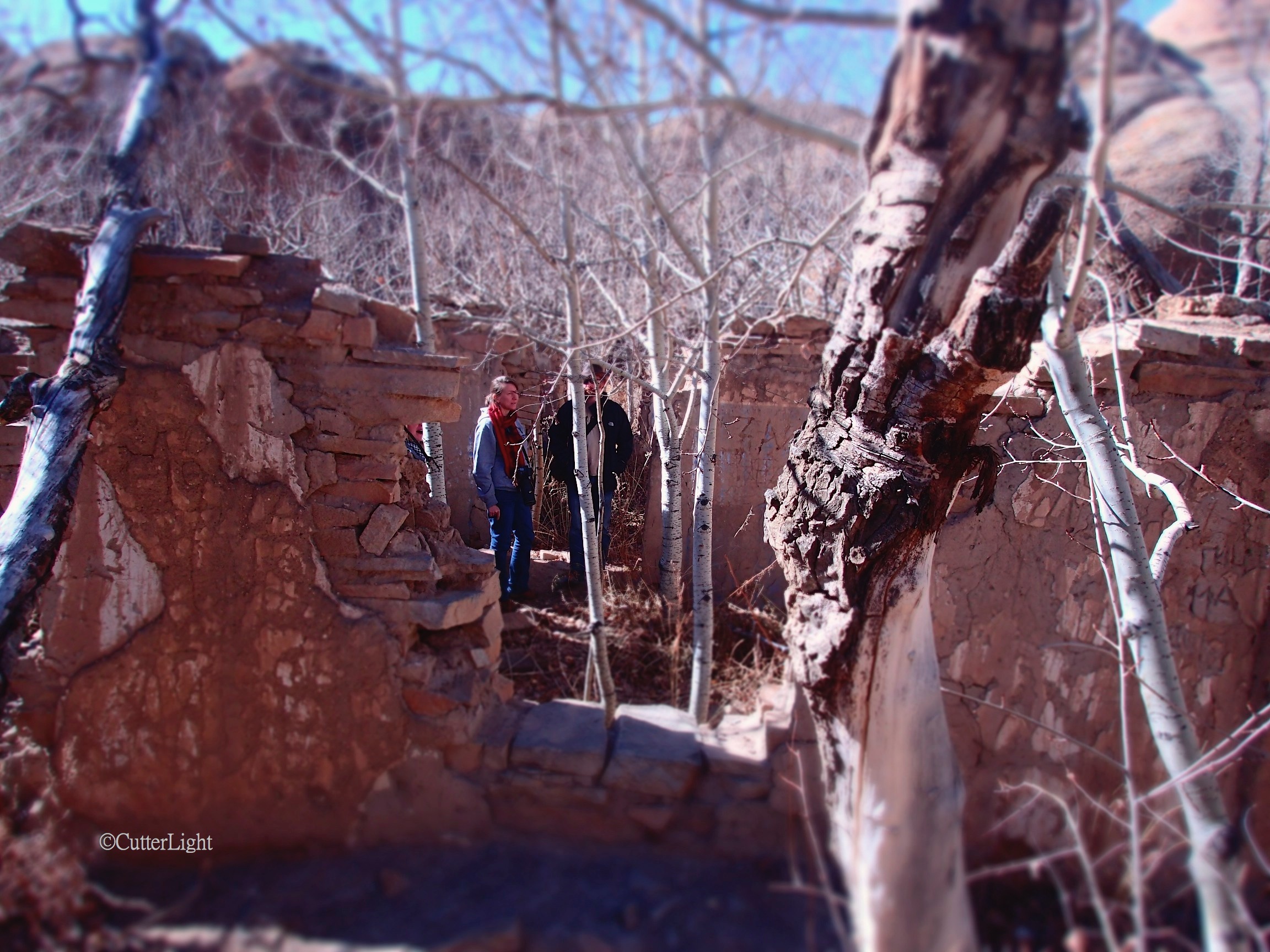
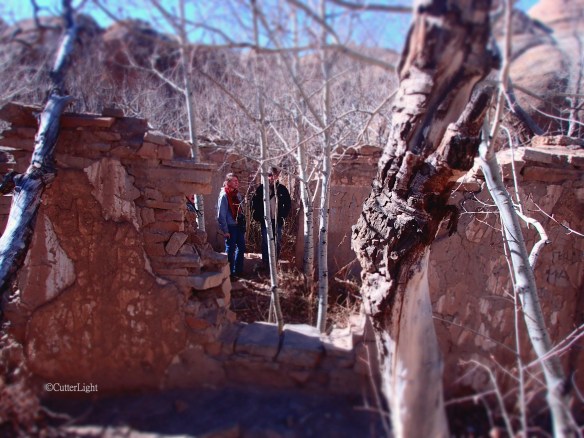
Birch trees tell a tale of water just below the ground’s surface in an otherwise parched landscape, and it was here a band of monks established a monastery long since abandoned and fallen to ruins. 
OLYMPUS DIGITAL CAMERA

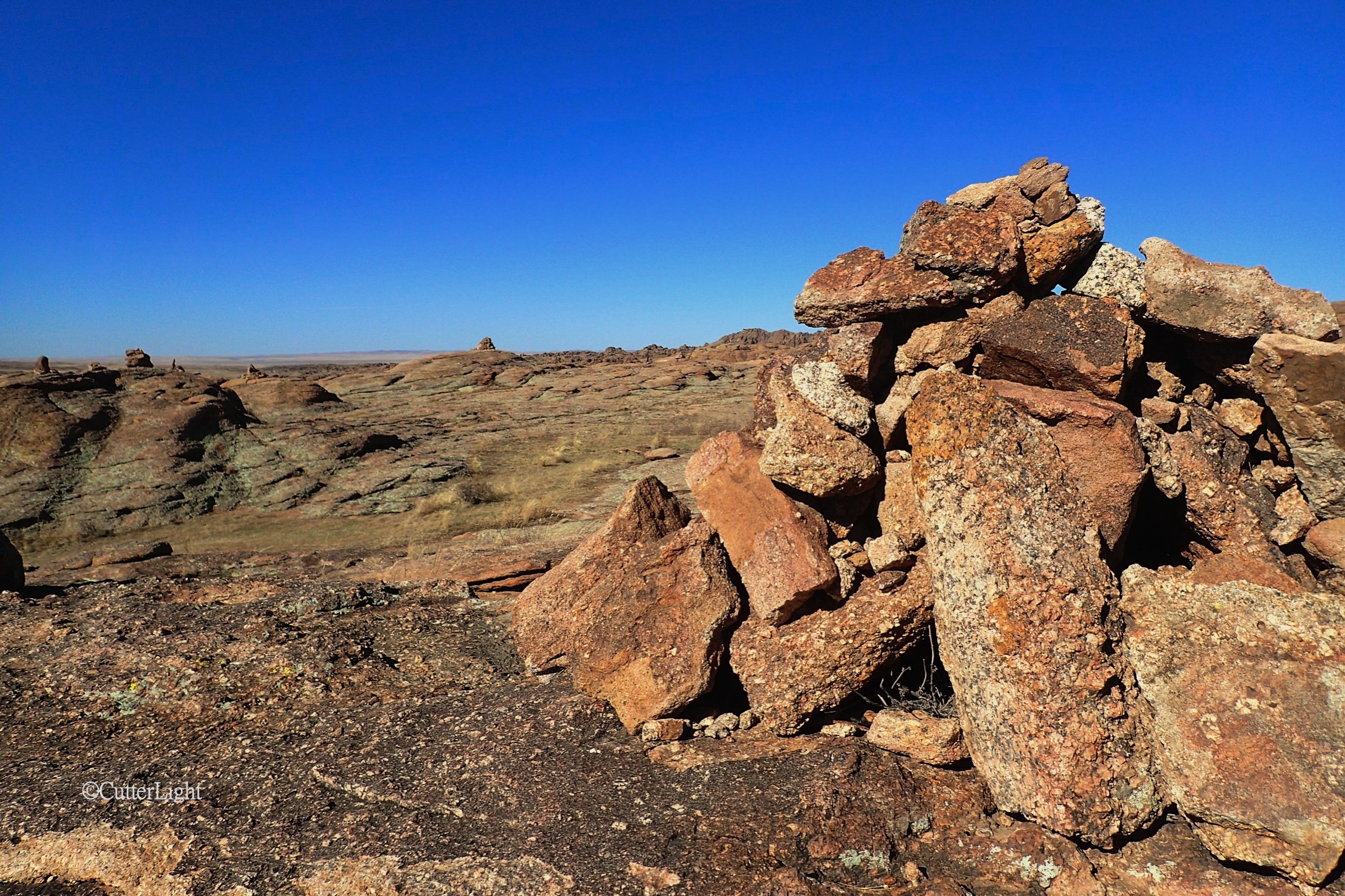
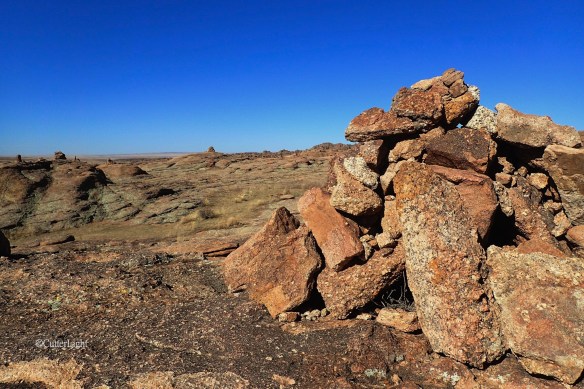
And yet in a sense, the monastery is still alive and vibrant as these nearby ovoos attest. It is the custom in Mongolia to add rocks and other items to these cairns and walk around them clockwise three times out of respect for the sky and earth and to ensure a safe journey.
grasshopper_new

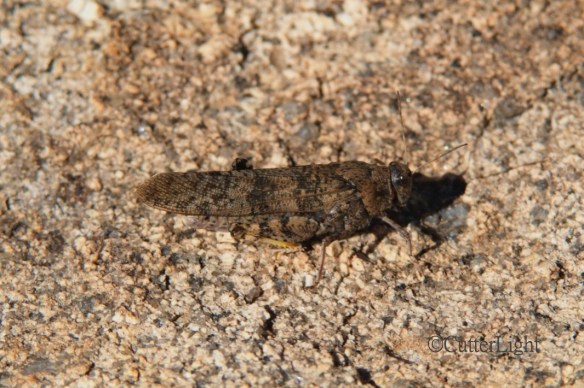
Brown with late autumn, this familiar grasshopper is a testament to species similarity throughout the Northern Hemisphere. Existing in tremendous numbers in a country where pesticides are still all but unheard of, these hopping protein pills account for the huge number of birds here.
OLYMPUS DIGITAL CAMERA

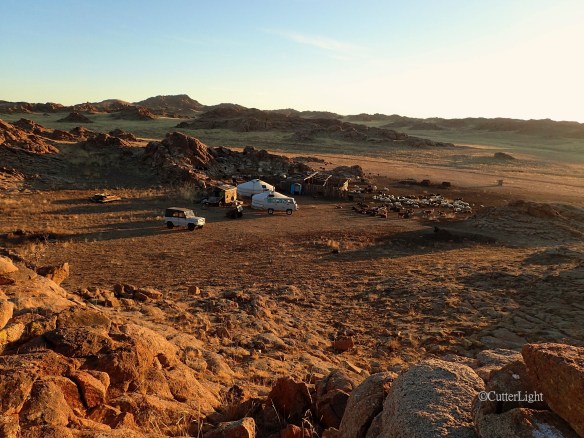
Featuring a dinner of stew with Mongolian-style noodles, goat milk tea, and six liters of wine along with our hosts’  airag (fermented mare’s milk), our second night was celebratory. 

That night, we stayed with a nomadic family in their winter camp. Their gers and ungated livestock enclosures (where the otherwise free-ranging animals spend the night) were tucked away from the coming winter wind among rock outcrops.

Nomadic Mongolian herders don’t travel constantly; they maintain two to four seasonal camps. As the seasons change, they pack up their gers, gather their livestock, and take advantage of fresh pasture.

Twice at this camp – once in the evening and once in the morning – we flushed out large coveys of some type of partridge. Both times the birds flew directly into the low sun, so that all we got was the sudden wind-rush thrum of wings, hearts stopped dead in our chests, and winged silhouettes. As usual, rock buntings and other finch-like birds were abundant.

red rocks at sunset n

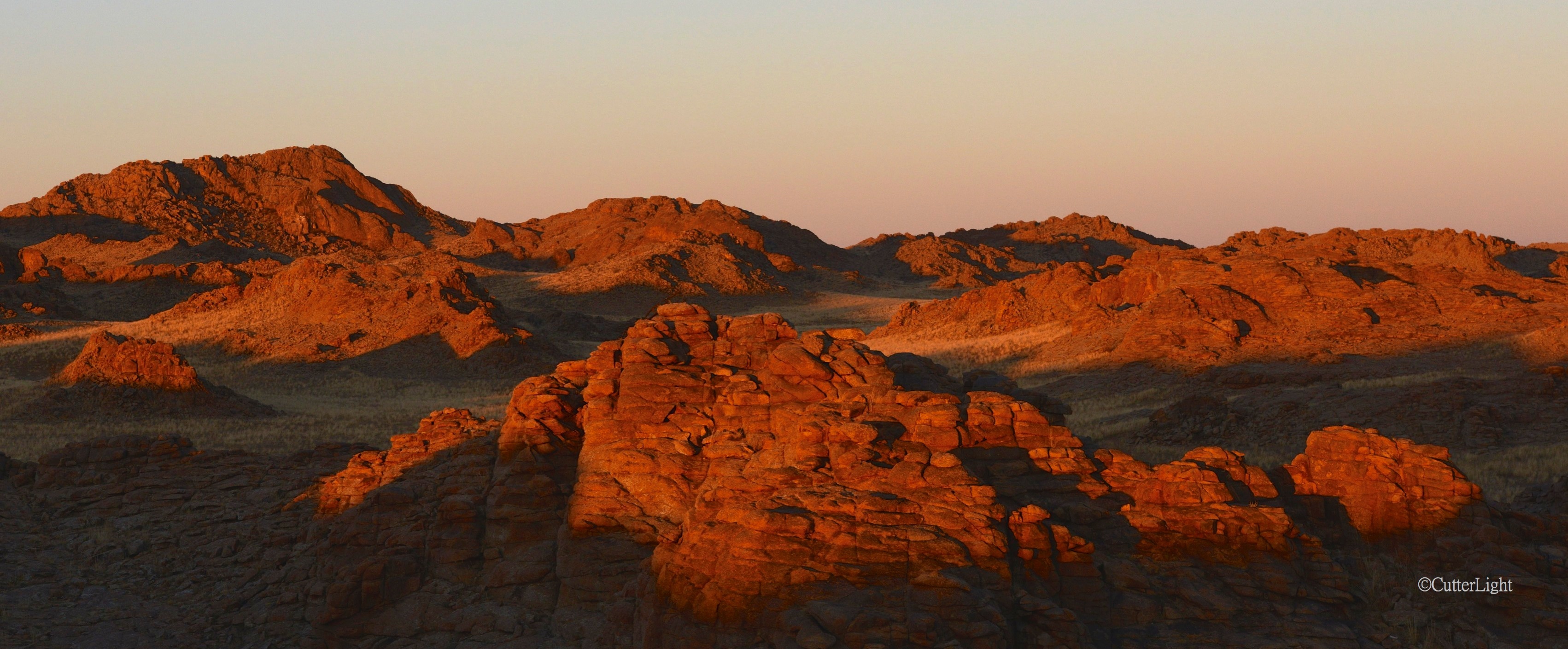
Sunset on another day in the cold, spare paradise we were discovering. Below, the night sky.

big dipper over ger n

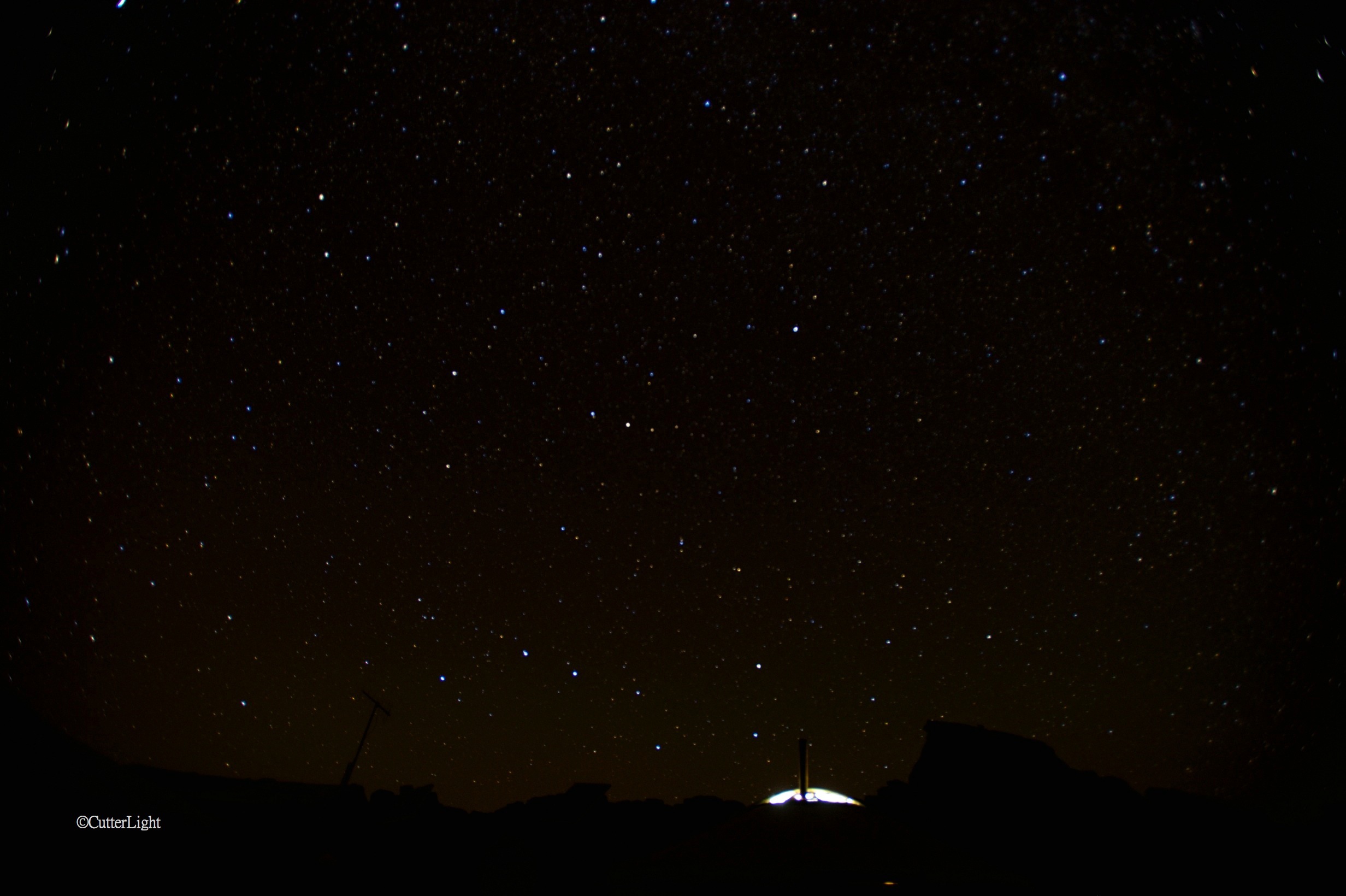
Dipper scooping out the horizon… dome of the felt-covered ger glowing white on the sky… Fire inside against the chill of the night… Straight above, the wash of the Milky Way… 

Next: The Middle Gobi Desert: Life in a Mongolian ger.

Coming soon: Raptors, Gazelles, Ibex, Picas and a Pit Viper


Plastic Seas: From Water Bottles to Cigarette Butts, It All Becomes Tiny Particles, and It’s the Tiny Particles that are Most Deadly

jellyfish micro purple n

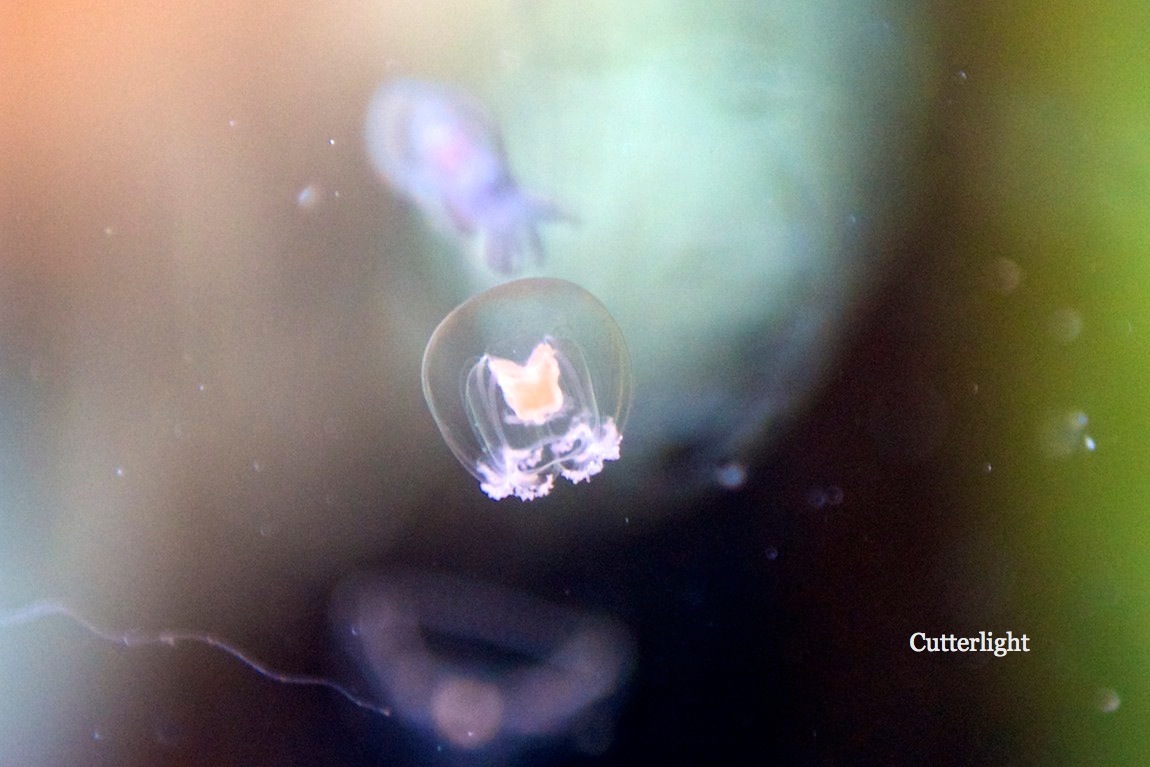
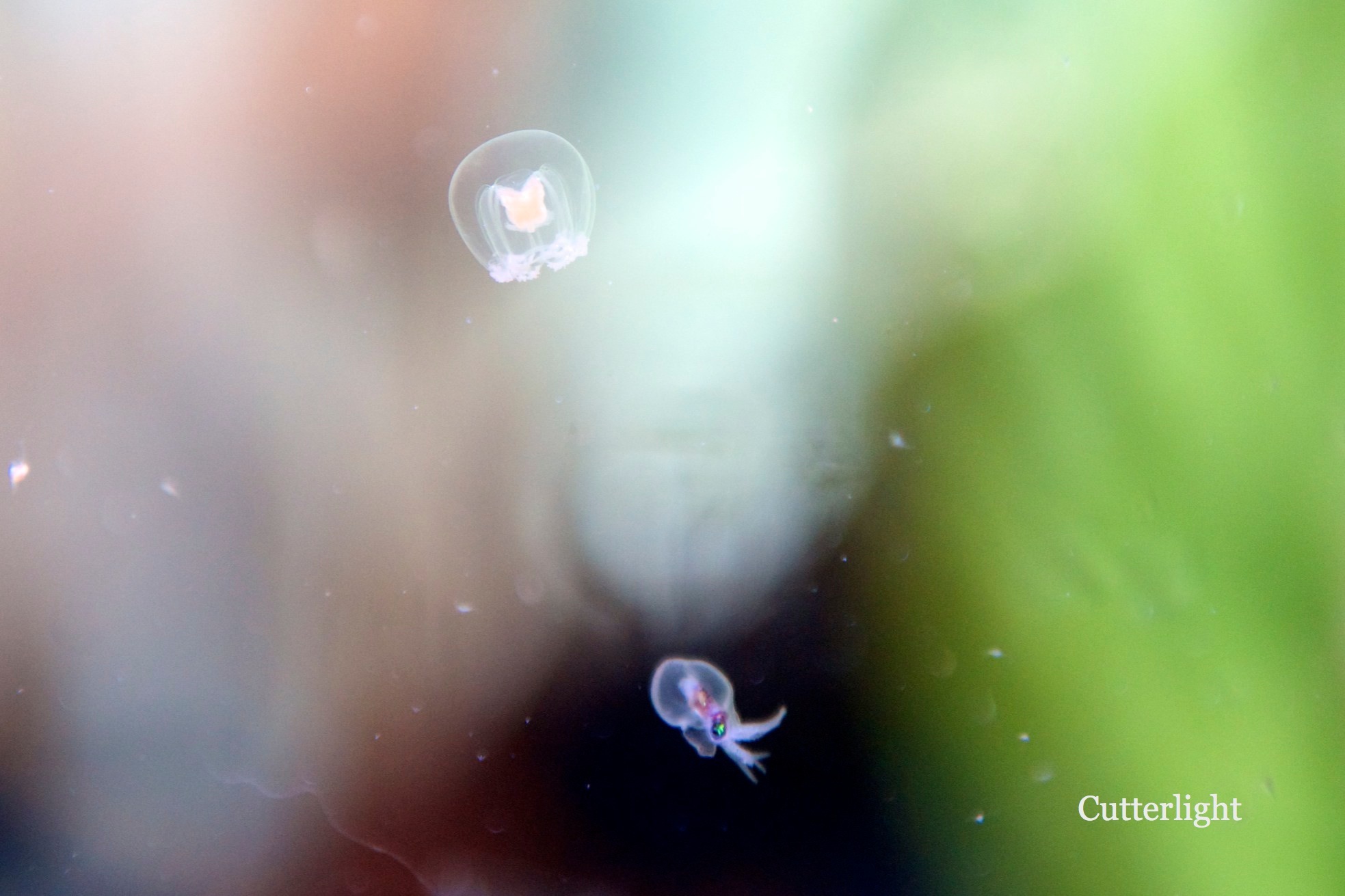
This tiny jellyfish and the octopus behind it are about the size of a pencil led, translucent, and barely visible to the naked eye. Key species near the base of the food web such as herring, sardines, menhaden and mullet routinely ingest plastic fragments as they filter the water for the nutritious plankton they feed on. 

herring pacific sealife center n

Pacific herring feed by facing into the current, hanging their jaws open, and sifting out tiny plants and animals. As plastics break down into fragments – as all plastics from discarded shopping bags to cigarette butts eventually do – the fragments mix in with the rest of the planktonic drift and are consumed by small fish… which are in turn consumed by larger fish, whales, sea lions and us.

squid micro eye n

The tethered balloon that slipped from a child’s hand

The monofilament net the fisherman left hanging on a reef

The cigarette butt that doesn’t matter

jellyfish micro blue orange n

and shopping bags,

and Christmas ribbons,

and cups used only once

and the plastic packaging

inside the shopping bags,

the throw-away toys

inside the Christmas package

the straws and the lids on the used-once cups

are smothering our oceans

and everything in our oceans

and us.

These photos were taken at the Seward Sea Life Center in Seward, Alaska. Visit an aquarium today to learn more about what you can do to help keep our oceans clean and healthy.

jelly fish n squid micro a n

Ghost Trees and Ghost Birds: Video and a Poem

At some point during my youth in western Pennsylvania, I read about a magnificent bird – the ivory bill woodpecker, the Lord God Bird. I wanted badly to see one and I knew that my dad – a naturalist – would know where to look. “They’re gone,” he said. I looked at him quizzically. “They’re extinct. They need big, old forests, and the big, old forests have all been cut down.” My dad was right. You should know that going into this film – a feature-length documentary that is powerful and sad and very much worth seeing.

.

Ghosts of Trees, Ghosts of Birds

People imagine they see them still,

ivory bills,

in remnant stands of virgin forests

too small to sustain these great birds.

In that way God Lord Birds are everywhere –

an image in burnt toast, a shadow pulling itself

into a triangular head,

a flash of red

as the late sun slants through the canopy,

or a fractured rock on a hillside gathering the feathered light

and darkness like a black and white diamond on a water oak trunk.

Ghosts of trees, ghosts of birds

Their nesting holes,

five inches across, 50 feet up –

hewn into hardwood with bone-chisel bill –

gone, too,

vanished with the ancient forests

into the humid air

above the endless spread of soy bean fields

Ghosts of trees, ghosts of birds

And so we pause

in the late morning

and set our paddles across the canoe’s gunwales

amidst the cypress knees, black gum and snags

as the mist lifts from this swamp

far enough away from all that

that it could be

the last place on earth

these birds exist

and strain our ears

and listen for double knocks

that rose and died 60 years ago.

The Light before the Fire (First Sea Ice, Point Hope)

There’s not much sun now –

three hours or so from dawn to dusk

and in those three hours, the sun doesn’t climb very high

so that on clear days the world is bathed 

in soft pink and lavender and gold

the horizon rimmed in turquoise

beneath a pale sky

until one day the wind shifts,

and gathers sheets of ice

already formed at sea,

and pushes the ice to shore

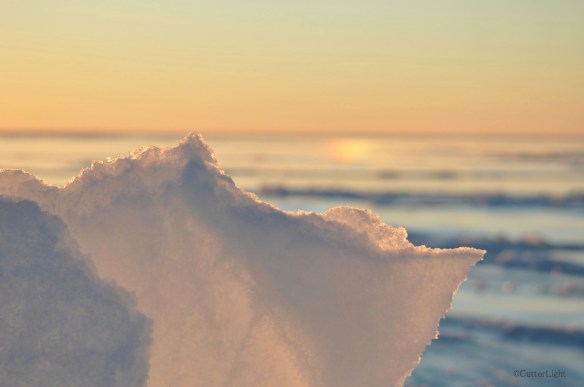
where it gathers the light,

and you forget about the things you thought you missed…

the life you left behind

in that moment

before the sun sinks to the ice-covered sea

and everything turns to fire

The Night Sky at Point Hope (A Whaler to His Son)

The northern lights have been out nearly every night lately. Here they frame two umiak – seal skin boats used for the spring whale hunts.

A Whaler to his Son

This poem is

an empty sigluaq

a seal skin boat

a lookout camp

on a new lead

This poem is

your grandfather’s parka

a snow squall on the horizon

a polar bear’s track

imprinted in the snow

This poem is

a fluke flipped and sounding

in a silk-white wake

like stars

washed over the Chukchi

This poem is

our village

carved like scrimshaw

on an ivory dawn

the dim Arctic sun

small and perfect

as a bowhead’s eye.

.

*A sigluaq is an ice cellar dug into the tundra used to store whale meat (and other meat)