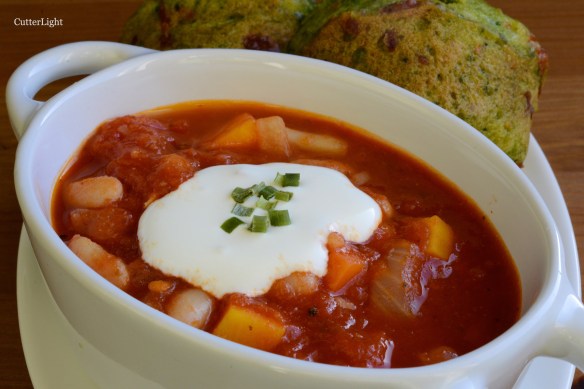
Internationally Acclaimed Isabel’s Turkish Bean Stoup

Isabellas Stewp n

Deliciously tangy and easy to make, you can serve this soup as a vegetarian dish – or add spicy sausage to satisfy your inner carnivore.

When I first met Jack, we were living in two different states. As our relationship grew, we spent more and more time together in each of our locations. After months of dating, it was going to be Jack’s birthday. Being the clever girl that I am, I hid his birthday present behind his refrigerator as I wasn’t planning to be in town for his big day. My genius idea was to call him on his birthday and surprise him from afar. Only a few days later, I get a call from Jack. You see, he had found his birthday present. The man I would eventually marry, I learned, had a penchant for cleaning – really cleaning. He had pulled out the fridge and was cleaning behind it when he came across my hidden surprise.

Fast forward to the present time… earlier this school year, we had a lovely houseguest named Isabel. She eagerly went on Mongolian adventures with us and shared our joy in sharing food. Isabel made a creation for us that we dubbed “Isabel’s Turkish Stoup.” She explained that it has Turkish seasonings and could be served as a stew or could be a soup. Her recipe was vegetarian, which of course, could be altered to satisfy our carnivorous tendencies. But we decided to taste Isabel’s recipe as she created it before making adjustments. We really enjoyed this recipe. The lemon juice adds a delightful tartness that brings all the elements together. We couldn’t get enough. We asked Isabel for the recipe, but as end-of-visits are usually busy, she left our home forgetting to give us the recipe.

Or so we thought…

Isabel is a clever girl, too. After hearing the story of Jack’s penchant for cleaning, she hid the recipe with a letter at the back of the top of the refrigerator. Who looks there, right? Sure enough, Jack decided to clean the kitchen and found Isabel’s recipe as well as a lovely thank you letter from her stay with us.

I was happy to have found the recipe. I whipped up a version of Isabel’s stoup. It was just as delicious as her version. Now, I will share with you, the internationally acclaimed (Isabel is German, we are American, the dish was made in Mongolia) Isabel’s Turkish Stoup. Thank you for sharing, Isabel!

Isabel’s Turkish Stoup

Ingredients

  • 2 cups chopped onions
  • 2 cups chopped carrots
  • 1 tbsp chopped garlic
  • olive oil for sauté
  • 1 cube bouillon
  • 2 tbsp tomato paste
  • 1 cup water
  • 4 cups white beans
  • 4 14-oz cans of tomatoes (about 56 oz total)
  • 2 tsp smoked paprika
  • 3 tsp cumin
  • 2 tsp marjoram
  • 4 tbsp lemon juice

Directions

  1. Sauté onions in a few tablespoons of olive oil in a large pot. Cook until onions are slightly translucent.
  2. Add carrots. Continue to cook until the carrots begin to soften.
  3. Add garlic and cook for 2-3 more minutes.
  4. Mix bouillon and tomato paste with water. Add to pot.
  5. Add white beans and tomatoes. Mix well.
  6. Add paprika, cumin, marjoram and lemon juice. Mix well.
  7. Allow mixture to simmer for about 15 minutes.
  8. Serve hot with delicious bread, like pesto mozzarella muffins.

Mushroom and Lentil Pâté

mushroom lentil pate n

Unbelievably meaty flavor for a delicious vegan pâté. Serve it on crispy bread, crunchy crackers, or a leaf of fresh romaine lettuce as an appetizer to please friends of all eating persuasions. 

Jack and I are intrigued with all foods. Confirmed omnivores, we never pass up an opportunity to try something new. A visit to my sister, who is a devout vegan (and gluten free) inspired us to walk in her culinary shoes for a bit.

Growing up in a household flavored with Swiss and Jewish heritage, my sister and I were exposed to world flavors from a very young age. Both of us have fond food memories from this period in our lives. One of our favorites was chopped chicken liver which is a rich pâté featuring the flavors of chicken fat and caramelized onions. We loved this spread on toast or crackers along with a slice of tomato and a sprinkle of salt.

This mushroom and lentil pâté has a surprisingly similar flavor and texture to chopped chicken liver or even duck liver pâté. My sister and I made this recipe together last week and couldn’t stop eating it. For the benefit of her current diet, we served the pâté on crisp pieces of romaine lettuce instead of crackers. A healthy smear of the pâté on the lettuce layered with a slice of heirloom tomato and a dash of salt brought us right back to a childhood favorite.

We made this recipe a second time substituting the agave nectar with honey and substituting two tablespoons of the extra virgin olive oil with unsalted butter for an even richer flavor. These changes take the recipe from vegan status to vegetarian.

Mushroom and Lentil Pâté

Ingredients

  • 2 cups cooked lentils
  • 2 cups chopped mushrooms, shiitake or crimini work well
  • 4 tbsp extra virgin olive oil
  • 1 small onion, diced
  • 4 cloves garlic, diced
  • 1 cup toasted and ground almonds
  • 1 tbsp freshly squeezed lemon juice
  • 1 tbsp soy sauce
  • 1 tsp rosemary
  • 1 tsp thyme
  • 1 tsp agave nectar
  • pinch cayenne pepper
  • salt and pepper to taste
  • extra olive oil, needed

Directions

  1. In a large sauté pan, heat 4 tbsp olive oil over medium heat.
  2. Add onions and sauté until translucent.
  3. Add garlic and sauté for 2 minutes.
  4. Add mushrooms and cook until they are soft and cooked through. Remove from heat and set aside.
  5.  In a large bowl, combine almonds, lemon juice, soy sauce, rosemary, thyme, sage, honey, and chipotle.
  6. Stir in mushroom mixture.
  7. Using a stick blender (or food processor), purée the mixture.
  8. Add in cooked lentils.
  9. Purée the mixture.
  10. If the mixture feels too thick, thin it with additional olive oil.
  11. Salt and pepper to taste.

Homemade Ricotta Gnocchi

gnocchi w summer squash n

Oh so fluffy…pillowy soft and flavorful… that’s how to describe these homemade ricotta gnocchi. We oohed and aahed after every bite.

Every summer, free from the distractions of work, we set goals – projects to push ourselves as we explore passions and interests. This summer we decided to focus on things culinary. With three different Culinary Institute of America courses from The Great Courses waiting for us to dive into, we donned aprons, dusted off the DVD player, and got our notebooks ready for shopping lists, culinary tips and instructions.

Today’s challenge was ricotta gnocchi. We had made roasted squash gnocchi back in Alaska, so the concept of this delicious handmade pasta was not new to us, but this time we were anticipating a more traditional version of this classic dish. We began preparing for this batch of gnocchi a couple of days in advance by making a homemade ricotta-type cheese. You can find that easy-to-prepare recipe here. This surprisingly easy to make cheese is perfect for this gnocchi recipe, or you can use store-bought ricotta. Whether you make your own ricotta or buy it, you’ll want to let it dry out a bit by hanging it in cheesecloth overnight in the refrigerator.

Our CIA instructor, Chef Bill Briwa, began by making the dough and then rolling it out into long logs which he then cut into bite-sized pieces. He gave each piece a decorative pinch between his thumb and forefinger. As an alternative method of giving gnocchi a pleasing shape, I recalled seeing a video in which Italian grandmothers rolled the gnocchi down the back of a long-tined dinner fork to create decorative ridges to hold the sauce. With a lifetime of experience behind them, these women worked with incredible speed! Determined to make the Italian grannies proud, Jack and I quickly (although not as quickly as these women) rolled logs of dough, sliced bite-sized pieces, and rolled our gnocchi down the backs of forks. Given our lack of experience and how quickly and attractively the gnocchi came out, we clearly had good teachers.

And the result? Oh my. We made a light sauce featuring butter, olive oil and garlic, sliced fresh  summer squash thin on a mandolin, added a few halved cherry tomatoes, and briefly cooked up the sauce. It was perfect on the pillowy, flavorful gnocchi, as was the chilled bottle of Spanish Chardonnay we served. Fantastico!

Ricotta Gnocchi

Ingredients

  • 1 1/2 cups dry ricotta (if you don’t want to make your own, you could hang store bought ricotta in cheesecloth overnight to reduce extra moisture)
  • 1/2 cup finely grated Parmesan cheese
  • 2 tbsp all-purpose flour
  • 1/2 tsp fresh grated nutmeg
  • 1 egg plus 1 yolk
  • 2 tbsp unsalted butter, melted
  • salt and pepper
  • semolina flour for dusting

Directions

  1. Mix together ricotta, Parmesan cheese, flour, and nutmeg.
  2. Thoroughly mix in eggs.
  3. Mix in butter.
  4. Salt and pepper to taste.
  5. Sprinkle working surface with semolina. Use a fairly generous amount. This will absorb the excess moisture while the dough rests.
  6. Take 1/4 of the dough and roll it into a long log.
  7. Cut bite-sized pieces and set them aside on a piece of parchment paper.
  8. Repeat with remaining quarters of dough.
  9. Cook gnocchi in salted, simmering water. Gnocchi will float to the top when they are finished cooking.
  10. Gnocchi is more delicate than other pastas. So it’s best to remove it gently with a slotted spoon or similar tool. Serve immediately with a light sauce.

Gnocchi freezes well. Initially freeze while on parchment paper on a tray in order to keep the gnocchi separate, then transfer to a zip top bag.

Homemade Ricotta Cheese – As Easy as 1, 2, Cheese!

ricotta cheese n

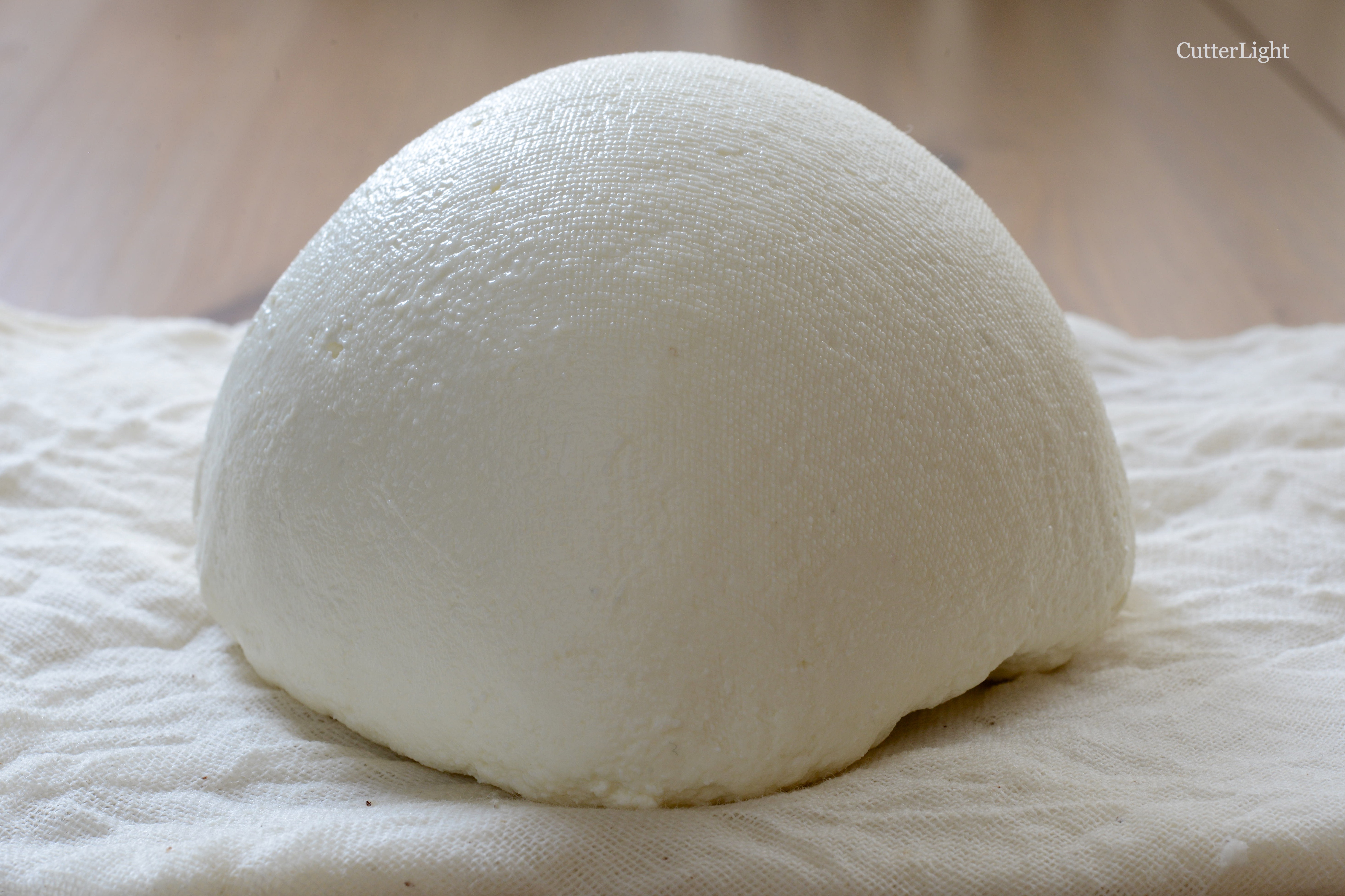
A beautiful round of “ricotta” cheese made in our very own kitchen. Easy to make and delicious to eat! 

When will lived in the small rural village of Point Hope, Alaska, ricotta cheese was nearly impossible to get. The main way to acquire this cheese was by way of a kindly person hand-carrying it in on a flight from Anchorage. The desire to cook with ricotta and the scarcity of this cheese prompted us to learn how to make it. As it turned out, it was simple.

Living in the city of Ulaanbaatar in the dairy-loving country of Mongolia, you would think any cheese we would like would be at our fingertips. Interestingly enough, we have never seen ricotta in any of the grocery stores we frequent. Fortunately, milk as well as vinegar are readily available – all we need to make our own “ricotta.” We place ricotta in quotes to avoid the argument that what we are making is not authentic ricotta. The ricotta we turn out in our kitchen is delicious and works well in any recipe that calls for ricotta cheese.

So, in a few easy steps, you, too, can make your own ricotta cheese. You can use the initial warm ricotta to create delicious savory or sweet spreads. You can also let it dry out a little longer to make terrific pasta fillings or ricotta gnocchi.

Homemade Ricotta Cheese

Ingredients

  • 5 cups milk (I use whole, but 2% fat or more would also work.)
  • 2 tbsp white vinegar

Directions

  1. Heat milk to about 165 degrees F (74 degrees C) over medium heat.
  2. Stir in vinegar. You will notice the milk split into curds and whey. Let cool slightly.
  3. Hang double layer of cheesecloth in a plastic storage container. You can also line a strainer with cheesecloth and place over a bowl for the same purpose.
  4. Pour heated milk into cheesecloth to separate out the whey.
  5. Let drain for at least 30 minutes before using. The longer you drain, the drier the end result will be.

Stovetop Pizza – A Fast, Tasty Option Better than Delivery!

stove top pizza n

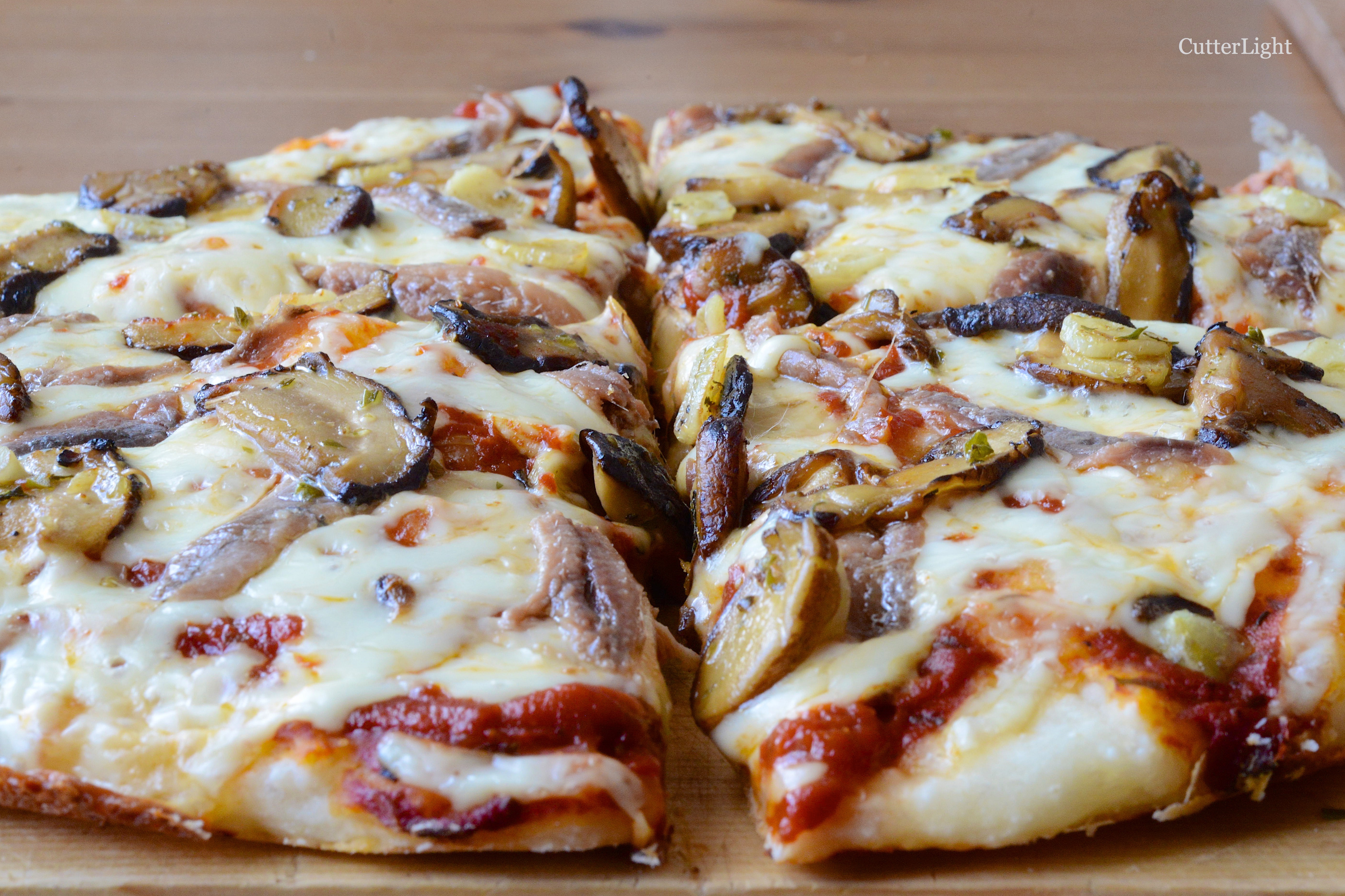
Twenty minutes from conception to the plate. Delicious stovetop pizza. Yes, we love anchovies. Can you spy those salty little morsels?

Awhile ago, someone shared a recipe for a homemade scratch pizza that could be made from start to finish in one pan on the stovetop. Intriguing. We usually make batches of pizza crusts which we partially bake and keep at the ready in our freezer. Of course, making our traditional crusts from yeasted dough takes time, not to mention space in the freezer. So we tried the stovetop pizza to see if this speedy pizza would cut the mustard.

What we discovered is a terrific method for making pizza in a galley, in a small camper kitchen, or anytime you want to quickly whip up a pizza. Heck, this is faster than ordering a pizza to be delivered!

The fifty dollar question… How’s the crust? No doubt, whether you make it in a wood-fired oven, a regular oven or over a grill, a traditional crust has a fuller flavor and better texture. But this quick homemade crust is quite good. Experiment with the heating till you get it just right, and you’ll end up with a crust that has better taste and texture than just about any ready-made frozen pizza or the soggy stuff delivered to your house. If one person creates the dough while the other whips up a sauce and grates the cheese, you can make one of these in 20 minutes! The crust is nice and crispy and is substantial enough to handle a lot of toppings. Use a non-stick pan such as those made by Scanpan or Swiss Diamond, and you won’t believe how easily the pizza slides out of the pan and onto a cutting board. Magical! And clean-up’s a piece of cake. So, the final verdict is four thumbs up. This is definitely a recipe that will go into our main collection.

20 Minute Stovetop Pizza

Ingredients

  • 1 cup all purpose flour
  • 1 tsp yeast
  • 1 tsp granulated sugar
  • 1 tsp salt
  • 2/3 cup warm water (105 degrees F/41 C)

Directions

  1. Whisk together flour, yeast, sugar and salt in a large pan. Make sure to use a pan with a fitted lid. We use an 11-inch (28 cm) pan.
  2. Stir water into the flour mixture. Mix well.
  3. Evenly spread dough on the bottom of pan using a rubber spatula.
  4. Top with your favorite toppings.
  5. Cover pan with fitted lid. Cook pizza for 5 minutes on heat a little hotter than medium.
  6. Continue cooking pizza for 10 more minutes on medium heat. Either vent the lid during this cooking or wipe out the condensation on lid to avoid a soggy pizza.
  7. Slide the pizza out onto a cutting board and enjoy!

4th of July Appetizer or Anytime Snack: Who’s Up for a Quail Egg Slider?

sliders quail egg n

Inspired by food truck fare, bar menus and backyard grills everywhere, these miniature burgers are the perfect summertime hors d’oeuvre.

Here in Mongolia, it can be tough to find the ingredients we’re looking for. Seafood? Forget it. And if we hadn’t smuggled in… er, I mean brought with us a full collection of spices, we’d be scrambling to find much of anything past pepper, paprika, cinnamon and coriander. Interestingly enough though, fresh quail eggs are easy to come by. Thus, the wheels of invention start spinning.

Tossing an egg on top of a sandwich is a time-honored tradition. And sliders – those miniature hamburgers served as an appetizer or traditionally in sets of three as a main entrée – have been around for decades. But this dressed up version of a classic sandwich, complete with thick bacon, a chipotle-and-soy-sauce seasoned patty, swiss cheese, a nice, big sautéed mushroom cap and topped with a perfectly fried sunny-side-up quail egg brings things up a notch.

As for the quail eggs themselves, they’re loaded with nutrition – research has put them at three to four times the nutritional value of typical chicken eggs. But with comparatively large yolks and shells lined with a tough membrane, they can be tricky to work with. Crack the eggshell on a sharp edge such as the side of your frying pan, then, taking care not to break the yolk, use a small knife to cut the egg open. Cook these eggs at a lower temperature than you would cook a chicken egg; they’ll still cook faster.

See our Slider Bun recipe here: Miniature Slider Buns

For terrific Potato Salad options to serve with these sliders, see: Pennsylvania German Potato Salad or Roasted Potato and Caramelized Onion Salad.

Quail Egg Sliders

Ingredients (for about 9 sliders)

  • 2 1/2″ to 3″ slider buns (Ours averaged 2 3/4 inches. See the recipe here.)
  • your favorite mustard
  • lettuce
  • olive oil
  • Bacon, enough to cover each bun
  • 1 pound ground beef
  • 1 tbsp soy sauce
  • 1/2 tbsp powdered chili pepper seasoning such as Penzeys Southwest Seasoning. (We used our own blend of equal parts powdered smoked chipotle chiles, powdered ancho chiles and oregano.)
  • black pepper
  • slices of Swiss cheese cut to the size of the patties
  • mushroom caps or slices of mushrooms, approximately the diameter of the buns
  • smoked sea salt
  • quail eggs
  • a few additional pinches of the above chipotle seasoning or similar seasoning (for the eggs)

Directions

  1. Place mushroom caps in a bowl. Toss with a little olive oil and some smoked sea salt and black pepper. Set aside.
  2. Combine the ground beef, soy sauce, powdered chili seasoning and a few grinds of black pepper. Don’t overwork the beef. Shape into patties slightly larger than the buns. Use your finger to put a small indentation in the center of each burger. (This will ensure that as the hamburger shrinks in diameter and plumps up as it cooks that it remains large enough to cover the bun and stays fairly flat.)
  3. Fry bacon in a frying pan. Drain on paper towels and set aside. Keep some of the bacon grease.
  4. Add a little olive oil to the pan along with reserved bacon grease. Heat over medium heat till sizzling hot.
  5. Add the patties to the hot pan. Cook for 2 minutes to get a good sear on one side. Flip, lower the heat a little, place the slices of Swiss cheese on top of the patties and cook for 3 additional minutes. Remove to a plate covered with a paper towel to drain. Cover plate with a pan lid or place in warm oven to keep warm. Save all or some of the grease in the pan.
  6. Add the mushroom caps to the hot pan. Add additional olive oil if necessary. Sauté mushrooms until they begin to soften, but don’t overcook. You want them to retain some firmness. Remove and drain on paper towels.
  7. Meanwhile, as you’re cooking the patties, sautéing the mushrooms and so forth, slice and toast the buns open side down in a pan with a little hot oil. Spread with mustard.
  8. Add a tablespoon of olive oil to a clean, non-stick frying pan. Over medium-low heat, bring the oil to cooking temperature. Carefully crack the quail eggs and add them to the pan. The whites should begin cooking slowly, but these eggs are so small that even on low heat, they’ll be completely done in about three minutes.
  9. Meanwhile, start building your sliders: bun, mustard, lettuce, bacon, burger with cheese, mushroom cap, sunny-side-up quail egg.
  10. Add a pinch of chipotle seasoning to the eggs and serve sliders open-face with a pickle, a slice of tomato, and Pennsylvania Potato Salad or Roasted Potato and Caramelized Onion Salad.

Dorayaki – Japanese Pancakes Stuffed with Sweet Adzuki Bean

dorayaki n

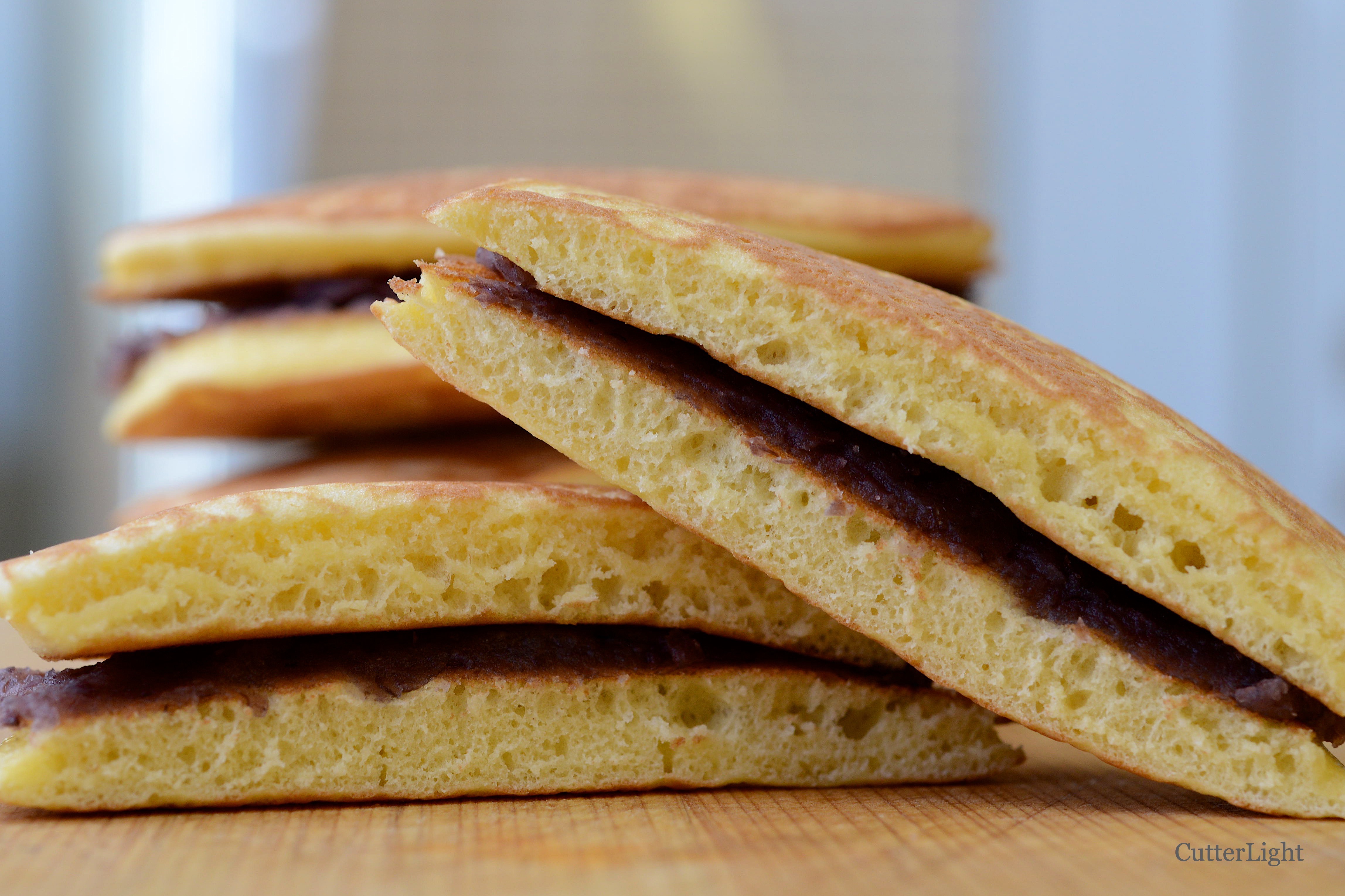
Fluffy pancakes sandwiching sweet adzuki bean paste reminded Jack of snacks grabbed on bike rides home from early mornings of fishing or birdwatching when he lived in Japan. Happy memories.

Taking stock of my freezer, I noticed I still had some sweet adzuki bean paste left from  my twisted adzuki bean rolls. We love the flavor of these sweetened beans. Eating beans makes you think you are eating something good for you. They are packed with fiber and protein… but, there is quite a bit of sugar in this confection. The batter for the pancakes is sweeter than the pancakes I usually make, but the portions are smaller which alleviates guilt. I scaled the original recipe down to make only seven dorayaki. The odd number will give you one to mess up or one to “test” your batch before you serve it to your guests.

Dorayaki – aka Japanese Pancakes Stuffed with Sweet Adzuki Bean Paste

Ingredients

  • 2 large eggs
  •  1/3 cup sugar
  •  1 tbsp honey
  •  ½ cup and 2 tbsp all-purpose flour
  •  ½ tsp baking powder
  •  ½ tbsp water
  •  ½ tsp vegetable oil
  •  6 oz homemade sweet red bean paste (see recipe below)

Directions

  1. In a medium bowl, whisk together eggs, sugar, and honey.
  2. Sift flour and baking powder into bowl with egg mixture and mix well.
  3. Let dough sit for 15 minutes.
  4. Stir in 1/2 tbsp water to dough in order to thin slightly.
  5. Heat a non-stick frying pan over medium heat.
  6. Take the vegetable oil and coat the frying pan. Wipe pan off to remove the oil. This will prepare surface to cook dorayaki evenly.
  7. Pour 3 tbsp of batter onto center of frying pan. In order to have pancakes come out the same size, I used a large cookie scoop to collect consistent amounts of dough to pour on the pan. The pancakes should be about 3 inches in diameter (8 cm).
  8. Cook pancake for about a minute. You will see bubbles appear on surface.
  9. Flip pancake and cook for another 30 seconds. Both sides should be golden brown.
  10. Pair up pancakes. Spread sweet adzuki bean paste on one pancake. Sandwich its pair on top of the adzuki covered pancake.
  11. Enjoy this delicious snack right away or pack it in plastic wrap to take on the road.

Sweet Adzuki Bean Paste

Ingredients

  • 1 cup dried adzuki beans
  • 1 1/2 cups granulated sugar
  • water

Directions

  1. Place beans in a medium pot and add 3 cups fresh water. Cover, bring to a boil, then lower heat and simmer for 1 1/2 to 2 hours. Add more water if needed. Beans should be covered by water during cooking.
  2. Beans are finished cooking when they are easily squashed between thumb and finger.
  3. Discard water but leave beans in pot.
  4. Add sugar to the pot.
  5. Cook beans and sugar on medium high heat, stirring constantly.
  6. In about 10 minutes beans will form a thick, glossy paste.
  7. Paste can be stored in the refrigerator for a few days or indefinitely in the freezer.


Roasted Potato and Caramelized Onion Salad – A New Picnic Favorite

potato salad warm roasted n

Roasted potatoes, caramelized onions and salty, smoky bacon tossed in a tangy sweet dressing make for a fantastic summer meal ready for a picnic. Or keep a stash in the refrigerator for a night when it is too hot to cook!

We’re not against mayonnaise, per se. As a matter of fact, we make our own mayo from scratch when recipes call for it – which, in our opinion, has a way better taste and texture than the store-bought variety. But picnic salads and mayonnaise are not a good combination, especially if the weather is hot. So skip the mayo and try this warm potato salad on your next hike or bike ride. It is perfectly portable and is perfectly tasty served at any temperature.

Cutting the potatoes into chunks and roasting them gives each bite a crispy exterior with a pillowy soft interior like a mashed potato. The caramelized onions take some time to make, but they add an essential sweet/savory layer to the salad.  The dressing pulls the whole thing together by covering every ingredient in the tangy and sweet flavors of mustard and vinegar. And the bacon? Well, needless to say, bacon just makes everything taste better. The rendered bacon fat is the dark horse in the dressing, adding a delicious flavor and texture… I never said this was a healthful recipe.

With temperatures consistently into the mid-80’s F (high 20’s C) in Ulaanbaatar, we’ve been enjoying meals featuring cool salads for dinner. Don’t scoff. Our blood is still Alaskan. These temperatures are really warm for us. This salad is a great way to keep our kitchen cool. We are on our second batch of this cool, summer salad and ready to make a third!

Roasted Potato and Caramelized Onion Salad

Ingredients

  • 1 1/2 lbs potatoes, use a waxy variety such as red or Yukon gold, cut into bite-sized cubes
  • extra virgin olive oil (have a tbsp measure handy)
  • 1 tsp smoked sea salt
  • 4 grinds of black pepper
  • 1 large onion, cut in half, then thinly sliced
  • 1 tbsp granulated sugar
  • 6 strips thick cut bacon, cut into small pieces
  • 2 tbsp flat leaf parsley, chopped

Dressing

  • 3 tbsp apple cider vinegar
  • generous tsp granulated sugar
  • 1/2 tsp mustard, dijon or brown
  • large pinch Italian seasoning
  • a few grinds of black pepper
  • generous pinch salt
  • bacon and rendered fat (from above)
  • 1 tbsp olive oil

Directions

  1. Cover baking sheet with aluminum foil. Preheat oven to 400 degrees F (200 degrees C).
  2. Toss cubed potatoes with about 4 tbsp extra virgin olive oil.
  3. Toss potatoes with sea salt and pepper.
  4. Evenly spread potatoes on prepared baking sheet.
  5. Roast potatoes for 35 minutes, until golden brown and tender. While potatoes are roasting, crisp bacon and caramelize onions.
  6. In a large, non-stick pan set over medium heat, add 2 tsp extra virgin olive oil.
  7. When oil is hot, add sliced onions and toss with granulated sugar.
  8. Caramelize onions by stirring them in pan for about 15 minutes, until they become soft and caramel-colored.
  9. While onions are caramelizing, cook bacon pieces in another pan.
  10. Prepare the dressing.
  11. In a large bowl, combine all dressing ingredients.
  12. Toss potatoes in dressing.
  13. Mix in caramelized onions.
  14. Toss in chopped parsley.
  15. Serve immediately, or refrigerate to keep longer.

Recipe adapted from the Cozy Apron.

A Continent Away From Brandade of Walleye: Delicious & Easy Fish Casserole

Brandade w cod n

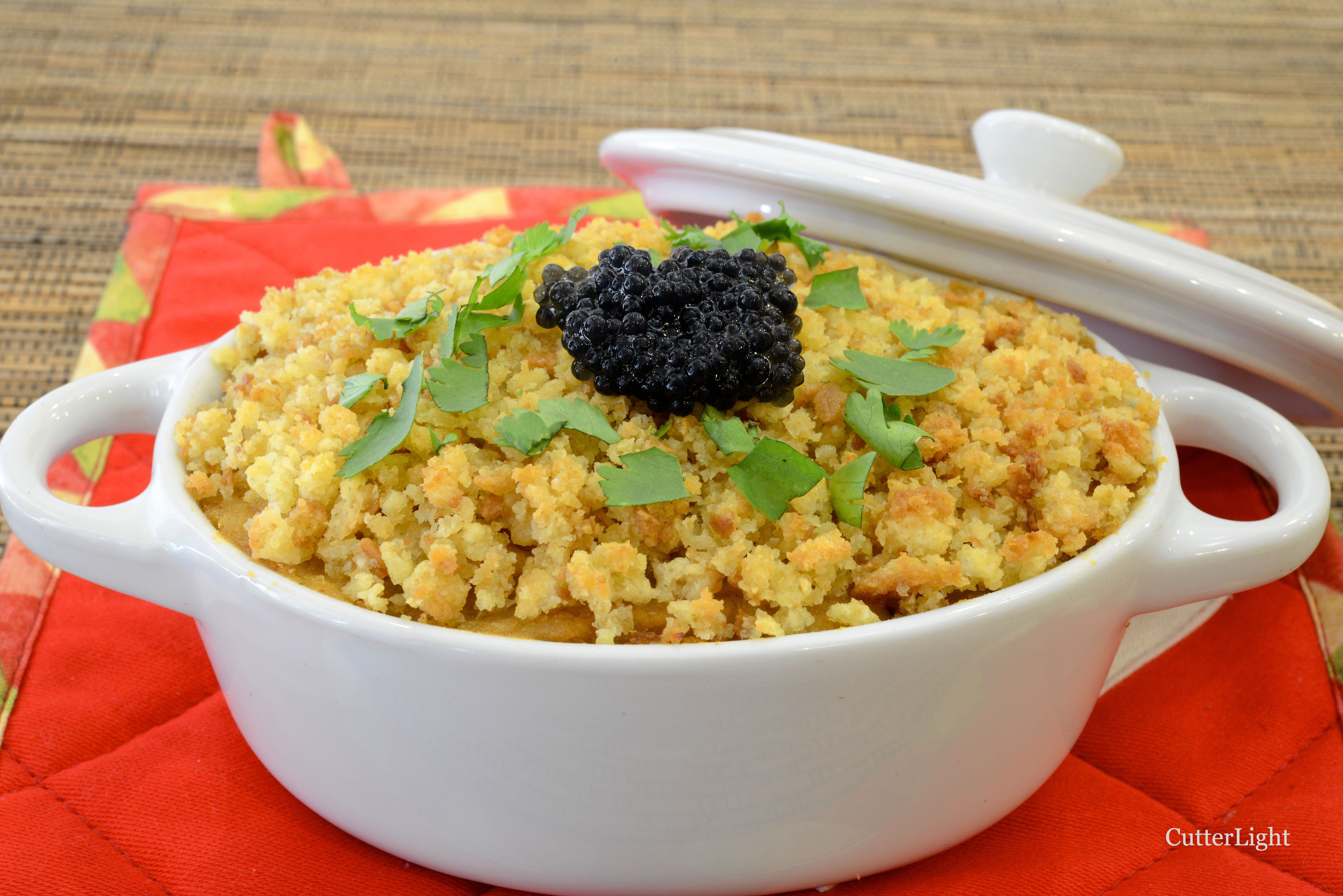
Bread crumbs tossed in olive oil and baked to a crisp give a pleasant crunch to this classic Mediterranean dish which traditionally features salted cod and potatoes in a mousse-like entrée.

Full disclosure. Here in Ulaanbaatar, we are about as geographically removed from the nearest walleye as could be possible. In fact, as the crow flies we’re over 6,000 miles (10,000 kilometers) from the Walleye Capital of the World, Lake Erie, in my former stomping grounds of western Pennsylvania. So I used cod in this classic brandade-inspired dish. In fact, this dish originated in regions around the Mediterranean Sea such as Italy and France where at certain times of the year the only fish readily available was preserved salted cod. The steps in preparing this dish do a nice job of masking the strong flavor of preserved fish, something you won’t have to worry about if you have access to fresh walleye, rockfish, striped bass, crappie or similar fish.

And it’s delicious – the kind of fish dish even people not particularly crazy about fish enjoy. Experiment with seasonings to give it some heat, herbiness or lemon flavors. Brandade can be baked in an oven-safe frying pan, a casserole dish, or, perhaps best of all, in individual ramekins such as the one we used in the above photo. Dress it up with a little chopped parsley and a dollop of lumpfish roe, pair with a Riesling, and dinner is served.

Brandade of Walleye (or virtually any white-meated fish)

Ingredients (serves two)

  • 1/2 pound of skinless walleye fillet, rinsed and patted dry
  • 1/2 pound of potatoes, boiled till they’re soft, and sliced into cubes (Skin removed or not, chef’s choice. We prefer skin on.)
  • 1 tin (2 oz/60 g) anchovies, chopped fine. Or use anchovy paste.
  • 1 cup milk (approximately)
  • 1 tsp Penzeys Chesapeake Bay Seafood Seasoning (or use 1 tsp dry tarragon and a dash of sea salt)
  • 2 cloves garlic, minced
  • 1 oz shallots, minced
  • 2 tbsp lemon juice
  • 1/2 tsp smoked chipotle powder (or use espelette pepper or whatever you prefer)
  • 1/2 tsp smoked paprika
  • extra virgin olive oil
  • 1 tsp white truffle oil (optional)
  • 1 cup bread crumbs
  • chopped parsley
  • lumpfish or salmon roe (optional)

Directions

  1. Preheat oven to 350 degrees F (190 degrees C).
  2. In a skillet over medium-high heat, add fillet, enough milk to cover, and Penzeys Chesapeake Bay Seafood Seasoning or tarragon and salt. Poach just until fillet easily comes apart with a fork. Remove fillet and use a fork to go through fish to make sure there is no skin or bones remaining.
  3. Using a food processor or stick blender, briefly pulse the fish. Don’t over process. Meat should look somewhat fibrous. Scrape into a bowl and set aside.
  4. Heat a tablespoon of olive oil in a small skillet over medium heat. Add garlic, shallots, smoked chipotle powder and paprika and cook just till garlic and shallots turn translucent and become aromatic. Scrape mixture into bowl with fish.
  5. Use a food processor or stick blender attachment to purée the potatoes. Don’t over process or potatoes will become sticky.
  6. Add puréed potatoes to fish. Add anchovies, heavy cream (or sour cream thinned with milk), lemon juice and truffle oil. Mix everything together thoroughly. Use a food processor or stick blender to again briefly process. You want a consistency that is somewhat mousse-like. Give it a taste and add salt and seasonings as desired.
  7. Use a spatula to place mixture in ramekins, casserole dish or oven-safe frying pan. Mixture will rise slightly during baking.
  8. Toss bread crumbs in extra-virgin olive oil. Use just enough oil to allow the crumbs to soak it up without becoming overly saturated.  Spoon onto top of potato and fish mixture.
  9. Bake uncovered for 10 minutes. Bread crumbs will be golden brown and crisp when done.
  10. Garnish with chopped parsley and fish roe. Serve hot.

Almondtella – A Twist on the “Other” Chocolate Nut Spread (without the Palm Oil)

Almondtella n

Everything tastes better when you make it from scratch.  One taste of this homemade spread, loaded with toasted almond yumminess, and you will forget the name of that decadent stuff you used to spread on your toast. …what was that called again?

Headlines Inspire Kitchen Creativity

Recently, France’s Minister of Ecology put Nutella in the headlines because of its environmentally hostile ingredient, palm oil. Like many large scale agricultural operations, palm oil plantations require the deforestation of vast tracts of natural forests. In Indonesia and Malaysia, where the largest palm oil plantations operate, many species of native animals and plants are being pushed toward extinction. The process of slash and burn forest removal is releasing stored CO2 and generating tremendous amounts of smoke, contributing to Indonesia’s sudden jump to third place among the world’s emitters of greenhouse gasses. It’s estimated that 40-50% of household products in the U.S. contain palm oil. This product extends beyond food items to cosmetics and cleaners. Yikes.

I suppose everything humans consume has a detrimental effect on the environment due to the sheer number of humans that consume. What to do? We limit our consumption of products by using them until they can’t be used any longer. For example, we have been using the same box of zip top bags for almost a year by carefully using the bags, washing them and reusing them. We also try to make as much as we can from scratch in order to limit the addition of chemicals and unnatural ingredients into our bodies.

Our answer to the controversy swirling around Nutella is to make our own spreadable delight using more Earth-friendly ingredients. Before you quibble with me about almonds and how much water it takes to grow them… I know. However, a friend was moving from Ulaanbaatar and offered us her unused pantry items. Among those items was a three-pound bag of almonds. Other nuts would work well in this recipe.

Who knew a post about a delicious nutty spread would be so political? Moving away from the political, let me tell you this spread is better tasting than any commercial product. And with less sugar, no processed emulsifiers and no artificial flavorings (what is vanillin?) this is arguably a much healthier spread. The top two ingredients in that other spread are sugar and palm oil. The top ingredient in this recipe is pure, natural almonds. And the vanilla extract is real vanilla extract.

The key to the standout flavor is the toasted nuts. The delicious end product makes the slightly arduous process of skinning the almonds totally worth it. Now we have a sweet chocolate spread that is packed with protein and tastes great on toast or as a topping on the all-fruit banana and mango ice creams we’ve been enjoying on these warm summer days. Or how about cheesecake swirled with homemade almondtella?

Chocolate Nut Spread aka Almondtella

Ingredients

  • 1 cup whole raw almonds
  • 1 cup powdered sugar
  • 2 tbsp cocoa powder
  • up to 1/4 cup vegetable or light olive oil
  • 1/2 tsp vanilla extract

Directions

  1. Skin almonds by pouring boiling water over them in a bowl and letting them sit for 2 minutes. Drain off hot water and replace with cold water. Almond skins should pop off when you squeeze the individual almonds.
  2. Preheat oven to 350° F (175 degrees C). Place almonds in a single layer on a shallow baking pan. Toast for 10 minutes. Stir the nuts halfway through baking to ensure an even color.
  3. Process nuts in a food processor, or use a stick blender. Scrape down the sides of the bowl as necessary until the nuts have liquefied, about 5 minutes. First, you will get coarsely chopped nuts, then a fine meal. After a little while, the nuts will form a ball around the blade. Keep processing. The heat and friction will extract the natural oils from the nuts and you will get almond butter!
  4. When the nuts have liquified, add the sugar, cocoa and vanilla. Slowly drizzle in enough oil to make a spreadable consistency. Since the mixture is warm, it will be more fluid now than at room temperature.
  5. Transfer the spread to an airtight container and store in the refrigerator.

Here are some ideas for using your “Almondtella.”

Vanilla-orange cookies with chocolate nut filling

Place almondtella at the bottom of crème brûlée for a nice surprise.

Read more about the problems with palm oil at: Palm Oil, What’s the Issue?