The Promise of Flowers and a Plot Twist

Light and creamy vanilla cheesecake drizzled flooded with wineberry syrup. Just building the anticipation for berry-picking season.

For most, I imagine spring flowers sow hope for warmer weather and start dreams of sunny summer adventures. The flowers of this particular spring were different for me.

For the last two summers, Jack and I have spent countless hours studying and identifying all the flowers we could find in the surrounding areas of Chignik Lake. It was a beautiful education. The flowering season began with chocolate lilies and ended with tiny white yarrow with lilac-colored geranium sustaining throughout. Along the growing months from May through October, a rainbow of blossoming gems ebbed and flowed. Although I loved seeing and identifying all the blooms, the flowers that gave me the most joy were the ones that I knew would transform into fruit. As we hiked through the months, I would monitor the progress of my miniature crops as they turned from tiny bud to flower to hard little fruit, and then to the final stage of delectable berry treasures that were ready to harvest. 

Whenever Jack and I visit different places, we regularly look for flowers. It is interesting to us to see which flowers we have learned about at the Lake which also grow in other places. As it turns out, we are now in a new place. Yes, a surprising plot twist.

We would not have guessed we were going to make a move…even as late as this recent February. A principal job was opening at my school and I was just about finished with my credentialing coursework. We loved our community and our home. We have close friends and a deep connection to Chignik Lake. But life happens. Way leads to way. Turned out the way that opened was a door we had been keeping an eye on for a long time. 

If you’ve been following our story for a long while (like thirteen years long), you’ll remember that our whole Alaska adventure began with a summer-long trip. It was one of those once-in-a-lifetime trips that people do. A hobby at that time had been running destination half marathons. Jack found an interesting destination that would align this hobby with a blend of other interests like road-tripping, camping, boating, and of course visiting Alaska. With just six days to make it up the Al-Can, launching our trusty C-Dory in Valdez, and boating over to the destination Salmon Jam Half Marathon in Cordova Alaska, we would start a journey that we had no idea would change our life. On the way home from that Epic Alaska Summer Adventure, we decided that Alaska would become home. In the way life sometimes circles and spirals, we find ourselves back in Cordova. This time, it is not a travel destination, but a new home.

A common thread in all of our our Alaskan homes has been the opportunity to forage for interesting edible plants. How fortunate are we to live in a big beautiful state that offers so many wild foods…among my all-time favorites – berries! We discovered many flowers on our initial hikes on the trails in the Chugach National Forest. I’m happy to report blueberry, low bush and high bush cranberry, salmonberry, currant, nagoonberry and lots of strawberry flowers. Now, in this new place, I get to follow my familiar summertime tradition of monitoring all of these flowers’ progress from bud to fruit. With any luck, we’ll find lots to harvest later this summer.

Jack suggested I share my process for making wineberry (aka nagoonberry) syrup. Most people find the process to be tedious. It’s pretty simple, actually. After picking the precious gems from your secret spot, take them home and xxxxxxx xxxxxxx xxxxxxxxxx xxxxxxx xxxxxxx xxxxx xxxxxxxx xxxxxx. For each cup of processed berries add 1/4 cup of water. Simmer the berries until soft. Smash the mixture with a potato masher. Separate the juice from the pulp by suspending a cheesecloth over a . Every time I try to publish this, it gets redacted. I guess the FBI doesn’t want it shared – (Fruit and Berry Interagency). 😉

For this creation, I used a no-bake cheesecake recipe adapted from a blog I follow, Sally’s Baking Addiction. I modified it to make a 4-inch version, which is perfect for two hungry writers, or can be served to four for a nice little sweet bite at the end of a meal. I like the no-bake version to complement fruit syrups because it is light and airy but still retains the tanginess of the flavor you’d expect from a cheesecake.

4-inch No Bake Cheesecake

Ingredients

Crust

  • 1/2 cup graham cracker crumbs
  • 1.5 tbsp brown sugar
  • 3 tbsp unsalted butter, melted

Cheesecake

  • 1/4 cup + 1 tbsp heavy whipping cream
  • 6 oz. cream cheese, room temp
  • 2 tbsp granulated sugar
  • 1/2 tbsp powdered sugar
  • 1 tbsp sour cream
  • 1/2 tsp lemon juice
  • 1/2 tsp pure vanilla extract

Directions

  1. To make the crust, stir together crust ingredients. Pour into a 4-inch springform pan. Use the back of a spoon to pack the crust tightly against the bottom and sides of the pan. Place pan in freezer while the filling is being made.
  2. Using an electric mixer fitted with a whisk attachment, whisk heavy cream until stiff peaks are formed. Scrape whipped cream into a separate bowl.
  3. Using the original bowl you used for whipping cream, beat cream cheese and granulated sugar together until smooth.
  4. Add powdered sugar, sour cream, lemon and vanilla. Beat again until mixture is smooth.
  5. Gently fold whipped cream into cream cheese mixture.
  6. Spread cheesecake filling into prepared crust.
  7. Cover with plastic wrap and let cheesecake chill and set. I left it in the fridge for about 18 hours.
  8. When ready to serve, loosen the chilled cheesecake by running a knife around the perimeter of the pan before springing it open. I prefer to serve the cheesecake without any syrup and let my guests adorn their own. It definitely adds to the anticipation and the wow factor.

The Hike to Heney Ridge, Chugach National Forest

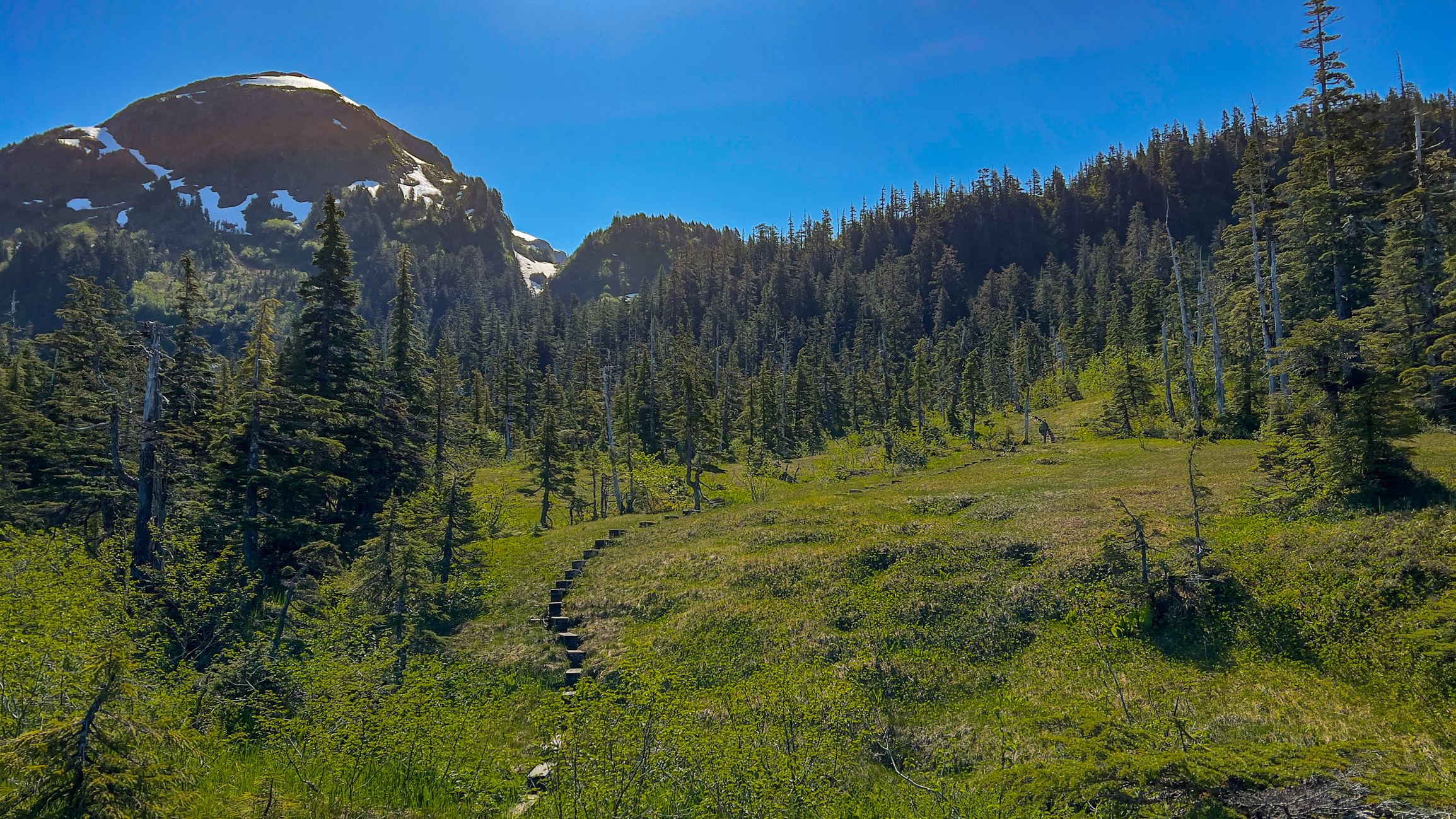
This is what a sub-polar temperate rainforest looks like on the dry side of a mountain. The first part of the trail gently meanders through a forest of hemlock, spruce and cedar. The understory is populated by blueberry, currant, salmonberry, devil’s club, twisted stalk, several species of fern and other plants. 

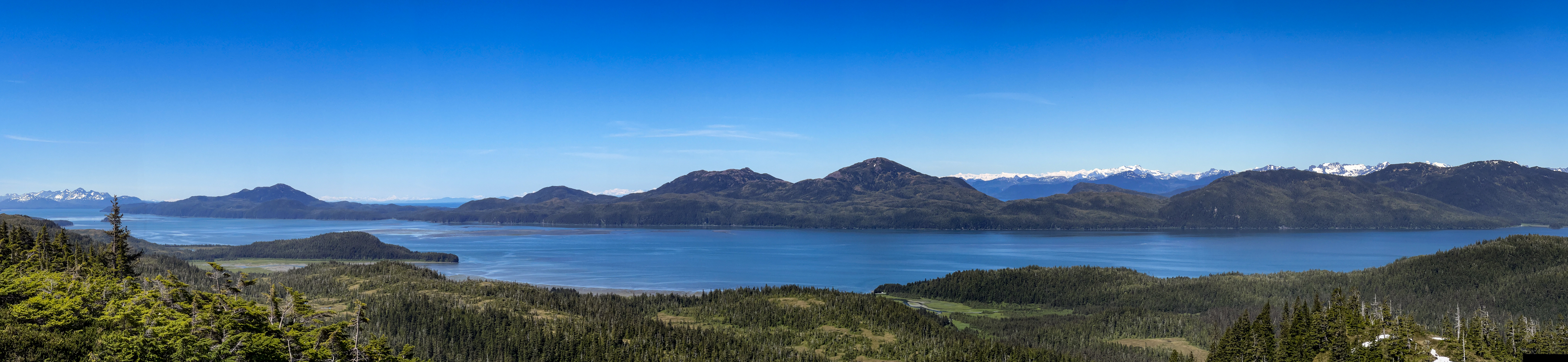
On June 18 we took advantage of a warm day filled with sunshine to take on the Heney Ridge Trail near Cordova. Lingering snow fields above the tree line stopped us with about a quarter mile to go on this 4.1 mile trail, but from where we stopped, the sweeping views taking in snow-capped peaks and Prince William Sound were nonetheless spectacular.

As we gained elevation, the trees gradually thinned out and in places gave way to muskeg meadows. This is marshy, fragile terrain. Narrow boardwalks and steps installed by the Forest Service help minimize hikers’ impact. (Barbra is right of center – a tiny figure giving some idea of the scale of this landscape.

Getting even a glimpse of birds proved challenging, but along the way we heard the songs and chatterings of Boreal Chickadees, Golden-crowned Kinglets, Ruby-crowned Kinglets, Orange-crowned Warblers, Wilson’s Warblers, Hermit Thrushes, Varied Thrushes, American Robins, Crows and Ravens. An American Dipper buzzed by as we were admiring the upper reaches of Heney Creek, and once we had climbed above the tree line we were able to look down on soaring eagles and gulls. Fresh bear scat. Fox scat dense with hair from its meal.

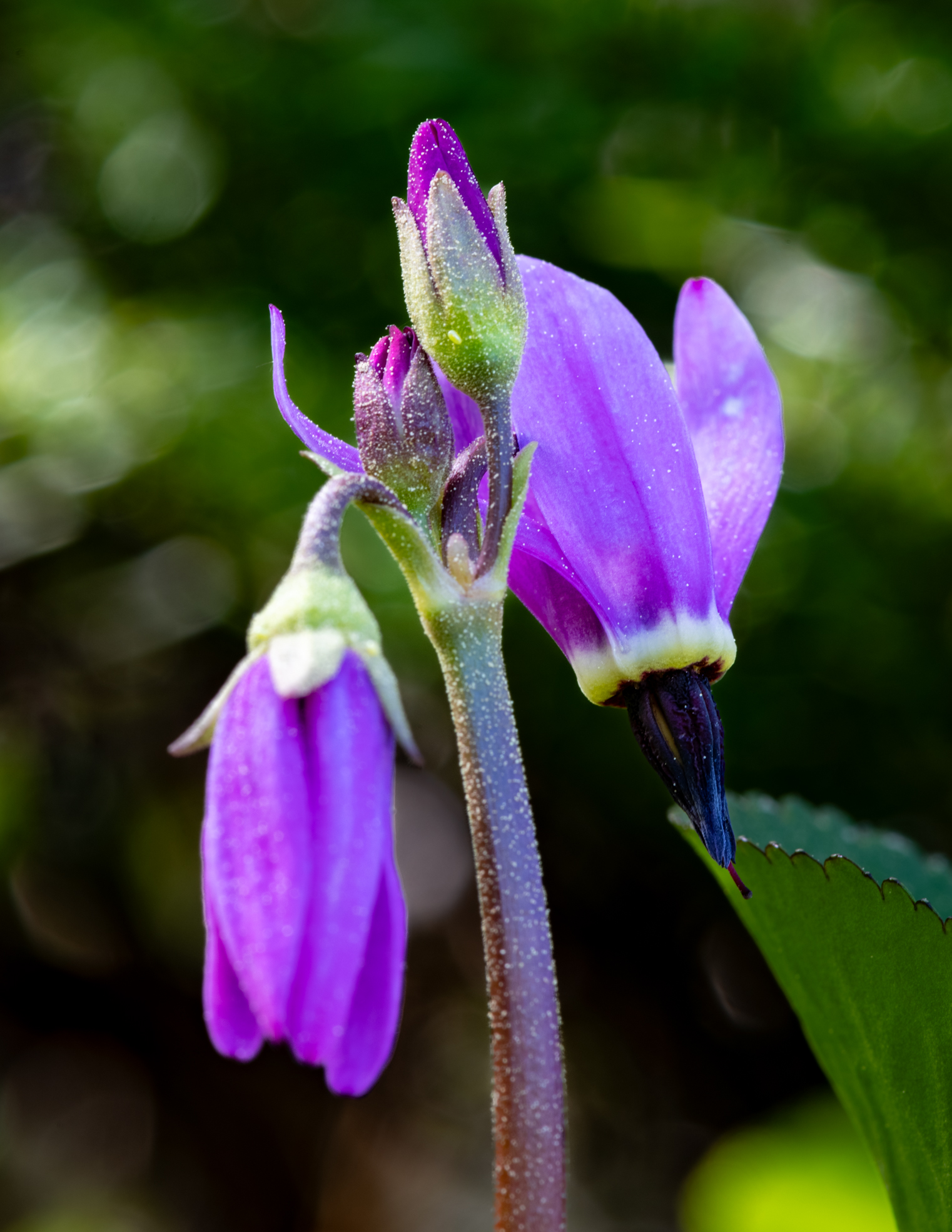
It was in these high meadows that we came upon an old friend: Shooting Stars, a favorite flower we didn’t have at Chignik Lake and were happy to reacquaint. This specimen is dusted with pollen from evergreen trees. 

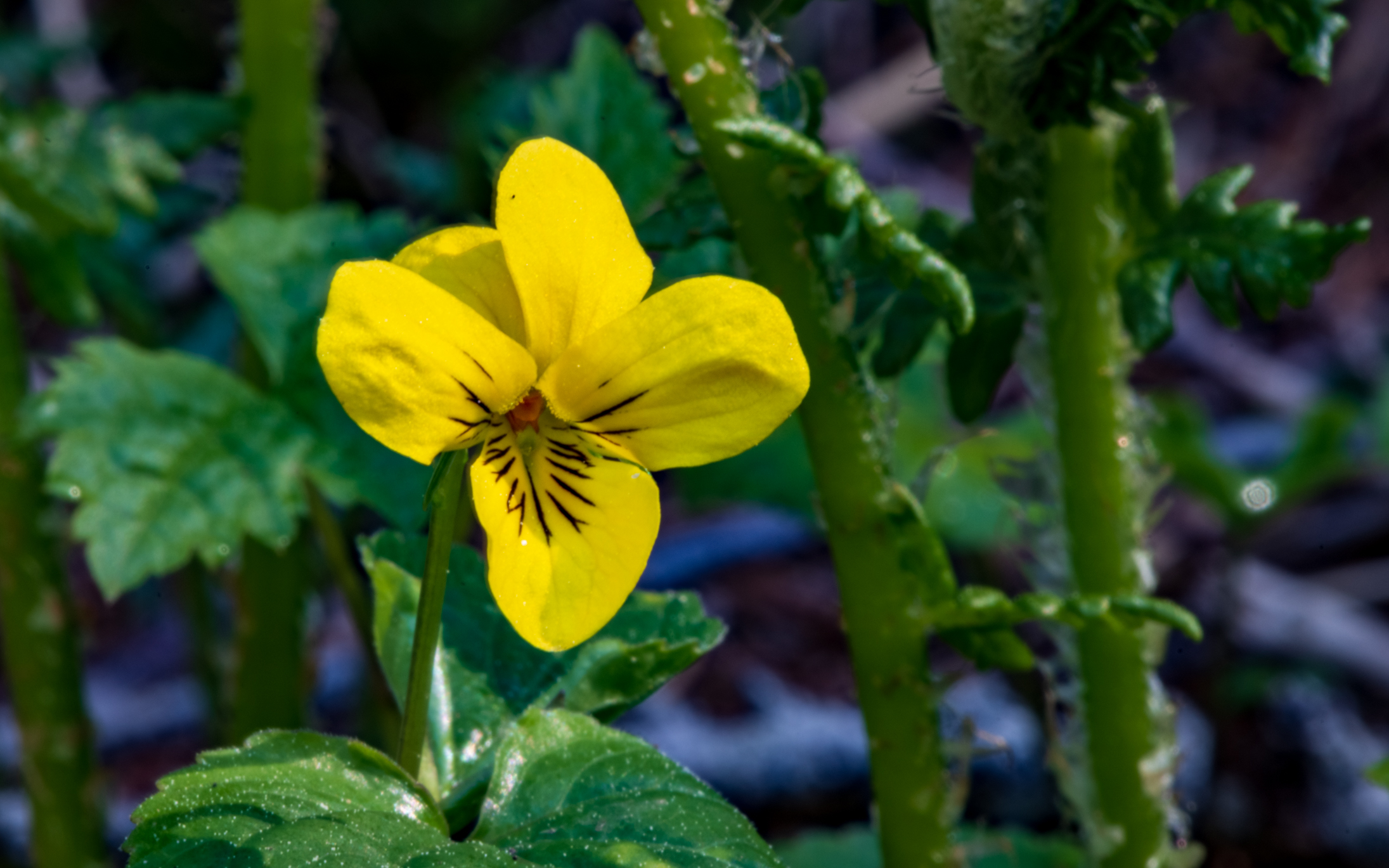
Several types of violet are native to Alaska. This tiny beauty is Stream Violet which we found growing near seeps and streams along the trail. 

From approximately the halfway point, the trail became steep (there is a ladder in one place) and mostly rocky. No technical climbing involved, but Barbra and I agreed on the adjective “rigorous.” Totally worth the effort, though. 

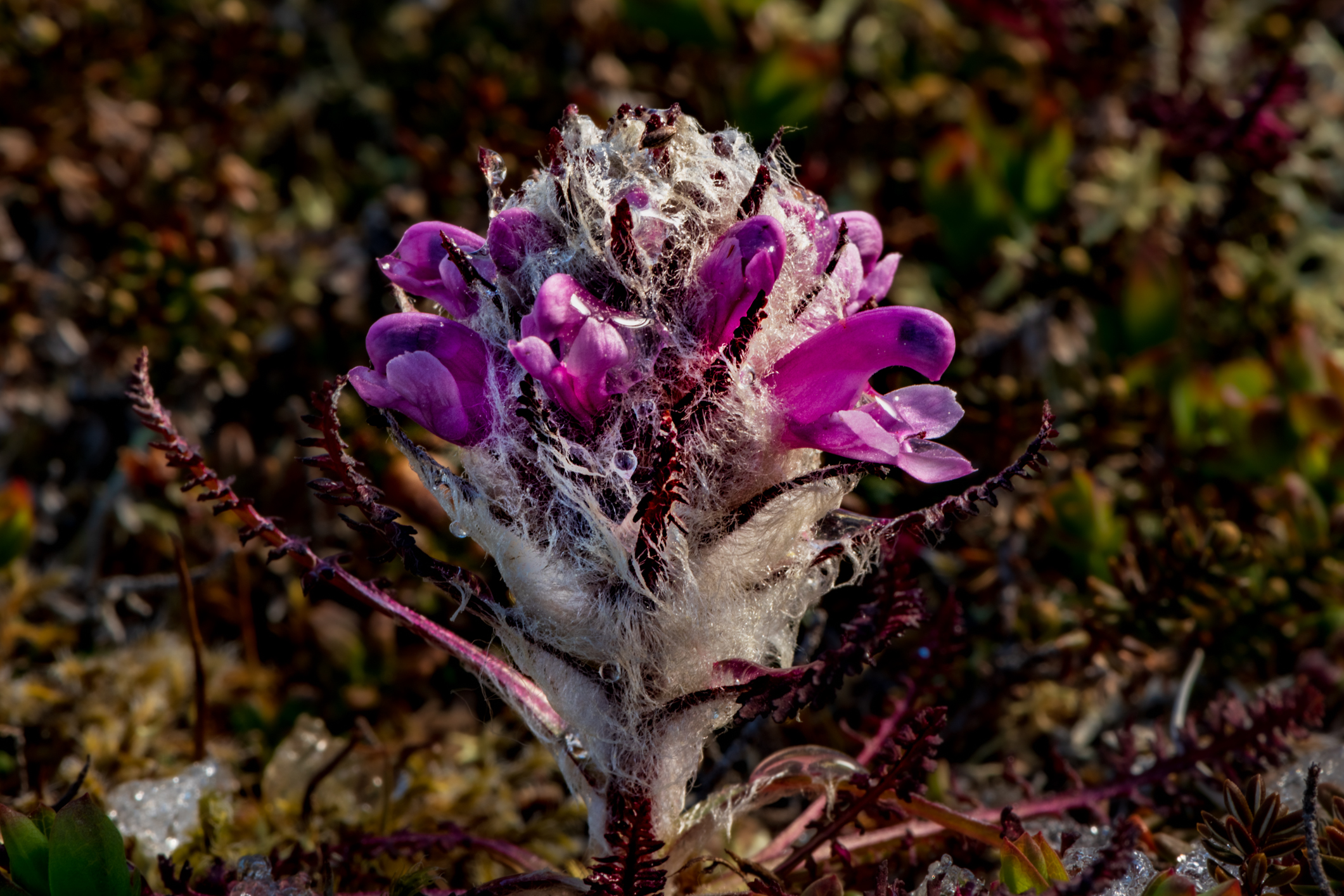
At the rocky terminus of our hike, we looked for alpine flowers. Small but beautiful, we found a few. Jewel of the mountains, Wooly Lousewort.

Narcissus-flowered Anemone

One often has to look closely to find the gems that are alpine flowers. This Wedge-leafed Primrose bloom is about the size of a fingernail…

…and these Alaskan Pincushion flowers are even small than that. But they’re all favorites, the two of us calling back and forth to each other with each discovery. Bell heather, tiny Vaccinium, minuscule Alpine Azalea, White Marsh Marigold (which might better be named Snow Marigold) in wet places…

Rock cairns mark the alpine portion of the trail. The last part is fairly lightly traveled, and it’s easy to confuse a rocky ephemeral creek bed for the actual path. Eagles soaring below, piping from perches in the distant forest, waterfalls rushing from melting snowfields, a light breeze, shirtsleeve warm, quiet… We’ll be back.

The Jar on Flattop Mountain

The Jar on Flattop Mountain
(after Wallace Stevens)

I found a jar upon a mountain
and thought to open it
it smelled of moonshine and spring winds
upon that mountain top
It gathered in the village below
the lake and river and distant sea

I found a jar upon a mountain
near the village where I lived
it caught the light a certain way
and seemed to hold it there
It gathered in the autumn day
the sky, the mountains, the distant sea

Jack Donachy

Sheridan Lake Icebergs: Views from our New Back Yard

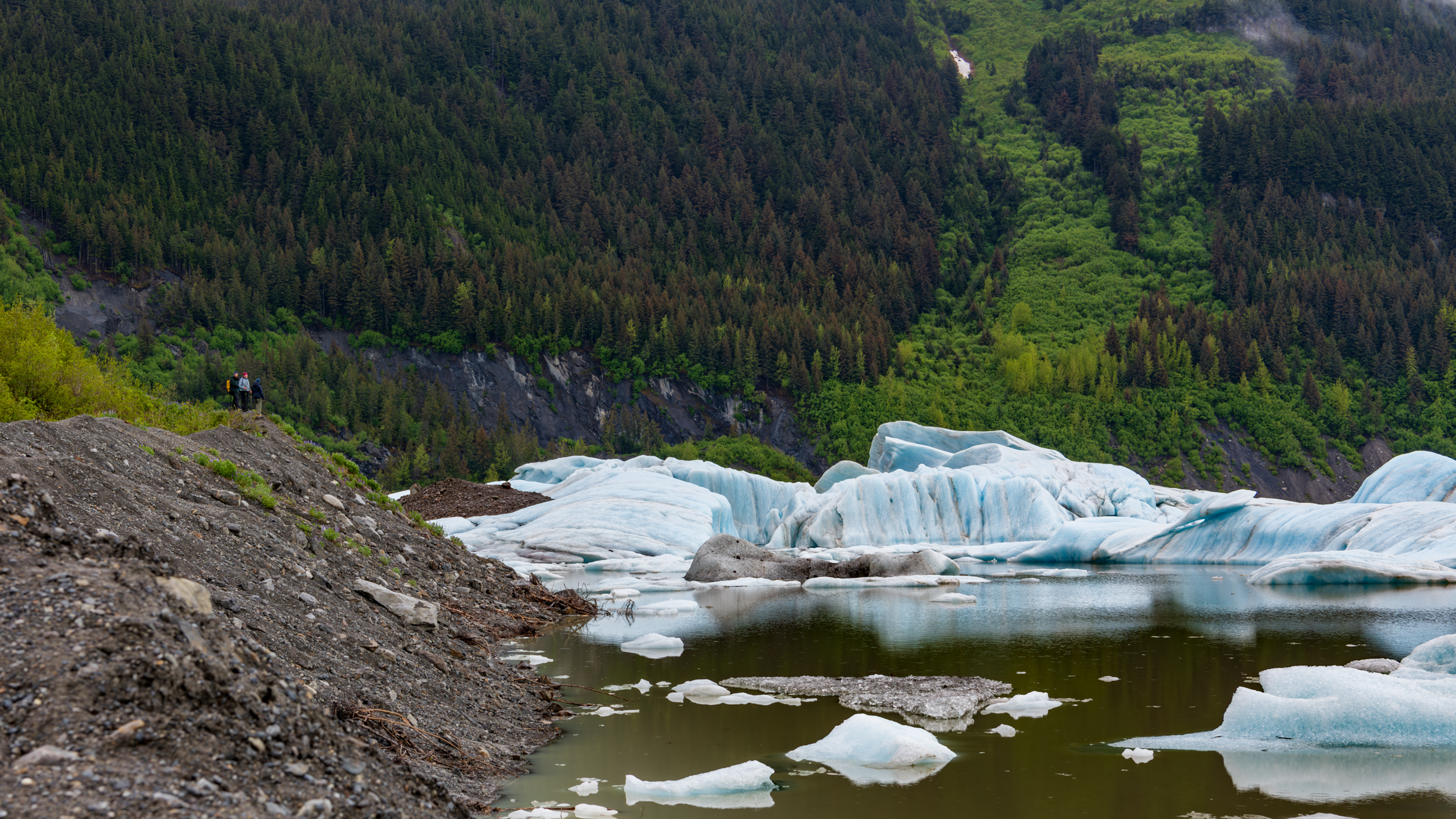
Quite a few of the images I capture are key-worded “vast” in my Lightroom catalog. Here, as I was walking along the glacial moraine at Sheridan Lake, I turned around just in time to catch Barbra and two visiting friends taking in the landscape. Located about 17 miles from our home in Cordova, a short walk through spruce and hemlock forests leads to this magical lake where, in wintertime people ice skate among massive structures of ice and in springtime and early summer kayak and canoe through the same setting.

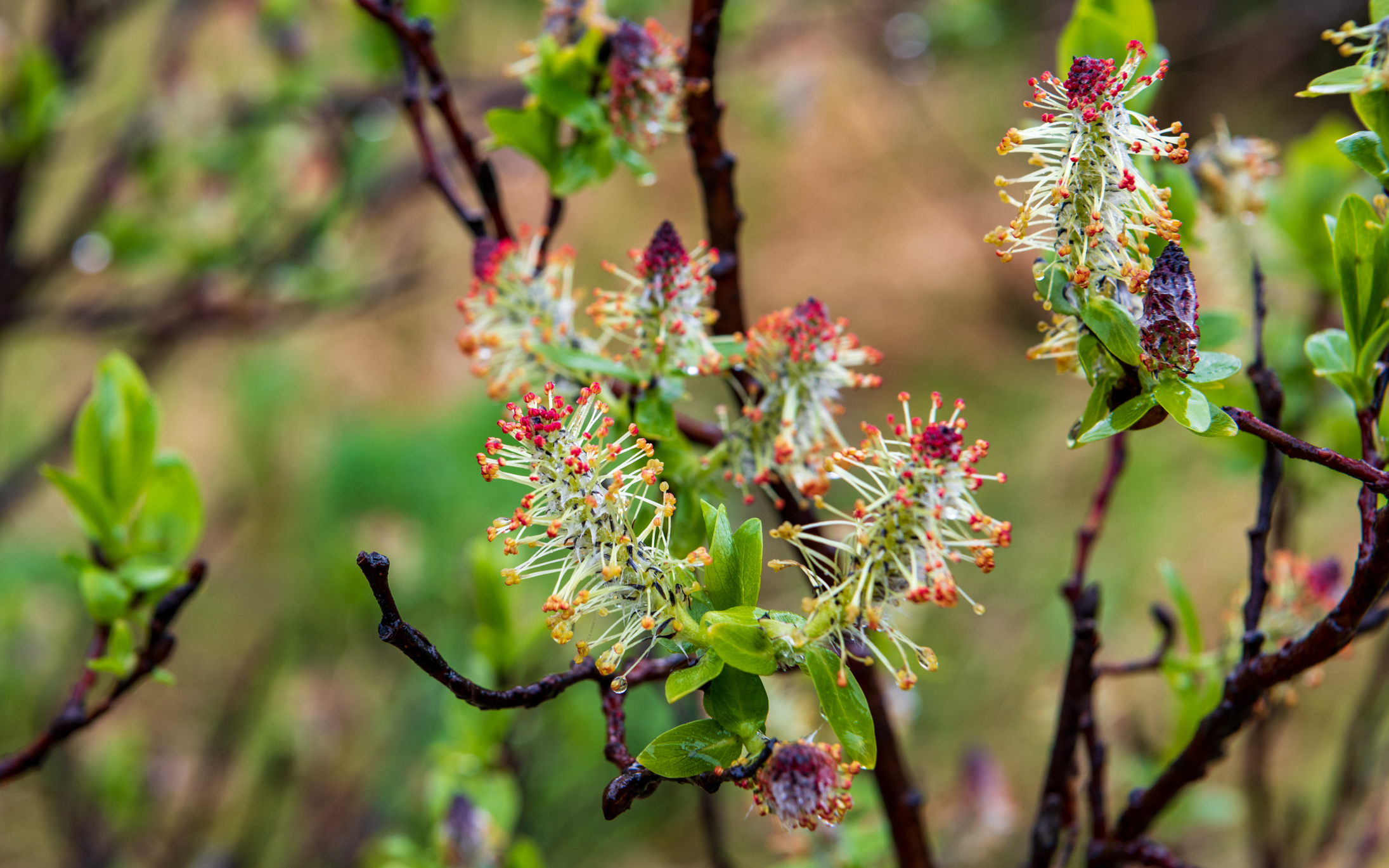
It was June 12 when we visited the lake, but here on the edge of Alaska’s Chugach National Forest, the world’s northernmost rainforest, it’s still spring as these willow flowers attest.

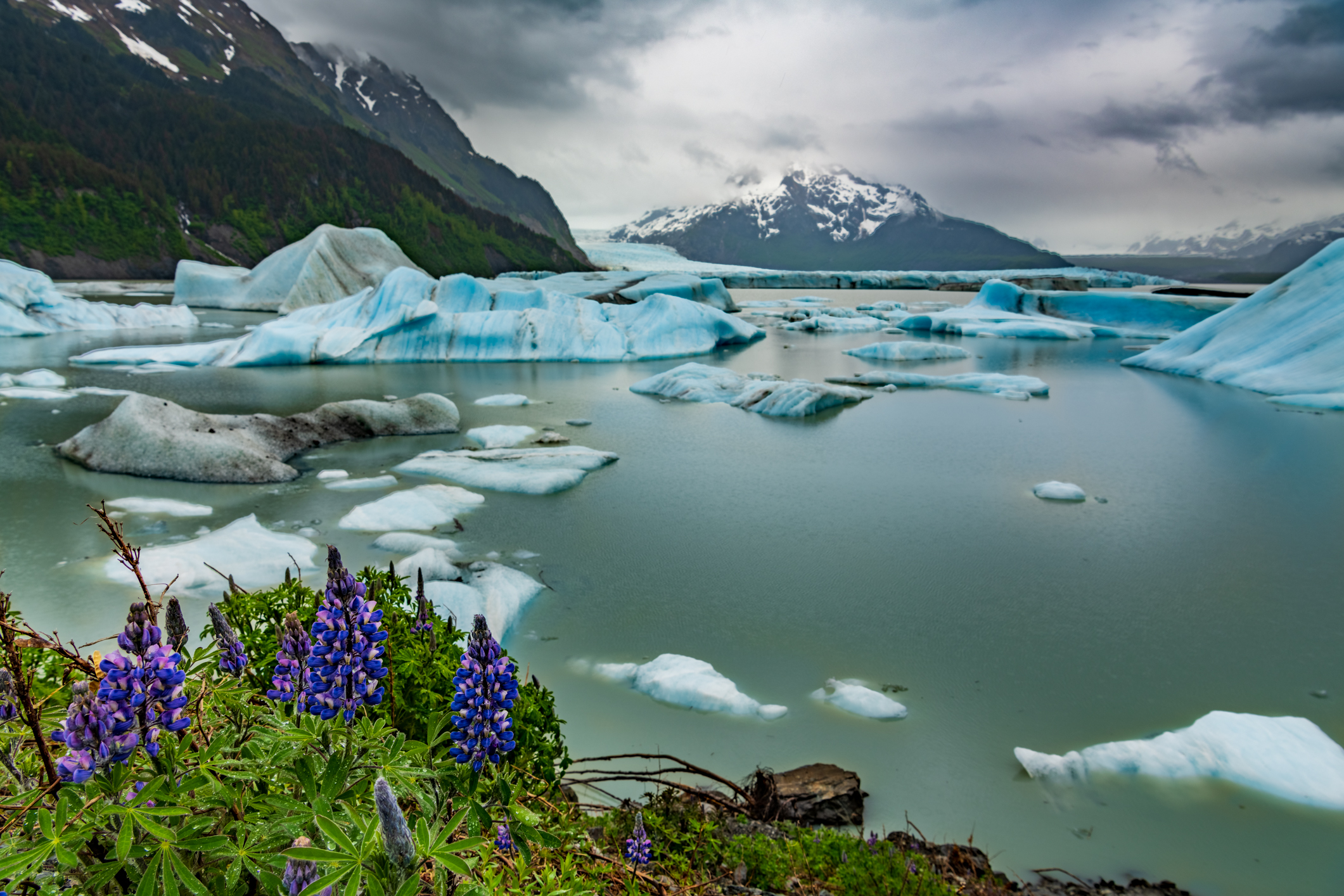
That’s Sheridan Mountain on the left side of this image – another hike for another day. Just right of center is a peek view of Sheridan Glacier itself.

We’re hoping to visit this lake again soon with our pack rafts, hopefully on a day with a little nicer light. It’d be interesting to get a closer view of the ice, and to put a watercraft of known size in the picture to provide a sense of scale.

Having arrived in Cordova by ferry from Whittier (a 100-mile cruise across Prince William Sound) on May 15, although most of our time has been given to setting up our new home, we’ve already managed to feather in a handful of hikes. With nearly 20 named Forest Service trails within a short drive – and all of them changing with the seasons, all of them beautiful as they wind through stands of moss-draped evergreens, through muskeg, up mountains and along lakes, rivers and streams, there will be lots more to come. So stay tuned!

Just Before Dawn – Chignik Lake, January 30

Image

Five degrees, calm, a raven’s throaty croak echoing across the ice. Gaining about four minutes of light each day now, the earth moving into position to give us back our beautiful sunrises.

After a big Sunday morning breakfast we hiked across the lake and up into the foothills for a couple of miles. Otters, mergansers, other ducks and a pair of Pacific Loons in the little bit of open water where the lake empties into the river. The acres of tundra where we picked berries this past summer locked beneath two or three inches of hard ice, the result of snow melt and rainwater accumulating atop frozen ground and another cold snap. Icy snow firm as hardpan. Soft crunch under our boots. Easy hiking.

Once in a while a Red Fox trots across the lake or along the frozen shoreline. Arctic Hare tracks everywhere the snow is soft enough to show them. Yesterday I counted 80 birds at the window feeders – Pine Grosbeaks, Redpolls, Black-Capped Chickadees, Oregon-race Juncos, a couple of Pine Siskins. Bears denned up two months ago. Gulls and eagles gone. Wolf tracks lacing trails just beyond the village. We keep watching for a wolverine in the place we’ve seen them before. Tomorrows forecast says rain. Hope not.

Birds of Chignik Lake: Redhead… “Are You My Mommy?”

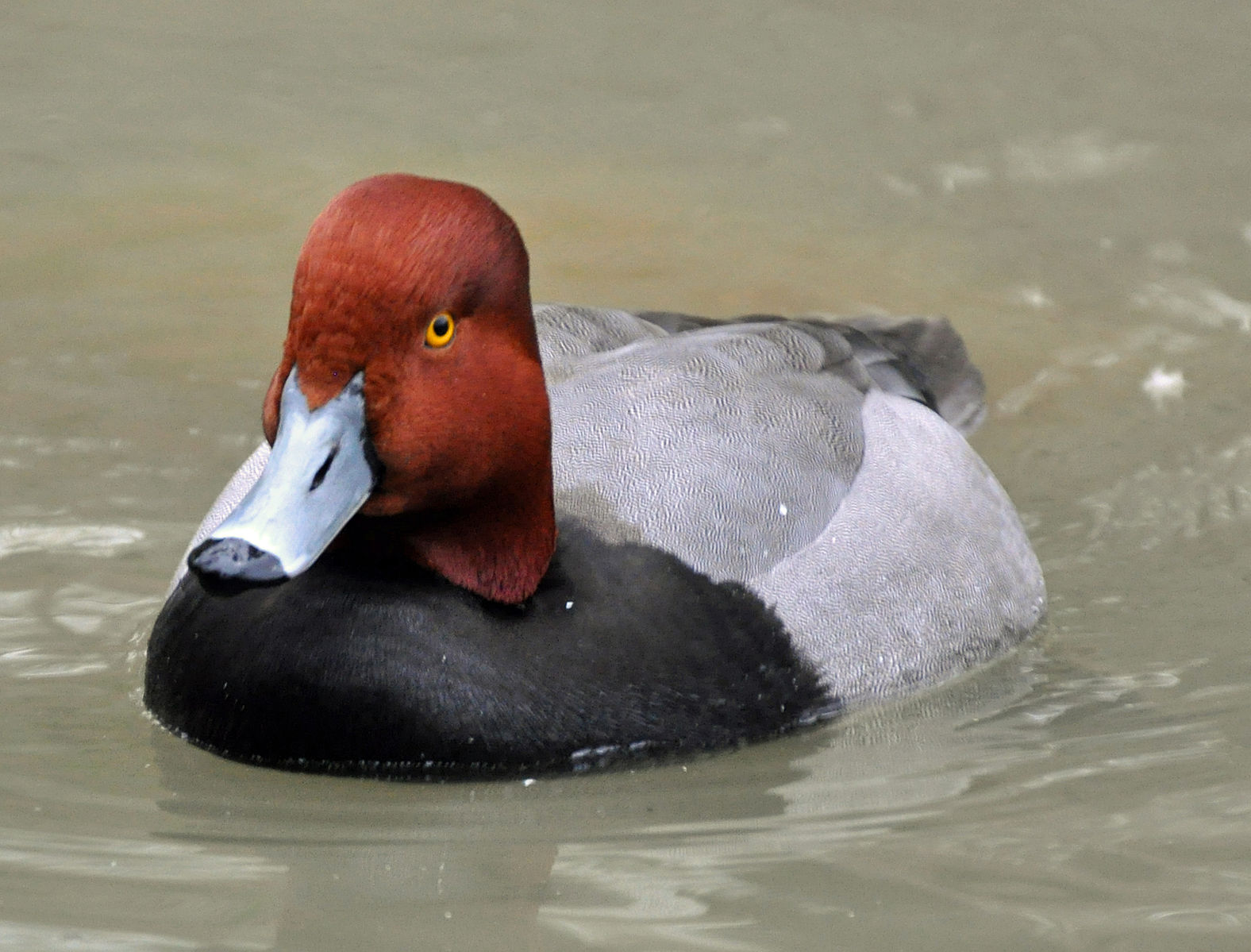
In breeding plumage, a male Redhead. The question is, how did one of these get mixed in with a flock of Greater Scaup out on the Alaska Peninsula? (Photo courtesy of Kevin Bercaw, Wikipedia)

One of the most fascinating aspects of birding in the Chignik River drainage is that at any given moment, you might encounter something rare or unexpected. Under the “rare” category are species such as Northern Shrikes, Gyrfalcons, Yellow-billed Loons and xanthochromic Common Redpolls – birds that are seldom seen outside the far north, and even in Alaska are generally not frequently encountered. But, in part because of the unique geography of the Chigniks, there are also fairly common birds that unexpectedly end up here, many miles beyond what is generally considered to be their range. Our river cuts a path between rugged mountains on the Alaska Peninsula creating an obvious migration route for passerines, raptors and waterfowl. And then there are the fierce winds that funnel through this valley, so that Pied-billed Grebes, Red-breasted Nuthatches, White-throated Sparrows, Great Blue Herons and other birds that “aren’t supposed to be here” occasionally find their way to The Lake. 

Some of these birds may represent the vanguard of a species expanding its range. I’ve  documented Oregon-race Dark-eyed Juncos as wintertime residents from fall through early spring every year at the lake since we first arrived here in 2016. In fact, there are a dozen in the village right now, hundreds of miles from what is considered their range. And a pair of male and female Red-breasted Nuthatches that stayed in the village for awhile this year may portend things to come for that species as the climate continues to warm and more trees populate the peninsula.

And the Redhead? I suspect that something else entirely was going on with the lone male I photographed in a group of Greater Scaup last spring. Brood parasitism. Among all ducks, female Redheads are best known for their habit of laying their eggs in the nests of other birds. According to Audubon, Redheads have been documented leaving their eggs to the care of at least 10 other species of ducks, American Bitterns and even a raptor, the Northern Harrier. Scaup are a frequent target of their brood parasitism. Knowing how ducks imprint on whatever or whomever they take to be their parent, it is quite possible that this Redhead thinks of himself as a Greater Scaup. 

This is part of a flock of perhaps three dozen Greater Scaup and a few Red-breasted Mergansers. Just left of center, the bird flying highest is the Redhead. We do occasionally see Canvasbacks out here, a close relative of the Redhead. By comparison, the red of the Redhead is brighter, the head is much more rounded, and the wings in flight are darker. I searched the flock for a female counterpart, but found none. (Photo March 11, 2021, Chignik Lake)

Whether he is traveling with brood-mates or he simply fell in with a flock of fellow diving birds, it’s likely that eventually this Redhead will eventually get things sorted out. On the other hand, with breeding season fast approaching when the above photo was made, hybrid crosses between scaup and Redheads have been recorded. You never know what will turn up next at The Lake.

Redhead range map: with permission from the Cornell Lab of Ornithology, All About Birds. The Alaska Peninsula lies to the west of this map.

Redhead, Aythya americana
Order: Anseriformes
Family: Anatidae
Aythya: from the Latin aithuia for an unidentified seabird referenced by Hesychius, Aristotle and others
americana: Latinized version of America

Status at Chignik Lake, 2016 to present: Rare or accidental.

David Narver, Birds of the Chignik River Drainage, Spring & Summers 1960-63: Not reported.

Alaska Peninsula and Becharof National Wildlife Refuge Bird List, 2010:
Rare in Spring and Fall; absent in Summer and Winter.

Aniakchak National Monument and Preserve Bird List: Not reported.

loon silhouette

Previous Article: Canvasback – the Duke of Ducks

Next Article: Harlequin Ducks – Lords and Ladies of the Aquatic Court

For a clickable list of bird species and additional information about this project, click here: Birds of Chignik Lake

© Photographs, images and text by Jack Donachy unless otherwise noted.

Subsistence Salmon Beach Seining on Chignik Lake

This short video shows a group of Chignik Lake residents beach seining for Sockeye Salmon along the shores of Chignik Lake. The salmon thus harvested were later distributed to village members.

I didn’t have the lenses I might have preferred to have with me, and I have just barely begun the journey into videography, but on a recent hike up the lake to the mouth of Clarks River, an opportunity presented itself. Jake and Jamie pulled up to the beach in Jamie’s skiff and in a few minutes were joined by several other friends and neighbors who had traveled upcountry by honda. The plan was to do some beach seining along the lakeshore for Sockeye (Red) Salmon, with the request that since I was there, would I take some photos? 

I’d made the hike in hopes of finding interesting macro shots, or perhaps a moose or bear in a landscape setting. The 105mm prime lens attached to my camera wasn’t ideal for the shoot at hand, but it was the lens in hand – neither long enough to adequately capture the bear that was fishing at the mouth of Clarks when I first arrived, nor wide enough to capture the sweeping landscape the netting operation was set against. 

Nonetheless, I really got into recording this event, which has been occurring here in the Chigniks in one form or another for thousands of years. In fact, if you look closely along lake and river beaches where salmon harvesting has long occurred, you might get lucky and find stone artifacts such as the ones in the photo below.

From upper left, counterclockwise: The notched ends in the first three stones indicate that they were used as weights along the lead line – the bottom line – of a fishing net. The oblong object in the upper right is an ulu-like knife that would have been used to split salmon carcasses before they were hung to dry. It is still quite sharp. The two center pieces are arrowheads. 

Most of the time in most places, salmon spawn over clean gravel or small rocks in clear-flowing rivers and streams. Sockeye Salmon, however, often spawn along lake shorelines where upwelling in the form of small underwater springs is present. There doesn’t have to be a stream as long as enough water is seeping up through lakebed gravel in water a few feet deep. There the female Sockeye will scrape out her nest, her redd, with her tail, deposit her eggs which a male at her side will fertilize, and then push gravel back over the eggs to protect them while they incubate. Shortly after they’ve spawned, all the adult salmon will die. Their decaying carcasses provide a vital source of nutrition for the various zooplankton and small insects upon which their young will feed until they’ve matured sufficiently to migrate out to sea.

This past season, beginning in late May or early June, over half a million Red Salmon ascended the Chignik River. While many spawn in the lake itself, many others spawn in the Chignik River as well as in several tributary streams and rivers. These salmon, along with the Pink, Chum, Coho and Chinook that also run the Chignik, are foundational to life here. They provide food for our abundant bears, eagles, otters, seals and other wildlife, provide a nutrient base for the lakes and rivers, and, with the help of Brown Bears, become fertilizer for berry flats, wildflowers and other vegetation which, in turn, feed everything from mushrooms to mice to caterpillars to songbirds. It would be no exaggeration to say that every living thing along the Chignik is connected to salmon. That includes the 50-some residents of Chignik Lake, among which Barbra and I are two.

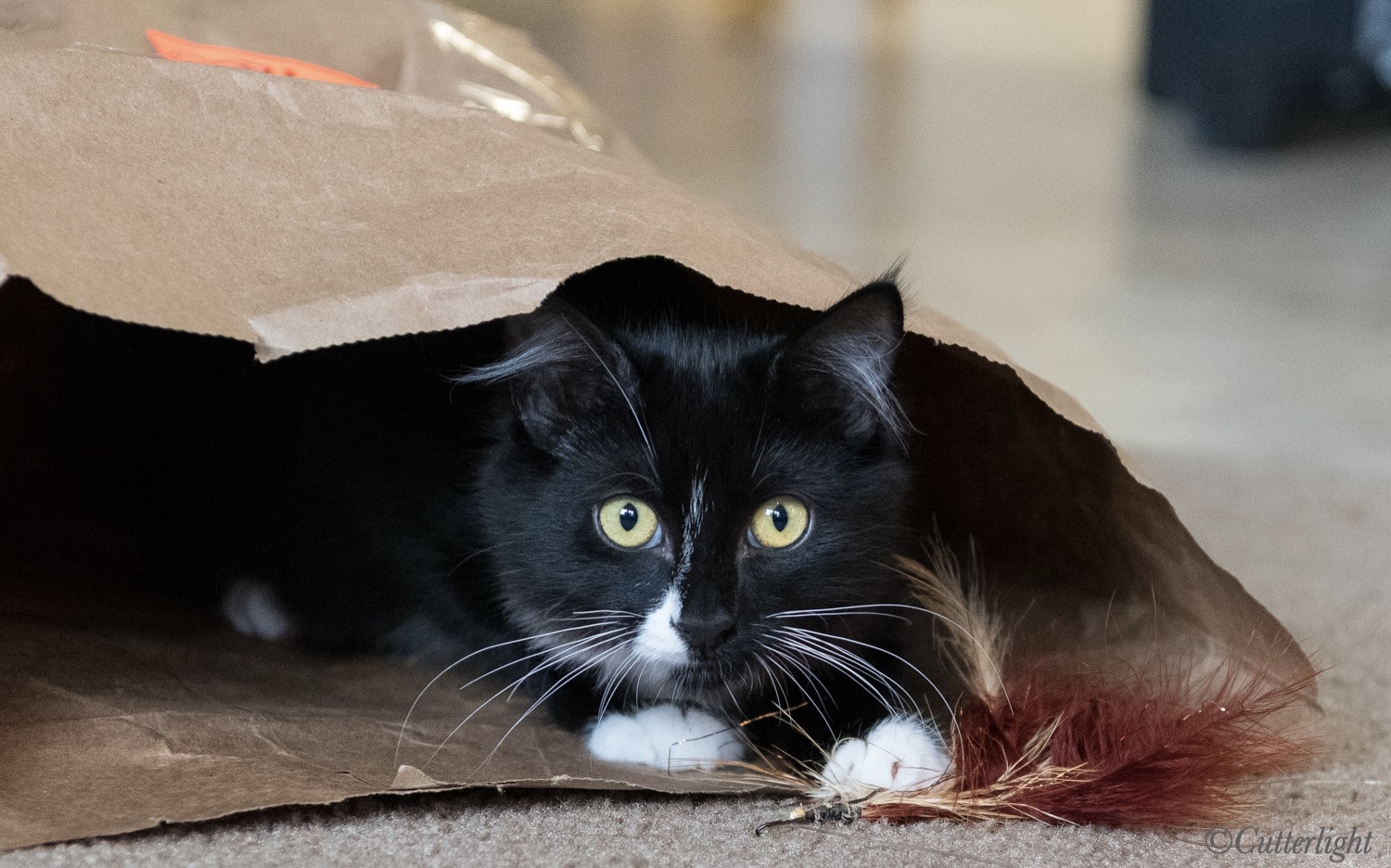
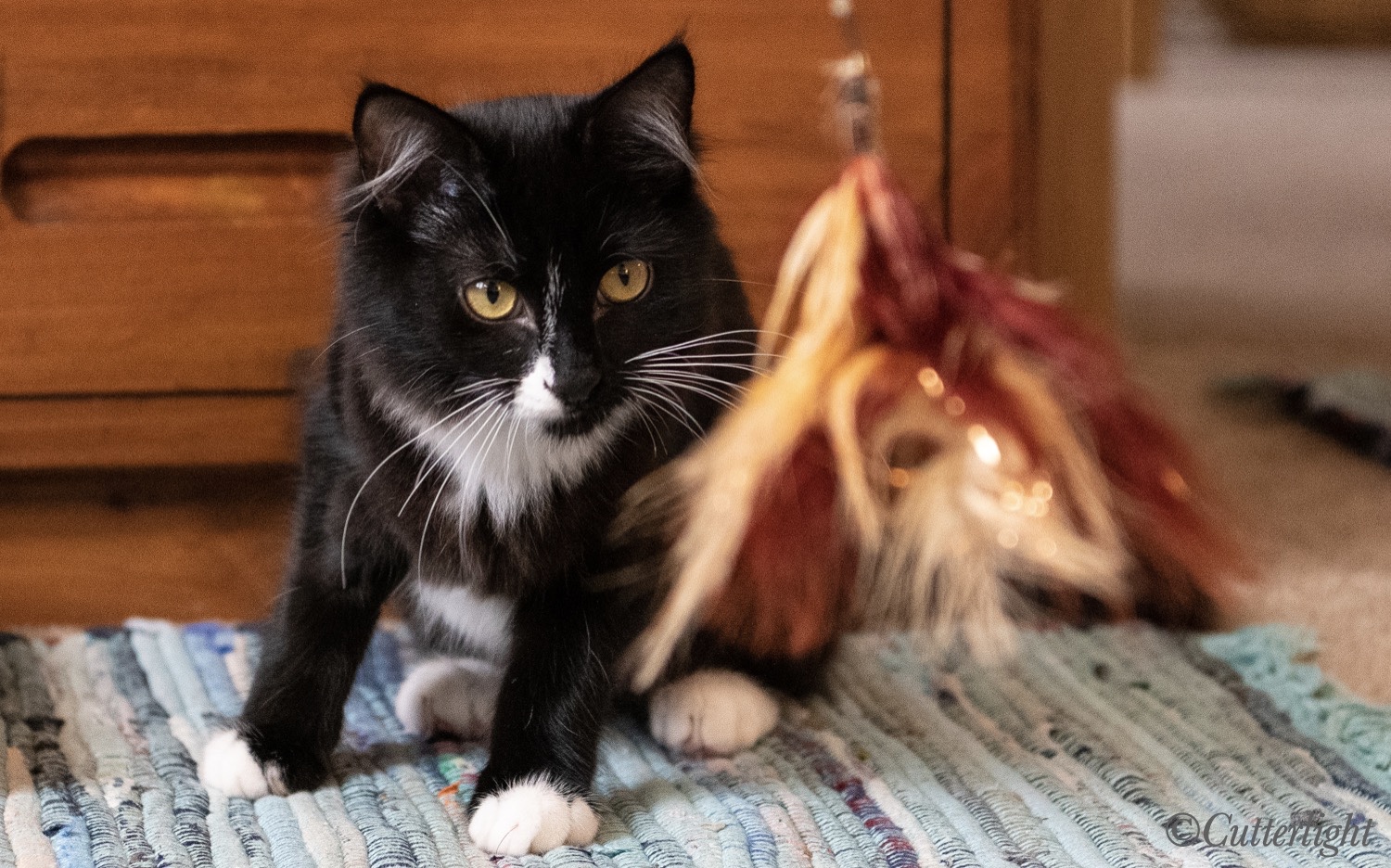
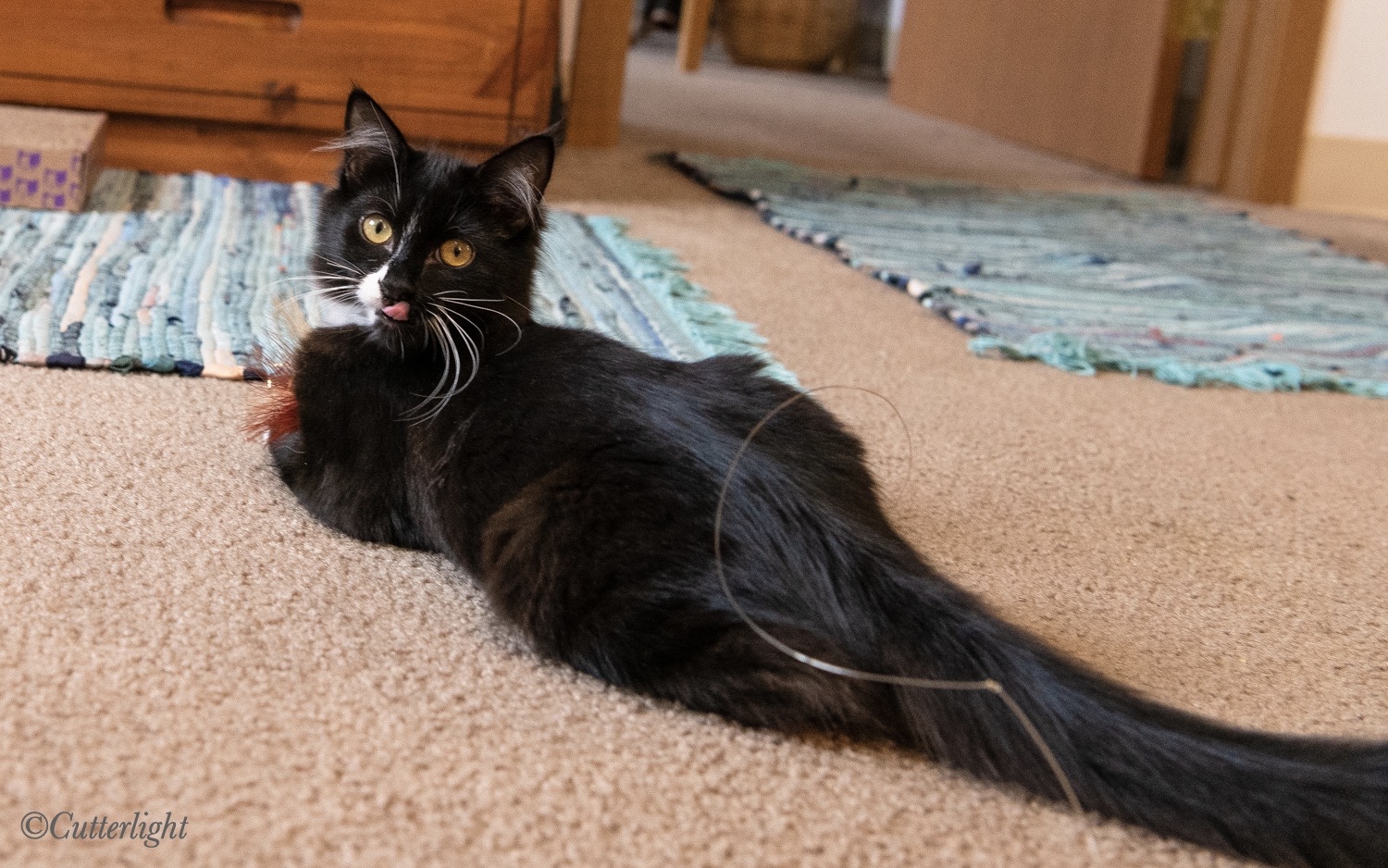
Kita the Kitten: Welcome to a Life of Adventure, Chapter I

We’d been considering adding to our family for quite awhile, but the timing and the situation never seemed quite right. After having Buster in our life, we felt the urge even more strongly. He was such a great dog – an eager hiker, a terrific optimist and a joy to be around. We could easily imagine going on hikes and trips with a dog just like him. So, we began watching dog training videos. But when it came to envisioning how a dog might fit into our sometimes unpredictable lives, we had to conclude that now was not the right time.

Then there was the idea of a cat. We loved having Franny in our life back when we lived in Sacramento. She loved chatting, playing and being part of our lives. Her mischief was confined to unrolling toilet paper and pulling socks (only mine) out of drawers. Her lone drawback was that she hated being in a car. And so, her adventures were confined to our home.

Out of curiosity, I began doing some internet searches on pet adoption in Anchorage. There are a surplus of dogs and cats needing forever homes. I suppose this is true of most cities. Jack and I would “aww” over all sorts of pictures, all the while becoming more and more serious about adding a new family member. The more pictures we looked at, the more honed in we became on what sort of pet would fit into our family. This furry friend would need to be friendly, communicative, and happy to go on adventures.

After much deliberation, we decided a cat would make for the best fit. We thought we could find a kitten that we could leash train and also one that could be taught to understand that car noises are not scary. The hope is that one day she would be on the road with us, traveling around the country in our camper. Once our search began in earnest, as often is the case, things quickly fell into place.

There are several organizations in Anchorage that adopt out cats and kittens. My internet searches kept bringing me back to the Alaska Cat Adoption Team’s (ACAT) website. There was a picture of this one kitten… how can a picture tug at heartstrings, I’ll never know. But it did. I showed Jack. Same reaction. Love at first sight. In our conversations, we had already named her Kita, which means North in Japanese.

I contacted Kita’s foster care person, Terri, to see what the process was. Terri, of course, turned out to be a big-hearted lady with a commitment to helping the growing feral cat population in Anchorage. She told me stories of her recent rescues and about the kittens she was currently fostering. Then she broke the news that someone was coming to look at Kita that very day.

Oh no! ACAT has a strict policy about rehoming. They require the prospective owner to come and visit the adoptee in person to make sure there is a positive connection. ACAT is trying to ensure that their cats get placed in a forever home. Disappointed, I gave Terri my contact information and asked her to let me know if Kita’s adoption didn’t go through. Meanwhile, Terri offered to help me find another cat that might fit, so we left off our conversation on a positive note.

A few days later, I got a call from Terri. They guy who was going to adopt Kita kept missing his appointments, leaving her unsure that adoption was going to happen. Jack and I pounced on the opportunity. We were ready to happily commit to Kita’s adoption. We paid a reservation fee and I began organizing a trip to Anchorage. In the meanwhile, Terri called or emailed almost daily with reports and photos of our new little friend playing with her foster siblings, snoozing in different place, and generally being cute.

Kita is now in her new home, having survived her first adventure with her new family. I couldn’t tell the story as well as she can, so I’ll let her tell it.

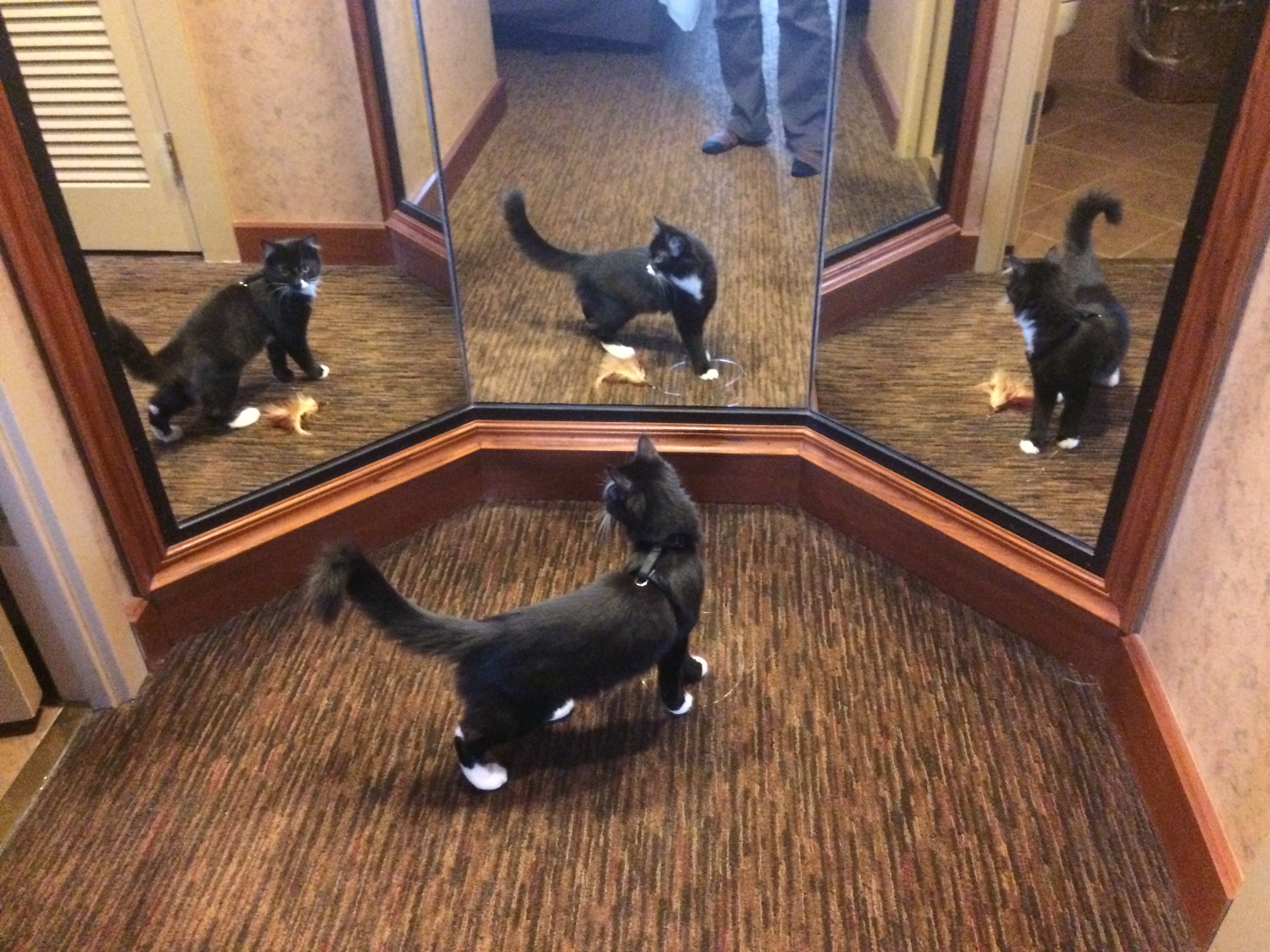
Well, it’s been quite a couple of days! First, I went with my new owner to a hotel. It was a cool and strange scene. The place was almost devoid of smells and was humming with funny sounds. There were these curious glass panels with kittens behind them that looked just like me! By the time I was finished sussing out the place, night had fallen. I climbed up on a gigantic bed, nestled into a hundred pillows and proceeded to fall asleep. Then, all of a sudden, there were terrifying creaking sounds like the building was going to break. Fearing the worst and not knowing what to do, I jumped up and hid under the bed. A few minutes later a ringing sound made Barbra turn on the light and talk into a little machine. I heard her say “8.2 magnitude? Are you ok? I’m relieved to hear that.” She seemed worried for a bit. Finally, she quieted down, I climbed back onto the bed and we both fell asleep. A short time later, a loud alarm went off and scared both of us awake. Turns out it was a false alarm, maybe triggered by the earlier earthquake. At that point, both of us were too amped up to sleep. We turned our attention to playing games with the feather toy Barbra had brought for me.

Soon it was time to snuggle into my travel crate. I cuddled in with a blanket and a soft shirt that smelled just like Barbra. After a sleepy car ride, we waited in a warm building where kind people curiously peeked in at me. After a time, I noticed strange smells and some weird noises coming from other crates that looked kind of like mine but were much bigger. My crate was set atop these others and I was wheeled outside. One after another, we were loaded onto a plane. First the geese, then the pig, then a box of ducklings, and finally me. The smells coming from those crates were quite intense! I watched Barbra take a seat, the engine roared and we ascended into the air! When the plane stopped, all the smelly animals were disembarked and I got to sit right next to my friend, Barbra. This was much better.

The next time we landed, I met Jack. He put me into the truck cab and the three of us drove to my new home. Jack’s a very busy guy who likes to make noise in the kitchen. I could tell he loved me right away because he played with me and petted me very nicely. He even spoke to me in Japanese, which I couldn’t understand, but then he gave me some delicious salmon!

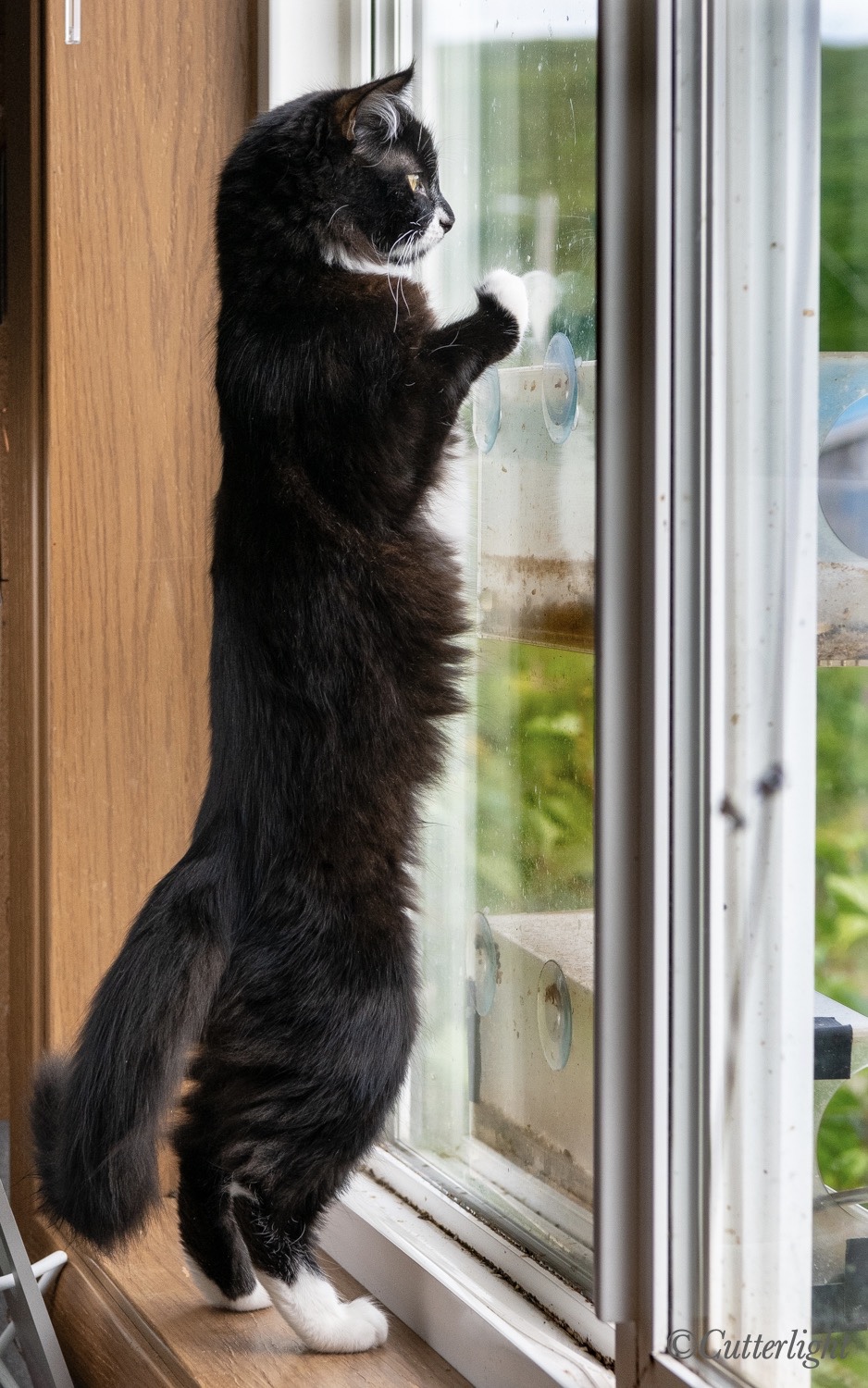
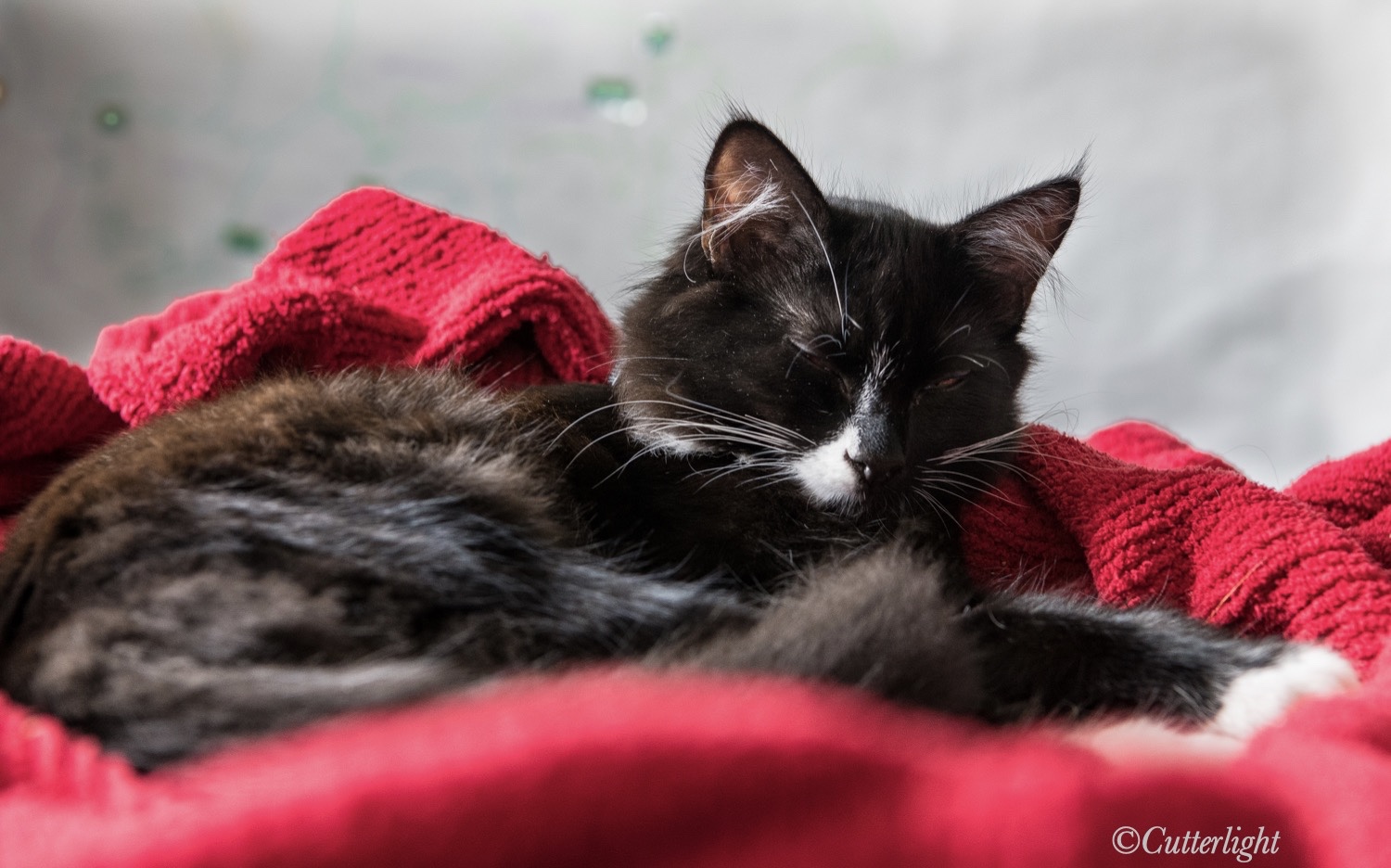
Let me tell you about my new home. It’s big and has very different noises than my foster home. I get all the attention from my two people. They love to play with me. They even made me some new toys. I love to sit on the windowsill and watch the birds at the window feeders. If I get tired, there are soft blankets for me to nap on. At nighttime, I get to share a bed with my new warm family. I think I’m going to have a great life with many fun adventures with these two.

Breakfast Panna Cotta – Turning Ordinary Into Extraordinary

A breakfast fit for a celebration – now where’s my champagne?

As it happens sometimes, we received a random box of ingredients, this time thanks to the Farmers to Families program. The box included a variety of items that someone defined as household staples. Included were roasted chicken quarters, hot dogs, potatoes, apples, milk, and yogurt. Jack quickly turned out a delicious soup with the chicken, potatoes, and other veggies we had in our fridge. My challenge was the yogurt. I usually make our own yogurt, so we already had more than enough for our regular menu. 

Living in a small village, we often gift extra food amongst our neighbors. For example, if someone gets an extra order of canned pumpkin or tahini (real examples), we share. When that happens, the resulting cooking challenge always strikes me as our own episode of Chopped. We don’t like to let anything go to waste. So the puzzle of the yogurt needed to be attended to right away.

I had just finished re-reading The Tutka Bay Lodge Cookbook and was in the middle of another pastry chef cookbook when the box arrived. I already had Panna Cotta on the brain. I wondered if Panna Cotta could be made with yogurt instead of cream. Panna Cotta is a wonderful gelatinized dessert that can become a delicious canvas for a variety of fruit. The name is derived from Italian and means “cooked cream.” In my experiment, it would be cooked yogurt. So, yes, this is not a true Panna Cotta. My version has the same vanilla bean canvas and the same structure. That’s where the similarity ended.

I tested different dishes and glasses for serving the Panna Cotta including wine glasses and ramekins. I think they all worked beautifully. My breakfast Panna Cotta definitely tasted like a rich vanilla yogurt. But it made for a gorgeous and delicious breakfast presentation – layers of crunchy granola, chewy dried fruit, zippy tart berries, and a drizzle of last summer’s wineberry syrup. The same visual layers can be accomplished in any clear glass if ramekins are not available. With just a bit of chilling time and not too much effort, you too can turn ordinary into extraordinary.

Breakfast Panna Cotta

Ingredients

  • 1 1/2 tsp powdered gelatin (1 package)
  • 3 cups plain yogurt
  • 1/2 cup milk
  • 1 tsp vanilla paste
  • 2/3 cup granulated sugar
  • granola
  • dried fruit
  • frozen or fresh berries
  • berry syrup

Directions

  1. Place gelatin in a small bowl. Pour a couple of tablespoons of the milk into the gelatin and mix. Let set for about 5 minutes.
  2. In a medium mixing bowl, whisk together the remainder of the milk, yogurt, vanilla and sugar.
  3. Place about 1/2 cup of the yogurt mixture into a small pot. Warm mixture while stirring constantly.
  4. Add gelatin mixture to pot.
  5. Whisk mixture until gelatin is dissolved. Let cool for 5 minutes.
  6. Pour gelatin mixture back into the original yogurt mixture in the medium bowl. Mix thoroughly.
  7. Divide the panna cotta into 6 ramekins or glasses. 
  8. Cover with plastic wrap and chill overnight in the refrigerator.
  9. To serve, layer on granola, dried fruit, berries and berry syrup of your choosing.
  10. Alternatively, run a knife around the edge of the ramekin, dip the ramekin in hot water and unmold onto a serving plate prepared with a bottom layer of granola. Top panna cotta decoratively with remaining ingredients.

Dungeness Crab Cakes

Sweet Dungeness Crab – all you’ll want is a spritz of lemon.

For as long as I can remember I’ve ordered crab cakes in restaurants. They are, I think, the most difficult seafood fritter, patty or cake to get right. The best I’ve had were served at McCormick’s in Portland some years ago. They came with hollandaise sauce and I used to have them for breakfast with a cup of black coffee or a glass of Pinot Gris, after which I’d walk up the street to Powell’s to look at books or to write.

Thanks to the Dungeness in our freezer, I’ve been experimenting. Crab is difficult because it’s more important to get the seasonings right than with other seafood and then you’ve got to cook the cakes just so. If the cakes are very good, lemon is all you’ll want.

Dungeness Crab Cakes

Ingredients

  • ½ pound cooked Dungeness or Blue Crab meat. If it seems too wet, it is. Squeeze the excess moisture out with paper towel or through a strainer. Take extra care to make sure there is no shell.
  • seasonings: Crab is very sweet. It needs something. I use a blend of dried powdered peppers such as Aleppo, Ancho, Cayenne, Chipotle. The idea is that you want to balance the sweetness of the crab with something that pulls your pallet in a different direction. This actually serves to underscore the sweetness of crab, its signature trait. In addition to the above types of spice, smoked paprika, nutmeg and tarragon can also be added. Dill or fennel? I wouldn’t. I seldom spice anything exactly the same twice. The key here is the spicy pepper.
  • soy sauce: as desired
  • 1 or 2 shallots, diced fine, sautéed till soft in olive oil, removed from pan and set aside to cool
  • ¼ cup red bell pepper, diced, sautéed in olive oil, removed from pan and set aside to cool
  • 1 egg, beaten with a little soy sauce whisked in. Provided you don’t add too much spice to the cakes themselves, you can also add a couple shakes of Cholula here.
  • panko: approximately the same amount in volume as the crab meat. Start by mixing in about half the volume. That won’t feel like enough, so add more till it seems about right – not to wet, not too dry.
  • Olive oil and Butter

Directions:

  1. In a large bowl, mix together the crab, seasonings, shallots, bell peppers, soy sauce and egg. Hands work best for this. Then mix in the panko. Shape the cakes into patties. Keep them fairly small so that they are easy to turn and they stay together.
  2. In a frying pan on medium heat, add enough olive oil and butter in equal parts to shallow-fry the cakes. When the oil is hot, set the timer for 4 minutes and add the cakes. Cover the pan and cook for 1 minute, then lower the temperature to a little below medium. It is important to check the cakes periodically to make sure the bottom side is browning the way you want.
  3. At 4 minutes, gently turn the cakes over and continue cooking uncovered. Occasionally spoon some of the oil-butter mixture on top of the cakes.

These are the best crab cakes I’ve ever had. All I ever want with them is a spritz of lemon. When Barbra and I pick a whole crab and dip it in herbed lemon-butter, we almost always go for a buttery, oaked Chardonnay. But these cakes want something lighter and more fruit forward, so Pinot Gris or similar pairs well.