Alaskan Seafood Fettuccini with Shrimp, Sea Scallops and Salmon

Freshly made fettuccine tossed in olive oil and Italian seasonings and topped with a medley of Alaskan seafood sautéed in olive oil, garlic and tarragon.

Tarragon has long been among our favorite all-around herbs for many seafood dishes, and it really shines in this simple-to-prepare entrée. Sometimes referred to as dragon’s herb or dragon’s-wort, tarragon adds a gentle sweetness that hints at anise or fennel, but is more subtle.

The basic dish evolved from a piece of advice an older gentleman – an immigrant from Italy – shared with me some years ago when he observed that in his opinion the best tasting and easiest pasta dish is made by sautéing chopped garlic in olive oil and tossing the pasta in that and nothing more. Perhaps a little basil, marjoram or oregano might be added, he allowed.

In this dish, I’ve added chopped sweet onion, tomatoes and three kinds of seafood to the olive oil and garlic. Tarragon, sea salt and freshly cracked pepper flavor the seafood. When I lived in South Carolina, I used to make this dish with white shrimp which I was able to cast a net for, and instead of salmon, I used freshly caught striped bass or pompano.

For two servings:

Pasta Ingredients

  • pasta for two people (fettuccini, angel hair or spaghetti)
  • 1 tsp dried oregano or 1 tbsp fresh
  • 1 tsp dried basil or 1 tbsp fresh
  • 3 tbsp extra virgin olive oil
Directions:
  1. Cook pasta according to directions.
  2. Drain pasta. Place in large bowl. Add olive oil and herbs and toss.
Seafood Ingredients
  • equal portions of wild salmon fillet (skin removed, or not), sea scallops and shrimp. Use about 1/4 pound seafood per person or slightly more.
  • 1/4 cup chopped sweet onion
  • 3/4 cup diced tomatoes, canned or fresh, seeds removed
  • 1 1/2 tbsp chopped garlic
  • 3 tablespoons olive oil
  • 1 tbsp dried tarragon or 3 tbsp fresh
  • sea salt to taste
  • freshly ground pepper to taste

Directions:

  1. Cut salmon into 1/2-inch to 3/4-inch cubes. Slice sea scallops into 3 or 4 slices. Peel and devein shrimp.
  2. In a bowl, mix together seafood, garlic, tarragon, sea salt and pepper. Set aside.
  3. Add olive oil to a frying pan and heat over medium-high heat.
  4. Add onions and cook for two minutes, stirring occasionally.
  5. Add remaining ingredients. Stir frequently for about 1 1/2 to 3 minutes. Avoid overcooking. (Remember: seafood will continue cooking after being removed from heat.)
  6. Serve pasta. Top with seafood medley.
  7. Add additional ground pepper, grated Parmesan, pine nuts or a sprig of fresh tarragon.

Enjoy this with a crisp, well-chilled sauvignon blanc.

Rivers of Ice: Glaciers, Icefields and Floating Sculptures of Blue

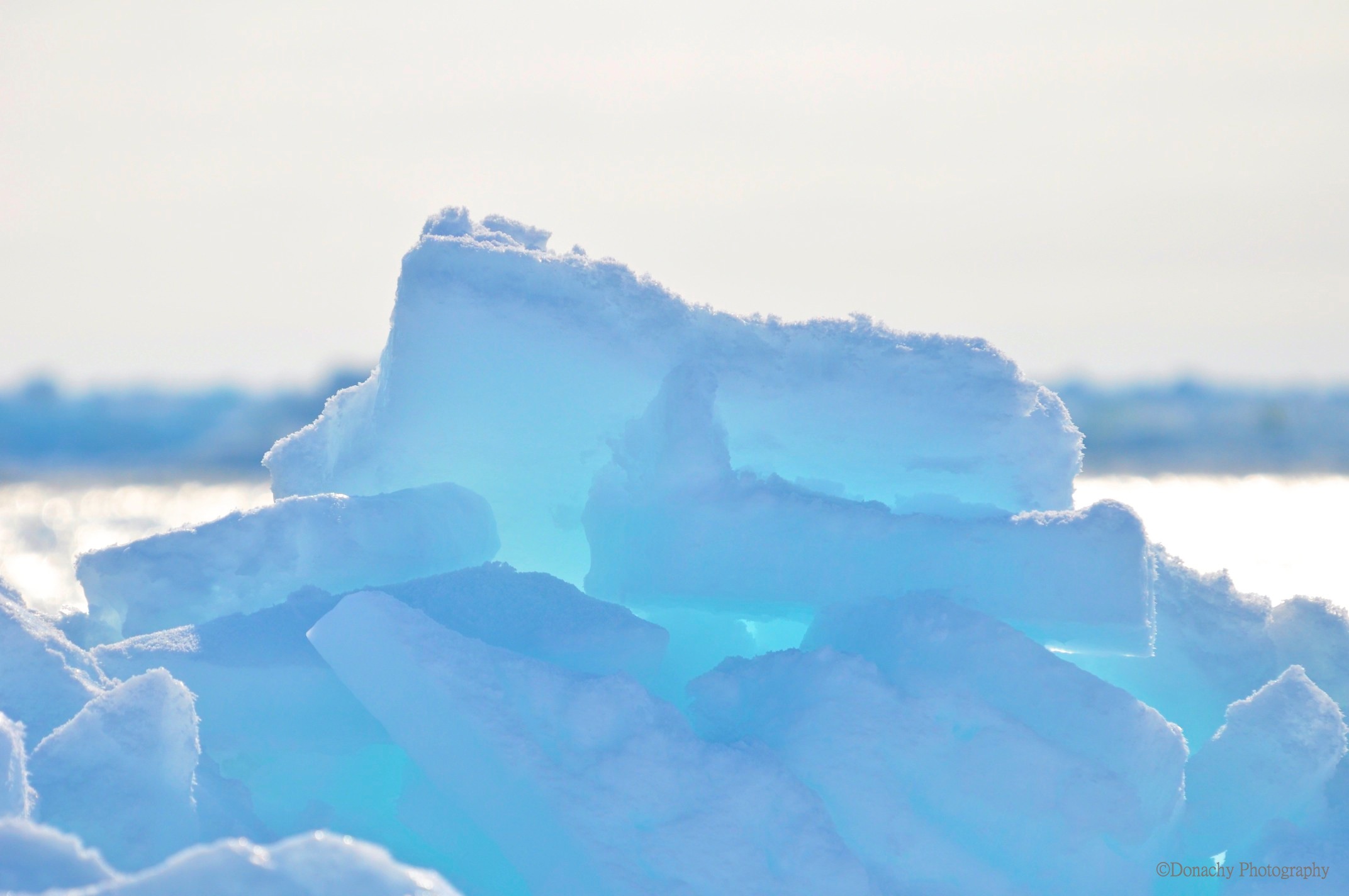
Icebergs such as this ethereal blue sculpture are the culmination of a dynamic process eons in the making.

It’s easy to imagine glaciers as static – water interrupted, subject to thaw and melt, but otherwise frozen in space and time. In reality, they’re more like slow moving rivers, pulled down by gravity, pushed forward by the unimaginable tonnage of ice and snow in the icefields where the originate. A fast-moving glacier can travel at a rate of 20 meters a day or more.

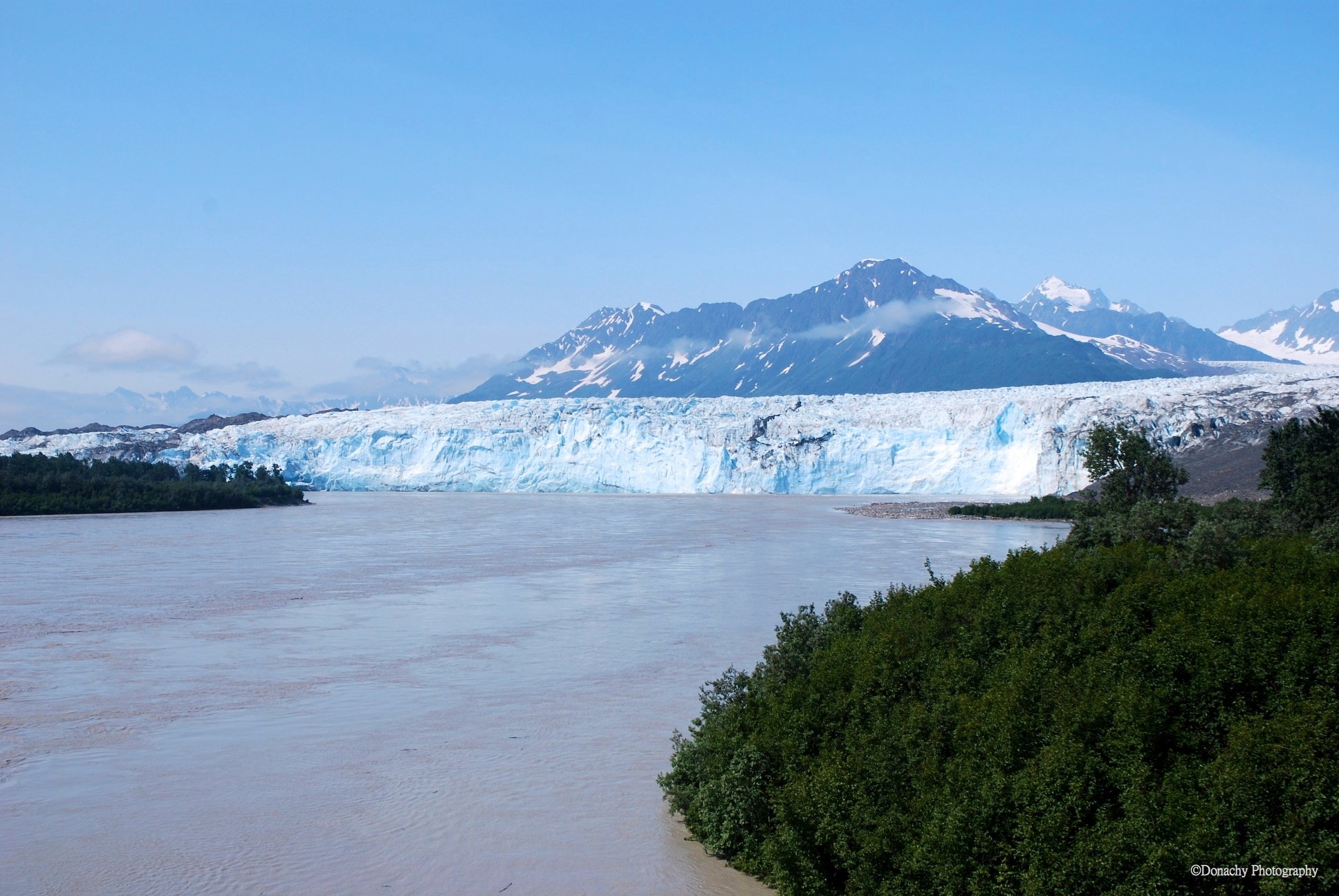
Tidewater glaciers are among the most dynamic forms of ice in nature. Like the Blackstone Glacier (pictured below), they flow from icefields, much as a mountain stream might originate as the outflow from an alpine lake. What makes tidewater glaciers so fascinating is that they don’t gradually turn to water as they descend down a mountain valley, warming and thawing with the descent.

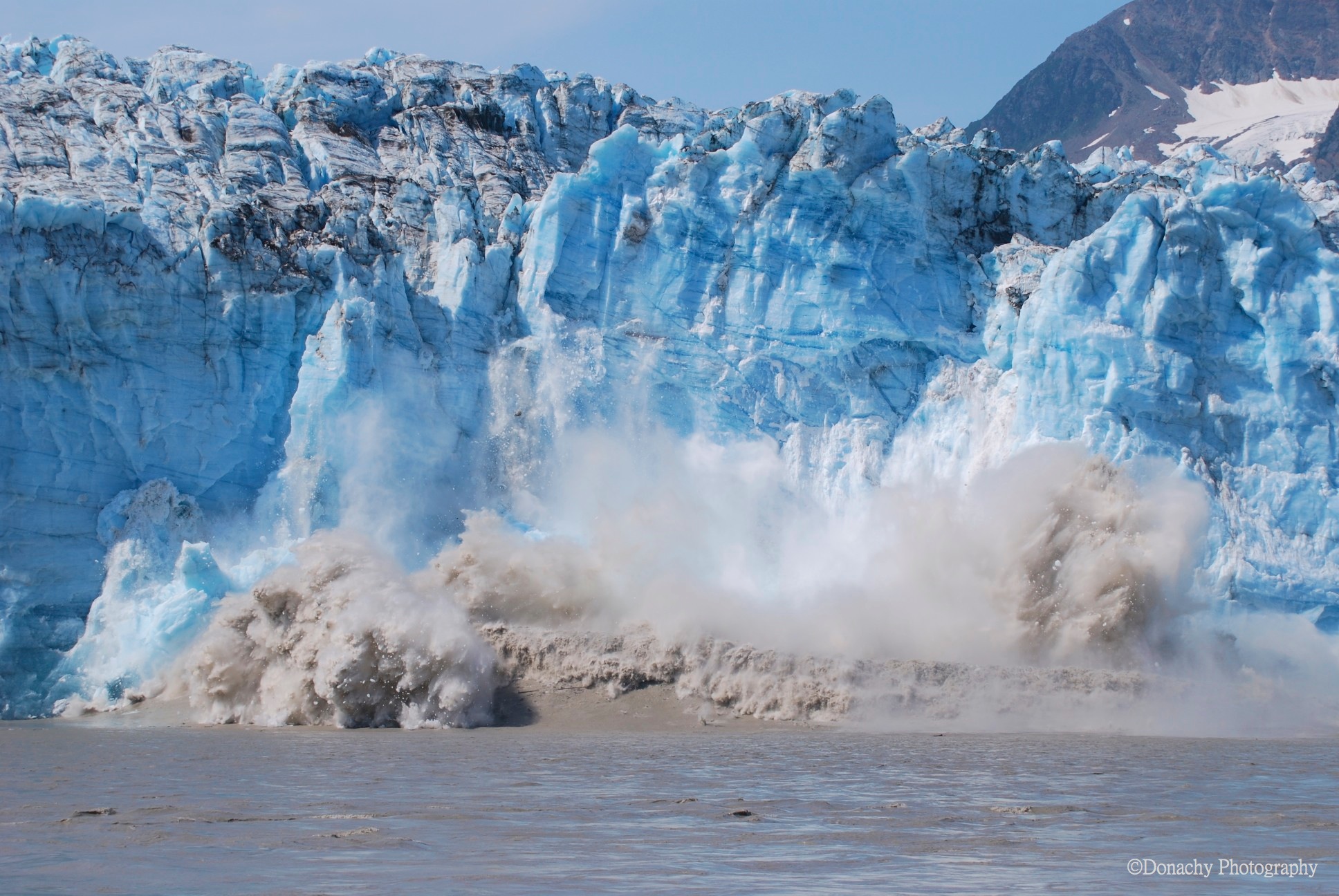
Instead, tidewater glaciers terminate when they reach the sea. The ice continues to flow, pushing the face of the glacier forward. If the face of the glacier is large enough, the combination of forward movement and warmer air and water temperatures can result in spectacular calving events, with massive pieces of ice sloughing off into the sea.

The Harding Ice Field, which gives birth to three dozen or more glaciers, stretches out like a vast, island-studed lake. 

As soon as the freshly calved ice hits the water, it become part of sea’s ecosystem. Harbor seals (above) and black-legged kittiwakes (members of the gull family, below) use the frozen islands to rest, feed and stage hunts. The seals also use the ice as nurseries.


Summer Blueberry Picking on the Arctic Tundra

Friends from Shishmaref after an afternoon of blueberry picking. Gathering a cupful or two of these small, tart berries growing in scattered clumps across the tundra was work… the fun kind. The following morning, we celebrated with a stack of blueberry waffles.

Accustomed to the six and seven-foot tall blueberry bushes of Oregon where Barbra and I had picked berries by the bucketful when I lived in Astoria, we were surprised to learn that blueberries were growing right under our feet on our walks through the tundra near Shishmaref. “There’s lots,” one of my students told us. “We’re going to go tomorrow. You guys can follow.”

“Follow” is the village English way of saying “come along.” And sure enough, once we learned to key in on the unmistakable Autumn-red of the bushes (if ground-hugging plants that top out at six-inches can properly be called bushes), we began finding an abundance of small, perfectly ripe, deliciously tart berries. The comparatively thick, woody stems of some of these bushes suggested that they had weathered quite a few seasons near the Arctic Circle. Growing among the blueberries were crowberries (locally called blackberries) and low bush cranberries. Elsewhere in the far north, including in Europe, there are cloudberries, perhaps the most delicious berry on earth.

We walked along in the late summer sun, finding patches of berries here and there, crouching and kneeling to pick, and then moving on to find another patch of tell-tale red. Birds were out sharing the bounty – or maybe the insects associated wtih the fruit: lapland longspurs, white-crowned sparrows, savanah sparrows, and other small birds.

The pause that refreshes. A berry-picker gazes across the open tundra on Sarichef Island where Shishmaref is located, snacking on a bag of berries that probably aren’t going to make it all the way home. The red leaves near her feet? Yep. Blueberries!

The Birds are Back in Town!

Feathers puffed against the cold, a female McKay’s bunting warms herself in the radiant heat from a rock. Daily highs are reaching the teens and even the twenties now, and today’s sunshine stretched from sunrise at 7:00 AM to sunset at 11:13 PM. The midnight sun is back, and so are the birds! 
Gripped in the heart of winter, an Arctic landscape can be one of the quietest places on earth. Save for a few hardy ravens that manage to make a living off dumpsters and the local garbage facility, most birds head for warmer climes. There are no tree branches for the wind to whistle through, no dry grass to rustle, and on the coldest nights, even the village dogs huddle up and stay mum. Dark settles in, and the waiting begins.
For the past couple of weeks, we’ve increasingly been hearing the welcome twitters and chirps of flocks of the snow birds of the north, snow buntings and McKay’s buntings. It’s been weeks since the last windstorm, and these days we can feel the warmth of the sun on our faces. It feels… wonderful.
I’ve always admired passerines – songbirds. These snow buntings have become some of my favorites.

Homemade Flour Tortillas (Sans Lard)

These homemade tortillas are a little thicker and more airy than store-bought. They are definitely tastier and healthier!

For the past few years, we’ve used frozen, uncooked tortillas from Costco. One thing that separates the tortillas from Costco from run-of-the-mill grocery store fare is that they have to be lightly fried right before serving. The downside is that, like most tortillas, they are made with lard. The quest began for a tortilla recipe which could be made at home that had healthier ingredients.

Right from the beginning, I could see that my main challenge would be rolling the dough thin enough (without having overly thin spots or holes). Of course, there are purpose-deisgned tortilla presses, but acquiring another gadget flies in the face of streamlining our galley.

After searching through virtual stacks of recipes on the Internet, I found a blog offering a recipe for a “Texas tortilla.” The author promised a healthy, puffy, tasty Tex-Mex style tortilla. Armed with a recipe, a rolling pin, and sheets of parchment paper, I finally achieved my goal of homemade flour tortillas. I’ve tried substituting one cup of wheat flour for one cup of white flour, resulting in a heartier tortilla. Each time I’ve made them, they’ve come out tasty, and I’m getting faster at it. And they come out a little rounder each time, too!

Homemade Flour Tortillas

Ingredients

  • 2 cups all-purpose flour
  • 1 1/2 tsp baking powder
  • 1 tsp salt
  • 2 tsp vegetable oil
  • 3/4 cup room temperature milk

Directions

  1. Sift together flour, baking powder, and salt.
  2. Mix in oil.
  3. Slowly add in milk. Stir until a loose, sticky ball is formed.
  4. Turn out onto a lightly floured surface and knead for 2 minutes.
  5. Place ball of dough in bowl. Cover with damp cloth and let rest for 20 minutes.
  6. Break dough into 8 even pieces. Roll each piece into a ball. Cover with damp cloth and let rest for 10 minutes.
  7. Take one dough ball and flatten by hand into a circle. Place flattened dough on lightly floured surface. Cover with parchment paper. Roll out with rolling pin, just as you would a pie crust. The result should be a flat, circular tortilla about 8″ in diameter and 1/8″ or less thick. Continue with remaining dough balls. Stack finished tortillas, using parchment paper to keep them separate.
  8. In a hot, dry skillet, cook tortillas about 30 seconds on each side. I use wooden chopsticks for flipping. Keep cooked tortillas wrapped under a clean cloth towel until ready for serving.

Tortillas can be prepared a day in advance and kept them in the refrigerator to save preparation time.

This recipe was adapted from http://homesicktexan.blogspot.com/2007/03/and-end-to-my-quest-flour-tortillas.html.

Enchiladas Suizas with Spanish Rice

Cheesy and subtly spiced, enchiladas suizas satisfied hearty appetites after a day of cross-country skiing.

With just four weeks remaining in the school year, we’re increasingly looking at our pantry to figure out what needs to be used up or given away before we leave for the summer. This enchilada recipe was inspired by two cans of roasted green chile peppers we received from a friend who is leaving our village and not returning. I made my own tortillas, which I will blog about separately. We served these savory enchiladas with Spanish rice prepared in our rice cooker.

Enchiladas Suizas

Ingredients

Seasoned broiled chicken:

  • 4 boneless, skinless chicken thighs (enough for 3 cups cooked cubed chicken)
  • Penzeys Southwest rub, or any other mildly fiery cumin and chili pepper based rub
Green chili sauce:
  • 2 tbsp butter
  • 2/3 cup chopped onion
  • 2 tbsp all-purpose flour
  • 1 1/2 cups chicken broth
  • 8 oz. chopped green chile peppers
  • 4 cloves garlic, chopped coarse
  • 3/4 tsp salt
  • 1 tsp cumin
Additional ingredients:
  • 6 8-inch flour or corn tortillas
  • oil for frying tortillas
  • 1 1/2 cups shredded mild white cheese such as Monterey Jack (I used mozzarella because that was on hand.)
  • 1 1/2 cups shredded medium-aged cheddar cheese (We love Tillamook!)
  • 1 cup sour cream (thinned with a few tbsp of water to a consistency slightly thicker than heavy cream)
  • jalapeño slices for a finishing touch

Directions:

Seasoned broiled chicken:

  1. Coat broiling pan with oil. Position oven rack near top of oven. Place broiling pan in oven and preheat on broil.
  2. Rub chicken thighs with Southwest rub.
  3. Broil chicken for approximately 15 minutes or until cooked through. Set aside to cool. When cool, cut into 1/4 inch thick by 1/2 inch long pieces. Set aside.
Green chili sauce:
  1. Melt butter in pan over medium heat. Sauté onion in butter until soft. Stir in garlic. Add flour and stir until flour, onions, and garlic are incorporated. Add broth. Add chiles, salt and cumin. Stir until well mixed. Simmer mixture for 15 minutes. Set aside.
Assembling the enchiladas
  1.  Preheat oven to 350 degrees F.
  2. Combine cheeses, reserving about half for the topping.
  3. Quickly fry tortillas in oil. Do not crisp them.
  4. Dip both sides of tortilla in chili sauce mixture. Place about 3 tbsp of chicken down center of tortilla. Top with about 2 tbsp cheese mixture. Roll the tortilla and place into 9 x 13 glass baking dish, seam side down. Follow same procedure with the remaining tortillas.
  5. Spoon remaining chili sauce mixture on top of enchiladas. Spread evenly. Spoon thinned sour cream on top of chili sauce. Spread evenly. Sprinkle reserved cheese on top of sour cream. Garnish with jalapeño slices.
  6. Bake uncovered in preheated oven for 20 minutes.
  7. Serve with salsa and Spanish rice.

Spanish Rice Recipe for Rice Cooker

Ingredients

  • 2 tbsp olive oil
  • 2/3 cup  finely chopped onion
  • 3 cloves garlic, chopped coarse
  • 2 1/2 cups white rice
  • 3 cups chicken broth
  • 1 heaping tbsp tomato paste
  • 1 tsp oregano

Directions

  1. Sauté onion and garlic in olive oil until softened. Set aside.
  2. Mix chicken broth and tomato paste until combined. Add oregano. Stir.
  3. Place rice in rice cooker.
  4. Pour in chicken broth mixture. Add in onion mixture. Stir.
  5. Cook rice on white rice setting.
  6. Stir before serving.

Chocolate Orange Meringue Pie

A mountain of perfectly peaked meringue sits atop a decadent chocolate-orange pudding pie.

The flipped meringue cookies gave me new confidence with meringue. I felt ready to attempt a meringue pie. Luckily, there is still plenty of chocolate in our ever diminishing pantry. Since friends were coming to dinner, it was the perfect day to attempt this culinary feat.

I read many recipes on many sites. I was warned about weeping meringue and problems with humidity. Winter air in the Arctic is like air in the driest desert and I wasn’t scared off by a few tears from frothy egg whites. I was ready for the challenge. The process of making the pie was long and satisfying. Each step looked and tasted delicious. The filling thickened up beautifully. The meringue browned in just the right way. At the end of an Arctic-Mexican meal featuring enchiladas and Spanish-style rice, everyone agreed that the chocolate orange meringue pie was impressive to look at… and then it disappeared!

Chocolate Orange Meringue Pie

Ingredients

  • 1 9-inch pie crust, baked
  • 1 3/4 cups granulated sugar, separated into 1 1/2 cups and 1/4 cup
  • 5 tbsp unsweetened cocoa powder
  • 4 tbsp all purpose flour
  • 1 pinch salt
  • 5 eggs, yolks and whites separated
  • 2 cups milk
  • 1 tsp orange zest
  • 1 tbsp unsalted butter
  • 2 tsp vanilla extract
  • 1/4 tsp cream of tartar

Directions

  1. For chocolate filling: In a medium pot, mix together 1 1/2 cups of granulated sugar, cocoa powder, flour and salt. Stir in egg yolks and milk. Stir in orange zest. Whisk until well blended. Cook over medium heat, stirring constantly. Cook until filling has the consistency of pudding, about 10 minutes. Turn heat off.
  2. Stir in vanilla and butter. Stir until both are incorporated.
  3. Pour filling into baked pie shell. Refrigerate to set for 4 hours or overnight.
  4. When you are ready to make the meringue, take the pie out of the refrigerator.
  5. Preheat oven to 375 degrees F.
  6. For meringue: In a non-reactive bowl beat egg whites until foamy. Add cream of tartar. Continue beating eggs until soft peak stage (peaks will sag when you remove beaters). Add 1/4 cup sugar a tablespoon at a time, allowing sugar to dissolve between additions. Continue beating until stiff peaks form and egg whites are stiff and glossy.
  7. Spread the meringue over the pie completely. You can make decorative peaks by using a dull knife to shape the meringue.
  8. Place pie in oven on a low rack. Bake for 10 minutes until meringue is golden brown.
  9. Chill for two hours before serving.

Can You Really Make These From Scratch? Honey-Cinnamon Graham Crackers

I’ll bet even your grandmother didn’t bake like this…

I found a cheesecake recipe I wanted to experiment with, and, off course, I needed a graham cracker crust. Since we hadn’t sent up any graham crackers, my choices were to buy some at our local store, order them through Amazon.com, or forget the whole idea. Prices at the Native Store are too high, so I ruled that out, and with only five weeks remaining till we head south, it seemed late to be ordering food. The next obvious step was to give up. Ha! That’s not me! I searched around and found a couple of recipes for graham crackers from scratch. Fantastic! My crackers came out looking a little rough around the edges, but they tasted perfect. Actually, in our opinion, they taste better than store-bought. These homemade beauties have a crisp cracker crunch and a sweet honey-cinnamon taste. Now, I’ll tackle the cheesecake recipe.

Honey Graham Crackers

Ingredients:

  • 1 cup whole wheat flour
  • 1/2 cup unbleached all purpose flour
  • 1/2 tsp baking powder
  • 1/4 tsp. baking soda
  • 1/4 cup softened unsalted butter
  • 1/4 cup granulated sugar
  • 2 tbsp and 2 tsp honey
  • 2 tbsp corn syrup
  • 1 tsp vanilla extract
  • 1/2 cup milk
  • Optional cinnamon sugar topping – 3 tsp granulated sugar and 1 tsp cinnamon

Directions:

  1. Mix together whole wheat flour, all purpose flour, baking powder and baking soda. Set aside.
  2. Blend butter, sugar, honey and corn syrup until well mixed and fluffy. Add vanilla and mix.
  3. Stir dry ingredients into wet ingredients. Stir in milk. You should have a nice ball of dough at the end of this step.
  4. Cover dough and refrigerate overnight.
  5. Preheat oven to 350 degrees F.
  6. Roll the dough out on a well-floured surface. It is easiest to do this working with only a quarter section of the dough at a time. Roll until the dough is about 1/8″ thick. Cut the dough into rectangles using a knife. Place rectangles on ungreased cookie sheets. Prick decorative holes with toothpick. If desired, sprinkle cinnamon and sugar topping on crackers.
  7. Bake for 13 minutes. Finished crackers will be browned and will become more crisp as they cool. Cool on wire racks.

Chiming Bells, Paintbrush & Bog Candles: Flowers of the AlCan Highway

Fireweed is as common as it is beautiful along the highways of western Canada and Alaska. It’s just one of dozens of wildflowers travelers can expect to encounter. Young fireweed leaves are a tasty addition to salads, and their petals can be used to make a beautifully colored ice cream.

Left: Prickly rose looks a lot like its domestic counterparts. This bud is within a day or two of bursting open. Right: I don’t know if one can properly talk about wildflowers growing in beds, but where we found a few chiming bells, there always seemed to be others peeking out from the shade where the soil was damp and the sunlight sparse.

Appropriately named bog candle lights up the shaded places where it grows..Northern Yarrow is common throughout the region. Dwarf dogwood hugs the forest floor.

Fireweed leans toward the sun above a yellow sea of monkey flower.

Indian paintbrush (red) and lupine (blue) are common throughout the Pacific Northwest.

Orange hawkweed is sometimes mistaken for Indian paintbrush, but it’s an invasive species – albeit a pretty one. Wildflowers seem to be everywhere in western Canada. This black bear is framed in fireweed stalks as he takes a break from browsing a patch of sweet clover. A road trip up the West Coast through British Columbia, into Yukon Territory and on to Alaska had long been on our lifetime things-to-do list. This is one of the world’s great drives.

Totem Poles at Gitanyow

Above: Hole in the Ice totem pole at Gitanyow, British Columbia. The totem poles at this National Historical Site represent one of the largest collections in North America. Although many of the sculptures at Gitanyow are replicas (the originals were moved to museums), Hole in the Ice is an original.

Carved from cedar and imbued with symbolism, history and tradition, totem poles are an art from that fire the imagination. When we read that there was an authentic collection a short detour off the Stewart Cassiar Highway we were taking north through British Columbia, we had to make the trip. There are other places in the Northwest where you can see totem poles, but Gitanyow is compelling for sheer numbers (about 50) as well as for the detailed artistry in many of the poles.

Figures such as this wolf may represent a clan, a specific person, or be part of a story.

Right: This friendly mixed breed  we nicknamed Bear adopted me and stayed by my side throughout our visit. The poles in this photo are smaller than the others pictured in this post.

There is a museum at this site, but it was closed on the day we visited. In fact, we didn’t see a single other person as we walked the grounds, and although explanations of what we were looking at would have been welcome, the solitude to contemplate these carvings through our own lenses was even more welcome.

The totem poles at Gitanyow are in various states of weathering, with some so worn their features are hard to make out.

As we walked the grounds on this grey, misty, sometimes rainy summer day, one word kept passing over our lips. “Cool.” Thinking back on that day and looking at these photos again, the same word comes to mind, pushing others aside. These sculptures are cool. Way cool.

Above: a beaver seems to be gnawing on a headband above this face.