Unknown's avatar

About Jack & Barbra Donachy

Writers, photographers, food lovers, anglers, travelers and students of poetry

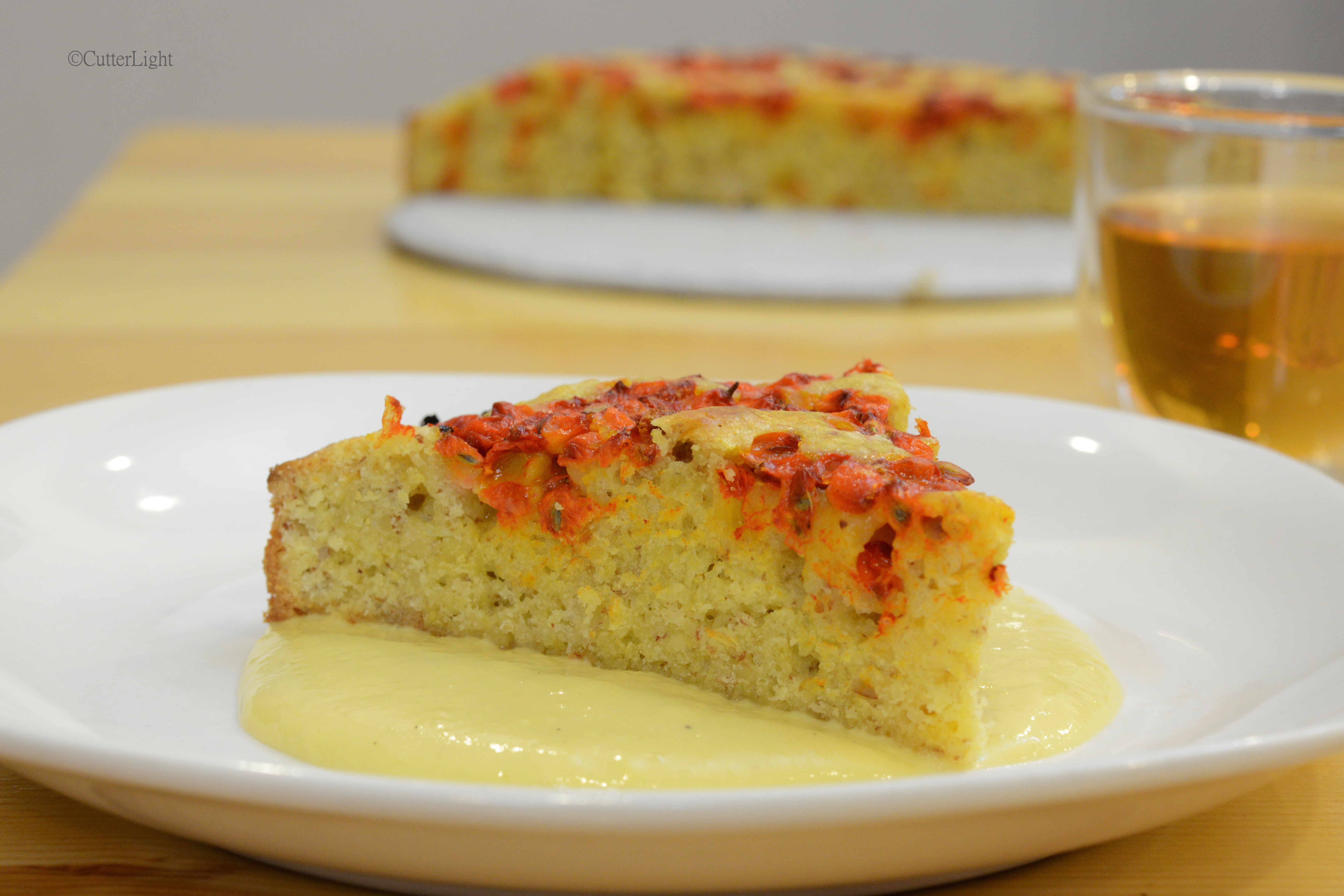
Sea Buckthorn Berry Almond Cake

sea buckthorn almond cake n

Moist, sweet almond cake with tart sea buckthorn berries baked in – served atop warm vanilla bean custard, this is a sophisticated and  flavorful dessert. Serve with sea buckthorn wine or an ice wine.

Berries are our favorite fruits. In Mongolia, we have added a new berry to our culinary collection – sea buckthorn. With 15 times the vitamin C of oranges, it’s no wonder Mongolians have long sought out this berry for its healthful benefits! We found the berries we used in this cake in our local grocery store. We’ll be on the lookout for this hardy plant in the fall in order to harvest our own.

This almond cake lends itself to pairing with a tart fruit such as currants. I made a cranberry version earlier which I adapted for the sea buckthorns. The almonds and the almond extract give the cake a delicious base that would work with a number of flavors. The cake is delicious without fruit as well.

Sea Buckthorn Berry Almond Cake

Ingredients

  • 1 cup all-purpose flour
  • 1 cup granulated sugar
  • 1/4 tsp salt
  • 1/2 cup whole almonds pulverized to the consistency of coarse flour
  • 1/2 cup unsalted butter, melted
  • 3 eggs, well beaten
  • 3 tsp almond extract
  • 1/2 tbsp dried orange zest or 1 tbsp fresh orange zest
  • 2 cups sea buckthorn berries (or another tart berry like cranberry)

Directions

  1. Preheat oven to 350 degrees F (175 C). Grease a 9-inch springform pan.
  2. Combine the flour, sugar, and salt in a medium bowl.
  3. Mix in almonds.
  4. Stir in butter, beaten eggs, almond extract, and orange zest.
  5. Fold in some of the berries. Reserve some to sprinkle on top of cake.
  6. Spread the batter into the greased pan.
  7. Sprinkle remaining berries atop cake. Slightly press them into batter.
  8. Bake for 40 minutes, or until a wooden pick inserted near the center comes out clean.
  9. Serve warm with whipped cream, ice cream, or warm vanilla custard.

Urban Birding in the World’s Coldest Capital City: A Winter Walk along Ulaanbaatar’s Tuul River

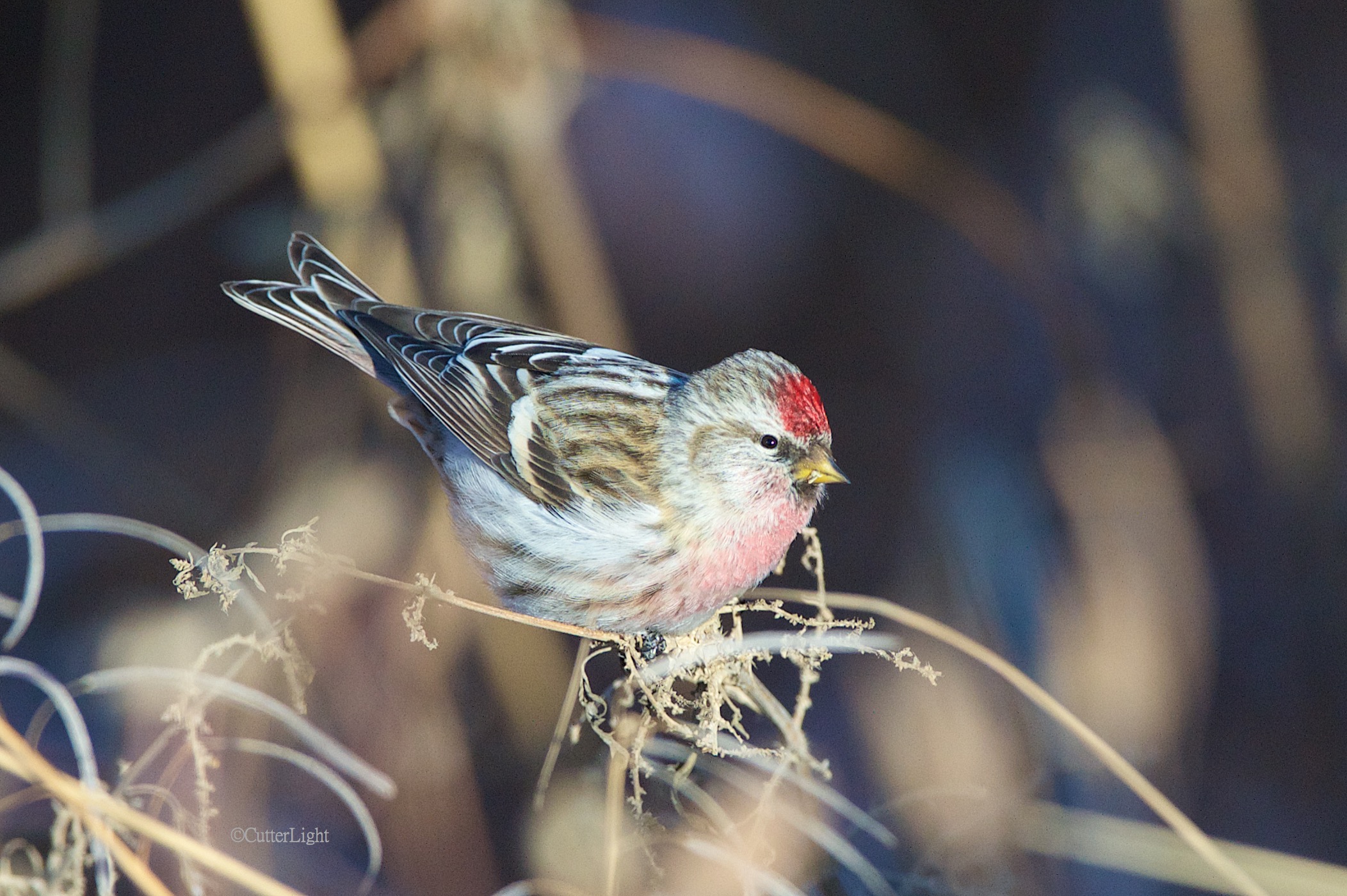
redpole on dark background 2 n

Redpoll, (Acanthis flammea)                                     Mongolian: Дөлөн цэгцүүхэй,

On a December morning with temperatures hovering around -13 degrees Farhenheit (-25 C) we fueled up with bacon and grits and walked from our apartment to the nearby Tuul River to check out the local bird scene.

Ulaanbaatar from frozen tuul n

Mist gently lifts from a patch of open water on Mongolia’s Tuul River. Along the shoreline to the right, frosted willows appear as sprays of white. In the background, dawn arrives on Ulaanbaatar, a rapidly growing city of just over one million inhabitants doing their best to stay warm with the country’s abundant coal. 

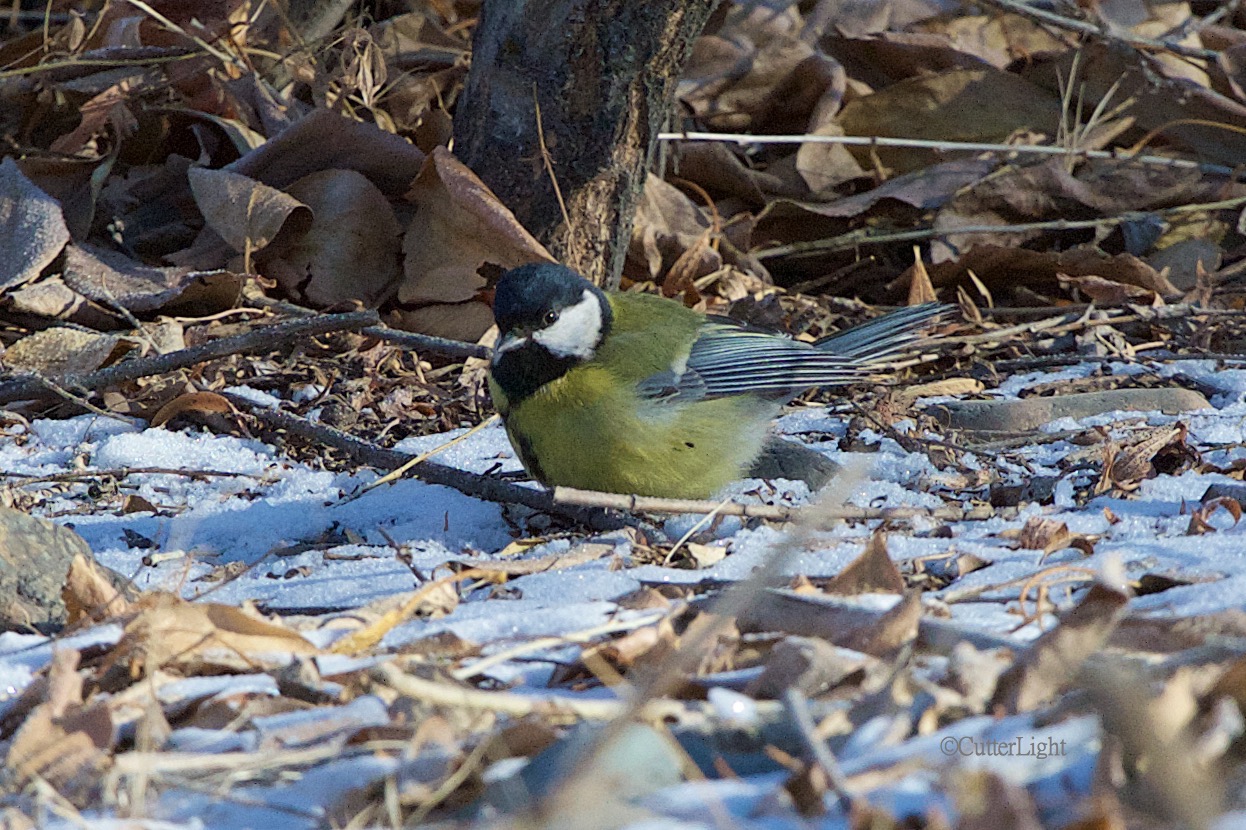
great tit ground n

Great tit, (Parus major)                                               Mongolian: Их хөхбух

Relatives of the familiar chickadees of North America, these are one of the more common and colorful passerines in and around Ulaanbaatar.

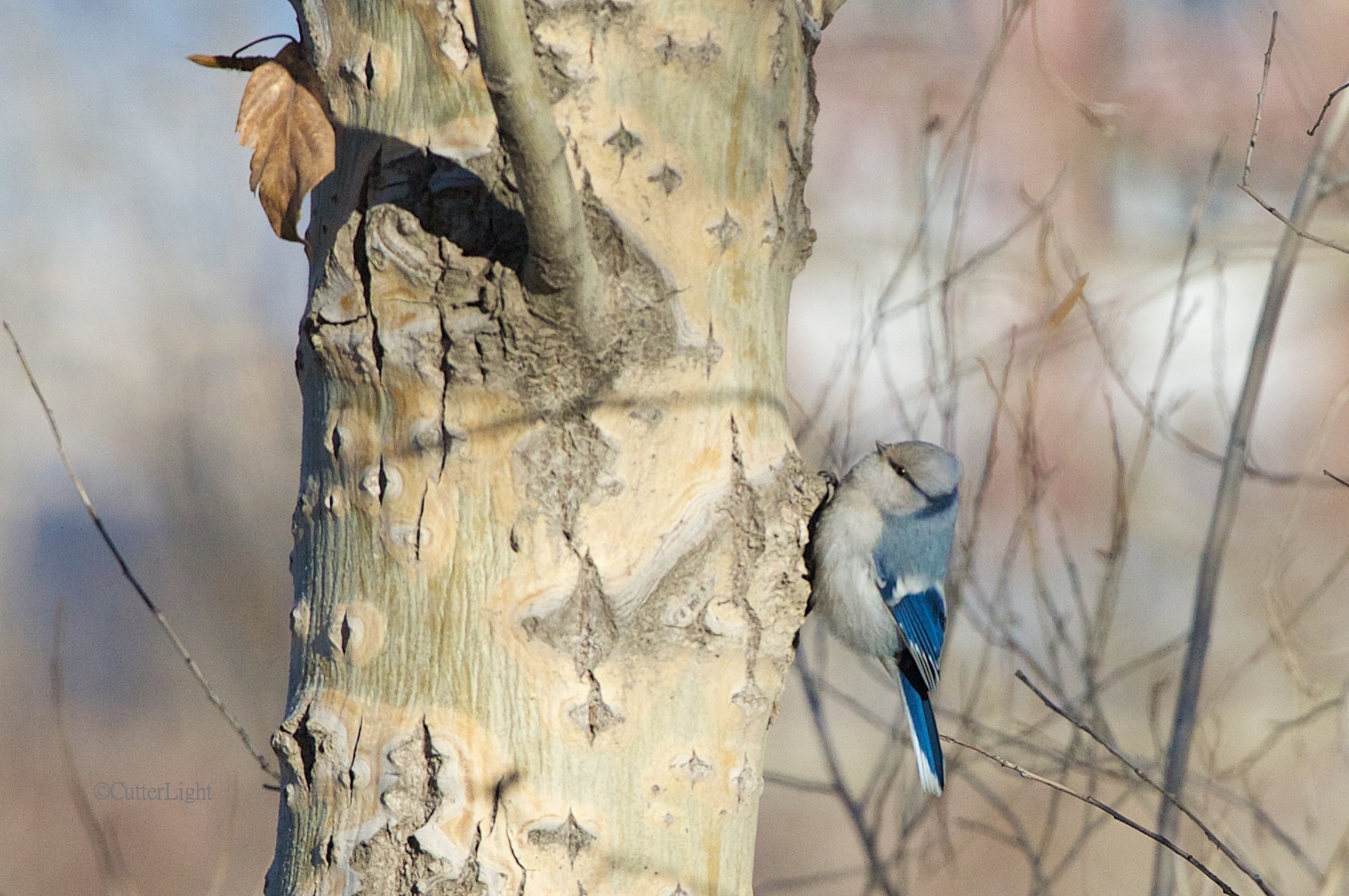
azure tit on tree n

Azure tit, (Parus cyanus)                                               Mongolian: Номин хөхбух

Abundant but more shy than great tits, these beautiful little birds are seldom seen in the city itself, but we saw several during our walk along the Tuul.

penduline tit nest n

We found two of these mitten-shaped nests – the work of white-capped penduline tits, (Remiz coronatus), (Бургасны ураншувуу). Like the buds of the tree it’s hanging from, the nest is dormant. Although the birds who made this nest will not use it again, male penduline tits, which arrive before females in the spring, use abandoned nests as indicators of suitable breeding habitat. Some Mongolians and other Asians hold a belief that these nests have medicinal powers – a belief unsupported by science – and collect them, a practice which has directly resulted in a decline in penduline tit numbers.

eurasian tree sparrow front n

Eurasian tree sparrow, (Passer montanus)                   Mongolian: Хээрийн бор шувуу

Much like pigeons, tree sparrows seem to show up wherever humans live. Presumably these friendly little birds have essentially co-evolved with people. Within the city of Ulaanbaatar they occur in flocks in a variety of habitats. But along the Tuul River, their numbers thin as passerines more adept at thriving without the spoils of humans outcompete them. By the time one crosses the river and enters the forests of Bogd Kahn Mountain, tree sparrows are almost entirely replaced by tits, finches, nuthatches and other birds.

eurasian magpy shimmering n

Eurasian (or common) magpie, (Pica pica)                  Mongolian: Алаг шаазгай

In urban settings magpies are often quite approachable, however the magpies along the Tuul proved wary. We worked to get this photo of a bird puffed up against the cold, a streak of emerald-green shimmering along the length of the tail. Generally scavengers and foragers, the magpie’s hooked beak is a tell-tale sign that it will assume the role of predator given the opportunity.

carrion crows wings n cadis n

Carrion crows, (Corvus corone)                                         Mongolian: Хар хэрээ

We found a group of crows targeting caddisfly larvae in a shallow riffle that hadn’t yet frozen, as is evident by the caddisfly casing in the beak of the bird on the left. The crows were using the edge of the ice to access this bounty. Perhaps they learned this behavior by observing dipper birds, a species that also frequents open water such as this during winter to feed on insects and small fish.

OLYMPUS DIGITAL CAMERA

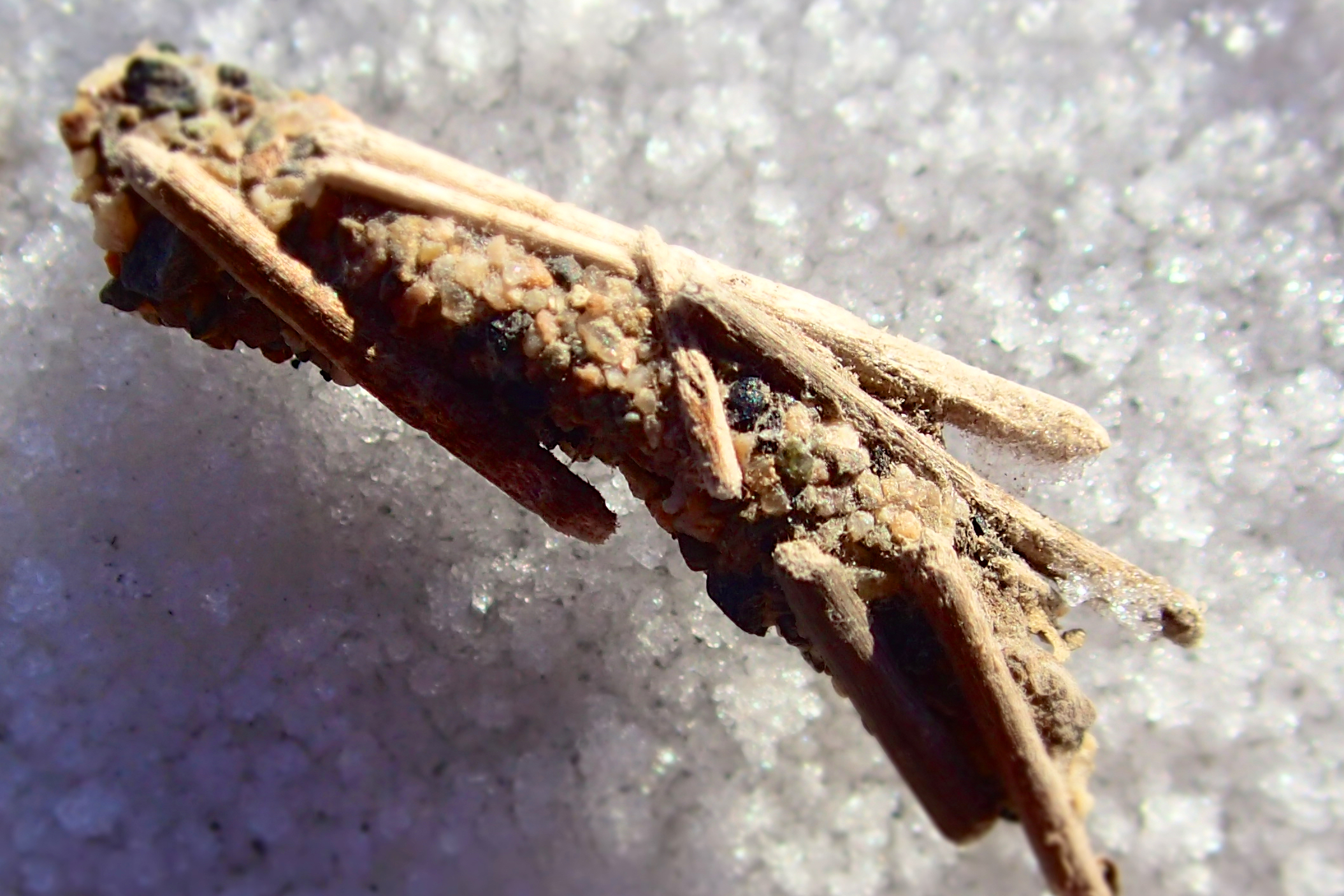
Scattered across the ice near the riffle where the crows were feeding, we found a number of empty caddis larvae casings. The larva that built this home from fragments of wood and tiny pebbles probably belongs to the Northern case maker group, family Limnephilidae. The fact that caddisflies are apparently abundant in this stretch of the Tuul indicates that despite urban development, water quality remains good.

white throated dipper Tuul n

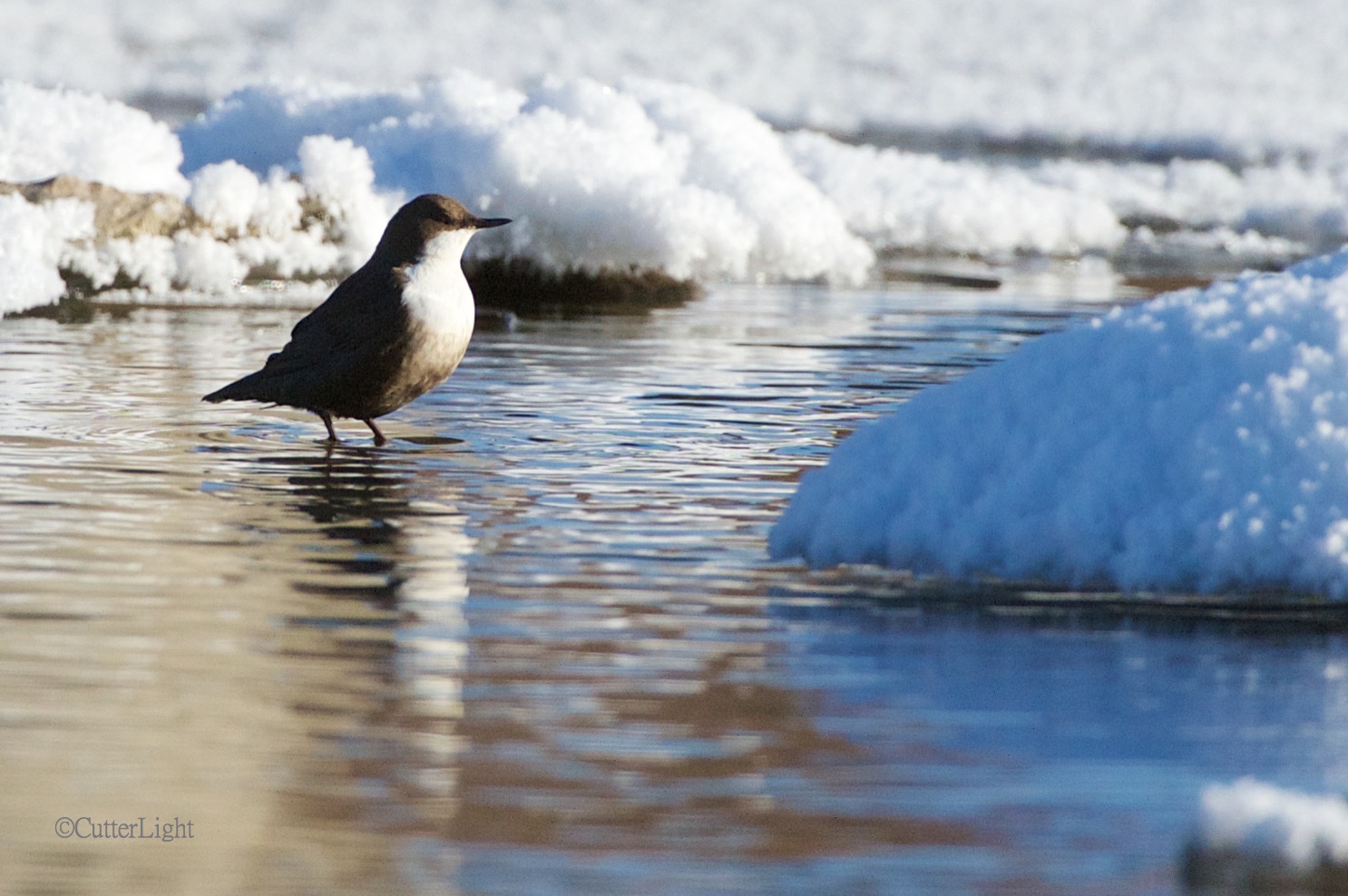
White-throated dipper, (Cinclus cinclus)                  Mongolian: Гялааномруу хараацай,

Bee-like rapid wingbeats and an electric buzzing cry alerted us to the presence of a dipper bird near the same water the crows were using. What threw us was the flash of white as the bird zoomed by; in America and Japan we’d seen only brown dippers. This one disappeared under the icy water and came up with a fairly large minnow. Any day we can check off a new species is a good day.

The mix of willows, poplars, cottonwood and pines along the banks of the Tuul, as well as the river itself, constitute a biologically rich greenbelt in the heart of a rapidly growing city. Here’s to hoping that the citizens of Ulaanbaatar recognize what a treasure this is and insist on its protection.

We invite comments, corrections, discussion and further information from our readers.

Chocolate Orange Pecan Crinkle Christmas Cookies

chocolage orange pecan crinkle cookies n

Who can resist a cookie with a powdery sugar overcoat and dark chocolate peeking out from the crinkles?

When I was young, I would seek out those chocolates the shape of an orange that had to be banged on a table in order to get the slices to come apart – Terry’s Chocolate Orange, I think they were called. The reward? Delicious orange-slice-shaped wedges of chocolate infused with orange flavor. With this holiday favorite in mind, I added essence of orange to my chocolate crinkles. I also put in chopped pecans for another layer of flavor and a little crunch. Voila, a new holiday favorite is created!

Chocolate Orange Pecan Crinkles

Ingredients

  • 1 cup Dutch process cocoa powder
  • 1 1/2 cups granulated sugar
  • 1/2 cup vegetable oil
  • 4 eggs
  • 1 tsp pure vanilla extract
  • 1 tsp orange extract
  • 1/2 tbsp orange zest
  • 2 cups all purpose flour
  • 2 tsp baking powder
  • 1/2 tsp salt
  • 1 cup chopped pecans
  • 1/2 cup confectioner’s sugar

Directions

  1. In a large bowl, whisk together cocoa powder and granulated sugar.
  2. Stir in vegetable oil.
  3. Mix in eggs, one at a time.
  4. Stir in vanilla and orange extracts and zest.
  5. Sift flour, baking powder and salt into the cocoa mixture.
  6. Fold in chopped pecans.
  7. Refrigerate for about 45 minutes so the dough is nice and firm.
  8. Place confectioner’s sugar in a zip top bag.
  9. Preheat oven to 350 degrees F (175 C). Line a baking sheet with parchment paper.
  10. Using a cookie scoop, or a small ice cream scoop, scoop out a dough ball and drop it in the confectioner’s sugar, making sure it is well covered.
  11. Place sugar covered dough balls on parchment-lined baking sheet. Repeat until you’ve filled a baking sheet with 12 cookies.
  12. Bake for 15 minutes. Let cool on baking sheet for a minute before removing to wire rack.

Makes 30 generous cookies.

Smokey Chipotle Meatloaf with Poached Egg on Pan-Fried Beer Bread: Now That’s a Meatloaf Sandwich!

meatloaf sandwich poached egg n

Egg yolk flowing like lava over delicious meatloaf and melted gouda cheese. We haven’t even put the chipotle sauce on yet… 

My grandmother made meatloaf. My mother made the same meatloaf. Ground beef, an egg or two, breadcrumbs, milk, a dash of salt, a few grinds of pepper. Put it in a loaf pan, top it with ketchup, bake it, slice it, serve it with mashed potatoes. Not as tasty as a grilled hamburger… In fact, those meatloaf recipes of the past weren’t as good as a lot of things, and so for many of us this traditional dish has fallen by the wayside.

Time to look at meatloaf in a new way. Think of the following recipe as a foundation to come up with your own twist on this iconic American comfort food.

We served slices of the finished meatloaf on pan-toasted beer bread, one side of which was covered with melted gouda cheese. The poached egg on top – not an idea original to us – was perfect. After five miles of hiking through the city of Ulaanbaatar on a sunny, sub-freezing day in Mongolia, we had little difficulty polishing off these hot, hearty sandwiches.

Smoky Chipotle Meatloaf Sandwich

Ingredients

  • 1/3 pound thick-cut bacon, diced small
  • 1 tbsp olive oil
  • 3/4 cup onion diced fine
  • 3/4 cup yellow or orange bell pepper diced fine
  • 1 large egg
  • 1 cup diced crimini mushrooms (or other fresh mushroom)
  • 1/2 tbsp soy sauce
  • 1/2 tbsp Worcestershire sauce
  • 1/2 tsp powdered chipotle chili pepper
  • 1/2 tsp smoked paprika
  • 1/2 tbsp dry oregano
  • 1 tsp smoked sea salt (or use regular salt)
  • a few grinds black pepper
  • 1 1/2 pounds ground beef
  • 2 cups fresh bread crumbs
  • 2 cups grated mozzarella
  • 1/2 cup milk
  • 1/2 cup chipotle barbecue sauce (see recipe below)

Directions

  1. Grease a 9″ x 5″ loaf pan with butter. You will need a sheet of aluminum foil to cover this pan.
  2. Set oven rack to center position and preheat oven to 350 degrees F (175 C).
  3. In a pan over medium heat, fry bacon until thoroughly cooked but not crisp. Remove bacon and set aside. Save bacon grease in pan.
  4. Over medium heat, add olive oil to bacon grease. Add diced onions and cook for about 1 minute, stirring occasionally. Add diced bell peppers and continue cooking and stirring occasionally till onions turn translucent and bell peppers are soft. Remove onions and bell peppers from pan and set aside to cool.
  5. Place egg in a large bowl. Add soy sauce, Worcestershire sauce, powdered chipotle, paprika, oregano, salt and black pepper. Whisk together.
  6. To the egg mixture, add all remaining ingredients except the barbecue sauce. Gently fold everything together with your hands. Keep in mind that while you do want everything evenly mixed together, the less you handle the ground beef, the better the texture of your baked loaf will be.
  7. Place meat mixture in greased loaf pan, pressing down as you would a hamburger. Slightly indenting the center will result in a finished loaf with a more even top, as the center will rise when baking.
  8. Top the loaf with chipotle barbecue sauce, cover pan with aluminum foil and place in oven.
  9. Bake for 20 minutes. Remove foil and continue baking for 40 minutes.
  10. Remove loaf from oven. Let rest for 10 minutes. Gently flip the loaf out onto a serving platter.
  11. Melt a slice of gouda cheese on pan-fried toast made from rustic bread. Place a slice of meatloaf on the toast with the cheese, slather the other slice of toast with additional chipotle barbecue sauce, place a poached or easy-over egg atop the meatloaf and dig in.

Chipotle Barbecue Sauce

Ingredients (When adding the seasonings, begin with a little and add more to taste.)

  • 6-ounce can tomato paste
  • 1 tbsp Dijon mustard
  • 1 tbsp honey
  • 1 tbsp soy sauce
  • 1 tbsp Worcestershire sauce
  • 2 cloves minced garlic
  • 1/2 tsp smoked sea salt
  • 1 tsp dry oregano
  • 1/2 tsp smoked paprika
  • 1/2 tsp powdered chipotle chili pepper
  • couple grinds black pepper
  • water, as necessary, to achieve desired consistency. The sauce should be fairly thick.

Directions

  1. Combine ingredients in a pot.
  2. Simmer over low heat for about 10 minutes, stirring frequently.

Pan-fried Toast

  1. Place about 1 tbsp of good olive oil in a frying pan for each slice of bread to be toasted.
  2. Over medium heat, bring oil to a soft sizzle.
  3. Reduce heat to medium-low and place the bread slices in the pan and fry for about 2 minutes on each side, until surface is golden and crispy.
  4. For an extra kick of garlic, coat one side of each slice with olive oil and top with minced garlic. Take care not to burn the garlic. This is a family favorite.

Blueberry Crunch Muffins – Betcha Can’t Eat Just One! Makes a Great Cake, Too

blueberry streusel cake n

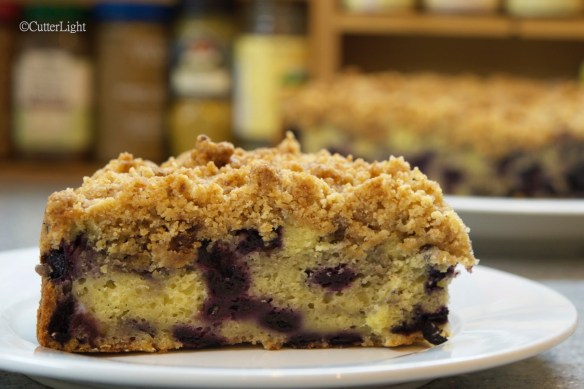
A slice of moist cake stuffed with blueberries and topped with crunchy streusel makes for a great start to any day.

Jack says muffins are cake. Whether you use fresh or frozen blueberries, a batch of these muffins is easy to whip up anytime. They’re a favorite with fried eggs and fresh fruit for a tasty, satisfying brunch. Today, I made the recipe again, but in a 9-inch springform pan for a lovely snack to go with afternoon tea. A warm slice of this cake with a scoop of vanilla bean ice cream would be an indulgent way to end a dinner – and an absolutely wrong way to begin your day!

Streusel-Topped Blueberry Muffins

Ingredients

Muffin dough

  • 1 1/2 cups all-purpose flour
  • 3/4 cup granulated sugar
  • 1/2 tsp salt
  • 2 tsp baking powder
  • 1/3 cup vegetable oil
  • 2 eggs
  • 1/3 cup plain yogurt
  • 1 cup fresh blueberries or thawed frozen blueberries

Streusel Topping

  • 1/2 cup brown sugar
  • 1/3 cup all-purpose flour
  • 1/4 cup unsalted butter, melted
  • 1 1/2 tsp ground cinnamon
  • 1/8 tsp nutmeg

Directions

  1. Preheat oven to 400 degrees F (200 degrees C). Grease muffin tin or line with muffin liners.
  2. Combine 1 1/2 cups flour, 3/4 cup sugar, salt and baking powder in a large bowl.
  3. Mix oil, egg and yogurt in a medium bowl.
  4. Stir oil mixture into flour mixture until just mixed.
  5. Fold in blueberries.
  6. Fill muffin cups right to the top.
  7. Mix together streusel topping ingredients.
  8. Place even amounts of topping on each muffin.
  9. Bake for 20 minutes in a preheated oven. A wooden stick inserted into center of muffin will come out clean when muffins are done.

Makes 12 streusel-topped blueberry muffins.


Oasis in the Southern Gobi: A Camel-Back Trek

Buntings framed by desert wood n

Brown with October’s cold, a gnarled desert tree frames buntings (possibly Jankowski’s) (Emberiza sp.) near our ger in Mongolia’s southern Gobi Desert .

A few miles south of the Khongoryn Els singing dunes marked our southern-most push into the Gobi.

OLYMPUS DIGITAL CAMERA

A herdsman’s goats crowd around a rare source of water. 

black-tailed gazelle against dunes n

While driving, we encountered a species of gazelle that was new to us – black-tailed gazelle (Gazella subgutturosa).

black-tailed gazelle n

The black-tails proved to be every bit as skittish as the Mongolian gazelle we’d been seeing throughout the trip. 

After driving through an expanse of mostly sand and rock, we came into an area of small trees, shrubs and tall grasses, evidence of water close to the desert’s surface. The family gers there would be our camp for the next two nights. With water available, one of our first orders of business was good hair shampooings all around. This was to be the closest thing to a shower we had during our eight-day trek, and it was decidedly refreshing.

OLYMPUS DIGITAL CAMERA

Jimi Carter and I lug water cans to our ger for impromptu hair washing. The effects of the mini-shower were immediately spirit lifting. 

gerbil in s gobi

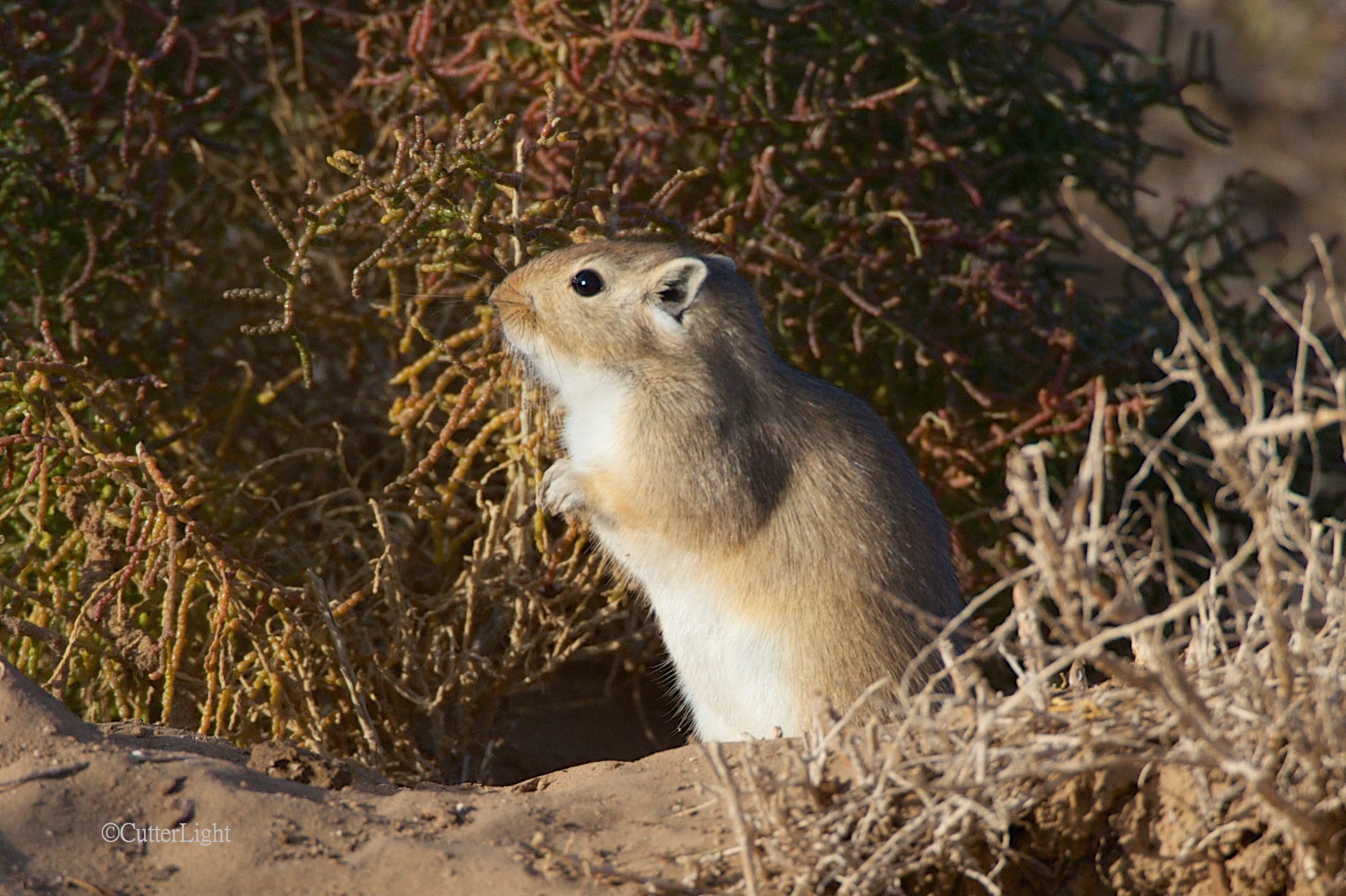
There was a large gerbil warren not far from our camp – and signs that a fox had recently visited it. 

OLYMPUS DIGITAL CAMERA

For dinner, the appetizers featured steaming bowls of temeni suute tsai (suu – te – tsay) – camel milk tea, fried bread and camel milk aarts. Aarts is similar to sweet, mild cream cheese. It was absolutely delicious, and we had to remind ourselves to save room for the main course – goat with a variety of goat meat sausages. 

sunset south gobi

The sunset that night was, as usual, spectacular. 

OLYMPUS DIGITAL CAMERA

This was the most spacious and ornately decorated ger we stayed in. Note the bag of aarts – camel milk cream cheese – on the right wall. After breakfast, our host rounded up several camels for our trek to a set of dunes about three miles from the ger. 

OLYMPUS DIGITAL CAMERA

Decked out in a traditional dell, our driver, Nimka, (foreground) and our host were ready to mount up and lead the way to the dunes.

cinereous n

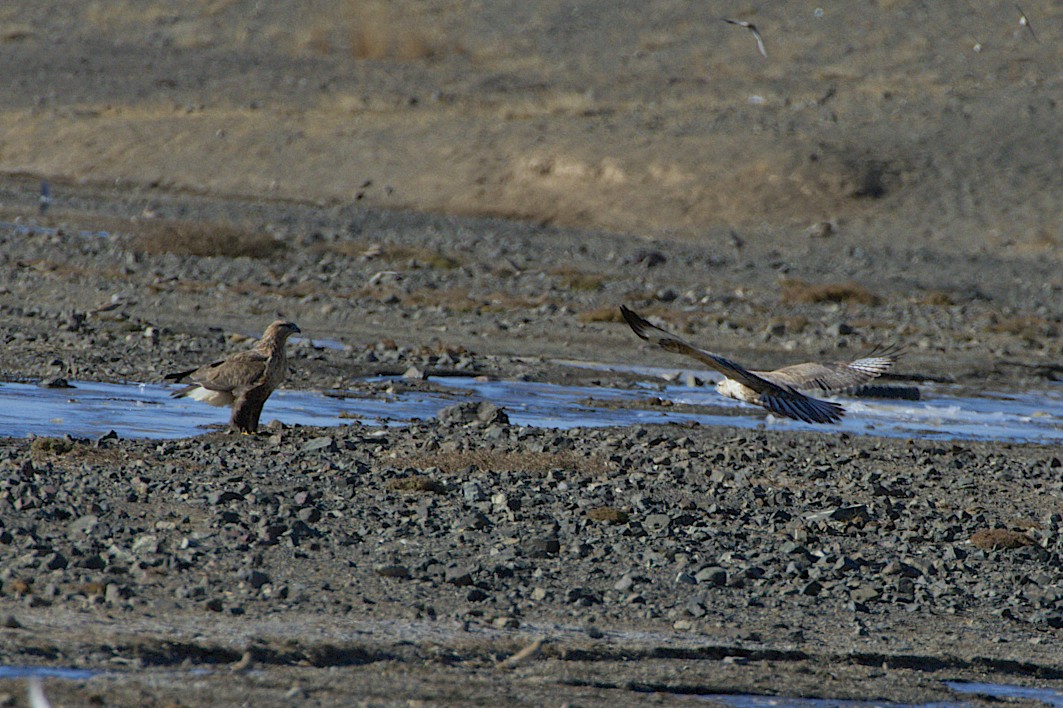
Raptors use the dunes as perches and hunting grounds. Here a cinereous vulture (Aegypius monachus) executes a take-off… 

common buzzard n

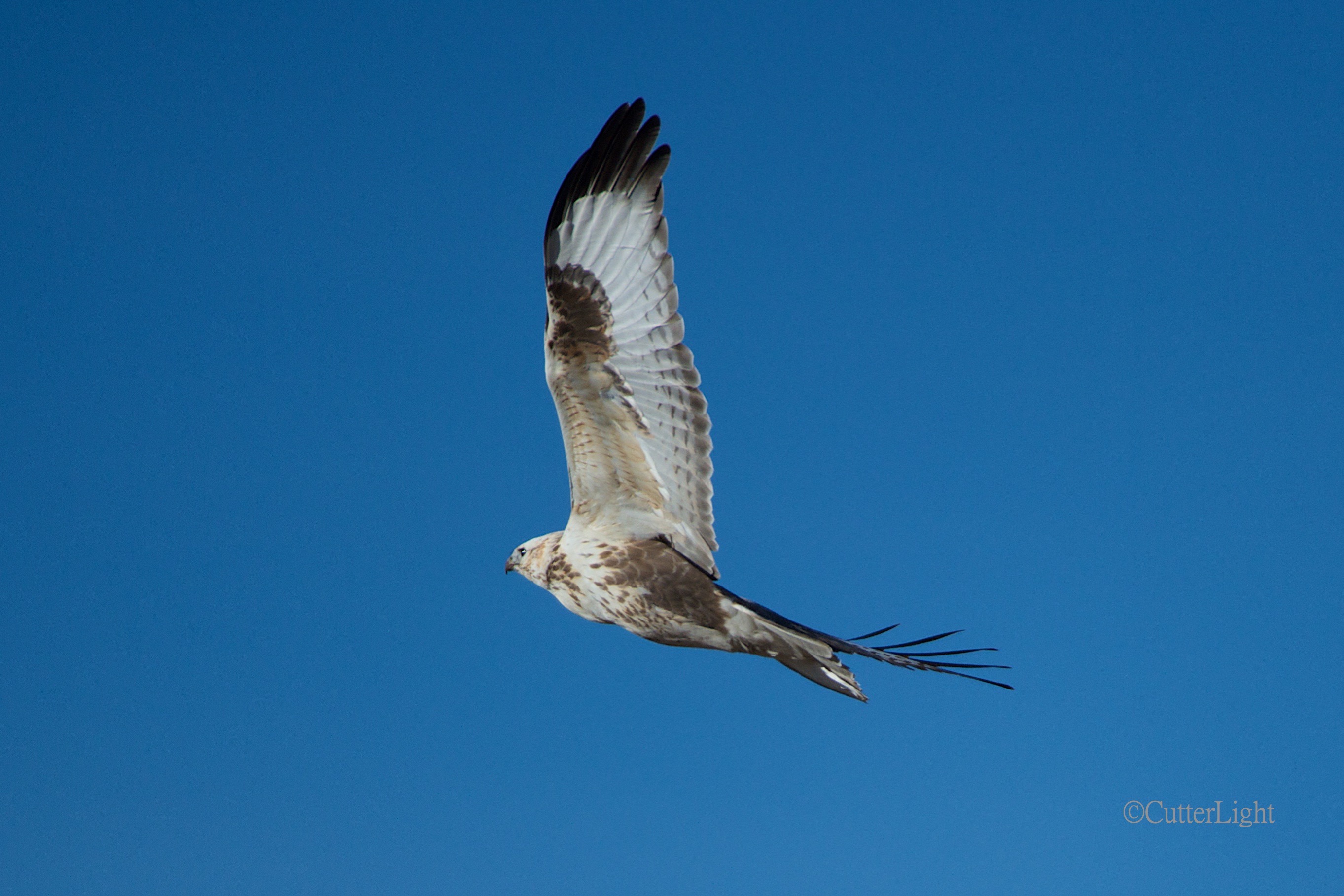
…and a common buzzard (Buteo buteo) soars above the landscape scanning for prey.

OLYMPUS DIGITAL CAMERA

Evidence of a successful hunt. The porcupine-like quills are those of a hedgehog. We found several of these pellets along the ridge of the dune. Birds of prey regurgitate the undigested parts of the birds and mammals they dine on.

OLYMPUS DIGITAL CAMERA

Camels tethered below, we ascended a fairly steep dune where we’d seen raptors perched. Although we never did encounter a fox, once again their tracks were present, along with those of hares. 

OLYMPUS DIGITAL CAMERA

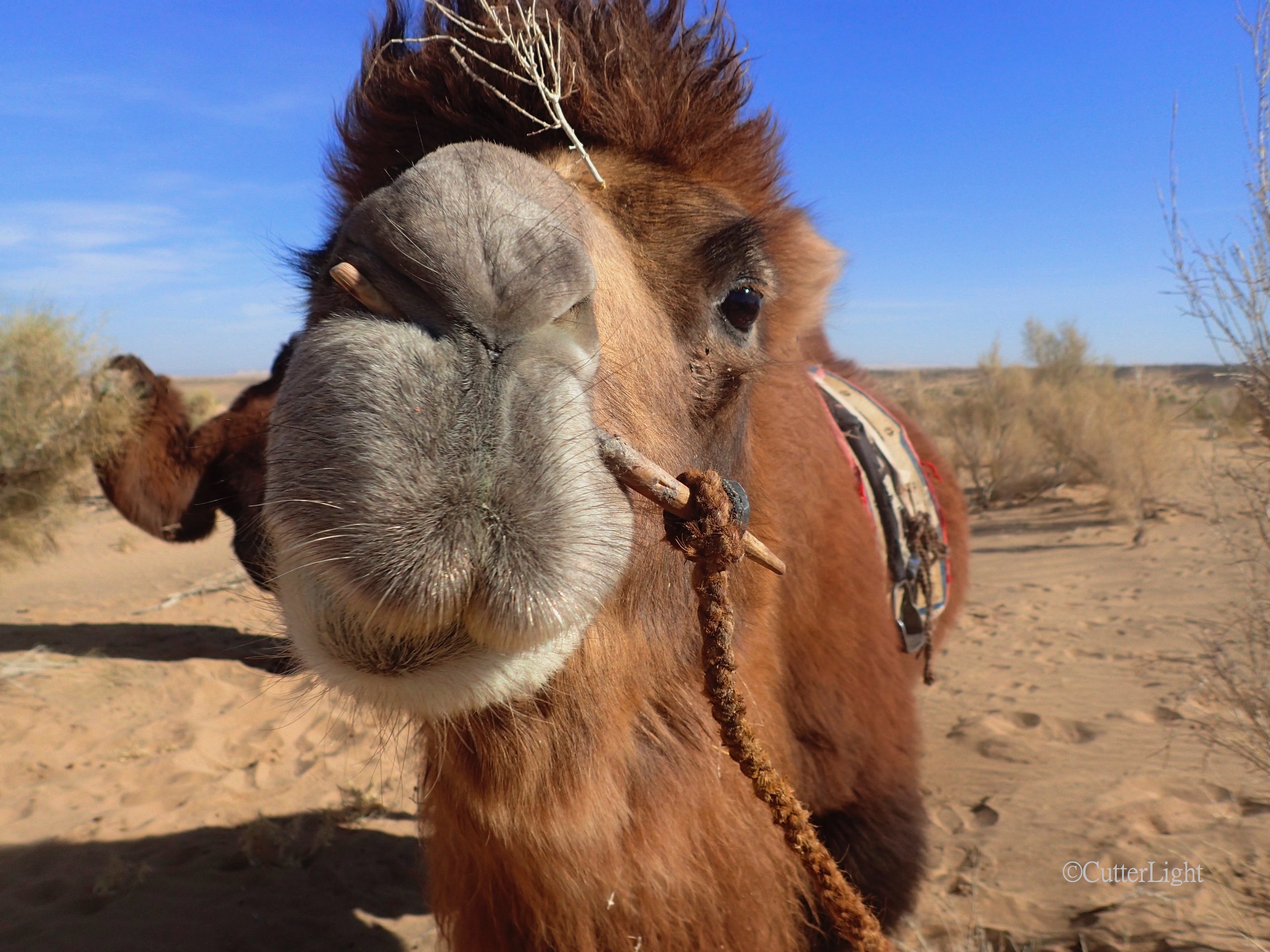
We named our camels for the trek. Here Barbra’s camel, Timmy, hams it up for the camera. (The Mongolian word for camel is teme – hence Timmy the teme.)

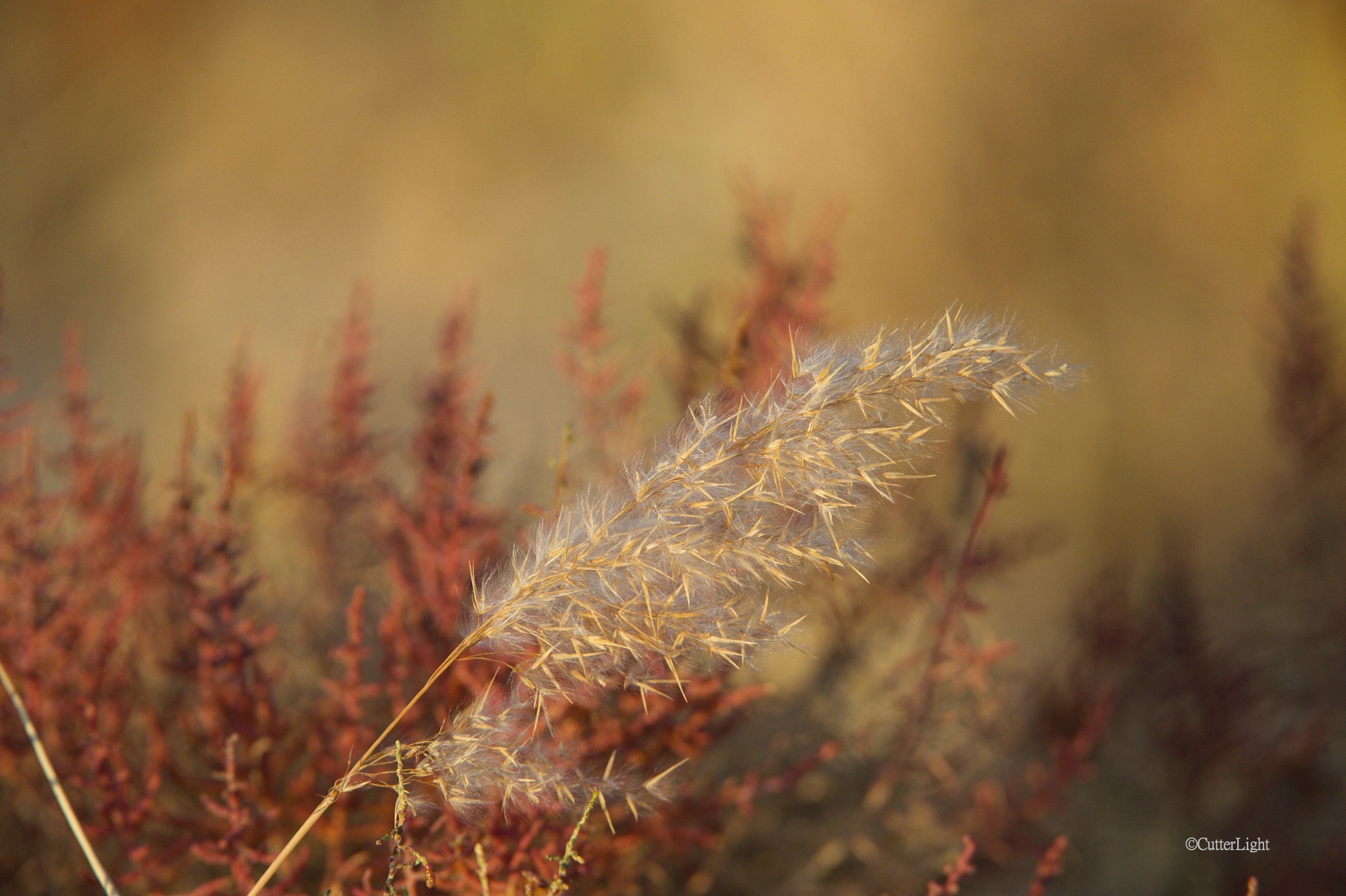
Below: Surprisingly lush growths of various seed producing grasses provide forage for the abundant bird and rodent populations, which in turn provide prey for foxes, wolves and the Gobi’s numerous raptors.

wheat grass wild n

red grass on wheat n

backlit seed head n

buntings 2 n

In addition to the many buntings and sparrows around this oasis ger, there were times in the early morning when thousands of doves filled the skies. 


Climbing Khongoryn Els: The Gobi Desert’s Singing Dunes

dunes big with human n

Towering nearly 200 meters high, Mongolia’s Khongoryn Els are among approximately 30 “singing dunes” worldwide. Precise balances of humidity, silicon content and sand grain size and shape must be perfect to achieve the deeply vibrating hum these dunes produce. Click any photo to enlarge. 

With each step up the steep slope of the dunes, we simultaneously gained and lost elevation, slipping back with the shifting sand. Although the mid-October day was cool, we were stripped down to jeans and shirts, and would have been more comfortable in shorts. By the midway point, we were drenched with sweat. And that’s about when we began to notice it – an unmistakable vibration that began in our feet and traveled through our leg bones up through our hips accompanied by a low, resonate hum. The sound was audible – sort of like monks chanting “ohmmmmmm” from somewhere deep in their throats.

sculpted dunes 1 n

Wind sculpted sand has fascinated humans for millennia. Views like this were our reward for hiking to the top of the dunes.

barbra climbing dunes n

Water bottle in tow, Barbra takes a breather halfway up the tallest dune. Livestock look like mere dots on the shores of the distant shallow lake. The water is a morning gathering place for doves in the thousands… perhaps tens of thousands.

OLYMPUS DIGITAL CAMERA

The top of the dunes felt like the top of the world –  the perfect place to make sand angels. 

sea of dunes n

Although much of the Gobi Desert is rocky and wet enough to support plant life, the area of the singing dunes is an ocean of ever-shifting sand. See Yolyn Am Canyon: Wildlife Safari amidst Remnants of the Gobi’s last Glacier and The Gobi Desert’s Valley of the Lammergeier.

dunes sculpted contrast n

Dusk was closing in by the time we descended the Khongoryn Els, creating dramatic contrasts along the dunes’ curving edges. 

One of the funnest runs of our lives was racing down the dunes barefoot – a 200 meter decent, big strides landing in soft, cool sand, only slightly tilted away from vertical.


The Gobi Desert’s Valley of the Lammergeier

ibex bull w cow n

On our second day in the Yolyn Am Canyon in mid-October, we encountered more ibex such as this handsome billy. The sheer number of raptors was astounding.

russian van tight squeeze n

Out trusty Russian van slipped through a seemingly impossible passage. Here and there, falcon, hawk and eagle’s nests were perched on ledges along the craggy, vertical walls.

Saker falcon n

A saker falcon stretches his wings during a morning of hunting. 

rough legged hawk wheatears

Small birds and mammals abound in the canyon, providing ample forage for raptors and other predators. On this morning, swarms of wheatears seemed oblivious to this rough-legged hawk, which was probably hoping to score one of the canyon’s many small mammals.

shy pica

This shy pica had good reason to be on high alert. 

rough legged hawk pair

Probably a mated pair, these rough-legged hawks were hunting along a spring creek.

young & female ibex yolyn am 2 n

During our two-day journey on foot and by van through the canyon, we saw over 20 ibex.

bull ibex walking downslope n

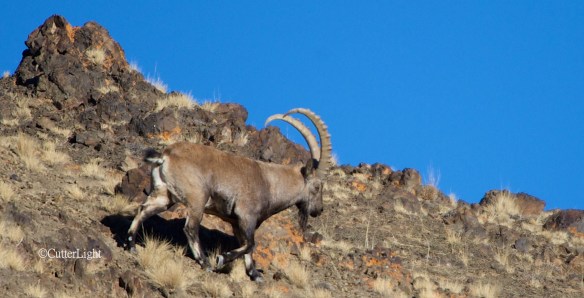
Bearded, muscular and with iron-like knobbed horns silhouetted against a blue Mongolian sky, this billy cast a baleful eye on us as he calmly passed by.

lammergeier disapper rocks

The shape of the tail and the gold under the chin make it easy to identify this as the Yolyn Am’s eponymous bird – a lammergeier, also known as a bearded vulture. They kept their distance. We have equally blurry shots of the canyon’s golden eagles. 

OLYMPUS DIGITAL CAMERA

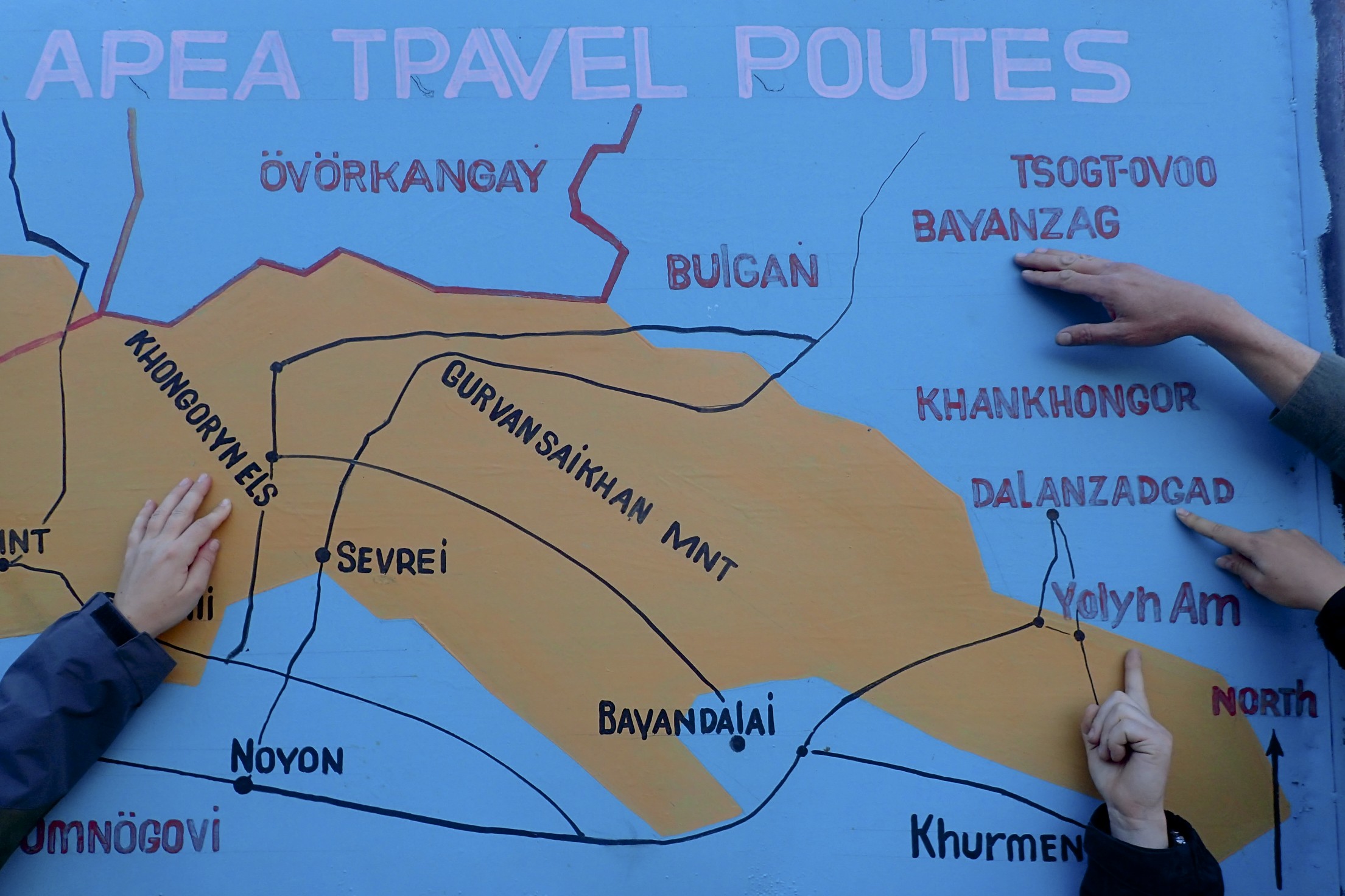
Three-hundred fifty miles (560 km) south of Ulaanbaatar, the Gobi Desert is wild and remote yet accessible. (In Mongolian cyrillic, the   “P’s” are pronounced as “R’s” in English.)

Coming next: The famous Singing Dunes – an Ocean of Sand

Yolyn Am Canyon, Mongolia: Wildlife Safari amidst Remnants of the Gobi Desert’s Last Glacier

ibex bull disappearing n

When this magnificent male Siberian ibex turned his back to us and disappeared, our hearts sank. But moments later, he reemerged for a second photo op. His group of females, young males and yearlings was tucked away up a narrow arm of Mongolia’s remote Yolyn Am Canyon.

ovoo Yolin Am Canyon n

Ovoos – sacred mounds of stones and other objects – are common throughout Mongolia. This one is a testament to the special place Yolyn Am Canyon holds in the hearts of the Mongolian people. Translated as “The Valley of the Lammergeiers” (a raptor also known as bearded vultures), the canyon is home to abundant wildlife, some of it rare.

On the evening of day four of our tour from Ulaanbaatar through the Gobi Desert, we stayed in a ger on the outskirts of Mongolia’s Yolyn Am Canyon. Situated at elevation in a narrow valley surrounded by jagged peaks, sunlight only briefly reaches the canyon’s floor each day. Until recent times, ice remained in the valley throughout the year, which made Yolyn Am the Gobi’s last glacier. In recent years, the ice is gone by August or September. By the time of our visit in mid-October, however, ice had returned to the spring creek that flows through the valley’s shadows.

chaffinch n

It is the universal story across our planet: Where there is water, there is life. The spring creek emerging from the stone mountains of Yolyn Am are an oasis sought out by diminutive passerines such as this chaffinch (Fringilla sp) as well as charismatic megafauna such as the park’s argali bighorn sheep and Siberian ibex.

chaffinch bathing n

Fringed with October ice even in the sunny portions of the canyon, this water makes for a chilly bath.

pica fight 2 n

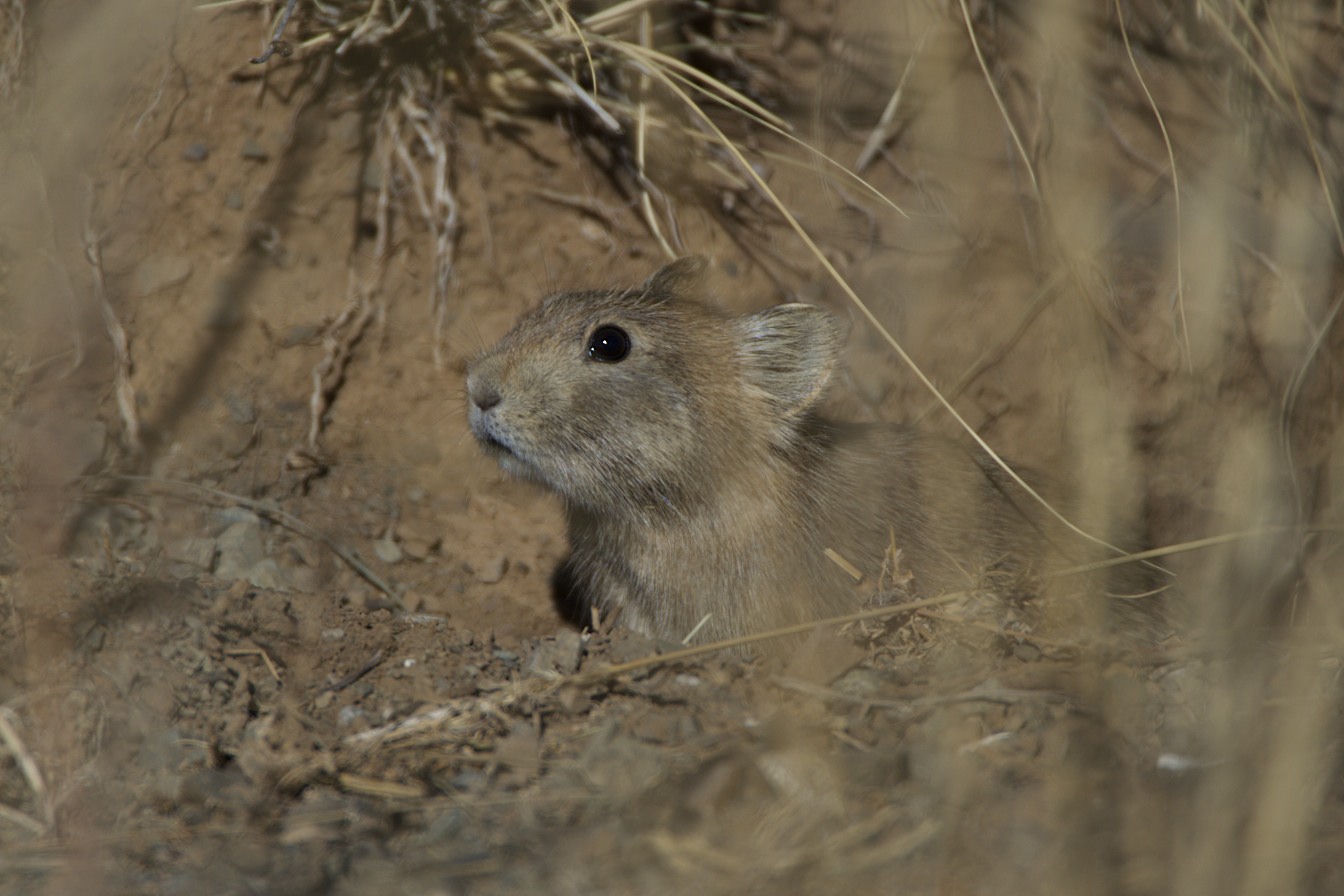
Dense populations of Daurian pika (Ochotona dauurica) and other rodents sometimes lead to disputes. With winter’s icy lock looming, it is critical that each pika lay claim to a food source and stock up enough grass and seed to get them through the coming dark and cold. When stakes are high, these relatives of rabbits go at it with teeth bared and kicks flying.

Pika vanquished n

Ears back and chin down, the vanquished rival retreats to his burrow.

Walking through the narrow canyon in late morning light, we found ourselves surrounded by innumerable pikas, gerbils, wheatears, horned larks, buntings and other passerines. The abundance of wildlife was a revelation, and for me, an avid birder, it was hard to take my eyes of the creek bank and sunny glades where most of the action was going on.

And then magic happened.

“Jack!” one or our party exclaimed. “Ibex!” I followed the line of his index finger to a far off ridge where, unmistakably silhouetted against a famously blue Mongolian sky stood a beautiful example of a mature male Siberian Ibex. In such flawless relief against the sky and perfectly still, it looked like a statue. Far off in the distance, it was staring directly at us and no doubt had been for some time.

I crouched low and began pacing myself toward it. Forty strides, stop, shoot. Forty strides, stop, shoot. Along the way I passed up the very shot of red-billed choughs (Pyrrhocorax pyrrhocorax brachipus)  – a crow-like bird with a distinctive bright red bill and matching legs – I’d been hoping to get on this trip. I kept closing ground on the ibex, and although still well out of range, I reasoned that with every set of 20 paces I might be getting slightly better shots.

And then I looked down to where my left foot was about to fall near the edge of the creek and saw something I hadn’t even considered would be a possibility on this cool October morning…

Halys pit viper n

Which of us more surprised the other is impossible to say. For a brief moment, I considered stopping to reposition this 22 inch (55 cm)  snake, or to at least get a better photographic angle on him. But the ibex… Ironically, it turns out that seeing a Halys pit viper (Gloydius halys) is more unusual than seeing an ibex. On the other hand, as the name “pit viper” suggests, it’s just as well I didn’t mess around with this guy. Besides, on this cold day in a land where raptors are abundant, it was in the snake’s best interest that I left him alone.

ibex bull 2nd look n

This was a thrill. The ibex was still far off and way up, but he couldn’t have been any more beautifully silhouetted against the October sky atop this classic, jagged ridge. And then he disappeared for the last time. When I turned around to find Barbra and our group, they were pointing up a narrow canyon arm I’d just passed. The arm was on the other side of the ridge over which the male had disappeared, so I suspected this is where the rest of his group might be. The chase was on!

Somewhere between walking and running, I began scrambling as fast as I could up a wild side canyon. For one short stretch where a feeder spring tumbled over a mossy rock face, the ascent was almost vertical and I struggled between the camera gear I was carrying and finding hand-holds. But once I got up on the bench, there they were. Six, no, eight… maybe a dozen ibex represented by young males with their horns just beginning to gain weight and curl, females, younger animals and kids. They were watching me, but they had the high ground and I was on the opposite side of the canyon. They didn’t seem particularly nervous, so I continued scrambling, breaking a trail as I climbed.

young ibex looking at me n

With sturdy legs and heavily muscled bodies, the wild goats are stunning. 

As I stepped through the low undergrowth, I suddenly recognized an unmistakable smell. Wild juniper. I reluctantly took my eyes off the ibex and looked down to see a vast carpet of berried shrubs blanketing the side of the canyon I was climbing. Still making my way to higher ground and watching the animals on the opposite canyon wall, I found myself almost instinctively thinking, “This would be the perfect place for…”

At that very moment the ground around my feet exploded in a wind-rush thrum of blurred wings. Chukar!

chukar w lichen rock n

Shooting in manual, I was spinning dials like mad on my camera to adjust from the sunny slopes on the opposite canyon wall where the ibex were to the shade where this hen chukar was kind enough to pose on a lichen-stained rock complimenting her colors. The rest of the covey – her brood, I’m guessing – kited off to the opposite canyon wall and began calling each other back together. 

white-winged snow finch im back n

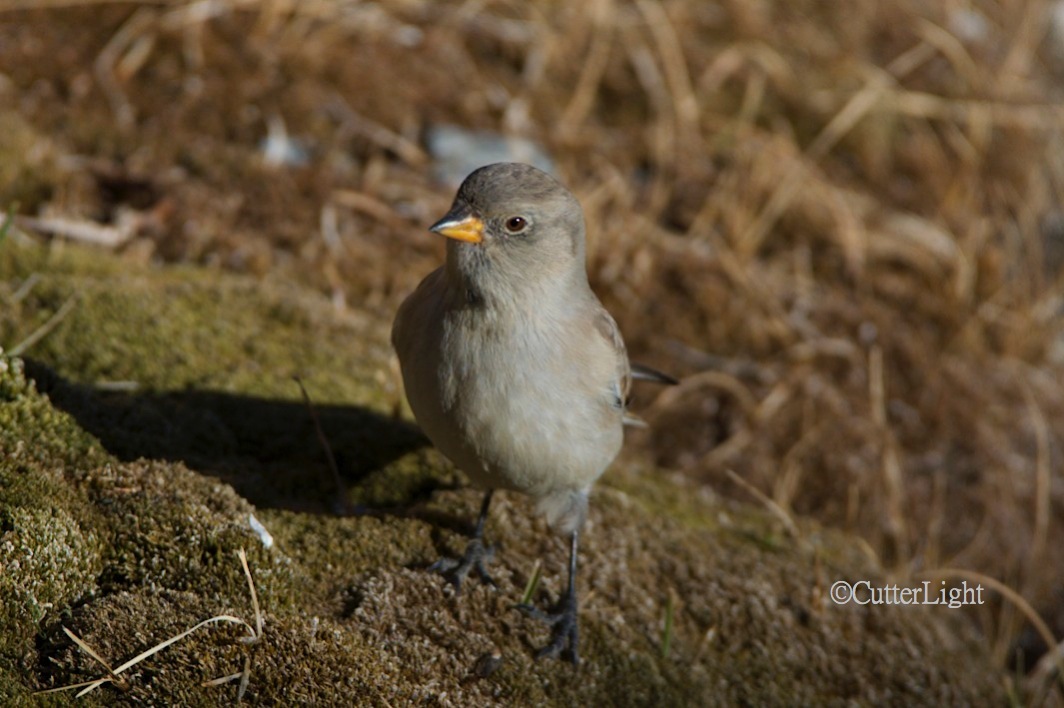
It seems that everywhere we looked that day, wildlife was abundant and cooperative. This young white-winged snow bunting (Montifringilla nivalis) insistently remained underfoot till I snapped a few shots.

white-winged snow finch im n

Our day-hike through Yolyn Am ended with shadows and cold crowding us out of the canyon, and though we could have walked further, we began to reckon that a warm ger and a hot meal sounded pretty good.

frozen water Yolin Am Canyon n

Ice – the great aquifer of arid highlands. It is this frozen water, slowly melting through the summer, that keeps the Yolyn Am Canyon wet and fecund. We couldn’t help but wonder what changes are in store for this magical place as the planet continues to warm.

red-billed choughs sunset n

A flock of red-billed choughs gathers in the canyon’s last light before flying to their roosts.

Next: Further South in the Yolyn Am Canyon – more ibex, gerbils, a lammergeier, rough-legged hawks, and a rare saker falcon in “The Valley of the Lammergeiers.”

Secrets for Fluffier Country Butter Biscuits

buttery biscuits n

Hot from the oven, these beautiful country-style biscuits have a down-home balance of crunchy peaks and crannies and buttery fluffiness. They’ll disappear faster than you can say “Breakfast is served!”

There are two tricks to fluffy biscuits. The first is use frozen butter. I use a cheese grater to add it to the dough while it’s still frozen. The grated butter pieces are just the right size to stir into the flour for even distribution. As the biscuits bake, buttery pockets are created and the steam released causes the dough to rise and become flaky.

The other trick is to tear the dough into biscuits instead of cutting it. Alternatively, you can use a cookie scoop to create the biscuits. Both methods produce fluffier biscuits than laying out the dough and cutting it. A traditional method of making biscuits is to use a water glass to cut them. Don’t. The glass seals the dough edges which inhibits the dough’s ability to rise. Tearing the dough is quick and allows for minimal handling. The edges of the ripped biscuits bake up into satisfyingly crunchy peaks and crannies.

Rustic Fluffy Butter Biscuits

Ingredients

  • 2 cups all purpose flour
  • 1 tbsp baking powder
  • 1 tsp salt
  • 1 tbsp granulated sugar
  • 1/3 cup unsalted butter, frozen
  • 1 cup whole milk

Directions

  1. Preheat oven to 425 degrees F (220 degrees C). Cover baking sheet with parchment paper and set aside.
  2. In a large bowl, whisk together the flour, baking powder, salt, and sugar.
  3. Grate frozen butter into flour mixture using a cheese grater with large holes.
  4. Stir butter into flour mixture until it is evenly mixed.
  5. Gradually stir in milk until dough just pulls away from the side of the bowl. Do not overstir.
  6. Turn dough out onto a floured surface and knead until dough sticks together. It will be craggy looking.
  7. Pull off pieces sized to your liking and gently flatten them to about 1 inch thick.
  8. Place pieces on baking sheet.
  9. Bake for 11 – 13 minutes. Edges will be golden brown when done.
  10. Let cool slightly before serving. Serve warm or room temperature.

As buttery as these are, Jack still slathers them with butter and adds honey. I like them “as is” unless we have a favorite homemade jam on hand.