The Damp Times: The News on Home Brewing in Chignik Lake

beer-first-n

With no place to pick up a case of beer for our Octoberfest sausage (grilling in the background), we decided to have a go at brewing our own. The results? A pilsner as light and crisp as the autumn weather we enjoyed today here in Chignik Lake.

Nothing compliments fried oyster po’ boys, grilled sausages with caramelized onions, deep fried rockfish or the end of a good run like a crisp, cold lager or ale. Living in a “damp” village where alcohol is permitted but not sold, we added “learn to make beer” to our list of culinary goals for this year.

For us, a kit was the way to go. The one we ordered came with a can of wort – the thick, molasses-like mixture that is the base of beer -, bottles, and everything else we needed. Total brewing time was about six weeks.

beer-first-w-grill-n

And the results… Well, take a look! We’ve already got our next brew going. Looks like it’s time to purchase proper beer glasses!

Beading the Dolly Varden… And how Did they get that name?

OLYMPUS DIGITAL CAMERA

Spawning salmon attract opportunistic Dolly Varden char looking for easy pickin’s of fresh roe. It’s the perfect opportunity to grab a fly-rod, a handful of beads and hit the water. 

Chignik Lake’s main road begins at the dirt airstrip on the west side of the village and terminates at the riverside boat landing to the east. The 3.3 miles in-between, often marked with clumps of bear scat, moose tracks and even wolf prints, runs past a tiny post office on the ground floor of the postmaster’s home and a clinic only occasionally manned by itinerate healthcare providers who fly in from other villages. Along the way, the mostly dirt road winds past a school with a total enrollment of 19 students, a tiny Greek Orthodox church, a community center and a sparse collection of houses that are home to the village’s 50 or so inhabitants. Patches of salmonberries, alders and fireweed edge most of the road, which at one point crosses a crystalline stream that fills up with spawning char each fall.

The only practical ways in and out of the village are by bush plane or boat. And so, when a friend told us he’d be flying into the sister village of Chignik Bay and suggested we come down for some fishing, we needed to hitch a ride on someone’s skiff in order to make the 16-mile run down the Chignik River, through Chignik Lagoon, around the headlands and into Chignik Bay. Fortunately this didn’t present a problem, as we’re virtually the only two people in the village who don’t have an aluminum Lund v-hull with an outboard motor – the Chignik Lake version of a pickup truck

OLYMPUS DIGITAL CAMERA

Chignik resident Clinton Boskofsky runs his 18’ aluminum skiff down the Chignik River on a sunshine-filled day in early fall.

A few bald eagles eyed us cooly from bank-side perches as the skiff bounced down the remote river toward the Alaska Gulf. Two weeks ago on this same river I’d seen a handful of bears drawn by thousands of sockeye salmon teaming in the shallows, their bodies crimson red, heads moss green. But today salmon were scarce and the bears had moved up into the feeder streams where the fish were still spawning. 

Gradually, the brisk fall air took on a familiar briny scent as we approached the lagoon. The bones of an old gillnetter fishing boat rested along the southern shoreline and an abandoned cannery came into view on the opposite side, vestiges of a not-so-distant past.

old-wooden-fishing-boat-n

“Love this smell!” Barbra called out over the steady hum of the outboard.

“Tide’s out a little, flat calm. No bears I guess, but it’s a good day to see otters!” I called back.

Sure enough, as we broke into open water, a raft of sea otters popped up their heads to give us a curious look.

sea-otter-mother-n-baby-n

Puffins, kittiwakes, murres, gulls, cormorants, auklets and leaping salmon were also in the mix of wildlife as we hung a right, arced around the headlands and cruised into Chignik Bay. Surrounded by a semi-circle of mountains, the evening light over the village was fading fast. As the bow of the skiff nosed into the gravel beach with a metallic crunch, our friend Jerry walked down to greet us.

“Any fish up in the creek?” I asked him.

“I dunno,” he replied. “I just got here myself. Haven’t been up to look yet. I guess we’ll find out tomorrow morning.”

Work in Mongolia having pulled us away from our adopted state for the past two years, it had been awhile since we’d last seen our old friend. With lots of drinking… er… catching up to do, we ended up getting a late start the next day. Fortunately, it wouldn’t matter. If salmon were in the stream the Dollies would be close behind, sucking up any loose eggs that failed to get buried in the spawning redds. The char wouldn’t be fussy as long as we showed them beads approximating the size and color of the roe they were feeding on. 

Shortly after lunch the next day, the three of us were standing on a bridge at the edge of Chignik Bay village overlooking Indian Creek’s pellucid waters. A month ago, this very stretch of the stream had been thick with spawning pink salmon. That run was over. With and without polarized sunglasses, we strained our eyes hoping to catch a tell-tale flash or shadow below the rippled surface.

“There’s a salmon!” I looked to see where Jerry was pointing.

“Oh, yeah!” Barbra exclaimed. “There’s a few!”

Mildly irritated that I still hadn’t found the fish, I narrowed my eyes and kept looking. Gradually, almost magically, some of the multi-colored stream bed rocks I’d been staring at began to reveal themselves as animate objects, little light-gray torpedoes casting faint shadows. Pinks. Looking more closely, other, smaller shapes subtly shifting in the current materialized. Dollies.

OLYMPUS DIGITAL CAMERA

Colored rocks below a rippled surface paint a mosaic on Indian Creek.

Each of us rigged up with a standard 9’ leader terminating in a 5x tippet, threaded on an egg-sized bead somewhere in the orangish-red spectrum, tied on a small black hook, pinched down the barb and affixed a hot pink, fingernail-sized strike indicator a few feet above the egg. A translucent silicon stopper inserted into the bead would allow us to keep the egg in place a couple of inches above the hook.

Fishing beads is fairly straightforward. When salmon spawn, the female uses her caudal fin – her tail – to dig out a depression in the stream’s gravel bed. This nest is called a redd. As she deposits her eggs, a male releases milt. The female then moves upstream and again uses her tail to push gravel over the fertilized eggs. Thus buried, the eggs will remain well oxygenated and safe from predators until they hatch in the coming months.

OLYMPUS DIGITAL CAMERA

Male Dolly Varden in brilliant fall spawning colors. Note the orange bead “egg” just below its jaws. In a few hours of fishing covering two days, the three of us caught dozens and dozens of char from 10 to 19 inches. We kept 10 fish for the kitchen – a few small fish to charcoal grill whole and three larger fish for other recipes. (See Rustic Char and Dolly Varden Shioyaki.)

But there are invariably eggs that drift out of the redd before they can be buried. Mergansers, gulls, sculpins, trout, char and ravens are among a host of opportunists that seek out these loose eggs. On Indian Creek we encountered American dippers, a fascinating songbird able to hop into a stream and walk along the bottom, availing themselves of drifting roe.

OLYMPUS DIGITAL CAMERA

Dollies are fall spawners and the abdomen of this beautifully-marked female is swelled with her own eggs.

The objective is to present the bead so that it gently bounces along the bottom as a natural egg would. A cast straight upstream or quartering upstream is generally most effective. When a char intercepts the bead, the strike indicator floating with the current will hesitate. With a small, sharp, barbless hook, simply lifting the rod while tightening the line is sufficient to achieve a hookup.

OLYMPUS DIGITAL CAMERA

This male Indian Creek Dolly Varden was stuffed to the gills with fresh salmon roe. Note the red dot on the egg closest to the Dolly; it indicates that the egg has been fertilized.

The next morning, with a few hours to spare before our boat ride was scheduled to show up, we decided to have another go at Indian Creek. This time we wanted to give our tenkara rods a try. It’s origins in Japan, tenkara angling exemplifies simplicity at its finest.

There is no reel. Instead, a long line is attached directly to the tip of a light, delicate but strong, telescoping rod. Our tenkara rods are about 12 feet in length but telescope down to a mere 21 inches. The entire set-up weighs less than 2 1/2 ounces. Rated for a maximum tippet strength of about five pound test, these rods are perfect for hiking and stream exploring in pursuit of fish of a few inches up to a couple of pounds. Between the long rod, a slightly longer line and an outstretched arm, a cast of nearly 30 feet is achievable – plenty long enough to cover the water on streams, small rivers and even the weedy margins of a lakeshore. 
OLYMPUS DIGITAL CAMERA

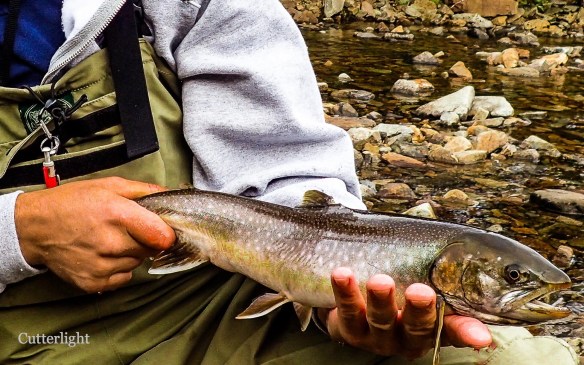
Jerry took this stunning female Dolly on a tenkara rod and a bead. Rod, line, lure and pristine water… Angling doesn’t get any more beautifully simple.

Fishing over the same water we’d hit the previous day, we expected fewer fish. Happily, that wasn’t the case. In fact, our two largest char came on the tenkara rods. And for the second day in a row, except for a pair of dippers and a belted kingfisher, we had the stream to ourselves.

OLYMPUS DIGITAL CAMERA

So how did this fascinating member of the trout and char clan come to be called “Dolly Varden?” Glad you asked.

It seems that sometime in the 1870’s anglers on northern California’s McCloud River were catching a species of brightly-colored trouty-looking fish. Admiring the brilliant spots and colorful markings, the anglers called them “calico trout” after the floral-patterned cloth. A group of fisherman were looking over a catch of these “calico trout” and lamenting that there wasn’t a better name for them when a 16-year old girl, the daughter of local resort owners, happened along. The girl had been reading Charles Dickens’ Barnaby Rudge in which there is a character by the name of Dolly Varden. This character was named for the feminine fashion of the time, a  muslin dress worn over a brightly colored petticoat. In fact, the girl had recently received a dress and petticoat in that very style. “Why not call them ‘Dolly Varden?’” she suggested.

The name stuck, and so this most colorful salmonid came to known by a most colorful name.

screen-shot-2016-10-19-at-8-08-24-pm

The eponymous Dolly Varden fashion of the 1870s…

OLYMPUS DIGITAL CAMERA

 …And an exquisite specimen of Salvalinus malma – the Dolly Varden char.

Back in the skiff heading home, a squall packing icy rain hit us square in the face as we rounded the cape. We pulled jacket hoods tight and hunkered down, following Clinton’s directions to shift our weight against changes in wind and current in order to keep the boat on an even keel. No complaints. A few fish iced down in a small tub, time on a beautiful piece of water, a friendship renewed… And we never take for granted how fortunate we are to live in this land of staggering abundance.

OLYMPUS DIGITAL CAMERA

Sleeves rolled up and arms elbow deep in Indian Creek’s frigid waters, I snapped a few frames not sure what, if anything, I’d get. There appear to be four species of salmon as well as a couple of dozen char in this shot. 
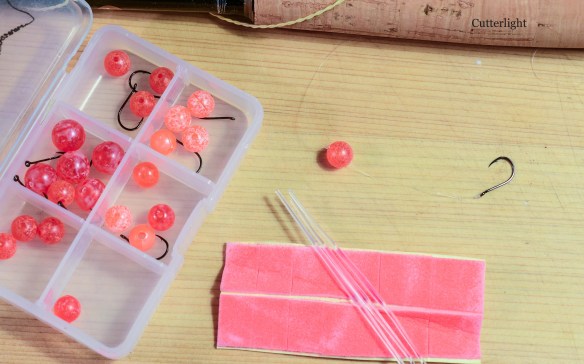
bead-egg-rig-n

A basic bead kit includes a box with a few beads and a few short-shank hooks, silicon toothpicks (if you’ve been using wood, try silicon), and a card of self-adhesive strike indicators. (There are 12 pink, fingernail-sized self-adhesive foam squares on this card.) The strike indicators can be slid up and down the line depending on water depth. The bead, pegged to the line with a silicon toothpick (inserted and trimmed close to the egg) can also be slid. Note that the egg is affixed about two inches above the hook. This positioning ensures that fish are consistently and neatly hooked in or just outside the jaw, minimizing injury. A pack of small split-shot sinkers to keep the egg near the bottom is also handy. There’s still one more step before this rig is finished – can you spot it?
OLYMPUS DIGITAL CAMERA

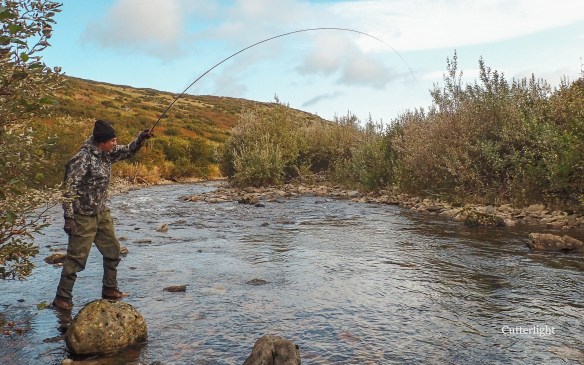
Look Ma! No reel! Determined fighters, even small Dollies put a nice arc in a tenkara rod. My connection with genus Salvalinus, the chars, began when I was about seven years old and caught my first brook trout, S. fontinalis, on Minister Creek in Pennsylvania. It’s an arbitrary thing, I suppose, to have a favorite fish, but if I had to name mine…
Blueberry Jam Bars – The Best Part of a Survival Kit for Stormy Afternoons

blueberry-jam-bars-n

Stormy afternoon survival kit: A great book, freshly brewed tea, and blueberry jam bars still warm from the oven.

My morning chores were to make a batch of yogurt, sourdough loaves for the week and sourdough pizza crusts for the freezer. Those tasks complete, it would have been nice to go outside for a walk. But this Saturday’s weather turned it into a stay-inside kind of day. We’ve heard that October is the month that Chignik Lake earned its name. Chignik means big winds in the native language. Saturday, it poured rain sideways. The lake was blown into a froth of whitecaps. Our little home here hunkered down solidly, just like our little house in Point Hope. It was the kind of day to curl up with a warm drink, a book, and a blanket. In our house, this scene also begs for a home-baked accompaniment. With a shelf of preserves made from berries we picked earlier, I had no trouble baking up a batch of oat bars filled with jam. The hardest part was to choose which jam – blueberry, currant, raspberry, or cranberry. Blueberry! In just over 30 minutes, I had delicious bars ready to go. This recipe is as easy as pie… or as blueberry oat bars.

Blueberry Oat Bars

Serves 9 polite eaters, or 2 ( if you have limited willpower)

Ingredients

  • 1/2 cup dark brown sugar, packed
  • 1 cup all-purpose flour
  • 1/4 tsp baking soda
  • pinch salt
  • 1 cup rolled oats
  • 1/2 cup unsalted butter, melted
  • 1 cup homemade blueberry jam (substitute any jam you have on hand)

Directions

  1. Preheat oven to 350 degrees F (175 degrees C).
  2. Grease 8 inch square baking dish.
  3. Combine sugar, flour, baking soda, salt, and oats in a medium bowl.
  4. Drizzle melted butter into flour mixture.
  5. Toss until mixture is crumbly.
  6. Press 2 cups of the mixture evenly into bottom of baking dish.
  7. Spread jam on top of flour mixture.
  8. Sprinkle remaining flour mixture atop jam, as even as you can.
  9. Lightly press flour mixture into jam.
  10. Bake for 35 minutes. Finished bars should be lightly browned.
  11. Allow to cool before cutting.

Rustic Char

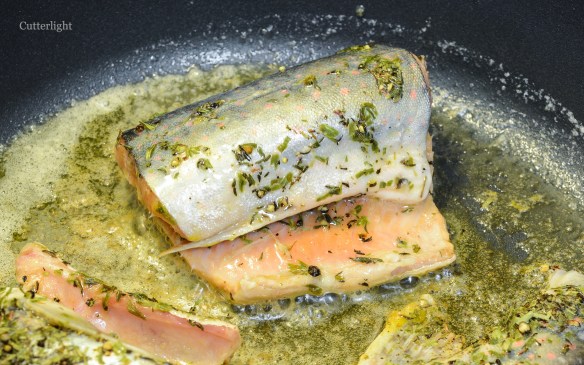
char-rustic-in-pan-n

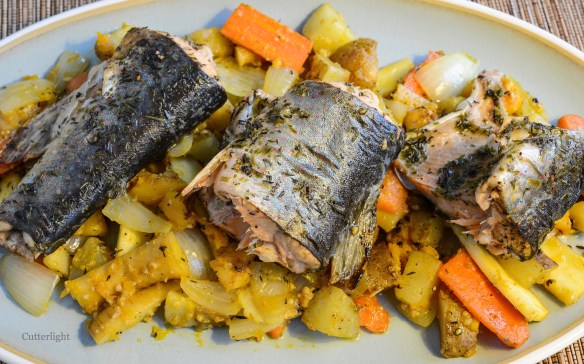
A great pleasure in life is obtaining seasonally fresh ingredients to take back to the kitchen. With Dolly Varden char at their fattest in fall and entering local streams, now is the time to go out and get them. Brookies and small lake trout shine equally well in this simple, exceptionally satisfying dish, as do Arctic char which are sustainably farmed and available in markets.

Char generally have a flavor that is richer than trout but lighter than most salmon. The keys to this dish are hearty vegetables, fresh charr, thyme, butter or quality olive oil and a good white wine. Add a spritz of lemon juice and a dash of salt and pepper. Don’t get hung up on specific ingredients; this is camp-style fare at its finest. And by all means, if you live where fresh herbs are available, substitute them for the dried herbs we use here in Chignik Lake.

rustinc-char-photo-n

This dish can easily be made in one pan. Simply hold the fish in reserve and add to the vegetables during the last half of cooking. Otherwise, prepare in two pans as follows.

The vegetables:

Ingredients

  • 3 or 4 cups hearty vegetables such parsnips, carrots, potatoes, sweet potatoes, butternut squash, pumpkin, etc. chopped coarse
  • sweet onion, chopped coarse
  • approximately 8 to 10 garlic cloves, cut in half
  • 1/2 tbsp thyme (dry)
  • 1/4 tbsp rosemary (dry)
  • 1 tablespoon olive oil
  • 1 tablespoon butter
  • 1/4 cup white wine
  • sea salt and freshly ground pepper to taste

Directions

  1. Add butter and olive oil to pan and heat over medium-high heat.
  2. Add vegetables and seasonings, turning to ensure everything is well coated and seasoned.
  3. Add wine, stir and cover pan. Reduce heat. Stir occasionally. When done, a fork will easily pass through vegetables.

The fish:

Ingredients

  • 1 fresh char of about 2 lbs, gutted, head and tail removed, rinsed and patted dry
  • 1 tablespoon olive oil
  • 1 tablespoon butter
  • 1/2 tbsp thyme
  • 1/2 tbsp tarragon (optional)
  • 1/2 tbsp marjoram (optional)
  • lemon juice
  • splash or two of white wine
  • sea salt and freshly ground pepper to taste
  • additional olive oil or butter for prepping fish

Directions

  1. Sprinkle lemon juice inside and outside of fish.
  2. Use fingers or a brush to cover fish inside and out with a light coating of butter or olive oil. Gently rub thyme and other herbs (if used) inside cavity and outside. Cut fish into three or four pieces and set aside.
  3. Place butter and olive oil in a pan and heat over medium-high heat.
  4. When oil/butter are hot enough to sizzle, add fish pieces. Add salt, pepper and a splash of white wine. Cover and lower heat to medium-low. Cook for six minutes.
  5. Gently turn fish. Sprinkle salt and pepper and add a splash of white wine. Cook for six minutes.
  6. Fish is done when flesh is opaque inside the cavity.
  7. Arrange vegetables on plates or serving platter, top with fish and serve piping hot with a favorite Chardonnay, Viognier or dry Riesling.

First Snow, Chignik Lake

September 18: First snow in the mountains.

September 21: First frost along the lake.

Where all the Raspberries are as Big as Your Thumb

“Pick me! Pick me!”

Anyone who knows Jack knows that he is a fisherman through and through. Moving to a village where the salmon are running so thick we can see them finning up the river and into the lake is beyond Jack’s wildest expectations. This is not his dream. This is our reality. He’s spent time every day walking the shore, sometimes with fishing rod in hand, other times just watching and listening to the music of river current and salmon jumping, splashing, sloshing their way upstream.

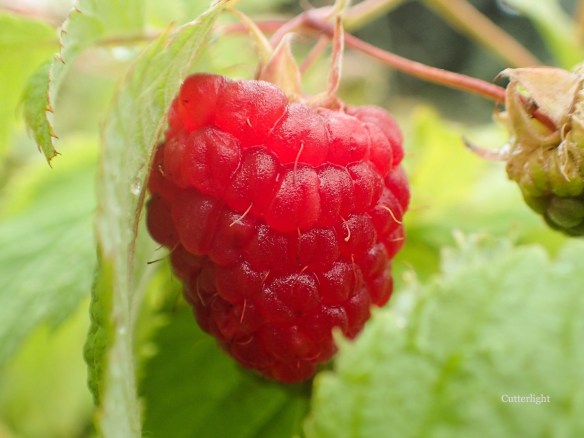
And so it’s understandable that it was left to me to spot the patch of raspberries Jack had walked right past on his way to the river. And such raspberries! The patch isn’t large, but this has been an exceptional year for berries and the vines are heavy with tart, sweet, jem-like fruit.

raspberries in bowl chignik n

And with green berries still growing in more shaded parts of the patch, we should be able to pick all we need. Jam, pies, syrups, fresh with morning cereal… How about a raspberry-chipotle sauce to go with fresh-caught salmon?

“Bigger than store-bought,” as Jack says. Tastier, too. I don’t know about them being as big as your thumb, but they’re the biggest we’ve ever seen. Can you believe he was so intent on the salmon that he walked right past the whole patch without even noticing?!

Nervous Water and Red Salmon


first salmon Chignik n

Looked out the window this morning and saw nervous water on the lake. Skipped breakfast. Three hens and a buck. I’ll cure eggs for ikura later today. Shioyaki salmon for dinner tonight. Beginning of our second week in Chignik Lake, Alaska.

Big, Beautiful Grizz Chillin’ at the Edge of an Alaskan Forest

Grizzley admiring nails n

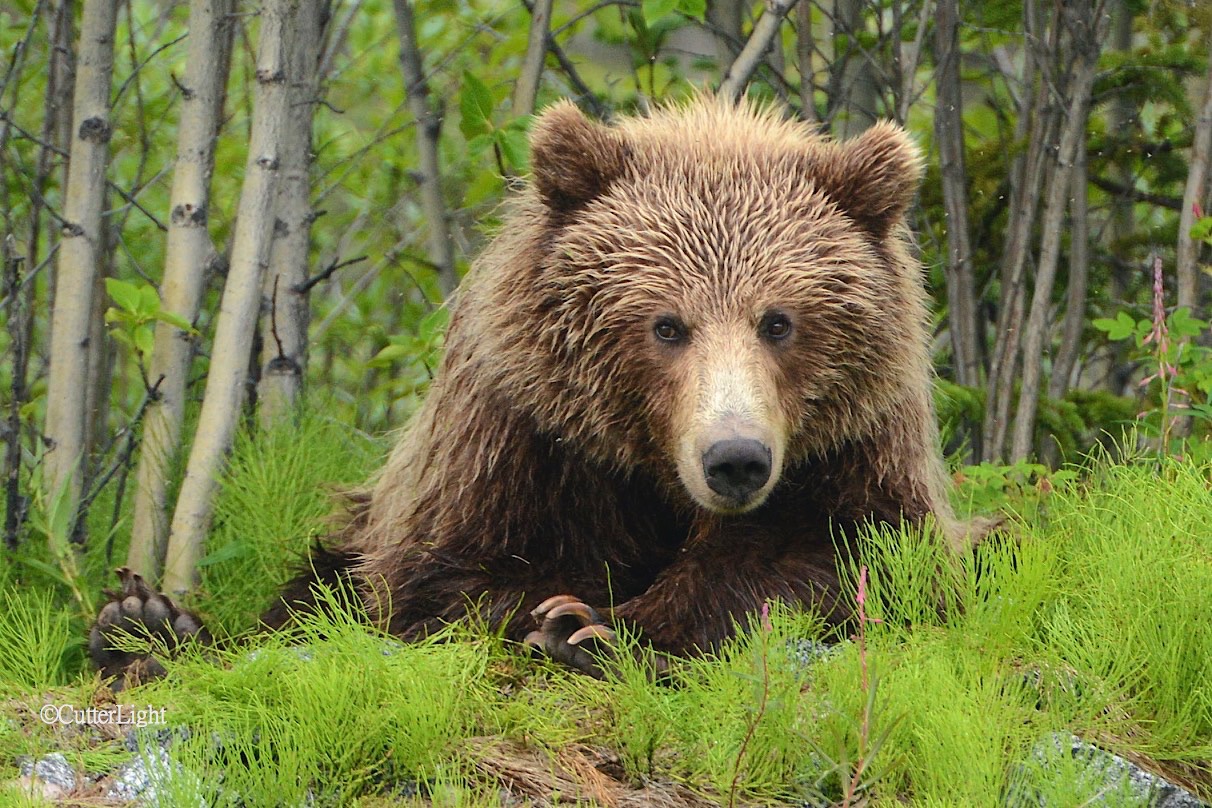
We caught this Alaskan grizzly bear chillin’ on the edge of a forest on a cool, overcast morning in mid-summer. With nails like that, who wouldn’t lie around admiring them? (Six more photos.)

Grizzley looking straight on n

The previous day, I (yours truly, Jack Donachy) managed to drop and break “the big lens.” But this sleepy guy barely paid us any attention as we photographed him from the safety of our Chevy, so the 70-200 mm with a 1.4 teleconverter got us close enough. Hard to say how many cars had driven by this big, blonde-brown hulk without noticing that morning. We stayed with him – and he with us – for about half an hour.

Grizzly the Thinker n

He’d doze off for a bit, wake up, think about whether or not to get up (or maybe he was trying to remember where he’d left his car keys last night), give a little sigh and then drop off to sleep again. 

grizzly sleeping  a n

Grizzly looking to his right n

And then he’d wake and take a look around.

Grizzly picking up scent n

Eventually a scent on the air caught his attention…

Grizzly ambling off diorama n

And he ambled off. Almost looks like he’s posed in a diorama. The overcast morning light really made the colors pop.

Artists of the North Pacific Seas: The Watercolors of Dall’s Porpoises

Dall's Porpoise, full animal n

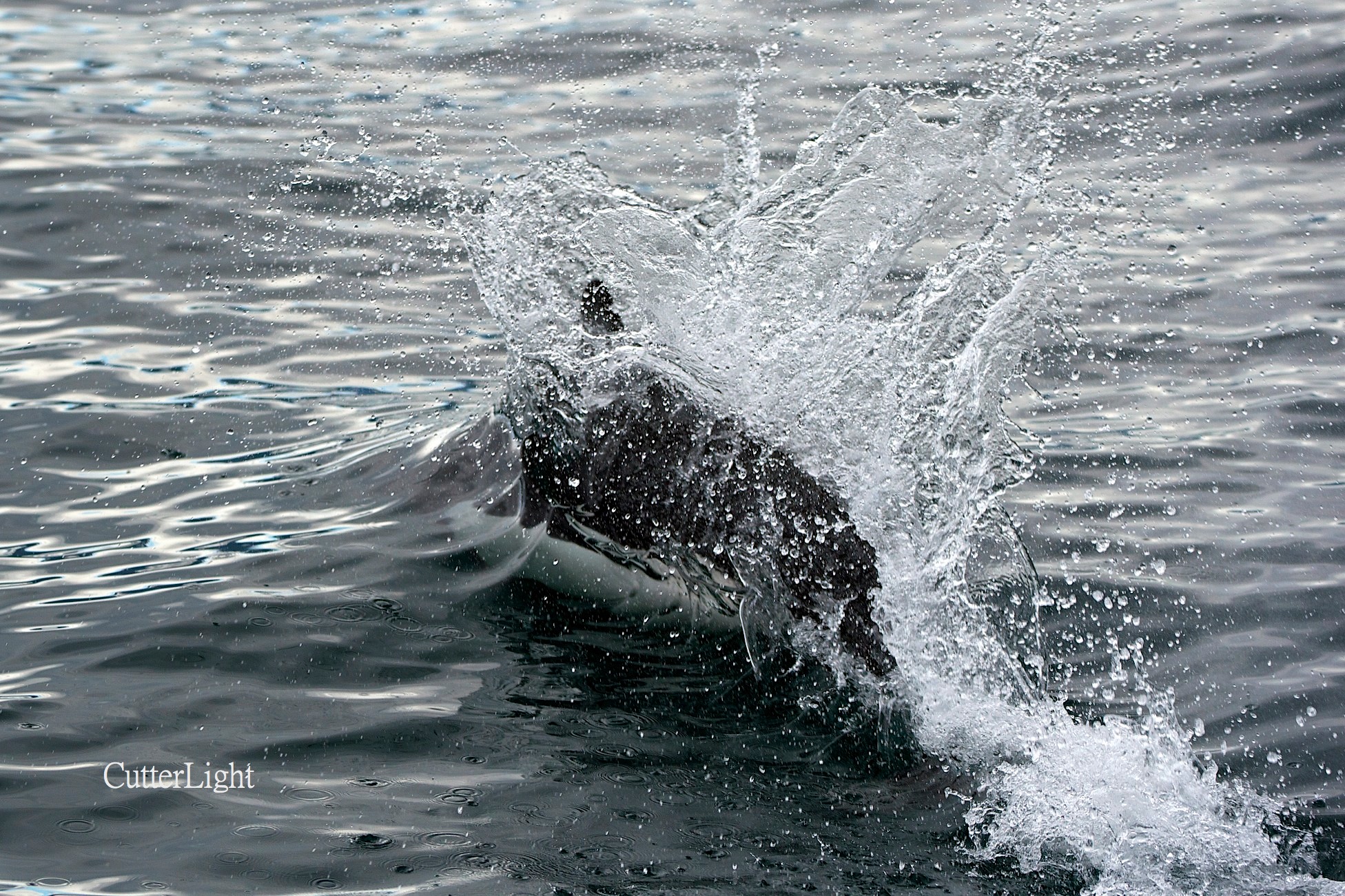
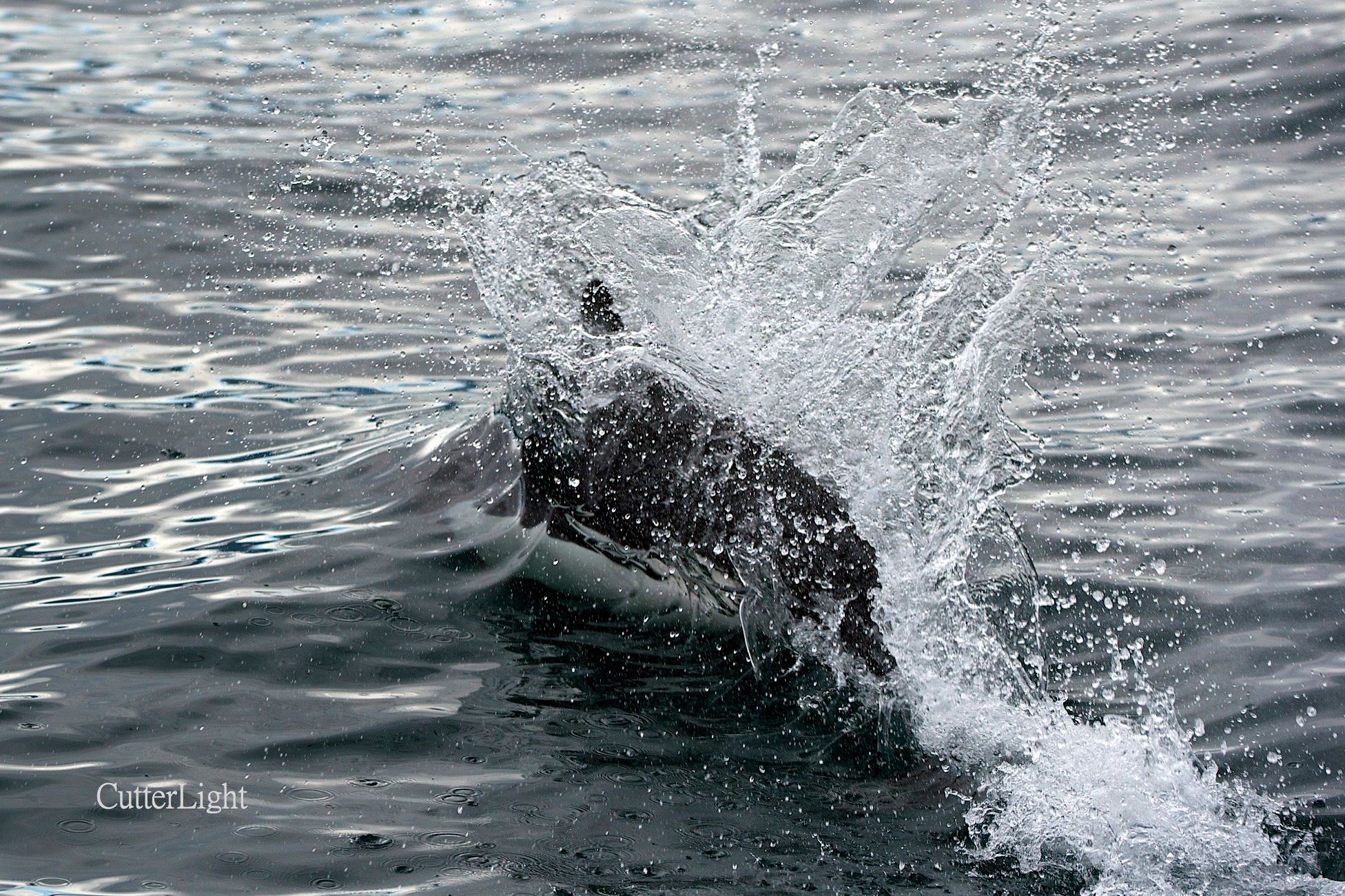
You might see a plume of ocean spray, a glimpse of black and white and if you’re close enough, you’ll hear a burst of expelled air as one of the speedsters of the sea comes up for a breath. Playing in the boat’s wake, Dall’s porpoises create ephemeral pieces of art out of seawater, light and air.

Dall's porpoise saltwater mohawk n

Water & Light Mohawk. Dall’s porpoises are capable of keeping pace with boats cruising at over 30 mph (55 kph), a speed that places them with or perhaps slightly ahead of Orcas and Pilot Whales as the sea’s fastest cetaceans. 

Dall's porpoise folded water n

Folded Glass. In Alaska’s seas, a steady diet of herring and other small fish help keep the population robust. Males, which attain larger sizes than females, can grow to a length of about eight feet and attain weights just under 500 pounds.

Dall's porpoise black and silver on blue n

Black and Silver. Typically traveling in pairs or in packs up to a dozen or so animals, tell-tale water spouts in the distance are a sign that the porpoises are in the area. If their stomachs are full and the speed of the boat is just right, they may come zipping across the water to play.

Dall's Porpoise Tail n

Watercolor Brush. Dall’s porpoises can seem to appear out of nowhere, and before long they disappear again. 

Dall's porpoise water burst n

Farewell Waterburst. Currently, populations of Dall’s porpoises are doing well. They prefer to swim over deep (500 feet), cold water along the continental shelves ranging from southern Japan, as far north as the Bering Sea, and along the west coast of America as far south as Southern California. As a species, they would benefit from international cooperation to conserve the fish stocks they rely on for food and to ensure that they are not accidentally caught in fishing nets.  


A Whale of a Tour: Cruising Alaska’s Kenai Fjords National Park

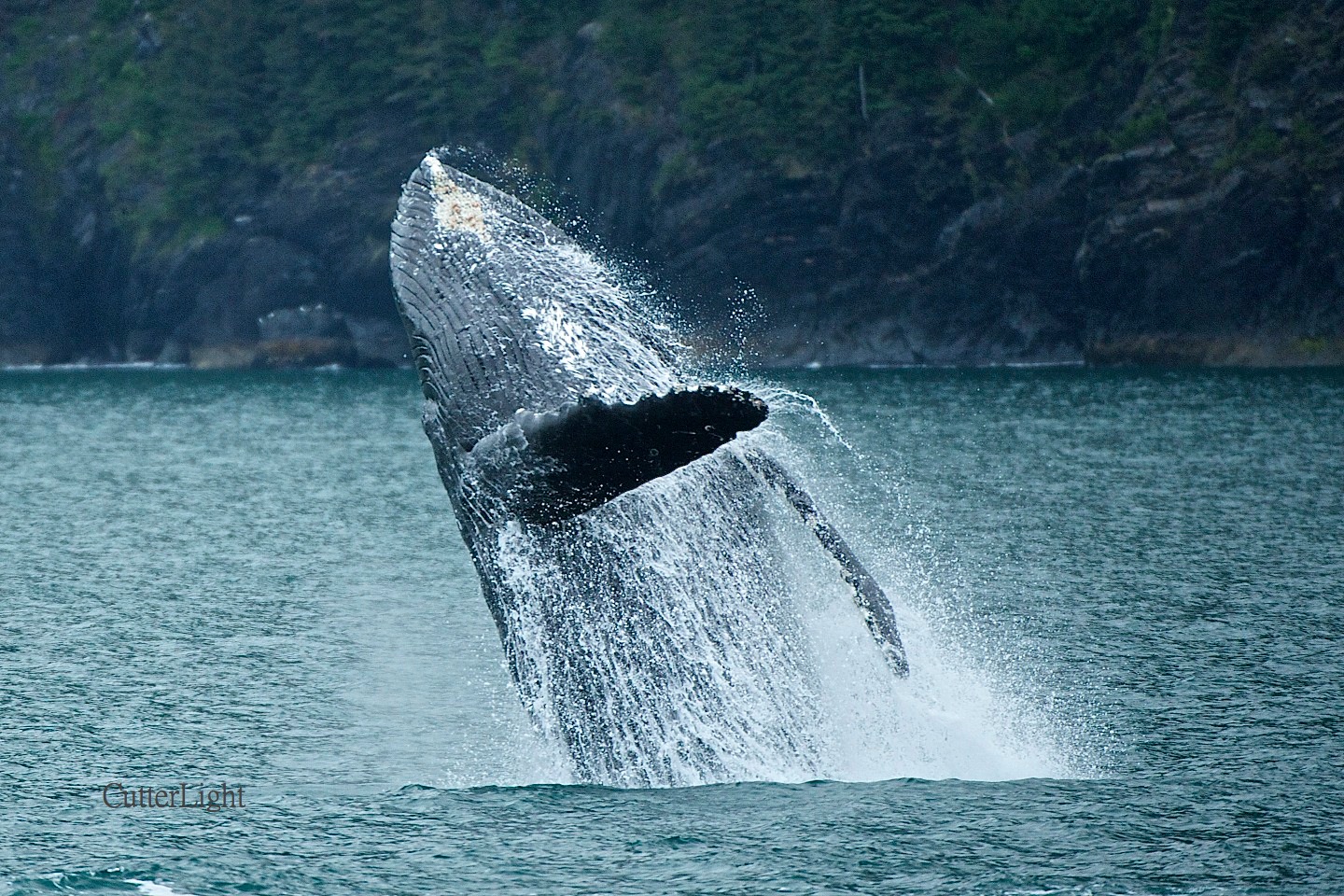
humpback breaching c n

In what seemed to be sheer exuberance, this humpback whale heaved himself out of the sea again and again, the perfectly executed cannonballs sending up enormous showers. From eagles to orcas and sow bears with cubs to mountain goats with kids, a recent cruise of the Kenai Fjords National Park near Seward presented opportunities to photograph a number of Alaska’s wildlife stars.  

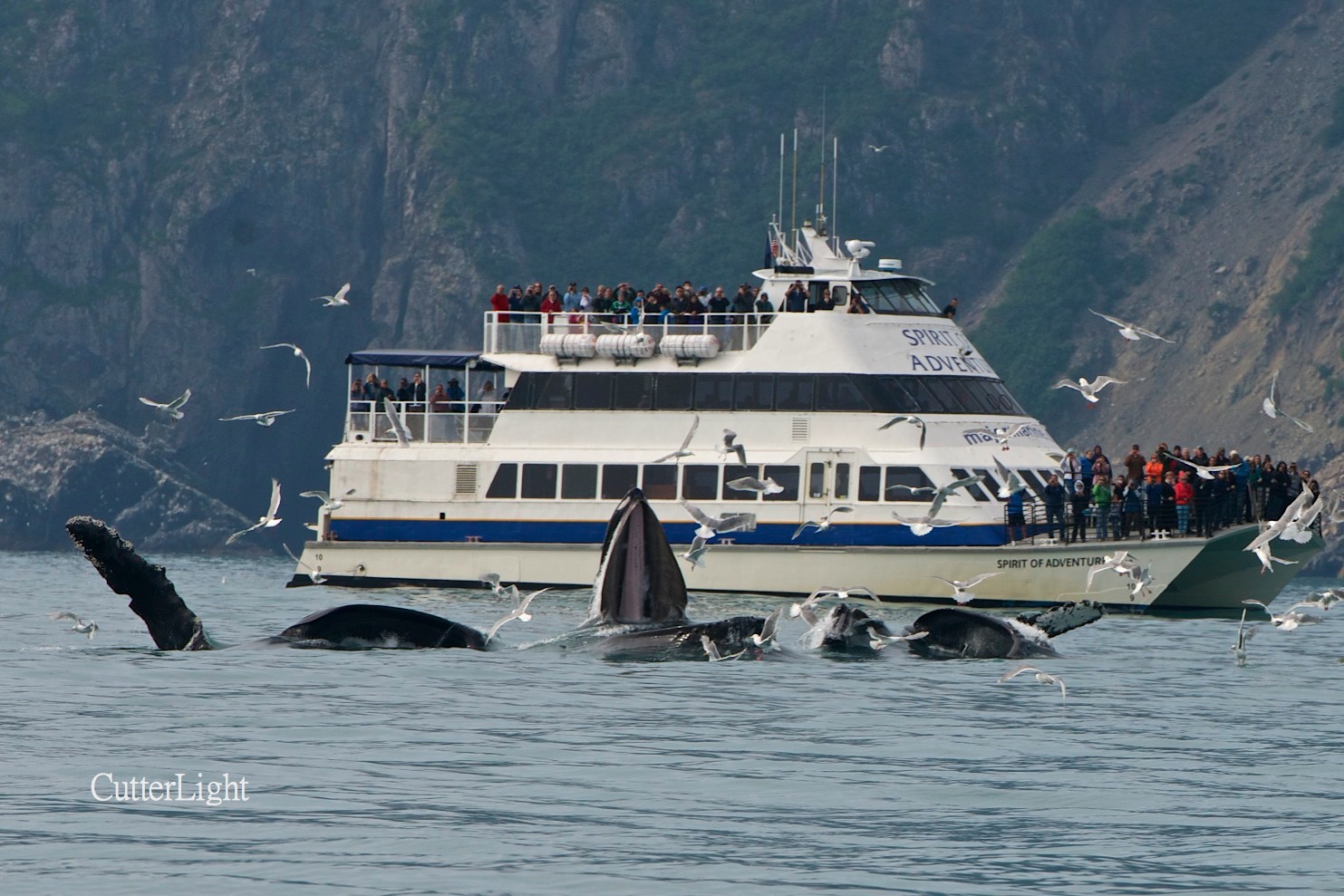
Last summer while salmon fishing aboard our C-Dory Angler, Gillie, we found ourselves suddenly quite close to three massive, bubble feeding, lunging humpback whales – the largest humpbacks we’ve seen to date. The whales and the salmon were drawn to the same thing: acres of herring so dense they were causing our boat’s sonar to misinterpret the vast school as seafloor. Between netting bright silver salmon for our daughter who was visiting from California, navigating the boat and snapping photos of the feeding leviathans we were kept on our toes. At one point the whales surfaced so close to our boat we could smell their breath. It was a bit unnerving.

whales lunge feeding major marine n

One moment the seas would be calm, the gulls and kittiwakes resting on the water with just a few sentinels circling about. Suddenly the birds aloft would cry out, signaling the sitting birds to take wing… and then these three massive whales would erupt from the sea. If you look closely, you can see a panicked herring barely escaping the gaping jaws of the center whale.  

That evening when we uploaded our photos, we were disappointed to find that the best of our whale shots were marred by the presence of a tour boat in the background. And then it hit us – why not see if the tour company would be interested in the pictures? That’s how we came into possession of tickets for Major Marine Tour’s all-day Kenai Fjords National Park nature cruise, complete with and an all-you-can-eat Alaskan salmon and prime rib lunch. Having now experienced three of these tours, we give them the highest possible recommendation for anyone interested in the wildlife and natural history of coastal Alaska.

eagle on sea rock n

Eagles are common along the shoreline of the fjords, and we never tire of admiring them. Not above scavenging, these opportunistic birds will prey on salmon, other fish, seabirds and even baby mountain goats. 

This past Monday we used four of our tickets to book ourselves and friends visiting from Montana on a tour on the Spirit of Adventure – the very boat we’d photographed the previous summer. A few brief sprinkles of rain aside, it was a beautiful day, and since it was a lightly-booked weekday cruise we had plenty of room at our dining table as well as at the ship’s rails when we were viewing glaciers and wildlife.

horned puffin on cliffs n

Both horned puffins (above) and tufted puffins nest in the cliffs above the fjords. 

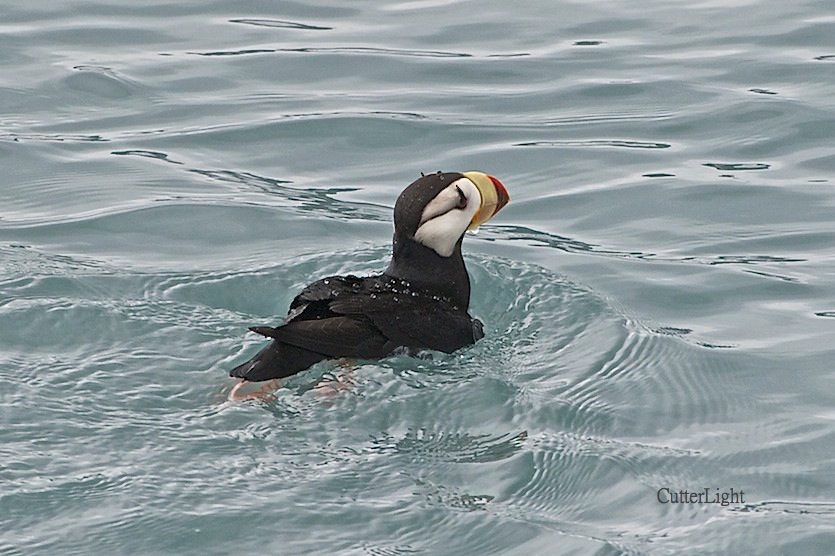
horned puffin swimming n

The feathery “horns” above their eyes give horned puffins their name. This one, fresh from a dive in search of small fish, popped up right next to the boat. 

Stellar's Sea Lions n

Certain places in the Kenai Fjords are important breeding grounds for Stellar’s sea lions. In recent years, their population has fallen into decline and although human overfishing may be the culprit, no definitive cause has been identified.

kittiwakes n monkey flowers n

Seep (or common) monkeyflower adorns the cliff walls of this black-legged kittiwake rookery. We didn’t spot any eggs, but the nests look complete and ready for this year’s broods. 

murres thick bill dense raft n

Meanwhile dense rafts of dozens or even hundreds of thick billed murres gather along current seams that push baitfish into tight schools where they become easy pickings. 

Dall porpoise w beak n

Reminiscent of the Tasmanian Devil of Warner Brother’s cartoon fame, Dall’s porpoises can appear at any time, zipping across the sea in plumes of spray in pursuit of the fish they feed on or just a good bow wake to play in. They are reportedly capable of speeds of around 35 miles per hour (55 kilometers). On this day, the porpoises were in a playful mood and the captain hit the boat speed just right. For several minutes half-a-dozen of these sleek speedsters zig-zagged across our bow. 

Holegate glacier sluffing ice n

Although wildlife is a major draw on these cruises, the fjords are equally famous for spectacular tidewater glaciers. Above, Holegate Glacier sloughs off tons of ice at a time in thunderous cascades. Note the seagull at the upper right of the photo. 

glacier ice margaritas n

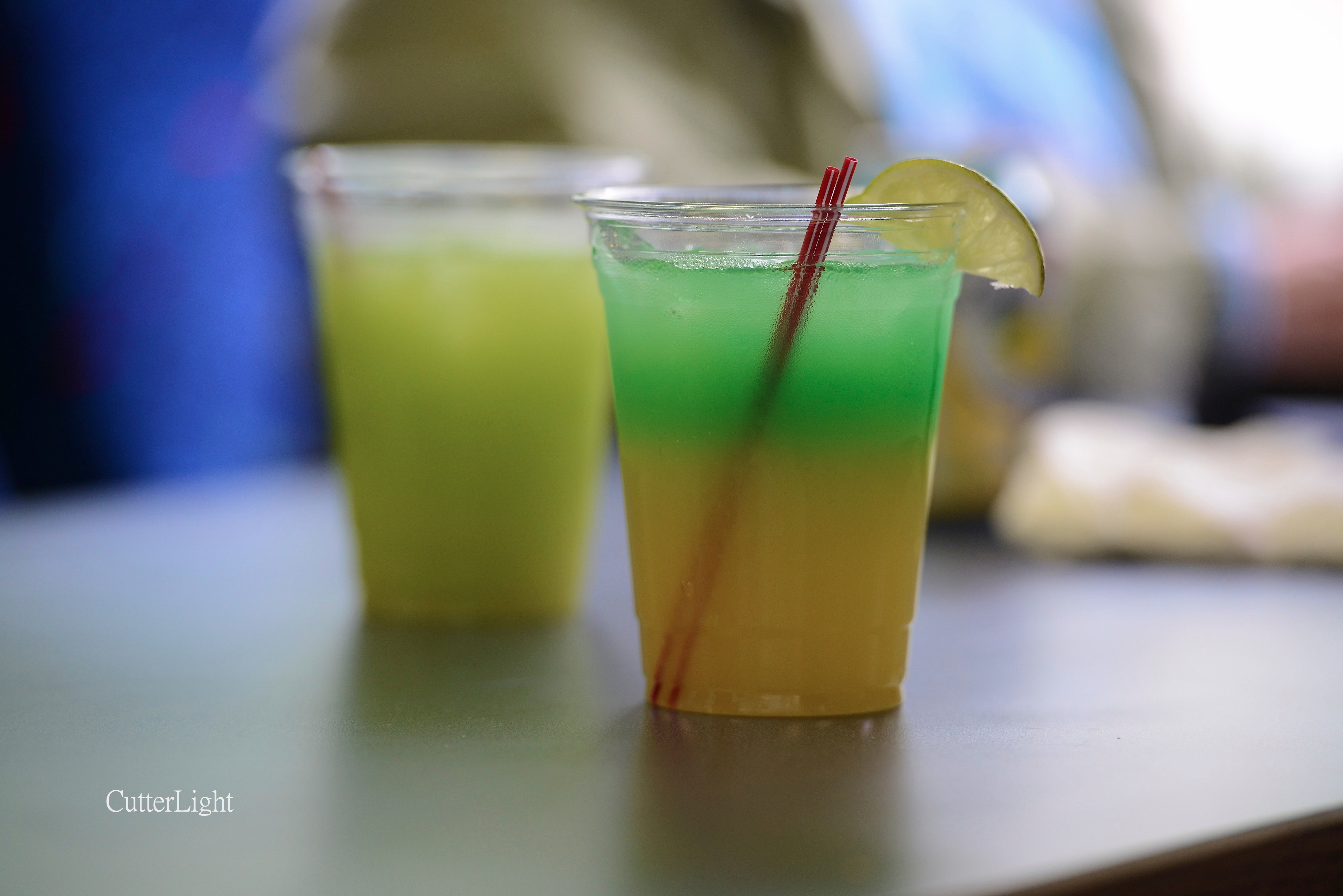
When the crew scooped up a pristine chunk of glacial ice in a net and announced that Glacial Ice Margaritas were being served, we couldn’t resist. The ice – which is hundreds to thousands of years old depending on which part of the glacier it comes from – is super dense, hard, clear and cold. 

sea otter on ice w harbor seals n

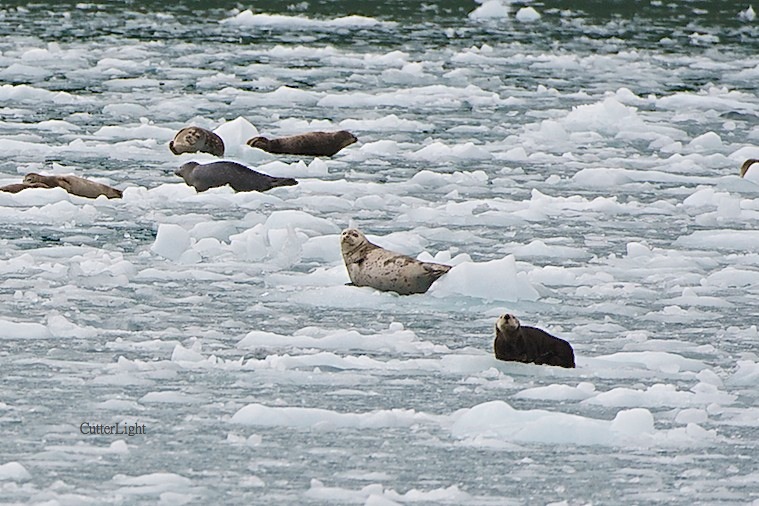
Near Aialik Glacier, dozens of harbor seals were hauled out on the ice along with quite a few sea otters such as the one in the foreground above. The National Park Ranger providing commentary aboard Spirit of Adventure remarked that prior to the Russian hunting of sea otters (which, by the early 20th century had nearly driven them to extinction) it was common to see sea otters hauled out on land. 

Orcas transient resurrection bay 2014 n

Throughout the seven-and-a-half hour cruise we kept a keen eye for orcas. The day had already been amazing – truly one for the books: leaping salmon, a sow black bear with cubs in a clearing on a mountainside, a nanny mountain goat with her young kid just above the high tide line, whales, porpoises, and a dozen or so species of sea birds all had checks next to them.

Toward the very end of the cruise, as we were nearing Seward, the pair in the above photo showed up. Kenai Fjords NP is home to three distinct types of these cetaceans: resident, transient and offshore. The three types have different diets: residents are salmon and fish eaters, transients focus on mammals such as seals and sea lions, and offshore orcas are known to hunt sharks and baleen whales. The three varieties also have different languages and DNA tests indicate that they do not interbreed. This pair – the male in back with the longer, more angular dorsal fin, the female in front with a shorter, more rounded dorsal fin – may be transient orcas.  

sleeping otter in harbor n

Even before the cruise begins there are wildlife viewing opportunities right in the harbor. This sleepy otter filled up on mussels he pulled from pilings before conking out for an after breakfast snooze.