Baked Minestrone Soup: Celebrating Summer’s Garden

minestrone soup n

A hearty bowl of minestrone soup is the perfect way to enjoy seasonally abundant vegetables from your own garden, your CSA, the local farmers’ market or the grocer.

Before there was Rome, there was minestrone soup, and although some may insist that true minestrone must have this or that, the spirit of this dish lies in taking advantage of whatever vegetables are on hand. Add pasta or not, rice or not, and although contemporary versions of minestrone usually feature a bean broth, some versions use vegetable or even meat broth. Chunk up some halibut, striped bass or loup de mer (European seabass), toss it in and you’ve got a hearty fish stew. Here’s how we made our minestrone – courtesy of the abundance of vegetables we have now that we are receiving weekly deliveries to our Arctic home from Full Circle Farm. A good smoked sea salt works beautifully in this soup. A dollop of sherry is nice, too.

Ingredients (feel free to change quantities and freely substitute):

  • olive oil
  • 2 1/2 pounds tomatoes, sliced
  • 1/2 large sweet onion, diced
  • 6 cloves garlic, chopped
  • two sunburst squash, diced (zucchini or summer squash also work well)
  • 1/2 cup kalamata olives, sliced
  • 1 cup (1 ear) sweet corn
  • 1 1/2 cups green beans, cut into 1 inch pieces
  • 1/2 cup parsley, chopped
  • several leaves of basil, cut into thin ribbons chiffonade style. (You can do this by rolling the leaves cigar style, then slicing them.)
  • 1 bunch spinach, chopped coarse
  • 2 cups pinto beans (or other beans), cooked till they’re tender. Separate from broth and save the broth.
  • sea salt
  • black pepper
  • Italian herbs

Directions:

  1. Start by cooking the beans in a pot till they are soft. Save the broth, as it will be the base of the soup. Set aside beans and broth.
  2. Preheat oven to 400° F.
  3. Place olive oil and tomatoes in a large pot over medium heat stirring occasionally till the tomatoes are falling apart. Add onions and green beans and cook till they just begin to soften. Add garlic and squash, followed by parsley and basil. (You will add the beans, spinach and corn later.)
  4. Stir the broth and pour into the pot so that the vegetables are just covered. Add herbs, salt and pepper to taste. Cover with a lid and bring to a boil.
  5. As soon as the broth begins to boil, place the pot into the preheated oven and bake for 15 minutes.
  6. Remove pot from oven. Add beans, spinach and corn. Give the soup a taste and add seasonings as necessary. Return to oven and bake for an additional 15 minutes.
  7. Remove from oven, stir in a good olive oil for added flavor and give it a final taste. Let soup rest with lid on for about 10 minutes.
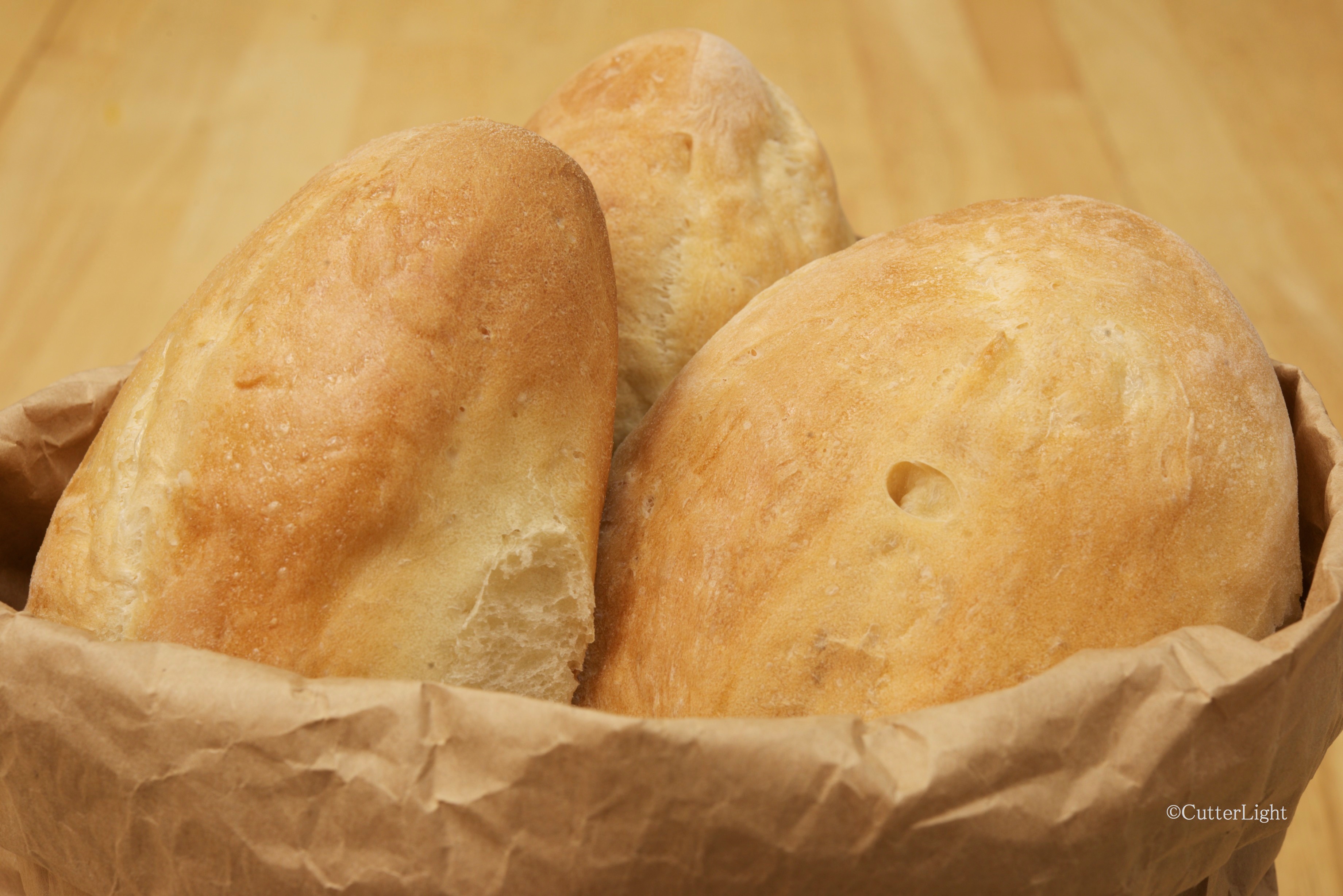
  8. Serve with freshly grated parmesan cheese and a baguette of French bread or a crunchy bolillo.

Fall Harvest Cakes

fall harvest cakes_n

These delectable individual-sized cakes are packed with the flavors of autumn – honeycrisp apples, crunchy pecans, and caramel.

Taking advantage of fruit, vegetables, fish and wild game during times of seasonal abundance is a celebrated part of our kitchen, but it hasn’t always been easy to do so living in the Arctic bush. Back in California, between farmers’ markets and our own modest garden, our kitchen was stocked with ripe, heirloom tomatoes, freshly picked raspberries and peaches so ripe they had to be eaten over the sink (or outside under our peach trees).

Since moving to bush Alaska, we’ve been shipping up frozen fruits and vegetables during our annual summertime shopping. These have been supplemented with “keeper” produce such as  squashes, potatoes, onions and apples. We’ve managed to keep many of our traditions intact by pulling seasonal items from our pantry and freezers at the appropriate times, but we’ve missed enjoying fruits and vegetables freshly harvested from local farms.

This year, we decided to sign up with a CSA (community supported agriculture). Our “local” CSA, Full Circle Farms, is based in Carnation, Washington, nearly 2,100 miles away. Offering freshly harvested organic choices, Full Circle delivers to the San Francisco Bay Area, Idaho, Washington, and to Arctic Alaska! It has been a long time since we’ve had peaches and nectarines as perfectly ripe as the ones Full Circle has been sending, In fact, all their produce so far, from leafy greens to tomatoes to avocados have been spot on.

As part of our order last week, we received honeycrisp apples. This variety is sweet and crunchy with a pleasant tanginess – a balance that seemed begging to be paired with caramel. The pecan topping gives these cakes a savory crunch.

Fall Harvest Cakes

Ingredients

  • 1/4 cup unsalted butter, softened
  • 2 tbsp plain yogurt
  • 1 cup granulated sugar
  • 3 eggs
  • 1 cup all-purpose flour
  • 1 tsp baking powder
  • 1/2 tsp salt
  • 1 1/2 tsp ground cinnamon
  • 1/2 tsp mace
  • 2 cups shredded apple
  • 1/2 cup coarsely chopped pecans
  • 4-5 caramel candies, or 1/4 cup caramel sauce

Directions

  1. Preheat oven to 350 degrees F. Grease muffin tin.
  2. Cream butter and yogurt.
  3. Gradually add sugar to butter mixture. Beat well.
  4. Thoroughly mix in eggs, one at a time.
  5. In a separate bowl, sift together flour, baking powder, salt, cinnamon and mace.
  6. Gradually incorporate flour mixture to sugar mixture.
  7. Stir in apples.
  8. Spoon mixture into prepared muffin pan.
  9. Bake for 20 minutes.
  10. Sprinkle on pecans and caramel (sprinkle chopped candies or pour on sauce).
  11. Bake for 10 more minutes. Cakes are done when wooden pick inserted in center comes out clean.
  12. Cool on wire racks.

Crunchy, Soft Bolillos

bolillo n

Like miniature baguettes (each loaf is about five inches long), a bag of freshly baked bolillos from our Arctic bakery is ready to be made into tasty sandwiches or sliced and toasted with olive oil and garlic.

When we return to the road system each summer, we keep a keen eye out for new food ideas to take back to our kitchen in the Arctic bush. This summer, we rediscovered torta sandwiches, prompting me to make a mental note to bake bolillos when we returned to Point Hope.

Bolillos have their roots in Mexico where they are the main ingredient in molettes and tortas – lightly toasted bread topped with cheese (or olive oil and garlic) and sandwiches, respectively. Armed with many tasty sandwich ingredients in our bush pantry – garbanzos for hummus, home-canned smoked salmon, caribou and even duck eggs (for a twist on tortas de huevo) – I looked forward to trying my hand at bolillos for our lunch-time sandwiches. Based on several recipes I found on the Internet, I adapted the recipe below for my Zojirushi bread machine. This bread machine provides yeast with the perfect environment so that dough rises evenly and consistently in our Arctic home.

Bolillos

Ingredients

  • 1 1/2 cups water
  • 1 tbsp honey
  • 1 tbsp unsalted butter, melted
  • 4 cups unbleached all-purpose flour
  • 1 1/2 tsp salt
  • 2 1/4 tsp active dry yeast
  • 1/4 cup cold water
  • 1 tsp cornstarch

Directions

  1. Place first 6 ingredients into bread machine in the order recommended by the manufacturer.
  2. Set on dough cycle. Start machine.
  3. Dough should be smooth, soft and elastic. Adjust amount of flour or water if needed.
  4. Punch down dough and knead briefly on a lightly floured surface.
  5. Divide dough into 10 pieces and roll into balls.
  6. Work dough balls with palms of your hands to form ovals, about 5″ long and 2″ wide in the center. Ends should be tapered.
  7. Place rolls on parchment-lined baking sheets. Cover and let rise for about 25 minutes. Rolls should double in size.
  8. Preheat oven to 365 degrees F.
  9. Mix cold water and cornstarch in a small pot.
  10. Heat mixture to boiling, stirring constantly. Mixture should be thick and clear, about 2 minutes.
  11. Brush each roll with cornstarch mixture.
  12. Slash each roll down the middle, cutting about 1/2″ deep.
  13. Bake rolls for about 30 minutes. Rolls are done when they are golden brown and sound hollow when tapped.
  14. Cool on wire racks.

Coconut Modest Lace Cookies

modest lace cookies n

Chocolate drizzle sets up on a fresh batch of ultra thin, chewy, crispy, modest lace cookies.

Traditionally, lace cookie dough spreads thin and bubbles while it bakes resulting in a delicate confection marked with lacy holes. I was intrigued with a coconut lace cookie recipe I found posted by Giada De Laurentiis. The cookies in the photo on her post looked simultaneously chewy and crispy and I could easily imagine the coconut flavor layered with the semi-sweet chocolate drizzle. Unfortunately, the reviews on her recipe were terrible (too greasy, too sugary, gloppy, lacking distinct flavor), so I contemplated how I could create a similar cookie while avoiding the pitfalls.

After making adjustments to amp up the flavor and improve the texture, the cookies came out of the oven a tasty winner. Although these very thin cookies crisped up around the edges nicely while remaining chewy, they aren’t very “lacy,” so I’ve dubbed them “modest lace.” The coconut shines through deliciously.

Modest Coconut Lace Cookies

Ingredients

  • 3/4 cup packed brown sugar
  • 1/2 cup unsweetened coconut flakes
  • 1/4 cup all purpose flour
  • 1/4 cup unsalted butter, melted
  • 1 tbsp unrefined coconut oil, melted
  • 1 egg, beaten
  • 1/2 tsp vanilla extract
  • pinch salt
  • 1/2 semi-sweet chocolate chips

Directions

  1. Preheat oven to 375 degrees F.
  2. Line two baking sheets with parchment paper. Set aside.
  3. In a large bowl, thoroughly mix together sugar, coconut and flour.
  4. Mix in butter, coconut oil, egg and vanilla to coconut flake mixture.
  5. Drop batter by teaspoonful on baking sheets. These cookies spread, so give them a couple of inches to do so.
  6. Bake cookies for 8 minutes. They should be golden brown in the center and darker brown on the edges.
  7. Slide parchment paper with cookies on it onto wire racks to fully cool.
  8. When cookies are cool, melt chocolate chips in a double boiler. Use a fork to drizzle chocolate onto cooled cookies.
  9. Let chocolate set before serving. Pop the cookies in the freezer to set the chocolate faster.

Makes two dozen cookies.

Cedar-Planked Portabella Mushrooms Stuffed with Smoked Salmon and Manchego Cheese

mushroom 1_n

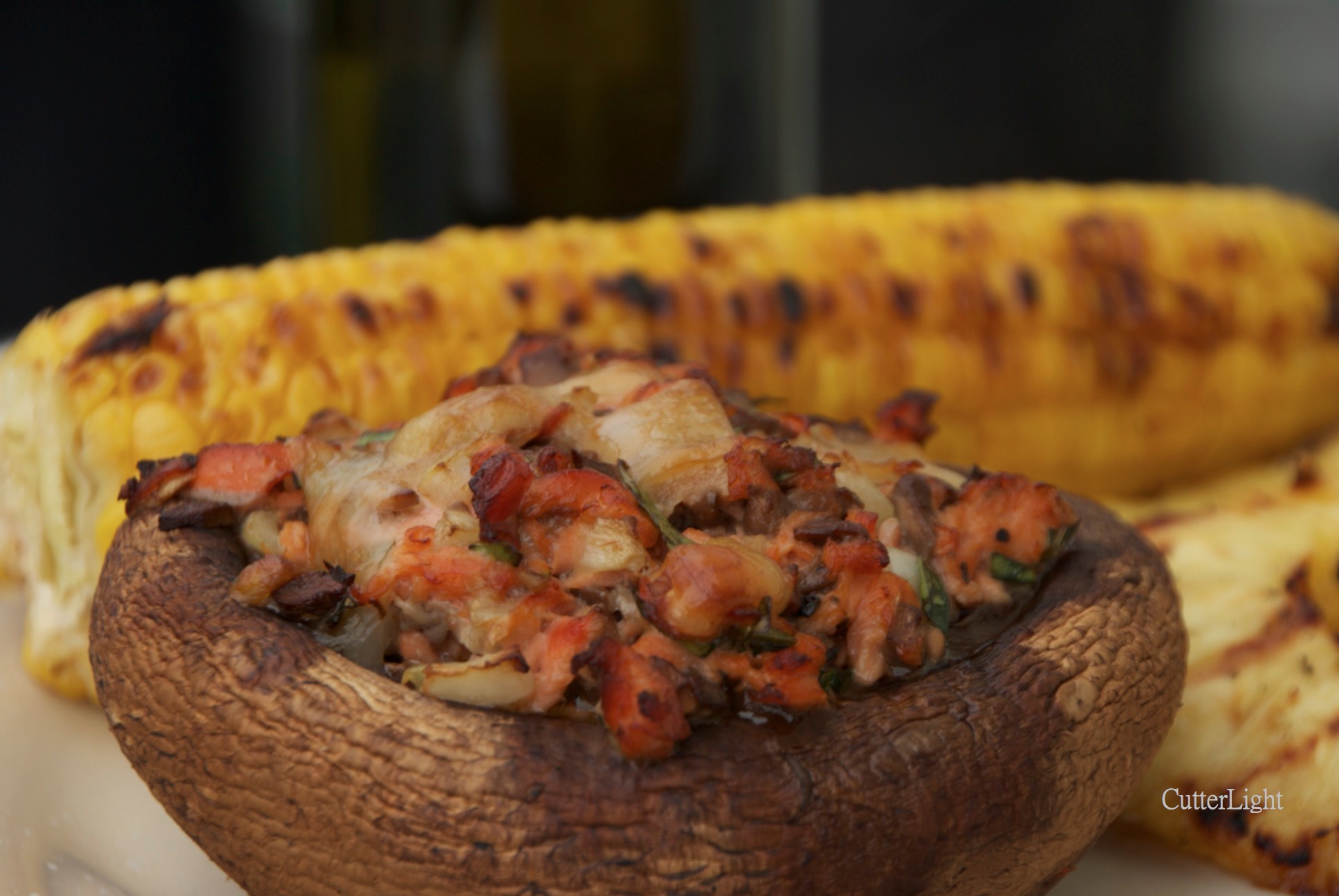
Simple and elegant, cedar plank cooking has been part of the Pacific Northwest since early native Americans first discovered this method. Food such as these these stuffed Portabella caps lend themselves to leisurely evenings complimented with good wine and good friends.

The most difficult thing in cedar plank grilling is remembering to soak the planks before you’re ready to fire up the  grill. Aluminum foil is the solution. Although it’s best to soak the planks hours in advance of cooking, they also work perfectly well soaked just a short time prior to going on the grill provided they’re placed in a shallow aluminum foil “boat” with a little liquid added. Fold up the corners of the foil, pour in a little water or water and white wine, and you’re ready! Grilled on cedar, salmon and other foods come out wonderfully moist and take on smokey, woodsy flavors.

mushroom 6_n

Grilled over charcoal, caramelized corn on the cob and pineapple rings go well with stuffed mushrooms.

cedar planked salmon_nRight: A split, whole king salmon self-bastes on cedar planks over hot charcoal.

Although cedar is popular, alder, hickory and boards from fruit trees work well too. Thoroughly cleaned, the boards can be used multiple times. Since plank cooking creates a barrier between the coals and the food, cooking time will be a little longer. In addition to preserving moistness and imbuing food with more complex flavors, planking typically results in more evenly cooked food than straight charcoal grilling.

Cedar-Planked Portabella Mushrooms Stuffed with Smoked Salmon and Manchego Cheese

Directions:

  1. Cut out the Portabella stems, chop course and place in a bowl. Add shredded or finely cubed Manchego cheese, finely chopped sweet onions, finely chopped garlic, tarragon, freshly cracked pepper, extra virgin olive oil, a small amount of sherry or white wine, and soy sauce or sea salt to taste. Mix thoroughly.
  2. Break up smoked salmon, cedar planked salmon, or any previously cooked salmon into small pieces and gently fold into the above mixture.
  3. Spoon mixture into mushroom caps and place on a cedar plank that has been well soaked. If desired, fashion a shallow aluminum foil boat slightly larger than the cedar plank and place 1/2 cup of water and white wine in the foil to help keep the plank moist.
  4. Grill over medium to medium-high heat for about 20 minutes, until a fork passes easily through the mushroom.

An Italian Amarone – a full-bodied red wine with lots of cherry – pairs especially well with a cedar-planked feast.

A Great Brine and Smoke – Soy Sauce, Brown Sugar and Seasonings for Salmon, Trout and other Fish

smoked salmon in rows_n

For the past couple of years, our brining and smoking method for salmon, trout, sturgeon and other fish has been the most popular article on our blog. Here it is again, with updated notes and photos.

If you’ve ever looked at those electric smokers sold in sporting goods stores and wondered if they did the job, the short answer is, “They do.” Our favorites are the Big Chief, Little Chief and Mini Chief models made by Smokehouse in Hood River Valley Oregon. Inexpensive, easy to use, easy to store and efficient, these smokers come with complete directions and a useful booklet that details the how-to of smoking and provides a number of recipes for fish, shellfish, poultry, meat, cheese, and even noodles, soup and breads.  My own most recent experiment with smoking was sea salt. It came out… smokey!

smoked salmon fillet_nTo obtain the best smoked fish, start with high-quality fish. Fresh fillets from bright fish make for a far better product than poorly cared for fillets from a badly handled fish. Also – and this is important -the method we use is not designed to kill parasites. It is recommended that fish be frozen at the lowest freezer setting possible for at least seven days before smoking them in order to ensure that they are parasite-free. You can read NOAA’s full recommendations here.

Below: A double batch of sockeye salmon in side-by-side Big Chief smokers.

smoking salmon double batch_n

For salmon, trout, sturgeon and similar fish with fairly firm meat, we marinate fillets in a wet brine for roughly six to 10 hours depending on the size and thickness of the fish or fillets. The fish can be brined in non-reactive glass, plastic or stainless steel (not aluminum) pans in the refrigerator or in a bucket or cooler with a couple of sealed Ziplock bags of ice thrown in to keep the mixture cool. Following are the step-by-step instructions we use for whole small trout and the fillets of salmon and other fish. The recipe can easily be modified to add other flavors or to finish the smoked fish with a sesame seed glaze.

Brine

Ingredients: For eight pounds of salmon, trout, sturgeon or other fish

  • 8 to 10 pounds fillets, skin on, rinsed, patted dry, cut into small pieces. A good size is about 3″ x 6″, but smaller or slightly larger is fine. Small trout can be cleaned and smoked whole.
  • 8 cups water
  • 2 cups soy sauce (Kikkoman is our favorite)
  • 1 1/2 cups brown sugar
  • 1/2 cup sea salt or kosher salt (Do not use iodized salt. It will impart an unpleasant flavor.)
  • 1 1/2 tbsp granulated garlic
  • 1 tbsp ginger

Directions:

  1. Mix brining ingredients together in a large bowl.
  2. Pour mixture over fillets, making sure they are covered, or until they float.
  3. Cover containers and marinate for about 8 hours (or overnight) in the refrigerator.
  4. Remove fillets from brine, pat dry with paper towels, and arrange on racks to dry for about an hour – until a glaze forms on the surface of the fish.
  5. Smoke fish according to your smoker’s directions with alder wood, mesquite, fruit tree or hickory chips. Check occasionally, keeping in mind that air temperature will influence smoking time. Typical smoking times range from 6 to 12 hours. A slightly wet product is best suited for many of the recipes we enjoy and for canning. For straight snacking, a drier product may be preferred.

Sautéed Salmon Roe

salmon roe sauteed_nOn the East Coast, shad roe is a celebrated springtime delicacy. In the Pacific Northwest, a similar side dish or an amuse bouche can be made from the immature eggs of ocean-caught salmon.

Fresh roe from ocean-caught salmon has a creamy texture and taste with an essence as fresh as the sea. At this stage the small, unripe eggs are firmly held together inside two separate egg sacs and lend themselves to being sautéed over low heat.

Once the egg sacs have been removed from the salmon and cleaned, preparation is easy. We like to keep it simple so that the delicate flavor of the eggs comes through: a little olive oil or butter, garlic clove sliced fine and a dash or two of salt is all you need. Keep the heat low so that the eggs don’t pop and cook the eggs through till they become opaque. Add a dash of sherry or white wine if desired.

A glass of Champagne, a sparkling wine from California, or an Italian Prosecco along with an amuse bouche featuring sautéed roe make an elegant start to to a special dinner. Larger roe sacs can be presented as an entrée similar to the manner in which shad roe is often served.

For an easy method for curing ripe salmon roe into beautiful, sushi-grade ikura, see Ikura: Curing Salmon Eggs

Sockeye Salmon: Earth-friendly Sashimi

sockeye sashimi removing pin bones_n

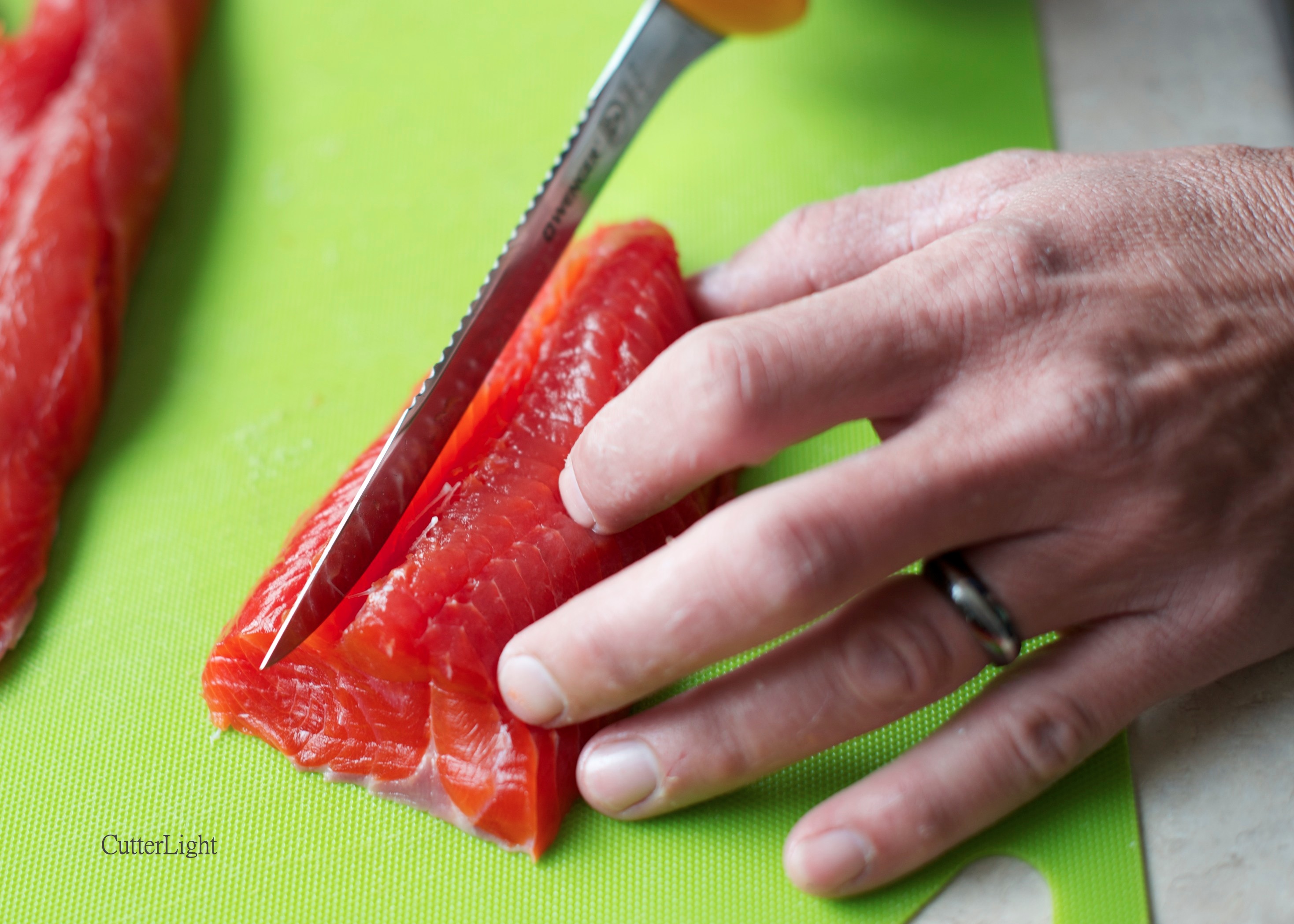
Above: Removing the pin bones from a Sockeye fillet. Of the eight species of Pacific salmon, Sockeye (red salmon) have the firmest flesh and are second only to Chinook in terms of fat content. These attributes make them a perfect choice for sashimi or seared tataki. 

Among Pacific salmon, there is a direct correlation between how far each species travels and how much fat or oil the meat contains. Chinook, which may run 100’s of miles up natal rivers, have meat so laced with fat eating a piece of an upriver bright can be akin to letting a piece of of light, fresh, creamery butter melt in your mouth. While sockeye aren’t quite that fatty, their relatively long spawning runs during which they don’t feed necessitate ample amounts of stored fat. Bluebacks (another name for Sockeye) have rich, oily meat – self-basting on the grill and ideal for sashimi.

sockeye with running tap_n

Marbled with fat, the belly meat of Sockeye is comparable to toro – the highly-esteemed belly meat of tuna.

The term “Sockeye” is derived from similar sounding native American words meaning “red” – which is both the color of sockeye meat and the color they take on during their spawning run. The fillets are beautiful, and given the relative abundance of wild Sockeye and their generally reasonable market price, it’s puzzling that they aren’t utilized more often by sushi restaurants. Unfortunately, most sushi restaurants serve farmed Atlantic salmon – a bland substitute for wild fish.

Chinook fillet on grill_n

Butterfly-filleted, seasoned with salt and pepper, and ready for the grill this ocean-caught king salmon (Chinook) shows this species’ characteristic orange color.

Since producers are permitted to dye farmed Atlantic salmon to match the color of wild fish, looks alone are not always a good way to determine whether or not you’re making a sustainable choice when you purchase a piece of salmon at the market or order salmon at a sushi-ya or other restaurant. Look and ask.  If the menu merely says “salmon,” it’s a sure bet the product came from a farm. Wild Chinook are highly prized and command a higher price than farmed fish; therefore anyone selling wild kings is going to accurately label them as such. The meat of sockeye has a distinctive red coloration and is noticeably firmer than that of other species. Sockeye, too, are highly prized and are almost certain to be accurately labeled.

sockeye sashimi_n

The upper part of Sockeye fillets, the back meat, is beautifully colored and wonderfully firm. 

Sockeye are primarily filter feeders. They have more gill rakers than other salmon, and these gill rakers help them sift out small crustaceans such as krill. These crustaceans are rich in carotene which give red salmon their red color. Krill are also loaded with oil, giving Sockeye their rich, oily flavor.

sockey sashimi with beaver wasabi_n

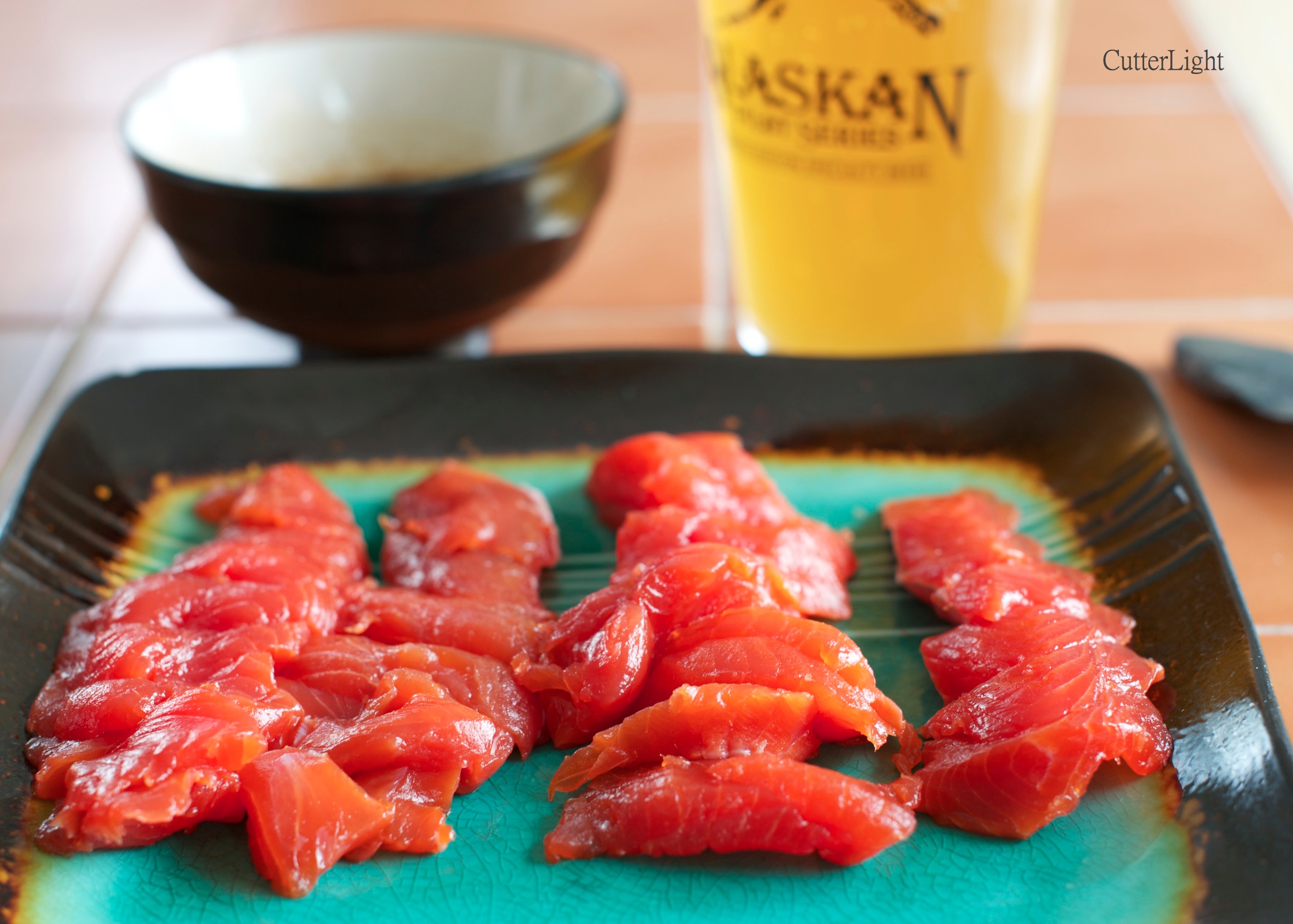
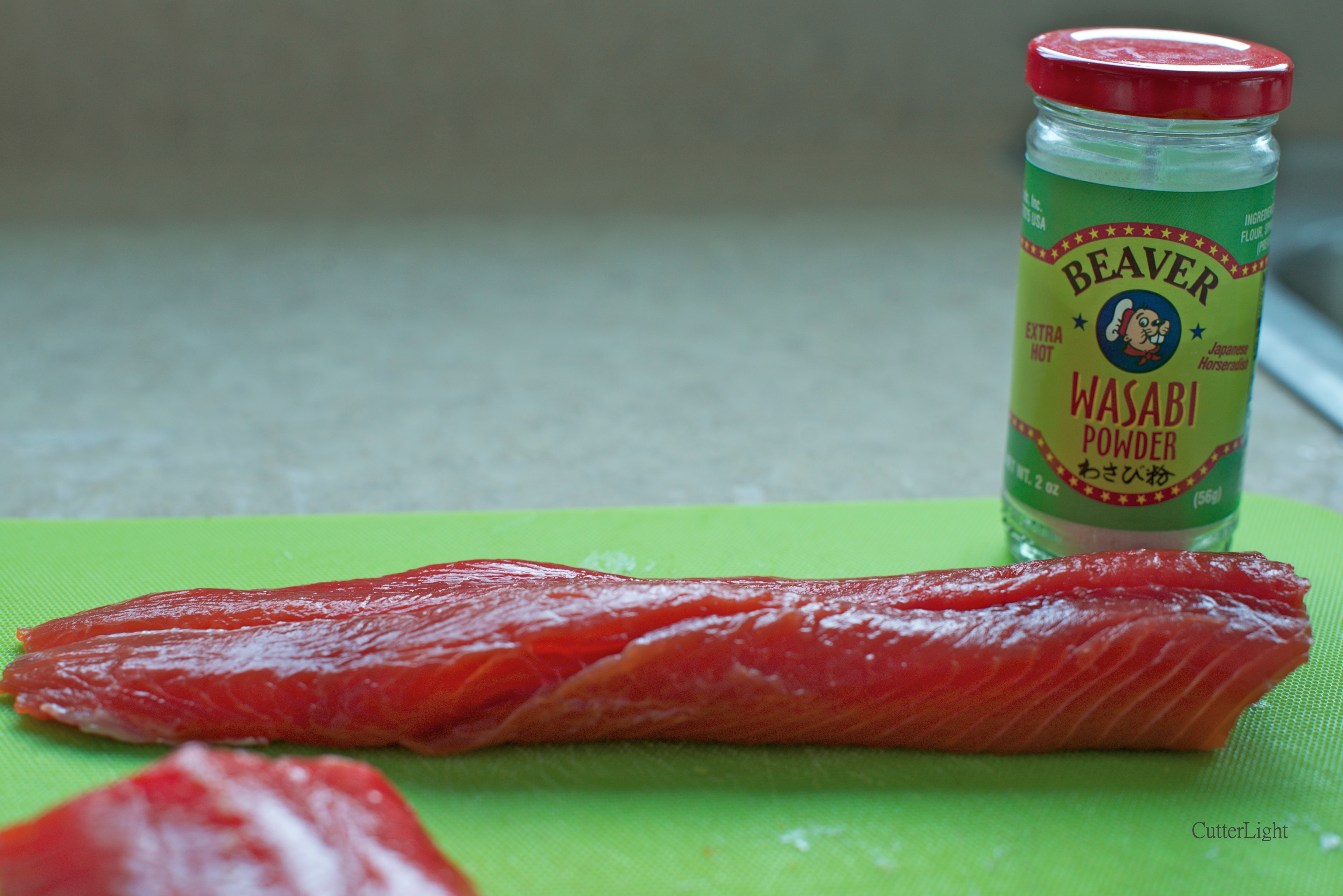
A sashimi-grade Sockeye fillet fresh from Alaska’s famed Copper River is ready to be sliced into thin, bite-sized pieces and dipped in soy sauce with just a hint of wasabi. Enjoy with a favorite craft beer, a good daiginjo sake, or a lightly-chilled Chablis. *We strongly advise readers to freeze salmon and other fish for at least 24 hours before serving raw in order to kill parasites. 

Bourbon and Vodka Vanilla Extract from Scratch: Do Not Open till Christmas!

vanilla w bourbon_n

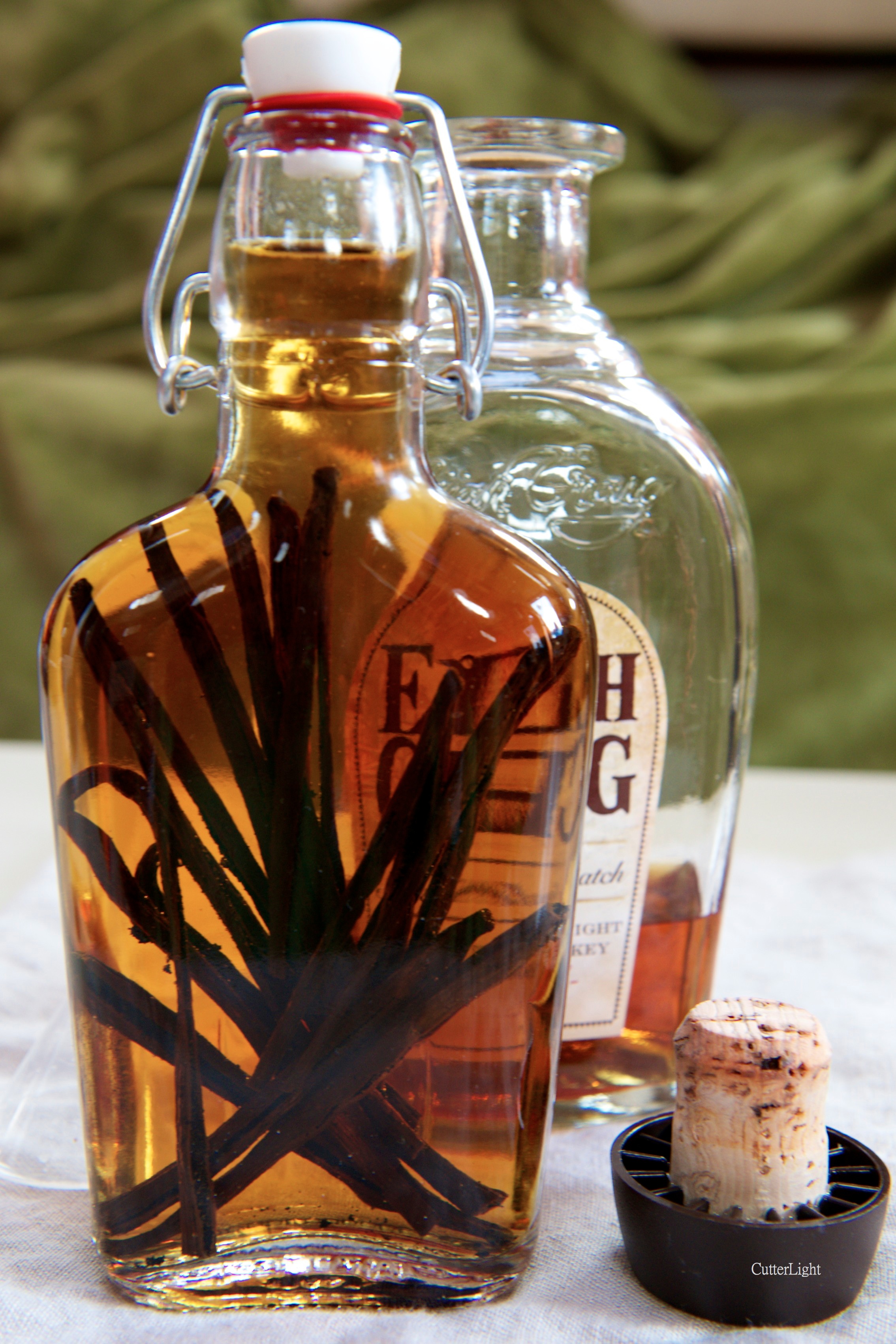
Quality Madagascar vanilla beans, bourbon in one bottle and vodka in the other, and the experiment begins. If all goes well, in six months we’ll have two excellent bottles of double-strength vanilla extract for our Christmas pies and confections.

Even when perfectly good store-bought products are available, we are fascinated by how various foods are actually made. For excellent vanilla extract, we know of no better than Penzeys Spices double strength. But we wanted to give making our own a go.

vanilla beans bourbon and vodka_n

We purchased our Madagascar vanilla beans from Penzeys. For the bourbon and vodka, we went with two well-known makers – a bourbon we enjoy sipping and a vodka that’s fine in our bloody Mary’s.

vodka pouring into bottle_n

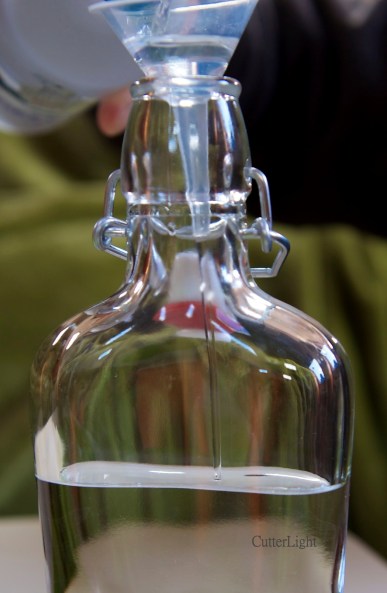
There’s really nothing to creating your own vanilla extract. We had 15 long beans which we cut in half, split down the middle, and placed in old-fashioned bottles with tight seals.

Whether the subject is sherry for cooking or bourbon for vanilla extract, an oft-repeated axiom is “Don’t use anything you wouldn’t drink.” That’s good advice, on par with adding seasonings “to taste” in recipes. On one hand, this isn’t the place to use the finest bourbon one might drink; on the other hand, in our own experience we noticed a marked improvement in our sauces and sautés when we moved away from lower end sherries and upgraded to more drinkable varieties.

.

bourbon pouring into bottle_new

Once the vanilla beans and alcohol have been combined and sealed tight, it’s helpful to give the bottle a gentle shake from time to time to ensure mixing and full extraction. For the richest, most flavorful extract, allow six months to go by before opening.

For this batch, that means we’ll be able to break the seal for Christmastime chocolate orange meringue pie, pecan pralines and extra rich vanilla ice cream.

Lemon Vanilla Biscotti (with Ports, Sherries, Muscat and Roasted Grouse)

fortified wine_n

Light, crunchy and mildly sweet, Lemon Vanilla Biscotti (see recipe below) was the perfect accompaniment to an evening of sampling Port Wines, Sherries, Madeira and Muscat.

Lesson 8 in the wine appreciation course we’ve been taking this summer focused on fortified wines – ruby Port, tawny Port, fino Sherry, Amontillado, Madeira and Muscat. We wanted something sweet but not overly so to finish an evening that began with roasted wild grouse, squash risotto, Brussels sprouts and the sweet wines.

biscotti_n

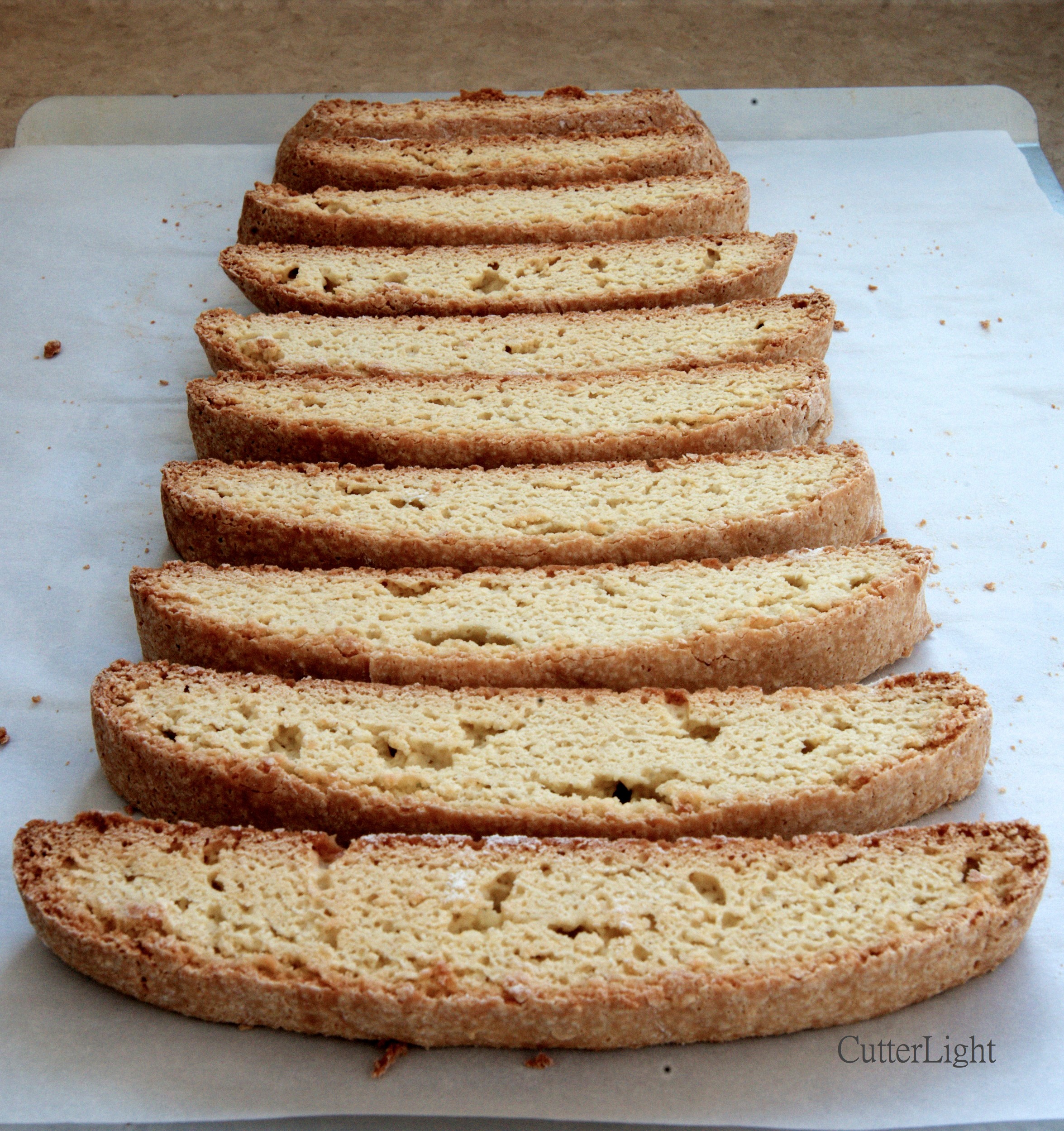
Baked three times, biscotti has a satisfying crunch. This lemon vanilla version could be drizzled with icing, but we enjoyed ours unadorned. 

Although served on a warm Alaskan June evening, the meal took us to visions of late fall evenings and Autumn-colored forests where wild grouse thrive. The grouse and the squash risotto (one of the best we’ve ever enjoyed) were courtesy of our friends Bix and Krystin at Alaskagraphy.

Lemon Vanilla Biscotti

Ingredients

  • 2 cups all purpose flour
  • 1 cup granulated sugar
  • 1 tsp baking powder
  • 3 large eggs
  • 1 tsp vanilla extract
  • 1  1/2 tsp lemon zest

Directions

  1. Preheat oven to 300 degrees F.
  2. Line a baking sheet with parchment paper. Set aside.
  3. Combine flour, sugar and baking powder in medium bowl. Set aside.
  4. Whisk eggs, vanilla and zest in a medium bowl.
  5. Add flour mixture to wet mixture and stir until combined.
  6. Scrape dough onto parchment-lined baking sheet.
  7. With floured hands, shape dough into a flat rectangle (about 10 in. x 5 in.).
  8. Bake for 50 minutes.
  9. Remove from oven and let cool for 10 minutes.
  10. Slice into 1/2 inch long pieces with a serrated knife.
  11. Lay the slices on their side and bake again for 15 minutes.
  12. Remove from oven and flip the biscotti to the opposite side and bake for 15 more minutes.
  13. Cookies should be lightly golden and crunchy on each side.