Wild Strawberry Rhubarb Hand Pies

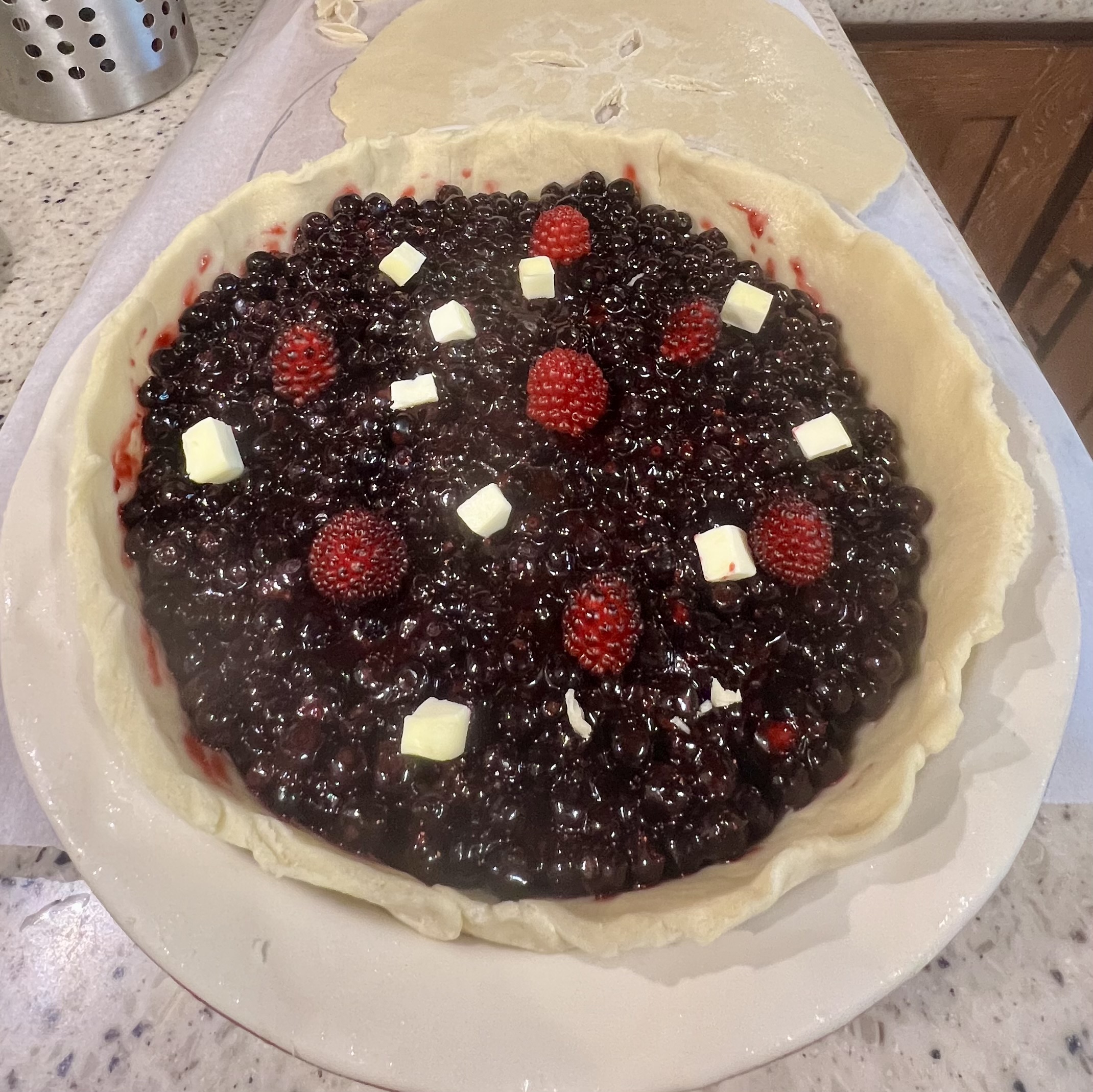
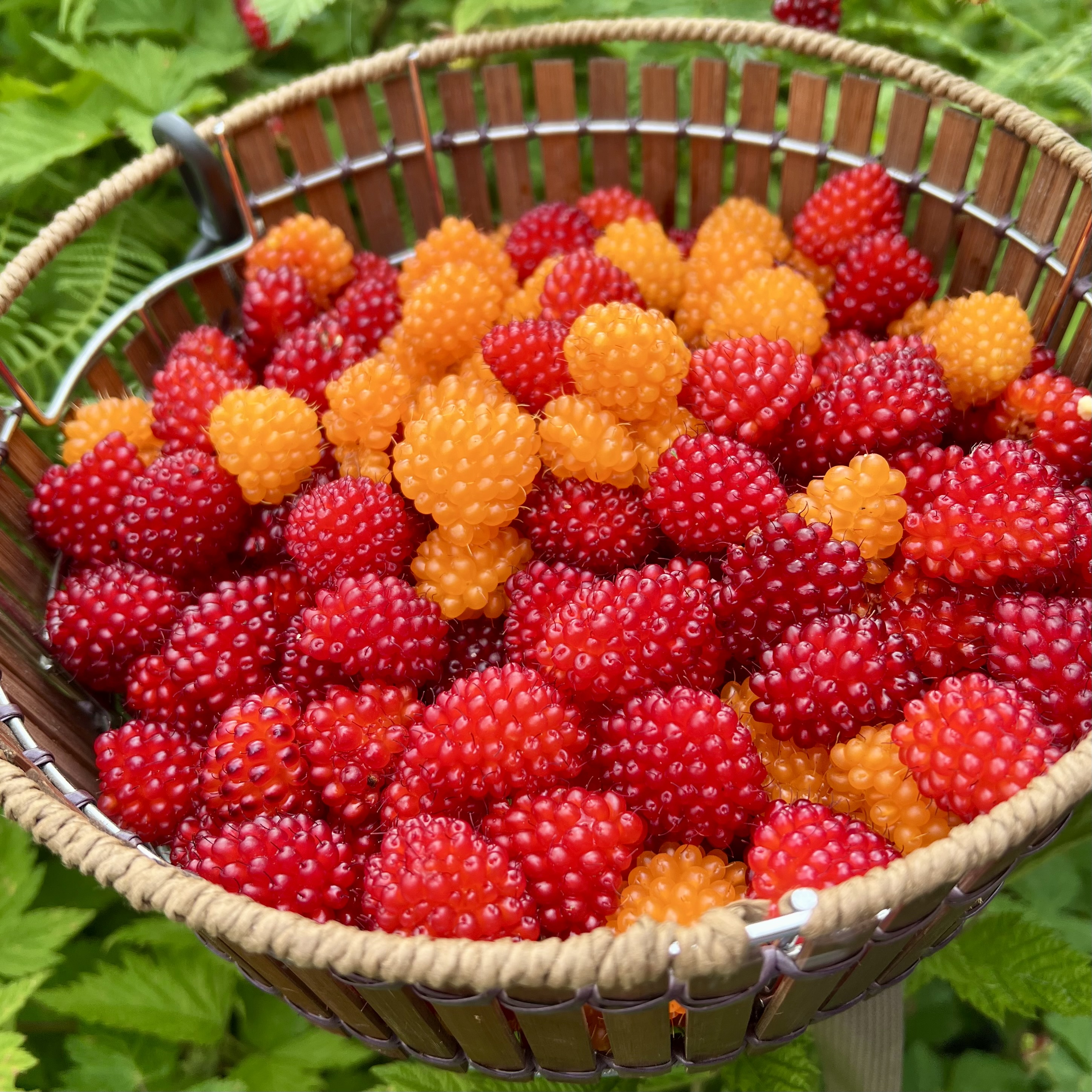
A work in progress – wild strawberry rhubarb hand pies. Perfecting a recipe with frozen fruit. It’s not a feat for the easily frustrated.

#rhubarb #handpies #foraging #chefdonachy #alaskacooking #food #foodphotography #eatingwelloffthebeatenpath #alaskafood #alaskabush #fooddestination #moosepie&malbec

Moose Pie & Malbec – a New Adventure

Perfectly flaky crust stuffed with delectable ingredients. You want the recipe, right?

We are coming up on our fifteenth anniversary of publishing this blog. All those years ago, we packed up our beautiful California bungalow and headed off to live an adventure well off the beaten path in bush Alaska. People thought we would return to the lovely life we left in the urban world after a year or so. But we fell in love with all the joys and challenges with living in bush Alaska and here we are…still living well off the beaten path.

Much of this blog has been dedicated to foraging and recipe creation. Fifteen years of collecting experiences, reimagining food and beverage pairings and generating culinary ideas should lead to … a cookbook! Our blog catchphrase – living well off the beaten path – is now a work progressing toward a book with the working title Moose Pie and Malbec: Eating Well Off the Beaten Path in the Alaska Bush.

To keep you, our long-time readers (and new followers) in the loop, we will endeavor to post regular peeks into what we are working on here on Cutterlight and on Instagram. Follow along on our new adventure and see how it goes, leave a “like” and feel free to comment and share!

Thanks, as always, for reading and commenting!

Chefs and Bakers – Jack and Barbra

Along the Herring Highway

Herring House (Nishin Goten)
West Coast of Hokkaido near HaboroJune 17, 2018

Somewhat paralleling the boom and bust of America’s west coast sardine/herring fishery (see Cannery Row), in the late 1800’s through the early 1900’s, fortunes were made and lost on the back of Hokkaido’s west coast herring fishery. The building in the above image is a Nishin Goten, a communal house for the herring fishermen of that era. Inside are the captain’s quarters, other areas where fishermen and other employees (I’m assuming the fishermen’s wives who were vital in processing the catch) could roll out their futons. Such houses featured a kitchen, a place to store slippers (in those days woven from grass) and a bit of furniture. These days, several Nishin Goten are preserved and open to visitors – well worth a stop if you’re traveling Hokkaido’s west coast along the famed Herring Highway.

A Well-stocked Wilderness Larder

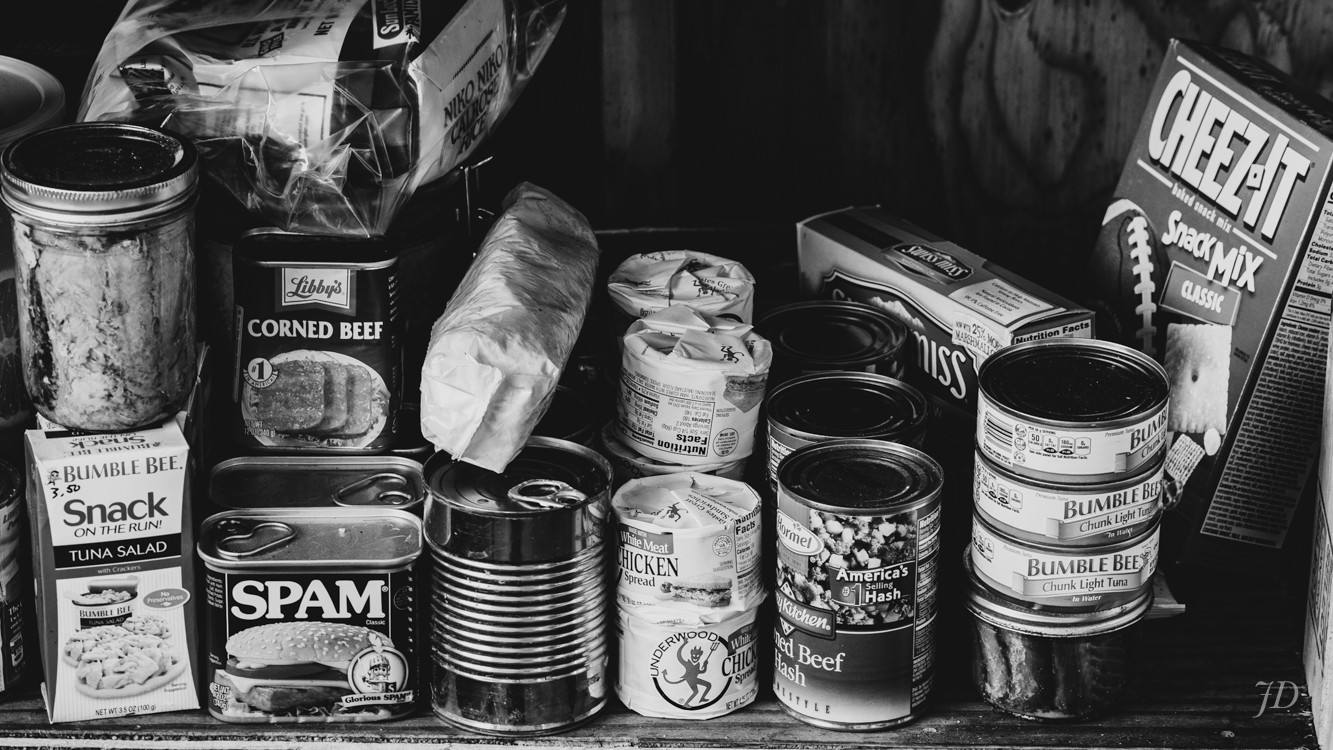
Photograph of the larder in a wilderness hunting cabin in a remote part of Alaska.
The Well-stocked Wilderness Larder
We had packed in sufficient quantities of our own food and so were in no danger of going hungry when a dangerous winter storm came up out of nowhere, flash-freezing Black Lake and stranding us in a tiny cabin on its shores. But I admit… it had been a long time since I’d had a slab of fried spam; it proved to be more than I could resist. Black Lake in the Chignik Drainage, January 2018

Waiting, waiting, waiting… or Double Chocolate S’more Cookies

The flower petals have dropped. Tiny, hard berries are taunting me with their promise. It will be quite some time before they will be ripe and ready for picking. Normally, when I can’t stand the wait for this summer’s fruit, I usually have last year’s berries stashed in my freezer to bake with while I oh-so-patiently wait for this year’s fruit to mature. With the move this year, we gifted our stash to friends at the Lake. So, I wait.

We all know I’m not really going to wait to play in the kitchen. 😉 Now that I have not one, but two grocery stores nearby, I don’t have to keep a stocked pantry like we did at the Lake. But pantry items do drive inspiration. We mailed quite a bit of dry goods that we hadn’t used up. Boxes of pasta, pounds of rice and cans of pumpkin puree didn’t trigger any ideas. There was this bag of mini-marshmallows tucked away. I had purchased them for hot cocoa. What about hot cocoa cookies? Rocky road bars? Marshmallow thumbprints? None of these ideas appealed to me. Then I thought s’mores! I am a s’mores fan, but only in small quantities. I enjoy the summertime fireside treat in ones or twos. What if the essence of chocolate, graham crackers, and toasted marshmallows were featured in cookies instead of their original over-sweet form? The result? A chewy cookie with bursts of chocolate, crunches of graham cracker, and bites of gooey marshmallow. 

The recipe was a successful distraction until the real show starts. (C’mon berries!) Between now and then, I will keep myself occupied with processing spruce tip syrup. And maybe figuring out a way to bake with pasta, rice, and pumpkin? Or not.

Double Chocolate S’more Cookies – small batch

Ingredients

  • 1 cup all-purpose flour
  • 3 tbsp dutch-processed cocoa powder
  • 1/4 cup graham cracker crumbs
  • 1 tsp baking soda
  • Pinch salt
  • 1 stick unsalted butter, room temperature
  • 1/2 cup packed brown sugar
  • 1/4 cup granulated sugar
  • 1 tsp pure vanilla extract
  • 1 large egg
  • 1/2 cup semi-sweet chocolate chips 
  • 1/2 cup mini marshmallows (and a few extra for finishing)
  • 1 sheet graham cracker, roughly chopped

Directions

  1. Preheat oven to 375°F.
  2. Line a baking sheet with parchment paper.
  3. In a bowl, whisk together flour, cocoa powder, graham cracker crumbs, baking soda, and salt. Set aside.
  4. Using electric mixer, beat butter and sugars until light and fluffy. 
  5. Mix in vanilla. 
  6. Mix in egg. 
  7. Slowly add in flour mixture. Mix until incorporated.
  8. Fold in chocolate chips, marshmallows and chopped graham cracker.
  9. I used a 1 1/2 tbsp cookie scoop to spoon out 12 portions of dough to place on prepared cookie sheet.
  10. Bake cookies for 10 minutes. 
  11. Quickly remove baking sheet from oven and add a few more marshmallows on each cookie. Place back in the oven for 2 additional minutes.
  12. When done, cookies will be firm on the edges and soft in the middle. Allow to cool for about 5 minutes on sheet before removing to cool completely on a wire rack.

  13. Repeat steps 9 – 11 with remaining dough.

Coming Out of the Fog – a Culinary Retreat (a cookie recipe, too!)

This summer, one of my goals was to reignite my writing spark. To that end, I signed up for a couple of writing workshops. First stop, Tutka Bay, Alaska.

Several years ago, I acquired the Tutka Bay Lodge Cookbook. It has become one of my two absolute favorite culinary resources. Through the book, I became acquainted with people whom I thought would be kindred spirits. The chefs sought to sustainably use and showcase what they could forage from the lodge’s nearby wilderness. The lodge’s location seemed idyllic – a fjord only accessible by boat surrounded by forest. The cookbook is filled with culinary wonders featuring harvested beach greens, foraged berries and mushrooms, and wild caught fish. When I first read the cookbook, I learned that a cooking school is held on site. I began dreaming of a visit. As with most lodge visits in Alaska, a stay there is expensive. So, it remained a dream – I would say a recurring dream. But I visited the lodge virtually and fueled this dream by regularly adapting the cookbook’s many recipes to create dishes and meals with items we forage and gather here at the Lake.


Set among spruce trees and overlooking a narrow fjord off Kachemak Bay, the deck at Tutka Bay Lodge was an ideal place for cooking classes, a soak in the hot tub, or just relaxing and listening to the songs of forest birds.

During this same time, Jack contributed writing and photos to a lovely “local” magazine called Edible Alaska. The magazine features food-related stories from all over our beautiful state. Earlier this past Spring, the Edible magazine people organized a culinary writing retreat at Tutka Bay Lodge. We were lucky to be invited to this retreat along with what turned out to be an intimate group of fourteen enthusiastic foodies. 

What was a day in the life of an Alaskan culinary writers’ retreat like? As Tutka Bay Lodge is noted for being a dining destination, the days were filled with delicious food. Days started with spruce tip sprinkled breads, house-made lox, fluffy scrambled eggs infused with the lodge’s greenhouse herbs, and bacon sourced from a farm across Kachemak Bay. One of our lunches featured a fresh tossed raw vegetable dish with a grilled open-faced halibut salad sandwich accompanied by a bowl of cream of celery root soup topped with julienned Granny Smith apples. Each dinner began with appetizers paired with wines. Among other starters was a beautiful cold charcuterie lain out along with fresh pretzel bites doused in butter and a Moroccan eggplant tagine. Family-style dinners followed with menu offerings such as king crab infused mashed potatoes, a perfectly cooked beef tenderloin, tossed salads, and herbed biscuits. The most memorable dessert was a Spanish-style baked cheesecake topped with a caramel sauce made from foraged beach kelp. 

Due to the workshop atmosphere, there were plenty of opportunities to learn about local foods. Across Kachemak Bay in the town of Homer, we went on guided tours of Stoked Beekeeping Company, Blood, Sweat and Food farm, and Synergy organic vegetable farm. At a dinner hosted by Synergy Farm, we tasted and learned about mead from Sweetgale Wines. Back at the lodge, we foraged the beach at low tide with naturalist guides. Tutka Bay Chefs taught classes on Moroccan spices, salmon preparation and sushi-making. A local oyster farmer taught us about her business followed by an oyster tasting session. I came home loaded with culinary ideas and goals for the summer. I am more inspired than ever to make bull kelp pickles and to find goose tongue and other beach greens from our nearby ocean beaches.

As writers, we were happy for the opportunity to work with Kirsten Dixon, author and lodge owner. She led us through a writing workshop, connecting modern and ancient stories to Tutka Bay. She shared some of her personal writing as well as other writing that inspired her. Kirsten suggested some writing themes and encouraged participants to share their work at the end of the retreat. The lodge features a cozy writer’s loft which Jack and I found to be ideal as we composed our thoughts surrounded by beautiful views and birdsong. 

I departed our retreat inspired to write more regularly. But that wasn’t what left the biggest impression. One of the participants I met on the first day confided that she hadn’t been around people in two months. She seemed particularly uncomfortable in social setting settings that were part of life at the lodge. The funny thing is that as she shared this with me, I realized that I felt similarly. For all of us, this retreat was the first time since Covid began that we had been in an intimate setting with new people. A warm feeling was growing in the group. What was it? One person articulated it well. “This experience has been like coming out of a fog” she said. It felt freeing to be in place that invited the sharing of ideas and thoughts, a lovely counter to feelings of suspicion and worry that seemed to pervade social gatherings these past two years. 

It was a wonderful visit with newly made friends. I now have a new group I can share culinary ideas with. I have more inspiration to gather and create. I have new ideas to draw writing from. I feel like my fog, too, has lifted.

In honor of this feeling and inspired by my new friends and my new cookbook, Living Within the Wild, I give you a small batch of “Coming Out of the Fog Cookies.”

In Kirsten Dixon and Mandy Dixon’s new cookbook, they shared a recipe for berry chocolate chip cookies. The idea is to take a great chocolate chip cookie and embed a surprise of berry jelly in the center. With this recipe bouncing around my head for a few days, I came up with my own version of this cookie. My idea is to take the best part of a monster cookie and stuff it with a complementary jam surprise. This batch is small. (Two people should only eat eight cookies between them, right?) Of course, this recipe can easily be doubled or tripled if need be.

I invite you to join me in coming out of the fog.

Coming Out of the Fog Cookies

Ingredients

  • 2 tbsp unsalted butter, melted
  • 2 tbsp granulated sugar
  • 2 tbsp brown sugar
  • 1 large egg, beaten
  • ½ tsp vanilla extract
  • 2 tbsp creamy peanut butter
  • 8 tbsp all-purpose flour
  • 6 tbsp quick oats
  • ¼ tsp baking soda
  • Pinch salt
  • 8 tsp jam

Directions

  1. Preheat oven to 325° F (160° C).
  2. Line baking sheet with parchment paper.
  3. In a large bowl, mix together first 6 ingredients.
  4. Stir in flour, oats, baking soda, and salt.
  5. Chill dough for about 15 minutes.
  6. Divide dough into 8 pieces and roll into balls.
  7. Flatten balls.
  8. Place 1 tsp of jam in center of flattened dough.
  9. Close dough around jam. *
  10. Place stuffed cookies, smooth side up, on prepared baking sheet.
  11. Bake for 18-20 minutes, until lightly browned.
  12. Let cookies cool on baking sheet for a few minutes and finish cooling on wire rack.
  13. Enjoy slightly warm or room temperature with a glass of freshly brewed ice tea.

*If your dough is too sticky, butter your hands to work with the dough. 

Breakfast Panna Cotta – Turning Ordinary Into Extraordinary

A breakfast fit for a celebration – now where’s my champagne?

As it happens sometimes, we received a random box of ingredients, this time thanks to the Farmers to Families program. The box included a variety of items that someone defined as household staples. Included were roasted chicken quarters, hot dogs, potatoes, apples, milk, and yogurt. Jack quickly turned out a delicious soup with the chicken, potatoes, and other veggies we had in our fridge. My challenge was the yogurt. I usually make our own yogurt, so we already had more than enough for our regular menu. 

Living in a small village, we often gift extra food amongst our neighbors. For example, if someone gets an extra order of canned pumpkin or tahini (real examples), we share. When that happens, the resulting cooking challenge always strikes me as our own episode of Chopped. We don’t like to let anything go to waste. So the puzzle of the yogurt needed to be attended to right away.

I had just finished re-reading The Tutka Bay Lodge Cookbook and was in the middle of another pastry chef cookbook when the box arrived. I already had Panna Cotta on the brain. I wondered if Panna Cotta could be made with yogurt instead of cream. Panna Cotta is a wonderful gelatinized dessert that can become a delicious canvas for a variety of fruit. The name is derived from Italian and means “cooked cream.” In my experiment, it would be cooked yogurt. So, yes, this is not a true Panna Cotta. My version has the same vanilla bean canvas and the same structure. That’s where the similarity ended.

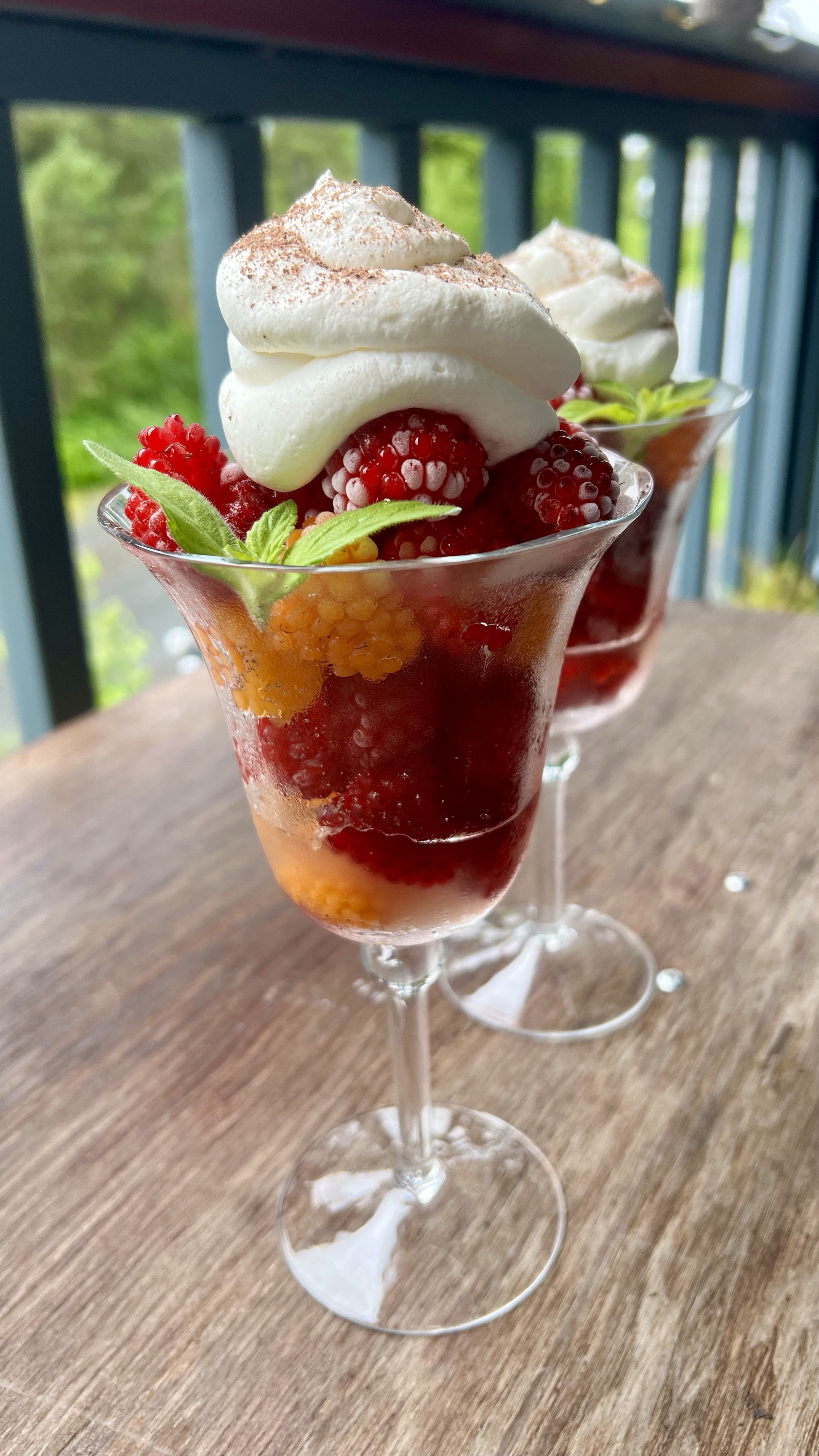
I tested different dishes and glasses for serving the Panna Cotta including wine glasses and ramekins. I think they all worked beautifully. My breakfast Panna Cotta definitely tasted like a rich vanilla yogurt. But it made for a gorgeous and delicious breakfast presentation – layers of crunchy granola, chewy dried fruit, zippy tart berries, and a drizzle of last summer’s wineberry syrup. The same visual layers can be accomplished in any clear glass if ramekins are not available. With just a bit of chilling time and not too much effort, you too can turn ordinary into extraordinary.

Breakfast Panna Cotta

Ingredients

  • 1 1/2 tsp powdered gelatin (1 package)
  • 3 cups plain yogurt
  • 1/2 cup milk
  • 1 tsp vanilla paste
  • 2/3 cup granulated sugar
  • granola
  • dried fruit
  • frozen or fresh berries
  • berry syrup

Directions

  1. Place gelatin in a small bowl. Pour a couple of tablespoons of the milk into the gelatin and mix. Let set for about 5 minutes.
  2. In a medium mixing bowl, whisk together the remainder of the milk, yogurt, vanilla and sugar.
  3. Place about 1/2 cup of the yogurt mixture into a small pot. Warm mixture while stirring constantly.
  4. Add gelatin mixture to pot.
  5. Whisk mixture until gelatin is dissolved. Let cool for 5 minutes.
  6. Pour gelatin mixture back into the original yogurt mixture in the medium bowl. Mix thoroughly.
  7. Divide the panna cotta into 6 ramekins or glasses. 
  8. Cover with plastic wrap and chill overnight in the refrigerator.
  9. To serve, layer on granola, dried fruit, berries and berry syrup of your choosing.
  10. Alternatively, run a knife around the edge of the ramekin, dip the ramekin in hot water and unmold onto a serving plate prepared with a bottom layer of granola. Top panna cotta decoratively with remaining ingredients.

Dungeness Crab Cakes

Sweet Dungeness Crab – all you’ll want is a spritz of lemon.

For as long as I can remember I’ve ordered crab cakes in restaurants. They are, I think, the most difficult seafood fritter, patty or cake to get right. The best I’ve had were served at McCormick’s in Portland some years ago. They came with hollandaise sauce and I used to have them for breakfast with a cup of black coffee or a glass of Pinot Gris, after which I’d walk up the street to Powell’s to look at books or to write.

Thanks to the Dungeness in our freezer, I’ve been experimenting. Crab is difficult because it’s more important to get the seasonings right than with other seafood and then you’ve got to cook the cakes just so. If the cakes are very good, lemon is all you’ll want.

Dungeness Crab Cakes

Ingredients

  • ½ pound cooked Dungeness or Blue Crab meat. If it seems too wet, it is. Squeeze the excess moisture out with paper towel or through a strainer. Take extra care to make sure there is no shell.
  • seasonings: Crab is very sweet. It needs something. I use a blend of dried powdered peppers such as Aleppo, Ancho, Cayenne, Chipotle. The idea is that you want to balance the sweetness of the crab with something that pulls your pallet in a different direction. This actually serves to underscore the sweetness of crab, its signature trait. In addition to the above types of spice, smoked paprika, nutmeg and tarragon can also be added. Dill or fennel? I wouldn’t. I seldom spice anything exactly the same twice. The key here is the spicy pepper.
  • soy sauce: as desired
  • 1 or 2 shallots, diced fine, sautéed till soft in olive oil, removed from pan and set aside to cool
  • ¼ cup red bell pepper, diced, sautéed in olive oil, removed from pan and set aside to cool
  • 1 egg, beaten with a little soy sauce whisked in. Provided you don’t add too much spice to the cakes themselves, you can also add a couple shakes of Cholula here.
  • panko: approximately the same amount in volume as the crab meat. Start by mixing in about half the volume. That won’t feel like enough, so add more till it seems about right – not to wet, not too dry.
  • Olive oil and Butter

Directions:

  1. In a large bowl, mix together the crab, seasonings, shallots, bell peppers, soy sauce and egg. Hands work best for this. Then mix in the panko. Shape the cakes into patties. Keep them fairly small so that they are easy to turn and they stay together.
  2. In a frying pan on medium heat, add enough olive oil and butter in equal parts to shallow-fry the cakes. When the oil is hot, set the timer for 4 minutes and add the cakes. Cover the pan and cook for 1 minute, then lower the temperature to a little below medium. It is important to check the cakes periodically to make sure the bottom side is browning the way you want.
  3. At 4 minutes, gently turn the cakes over and continue cooking uncovered. Occasionally spoon some of the oil-butter mixture on top of the cakes.

These are the best crab cakes I’ve ever had. All I ever want with them is a spritz of lemon. When Barbra and I pick a whole crab and dip it in herbed lemon-butter, we almost always go for a buttery, oaked Chardonnay. But these cakes want something lighter and more fruit forward, so Pinot Gris or similar pairs well.

Don’t Discard the Discard Sourdough Crackers

Delightfully crispy and packed with flavor: cheese-like tang, garlic, onion, with a hit of salt. You’ll never discard your discard starter again.

One day, I noticed a friend had posted on a community webpage that she had extra sourdough starter if anyone wanted it. It made me wonder about extra starter – a problem I don’t seem to encounter. Due to a combination of where we live and our predisposition to avoid waste, we generally don’t have “extra.” Of course, shortly after coming to the conclusion that we’d never have extra starter, I had a week where I skipped making sourdough loaves and wound up with “extra starter.” One of my recipe books recommended discarding the extra. What?! I decided to taste it, to see if the flavor would inspire a recipe. Tasting raw starter was a bad idea. Yuck! 

After a bit of research, I decided to tinker with a cracker recipe I found on the King Arthur Flour website. My first batch came out wonderfully flavored, but too soft. The problem was the thickness. My rolling pin and I could not get the dough thin enough. The solution came to me after rolling lasagna noodles – the pasta machine! If you’ve only ever thought of your pasta machine as a noodle machine, think again. Besides wonderfully flavored and textured linguini and spaghetti, I’ve also cranked out perfect bowties, ravioli and even wonton wrappers. This seemingly single-purposed machine helps perfectly roll sourdough to make satisfyingly crunchy crackers.

If you don’t have a pasta machine, I highly recommend the Atlas model we have. It is a heavy beast, but it is a kitchen tool that’s made the cut every time we’ve had to pack up and move. If you don’t want to add another item to your cupboards, a rolling pin will still work with this recipe. Be patient and aim to roll a thickness of about 1/16”.

The finished crackers have a tangy cheese-like flavor from the sourdough starter. This in combination with a mixture of onion and garlic and a hit of grey sea salt make these crackers very addicting. Serve with the complementary topping of your choice. Or enjoy their flavor unadorned, as I usually do.

Don’t Discard the Discard Sourdough Crackers

Ingredients

  • 1 cup whole wheat flour
  • 1/2 tsp sea salt
  • 1 tsp granulated shallots (onion powder would work, too)
  • 1 tsp granulated garlic
  • 1 cup sourdough starter, unfed
  • 4 tbsp unsalted butter, melted
  • olive oil for brushing
  • coarse salt for sprinkling on top (I like grey sea salt)

Directions

  1. Mix first 6 ingredients to form a smooth dough.
  2. Tightly cover in plastic and refrigerate for at least 30 minutes. I often refrigerate for several days.
  3. Preheat oven to 350 degrees F.
  4. Cover a baking sheet with parchment paper or reusable liner.
  5. Cut off 1/4th of refrigerated dough and roll until it’s about 1/16” thick. I roll it like it is pasta on the pasta machine down to the 5th setting.
  6. Placed rolled dough on prepared baking sheet.
  7. Using a knife, or pastry roller, cut dough into cracker shapes. There is no need to move the crackers apart.
  8. Brush dough with olive oil.
  9. Sprinkle with coarse sea salt.
  10. Bake for 9 minutes.
  11. Crackers will be lightly browned when done.
  12. Let cool on wire rack. Store cooled crackers in an airtight container at room temperature.
  13. Repeat with remaining dough.

Lingonberry Flaugnarde Pour Deux

Flaugnarde is a lovely French name for a baked dessert which has fruit baked into a batter. The flaugnarde process creates a lightly crisped crust and a thick custard-like middle. Topped with ice cream, you’ll have a grand slam last course to any meal.

Lingonberries, known around here as low bush cranberries, are the last berry we forage for before we tuck in for winter. Collectors of these sour, flavorful gems are advised to wait until after the first frost for the best berries. We’ve learned that as long as the berries are fully red, the freezer also seems to do the same trick of enhancing their subtle sweetness.

Last year we found a killer spot for lingonberries across the lake. Looking back on the calendar where we kept noteworthy events, I noted that our several gallons of lingonberries in the freezer were collected in only two picking sessions. Now that’s a great spot!

Lingonberries can be used for cranberry recipes and vice versa. We’ve made lingonberry relish to go with roast turkey or moose, lingonberry breads to accompany poached egg breakfasts, and lingonberry juice for a hot spiced drink to warm up with on cold winter nights.

One of the tastiest recipes I’ve made with lingonberries is a version of Cranberry Chess Pie. It’s creamy filling packs a cranberry-orange, sweet-sour flavor punch inside a beautiful flaky pastry dough crust. This is the recipe I was channeling when I came up with a crustless version, which was supposed to be a little lighter on the calories. I can’t say I was successful with the calorie reduction. But I can say, it was incredibly delicious. I told Jack that I wished I could record his mmmming and ooohhing while he was eating this dessert. That would have been worth a thousand words.

Although this dessert is perfectly delicious on its own, I highly recommend serving it while it’s still warm with a scoop of vanilla bean ice cream. The dish will come out of the oven with a beautifully browned dome top. While it’s cooling, the flaugnarde will fall, creating a hollow perfectly shaped for a scoop of ice cream.

Lingonberry Flaugnarde

Ingredients

  • 1/2 cup + 2 tbsp granulated sugar
  • 1/4 cup unsalted butter, melted
  • Pinch salt
  • 1 extra large egg or 2 small eggs
  • 2 tbsp flour
  • 1 1/2 tbsp Greek yogurt
  • 1 tsp almond extract
  • 1 1/2 cups lingonberries

Directions

  1. Grease two 8 oz ramekins. Set aside.
  2. Heat oven to 375 degrees F (190C).
  3. In the bowl of a stand mixer, add sugar, butter, and salt. Mix together.
  4. Mix in eggs.
  5. Mix in flour.
  6. Mix in yogurt and almond extract.
  7. Mix well.
  8. Stir in lingonberries.
  9. Divide mixture into the prepared ramekins.
  10. Bake until top is golden brown and filling is firm, about 50 minutes.
  11. Cool ramekins on wire rack.
  12. Top warm flaugnarde with scoops of vanilla bean ice cream. Devour immediately.