Plastic Seas: From Water Bottles to Cigarette Butts, It All Becomes Tiny Particles, and It’s the Tiny Particles that are Most Deadly

jellyfish micro purple n

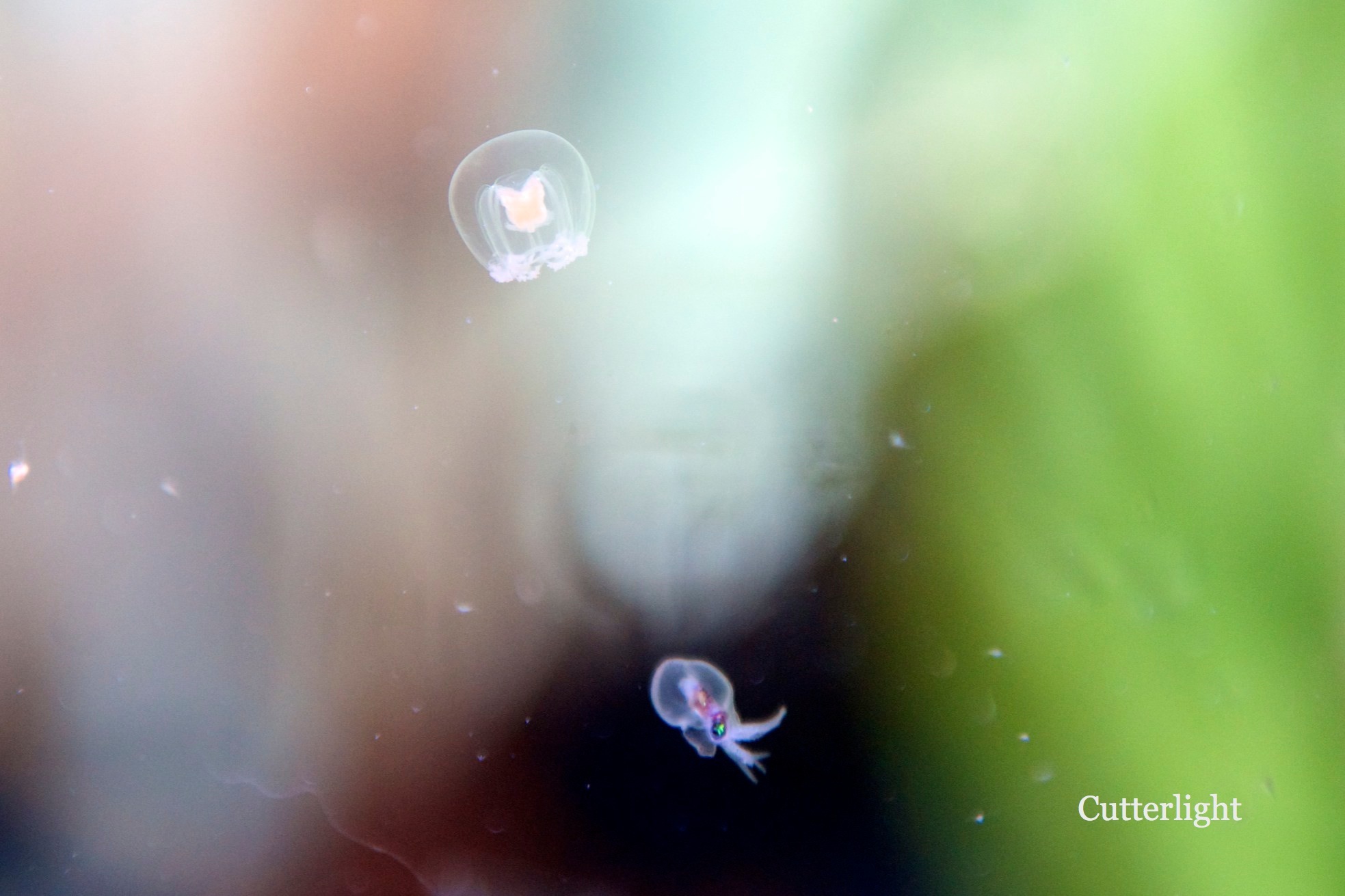
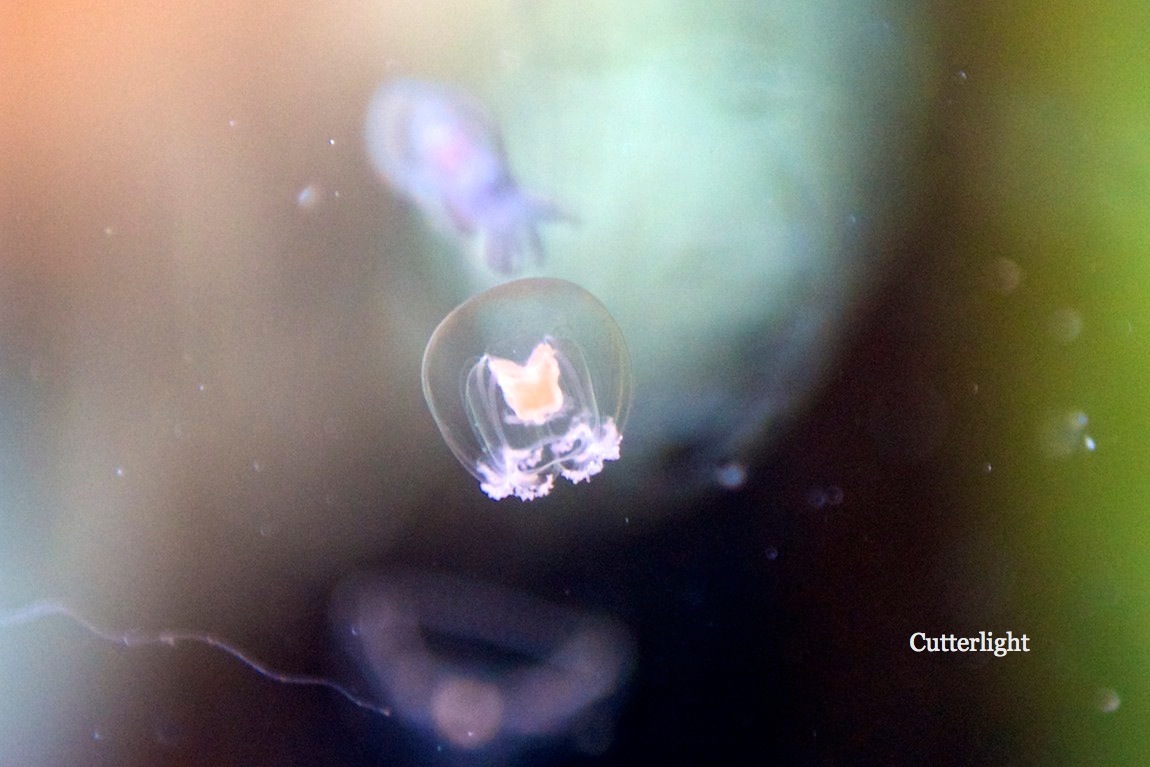
This tiny jellyfish and the octopus behind it are about the size of a pencil led, translucent, and barely visible to the naked eye. Key species near the base of the food web such as herring, sardines, menhaden and mullet routinely ingest plastic fragments as they filter the water for the nutritious plankton they feed on. 

herring pacific sealife center n

Pacific herring feed by facing into the current, hanging their jaws open, and sifting out tiny plants and animals. As plastics break down into fragments – as all plastics from discarded shopping bags to cigarette butts eventually do – the fragments mix in with the rest of the planktonic drift and are consumed by small fish… which are in turn consumed by larger fish, whales, sea lions and us.

squid micro eye n

The tethered balloon that slipped from a child’s hand

The monofilament net the fisherman left hanging on a reef

The cigarette butt that doesn’t matter

jellyfish micro blue orange n

and shopping bags,

and Christmas ribbons,

and cups used only once

and the plastic packaging

inside the shopping bags,

the throw-away toys

inside the Christmas package

the straws and the lids on the used-once cups

are smothering our oceans

and everything in our oceans

and us.

These photos were taken at the Seward Sea Life Center in Seward, Alaska. Visit an aquarium today to learn more about what you can do to help keep our oceans clean and healthy.

jelly fish n squid micro a n

Wild Trout and Salmon Make a Landscape More Beautiful: 10 Reasons We Use Our Alaska Permanent Fund Dividend to Support Trout Unlimited

orca baby and mother n

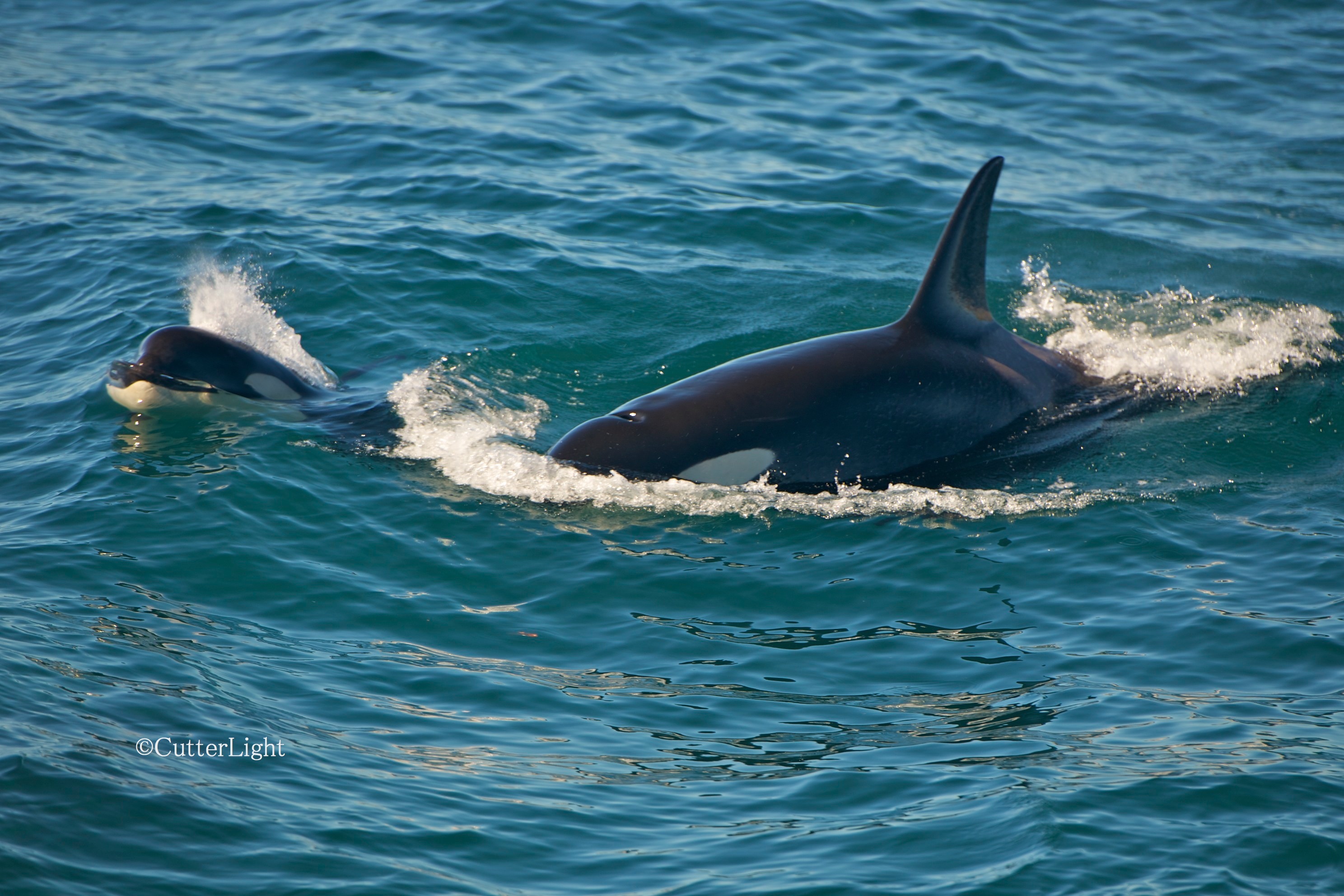
Reason #1: Because baby orcas need milk, and this mother needs a healthy diet of wild salmon to produce that milk. (Orca mother and offspring, Gulf of Alaska)

monica at samon creek n

Reason #2: Because Monica’s pregnant and eating for three. (Brown bear affectionately named Monica by local park rangers, Salmon Creek, Hyder, Alaska)
currants wild n

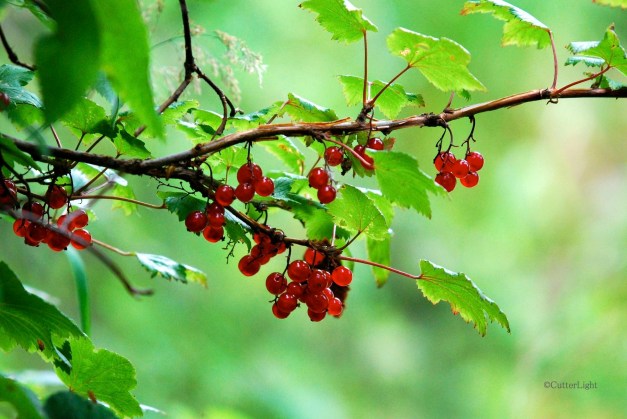
Reason #3: Because the ocean is full of nutrients which salmon embody as they return to their natal rivers and streams, and salmon forests thrive on salmon fertilizer courtesy of all the bears, eagles, mink, crows, ravens, otters, foxes and other animals that eat salmon. (Wild currants, Ptarmigan Creek, Kenai Peninsula, Alaska)
merganser common

.merganser chicks swimming clear water n

.

.

.

Reason #4: Because this merganser needs to find fresh salmon eggs to keep her brood well fed and growing. (Common mergansers, Salmon Creek, Hyder, Alaska)

camp meal on Deschutes n

Reason # 5: Because a meal cooked under starlight after a day of fishing with your best friend tastes better than that same meal would anywhere else. (Tumalo State Park, Deschutes River, central Oregon)
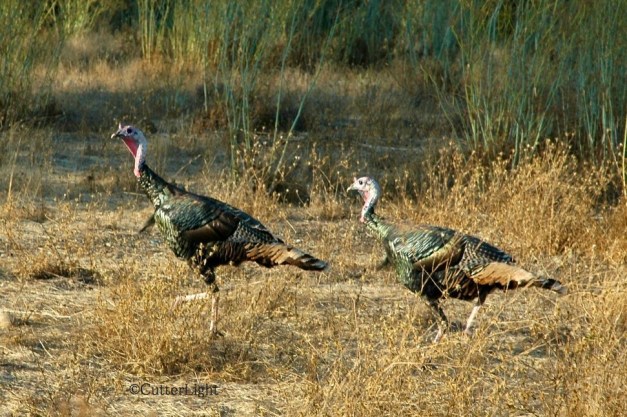
Turkeys along the American River - Copy (3) - Version 2 n

Reason #6: Because what’s good for salmon and trout rivers is also good for so many of the other things in life we love. (Wild turkeys, American River, Sacramento, California)

first king barbra n

Reason #7: Because farmed salmon can’t put a smile like that on a friend’s face. (Barbra Donachy, first king salmon, Resurrection Bay, Seward, Alaska)

Sea Lions at Bodega Bay n

Reason #8: Because we don’t want to live in a world where biodiversity is limited to what can be grown on a farm, raised in a pen, or crammed onto a feedlot. (Sea lions, California North Coast, Bodega Bay, California)
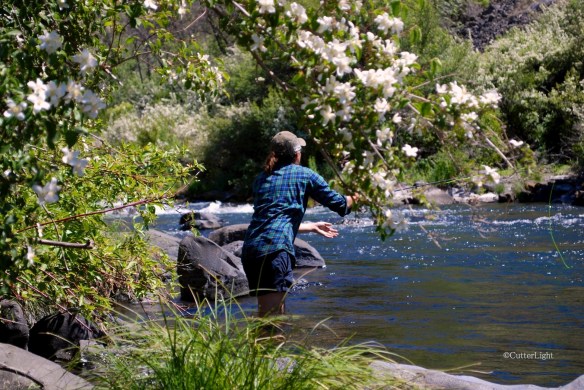
maia on deschutes n

Reason #9: Because girls who grow up fishing with their dads…

Maia with nice silver n

…become women who fish with their dads. (Above: Maia Donachy drifting an elk hair caddis in the Deschutes Canyon, central Oregon. Below: Maia with a hoochie-caught silver salmon gorged with herring, Cape Resurrection, Alaska)

And reason #10: Because salmon make a landscape more beautiful.
red salmon spawning w tail up n

red salmon spawning under water n

.

.

.

.

.

chum salmon on colorful streambed n

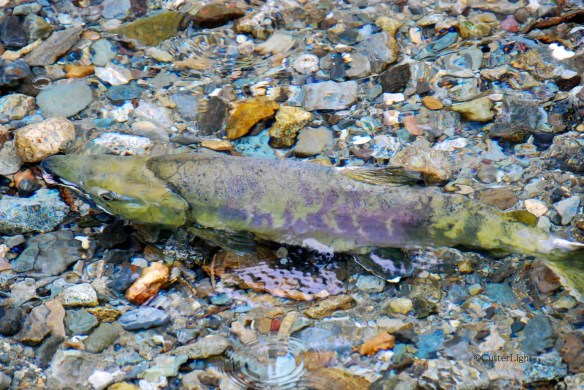
Top photos: spawning sockeye salmon. Bottom photo: spawning chum salmon.

About Trout Unlimited: For 54 years, TU has been a leader in ensuring that we have cold, clean rivers and streams for generations to come. From Northern California to Alaska’s Tongass Forest, from Bristol Bay to the Appalachian Mountains, TU has been instrumental in getting  dams removed from rivers where they do more harm than good, keeping mining and drilling out of our most fragile ecosystems, and protecting trout and salmon forests. At the same time, TU has been dedicated to educating and involving the next generation of environmental stewards – our children and grandchildren. As illustrated above, TU’s efforts benefit much more than trout and salmon. Click here to find out how you can become a member: Trout Unlimited.
The Arctic Terns of Tern Lake: Artists that Redefine the Air

arctic tern hovering n

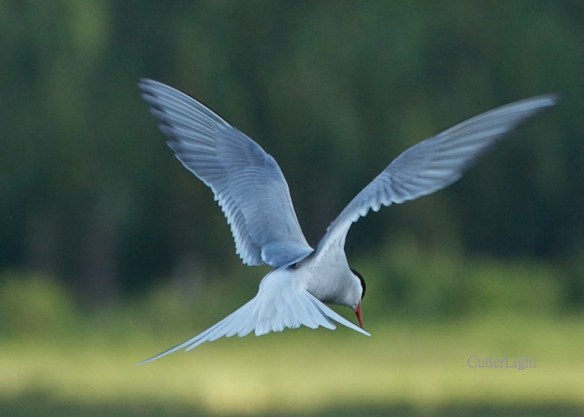
With a brood of chicks waiting to be fed, this Arctic tern (Sterna paradisaea) hovers above the water in search of small fish, its primary food source. Minute control over individual tail and wing feathers enables terns to be graceful, formidable hunters as well as inspiring to watch.

Making an annual round-trip of roughly 50,000 miles (80,000 km) between their breeding grounds in the Arctic and their summer feeding grounds in the Antarctic , Arctic terns are a species that fill one with awe and wonder. Unlike most of their cousins in the gull family, they are true seabirds as their migrations take them over vast oceans far from land. To stand on northern beach and watch terns fly is to watch an artist redefine the air.

arctic tern scouting n

Breeding pairs mate for life and most terns return year after year to the same grounds where they were hatched. There they scratch out a shallow depression in the earth and lay one to three eggs (sometimes more) the size and color of large, brown-flecked olives. Approximately three weeks later the eggs hatch and three to four weeks after that the young birds are fledged. In fall, they will join their parents in making the longest migration of any bird species.

arctic tern head on n

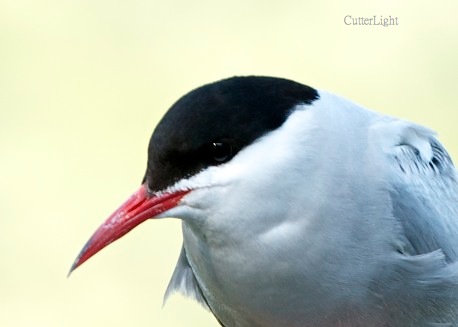
Inky black eyes almost disappear into a jet black cap. Although their legs seem impossibly short, terns are fairly adept on land. A specialized gland allows Arctic terns and other seabirds to extract the salt they ingest and expel it through their nasal cavities. 

Arctic tern close nAlthough one individual is reported to have lived to the advanced age of 34, the average lifespan of an Arctic tern is about 20 years. Their preferred nesting sites are on islands where they’re relatively safe from predators such as foxes and domestic cats, although they lose some eggs and young to gulls and other birds. At one point the millinery trade took a heavy toll on tern populations, but in recent years the greatest threat appears to be decreasing food supplies due to human overfishing. At present, there are estimated to be about one million Arctic terns worldwide.

arctic tern soaring n

Above: An Arctic tern scans the water below for the tell-tale silvery flash of a school of small fish. 

tern showing scissored tail n

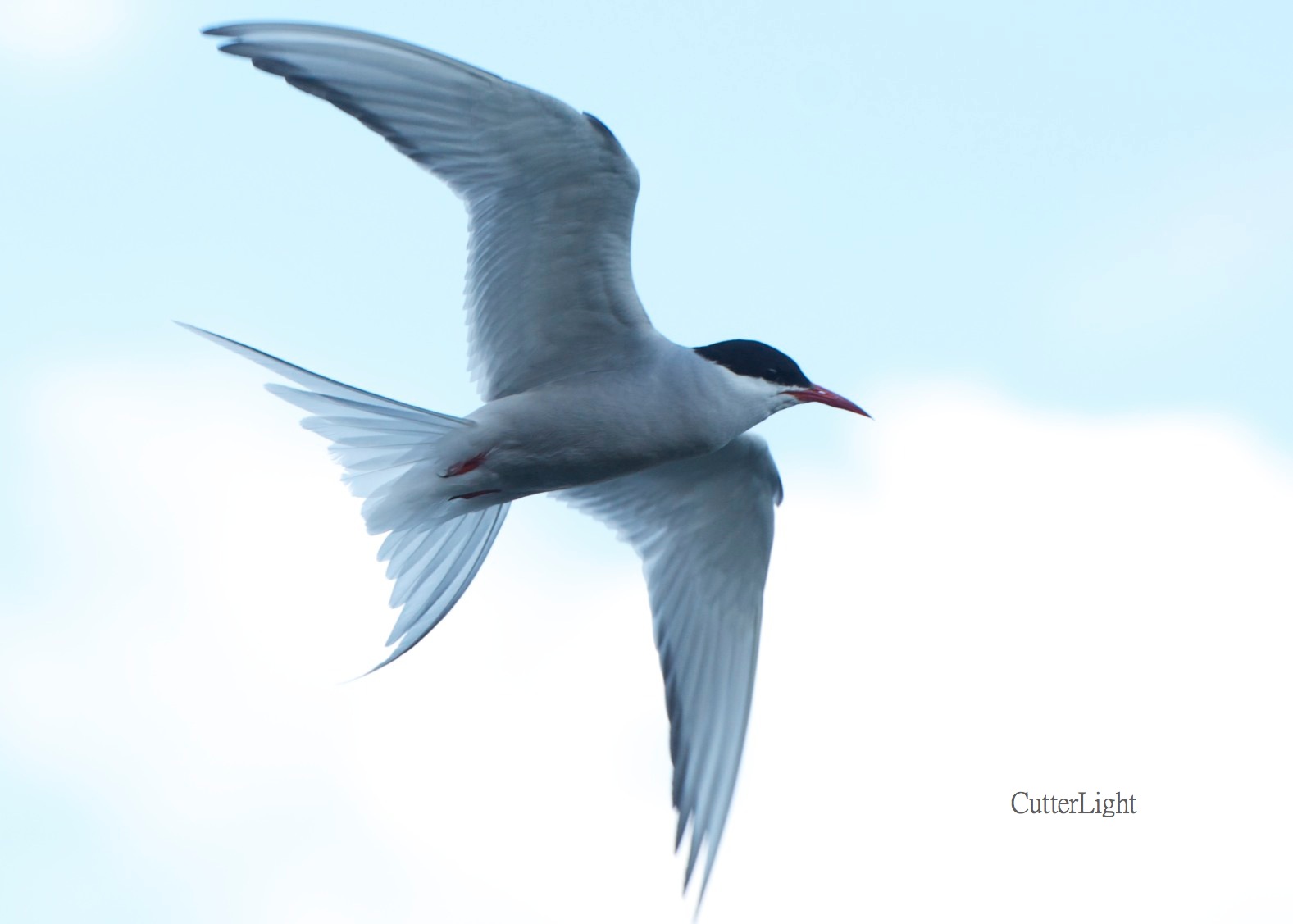
Often flying with a scissored tail and the ability to execute amazing aerial acrobatics – including backflips – account for the Arctic tern’s genus specific name paradisaea – paradise – reminiscent of birds of paradise.

arctic tern reflected n

He’s probably not really looking at his own reflection, but with a snappy red bell and a handsome black cap like that, who could blame him if he is?

Ghost Trees and Ghost Birds: Video and a Poem

At some point during my youth in western Pennsylvania, I read about a magnificent bird – the ivory bill woodpecker, the Lord God Bird. I wanted badly to see one and I knew that my dad – a naturalist – would know where to look. “They’re gone,” he said. I looked at him quizzically. “They’re extinct. They need big, old forests, and the big, old forests have all been cut down.” My dad was right. You should know that going into this film – a feature-length documentary that is powerful and sad and very much worth seeing.

.

Ghosts of Trees, Ghosts of Birds

People imagine they see them still,

ivory bills,

in remnant stands of virgin forests

too small to sustain these great birds.

In that way God Lord Birds are everywhere –

an image in burnt toast, a shadow pulling itself

into a triangular head,

a flash of red

as the late sun slants through the canopy,

or a fractured rock on a hillside gathering the feathered light

and darkness like a black and white diamond on a water oak trunk.

Ghosts of trees, ghosts of birds

Their nesting holes,

five inches across, 50 feet up –

hewn into hardwood with bone-chisel bill –

gone, too,

vanished with the ancient forests

into the humid air

above the endless spread of soy bean fields

Ghosts of trees, ghosts of birds

And so we pause

in the late morning

and set our paddles across the canoe’s gunwales

amidst the cypress knees, black gum and snags

as the mist lifts from this swamp

far enough away from all that

that it could be

the last place on earth

these birds exist

and strain our ears

and listen for double knocks

that rose and died 60 years ago.

Sockeye Salmon: Earth-friendly Sashimi

sockeye sashimi removing pin bones_n

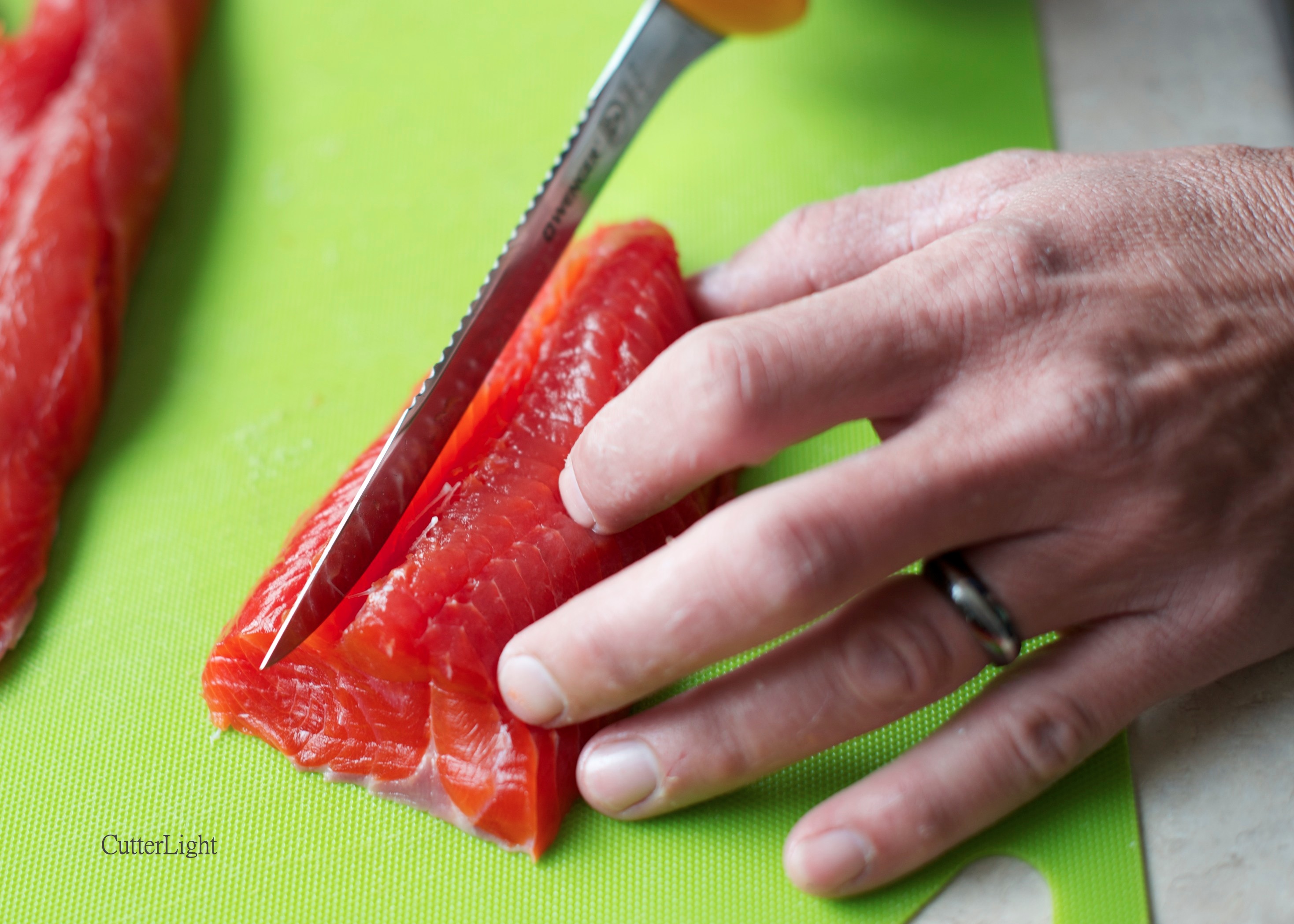
Above: Removing the pin bones from a Sockeye fillet. Of the eight species of Pacific salmon, Sockeye (red salmon) have the firmest flesh and are second only to Chinook in terms of fat content. These attributes make them a perfect choice for sashimi or seared tataki. 

Among Pacific salmon, there is a direct correlation between how far each species travels and how much fat or oil the meat contains. Chinook, which may run 100’s of miles up natal rivers, have meat so laced with fat eating a piece of an upriver bright can be akin to letting a piece of of light, fresh, creamery butter melt in your mouth. While sockeye aren’t quite that fatty, their relatively long spawning runs during which they don’t feed necessitate ample amounts of stored fat. Bluebacks (another name for Sockeye) have rich, oily meat – self-basting on the grill and ideal for sashimi.

sockeye with running tap_n

Marbled with fat, the belly meat of Sockeye is comparable to toro – the highly-esteemed belly meat of tuna.

The term “Sockeye” is derived from similar sounding native American words meaning “red” – which is both the color of sockeye meat and the color they take on during their spawning run. The fillets are beautiful, and given the relative abundance of wild Sockeye and their generally reasonable market price, it’s puzzling that they aren’t utilized more often by sushi restaurants. Unfortunately, most sushi restaurants serve farmed Atlantic salmon – a bland substitute for wild fish.

Chinook fillet on grill_n

Butterfly-filleted, seasoned with salt and pepper, and ready for the grill this ocean-caught king salmon (Chinook) shows this species’ characteristic orange color.

Since producers are permitted to dye farmed Atlantic salmon to match the color of wild fish, looks alone are not always a good way to determine whether or not you’re making a sustainable choice when you purchase a piece of salmon at the market or order salmon at a sushi-ya or other restaurant. Look and ask.  If the menu merely says “salmon,” it’s a sure bet the product came from a farm. Wild Chinook are highly prized and command a higher price than farmed fish; therefore anyone selling wild kings is going to accurately label them as such. The meat of sockeye has a distinctive red coloration and is noticeably firmer than that of other species. Sockeye, too, are highly prized and are almost certain to be accurately labeled.

sockeye sashimi_n

The upper part of Sockeye fillets, the back meat, is beautifully colored and wonderfully firm. 

Sockeye are primarily filter feeders. They have more gill rakers than other salmon, and these gill rakers help them sift out small crustaceans such as krill. These crustaceans are rich in carotene which give red salmon their red color. Krill are also loaded with oil, giving Sockeye their rich, oily flavor.

sockey sashimi with beaver wasabi_n

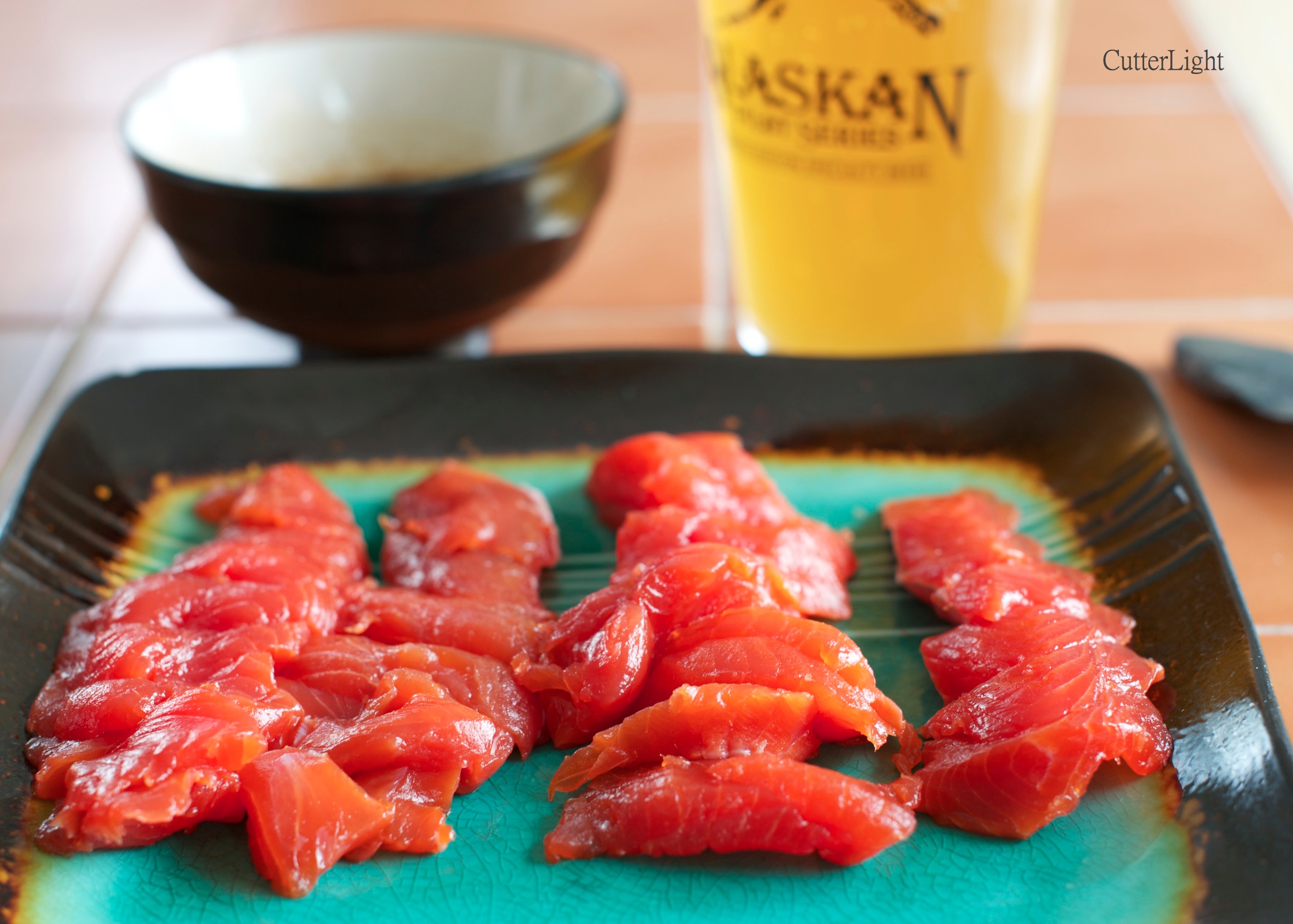
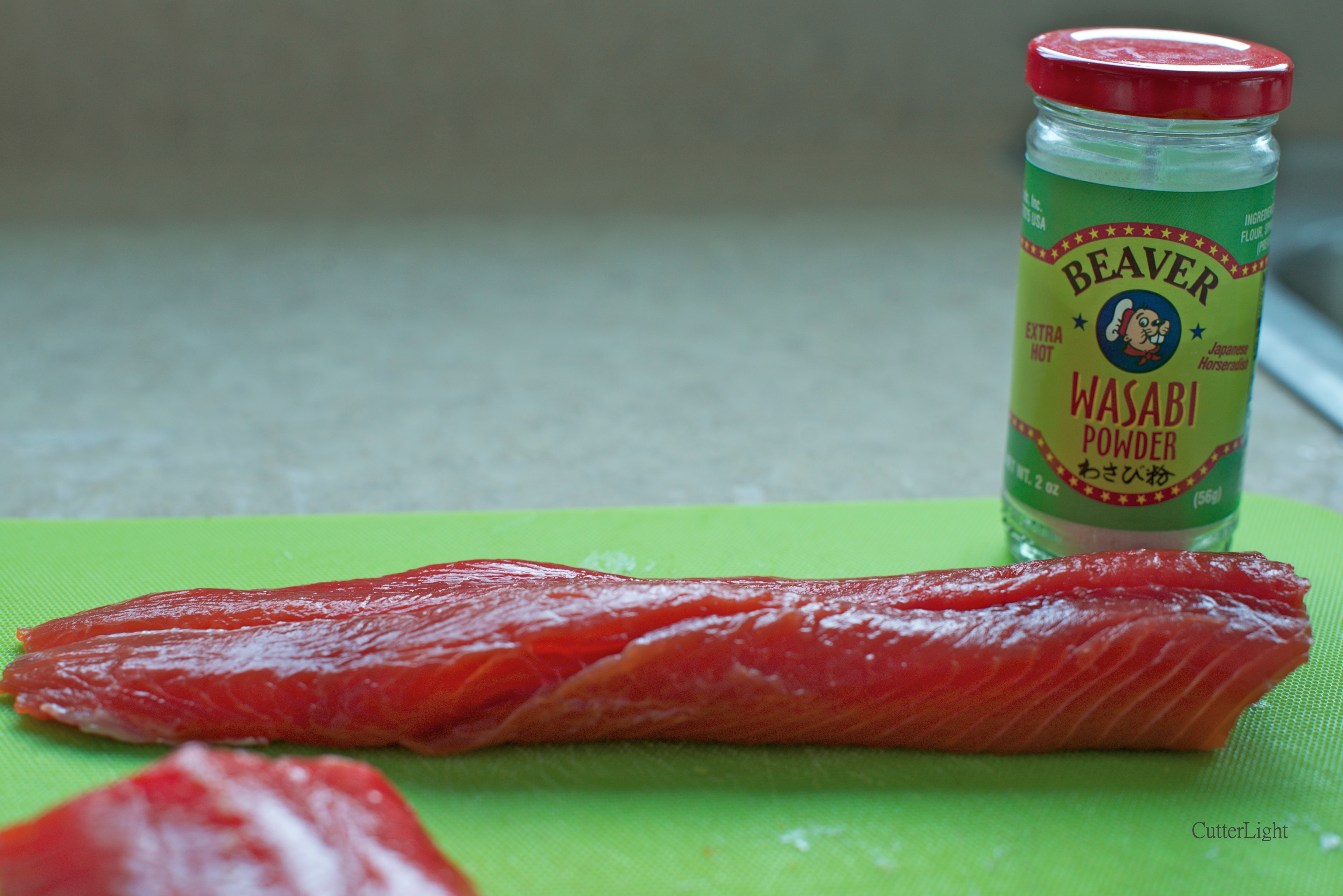
A sashimi-grade Sockeye fillet fresh from Alaska’s famed Copper River is ready to be sliced into thin, bite-sized pieces and dipped in soy sauce with just a hint of wasabi. Enjoy with a favorite craft beer, a good daiginjo sake, or a lightly-chilled Chablis. *We strongly advise readers to freeze salmon and other fish for at least 24 hours before serving raw in order to kill parasites. 

Farmed Atlantic Salmon: The Deadliest Catch

If you believe that farmed salmon are part of a solution, to anything, we hope you’ll watch Salmon Confidential. If you believe farmed salmon are a healthy food choice, we hope you’ll watch this video.

The setting is British Columbia, Canada. The protagonists are wild salmon, river keepers, and scientists. The film is a fast-paced hour that will leave anyone who watches it and who cares about the food they eat, about our planet’s wild places, and about government transparency and its proper role in mega-farming of all descriptions with serious questions.

“…and the kid looks at you and says, how could there have been thousands of salmon here, you’re just an old man exaggerating. And then I have to correct him, not thousands, tens of thousands.” Russell Chatham in Rivers of a Lost Coast talking about one small west coast river

Overfishing and the Non-Solution of Aquaculture

This four-minute video presents the clearest, most accurate explanation of issues close to our hearts we’ve found: overfishing and the peril of aquaculture. We are emptying our seas at an unsustainable rate. But there are real solutions at hand:

  • Our governments need to follow science-based harvest recommendations.
  • Understand why aquaculture (fish farming) merely robs Peter to pay Paul, and for most species is not a solution.
  • Purchase local, wild fish whenever and wherever possible – even if it costs more.
  • Write a note to the FDA (click here) urging them to follow the American Fisheries Society’s names for fish species so that restaurants and retailers have to honestly tell consumers what we are purchasing.
  • Use your dollars to show commercial fishermen that you are willing to pay for responsibly harvested fish as opposed to farmed fish and fish harvested by nonselective, rapacious factory ship fishing.
  • Become educated and talk with your friends.
  • Forward or share this blog post/video.
  • Join Trout Unlimited or another conservation group that works to protect fish habitat. (Check Charity Navigator to ensure that the organization you choose spends its dollars responsibly.)
  • Learn to fish. A single person selectively targeting fish from local waters for personal/family consumption is still the most ecologically sustainable method of fish harvest.

Thanks for reading. Jack & Barbra

Alaska Salmon Lox or Gravlax

Lox on onion bagel_n

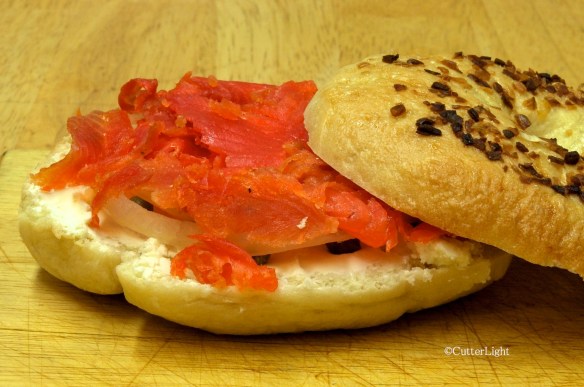
With a history dating back to the European Middle Ages, a number of methods for preparing lox and gravlax (or gravad lax) have evolved. We’ve settled on a dry-brining method that produces beautifully colored, deliciously flavored salmon fillets ready to be sliced translucently thin as on the above freshly made onion bagel.

Many cultures have a tradition of salting and burying fish, a technique that results in both preservation and fermentation. In fact, the origins of sushi can be traced back to fish prepared in this method. The grav of gravlax derives from the Scandinavian word for grave, and lax, salmon, has cognates in many old European languages. Thus gravlax literally means “buried salmon.”

Although preparing lox is somewhat labor intensive (the fillets are packed in salt under light pressure and liquid must be drained every 24 hours or so over a period of several days), since it isn’t smoked, anyone with a refrigerator can make it. Both sea salt and kosher salt produce good results, and we like to add a little brown sugar and black pepper. The dry brining method we prefer is known as “Scottish-style.” Other styles call for a wet brine. Dill, juniper berries and other seasonings are traditionally used in some recipes, but we prefer to add seasonings, if any, when the lox is being served.

In addition to traditional lox on a bagel with cream cheese, capers and a thin slice of onion, it’s also excellent on scrambled eggs, as a colorful finishing touch to deviled eggs, or as a wrap around any number of vegetables or other seafoods and served as an hors d’oeuvre.

Silver salmon head n

Always look for the freshest fish. Salmon should be bright with clear eyes and a pleasant smell reminiscent of the sea.

While historically lox was made with Atlantic salmon, these days, with Atlantic salmon populations in severe decline almost everywhere, the Atlantic salmon available in stores is farmed in places such as Norway, Scotland, British Columbia and Chile. For reasons rooted in flavor, sustainability and environmental impact, we prefer wild Pacific salmon. The salmon in the above photo is Coho (silver salmon), but any Pacific salmon species works well, as do large char. If you leave the skin on the fillets, it can later be used to create a crispy fried appetizer.

For the best presentation, lox should be sliced very thin. The best tool we’ve found for this job is a yanagiba – a Japanese sashimi knife. Our yanagiba has an extraordinarily sharp, nine-and-a-half inch blade. Both the sharpness and the length are important for slicing – not sawing – ultra thin pieces of salmon.

For a great recipe for smoked salmon, see:

Smoked Salmon with Soy Sauce and Brown Sugar Brine

For excellent homemade bagels, see: Bagels 3 Ways

———————————————————-

Homemade Lox

Ingredients

  • 1 lb. fresh salmon fillets, skin on. The fillets need not be scaled, but do take pains to ensure that all bones are removed.
  • ¼ cup coarse sea salt
  • ¼ cup brown sugar
  • 1 tbsp freshly ground black pepper

Directions

  1. Rinse fish and dry thoroughly.
  2. Remove any pin bones in fillet with tweezers or needle nose pliers.
  3. Mix together salt, sugar and pepper. (This recipe works well when multiplied. Our last batch was 5 pounds of fish.)
  4. Pack salt mixture around fish. You can do this skin side down.
  5. Sandwich two pieces of fish together, skin side out.
  6. Pack any leftover sugar mixture onto exposed fillet.
  7. Wrap sandwiched pieces tightly with plastic wrap. Leave sides slightly open so liquid can drain while the salmon cures.
  8. I use a poacher with a draining tray for the next step. Another method would be to place a steamer basket at the bottom of a plastic box. The idea is to create a raised place for the fish to set while being pressed from the top. This will allow the juice to drain away from the fish.
  9. Place sandwiched salmon in poacher.
  10. Place weight on top of all salmon pieces. I use large jars of jam or large containers of salt. I have seen pictures of people using bricks.
  11. Place poacher in refrigerator.
  12. For 7 days, every 24 hours pour off liquid from the bottom of the poacher and flip the fillet sandwiches.
  13. At the end of 7 days, take the salmon out of the plastic wrap and thoroughly rinse using really cold tap water.
  14. Thoroughly pat dry.
  15. Slice very thin and enjoy!
  16. Store leftovers in refrigerator or freeze in airtight containers.

Winter Light and Polar Bear Prints, Point Hope, Alaska

Sun, 3 PM Dec 22, Point Hope_n

This photo was taken on December 22, 2012, a day in the midst of the month during which the sun does not rise above the horizon in Point Hope, Alaska. 

The sun dipped below the horizon 31 days ago on December 6 and did not rise again till yesterday, January 6. And yet, there was light each day, dim, brief, often breath taking.

We walked to the beach on one of those days when the sun didn’t rise. It was about 3:00 pm, and the sky was filled with shades of red, violet, amber and gold. The sea, which lies just 300 meters or so from our doorstep, is locked in ice. This time of year, polar bears are always a possibility as they roam the ice, searching for food.

Maia's hand in Polar Bear Track, Dec 22, 2012_n

Maia’s hand is dwarfed by a fresh polar bear paw print. 

Edging the beach where ice met land was a fresh set of polar bear tracks. The evidence that we share this environment with these magnificent animals was thrilling – but also a reminder that caution is in order. We scanned in every direction as far as our eyes would take us. No movement. The bear had probably passed through in the dark of early morning.

Polar Bear Tracks on South Beach Dec 22, 2012_n

Arctic foxes often follow polar bears in hopes of dining on scraps of the bear’s kill. Above, you can see the small paw prints of a fox near the bear’s tracks. Notice the tell-tale scrape marks in the snow on the forward edge of some of the bear tracks. Their long claws leave these scrapes as the bears amble along.

We waited and watched and listened. The wind moving over the seemingly endless frozen sea was all we could hear. In the distance to the east, we could see Cape Thompson’s snowy cliffs bathed in light etched against the pink horizon. As we walked along the edge of the sea, we found a murre, apparently exhausted, tucked into a snowy alcove against a bank of ice. The bird was lucky the fox had already passed by. Although the murre found the strength to take flight as we drew near, it is doubtful it went far. The Arctic winter is unforgiving.

Maia walking to ocean Dec 22 Point Hope II_n

Walking west, toward the sea, on a December day in Point Hope…

Daughter Maia was in the village for a two-week visit over winter break from college. Unfortunately, the Northern Lights didn’t cooperate, but the sky still put on some amazing displays.

Point Hope South Beach Dec 22 3 pm Nikon D90

More lacquering

“Tsuribito” means “angler” in Japanese, but Adam’s blog The Complete Tsuribito delves into much more than fishing. This is a terrific idea for a greener (and more aesthetically pleasing) New Year: beautifully crafted, two-piece chopsticks to go anywhere you go. Jack & Barbra

Adam's avatarthe Compleat Tsuribito

This time culinary rather than angling: “collapsible” screw-in chopsticks.  These I bought with the screw fittings already set in the raw wood and the whole cut down to the right size; I just sanded the wood smooth, shaped the chopsticks a little and then lacquered them.  This time I used a technique called “Rubbed Urushi” which looks a little different to the kind of finish you get on bamboo fishing rods.

Most restaurants here in Japan will be happy for you to bring your own chopsticks as it saves them the expense of a pair of wooden ones, which are  thrown away after use.  If you eat out just one meal out of 21 in a week, in a year that is a saving of more than 50 pairs.  Some restaurants these days in fact try to cut down on their use of wood chopsticks and have changed to…

View original post 360 more words