Ptarmigan and Cloudberries: A Walk on Alaska’s Arctic Tundra

willow ptarmigan pair n

Looking almost like exquisite mounts in a museum diorama, these Willow ptarmigan (Lagopus lagopus) proved to be quite approachable. While hiking on the tundra near Point Hope in September we came across two coveys totaling about 20 birds.
cloudberries early frost

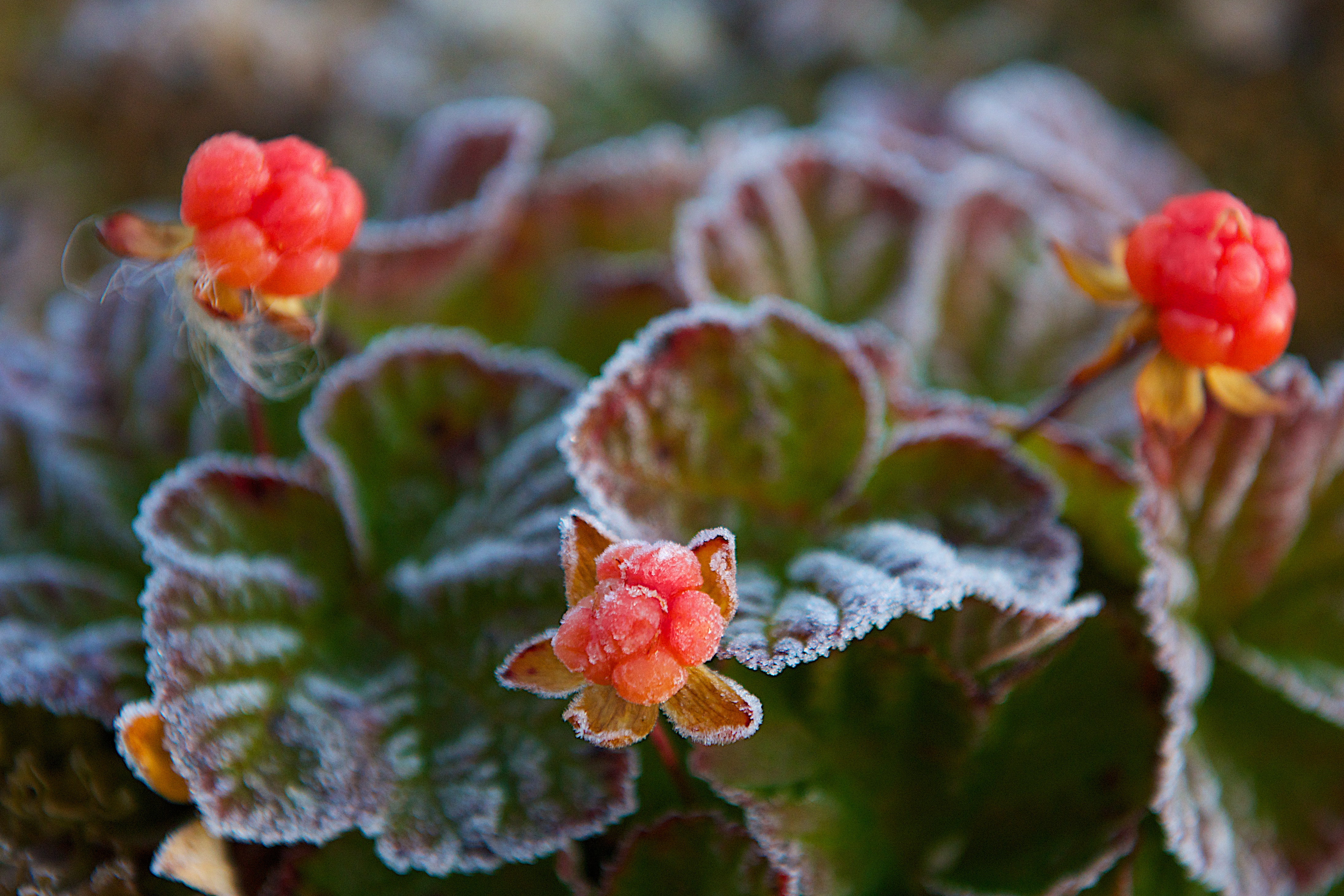
Nipped with frost, these cloudberries tasted like sorbet and were no doubt what had drawn the ptarmigan.

willow ptarmigan jack shooting n

Barbra cautiously approached the birds as I lay on my stomach, inching through the boggy terrain, shooting, hoping a few shots might come out.

willow ptarmigan solitary n

The plumage of these fall birds is in transition from the mottled browns and reds of summer to the snow white of winter. These are the same species as the red grouse of Scotland.

willow ptarmigan barbra approaching n

Barbra crouches and stalks closer to the birds. Note the densely feathered legs. The Latin lagopus translates to “hare foot” for the resemblance of ptarmigans’ feather-covered legs and feet to those of snowshoe hares. 
caribou antler fall tundra n

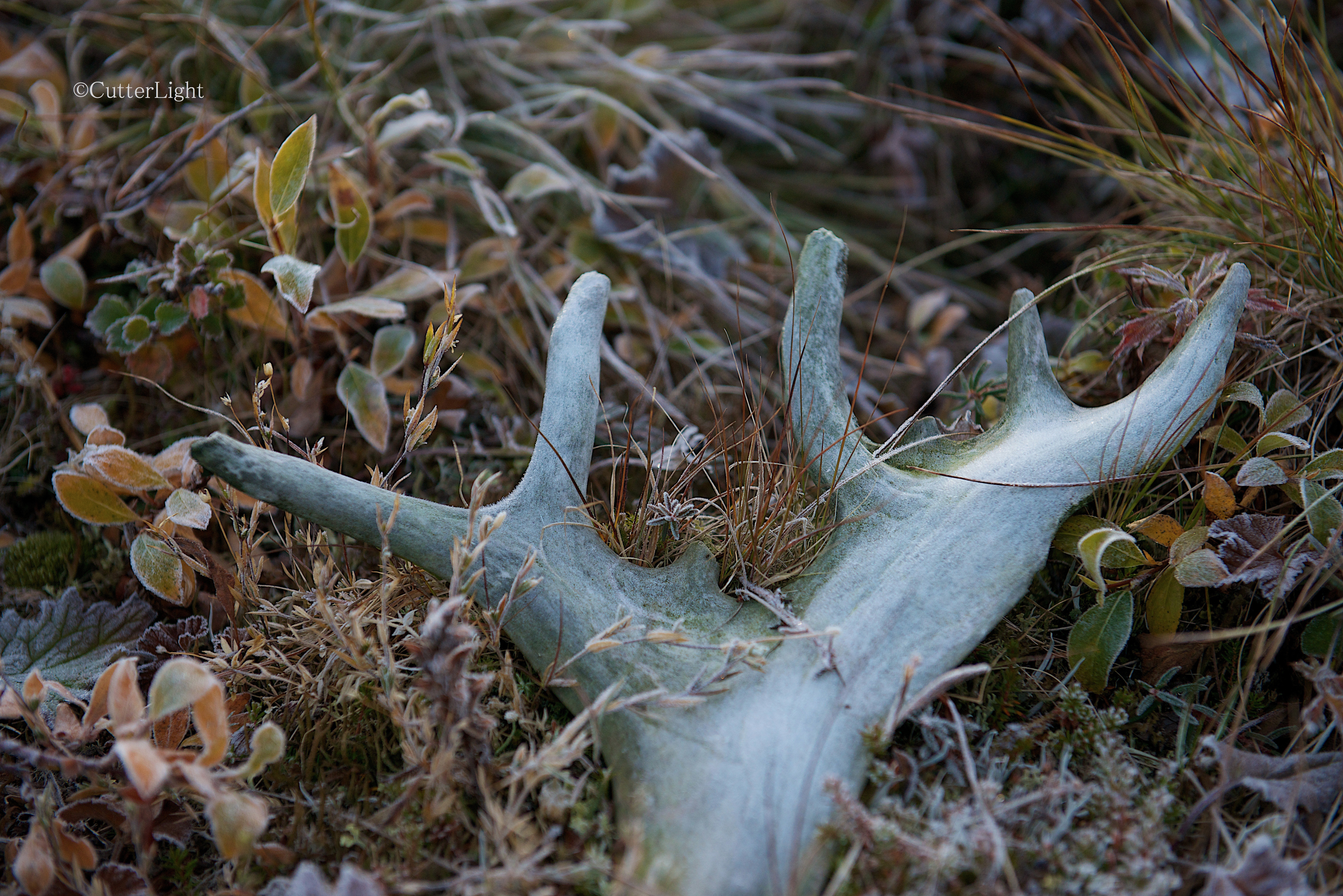
There’s always evidence of a rich ecosystem on the Arctic tundra. Caribou antlers, bird nests, animal burrows and an amazing array of plants are part of our walks.

brown bear track tundra beach n

Brown bears (grizzlies) are common visitors to the beaches and tundra near Point Hope. We found a set of fresh tracks along the shores of an inlet off the Chukchi Sea not far from where we encountered the ptarmigan. Red foxes, Arctic foxes, Arctic ground squirrels, weasels and caribou are frequently seen mammals. Wolves and musk oxen are less common, but also figure in the mix. In the foothills and mountains east of Point Hope there are wolverines and at higher elevations, Dall sheep. Rarely, moose are seen in the scrub willows along the nearby Kukpuk River, and during the winter months polar bears show up both on the sea ice and on land. 

snow geese lifting off n

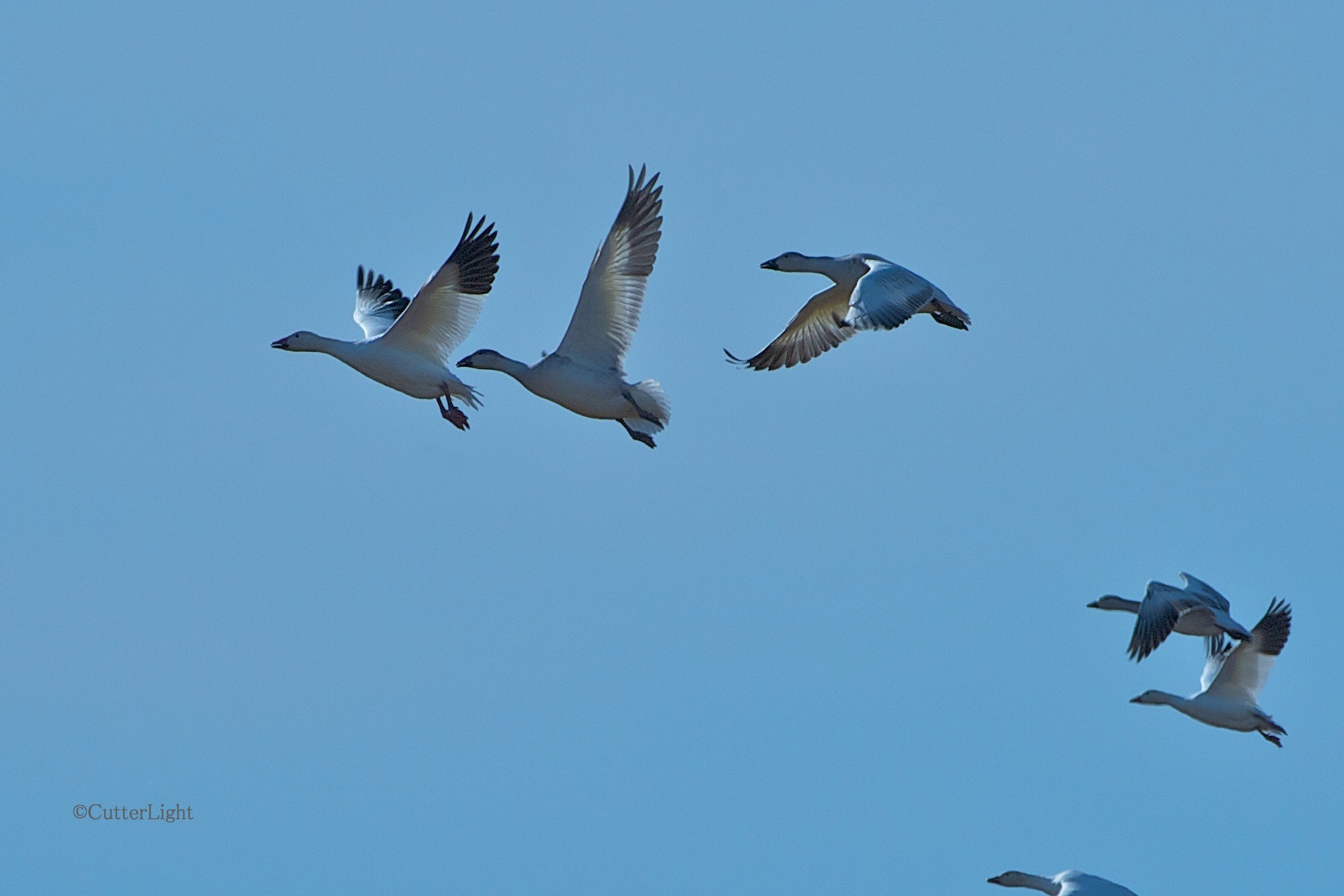
During the fall migration, snow geese are fairly common. (Above and below)
snow geese lifting off close n

Brandt, Canada geese, and a wide variety of ducks and shore birds are also common.

willow ptarmigan in flight n

When the ptarmigan finally had enough of us, they glided off a few yards, regrouped and resumed feeding. At that point we turned for home. 

cloudberries frozen in hand n

A handful of frozen sweetness for the road. 
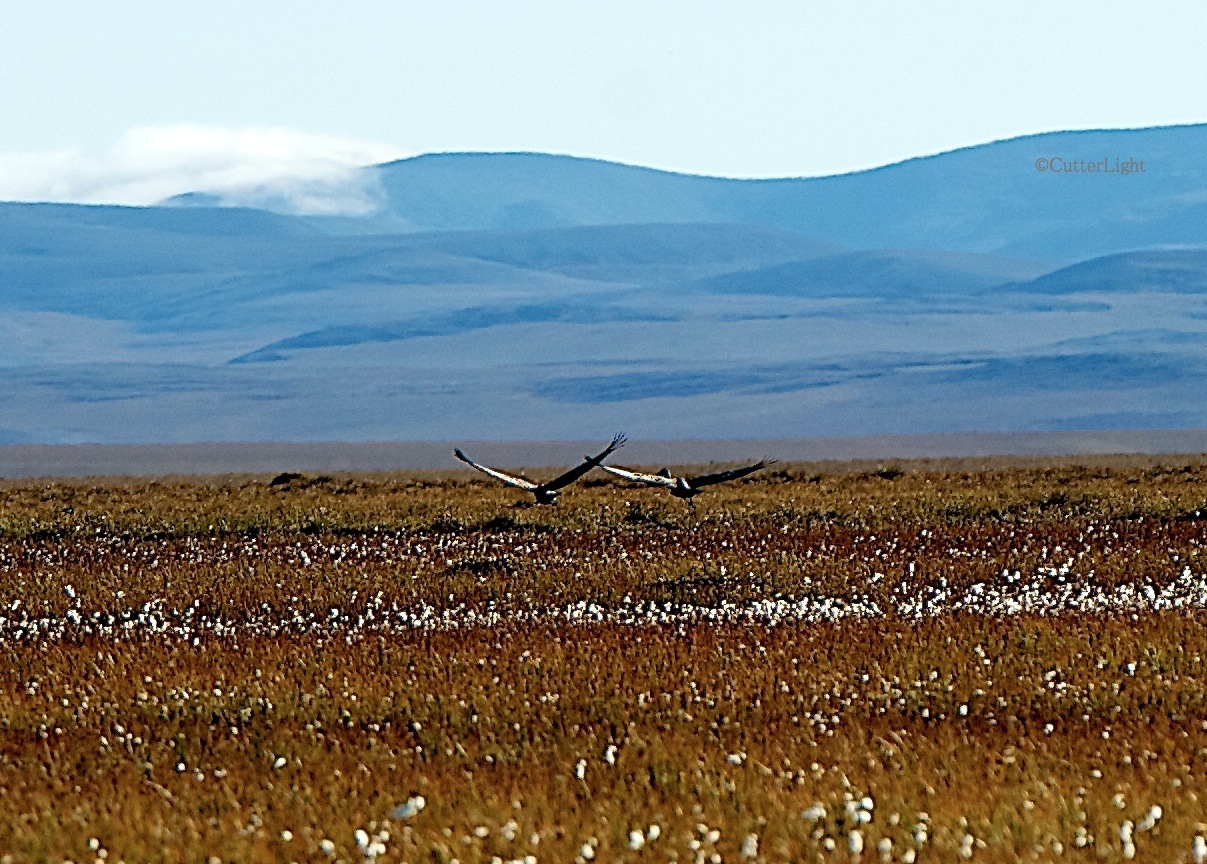
cranes flying into the hills n

A pair of sandhill cranes lifts off above the last of the cotton grass on the tundra near Point Hope.
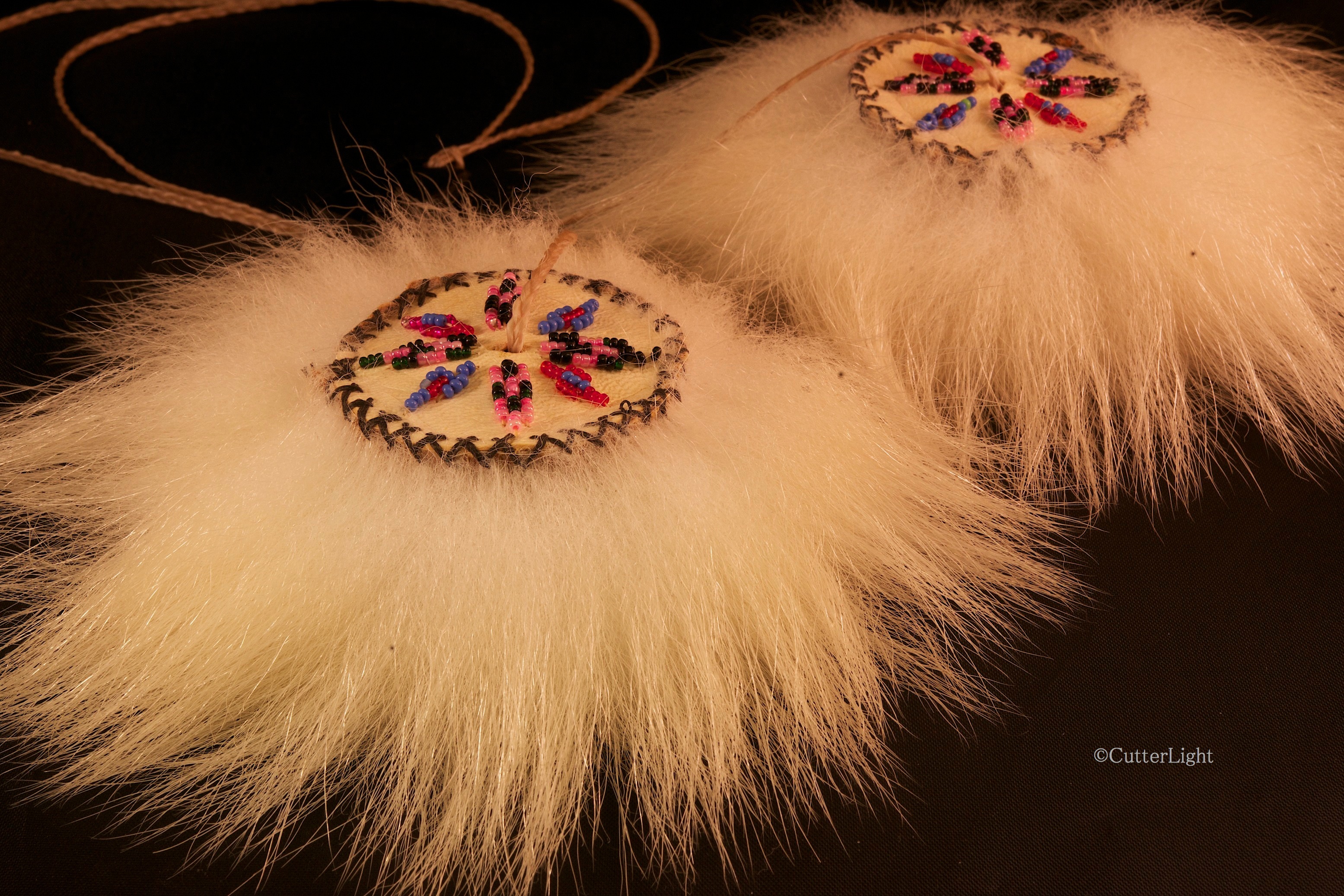
Inupiat (Eskimo) Yo-Yo with Polar Bear Fur

eskimo yoyo n

Fashioned from polar bear fur and finished with intricate beading, this Inupiat yo-yo has transcended it’s traditional purpose to become art. Based on a bola design, in olden times tools like this were made of rocks tethered together with sinew and were used to catch birds. 

Beautifully crafted by Molly Oktollik, one of the elders here in the village of Point Hope, Alaska, this Inupiat “yo-yo” isn’t what most of us envision when we hear the word yo-yo. In former times, they were made of rocks held fast on sinew tethers and in the right hands were a formidable tool for catching birds. Ptarmigan, for one species, are often easy to get close to, and ducks and sea birds returning to their headland roosts typically fly in on a low trajectory.

These days yo-yos are crafted as pieces of art, or, when less elaborate, as toys. It takes a certain skill, but the two ends can be made to rotate in opposite directions – that is, with one end revolving around the center handle clockwise, and the other revolving counterclockwise. It’s a pretty cool trick if you can get it to work.

Paul Klaver’s Short, Power Film, Eloquently Captures an Ecosystem

Paul Klaver’s 13-minute film, Alaska the Nutrient Cycle beautifully captures the critical role wild salmon play in sustaining a rich, diverse ecosystem. Unscripted but with beautiful background music, this breathtaking footage speaks for itself. This is why wild salmon and their environments are worth fighting for, and illustrates why we oppose farmed salmon.

Lattice Top Apple Pie with Baked-On Cinnamon Sauce

apple pie lattice top n

Cinnamon sauce baked into the lattice-top crust makes this apple pie irresistible. The only debate was whether to enjoy it with a slice of sharp cheddar cheese or a scoop of homemade vanilla bean ice cream. 

Last week’s baking lesson was all about baking with butter: buttery cranberry scones, fluffy butter biscuits, and two kinds of pie – lemon meringue and a lattice-topped apple. After learning how to create the lattice top, which was surprisingly easy, we took a basic apple filling and poured the liquid you would normally mix into the apples over the top of the pie, allowing the flavors to bake into the lattice and surround the apples inside. This apple pie was served hot out of the oven to friends with cinnamon vanilla ice cream as fortification against a chilly day north of the Arctic Circle.

Apple Pie with Baked-on Cinnamon Sauce

Ingredients

  • 5 Granny Smith apples, cored, peeled, and sliced
  • 2 tbsp lemon juice
  • 1/2 cup unsalted butter
  • 3 tbsp all-purpose flour
  • 1/4 cup water
  • 1/2 cup granulated sugar
  • 1/2 cup brown sugar
  • 1 tsp ground cinnamon
  • pastry crust for 9-inch double crust pie

Directions

  1. Preheat oven to 425 degrees F (220 degrees C).
  2. Toss apples in lemon juice. Set aside.
  3. Melt the butter in a saucepan.
  4. Stir in flour to form a paste.
  5. Add water, granulated sugar, brown sugar and cinnamon, and bring to a boil. Reduce temperature and let simmer.
  6. Place the bottom crust in your pan.
  7. Fill with apples, mounded slightly.
  8. Cover with a lattice work crust.
  9. Gently pour the sugar and butter mixture over the crust. Pour slowly so that it does not run off.
  10. Bake 15 minutes in the preheated oven. Reduce the temperature to 350 degrees F (175 degrees C). Continue baking for 35 to 45 minutes, until apples are soft.
  11. Let cool slightly. Serve warm with vanilla ice cream or a slice of sharp cheddar cheese.

Wild Trout and Salmon Make a Landscape More Beautiful: 10 Reasons We Use Our Alaska Permanent Fund Dividend to Support Trout Unlimited

orca baby and mother n

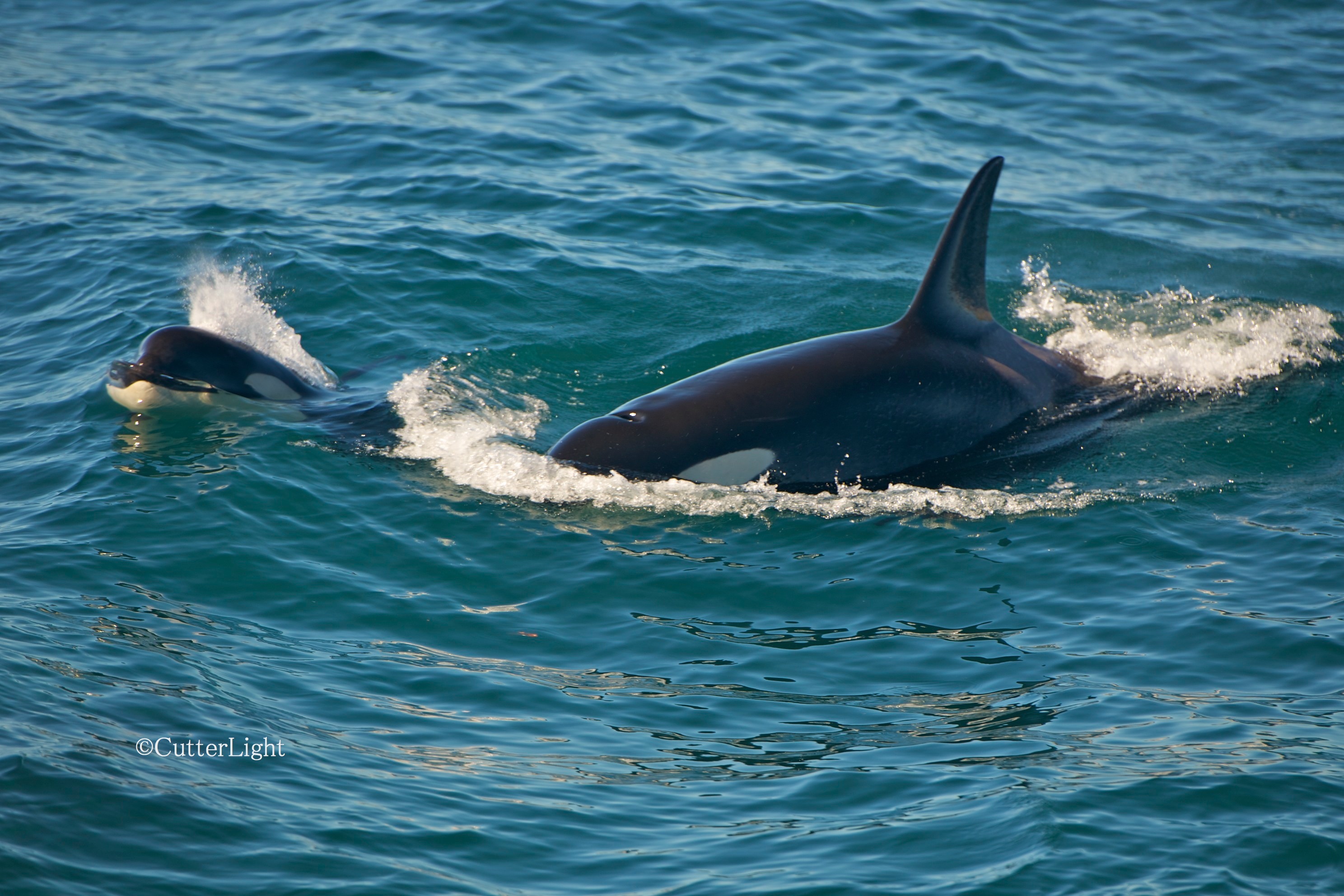
Reason #1: Because baby orcas need milk, and this mother needs a healthy diet of wild salmon to produce that milk. (Orca mother and offspring, Gulf of Alaska)

monica at samon creek n

Reason #2: Because Monica’s pregnant and eating for three. (Brown bear affectionately named Monica by local park rangers, Salmon Creek, Hyder, Alaska)

currants wild n

Reason #3: Because the ocean is full of nutrients which salmon embody as they return to their natal rivers and streams, and salmon forests thrive on salmon fertilizer courtesy of all the bears, eagles, mink, crows, ravens, otters, foxes and other animals that eat salmon. (Wild currants, Ptarmigan Creek, Kenai Peninsula, Alaska)

merganser common

.merganser chicks swimming clear water n

.

.

.

Reason #4: Because this merganser needs to find fresh salmon eggs to keep her brood well fed and growing. (Common mergansers, Salmon Creek, Hyder, Alaska)

camp meal on Deschutes n

Reason # 5: Because a meal cooked under starlight after a day of fishing with your best friend tastes better than that same meal would anywhere else. (Tumalo State Park, Deschutes River, central Oregon)

Turkeys along the American River - Copy (3) - Version 2 n

Reason #6: Because what’s good for salmon and trout rivers is also good for so many of the other things in life we love. (Wild turkeys, American River, Sacramento, California)

first king barbra n

Reason #7: Because farmed salmon can’t put a smile like that on a friend’s face. (Barbra Donachy, first king salmon, Resurrection Bay, Seward, Alaska)

Sea Lions at Bodega Bay n

Reason #8: Because we don’t want to live in a world where biodiversity is limited to what can be grown on a farm, raised in a pen, or crammed onto a feedlot. (Sea lions, California North Coast, Bodega Bay, California)

maia on deschutes n

Reason #9: Because girls who grow up fishing with their dads…

Maia with nice silver n

…become women who fish with their dads. (Above: Maia Donachy drifting an elk hair caddis in the Deschutes Canyon, central Oregon. Below: Maia with a hoochie-caught silver salmon gorged with herring, Cape Resurrection, Alaska)

And reason #10: Because salmon make a landscape more beautiful.

red salmon spawning w tail up n

red salmon spawning under water n

.

.

.

.

.

chum salmon on colorful streambed n

Top photos: spawning sockeye salmon. Bottom photo: spawning chum salmon.

About Trout Unlimited: For 54 years, TU has been a leader in ensuring that we have cold, clean rivers and streams for generations to come. From Northern California to Alaska’s Tongass Forest, from Bristol Bay to the Appalachian Mountains, TU has been instrumental in getting  dams removed from rivers where they do more harm than good, keeping mining and drilling out of our most fragile ecosystems, and protecting trout and salmon forests. At the same time, TU has been dedicated to educating and involving the next generation of environmental stewards – our children and grandchildren. As illustrated above, TU’s efforts benefit much more than trout and salmon. Click here to find out how you can become a member: Trout Unlimited.

Whole Fish Salted and Broiled: Easy, Elegant, Delicious!

dolly varden shioyaki_n

This Chukchi Sea Dolly Varden Char was liberally salted, broiled and served with roasted Peruvian potatoes and garlic cloves. Salt grilling or broiling brings out the natural sweetness of species ranging from porgy and snapper to trout, char and salmon. 

When a friend recently presented us with two harvested-from-the-ocean-this-morning char, we knew immediately what we wanted to do with one of them: shioyaki. Although Japanese cuisine is better known for sushi and sashimi, far more fresh fish on Japanese tables is served well salted and then broiled or grilled.

The Japanese eat a lot of fish, and it is for good reason that shioyaki fish is weekly fare in most households. It’s quick, it’s easy, and fish prepared this way are deliciously savory and sweet. This is also an excellent method for preparing freshly caught trout while camping. Simply clean the catch, skewer it lengthwise, cut a few shallow slashes into the skin, rub salt on the fish and roast it on an open fire or over a grill. Brook trout served this way make for memorable camp fare, as do Japanese iwana (char).

dolly varden side by side_n

This pair of sea run Dolly Varden char have all the characteristics of fresh fish: bright, clear eyes, firm, nicely colored flesh, and no evidence of bruising. 

Because the fish are seasoned only with salt (and perhaps the smoke from a grill or fire), it is imperative that it be absolutely fresh. When you’re purchasing fish, look for a healthy shine, bright colors and clear, bright eyes. The scales should be intact and the gills, if any remain, should be bright red. Don’t be shy about giving a fish you’re considering purchasing a whiff. It should smell clean. Fish does not smell fishy; it is bacteria growing on poorly cared for or old fish that carries the unpleasant smell often called “fishy.”

Salt-Broiled Whole Fish

  1. Start with a clean, fresh fish. If it is a salmon, trout or char, it need not be scaled, but all traces of gill and viscera should be removed. Rinse the fish in cold water and pat dry inside and out. (Fish, such as porgy, snapper and rockfish should be scaled.)
  2. Preheat broiler to high and position a broiling pan a few inches from the heating element. (You may have to experiment to find the right position in your oven.)
  3. Use a very sharp knife to cut shallow diagonal slashes about an inch apart down the length of the fish.
  4. Rub a generous amount of salt into the fish. Let rest for a few minutes up to half an hour. Coarse grey sea salt from France (Celtic sea salt) is perfect for this recipe.
  5. When the broiler is hot, coat the broiling pan with oil by either brushing on or spraying with a pump spray. Canola oil or light olive oil work well.
  6. Place the fish on the pan. It should sizzle. If it doesn’t, it will stick to the pan.
  7. Cook for approximately 8 to 10 minutes per inch of thickness. Do not move fish during cooking. (On a grill, you will want to turn the fish once to ensure even cooking.) The fish is done when the tail and fins are crisp, the eyes are opaque and clear juice is no longer bubbling up through the slashes. With a fat fish, you will see some white fat in the slashes. This is good.

This dish requires no further adornment and is delicious with a glass of cold sparkling water, a craft ale, or a fine daiginjyo sake.

The Arctic Terns of Tern Lake: Artists that Redefine the Air

arctic tern hovering n

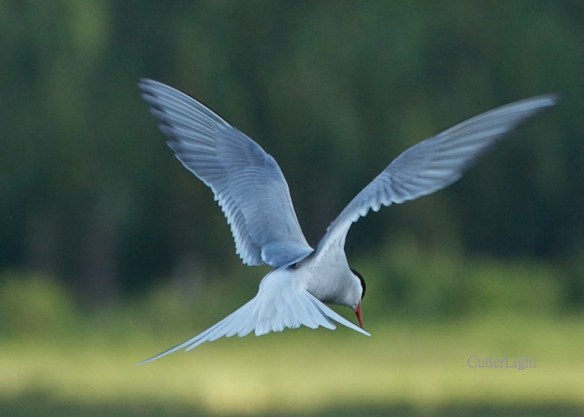
With a brood of chicks waiting to be fed, this Arctic tern (Sterna paradisaea) hovers above the water in search of small fish, its primary food source. Minute control over individual tail and wing feathers enables terns to be graceful, formidable hunters as well as inspiring to watch.

Making an annual round-trip of roughly 50,000 miles (80,000 km) between their breeding grounds in the Arctic and their summer feeding grounds in the Antarctic , Arctic terns are a species that fill one with awe and wonder. Unlike most of their cousins in the gull family, they are true seabirds as their migrations take them over vast oceans far from land. To stand on northern beach and watch terns fly is to watch an artist redefine the air.

arctic tern scouting n

Breeding pairs mate for life and most terns return year after year to the same grounds where they were hatched. There they scratch out a shallow depression in the earth and lay one to three eggs (sometimes more) the size and color of large, brown-flecked olives. Approximately three weeks later the eggs hatch and three to four weeks after that the young birds are fledged. In fall, they will join their parents in making the longest migration of any bird species.

arctic tern head on n

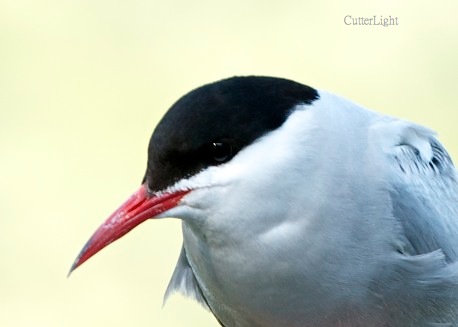
Inky black eyes almost disappear into a jet black cap. Although their legs seem impossibly short, terns are fairly adept on land. A specialized gland allows Arctic terns and other seabirds to extract the salt they ingest and expel it through their nasal cavities. 

Arctic tern close nAlthough one individual is reported to have lived to the advanced age of 34, the average lifespan of an Arctic tern is about 20 years. Their preferred nesting sites are on islands where they’re relatively safe from predators such as foxes and domestic cats, although they lose some eggs and young to gulls and other birds. At one point the millinery trade took a heavy toll on tern populations, but in recent years the greatest threat appears to be decreasing food supplies due to human overfishing. At present, there are estimated to be about one million Arctic terns worldwide.

arctic tern soaring n

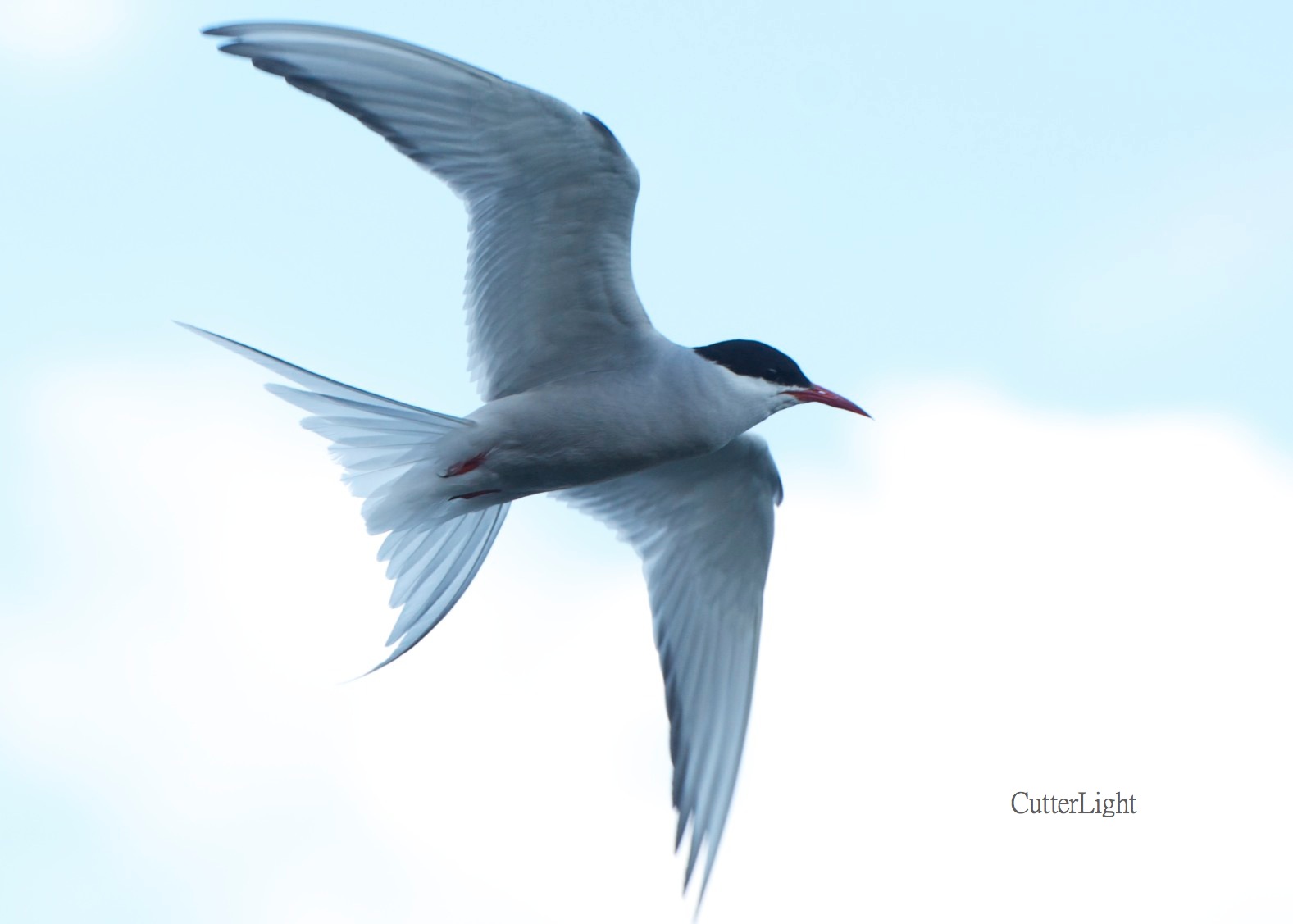
Above: An Arctic tern scans the water below for the tell-tale silvery flash of a school of small fish. 

tern showing scissored tail n

Often flying with a scissored tail and the ability to execute amazing aerial acrobatics – including backflips – account for the Arctic tern’s genus specific name paradisaea – paradise – reminiscent of birds of paradise.

arctic tern reflected n

He’s probably not really looking at his own reflection, but with a snappy red bell and a handsome black cap like that, who could blame him if he is?

Glaciers and Green: The Coastal Classic – A Five Star Train Ride from Seward to Anchorage

Coastal Classic sky reflection _n

The mid-summer sky is reflected on one of Alaska Railroad’s GoldStar coaches on the Coastal Classic train. Mountainsides of magenta fireweed and, mixed forests, moose, Dall sheep, eagles and glaciers (and sometimes bears and caribou) were part of the 114 mile train trip between Seward and Anchorage.

Trains are magical. Whether we’re talking about Northern California’s quaint Skunk Train or Japan’s lightening fast, silky smooth shinkansen (bullet trains), we love the rhythm and glide of moving through the countryside on steel rails. As we brought our summer to a close this year, we decided to take the train from Seward. We departed at 6:00 PM and four hours later arrived in Anchorage energized and relaxed.

Alaska Train Coastal Classic_n

Fireweed, startling in its vibrance, lines the tracks along the Coastal Classics route through Kenai Peninsula forests and mountains.

Large windows and the freedom to get up and walk around are part of what make train travel so pleasant. After a very good meal of almond-crusted Alaskan cod accompanied by a glass of wine, we made our way to the rear of our GoldStar car where an open deck allowed us to take in the sights, converse with fellow passengers, and enjoy the warm (for Alaska) summer air.

coastal classic  bartlett glacier_n

The Coastal Classic passes by three large glaciers: Trail, Spencer and (above) Bartlett. 

Jack on coastal classic_n

Scanning the terrain for animals from the observation deck of one of the double-deck GoldStar cars, we saw moose, eagles, beaver lodges and Dall sheep. Bears – both grizzly and black – and caribou are also frequently sighted. We’re already looking forward to taking the train from Anchorage to Seward when we return in May next year. 

Coastal Classic sunlight through car_n

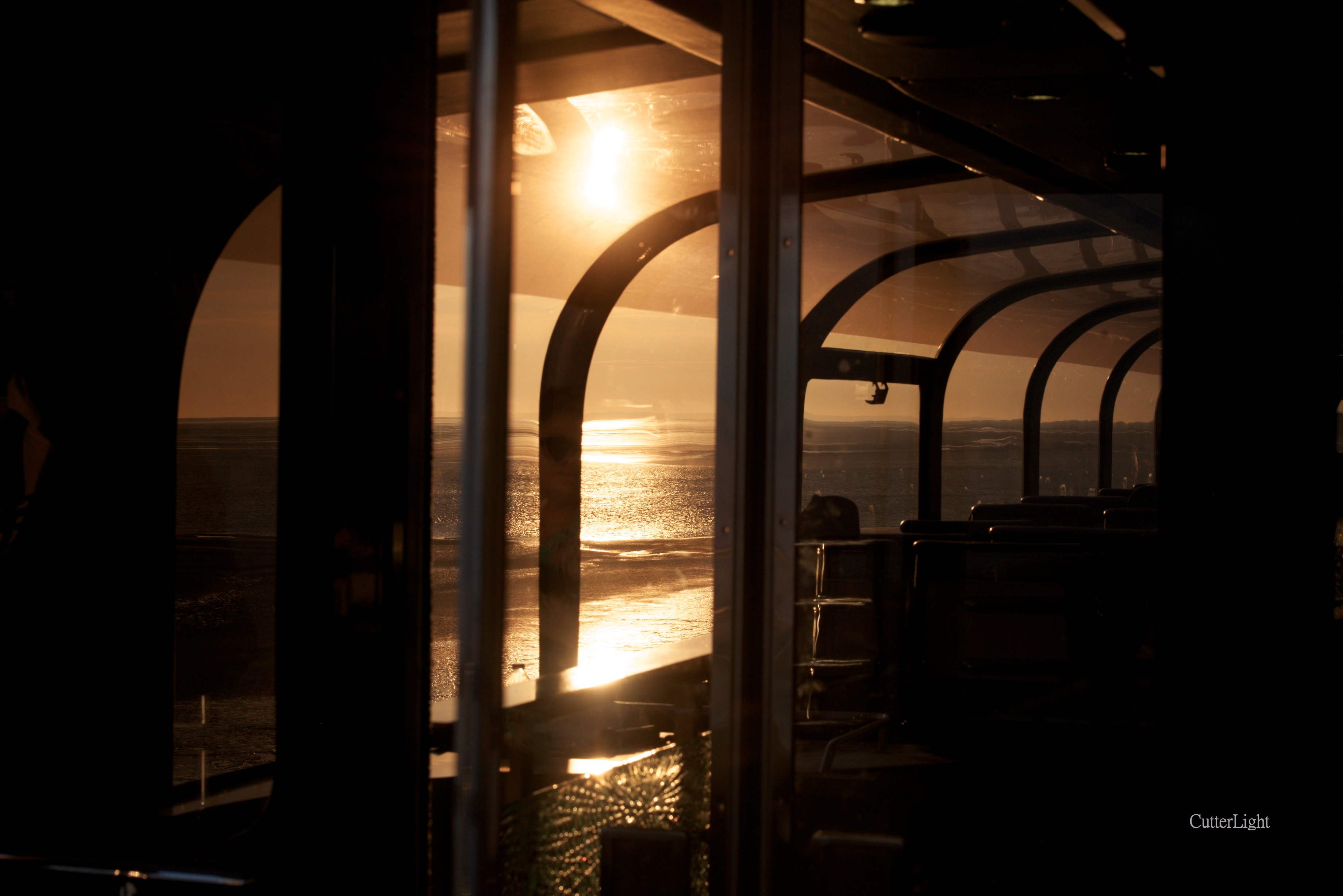
The evening sun reflects off Cook Inlet though the car’s upper deck windows. After a wonderful four-hour trip, the train pulled into the station at Anchorage. Early the following morning, we boarded a plane for the Alaskan bush and our other home.

A Great Brine and Smoke – Soy Sauce, Brown Sugar and Seasonings for Salmon, Trout and other Fish

smoked salmon in rows_n

For the past couple of years, our brining and smoking method for salmon, trout, sturgeon and other fish has been the most popular article on our blog. Here it is again, with updated notes and photos.

If you’ve ever looked at those electric smokers sold in sporting goods stores and wondered if they did the job, the short answer is, “They do.” Our favorites are the Big Chief, Little Chief and Mini Chief models made by Smokehouse in Hood River Valley Oregon. Inexpensive, easy to use, easy to store and efficient, these smokers come with complete directions and a useful booklet that details the how-to of smoking and provides a number of recipes for fish, shellfish, poultry, meat, cheese, and even noodles, soup and breads.  My own most recent experiment with smoking was sea salt. It came out… smokey!

smoked salmon fillet_nTo obtain the best smoked fish, start with high-quality fish. Fresh fillets from bright fish make for a far better product than poorly cared for fillets from a badly handled fish. Also – and this is important -the method we use is not designed to kill parasites. It is recommended that fish be frozen at the lowest freezer setting possible for at least seven days before smoking them in order to ensure that they are parasite-free. You can read NOAA’s full recommendations here.

Below: A double batch of sockeye salmon in side-by-side Big Chief smokers.

smoking salmon double batch_n

For salmon, trout, sturgeon and similar fish with fairly firm meat, we marinate fillets in a wet brine for roughly six to 10 hours depending on the size and thickness of the fish or fillets. The fish can be brined in non-reactive glass, plastic or stainless steel (not aluminum) pans in the refrigerator or in a bucket or cooler with a couple of sealed Ziplock bags of ice thrown in to keep the mixture cool. Following are the step-by-step instructions we use for whole small trout and the fillets of salmon and other fish. The recipe can easily be modified to add other flavors or to finish the smoked fish with a sesame seed glaze.

Brine

Ingredients: For eight pounds of salmon, trout, sturgeon or other fish

  • 8 to 10 pounds fillets, skin on, rinsed, patted dry, cut into small pieces. A good size is about 3″ x 6″, but smaller or slightly larger is fine. Small trout can be cleaned and smoked whole.
  • 8 cups water
  • 2 cups soy sauce (Kikkoman is our favorite)
  • 1 1/2 cups brown sugar
  • 1/2 cup sea salt or kosher salt (Do not use iodized salt. It will impart an unpleasant flavor.)
  • 1 1/2 tbsp granulated garlic
  • 1 tbsp ginger

Directions:

  1. Mix brining ingredients together in a large bowl.
  2. Pour mixture over fillets, making sure they are covered, or until they float.
  3. Cover containers and marinate for about 8 hours (or overnight) in the refrigerator.
  4. Remove fillets from brine, pat dry with paper towels, and arrange on racks to dry for about an hour – until a glaze forms on the surface of the fish.
  5. Smoke fish according to your smoker’s directions with alder wood, mesquite, fruit tree or hickory chips. Check occasionally, keeping in mind that air temperature will influence smoking time. Typical smoking times range from 6 to 12 hours. A slightly wet product is best suited for many of the recipes we enjoy and for canning. For straight snacking, a drier product may be preferred.

Sautéed Salmon Roe

salmon roe sauteed_nOn the East Coast, shad roe is a celebrated springtime delicacy. In the Pacific Northwest, a similar side dish or an amuse bouche can be made from the immature eggs of ocean-caught salmon.

Fresh roe from ocean-caught salmon has a creamy texture and taste with an essence as fresh as the sea. At this stage the small, unripe eggs are firmly held together inside two separate egg sacs and lend themselves to being sautéed over low heat.

Once the egg sacs have been removed from the salmon and cleaned, preparation is easy. We like to keep it simple so that the delicate flavor of the eggs comes through: a little olive oil or butter, garlic clove sliced fine and a dash or two of salt is all you need. Keep the heat low so that the eggs don’t pop and cook the eggs through till they become opaque. Add a dash of sherry or white wine if desired.

A glass of Champagne, a sparkling wine from California, or an Italian Prosecco along with an amuse bouche featuring sautéed roe make an elegant start to to a special dinner. Larger roe sacs can be presented as an entrée similar to the manner in which shad roe is often served.

For an easy method for curing ripe salmon roe into beautiful, sushi-grade ikura, see Ikura: Curing Salmon Eggs