Super Fluffy Frittata: Brunch is Served


fluffy frittata n

Bacon? Smoked salmon? Leaks? Mushrooms? Smoked cheese? Pick your ingredients and bake them into this deliciously fluffy frittata.

We love our weekends – time to cook a special breakfast or brunch and linger over it with a second cup of coffee and a good book of poetry. Adaptable to a wide range of ingredients, frittatas are among our favorite weekend breakfasts.

One key to turning out a great frittata is to use the right pan. We’ve been using Swiss Diamond nonstick cookware for years and are big fans. Sunny-side up, scrambled, or easy over, eggs slow-cooked over low heat in these pans are a revelation. And although the word frittata has its etymological roots in the Italian friggere, which means “fried,” we usually bake ours. Sautéing vegetables before they go into the egg mixture brings out their sweetness, drives off excess moisture and allows for a richer balance of flavors. And the key to a super fluffy frittata? Separate out the yolks and whip the whites into fluffy peaks, then fold them into whatever mixture of egg yolks, cheese, meat and vegetables you’ve prepared. Here’s how we made ours this morning.

Ingredients (Serves 4)

  • 8″ nonstick, oven-safe frying pan with lid. Swiss Diamond pans have heavy bottoms and non-stick cooking surfaces that are perfect for this, and they’re oven safe.
  • 2 strips thick bacon
  • 1/3 cup yellow bell pepper, chopped coarse
  • 1/3 cup onion, chopped coarse
  • 1/3 cup fresh mushrooms, chopped coarse
  • 1 clove garlic, chopped coarse
  • 1 tablespoon butter + 1 tablespoon extra virgin olive oil (for sautéing vegetables)
  • 2 tbsp white wine, sherry or mirin
  • 1 tablespoon olive (for frittata pan)
  • 1 cup shredded cheese such as smoked gouda
  • 4 eggs
  • smoked sea salt (or regular sea salt)
  • freshly ground black pepper
  • 1/2 teaspoon ground chili pepper, separated into equal portions. We used Penzeys Southwest Seasoning which is a blend of sweet ancho, oregano, cayenne pepper, cumin, chipotle pepper and cilantro.
  • Caviar (optional)

Directons

  1. Adjust oven rack to center position and preheat oven to 325 degrees F (160 degrees C)
  2. Cut bacon into small pieces. In a medium-sized pan, fry over medium heat till edges are crisp. Drain on paper towels.
  3. Wipe excess bacon grease from pan. Add butter and olive oil. Heat over medium till just sizzling. Add onions and sauté for two minutes, stirring occasionally. Add white wine, bell peppers, sea salt, black pepper and ground pepper, stirring occasionally. If necessary, turn heat up slightly to drive off excess liquid. Cook till onions turn translucent. Remove from heat and transfer to a bowl to cool slightly (so that when added to the egg yolks, they don’t cook them).
  4. Separate egg yolks and whites into two sufficiently large bowls.
  5. Use a blender or whisk attachment to whip egg whites to fluffy peaks. Set aside.
  6. To the egg yolks, add vegetables, bacon, shredded cheese, remaining ground pepper, and additional salt and black pepper to taste. Mix thoroughly.
  7. Gently fold egg whites into egg yolk mixture.
  8. Add olive oil to 8″ frying pan. Pour mixture into pan. Cover with lid and place into preheated oven. Check in 15 minutes. Expect total cooking time to be about 25 minutes.
  9. Garnish with caviar and serve hot.

We enjoyed our frittata with sautéed mushroom caps, summer squash, big mugs of coffee and Czeslaw Misosz’s poetry anthology, A Book of Luminous Things. 
Gobi Desert Trek Day II: The Central Mongolian Steppe from Ikh Khayrkhan Uul to Baga Gazaryn Uul

horses in salt lake n

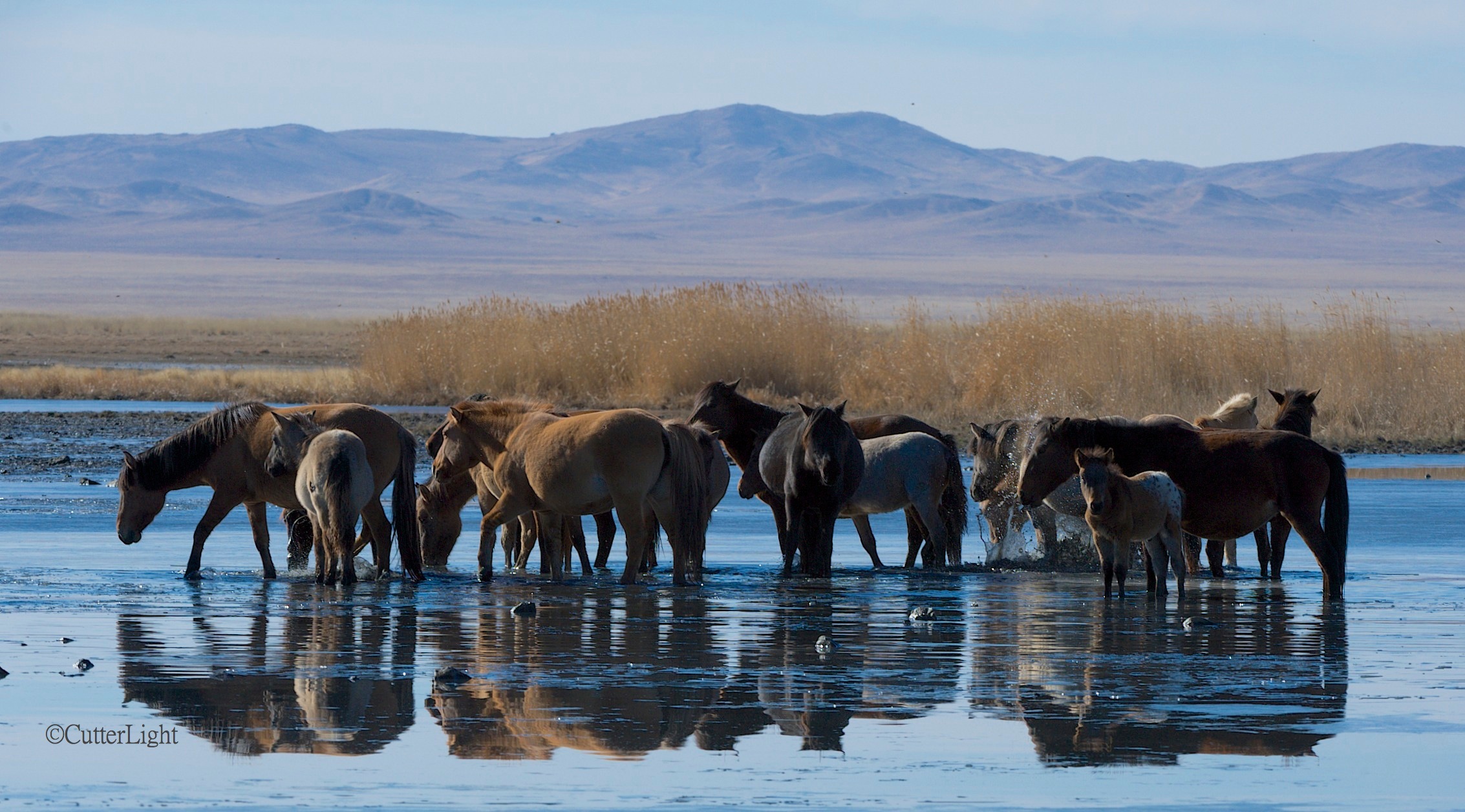
It’s a tough breed of horses that call Mongolia home. Most Mongolians were practically born in the saddle, and even Ulaanbaatar’s urbanites ride them with ease. But these horses are never truly tamed in the western sense of that word. Here a group wades a small salt lake on a mid-October morning a few ticks above freezing.

We woke after spending our first night in a ger to a world of frosted grass and blue skies. After breakfast and some casual rock climbing on nearby outcrops, we piled into the van and resumed our journey south to the Gobi Desert.
russian van off road n

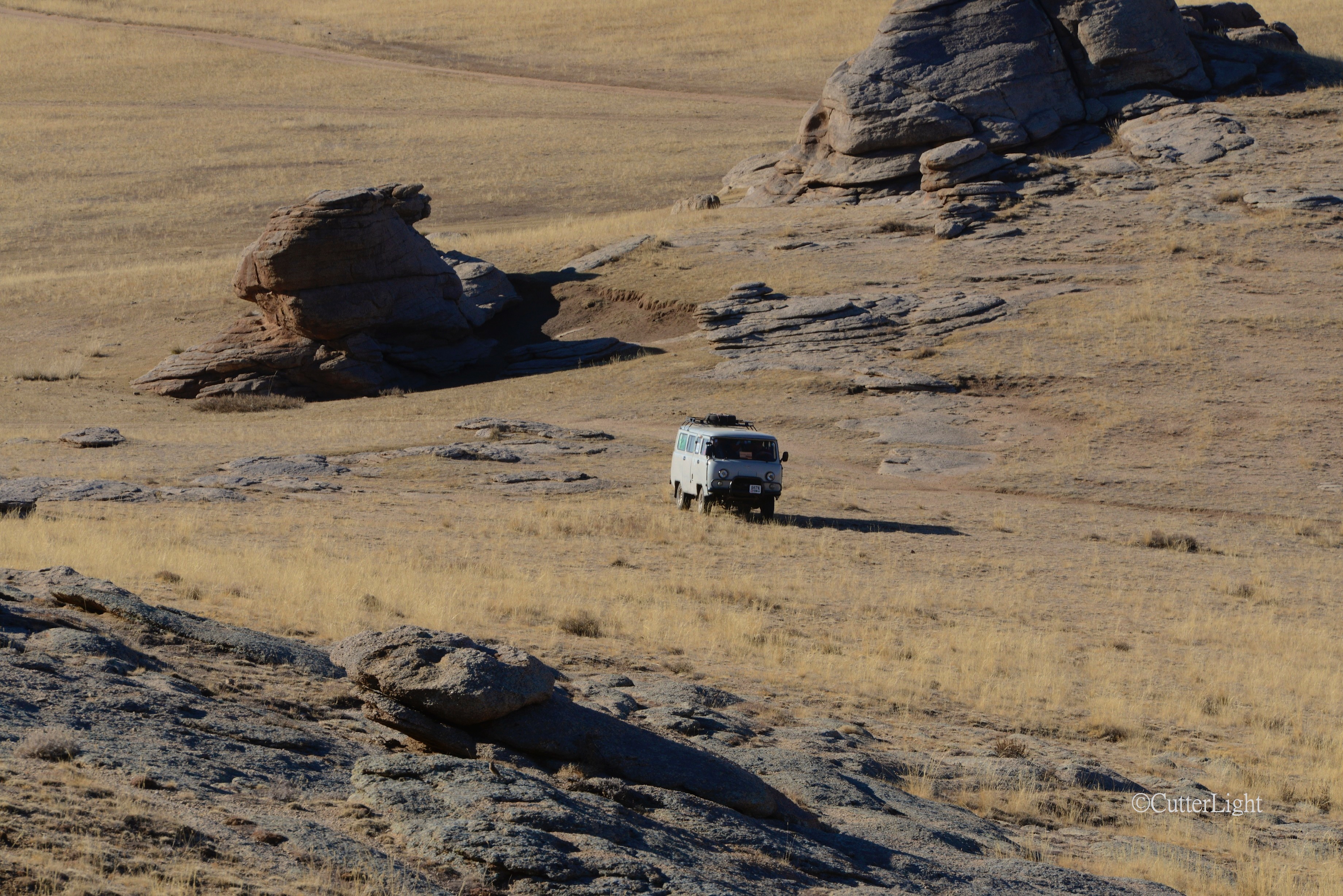
Beefy and easy to keep running, four-wheel drive Russian-built vans are standard on the Mongolian steppe. 

ruddy shelducs salt lake n

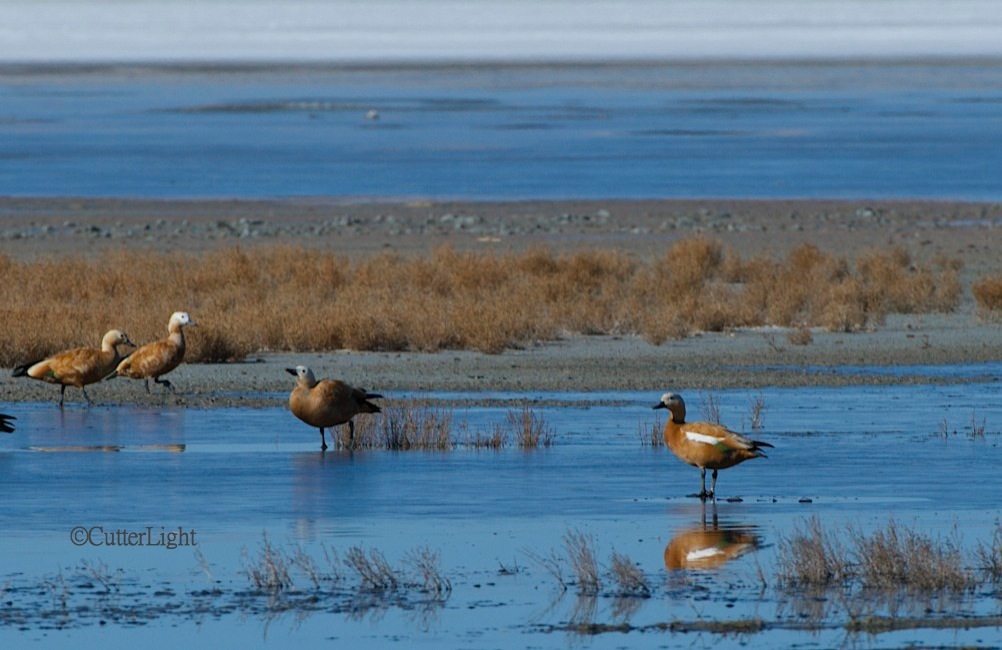
Ruddy shelducks (Tadorna furruginea). The white edge along the lakeshore at the top of this photo is salt.  Known for their affinity for brackish water, ruddy shelduck numbers are declining worldwide as salty wetlands are drained for agriculture. In addition to the horses in the photo above, the lake was also populated with common shelducks and teal. 

common shelducks salty lake n

Heads down and tails up, common shelducks (Tadorna tadornain muted late fall plumage sift through the lake’s briny muck. Meanwhile, hundreds of passerines, including scores of horned larks, flitted through the air and along the shoreline.

The sun moved higher into the sky. With the soft morning light leaving the lake’s waters, it was time to climb back into the van. The vastness of the land, dotted here and there with horses, cattle, goats, sheep and wild gazelle, continued to mesmerize us. But ever so subtly, we noticed that the grass itself was becoming more sparse.

Off in the distance, a group of especially large-looking horses caught our attention. As we drew closer, humps emerged from their backs. Camels! In less than a morning’s drive, we found ourselves transitioning from the lush grasslands of the steppe to the northern edge of one of the world’s great deserts: the Gobi.

OLYMPUS DIGITAL CAMERA

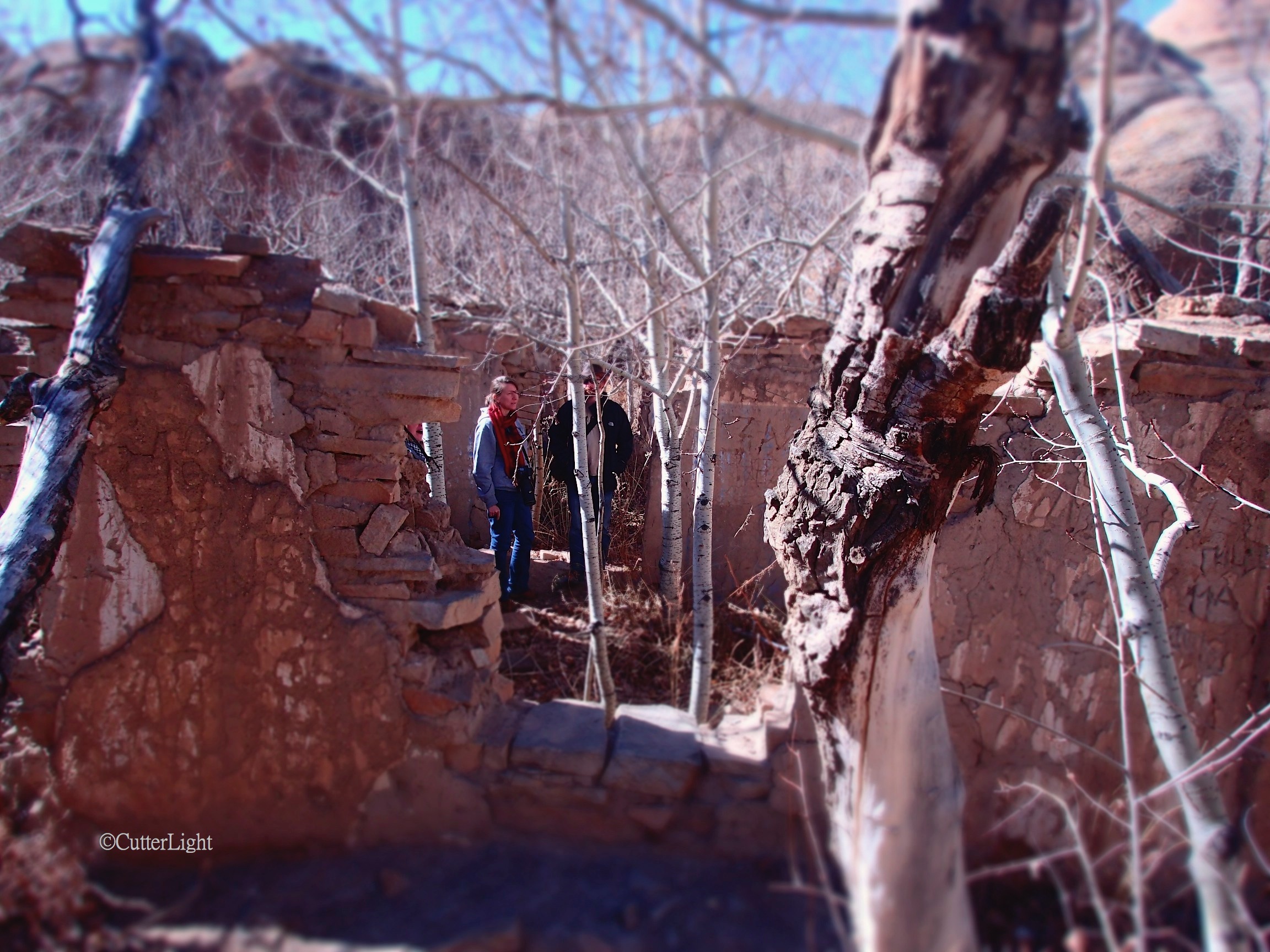
Birch trees tell a tale of water just below the ground’s surface in an otherwise parched landscape, and it was here a band of monks established a monastery long since abandoned and fallen to ruins. 

OLYMPUS DIGITAL CAMERA

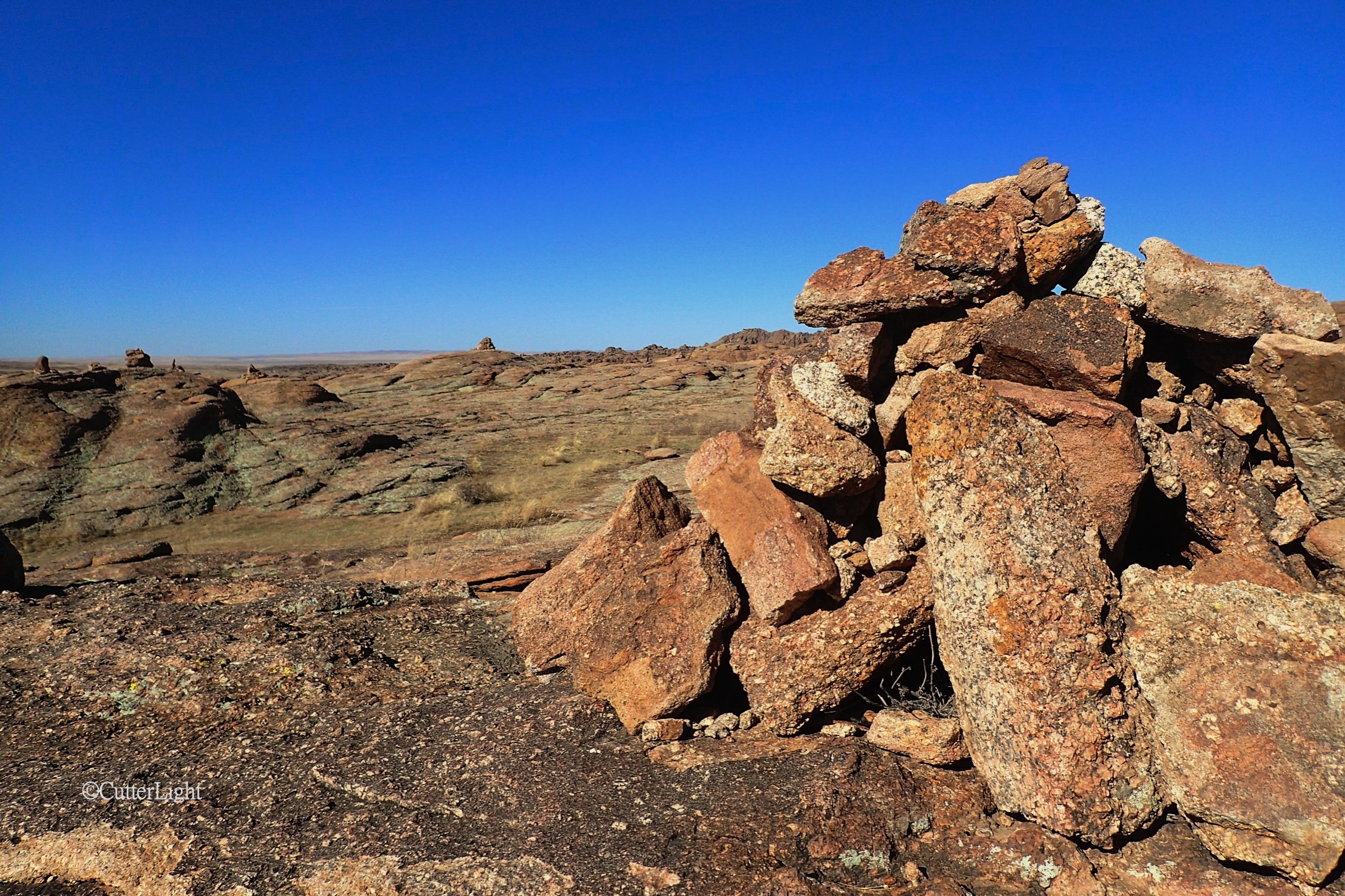
And yet in a sense, the monastery is still alive and vibrant as these nearby ovoos attest. It is the custom in Mongolia to add rocks and other items to these cairns and walk around them clockwise three times out of respect for the sky and earth and to ensure a safe journey.

grasshopper_new

Brown with late autumn, this familiar grasshopper is a testament to species similarity throughout the Northern Hemisphere. Existing in tremendous numbers in a country where pesticides are still all but unheard of, these hopping protein pills account for the huge number of birds here.

OLYMPUS DIGITAL CAMERA

Featuring a dinner of stew with Mongolian-style noodles, goat milk tea, and six liters of wine along with our hosts’  airag (fermented mare’s milk), our second night was celebratory. 

That night, we stayed with a nomadic family in their winter camp. Their gers and ungated livestock enclosures (where the otherwise free-ranging animals spend the night) were tucked away from the coming winter wind among rock outcrops.

Nomadic Mongolian herders don’t travel constantly; they maintain two to four seasonal camps. As the seasons change, they pack up their gers, gather their livestock, and take advantage of fresh pasture.

Twice at this camp – once in the evening and once in the morning – we flushed out large coveys of some type of partridge. Both times the birds flew directly into the low sun, so that all we got was the sudden wind-rush thrum of wings, hearts stopped dead in our chests, and winged silhouettes. As usual, rock buntings and other finch-like birds were abundant.

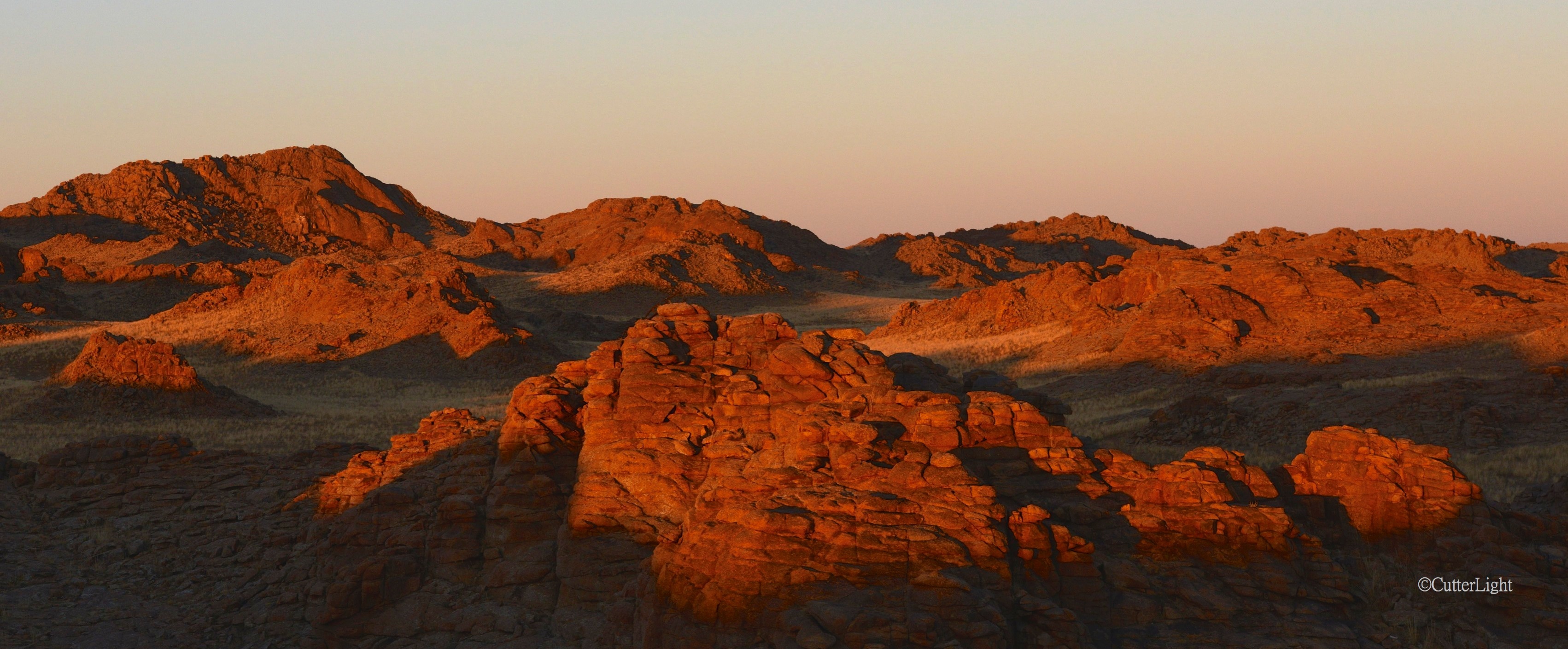
red rocks at sunset n

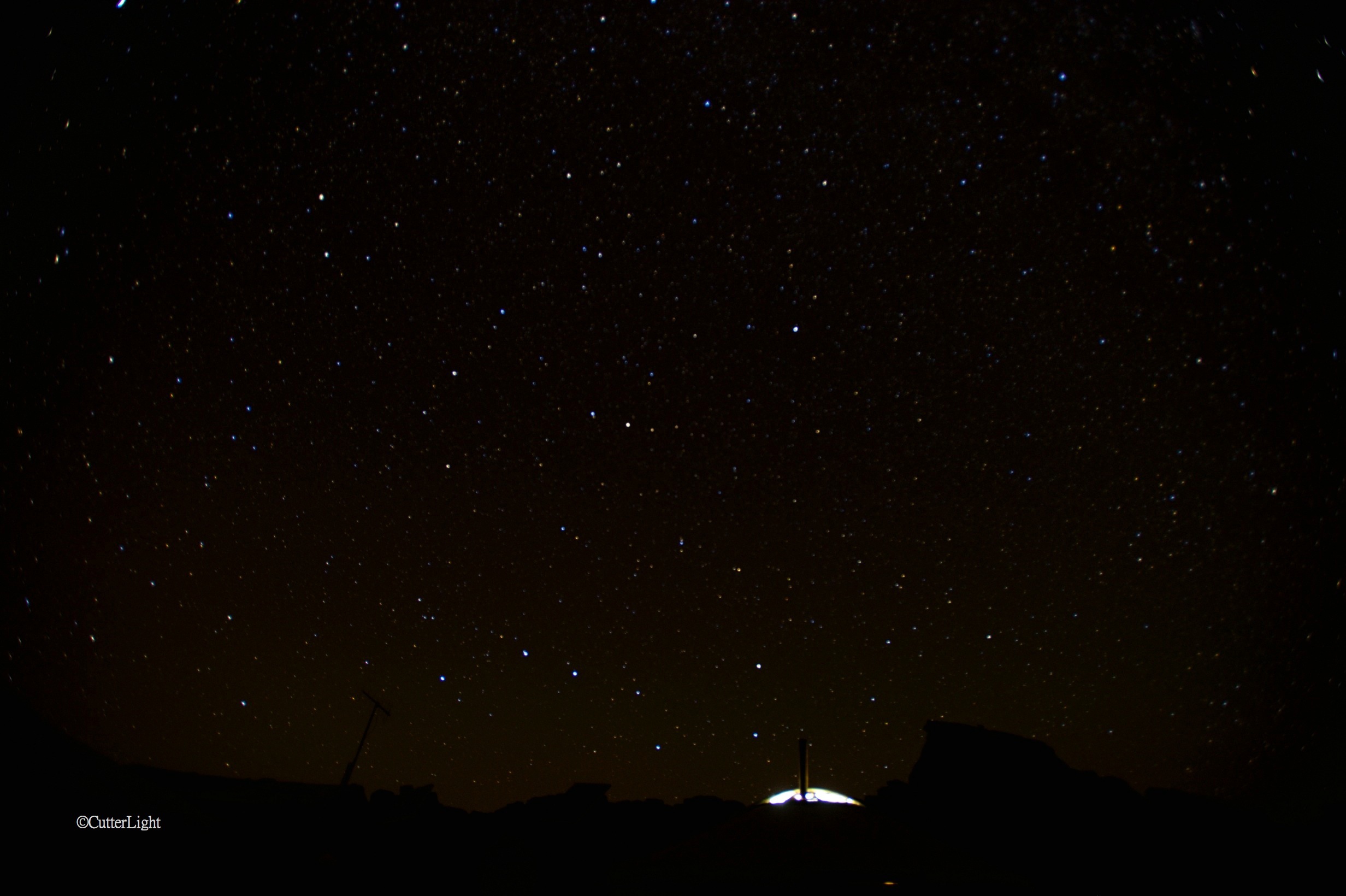
Sunset on another day in the cold, spare paradise we were discovering. Below, the night sky.

big dipper over ger n

Dipper scooping out the horizon… dome of the felt-covered ger glowing white on the sky… Fire inside against the chill of the night… Straight above, the wash of the Milky Way… 

Next: The Middle Gobi Desert: Life in a Mongolian ger.

Coming soon: Raptors, Gazelles, Ibex, Picas and a Pit Viper


Ulaanbaatar to the Singing Dunes of Khongoryn Els – Eight Days in Mongolia’s Gobi Desert: Part I

gers & horses in big country n

Roughly 75 miles (120 km) from Ulaanbaatar, grazing horses and the first ger we stayed in are dwarfed against vast grasslands rimmed in mountains. Although the mountains appear low, the grasslands themselves are over 4,000 feet above sea level. With abundant wildlife, few villages and virtually no paved highways, the Mongolian steppe is one of the world’s great high plains wildernesses.

We have no idea how our driver, Nimka, and our guide, Otgo, found the first ger we stayed in. Pitch dark except for the wash of the Milky Way in the night sky and the headlights from our van, Nimka steered from one set of indistinct dirt tracks in the grass to another. My insistence that we stop for a look at herds of gazelle coupled with our late-in-the-day start from Ulaanbaatar, Mongolia’s capital, had us arriving well after dark.

And then, suddenly, there it was. A faint glow gradually assumed the round shape of a nomadic family’s home. Nimka eased the van to a stop, introductions were made, and we soon were inside. A bowl filled to brimming with airag – fermented mare’s milk – was ladled out from a large leather bag hanging on one side of the ger’s wall and passed around.

OLYMPUS DIGITAL CAMERA

Proudly displayed on a rustic, hand-decorated wooden frame, this leather bag contains airag, the fermented mare’s milk that is the traditional welcoming offer in many gers throughout Mongolia. Slightly sour, slightly alcoholic, slightly sweet…

In addition to the airag, the couple who owned the ger prepared a large wok-shaped pot of mutton stew – hearty fare and welcome as we hadn’t eaten since noon. This was our first experience staying with a family in their ger, and initially it was a bit awkward. Our hosts spoke no English. We spoke almost no Mongolian. Would it be OK to take photos? Should we bring in a box of wine and offer it? And, uh… is there an outhouse or something?

Our guide Otgo, spoke excellent English and quickly helped us get acclimated. Upon entering a ger, one is to move clockwise. The oldest male in the party (in this case, me) is expected to sit at the “top” of the ger, directly across from the door. We’d be rolling out sleeping bags at bedtime. As for an outhouse… pick a bush, clump of tall grass or rock outcrop to duck behind, and for the “big jobs,” dig out a hole with the heel of your shoe.

OLYMPUS DIGITAL CAMERA

With a diameter of around 25 feet (7.6 meters), a typical ger has about 500 square feet (46 square meters) of living space. The ger’s centerpiece is a steel stove with a wok-like pot designed to fit perfectly. Outside temperatures at night dipped to freezing in mid-October, but a steady feed of dry manure kept the ger warm to roasting. 

OLYMPUS DIGITAL CAMERA

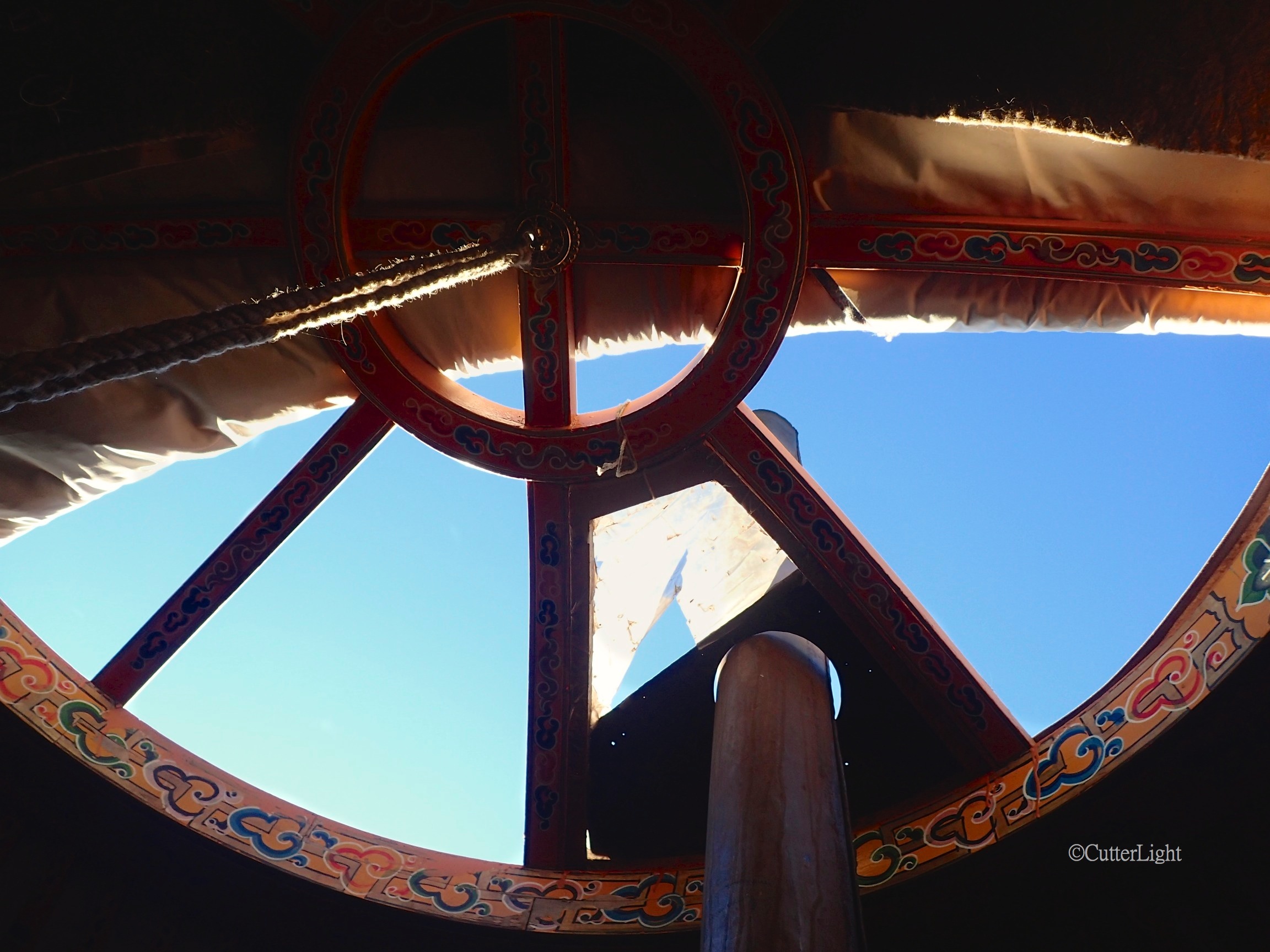
The stove’s chimney extends through an opening in the center of the ger. The sun hadn’t been up long when we sat down to breakfast: coffee, tea, cheese and bread and jam.

OLYMPUS DIGITAL CAMERA

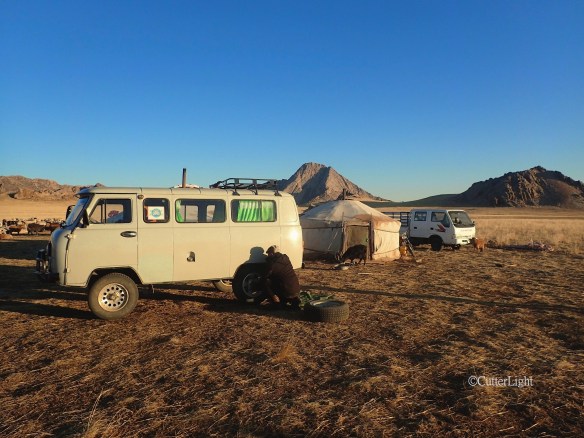
After breakfast, Nimka got to work changing one of the tires on his tough, Russan-built four-wheel drive van. This was the first of four flats during our eight-day trip.

OLYMPUS DIGITAL CAMERA

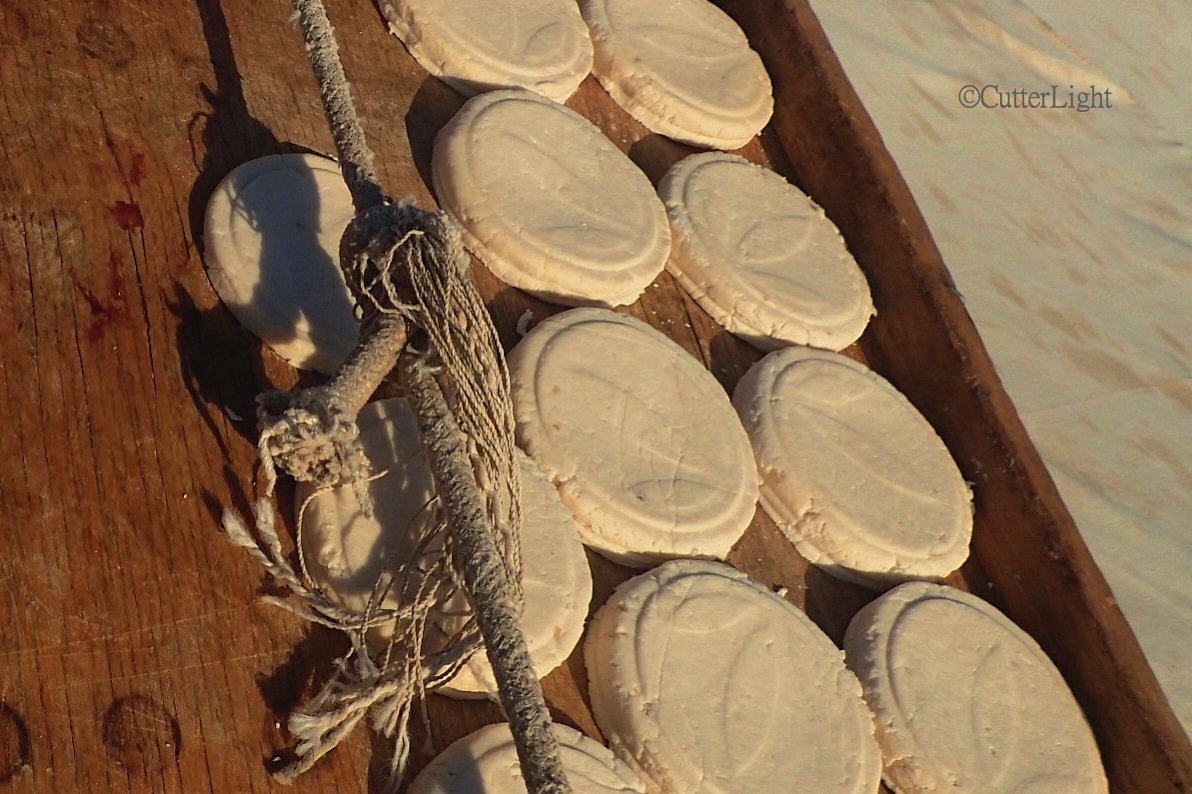
Freshly-made aaruul, a type of dried milk curd, cures in the early morning sun atop the roof of the ger. Once it’s dry, aaruul can be kept almost indefinitely. This was the food that fueled Chinggis Khan and his armies as they conquered the largest area of land ever to fall under one empire. Tasting like sour milk, aaruul is an acquired taste for most non-Mongolians.

horse with beautiful mane & tail n

Legendary for their endurance, the horses of Mongolia are sturdy, tough and beautiful. 

horse brand n

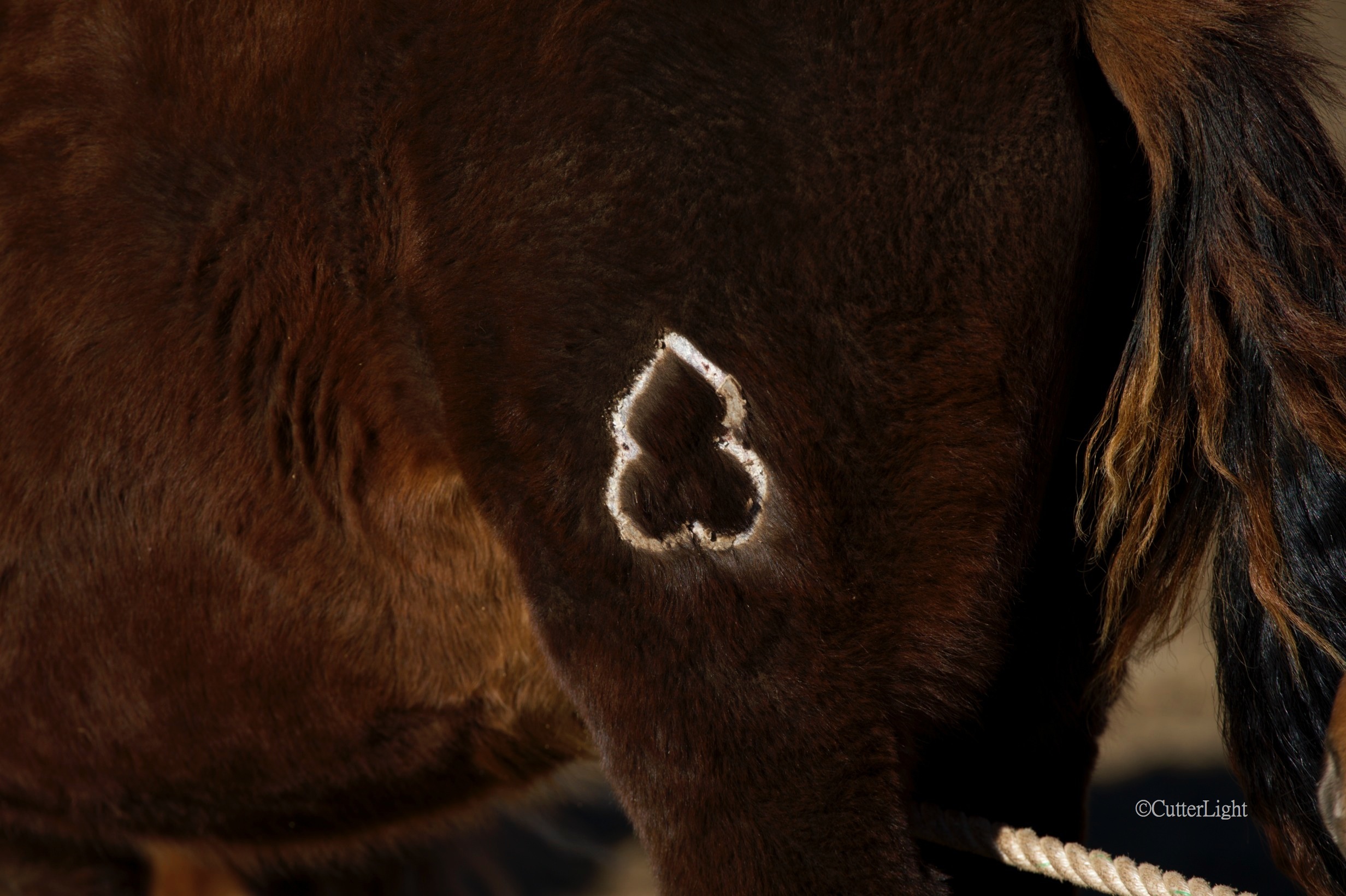
There essentially are no fences in the Mongolian countryside.

mongolian dog n

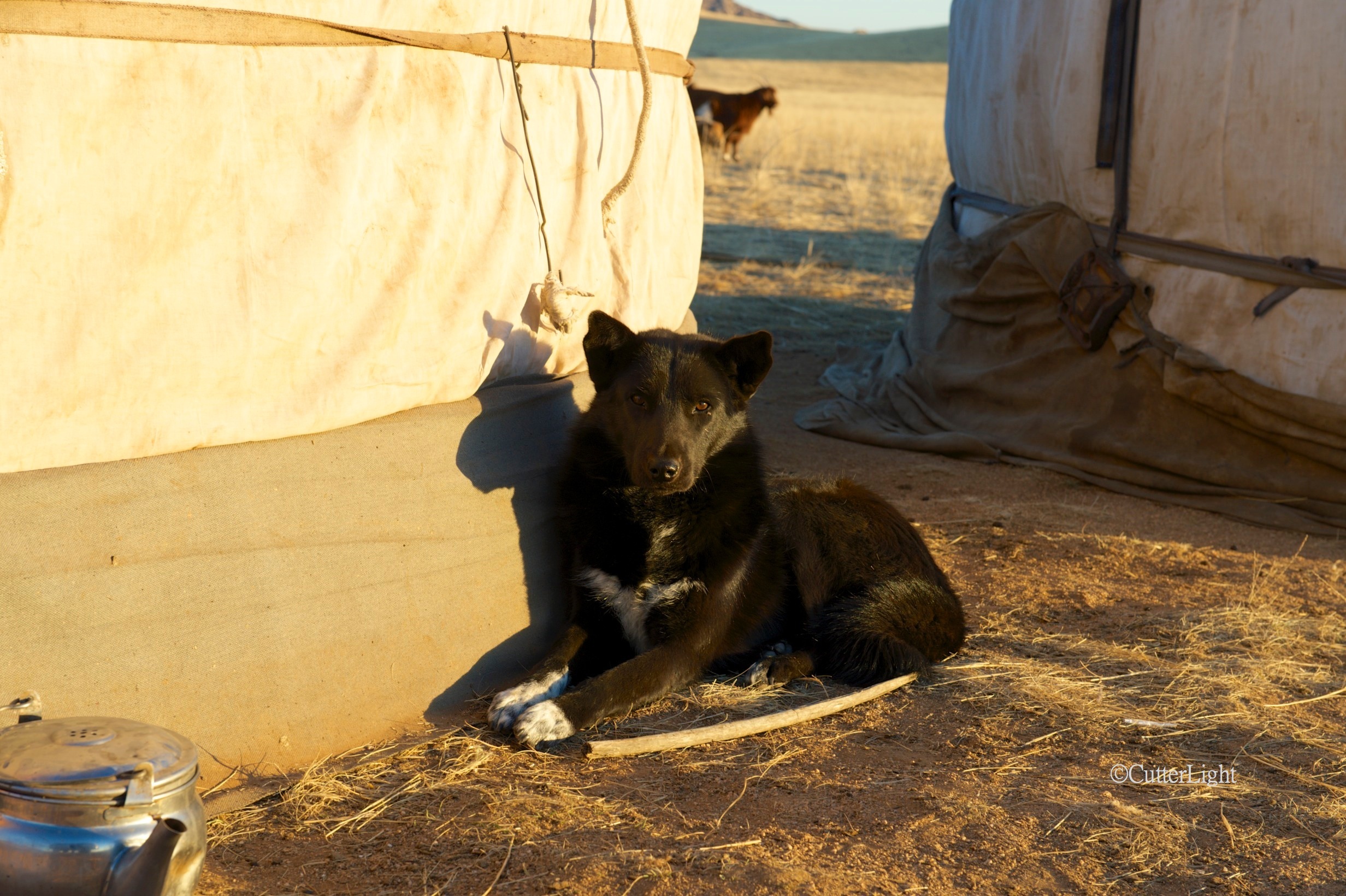
Dogs such as this handsome fellow are an integral part of herders’ lives. While not abundant, wolves are still part of the Mongolian landscape. This guy was quite friendly, as were most of the dogs we encountered.

1st ger landscape w cattle n

A string of cattle makes its way along tire tracks that pass for the local road near the first ger we stayed at. Over the next few posts, we will share more of what we saw and experienced on our trip to the Gobi, including encounters with thousands of Monglian gazelle, countless birds of prey, groups of Siberian ibex, dinosaur fossils, exotic traditional Mongolian cuisine, a sojourn into the desert by camel, and even a pit viper. Stay tuned!

Pinchos Morunos – Spiced Grilled Pork & Red Grapes Served on Skewers

pinchos morutos 2One of Spain’s most popular tapas, pinchos morunos features skewered pork and flame grapes in a dish that balances citric tang and sweetness against a mix of fiery and savory spices. Our first lesson with The Joy of Mediterranean Cooking was a tasty success!

Pinchos refers to small wooden skewers and morunos means “in the way of the Moors.” Of course, when the Moors, who were from Morocco, crossed the Mediterranean Sea in 711 CE (Common Era) the dishes they brought with them would have reflected their Islamic faith, which means that pork would have been off the menu. When Spain finally won independence, they employed all the wonderful spices the Northern Africans had introduced to create a grilled dish with pork. It’s been a favorite tapa there ever since. Flame grapes go perfectly with the marinated grilled pork. Here in Ulaanbaatar, Mongolia, we found tiny 4-inch (10 cm) skewers that were perfect for serving these as a snack, an appetizer or a main entrée.

We’ve mentioned The Great Courses in previous posts and would be remiss if we didn’t mention this excellent company here. Thus far, we’ve studied baking, cooking, photography and wine appreciation through them, all from the comfort of our own home (or boat), all at very reasonable prices and all with topnotch instructors. It’s been a long held dream to study cooking at the Culinary Institute of America, an institution Craig Claiborne likened to the Juliard of professional cooking. Here we are, in Mongolia, studying Mediterranean Cuisine with CIA’s Chef Bill Briwa and loving it!

For more on The Great Courses, see:

Photography: Great Cameras and Joel Sartore’s Great Course

Cooking: Deep Fried Parsnips – World’s Best Bar Snack?

Baking: Chocolate Mousse Cake – Chocolate, Chocolate, Chocolate!

Pinchos Morunos – Grilled Skewered Pork with Flame Grapes

Ingredients

  • 1 lb pork tenderloin cut into 1″ cubes
  • flame grapes
  • wooden skewers
  • 1 tbsp curry powder
  • 1/2 tsp cumin
  • 1/2 tsp paprika
  • 1/2 tsp coriander
  • 1/4 tsp cinnamon
  • 1/4 cup lemon juice (approximately the juice from 1 lemon)
  • 1/4 cup orange juice
  • 1/4 cup extra virgin olive oil
  • 2 cloves garlic, chopped fine
  • salt and pepper to taste

Directions

  1. For the marinade, combine spices in a mixing bowl.
  2. Add orange juice, lemon juice, garlic and olive oil. Stir together.
  3. Add salt and pepper to taste.
  4. Add cubed pork to briefly marinate – approximately 20 minutes.
  5. Skewer flame grapes and pork, alternating pork, grape, pork, grape.
  6. Cook in a dry skillet or on a grill over medium high heat for about 5 minutes, turning once to ensure even cooking. The pork should be nicely browned.
  7. Garnish with chopped parsley and lemon wedges. We served our pinchos morunos with smashed baked potatoes whipped together with onions and garlic sautéed in butter and white wine and a light cheese.

Enjoy pinchos morunos with a Riesling, Sangria or a cold beer.

Adapted from Bill Briwa’s recipe in The Everyday Gourmet: The Joy of Mediterranean Cooking

Brownie Blondies, Blond Brownies, Brownie Double Deckers… Hey, Brownies!

brownie blondies n

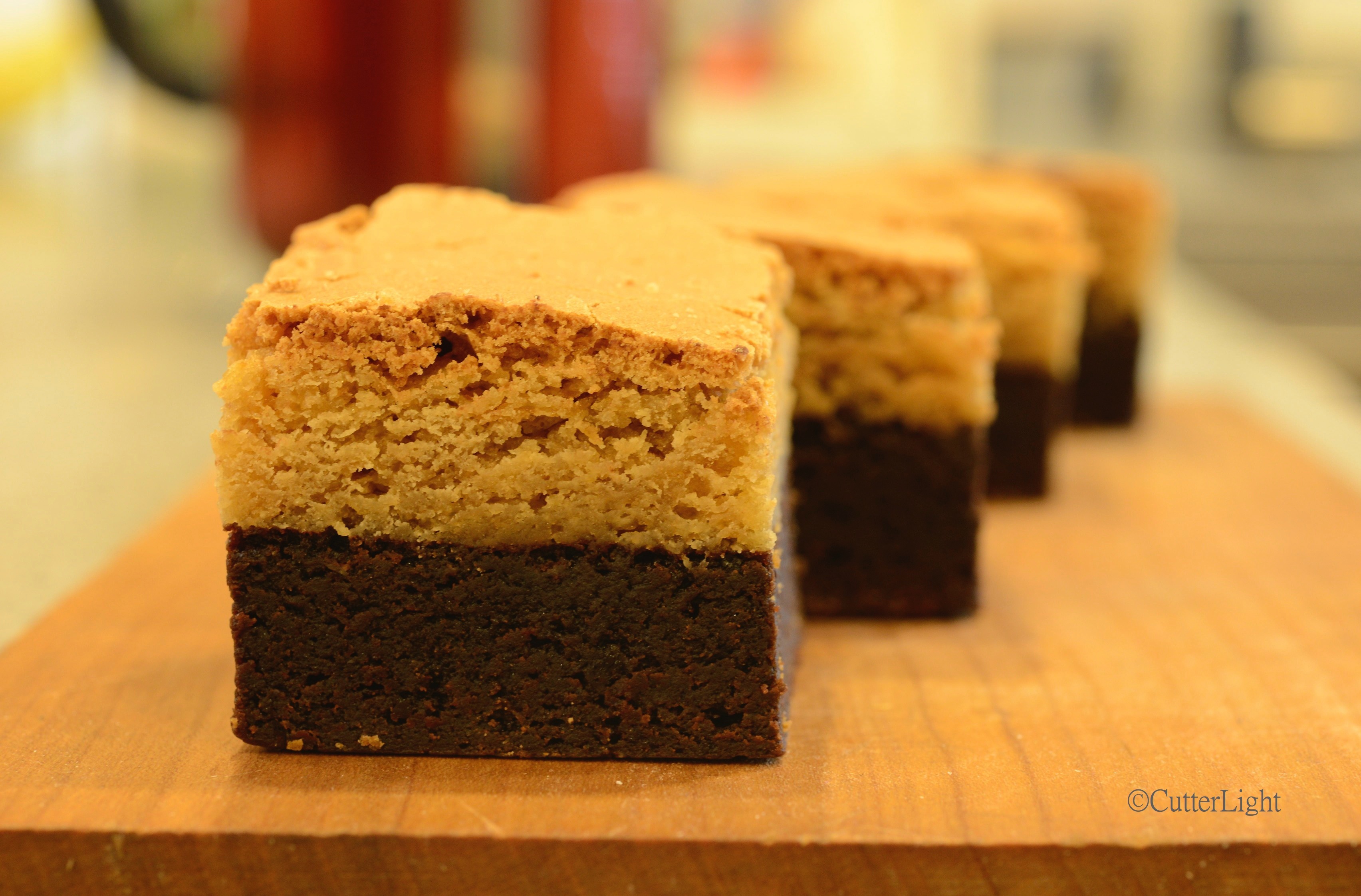
When faced with a difficult choice such as brownies or blondies, my answer is both! We love dense, chewy brownies, and lots of Dutch processed cocoa makes the brownie layer in this recipe super chocolatey. Slightly caramelizing the brown sugar gives the blondie layer a rich caramel flavor. There doesn’t seem to be a clever portmanteau to name these bits of deliciousness… How about Double Decker Blondie Brownies?

Every couple of weeks I have a bake sale in my classroom. Students save up tickets and can buy various privileges, or they can choose to spend their earnings on Barbra’s Bakery. Everyone wins, right? I get to bake and they get to enjoy freshly made items created just for them. The tasty products keep them earning tickets!

Last Friday, I asked my students for some ideas. They were smitten with the blondies I’d previously whipped up and suggested a double-decker version of blondies and brownies sandwiching a layer of chocolate frosting. I love sweets, but that sounded too sweet. However, the double-decker idea was intriguing. The key would be to somehow keep the layers separate for an appealing visual effect, like a black and tan beer.

The trick turned out to be first partially baking the brownie layer and then gently layering on the blondie dough before the final bake. The concoction was a big hit with the students and also with all the lucky adults who got to participate in the tasting.

Brownie Double Deckers

Ingredients

For the brownie

  • 1 1/4 cups dutch processed cocoa
  • 1 1/4 cups all purpose flour
  • 1 tsp salt
  • 1 1/2 cups unsalted butter, melted
  • 3 cups granulated sugar
  • 5 eggs
  • 2 tsp vanilla extract

For the blondie

  • 2/3 cup unsalted butter
  • 2 cups brown sugar
  • 2 eggs
  • 2 tsp vanilla extract
  • a little less than 2 cups all purpose flour
  • 1 tsp baking powder
  • 1 tsp salt

Directions

  1. Preheat oven to 375 degrees F (190 degrees C).
  2. Line a 9 x 13 inch baking dish with foil and generously butter. Set aside.
  3. Sift together dry brownie ingredients – flour, cocoa, and salt – in a large bowl.
  4. In a medium bowl, mix together melted butter and granulated sugar.
  5. Mix in one egg at a time until all 5 eggs are thoroughly mixed in.
  6. Stir in vanilla extract.
  7. Stir dry ingredients into wet.
  8. Pour brownie batter into baking dish and bake for 20 minutes. Brownie should be just starting to set.
  9. While brownie is baking, make blondie dough.
  10. Place butter and brown sugar in a medium pot. Stir over medium heat until mixture is just melted.
  11. Let mixture cool for a few minutes, then stir in eggs and vanilla.
  12. Stir in flour one cup at a time.
  13. Stir in baking powder and salt. Do not overmix.
  14. After the brownies have baked for 20 minutes, reduce oven temperature to 350 degrees F (175 degrees C).
  15. Carefully spoon blondie mixture on top of brownies. Gently spread blondie mixture to cover brownies. Don’t worry about making the dough perfectly even, it will spread during baking.
  16. Bake double-decker for an additional 30 minutes. A toothpick inserted in the center of the brownies will come out clean when it is done.
  17. As delicious as these smell straight out of the oven, they taste best when totally cool. We served ours with freshly brewed cups of chai tea.

Recipe adapted from Rachel Ray.

Mongolian Scones: An Airy, “No Cream” Version of a Breakfast Favorite

Mongolian Scones w egg n

“Mongolian” scones, a lighter and fluffier version of their English cousin, are quick to make and a delicious start to our day in the coldest capital in the world, Ulaanbaatar.

We are part of a foodie network in Ulaanbaatar (UB) where one of the most common questions is, “Can you get ______ ingredient here?” Although UB is a thriving city of over a million inhabitants, Mongolia is still a developing country where certain items can be difficult to come by. Heavy whipping cream is one example. When we finally tracked some down, the price tag was the equivalent of 28 US dollars for a one liter container. The cost and inconvenience associated with certain items has been fostering invention as we experiment with substitutions to our recipes.

Our “Mongolian” scones are our answer to the question, “What can I substitute for heavy cream in scones?” The answer is yogurt, which is inexpensive and readily available in Ulaanbaatar’s grocery stores. The result is a lighter, less crumbly scone.

For this version, we used a large cookie scoop, overfilled, to create mounded scones. It is typical to create scones in a disc shape and to then cut them into wedges. The mounded shape allowed a nice rise and more crunchy surface area in one perfectly portioned breakfast scone to accompany our Mongolian eggs and delicious, thick-sliced Mongolian bacon.

Mongolian scones stacked n

A large cookie scoop portioned this dough into sixteen scones. An ice cream scoop would work well for slightly larger scones.

Mongolian Scones with Cranberry and Pecans

Ingredients

  • 2 cups all-purpose flour
  • 1/4 packed brown sugar
  • 1 tbsp baking powder
  • 1/4 tsp ground nutmeg
  • 1/4 tsp salt
  • 1 tsp dried orange peel, or fresh orange zest
  • 1/4 cup unsalted butter, chilled and diced
  • 3/4 cup dried cranberries
  • 1/2 cup chopped pecans
  • 1 tbsp granulated sugar
  • 2 small eggs (Mongolian stores typically carry smaller eggs than are sold in America)
  • 3/4 cup plain yogurt

Direction

  1. Preheat oven to 375 degrees F (190 degrees C).
  2. Cover baking sheet with parchment paper and set aside.
  3. Stir flour, brown sugar, baking powder, nutmeg, salt and orange peel together in a large bowl.
  4. Stir cranberries and pecans into the flour mixture.
  5. In a small bowl, whisk granulated sugar and eggs together. Mix in yogurt.
  6. Pour wet ingredients into dry.
  7. Stir ingredients until fully incorporated with a rubber spatula. Dough will be very sticky.
  8. Scoop out generous cookie scoops (2 tbsp or more) of dough and drop mounds on baking sheet.
  9. Bake for 15 minutes, until scones are golden brown.
  10. Enjoy fresh out of the oven with a fried egg and a slice of bacon.

The Wild Right Outside Ulaanbaatar: Hiking Mongolia’s Bogd Khan Mountain

bogdkahn hikers with lit up larches n

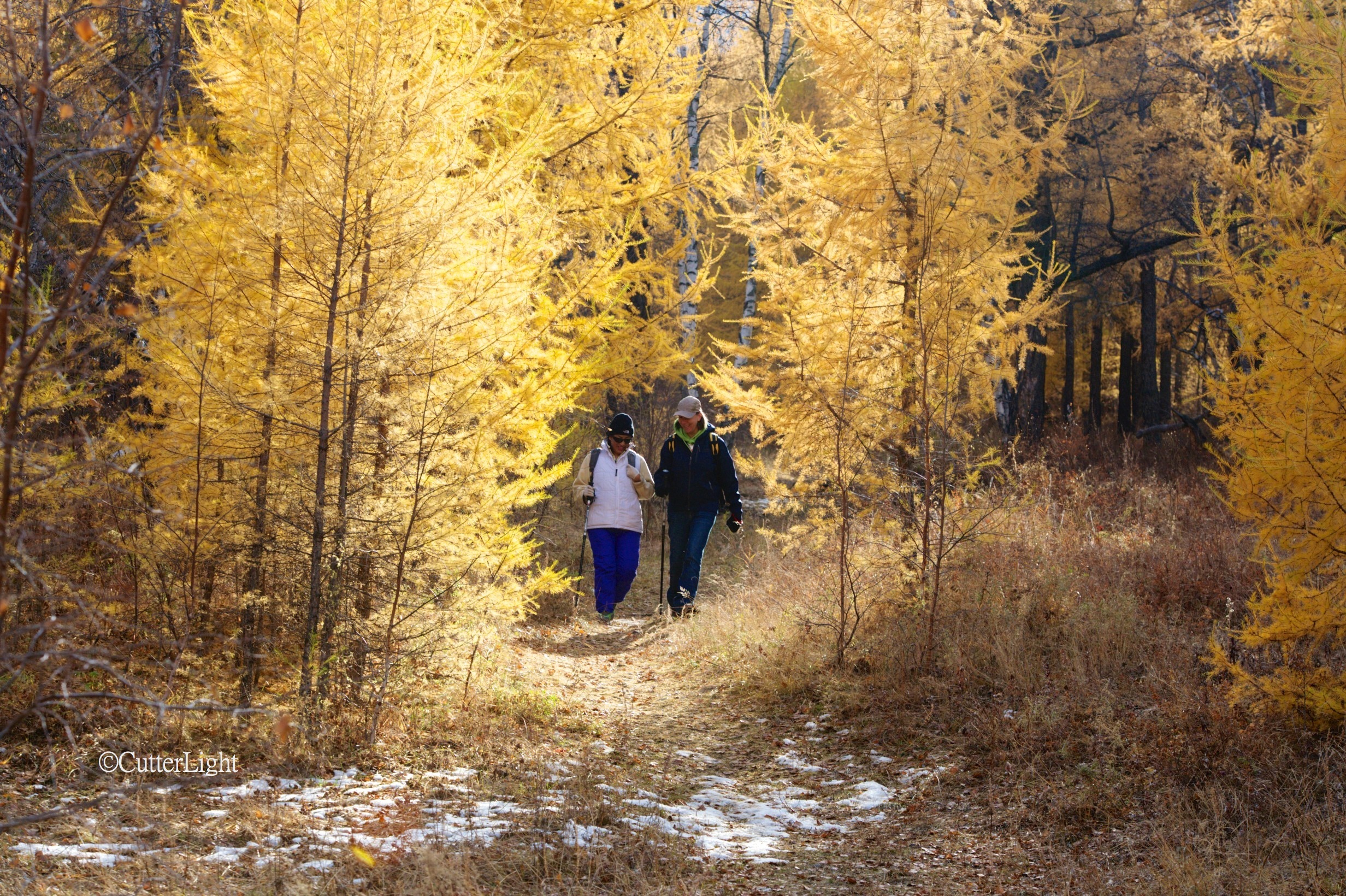
Yellow with fall, larch trees light the trail as Barbra and a friend make their way down from the summit of Bogd Khan Mountain. A Unesco Heritage Site, Bogd Khan rises 3,000 feet (914 meters) above the southern edge of the city of Ulaanbaatar, itself over 4,000 feet (1,310 meters) above sea level. Considered sacred by Mongolians, the mountain is home to numerous species of birds and other animals, some of which are rare.

Sciurus vulgaris eurasian red squirrel n

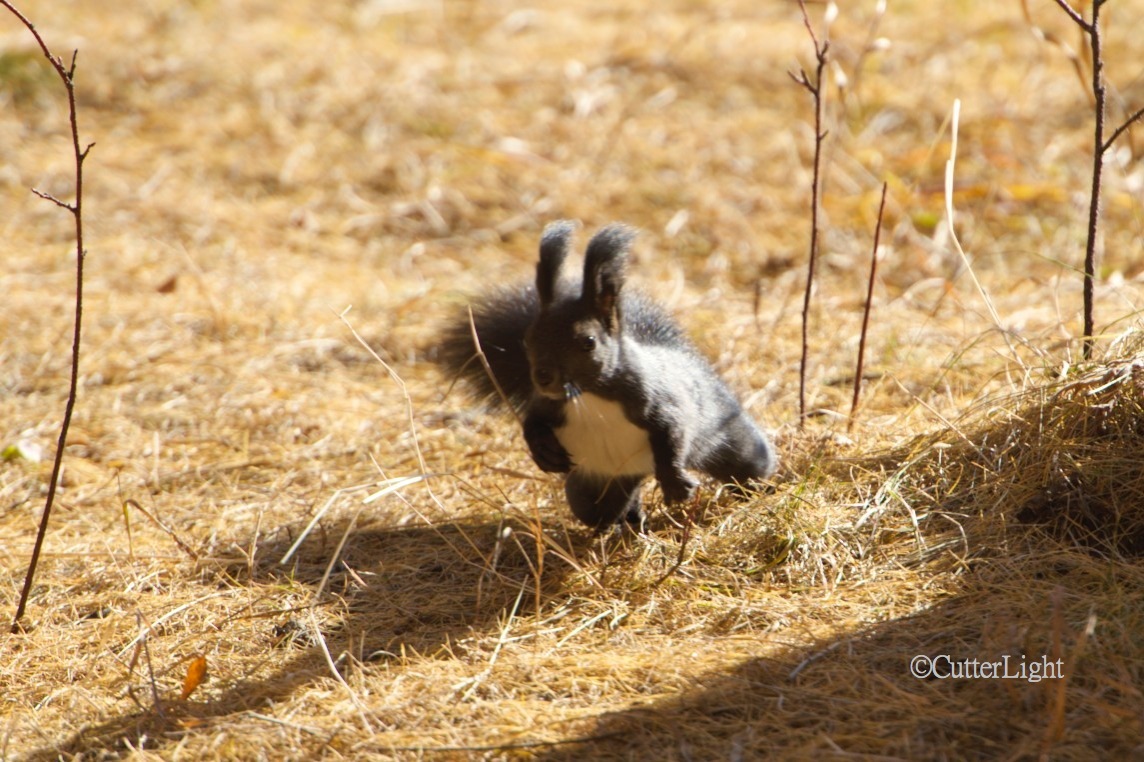
The Eurasian red squirrels (Sciurus vulgaris) of Bogd Khan are nearly black. Siberian Pine and Scotch pine provide ample forage for the forest’s squirrels and chipmunks; abundant birds of prey and foxes keep them on their toes. Prompted by increasingly cold nights, this one was a whir of activity as he scampered from tree base to tree base in an attempt to build his stash of pine seeds. 

red squirrel n

We followed a looping path up the mountain and back down, pausing at the summit for lunch under Mongolia’s signature blue skies. The hike took us through deciduous forests of mostly larch (Larix siberia) and birch (Betula paltyphylla) in the lower elevations, gradually giving way to evergreen forests predominated by Siberian and Scotch pine as we we climbed higher. 

icy stream with gold n

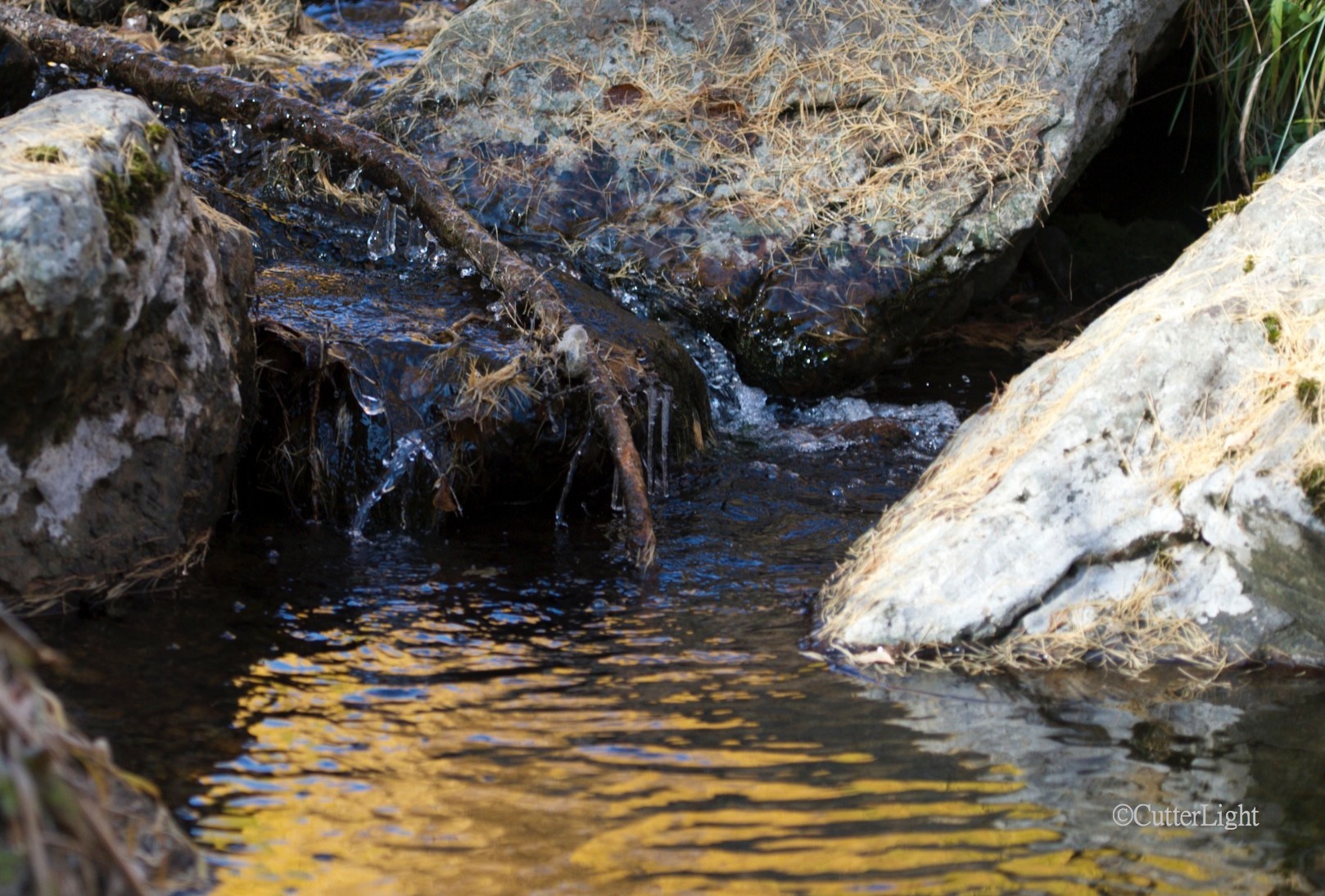
Recently nighttime temperatures have been plunging well below freezing with daytime highs climbing into the 40’s (degrees Fahrenheit), perfect fall hiking weather. This icy little brook is lit with the gold of larch trees and morning sunlight. 

Last embers of fall n

Catching the slanting rays of early sunlight, some of the last embers of red glow in this small meadow on the shoulders of Bogd Khan. Just weeks ago raptors such as black kites seemed to be everywhere. Now ravens and crows have taken over the skies. Winter is coming.

great tits Parus major n

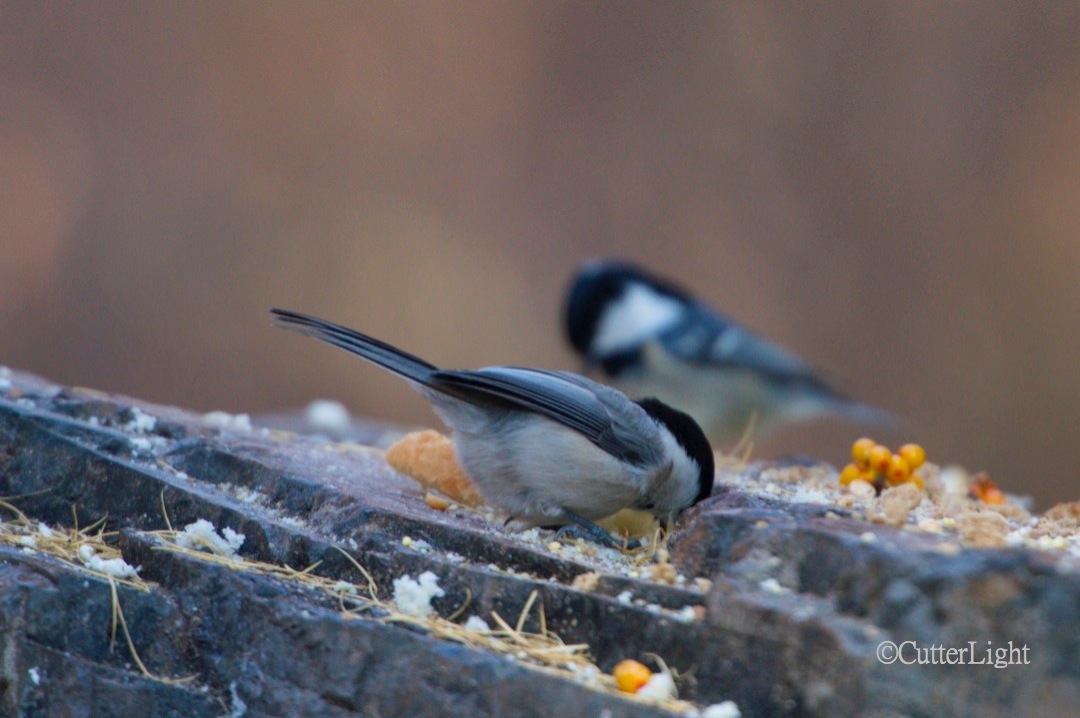
A previous hiker left a snack for these great tits (Parus major), including sea-buckthorn berries. They look and sound very much like their North American cousins, black-capped chickadees. 

eurasian nuthatch sitta europaea n

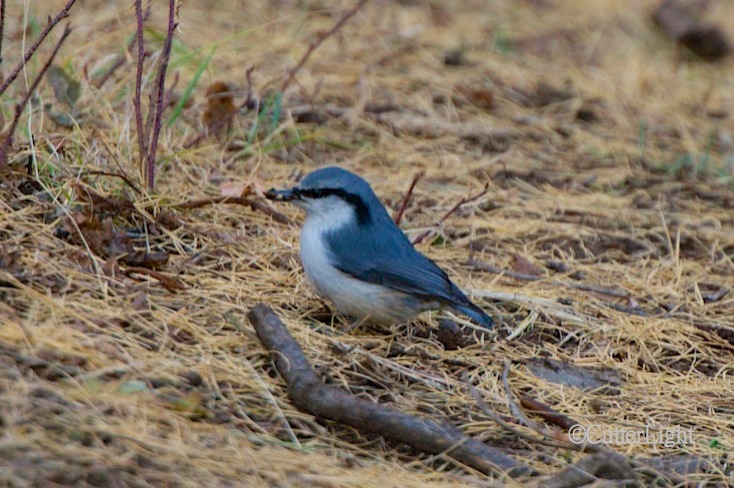
Another common resident of Mongolia’s forests is the Eurasian nuthatch, (Sitta europaea). This one is sorting through larch needles for insects and seeds. 

vulpus vulpus young red fox n

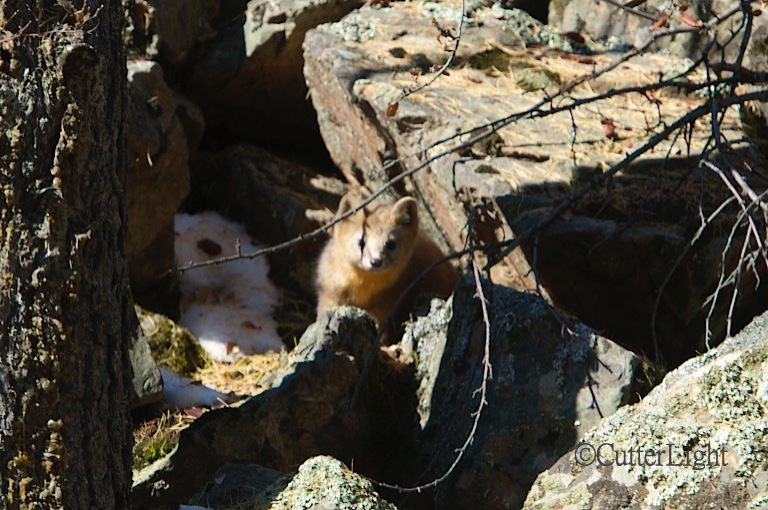
A first for us, this sable (Martes zibellina) appeared to be hunting when we startled each other. 

red fox hunting n

This little guy was quite skittish and didn’t hang around long before he took off for less populated (by us) hunting grounds. Picas, gerbils, squirrels and other rodents are abundant throughout the steppe and forests of Mongolia. Already thickened up for winter, his coat looks luxurious.

siberian chipmunk eutamias sibiricus n

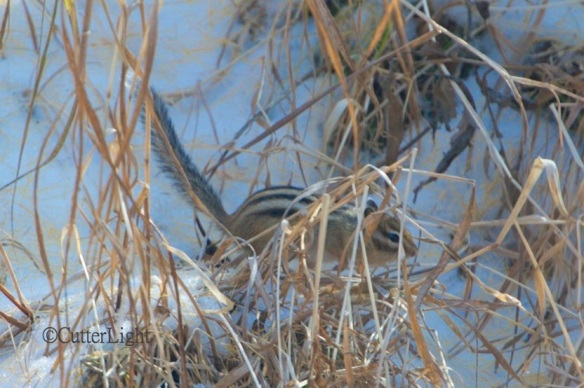
With foxes and sables on the prowl, this Siberian chipmunk didn’t sit still for even a second as he crammed his cheeks with seeds. Ranging from northern Japan through Europe, this is the only non-North American species of chipmunk. 

great tit n

As we gained altitude, stands of deciduous trees gave way to evergreens. The chirps and peeps of secretive birds followed us up the mountain.

garrulus glandarius brandtiieurasian jay n

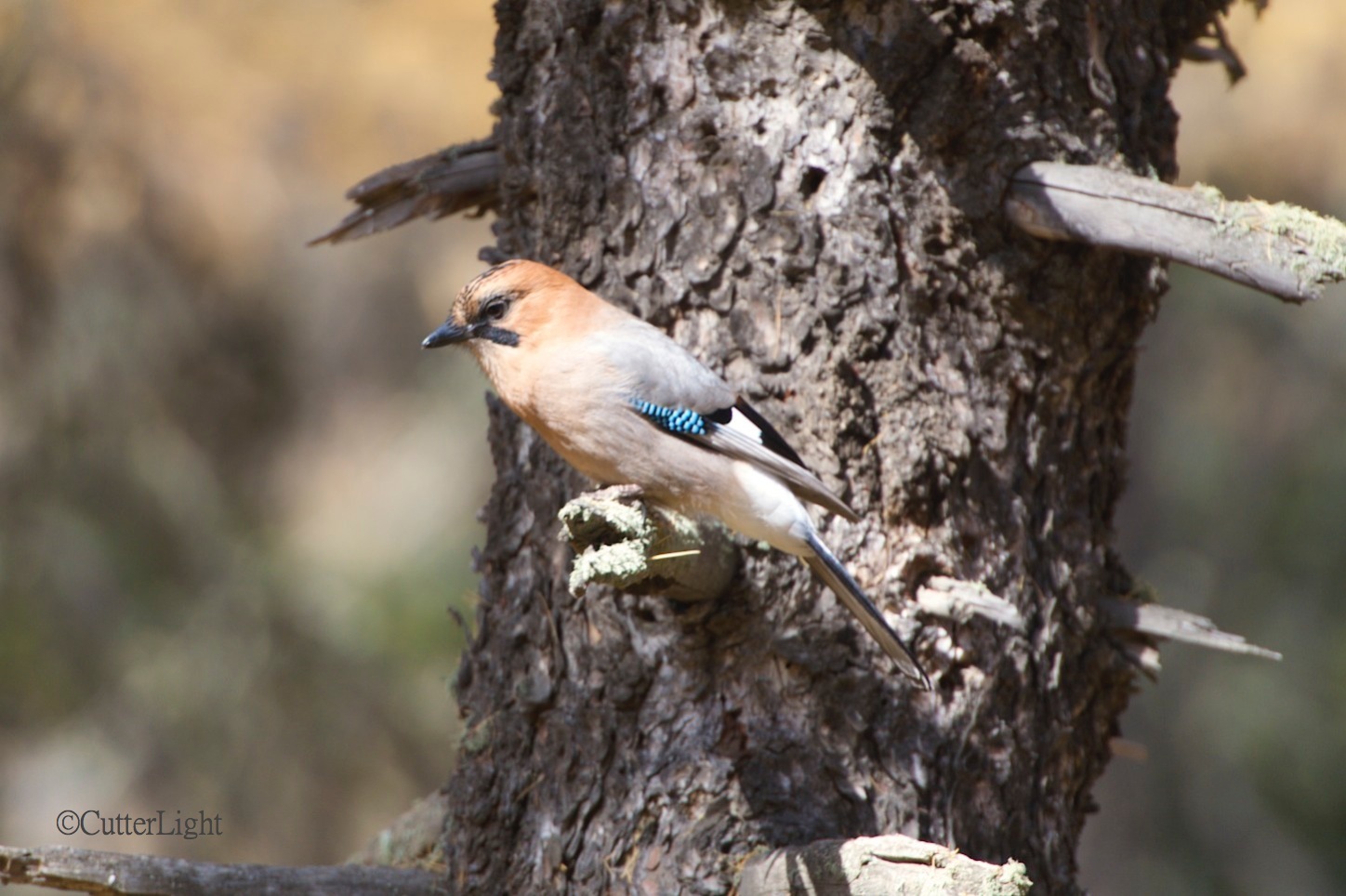
The jay from which all jays get their name – the Eurasian jay – was a bird we had really wanted to get a look at. The subspecies locally common in Mongolia, (Garrulus glandarius Brandtii) is one of the most colorful among this group. They appeared to us to be considerably larger than either the blue jay or the Steller’s jay of North America.

siberian jay in flight n

hike through fire-damaged bodkhan n

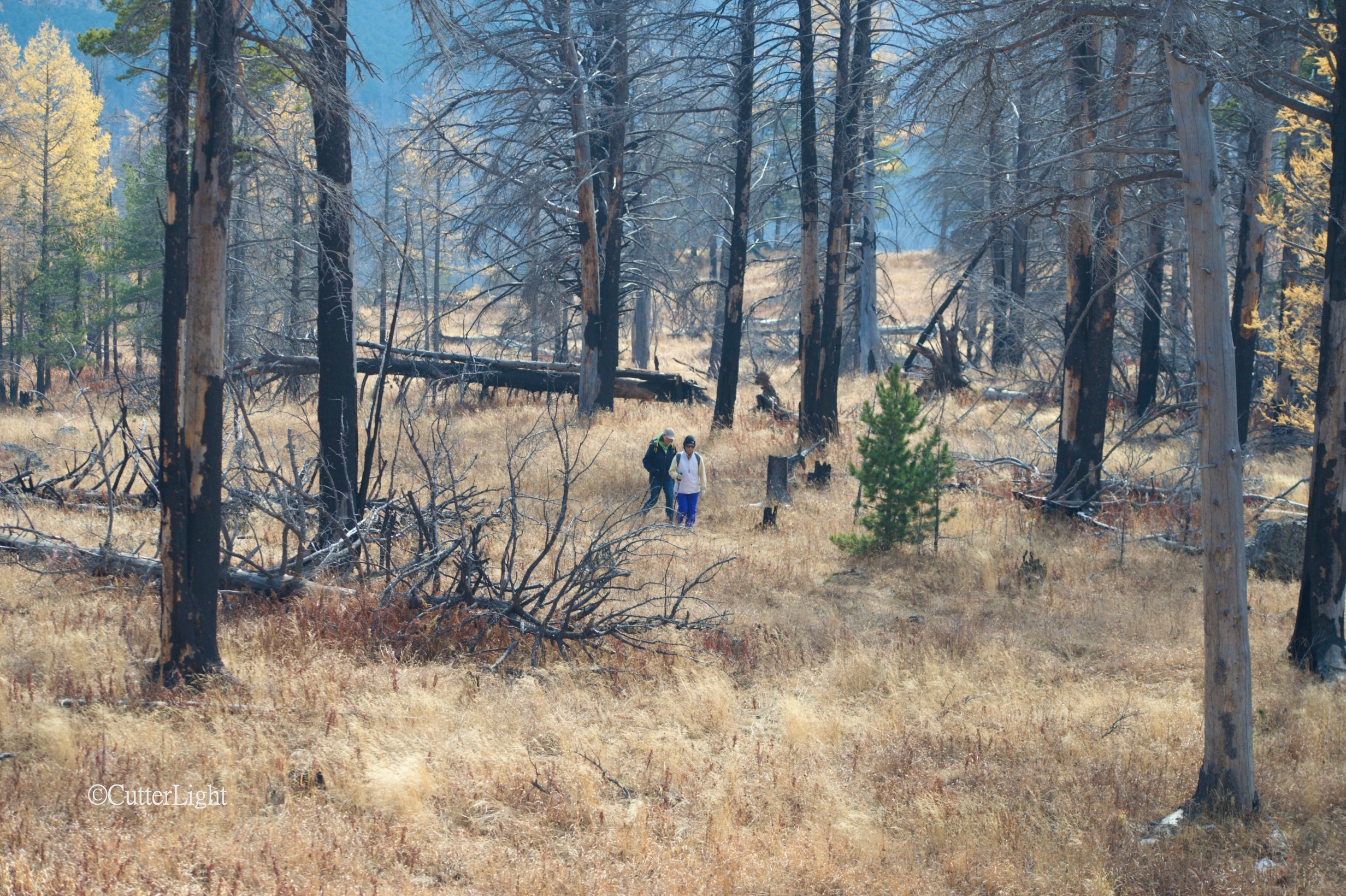
Fire opened the canopy in an area near the summit of Bogd Khan allowing a grassy meadow, laced with deer trails, to emerge. We’re looking forward to making this hike in warmer seasons when wildflowers are in bloom.

lichen chartreuse n

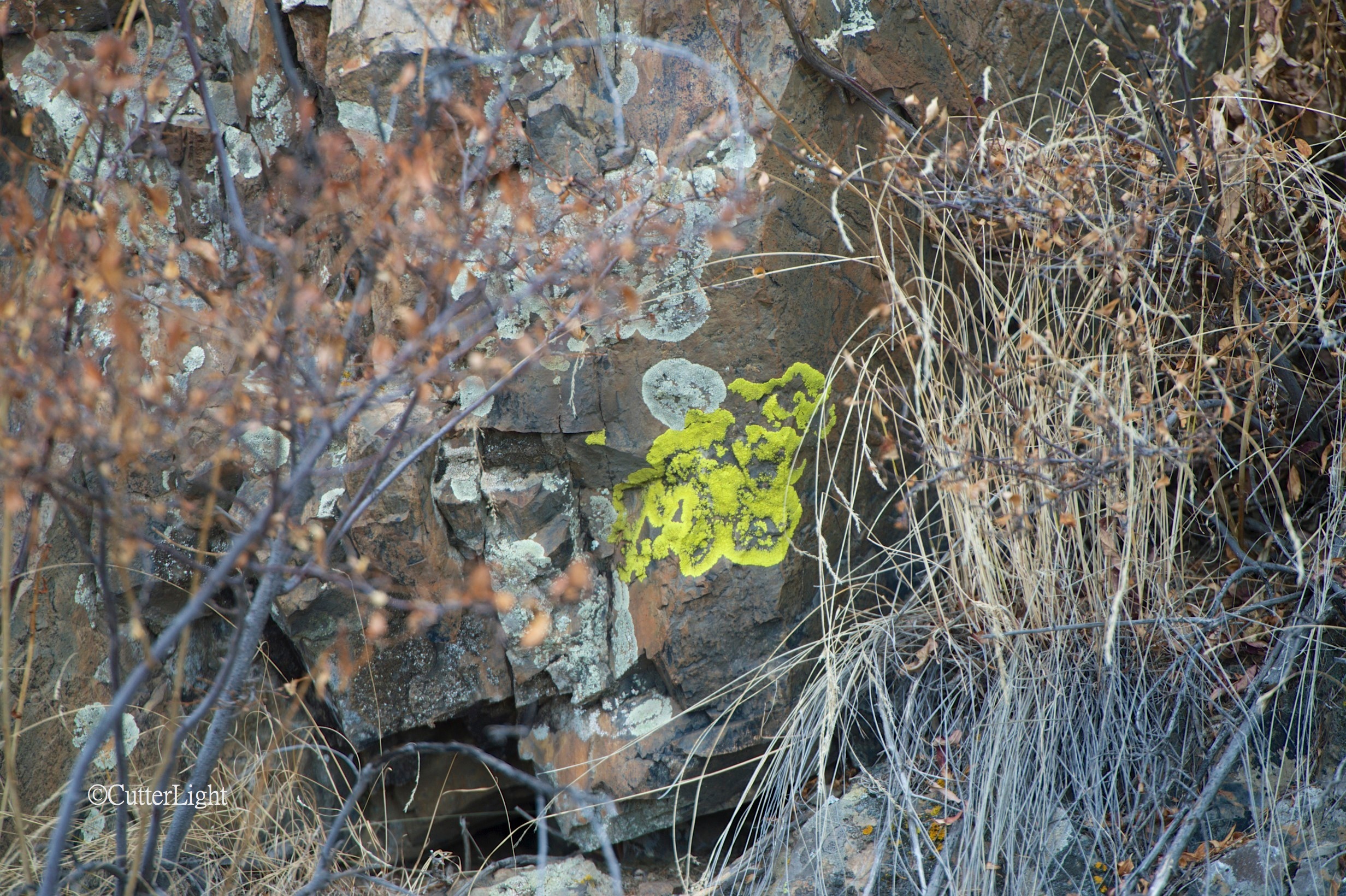
This splash of chartreuse from a rock-hugging lichen was startling.

yellow wildflower fall bloom n

As was the unexpected yellow in this small, late-blooming flower.

bodkhan fall larches birches n

And then their were landscapes like this… jumbles of birch and larch that seemed to be lit from within. 

OLYMPUS DIGITAL CAMERA

We emerged from the forest as the sun was beginning to sink below the mountain ridge, tired in the best possible way. It is a fortunate family that lives in this ger on the edge of this great forest.

Chocolate Candy Bar Coffee Cake

chocolate coffee cake_n

Warm afternoon sunshine streamed in through the windows on a cool fall day, illuminating this rich, moist afternoon snack created from a favorite chocolate candy bar. Served with freshly brewed cups of hot tea it was just the thing before a walk into town.

Chocolate coffee cake is tempting straight out of the oven. But this cake tastes best the day after it is baked. The traditional streusel topping turns a good cake into an irresistible afternoon treat.

Chocolate Candy Bar Coffee Cake

Ingredients

Streusel top:

  • 2/3 cup all purpose flour
  • 1/2 cup firmly packed brown sugar
  • 1/2 tsp cinnamon
  • 6 tbsp cold unsalted butter, cut into small pieces
  • 1/2 quality chocolate candy bar, chopped fine

Cake:

  • 2 cups all purpose flour
  • 2/3 cup unsweetened Dutch-process cocoa powder
  • 1 tsp baking soda
  • 1 tsp baking powder
  • 1/2 tsp salt
  • 1/2 cup unsalted butter
  • 1 cup granulated sugar
  • 3 large eggs
  • 1  1/4 cups plain yoghurt
  • 1  1/2 tsp pure vanilla extract
  • 1 cup chopped pecans

Instructions

  1. Preheat oven to 350 degrees F.
  2. Grease a 9 x 13 inch glass baking dish.
  3. In a small bowl, mix together the following streusel ingredients: flour, sugar, and cinnamon.
  4. Rub in butter into streusel mixture, until coarse crumbs form.
  5. Fold in chopped chocolate pieces. Set aside.
  6. To make the cake, in a large bowl, whisk together flour, cocoa, baking powder, baking soda, and salt.
  7. In another bowl, cream together butter and sugar.
  8. Add eggs, one at a time, beating thoroughly.
  9. Mix in yoghurt and vanilla extract.
  10. Stir wet ingredients into dry. Mix thoroughly.
  11. Fold in chopped pecans.
  12. Pour batter into prepared pan.
  13. Sprinkle streusel mixture evenly over batter.
  14. Bake until topping is golden, about 40 minutes. Cake is done when toothpick inserted into center of cake comes out clean.
  15. Let pan cool on wire rack. Cut into squares to serve.

Stacking Up Shortbread Cookie Recipes: Espresso-Chocolate and Almond

shortbread cookies_new

A quintessential shortbread recipe revamped twice for two deliciously buttery versions of a classic cookie.

Shortbread cookies offer delectably crunchy bites that still maintain the sense of a soft cookie. Using powdered sugar as the sweetener gives these cookies their appealing melt-in-your-mouth texture. A blog I follow, Smitten Kitchen, posted a scrumptious coffee flavored version of these cookies featuring a deep, chocolately finish. Her recipe included a clever trick of rolling out the dough in a zip top plastic bag and then allowing it to chill in the bag, making for quick and easy cutting of the chilled dough. I made a batch of her espresso-chocolate flavored cookies and then experimented with my own almond flavored version. How did these two recipes stack up? Deliciously!

After successful experimentation substituting the coffee and chocolate with almonds, I can imagine a whole host of substitute flavors to continue playing with – lemon, caramel, anise…

Espresso Chocolate Shortbread Cookies

Ingredients

  • 1 tbsp coffee extract (or highly concentrated coffee)
  • 8 oz unsalted butter, room temperature
  • 2/3 cup powdered sugar
  • 1/2 tsp vanilla extract
  • 2 cups all-purpose flour
  • 4 oz of your favorite chocolate bar, chopped finely. I found one with toffee bits inside which worked fabulously.

Directions

  1. Thoroughly mix butter and powdered sugar in a medium bowl.
  2. Stir in coffee and vanilla.
  3. Mix in flour. Don’t overmix.
  4. Fold in chopped chocolate.
  5. Transfer dough to a gallon-sized zip top bag.
  6. Roll the dough out until it is about 1/4 inch thick. You should have a rectangle about 9 x 10 inches.
  7. Squeeze out the air and zip bag closed. Refrigerate dough for 2 hours. Refrigerated dough will keep for a couple of days.
  8. Preheat oven to 325 degrees F.
  9. Line a baking sheet with parchment paper.
  10. Cut the dough-filled plastic bag so you can remove top layer.
  11. Turn dough out onto a board.
  12. Cut dough into cookies – about 1 1/2 inch squares.
  13. Place cookies on parchment lined baking sheet.
  14. Bake for 10 minutes. Then rotate pan and bake for additional 10 minutes.
  15. Cool cookies on wire rack.
  16. Cookies will taste best when they are fully cooled.

Recipe courtesy of Smitten Kitchen.

Almond Shortbread Cookies

Ingredients

  • 1 tbsp almond extract
  • 8 oz unsalted butter, room temperature
  • 2/3 cup powdered sugar
  • 1/2 tsp vanilla extract
  • 2 cups all-purpose flour
  • 4 oz almonds, chopped fine.

Directions

  1. Thoroughly mix butter and powdered sugar in a medium bowl.
  2. Stir in almond and vanilla extracts.
  3. Mix in flour. Don’t overmix.
  4. Fold in chopped almonds.
  5. Transfer dough to a gallon-sized zip top bag.
  6. Roll the dough out until it is about 1/4 inch thick. You should have a rectangle about 9 x 10 inches.
  7. Squeeze out the air and zip bag closed. Refrigerate dough for 2 hours. Refrigerated dough will keep for a couple of days.
  8. Preheat oven to 325 degrees F.
  9. Line a baking sheet with parchment paper.
  10. Cut the dough-filled plastic bag so you can remove top layer.
  11. Turn dough out onto a board.
  12. Cut dough into cookies – about 1 1/2 inch squares.
  13. Place cookies on parchment lined baking sheet.
  14. Bake for 10 minutes. Then rotate pan and bake for additional 10 minutes.
  15. Cool cookies on wire rack.
  16. Cookies will taste best when they are fully cooled.

Poppy Seed Cloverleaf Rolls

poppy seed roll clover leaf n

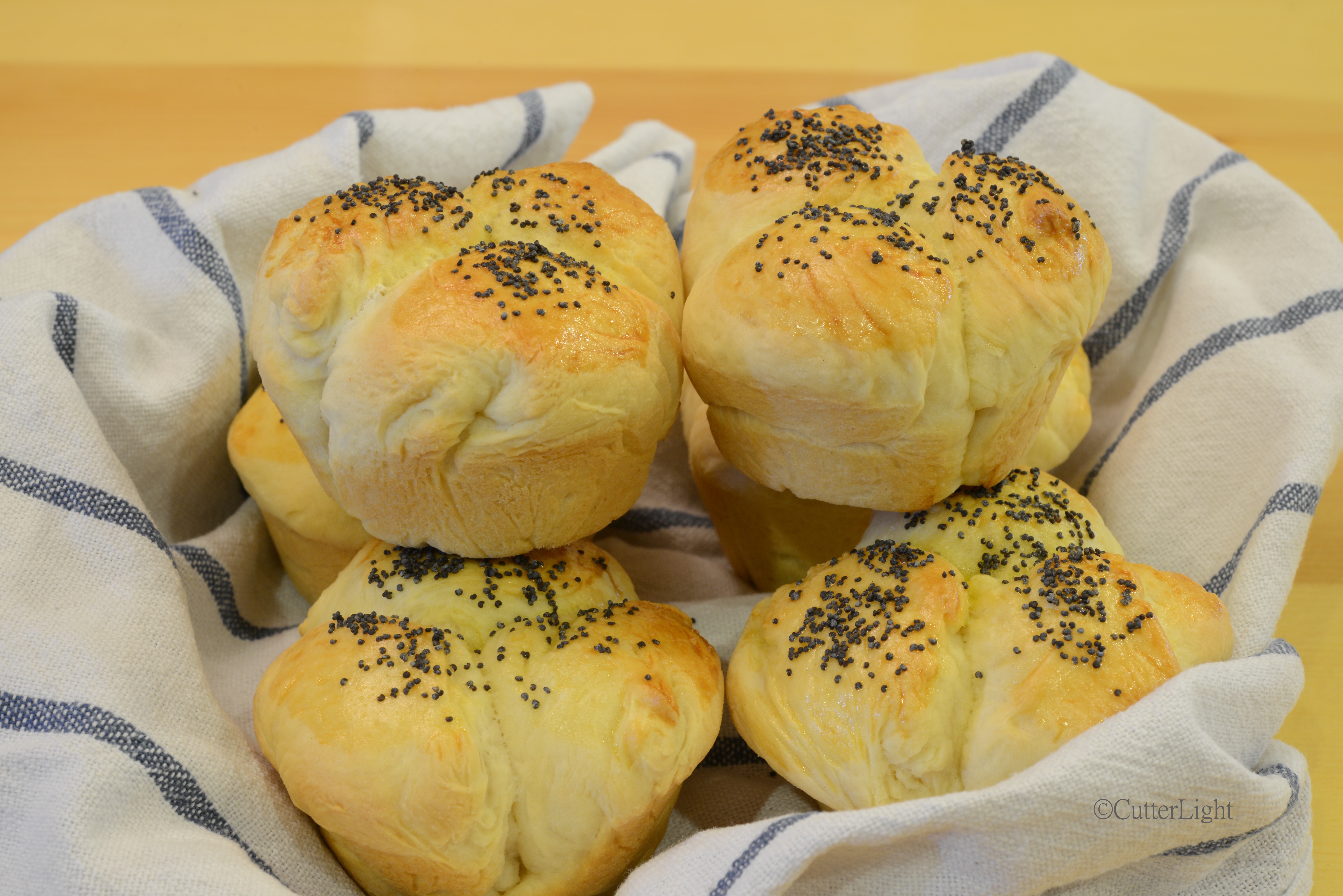
In theory, this recipe will make twelve rolls. When I went to retrieve the rolls for my photo shoot, there were only six. Jack!?! They must have been really tasty!

The transition from Alaska to Ulaanbaatar, Mongolia has not been easy for the baker in me. Ulaanbaatar is known for being the coldest capital in the world. Since we have arrived, the weather has been really warm. Turns out highs in the 70’s and 80’s F is mighty warm for our Alaskan blood. Finally, a cloudy day with a high of 53 degrees F made for a comfortable baking weather.

After years of making dough in my Zojirushi bread machine, the move to a country with different electrical outlets encouraged me to relinquish my training wheels and bake on my own. I had always had trouble getting my doughs to rise properly in our home in Point Hope. With experience and a few tricks, I was ready to give it a go without any machinery.

I pulled my Williams-Sonoma Baking Book off the shelf and looked for a yeasted bread recipe which would be a delicious accompaniment to Jack’s tomato soup. Poppy seed cloverleaf rolls sounded tasty and look beautiful, too. The recipe was easy to follow and the dough rose beautifully. The final product proved to be irresistible.

Poppy Seed Cloverleaf Rolls

Ingredients

  • 1 cup whole milk
  • 2 tbsp unsalted butter, plus extra for greasing
  • 1 tbsp granulated sugar
  • 2  1/2 tsp active dry yeast
  • 3/4 tsp salt
  • 2 3/4 cups all purpose flour
  • 1 tbsp light oil
  • 1 egg, well beaten
  • 1  1/4 tsp poppy seeds

Directions

  1. In a small pan over low heat, mix milk, butter, and sugar.
  2. Stir until butter is melted.
  3. Pour milk mixture into a large bowl.
  4. Allow mixture to cool to 105 – 115 degrees F, then whisk in yeast.
  5. Let mixture stand until foamy, about 5 minutes.
  6. Whisk again and then stir in flour and salt, about 1/2 cup at a time. Dough should be soft and sticky.
  7. Turn dough out onto a lightly floured surface and knead until it is smooth and elastic, about 5 minutes.
  8. Coat a bowl with oil, then add dough to bowl. Turn dough so that it is covered with oil.
  9. Cover bowl with damp cloth and allow dough to rise until doubled, about 1  1/2 hours.
  10. Grease 12 standard muffin cups.
  11. Turn the dough out onto a lightly floured surface.
  12. Flatten dough to a rectangle.
  13. Cut rectangle into 12 equal portions.
  14. Take each portion and break into 3 pieces. Roll each piece into a ball and place three balls into each muffin cup.
  15. Cover pan with a kitchen towel and allow dough to rise until doubled, about an hour.
  16. Preheat oven to 375 degrees F.
  17. Brush tops of rolls with egg.
  18. Sprinkle each roll with some of the poppy seeds.
  19. Bake until puffed and golden, about 15 minutes.
  20. Remove from pan right away. Serve hot or warm.

Recipe courtesy of The Williams-Sonoma Baking Book.