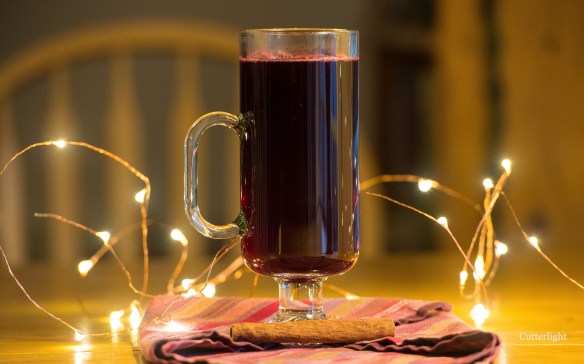
Hot Spiced Lingonberry Tea (aka Hot Lowbush Cranberry Tea)

lingonberry-hot-tea-n

Hot spiced lingonberry juice – a magical potion.

When we were in Mongolia, we were served hot fruit tea, particularly sea buckthorn berry tea. Based on our experience with teas, we expected this drink to be made from tea leaves along with dried fruit. The tea we were served was not really tea, but heated fruit juice infused with spices. Although we’d both previously enjoyed hot, spiced cider, it hadn’t occurred to us to heat other juices and enjoy them this way. Thank you, Mongolia.

Fast-forward to the present. Now is the time to pick lowbush cranberries in Alaska. We’ve been told for years to wait until after the first frost to pick these bright red beauties. In Point Hope, the first frost often coincided with snow and the first Arctic blasts from points still further north. By the time this happened, it was painfully cold to go out and pick these gems. Chignik Lake lies at a much lower latitude, and mornings that begin with a glaze of frost have been warming up into the 50’s. So, we’ve been picking lowbush cranberries by the gallon. Lowbush cranberries, otherwise known as lingonberries, are the wild cousins of the big juicy cranberries that appear in stores around Thanksgiving. Because of my recent experience with Mongolian fruit teas, I processed my lowbush cranberries into juice, saving the remaining pulp to make delicious cranberry sauce to go with dishes such as roast turkey and grilled pork tenderloins.

Making the juice was easy. I combined four cups of berries with two-and-a-half cups of water. I brought the water to a simmer for about ten minutes. While the berries were simmering, I took a silicon spatula and stirred and squashed the berries. After ten minutes, I hung a piece of cheesecloth in a tall food storage container and placed the berry mixture in the cheesecloth in order to separate the pulp and the juice. I froze the resulting juice in ½ cup portions. I also froze the pulp to be made into cranberry sauce later.

After all this lingonberry processing, I was ready to sit down and enjoy a cup of hot berry tea! A steaming, aromatic cup of this juice spiced with warm wintertime flavors was a perfect reward for my work in the kitchen. I can’t adequately describe how satisfying this tea is. The aroma and flavor evoked the best memories of a warm, cozy home on cold winter nights, kind of like mulled cider. At the same time, I felt like I was pouring some incredibly healthy elixir into my body. It is something like the feeling, I imagine, of drinking a magical potion from a friendly witch.

Hot Spiced Lingonberry Tea

Ingredients

  • 1 cup brown sugar, packed
  • 4 cups lingonberry juice
  • ½ tsp allspice
  • 1 stick cinnamon
  • 6 whole cloves
  • dash ground nutmeg

Directions

  1. Place juice and brown sugar in a pot. Whisk until well blended.
  2. Add allspice, cinnamon and cloves.
  3. Simmer 10 minutes.
  4. Ladle tea into mugs through a fine wire mesh sieve.
  5. Grate a dash of nutmeg onto hot juice and serve immediately.

Sweet and Sustainable: Alaska Prawns and Shrimp (and a Great Place to Find Them)

spot prawns on soba n

Zaru soba (Japanese buckwheat noodles) topped with Thai-seasoned Alaska spot prawns makes a perfect summertime meal. See recipe below.  

The windshield has a crack running through it, there’s a little rust and a dent or two on the body, and some of the paint is chipping off the hand-lettered sign affixed to the vehicle’s side, but we look for Patrick Johnson’s little black truck every summer when we’re cruising around Alaska’s Kenai Peninsula and we hit the brakes when we find it. If we don’t happen across his truck, we go find him at his Shrimp Guys Seafoods shop in Soldotna. Patrick sells sashimi-grade seafood smelling as fresh and briny as the seas it comes from.

Alaska shrimp & scallops sign n

Maybe it’s my East Coast upbringing, but experience has taught that fancy shops with glitzy signage are usually not the best places to look for quality seafood. The first time we saw the above sign, which is attached to Patrick’s older model black pickup truck, it took me back to days in the Carolinas where small-time operations were hands down the best places to pick up fresh blue crabs, white shrimp, oysters and maybe a flounder to enjoy with a bottle of something white and dry for the evening meal.  

Alaska spot prawns fresh_n

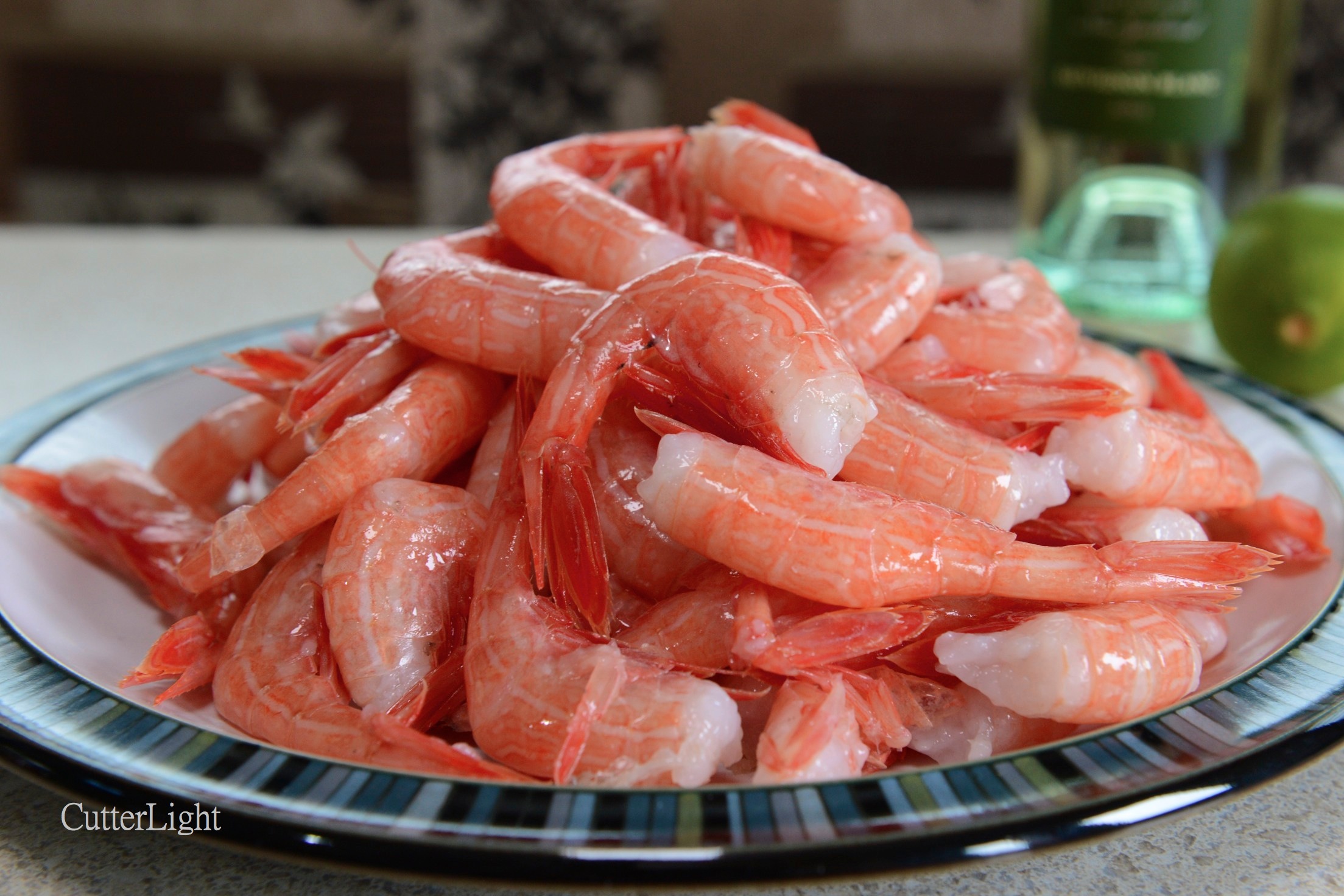
Alaska’s prized spot prawns, ready to be peeled, seasoned and treated every so briefly and gently with heat.

There are two secrets to great seafood: cook it while it’s fresh, and don’t cook it long. If seafood smells bad, it is. That “bad” smell is not seafood; it’s bacteria growing on seafood. A quality seafood shop (or the seafood counter in a well-run grocery store) will smell pleasantly of the ocean – a little briny, vaguely sweet.

As to cooking shrimp or prawns, a former mentor in South Carolina gave me advice that applies to everything from broiled salmon to fried summer fluke. He was showing me how to prepare the white shrimp I’d caught in a cast net and iced earlier that day. (Read in a slow, South Carolina drawl.)  Jack, a little butter, a little lemon and a little garlic – that’s all they want. And a minute-and-a-half in the pan. Remember, they’ll keep cooking after you’ve removed them from heat, so a minute-and-a-half really means you’re cooking them for two minutes. But get them off the heat before two minutes, or you’ll ruin them. side stripe shrimp n

Smaller than spot prawns, these Alaska side stripe shrimp have the soft texture and signature sweetness of the ama-ebi served by sushi chefs. They are excellent served raw and dipped in soy sauce with a hint of wasabi. Any leftovers make a superb omelet or open-faced shrimp melt sandwich. 

Zaru Soba with Thai Seasoned Spot Prawns (serves two)

Ingredients (This recipe is a snap to make with pre-made seasoning and dipping sauce.)

  • soba (Japanese-style buckwheat noodles)
  • 6 spot prawns, peeled, vein removed and cut open butterfly style along their length. Give them a squirt of lime or lemon and set aside.
  • 2 tbsp coconut oil (or olive oil)
  • Spicy Thai-style seasoning mix, or mix your own from powdered chili peppers, powdered garlic, cinnamon, nutmeg and sesame seeds
  • green onions, sliced thin
  • English cucumber, cut julienne – about 1 1/2 inch of cucumber per serving
  • nori (dried seaweed) cut into thin strips
  • wasabi
  • mentsuyu – chilled dipping sauce – available at Asian grocers or in the Asian section of most regular grocery stores. Or make your own from soy sauce, mirin, sake and bonito flakes.

Directions

  1. Use a bowl to coat prawns in seasoning and let stand.
  2. Boil soba according to maker’s directions. Rinse thoroughly in cold water and drain.
  3. Mix mentsuyu with cold water, according to maker’s directions. Mix in wasabi to taste and add a few slices of green onions.
  4. Heat coconut oil in a frying pan over medium heat. Add seasoned prawns. Use tongs to turn so that both sides are cooked – about 90 seconds total. Place on a plate to stop cooking.
  5. Place cold, drained soba noodles on two plates. Add prawns. Garnish with cucumber, onions and nori. Serve with individual side bowls of cold mentsuyu dipping sauce.

Enjoy this dish with a chilled bottle of Bianchello – a beautiful white wine from Central Italy that seems to have been created for light seafood dishes.

For sashimi grade seafood, contact Patrick Johnson at 907-394-4201 or email him at akjohnson98@gmail.com. You can find his shop at 44526 Sterling Highway, Soldotna, Alaska


Point Hope, Alaska: Traditional Inupiat Dancing and Drumming

The dancers in this short video are 6th grade students at Tikigaq School in Point Hope, Alaska, an Inupiat village 200 miles above the Arctic Circle. They are performing traditional songs and dances, passed down through the generations, sung in their native language.

The annual school Christmas program in Point Hope is a little different than in most communities. Yes, there are seasonally popular songs and carols, but many of them are sung in Inupiaq, the language of the Tikigaqmuit, the Inupiat Eskimo people of this small whaling community on the edge of the Chukchi Sea. There is also lots of drumming, singing and dancing performed according to traditions that extend back in time beyond memory. The drums – which resonate much more loudly than one might suspect them capable of at first glance – are made from material such as the membrane of sea mammal organs stretched over wooden frames. The beautiful mukluks (boots) many of the participants wear are hand sewn from seal, caribou, beaver and other natural materials.

The dances celebrate the past and the present. Aaka Irma (Irma Hunnicutt), who volunteered her time to come to our school and teach the students these dances, has an honored place as an elder in this village. Although the students speak mainly English in their day-to-day lives, these celebrations give them the opportunity to honor their language and heritage. This is a place where traditions are still passed down generation to generation; where some of the clothing and much of the food is still provided by the surrounding land and sea; where traditions are alive and vibrant and honored.

On this occasion, the students and Aaka Irma invited their classroom teacher to dance with them.

First Sea Ice, Point Hope 2013

snow arc point hope beach n

Wind and cold sculpted this mixture of sea spray and snow into a delicate arch. The sea ice has been late in coming to the Chukchi Sea this year. This photo was taken at 3:00 p.m. with the winter sun already skimming low on the horizon. Our month of day-long darkness will begin December 6.

The thick, slushy sea ice hisses and softly moans as it moves with the current past ice already frozen fast to shore. The hissing is vaguely reminiscent of a soft autumn breeze filtering through the dry leaves of oaks and maples in my native Pennsylvania. The moans sound like the muted voices of whales deep below the sea. All else is still, the ice stretching out as far as one can see. There is no wind, and there is no other sound.

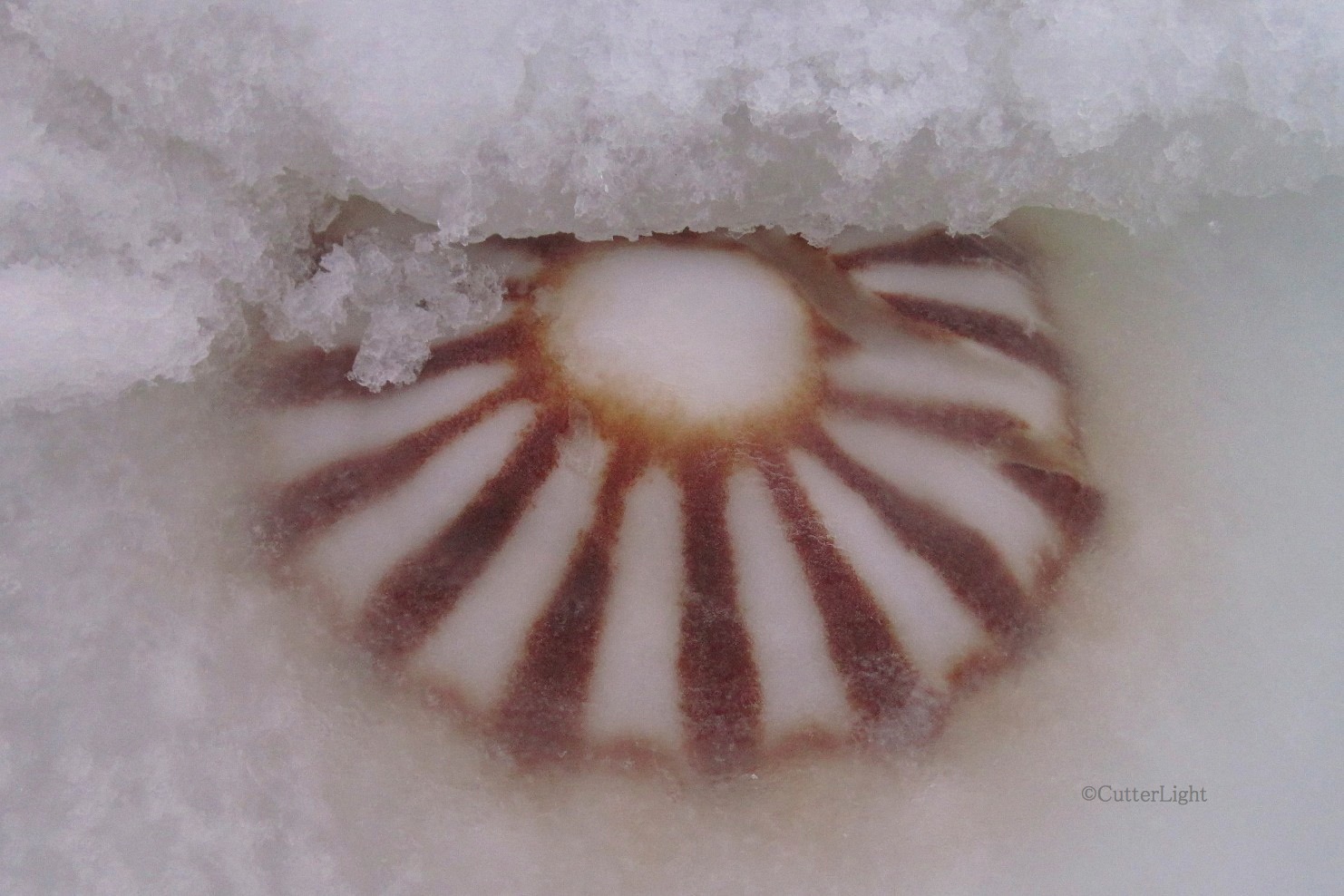
sea jelly caught in ice n

This sea jelly, entombed in shore ice, is about the size of a polar bear’s paw.

We searched for signs of life, perhaps a seal out on the ice or a snowy owl coursing the shoreline, or even the tracks of an Arctic fox. There is nothing, just the steady hiss of the ice as it flows before us. We walk along the pebbled beach for maybe a mile and finally spot a small group of ravens. Tough birds, making a living up here during the winter.

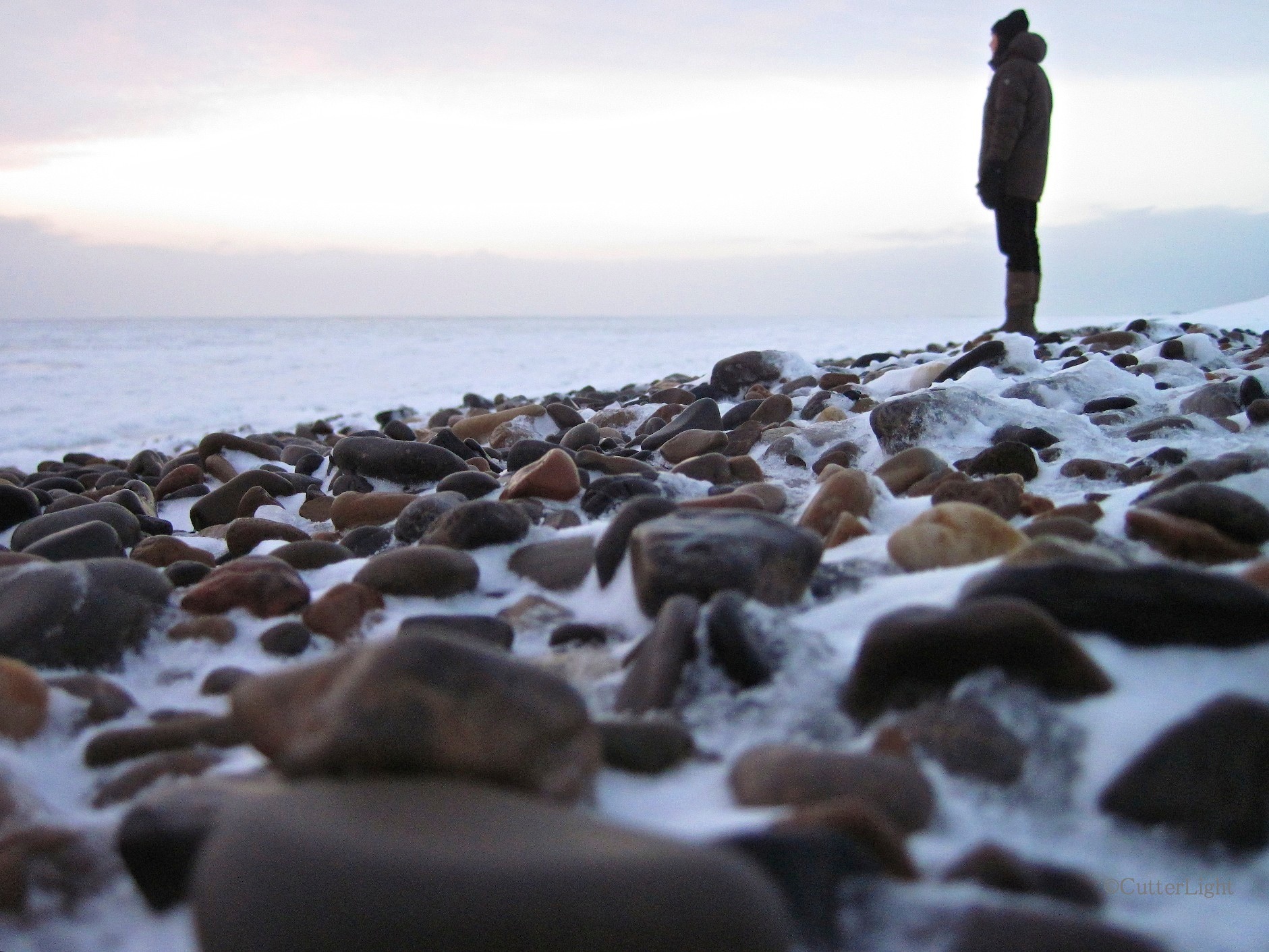
point hope frozen beach n

If you look closely among the rocks along the Point Hope Beach, it’s common to find jade. Less common are fragments of mastodon tusks.

first sea ice 2013 n

Thick ice prevents the shore from eroding during winter storms. Polar bears depend on the ice to hunt seals. Things are changing up here. The ice seems to be coming later, and there is less of it. Red foxes are becoming more common, pushing out their smaller Arctic cousins. Once winter truly locks up the sea and the sun sinks below the horizon, there is no place on earth that is quieter. It is cold and stark but beautiful. 

sea jelly caught in ice b n

We don’t always take our big cameras along on walks. Today we relied on “Little Blue,” our Cannon PowerShot D10, our trusty point and shoot.

Pumpkin Pasta with Pumpkin Chanterelle Sauce

pumpkin pasta_n

Do not adjust the color! This penne pasta gets its deep orange-yellow color from fresh pumpkin purée and was the perfect base for a tasty alfredo-style pumpkin and chanterelle mushroom sauce.

With a pumpkin arriving in our most recent box of produce from Full Circle Farms, I eagerly anticipated creating a dish of pumpkin and chanterelle lasagne. The idea was to layer slices of pumpkin and mushrooms between wheat lasagne noodles along with cheese and a cream-based sauce. When I pitched this menu to Jack, he wrinkled his nose and said something about taking the fall pumpkin spirit too far. So there I was with a beautifully ripe pumpkin, a couple of cups worth of aromatic chanterelles, and an unsatisfied craving for a pasta experiment.

So I decided to make a twist on my original idea by creating a pumpkin pasta and a sauce to accompany which would bring together the flavor of pumpkin and chanterelles. To avoid being vetoed again, I offered to give Jack a night off from cooking and create the dish as head chef. This way he could relax and I could satisfy my craving. He remained skeptical, but was willing to go along. Win-win, right?

pumpkin pasta w sauce_nA savory, satisfying meal of pumpkin penne served with a creamy pumpkin chanterelle sauce and slices of chicken apple sausage warmed up a truly blustery Arctic night. No flights in or out of Point Hope the past couple of days, and hurricane force gusts punctuated gale and storm force winds. Freshly grated parmesan cheese and a dash or two of Cholula sauce finish the dish. 

Throughout the whole meal, Jack kept mmmm-ing in approval and muttering about how different the combinations of flavors were and how beautifully they worked together. Although I added mildly spicy chicken sausage, this recipe would work equally well sans meat. When thickening a sauce such as this, we have found that rice flour is superior to other thickening agents.

Pumpkin Penne with Pumpkin Chanterelle Sauce

Ingredients

  • 1 lb pumpkin penne pasta (see below)
  • 2 tbsp olive oil
  • 3 shallots, finely sliced
  • 3 cloves garlic, finely chopped
  • 2 cups chanterelle mushrooms, chunked
  • 1 1/2 cups chicken stock (we use Better than Bouillon)
  • 1 2/3 cups pumpkin purée (fresh or canned)
  • 1/2 cup heavy whipping cream
  • 1 tsp Cholula sauce
  • freshly grated nutmeg, to taste
  • pinch cinnamon
  • salt and pepper
  • chicken apple sausage, sliced
  • 1 tsp sage
  • parmesan cheese
  • (optional) thickener, such as rice flour or wheat flour, as needed

Directions

  1. Heat water for pasta.
  2. Heat oil and sauté shallots, garlic and chanterelles for about 3 minutes.
  3. Stir in chicken stock, pumpkin purée, whipping cream, Cholula sauce, nutmeg, cinnamon, salt and pepper to taste.
  4. Add sliced sausage.
  5. Let sauce simmer and thicken. If it needs to be thickened, add a rice flour 1 tbsp at a time till desired consistency is achieved.
  6. Cook pasta al dente.
  7. Stir sage into drained pasta and toss with some olive oil.
  8. Place pasta on individual plates, add sauce, and finish it with grated parmesan cheese and a splashes of Cholula sauce.

Pumpkin Pasta Dough

Ingredients

  • 2 cups semolina flour
  • 2 eggs
  • 1/3 cup pumpkin purée
  • 2 tbsp olive oil
  • water as needed

Directions

  1. Whisk together eggs and pumpkin.
  2. Place semolina flour in a large bowl.
  3. Make a well in the middle of the semolina flour.
  4. Pour egg mixture and olive oil in well.
  5. Use a fork and scramble eggs into flour.
  6. Keeps scrambling until dough resembles large curds. Add small amounts of water if needed.
  7. When all the dough looks like large curds, knead dough several times in order to form a dough ball.
  8. Cover dough tightly with plastic wrap and let rest for 20 minutes.
  9. Follow pasta machine manufacturer’s directions to form noodle shape of choice.

Ptarmigan and Cloudberries: A Walk on Alaska’s Arctic Tundra

willow ptarmigan pair n

Looking almost like exquisite mounts in a museum diorama, these Willow ptarmigan (Lagopus lagopus) proved to be quite approachable. While hiking on the tundra near Point Hope in September we came across two coveys totaling about 20 birds.

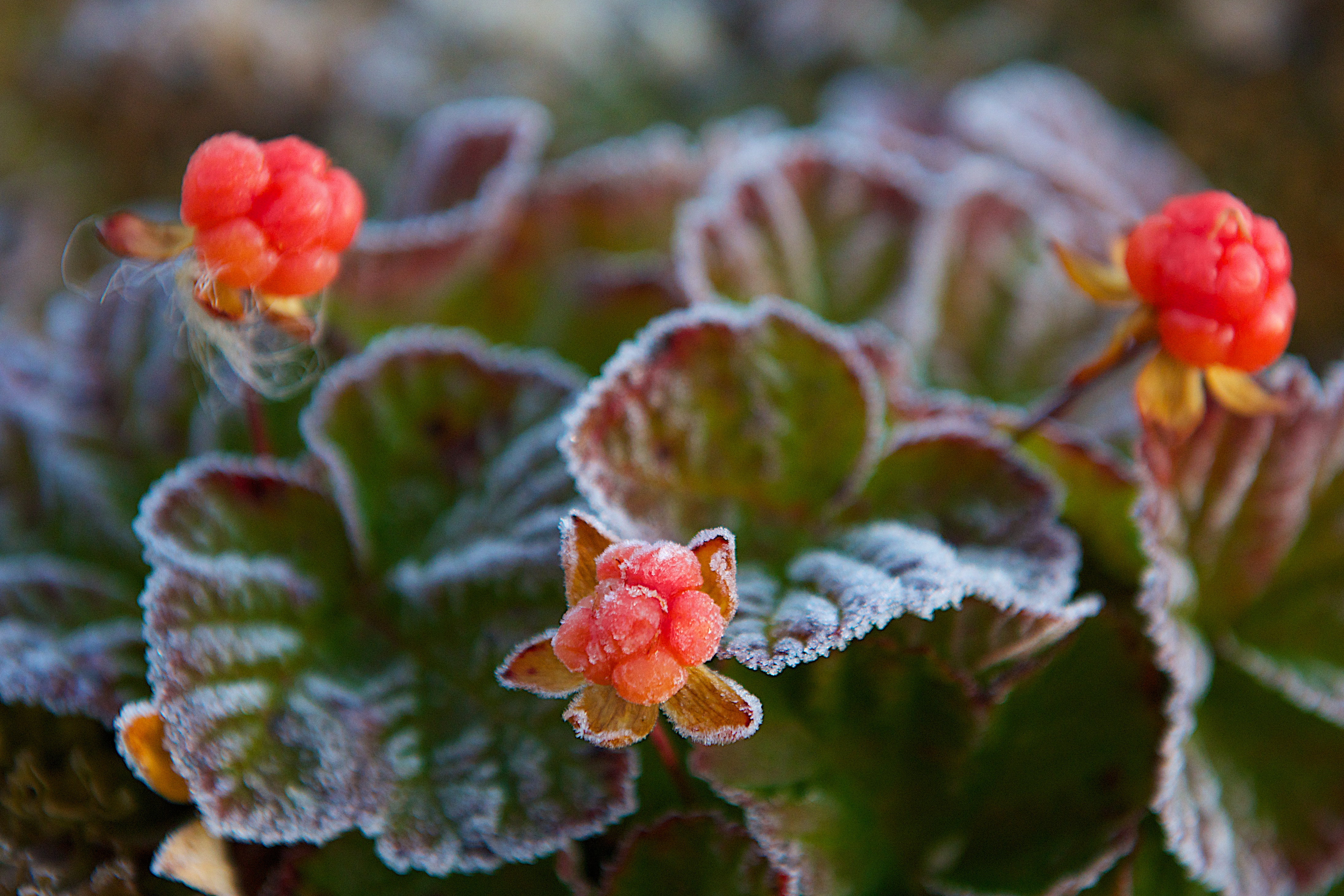
cloudberries early frost

Nipped with frost, these cloudberries tasted like sorbet and were no doubt what had drawn the ptarmigan.

willow ptarmigan jack shooting n

Barbra cautiously approached the birds as I lay on my stomach, inching through the boggy terrain, shooting, hoping a few shots might come out.

willow ptarmigan solitary n

The plumage of these fall birds is in transition from the mottled browns and reds of summer to the snow white of winter. These are the same species as the red grouse of Scotland.

willow ptarmigan barbra approaching n

Barbra crouches and stalks closer to the birds. Note the densely feathered legs. The Latin lagopus translates to “hare foot” for the resemblance of ptarmigans’ feather-covered legs and feet to those of snowshoe hares. 

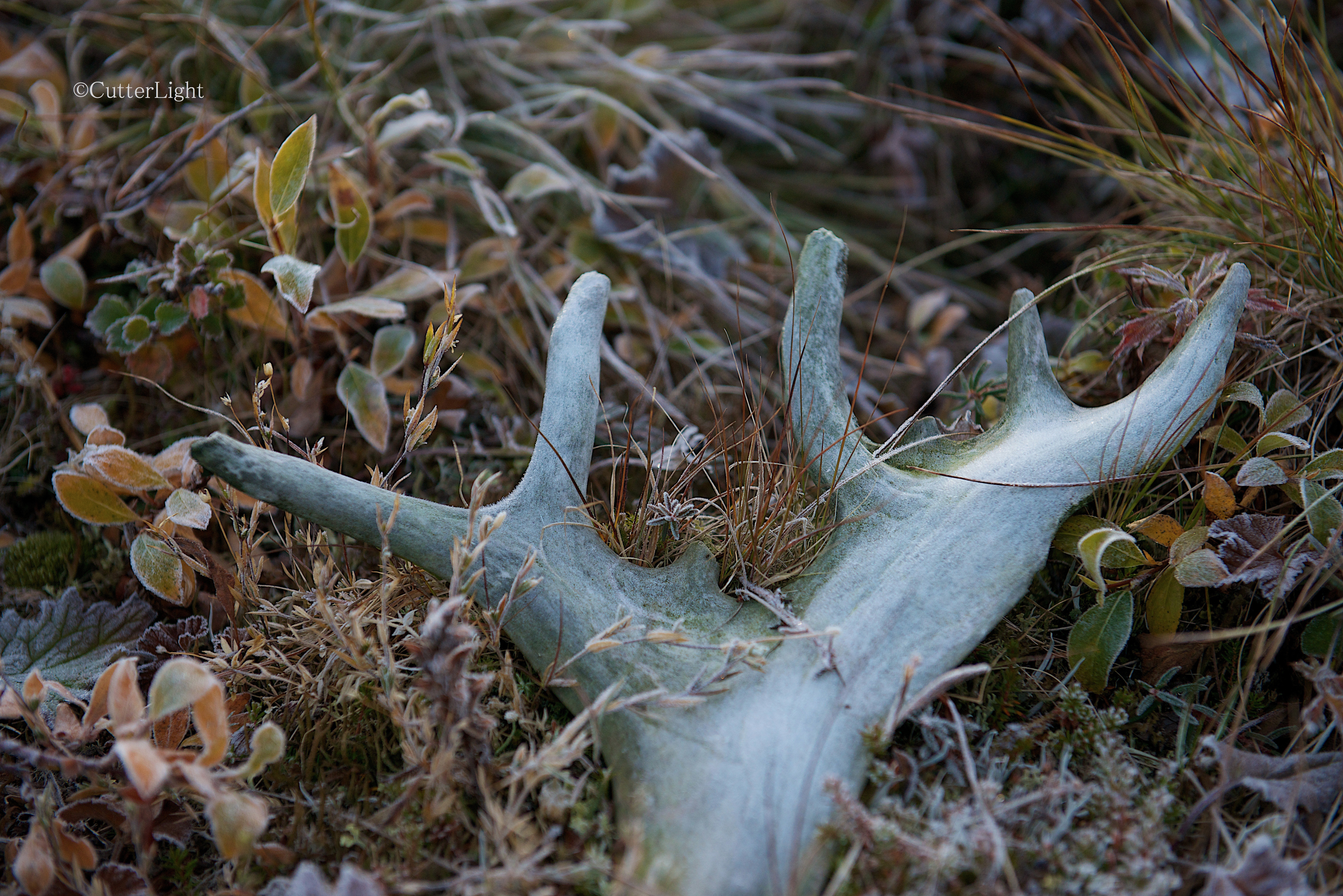
caribou antler fall tundra n

There’s always evidence of a rich ecosystem on the Arctic tundra. Caribou antlers, bird nests, animal burrows and an amazing array of plants are part of our walks.

brown bear track tundra beach n

Brown bears (grizzlies) are common visitors to the beaches and tundra near Point Hope. We found a set of fresh tracks along the shores of an inlet off the Chukchi Sea not far from where we encountered the ptarmigan. Red foxes, Arctic foxes, Arctic ground squirrels, weasels and caribou are frequently seen mammals. Wolves and musk oxen are less common, but also figure in the mix. In the foothills and mountains east of Point Hope there are wolverines and at higher elevations, Dall sheep. Rarely, moose are seen in the scrub willows along the nearby Kukpuk River, and during the winter months polar bears show up both on the sea ice and on land. 

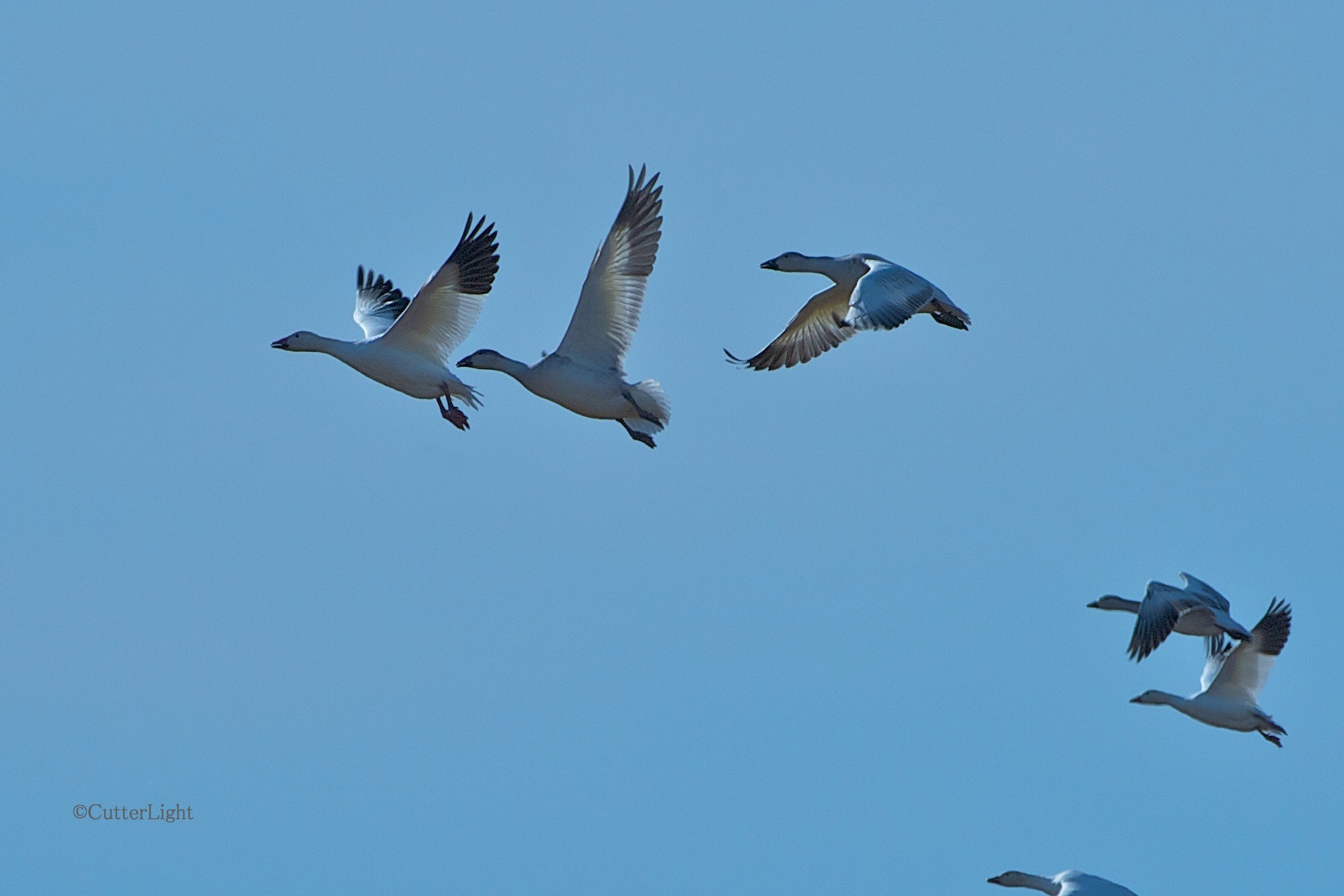
snow geese lifting off n

During the fall migration, snow geese are fairly common. (Above and below)

snow geese lifting off close n

Brandt, Canada geese, and a wide variety of ducks and shore birds are also common.

willow ptarmigan in flight n

When the ptarmigan finally had enough of us, they glided off a few yards, regrouped and resumed feeding. At that point we turned for home. 

cloudberries frozen in hand n

A handful of frozen sweetness for the road. 

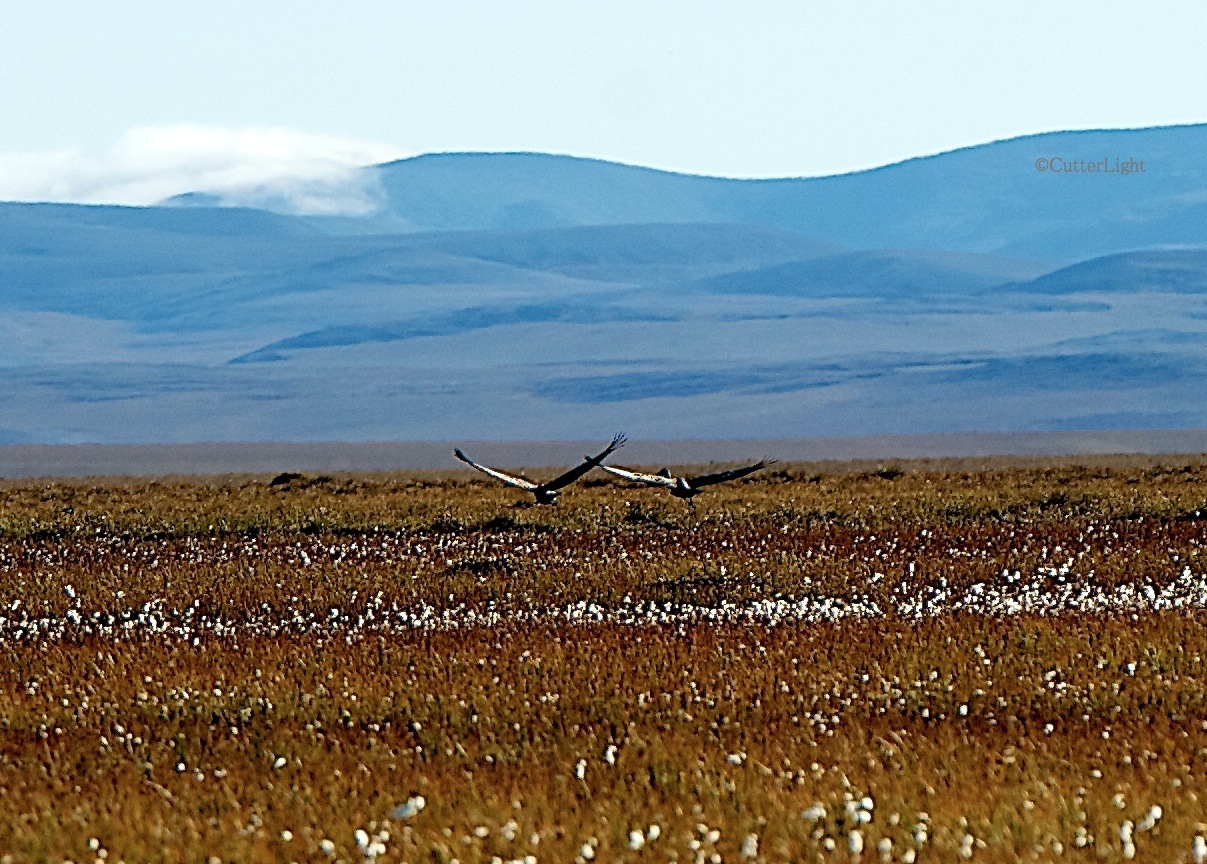
cranes flying into the hills n

A pair of sandhill cranes lifts off above the last of the cotton grass on the tundra near Point Hope.

Inupiat (Eskimo) Yo-Yo with Polar Bear Fur

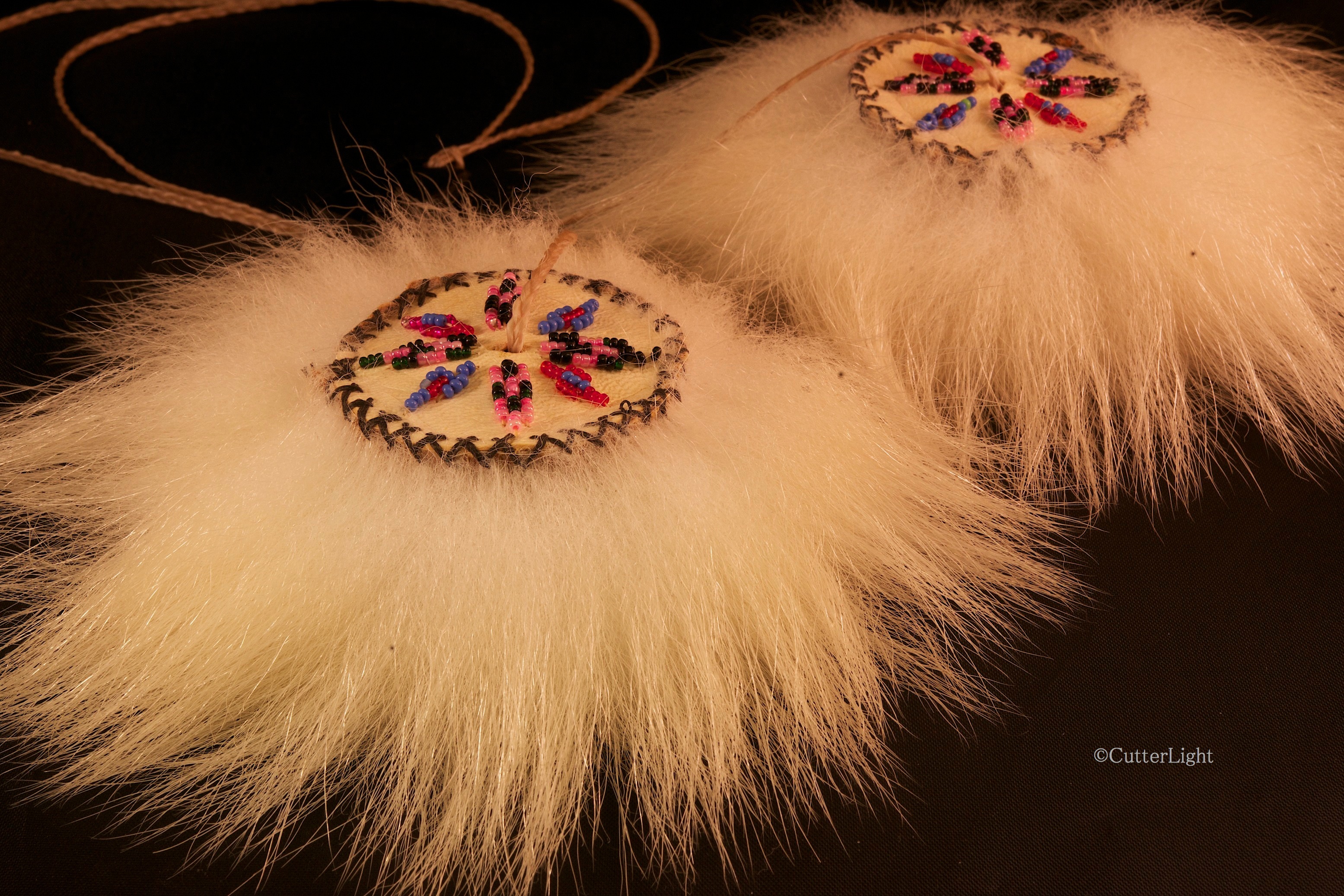
eskimo yoyo n

Fashioned from polar bear fur and finished with intricate beading, this Inupiat yo-yo has transcended it’s traditional purpose to become art. Based on a bola design, in olden times tools like this were made of rocks tethered together with sinew and were used to catch birds. 

Beautifully crafted by Molly Oktollik, one of the elders here in the village of Point Hope, Alaska, this Inupiat “yo-yo” isn’t what most of us envision when we hear the word yo-yo. In former times, they were made of rocks held fast on sinew tethers and in the right hands were a formidable tool for catching birds. Ptarmigan, for one species, are often easy to get close to, and ducks and sea birds returning to their headland roosts typically fly in on a low trajectory.

These days yo-yos are crafted as pieces of art, or, when less elaborate, as toys. It takes a certain skill, but the two ends can be made to rotate in opposite directions – that is, with one end revolving around the center handle clockwise, and the other revolving counterclockwise. It’s a pretty cool trick if you can get it to work.

Paul Klaver’s Short, Power Film, Eloquently Captures an Ecosystem

Paul Klaver’s 13-minute film, Alaska the Nutrient Cycle beautifully captures the critical role wild salmon play in sustaining a rich, diverse ecosystem. Unscripted but with beautiful background music, this breathtaking footage speaks for itself. This is why wild salmon and their environments are worth fighting for, and illustrates why we oppose farmed salmon.

Glaciers and Green: The Coastal Classic – A Five Star Train Ride from Seward to Anchorage

Coastal Classic sky reflection _n

The mid-summer sky is reflected on one of Alaska Railroad’s GoldStar coaches on the Coastal Classic train. Mountainsides of magenta fireweed and, mixed forests, moose, Dall sheep, eagles and glaciers (and sometimes bears and caribou) were part of the 114 mile train trip between Seward and Anchorage.

Trains are magical. Whether we’re talking about Northern California’s quaint Skunk Train or Japan’s lightening fast, silky smooth shinkansen (bullet trains), we love the rhythm and glide of moving through the countryside on steel rails. As we brought our summer to a close this year, we decided to take the train from Seward. We departed at 6:00 PM and four hours later arrived in Anchorage energized and relaxed.

Alaska Train Coastal Classic_n

Fireweed, startling in its vibrance, lines the tracks along the Coastal Classics route through Kenai Peninsula forests and mountains.

Large windows and the freedom to get up and walk around are part of what make train travel so pleasant. After a very good meal of almond-crusted Alaskan cod accompanied by a glass of wine, we made our way to the rear of our GoldStar car where an open deck allowed us to take in the sights, converse with fellow passengers, and enjoy the warm (for Alaska) summer air.

coastal classic  bartlett glacier_n

The Coastal Classic passes by three large glaciers: Trail, Spencer and (above) Bartlett. 

Jack on coastal classic_n

Scanning the terrain for animals from the observation deck of one of the double-deck GoldStar cars, we saw moose, eagles, beaver lodges and Dall sheep. Bears – both grizzly and black – and caribou are also frequently sighted. We’re already looking forward to taking the train from Anchorage to Seward when we return in May next year. 

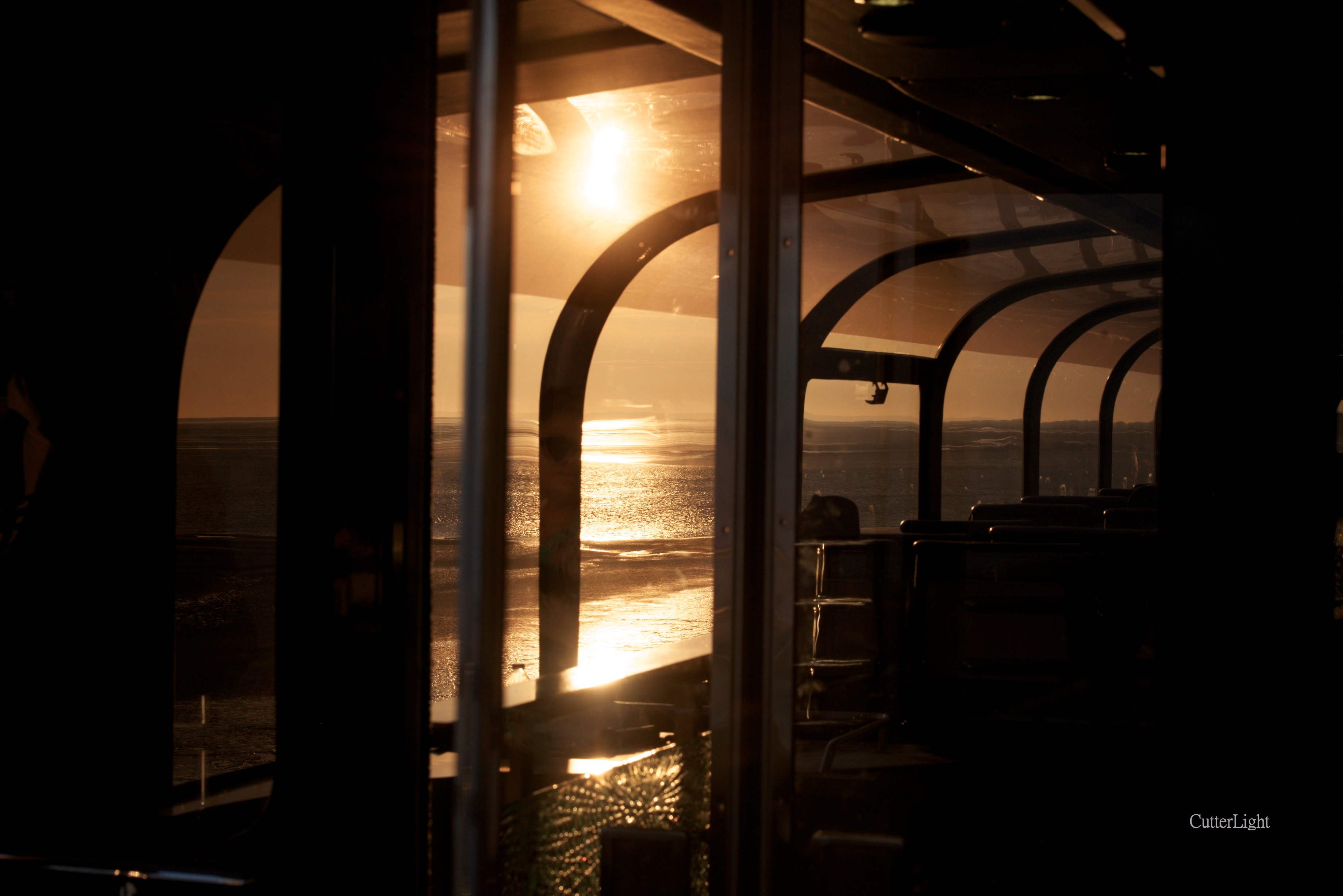
Coastal Classic sunlight through car_n

The evening sun reflects off Cook Inlet though the car’s upper deck windows. After a wonderful four-hour trip, the train pulled into the station at Anchorage. Early the following morning, we boarded a plane for the Alaskan bush and our other home.

Sockeye Salmon: Earth-friendly Sashimi

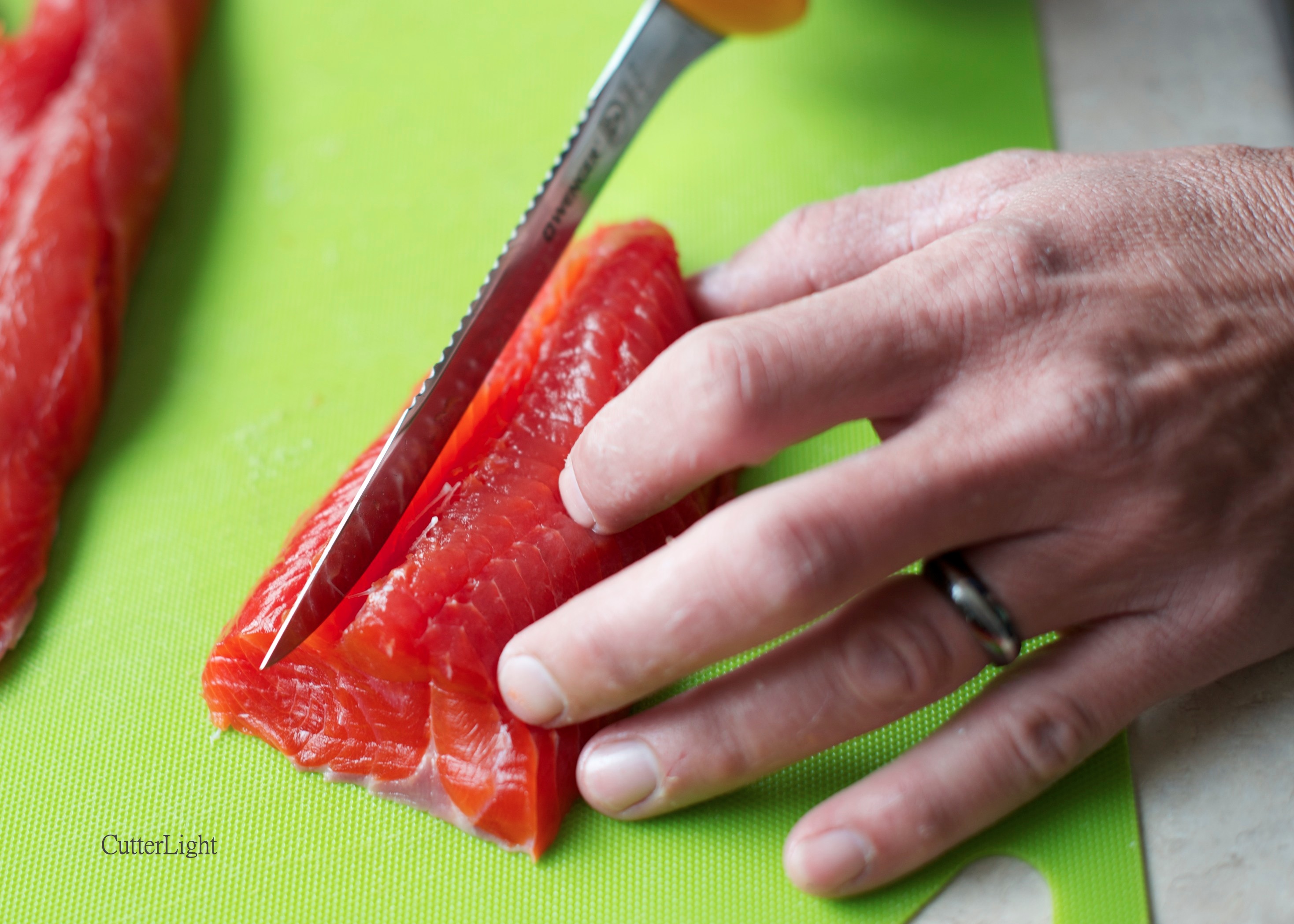
sockeye sashimi removing pin bones_n

Above: Removing the pin bones from a Sockeye fillet. Of the eight species of Pacific salmon, Sockeye (red salmon) have the firmest flesh and are second only to Chinook in terms of fat content. These attributes make them a perfect choice for sashimi or seared tataki. 

Among Pacific salmon, there is a direct correlation between how far each species travels and how much fat or oil the meat contains. Chinook, which may run 100’s of miles up natal rivers, have meat so laced with fat eating a piece of an upriver bright can be akin to letting a piece of of light, fresh, creamery butter melt in your mouth. While sockeye aren’t quite that fatty, their relatively long spawning runs during which they don’t feed necessitate ample amounts of stored fat. Bluebacks (another name for Sockeye) have rich, oily meat – self-basting on the grill and ideal for sashimi.

sockeye with running tap_n

Marbled with fat, the belly meat of Sockeye is comparable to toro – the highly-esteemed belly meat of tuna.

The term “Sockeye” is derived from similar sounding native American words meaning “red” – which is both the color of sockeye meat and the color they take on during their spawning run. The fillets are beautiful, and given the relative abundance of wild Sockeye and their generally reasonable market price, it’s puzzling that they aren’t utilized more often by sushi restaurants. Unfortunately, most sushi restaurants serve farmed Atlantic salmon – a bland substitute for wild fish.

Chinook fillet on grill_n

Butterfly-filleted, seasoned with salt and pepper, and ready for the grill this ocean-caught king salmon (Chinook) shows this species’ characteristic orange color.

Since producers are permitted to dye farmed Atlantic salmon to match the color of wild fish, looks alone are not always a good way to determine whether or not you’re making a sustainable choice when you purchase a piece of salmon at the market or order salmon at a sushi-ya or other restaurant. Look and ask.  If the menu merely says “salmon,” it’s a sure bet the product came from a farm. Wild Chinook are highly prized and command a higher price than farmed fish; therefore anyone selling wild kings is going to accurately label them as such. The meat of sockeye has a distinctive red coloration and is noticeably firmer than that of other species. Sockeye, too, are highly prized and are almost certain to be accurately labeled.

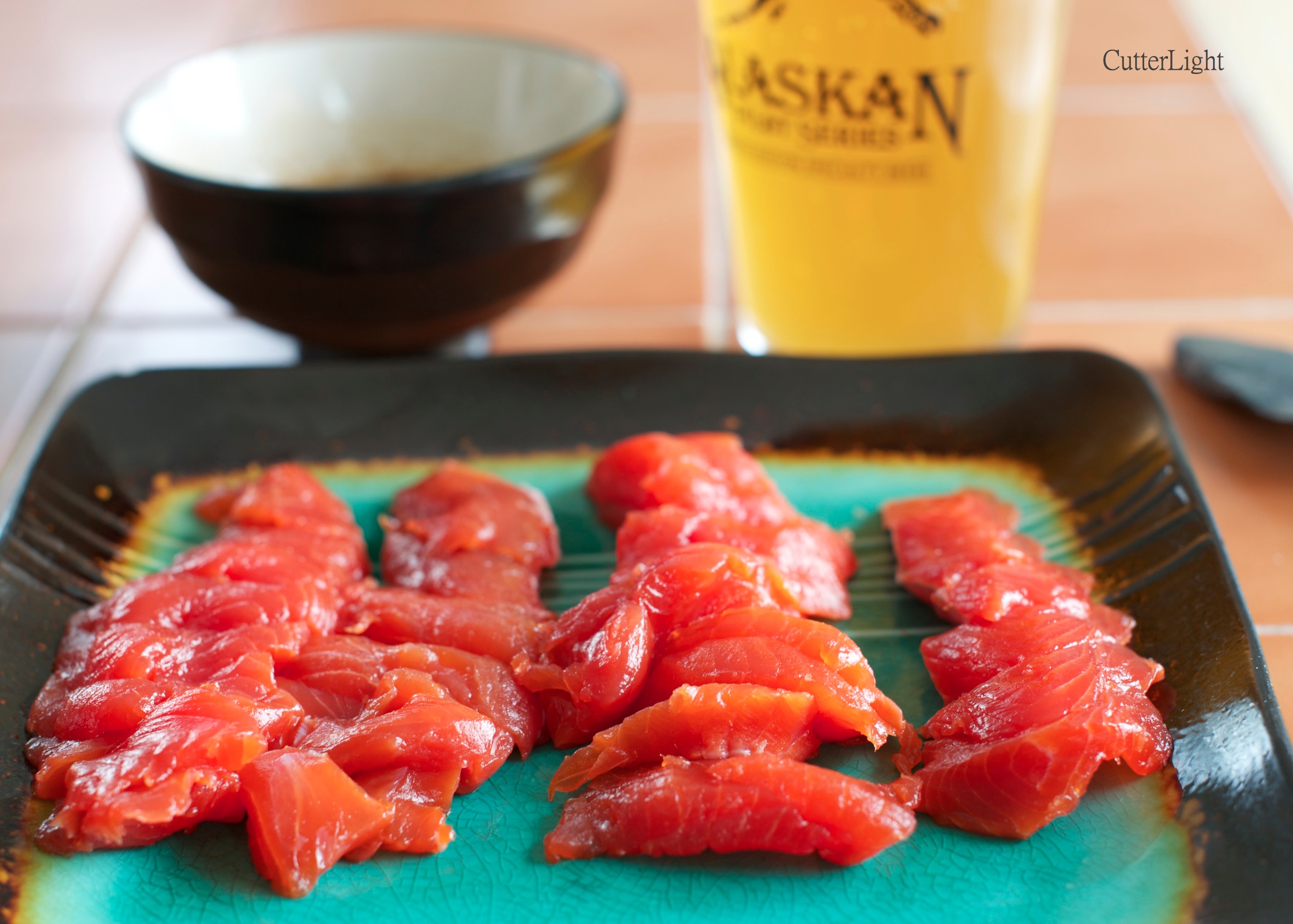
sockeye sashimi_n

The upper part of Sockeye fillets, the back meat, is beautifully colored and wonderfully firm. 

Sockeye are primarily filter feeders. They have more gill rakers than other salmon, and these gill rakers help them sift out small crustaceans such as krill. These crustaceans are rich in carotene which give red salmon their red color. Krill are also loaded with oil, giving Sockeye their rich, oily flavor.

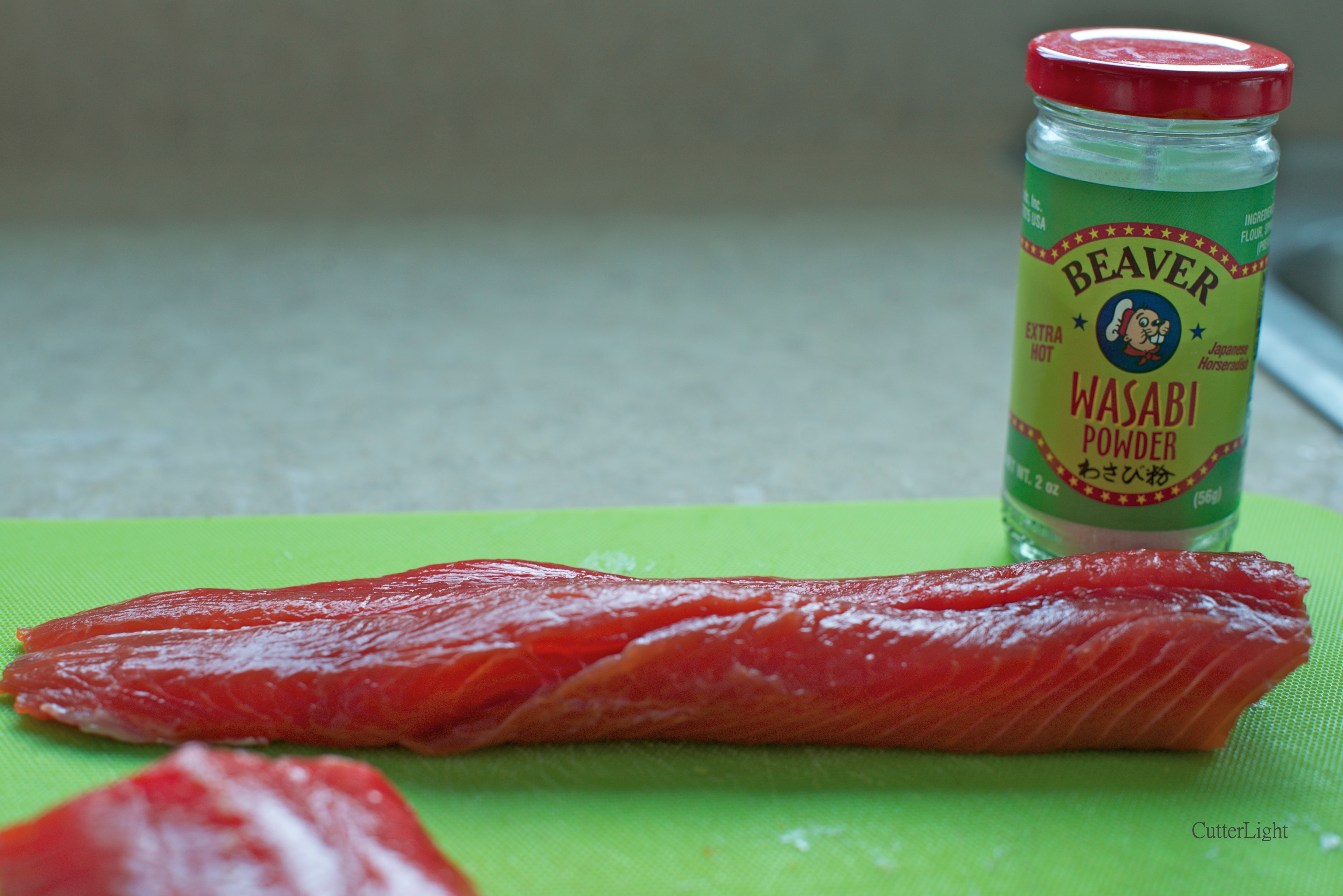
sockey sashimi with beaver wasabi_n

A sashimi-grade Sockeye fillet fresh from Alaska’s famed Copper River is ready to be sliced into thin, bite-sized pieces and dipped in soy sauce with just a hint of wasabi. Enjoy with a favorite craft beer, a good daiginjo sake, or a lightly-chilled Chablis. *We strongly advise readers to freeze salmon and other fish for at least 24 hours before serving raw in order to kill parasites.