Red-billed Chough: Corvids are Cool

Red-billed chough

Striking a regal pose after a morning of catching grasshoppers: Close cousins of crows, ravens, jays and magpies and adaptable to both urban and wilderness environs, choughs are common around Ulaanbaatar.

chough convention n

The convention: On the crest of this rocky hill, there were dozens of choughs. A hundred. Maybe more. Many of them were gathered around a cluster of chough feathers near these rocks. A fox? A kite? An eagle or hawk? Some predator had diminished their numbers by one. The entire flock was concerned.

choghs flock of n

Choughs in dawn light, hanging together, winging their way across the mountains and steppe near Ulaanbaatar.

Urban Birding: First Flight – Isabelline Wheatear Chicks Feeding and Fledging

Isabelline wheatear juv 1st flight n

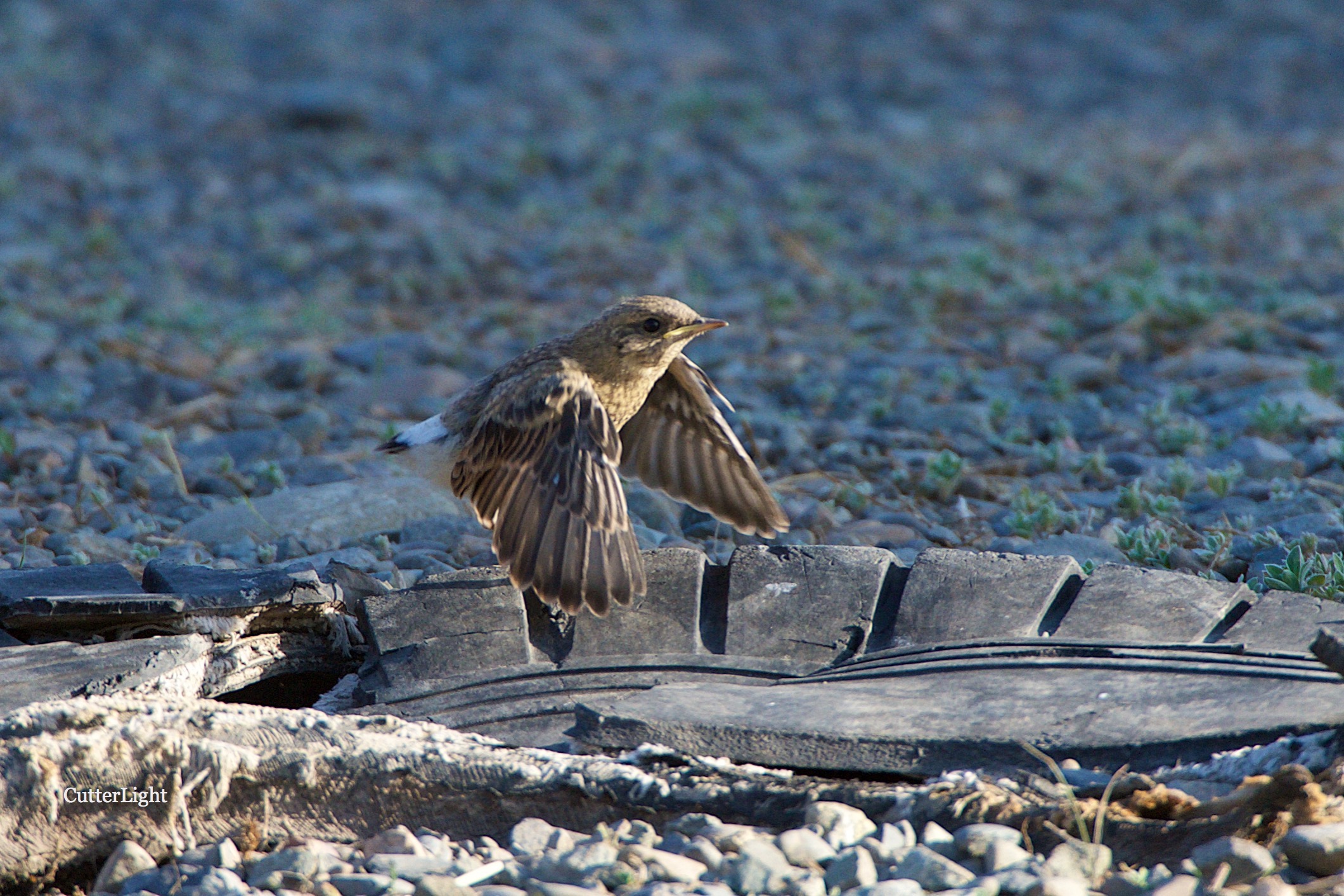
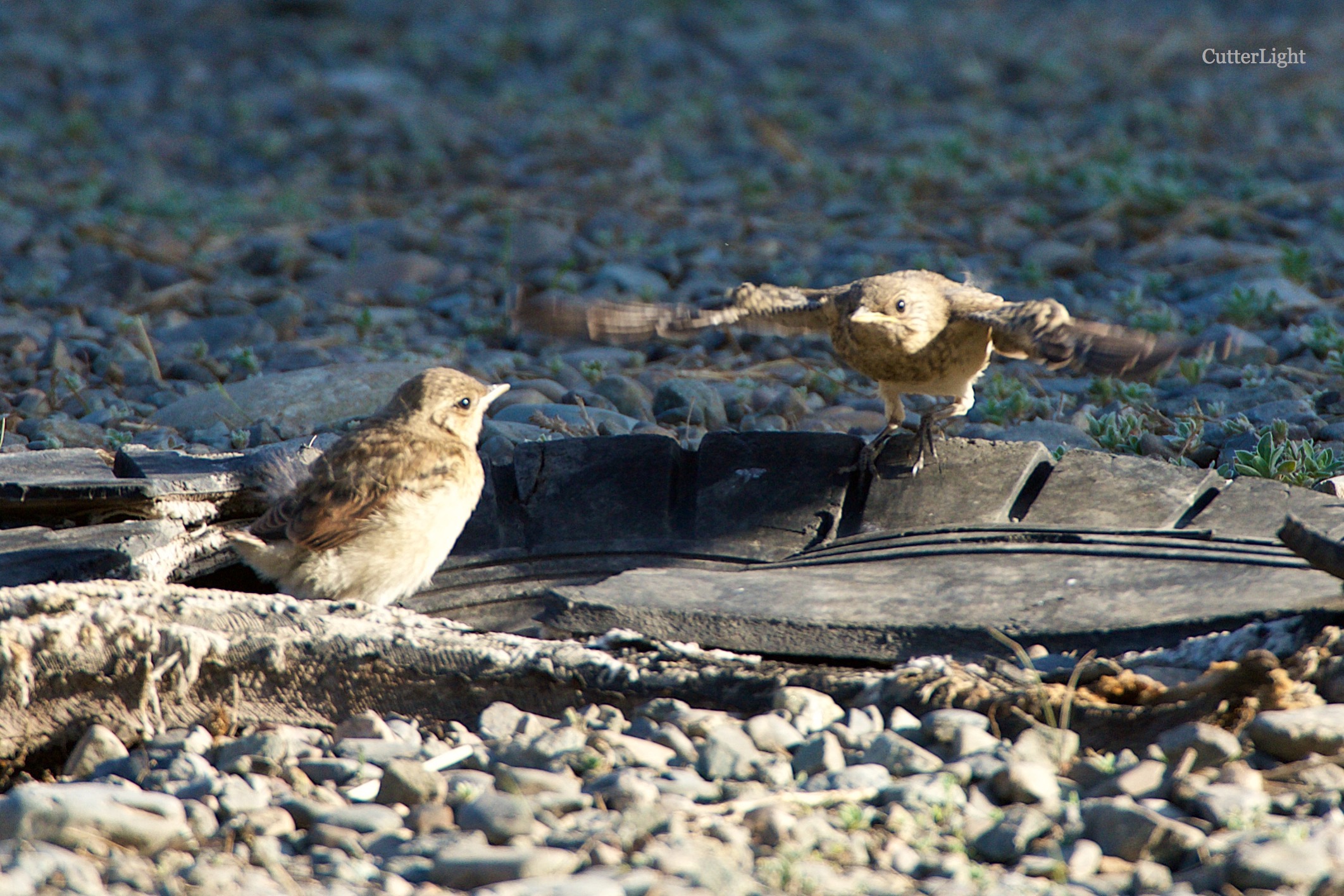
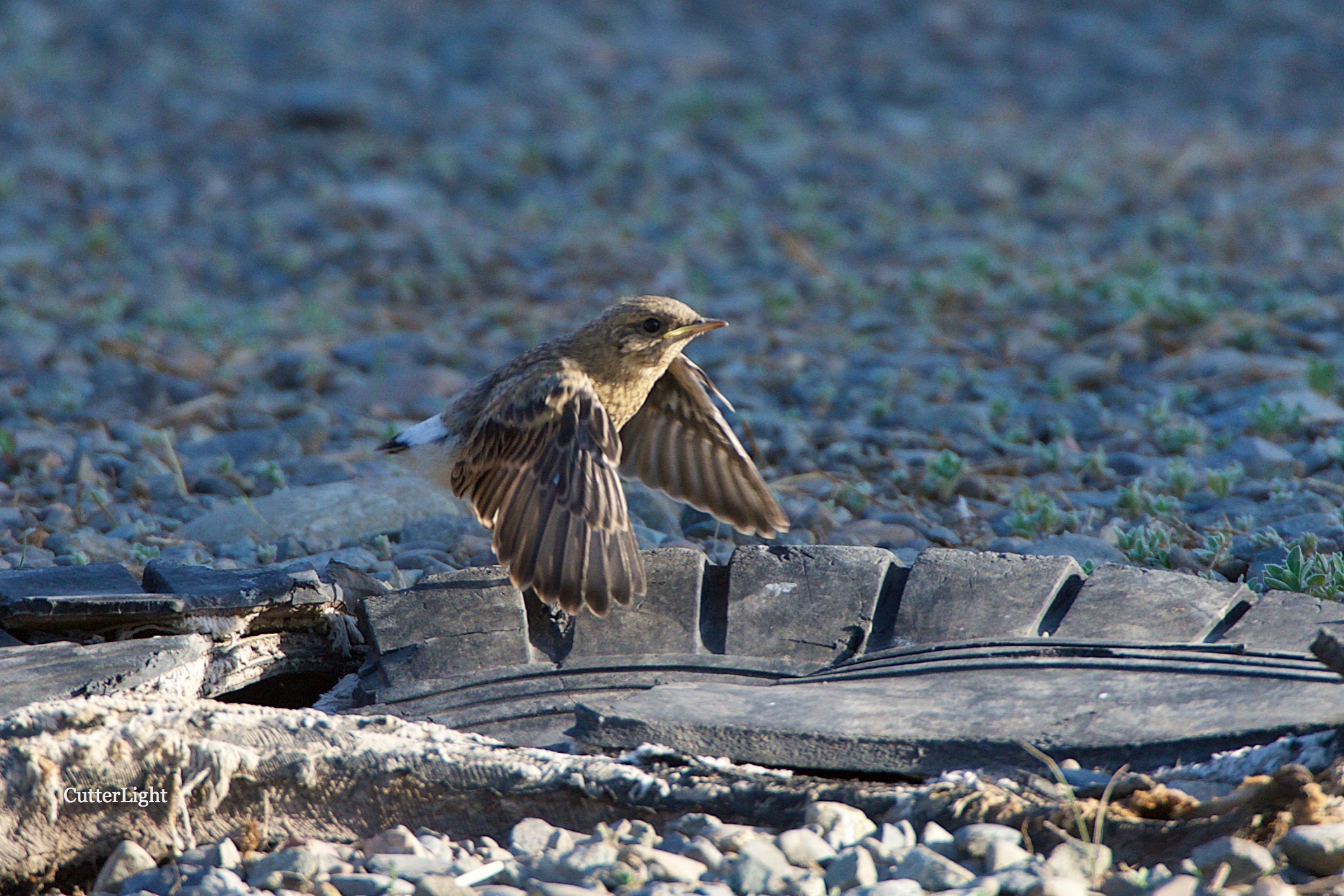
Tired of waiting for mom, this isabelline wheatear chick (Oenanthe isabellina) faced the morning sun and achieved its first airborne moments. (11 additional photos.)

Many species of animals are highly adaptable – if given half a chance. Until recently, this construction site in Ulaanbaatar, Mongolia, was steppe grasslands. Chock full of the abandoned rodent holes isabelline wheatears seek out to make their nests, it was perfect habitat for these passerines.

Isabelline wheatear mom feed 2 juv grub 1 n

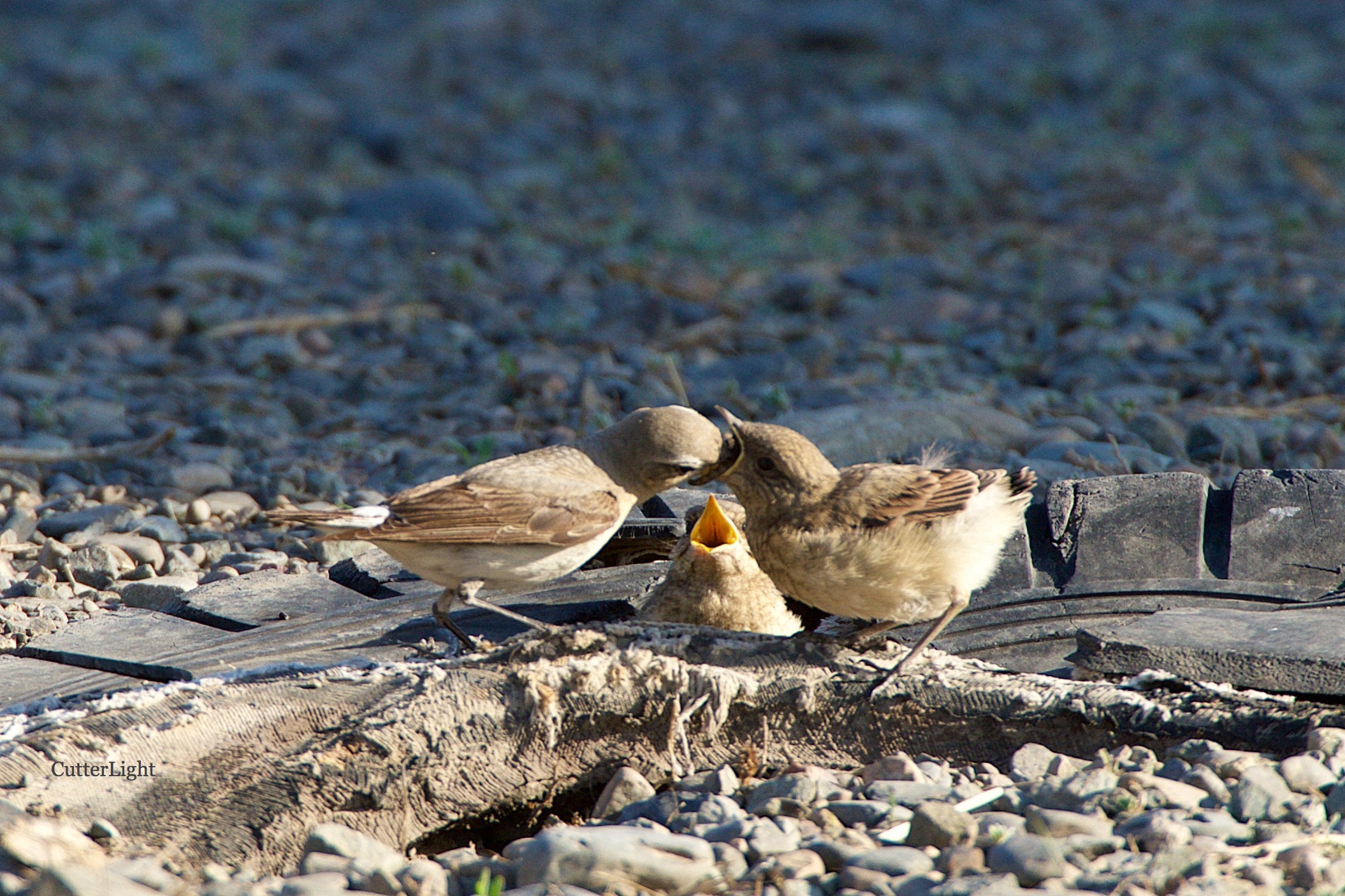
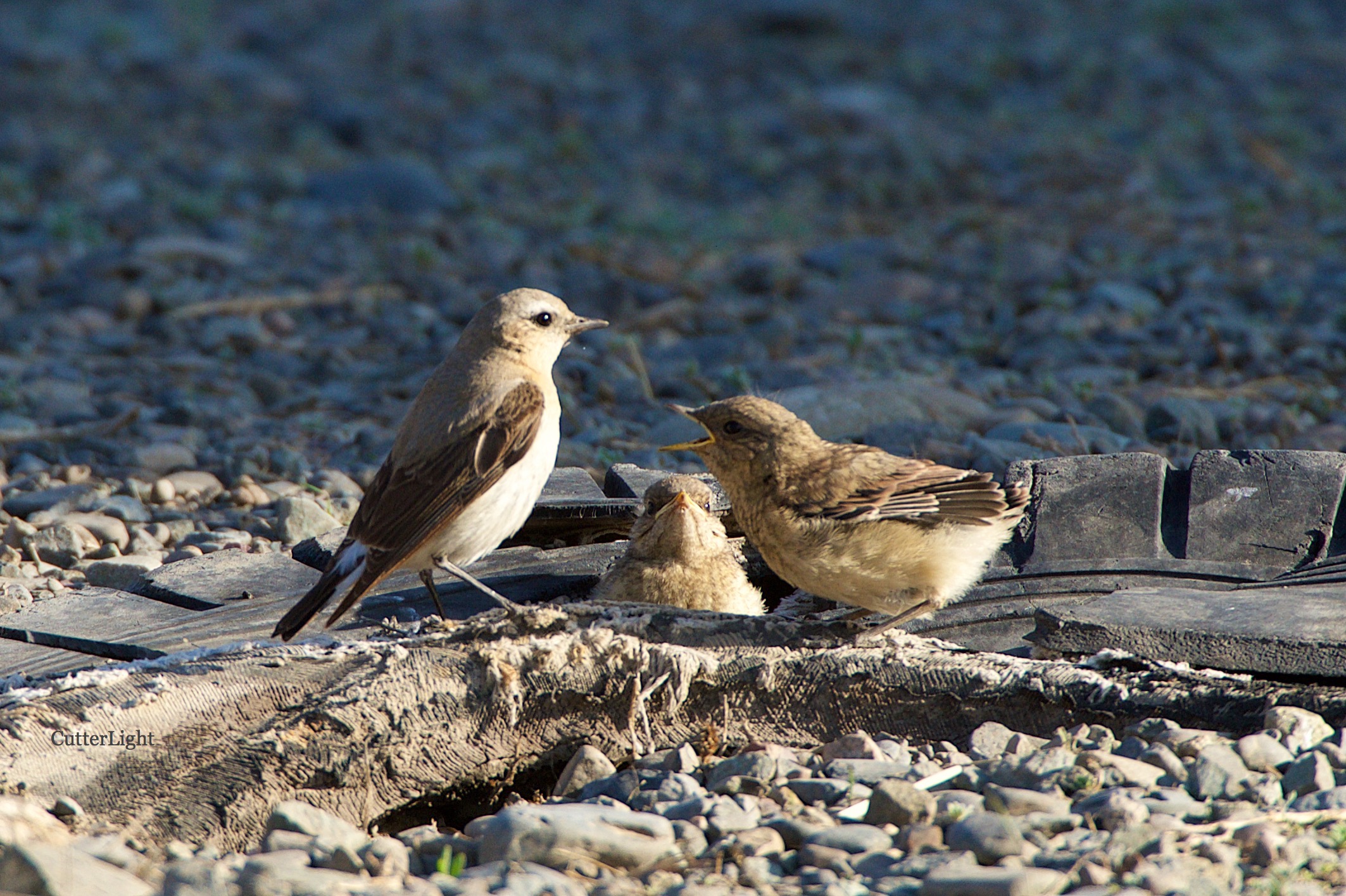
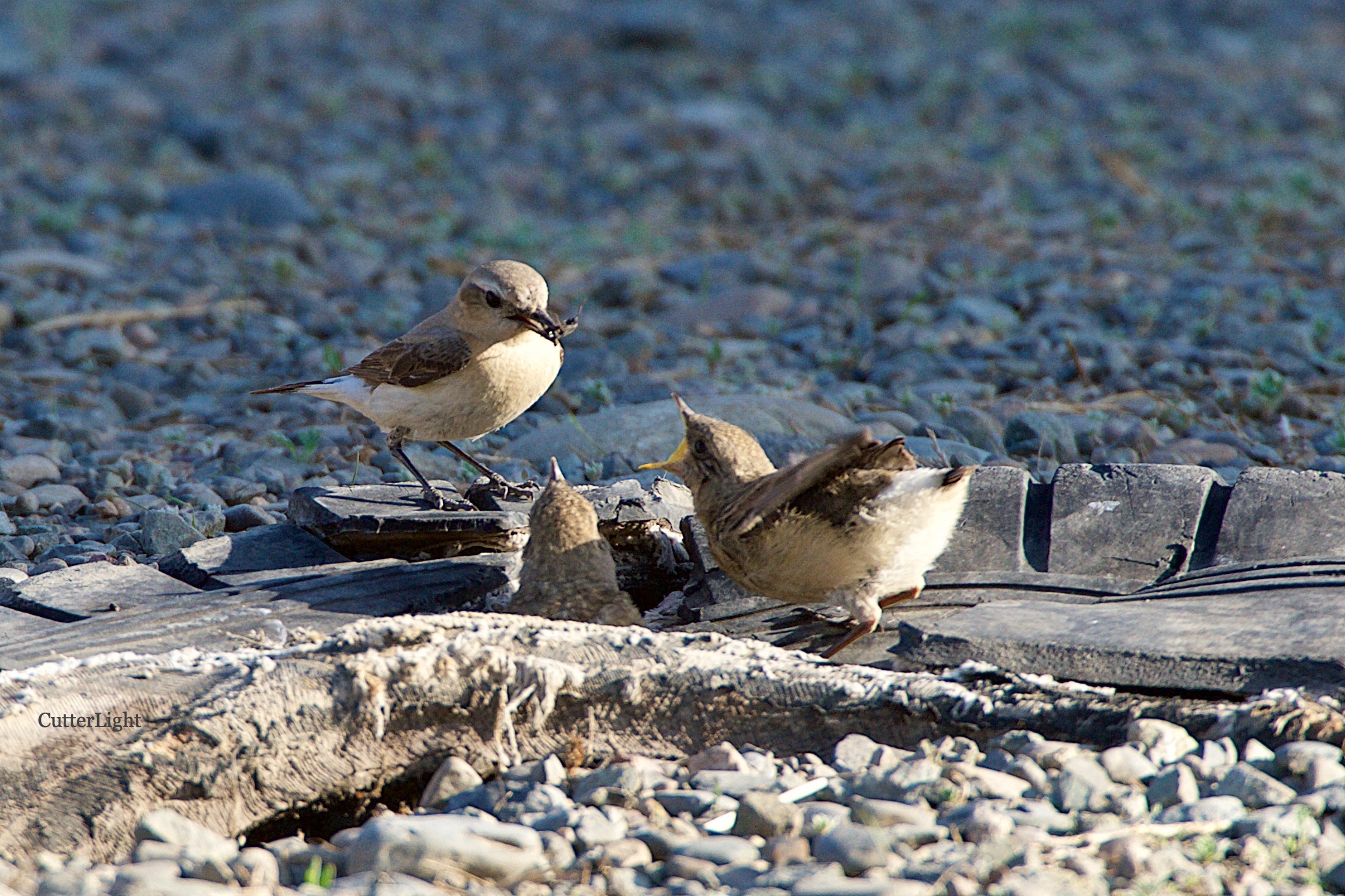
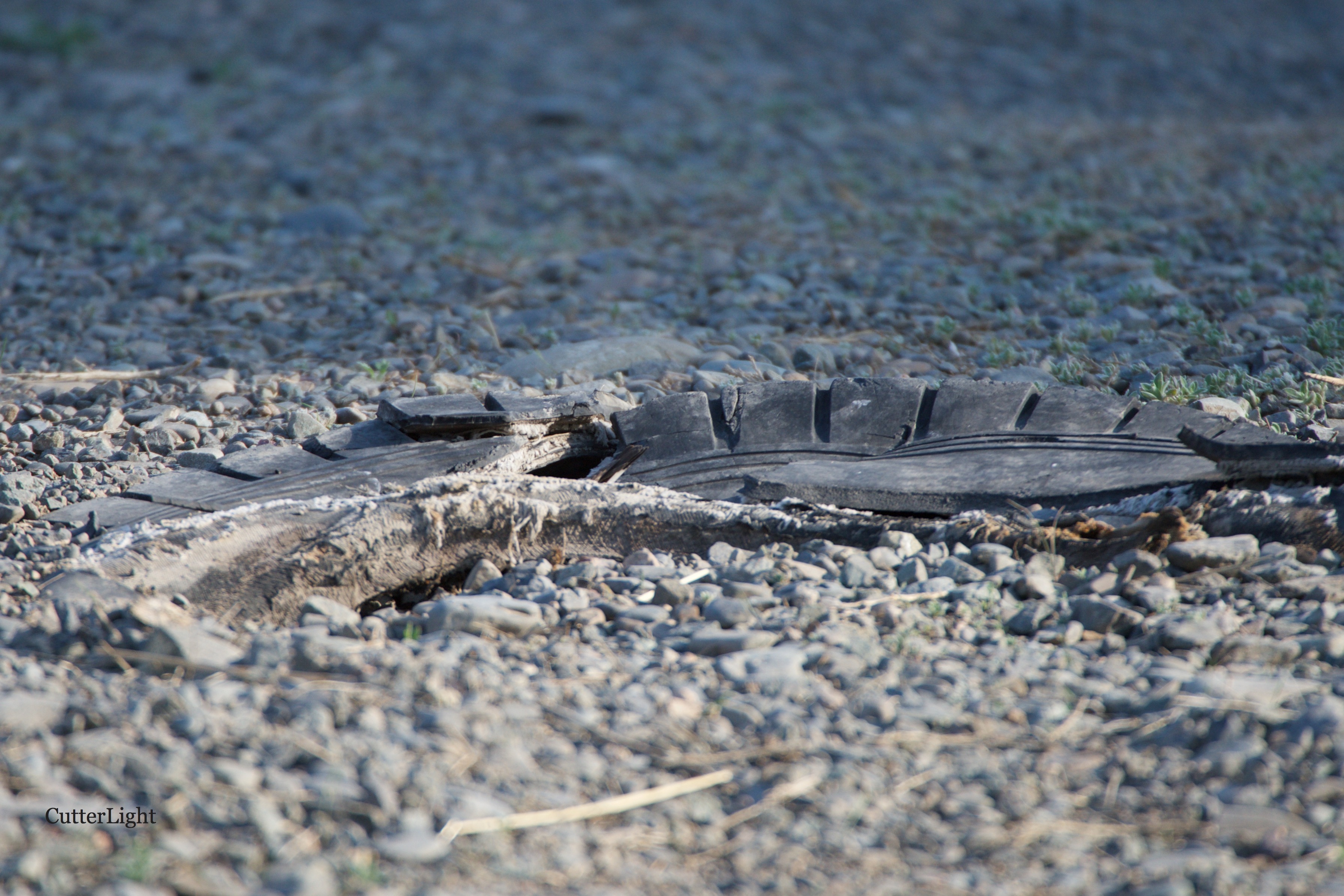
But as Mongolia’s population continues to grow, the grasslands which once seemed limitless are shrinking. This fortunate adult and her mate successfully reared a pair of chicks in a cavity beneath an old truck tire. Here, safe from the stray dogs that plague this city, and unnoticed in a lot that has yet to be developed, the chicks’ parents have been able to forage the steady supply of grubs and insects their offspring thrive on.

Isabelline wheatear feeding grub 2 n

Unfortunately, these will likely be the last wheatears to brood on this lot. On our morning run today, we noticed that the bulldozers have arrived. Yet another apartment building and adjoining parking lot will replace the last remnants of suitable habitat.

Isabelline wheater mom n juv feeding n

We had been observing the adult wheatears in this area for some time. But only on this, the final day the birds were here, did we realize a nest and chicks were in such close proximity. We shot these photos through a locked gate, at a far enough distance that it was a challenge to get clear captures.

At one point we observed an interesting behavior. The chicks were pecking at a piece of plastic. The mother, observing this and perhaps understanding, somehow, that ingesting the plastic could be fatal to her offspring, picked up the rubbish and flew off several meters from the nest before dropping it and returning.

Isabelline wheater feeding looking for more 3 n

There seemed to be no sating the young birds’ appetites…Isabelline wheatear mom feeding chicks 1 nThe adults returned again and again…

Isabelline wheater chicks waiting for mom n

With much anticipation…

Isabelline wheatear chick stretching wings n

Their stubby wings and chubby bodies hardly seemed to bode well for flight. Was it out of boredom or hunger – or something even more primal – that prompted one of the birds to begin vigorously stretching its wings?

isabelline wheaters flight attempt n

Suddenly it occurred to us. These little guys are going to fledge, right now!

Isabelline wheatear juv 1st flight n

And just like that…Isabelline wheater mom last look around nest n

The female returned for a final look at her empty nest, then caught up with the chicks. They hid behind a a pile of rusted junk, and that was the last we saw of them.

Isabelline wheatear empty nest n

Who would suspect that a a nest of birds was once here, hidden safe and well-fed beneath this rotting tire?

Isabelline wheateater juv on ledge n

A while later, we encountered this juvenile perched on the ledge of an apartment near ours. Where will they go next year? It’s a question with no easy answer in a world that continues to fill up with people.

Penduline Tits: Nest-Builders Extraordinaire

Penduline tit gathering nesting material

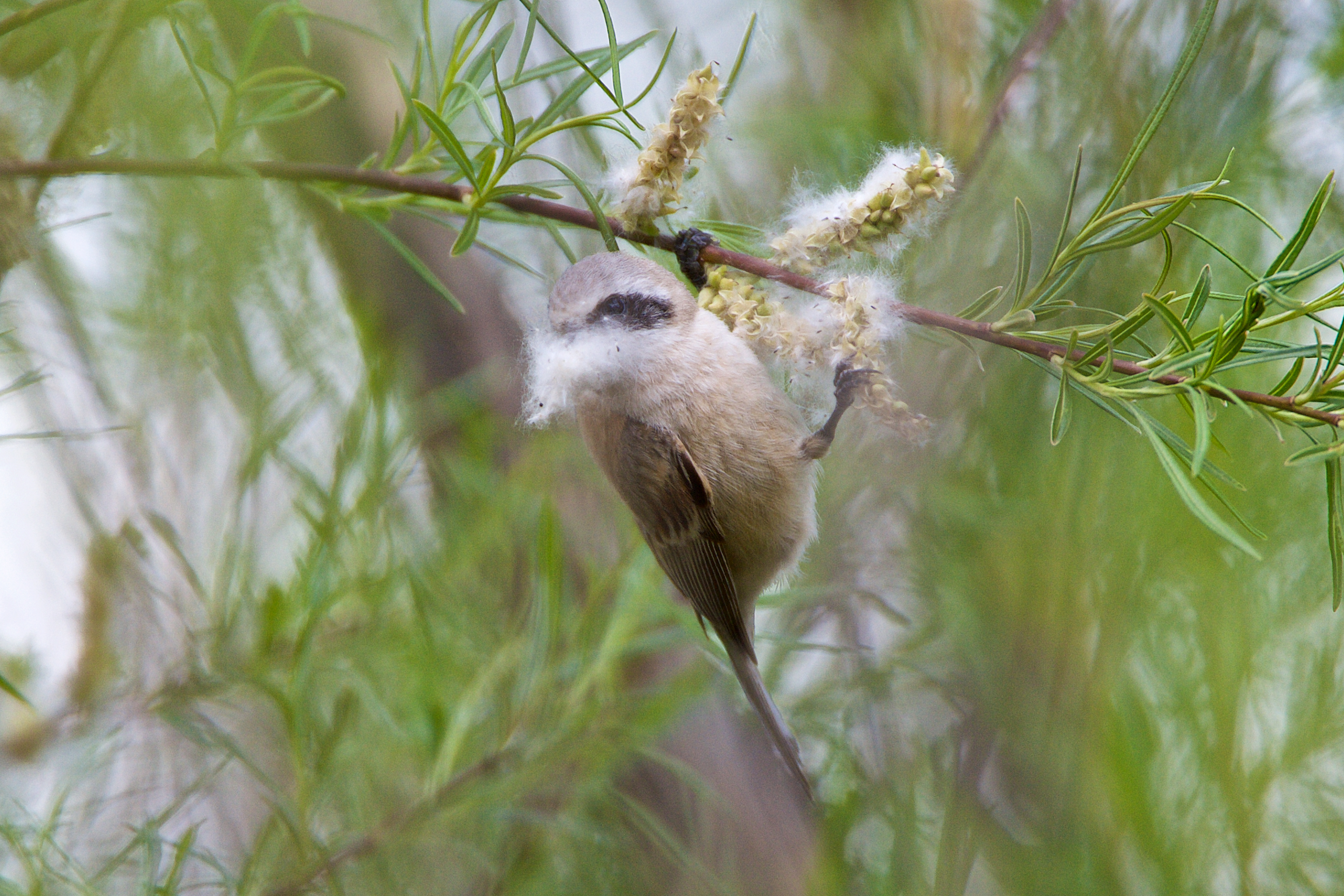
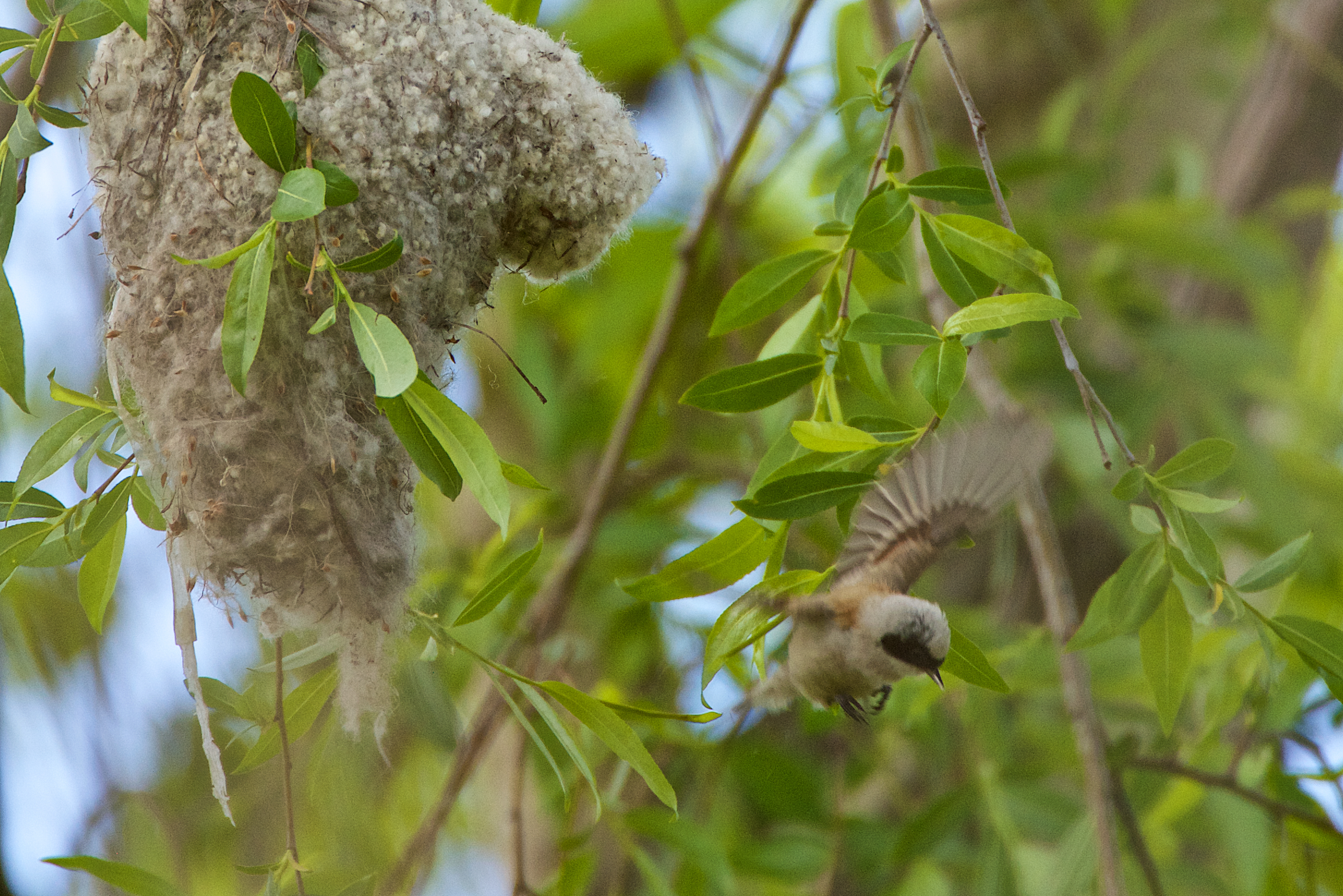
His face stuffed with down from willow catkins, this male white-crowned penduline tit (Remix coronatus) was hard at work finishing one the bird world’s most unique nests. (Eight more photos)

During this past winter, we found a couple of mitten-shaped nests suspended from bare branches near the Tuul River. The birds were long gone, but I looked up the nest: Penduline tits, a new species for us and one we hoped to see when they returned in springtime. So, on a recent evening as I was walking along the river, I was listening for something I hadn’t heard before. With the willows and poplars now leafing out, I figured song was my best bet at locating nesting pendulines.

Sure enough, not long into my walk I heard something I hadn’t heard before – a twittering and song that sounded like it came from a small passerine. I followed the voice till I thought I was as close as I dare get without spooking whatever was singing, quietly set up my camera and tripod, froze, listened, tried to part the dense willow tangles with my eyes, caught movement and hoped the bird would present itself where I could get a decent photo.

Above is my first photo of a penduline tit.

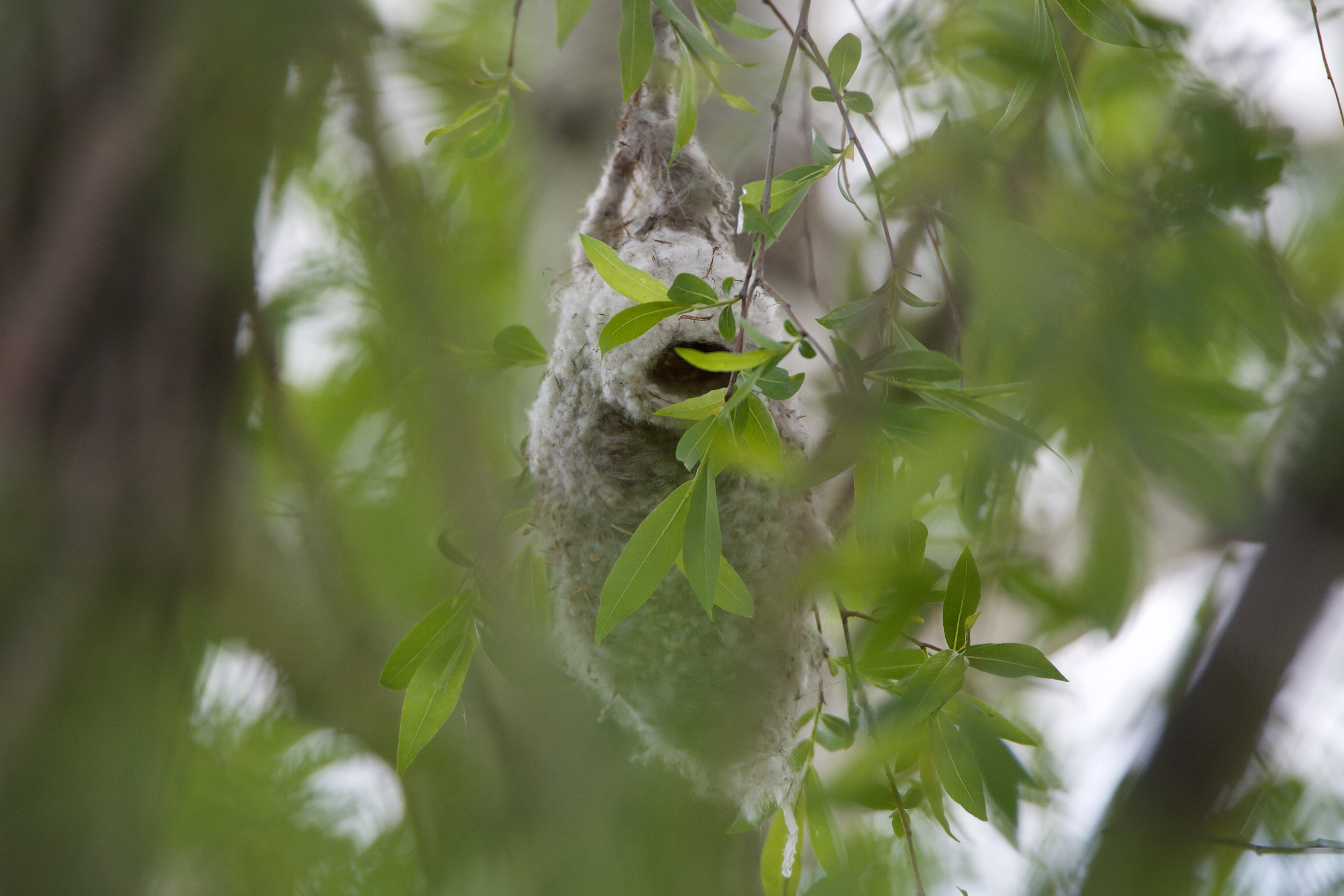
Penduline tit nest hidden plain sight

Hidden in plain view…

I knew that finding the bird was no guarantee I’d find his nest, but using clues from the nests we’d stumbled upon over the winter, I located the same sort of tree in the same sort of setting, looked carefully among the boughs about 17 feet up, and there it was, hidden in plain view. Penduline tits do not reuse their nests, but they do seek out the same habitat year after year.

There was cloud cover off and on, it was getting late in the day, and the light was all wrong to shoot the nest from the front, so I moved to the side. I was concerned about spooking him off his nest (the males do most of the building), so I kept a distance and tucked in behind some small willows.

Penduline tit nest profile detail

Cottony-soft and virtually impervious to rain and predators, these tough, tightly-woven nests were used as children’s slippers in Europe in the past. The Masai of Africa used those of a related species as purses. This one was swaying and rocking in the fresh spring breezes.

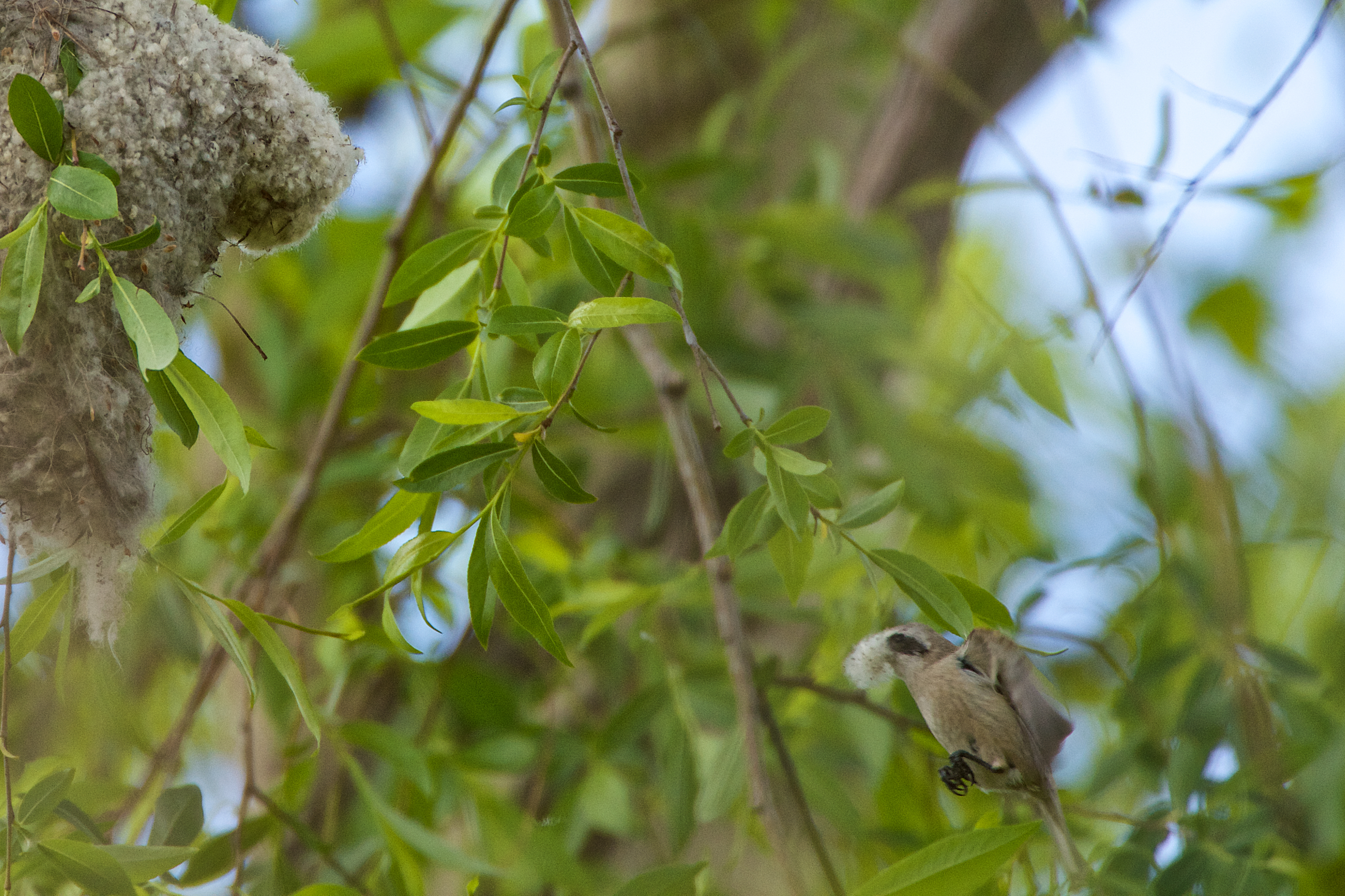
Penduline tit flying to nest w material

Intervals of several minutes passed between the bird’s visit to his nest. I waited still and quiet, my ears straining for his voice among the songs and sounds of rose finches, azure tits, magpies, sparrows and other birds in the riverine forest. I was able to spend a fair amount of time with this little fellow. Above, he is heading into his nest with more downy material.

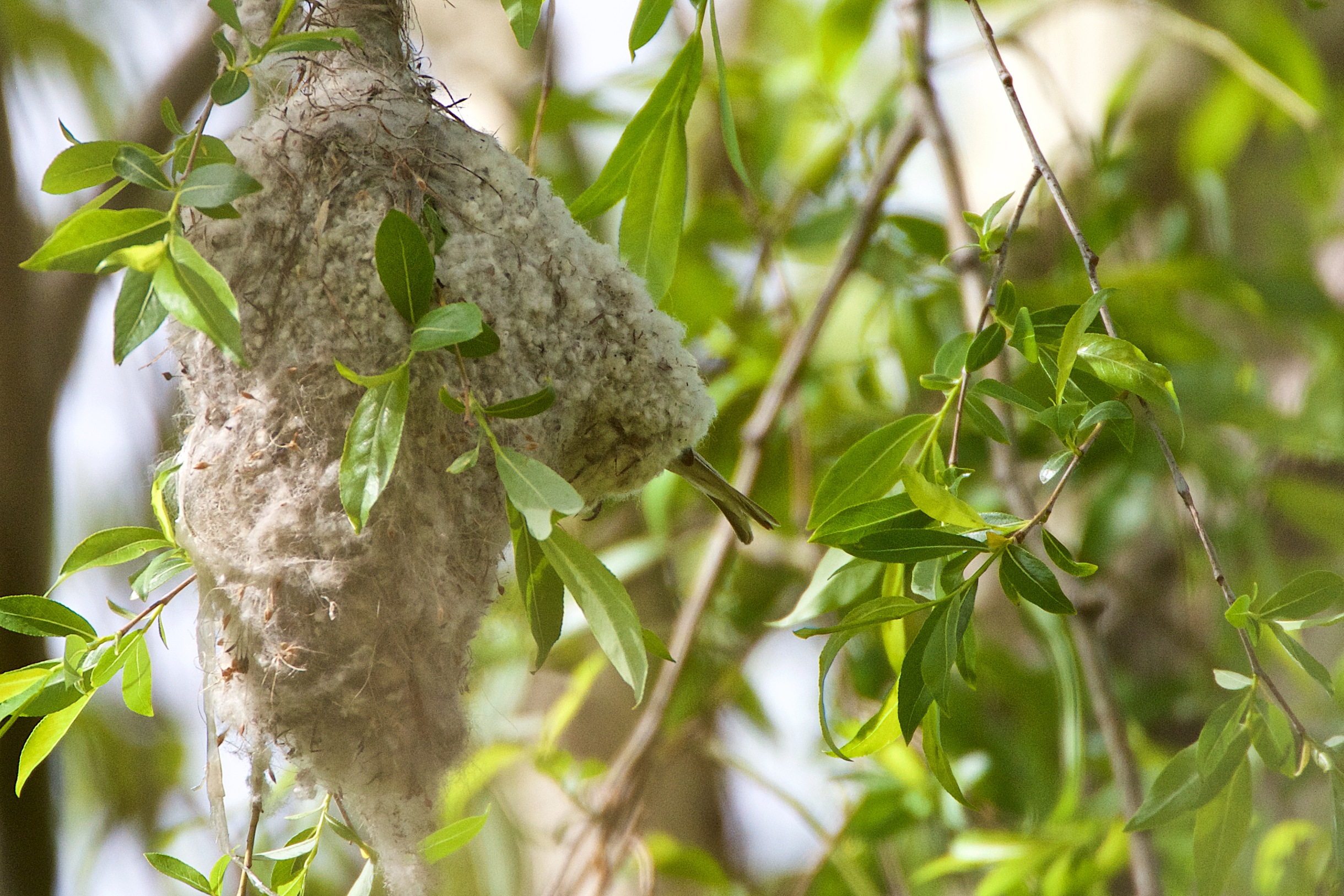
Pendulin tit entering nest

In this frame I caught him just as he was disappearing into his nest. I read that there is a flap, which the bird must open, inside the nest.

Pendulin tit tail feathers

A slight pause just before completely entering… 

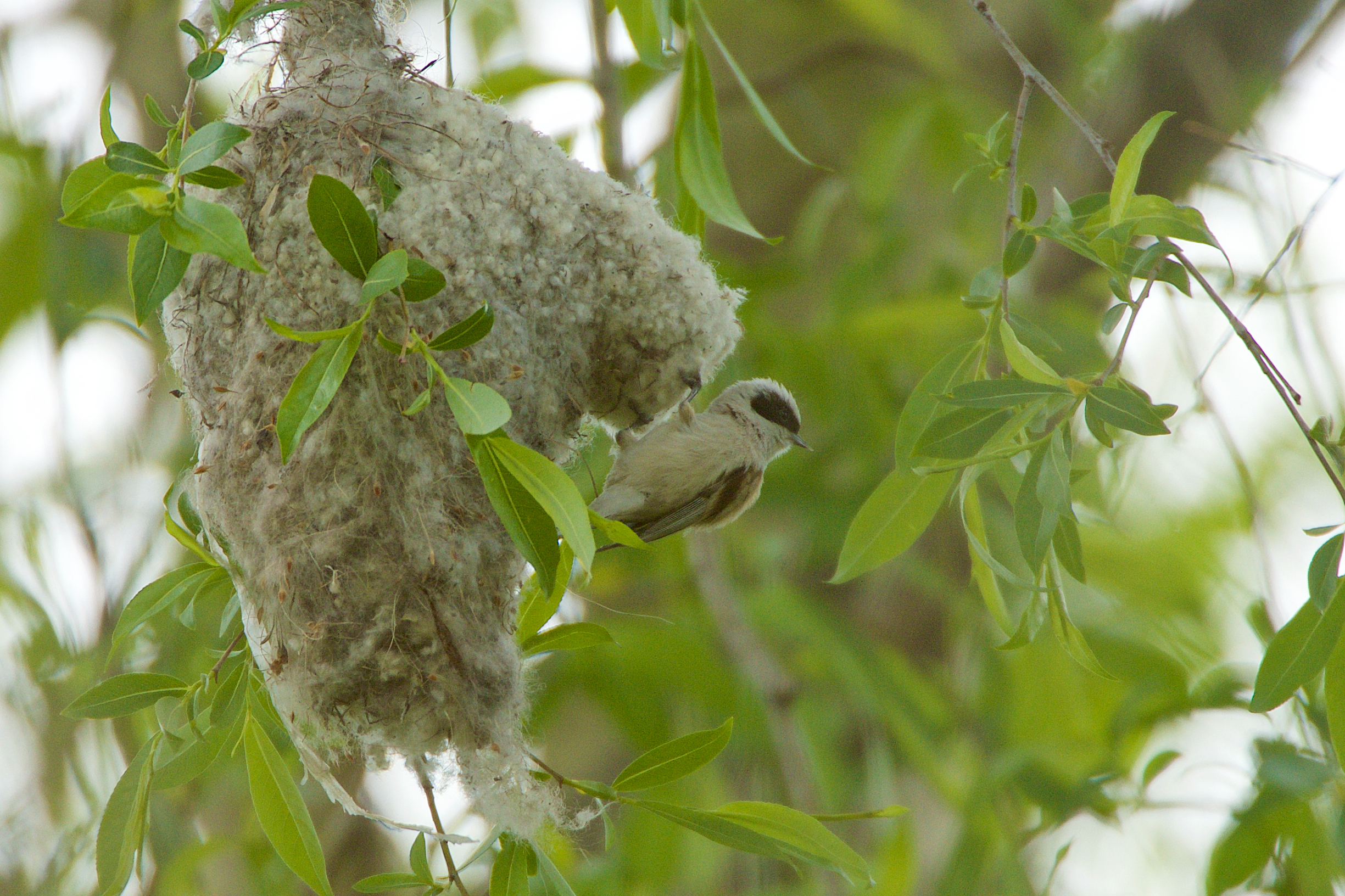
Penduline tit taking a look fm nest

A quick look over his shoulder…

Penduline tit taking off fm nest

   …and off again for more material.

Pendulin tit working into evening

He was still hard at work when it was time for me to call it an evening and meet up with Barbra…

Click these links to read more about our birding and hiking adventures near Ulaanbaatar, Mongolia

Urban Birding in the World’s Coldest Capital City: A Winter Walk along Ulaanbaatar’s Tuul River

Crows Ice Fishing for Caddis Larva: Tuul River, Mongolia

Connected by Waxwings

Crows Ice Fishing for Caddis Larvae: Tuul River, Mongolia

carion crow flock tuul  n mountains n

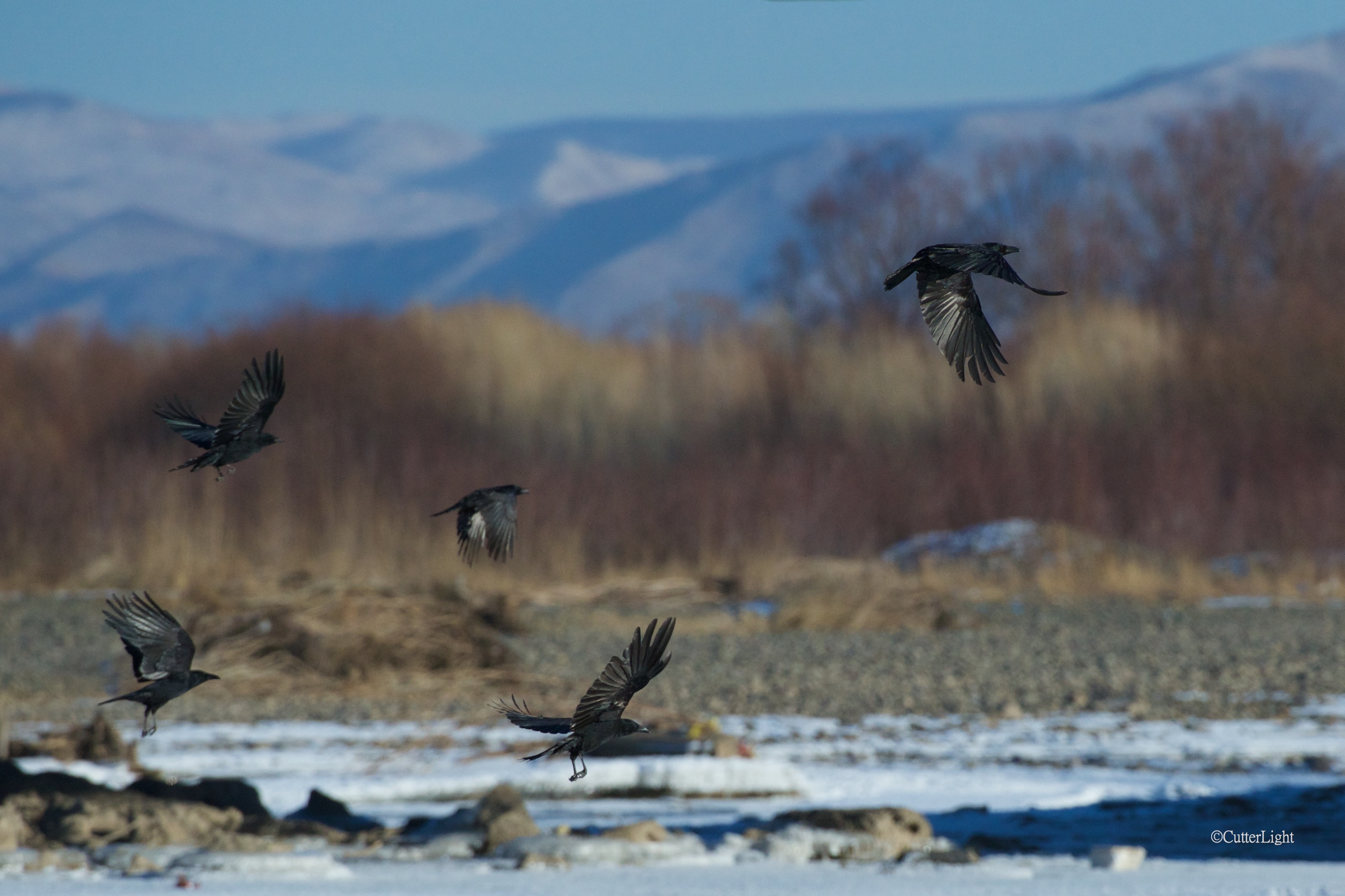
Corvids – a group which includes crows, ravens, rooks, jays, magpies and nutcrackers – fascinate. On a frigid December afternoon, we found them ice-fishing for caddis larvae in Mongolia’s Tuul River in the heart of Ulaanbaatar. (Click any of the photos for a larger view.)

The most intelligent of all birds, and with a brain-to-body-mass ratio rivaling that of the great apes and cetaceans, crows and their allies often exhibit remarkable behavior. Members of this family have been observed using and to some degree engineering purpose-specific tools – the only nonhuman animal other than the great apes to do so. There’s little doubt that certain feeding behaviors adopted by crows have been learned by watching other birds and animals.

carrion crows wings n cadis n

Note the object in the beak of the crow on the left. It’s a caddis larva casing.

The Tuul River flows through Ulaanbaatar, Mongolia’s capital city. Despite urbanization, the river’s water quality remains high – good enough to support species of trout as well as sensitive aquatic insects such as mayflies, stoneflies and caddisflies – species which spend the early part of their lives as larvae on the bottoms of clean rivers and streams. The Tuul is fast-flowing. Consequently, despite weeks on end of sub-freezing temperatures, here and there pockets of water remain open over shallow, stony, silt-free bottom.

OLYMPUS DIGITAL CAMERA

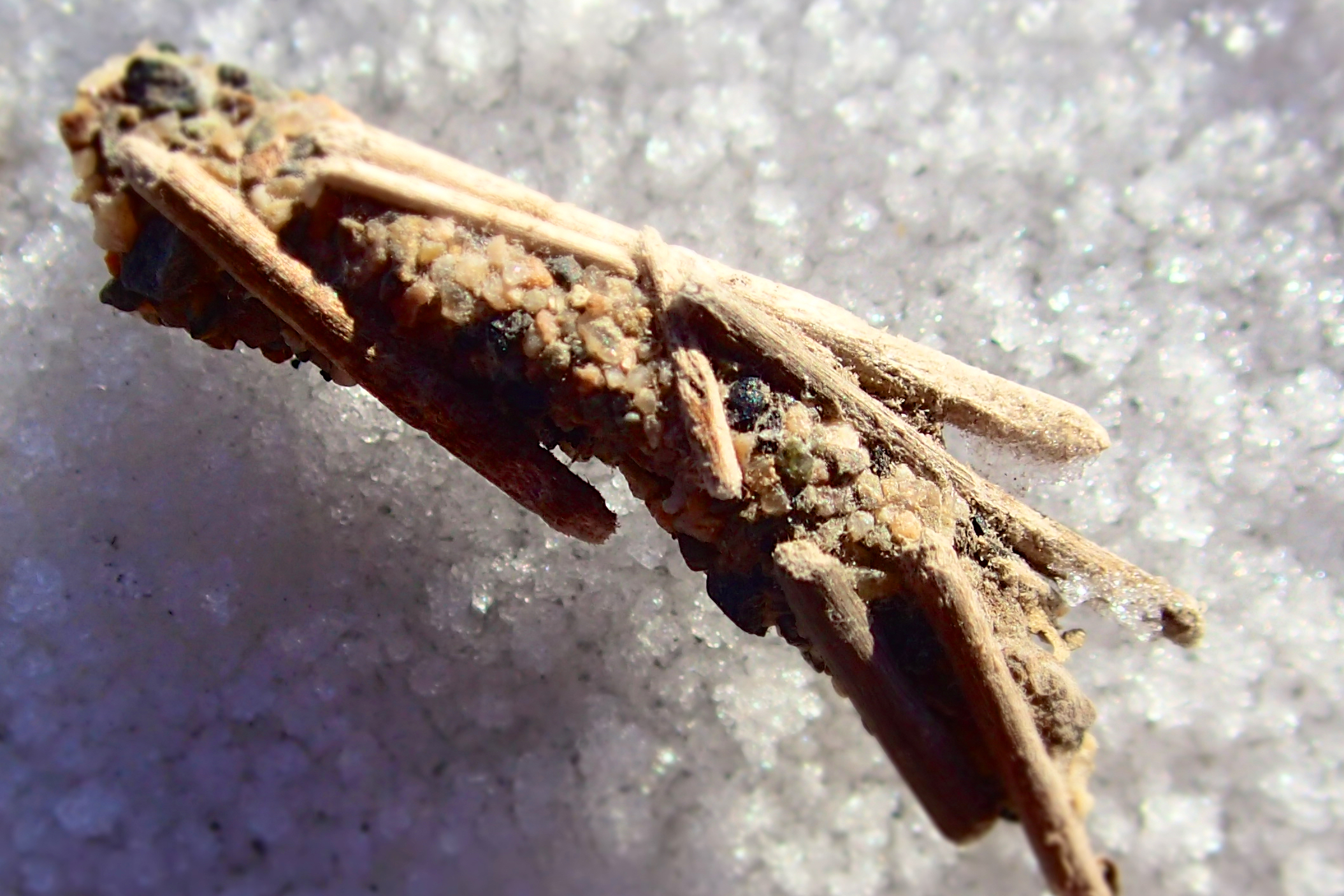
We took a cue from watching the crows and began scanning the ice for caddis larvae casings. As our eyes tuned into the proper size and shape, the empty husks appeared everywhere. This casing, constructed of tiny sticks and pebbles, is about 1.5 inches long (3.8 cm) and belonged to a member of the Northern case maker caddisfly family. 

Perhaps the crows learned of the abundance of wintertime food in these areas of open water by watching dippers – a robin-sized bird that happily plunges into pools and riffles in all seasons in search of aquatic insects and small fish. In fact, on this day we saw a white-throated dipper submerge itself in one of the riffles where the crows were feeding and come up with a small fish.

carion crow w caddis n

Here a carrion crow (Corvus corone) has his prize – a caddis larva pried from its pebble and stick casing.

Not adapted to plunge into water, the crows were fishing from the edge of the ice – thus gaining access to water not overly deep, but deep enough to provide habitat for slow-moving caddis larvae. Resourceful birds, are crows.

Daurian Partridge: Birds of Mongolia

Daurina partridge pair n

We encountered these softball-shaped Daurian partridge (Perdix daurica) in the pre-dawn of a December trip to Mongolia’s Hustai National Park.

Any day we see a new species of bird or other animal is a good day. On a recent three-day trip to Hustai, we had several such encounters. Nothing was any cuter than these relatives of pheasants and quail that would have fit perfectly in our cupped hands.

daurian partridge back n

We startled them, a covey of 14, as they were feeding on seeds on the coldest morning to date this winter in Mongolia. Maybe it was the sub zero (Fahrenheit) temperatures, or the fact that none of us – including the birds – were fully awake. But uncharacteristically they let us hang around and snap a few photos in the blue morning twilight. The orange beard-like feathers and gray side whiskers are part of their fall and winter plumage. 

Daurian partridge bokeh n

Named for the Daurian region of Russia, the average Daurian partridge is about 11 or 12 inches (28 to 30 cm) from head to tail and weighs around one half to three quarters of a pound (225 to 340 grams). The main part of their diet consists of seeds, which are abundant on Mongolia’s steppe grasslands. Insects and berries also figure into their diet, when available. Partridge are ground nesters, having developed a long-term dislike of heights (such as tree branches) when, Daedalus (father of Icarus of Greek legend) threw his nephew Perdix off the Athena hill in a fit of anger. Not wishing to experience another such fall, members of genus Perdix avoid high places to this day. So the legend goes.

daurian partridge flying away n

But they do fly, and this is the more usual view of Daurian partridge. Twice, previously, while hiking the Mongolian steppe we’ve had our startled hearts stop in our chests as a thrumming whoosh of wingbeats exploded practically underfoot. Once the birds have flushed, it’s difficult to approach them again, although you can sometimes track them down by listening for their rix, rix, rix, call as they regroup. 

Urban Birding in the World’s Coldest Capital City: A Winter Walk along Ulaanbaatar’s Tuul River

redpole on dark background 2 n

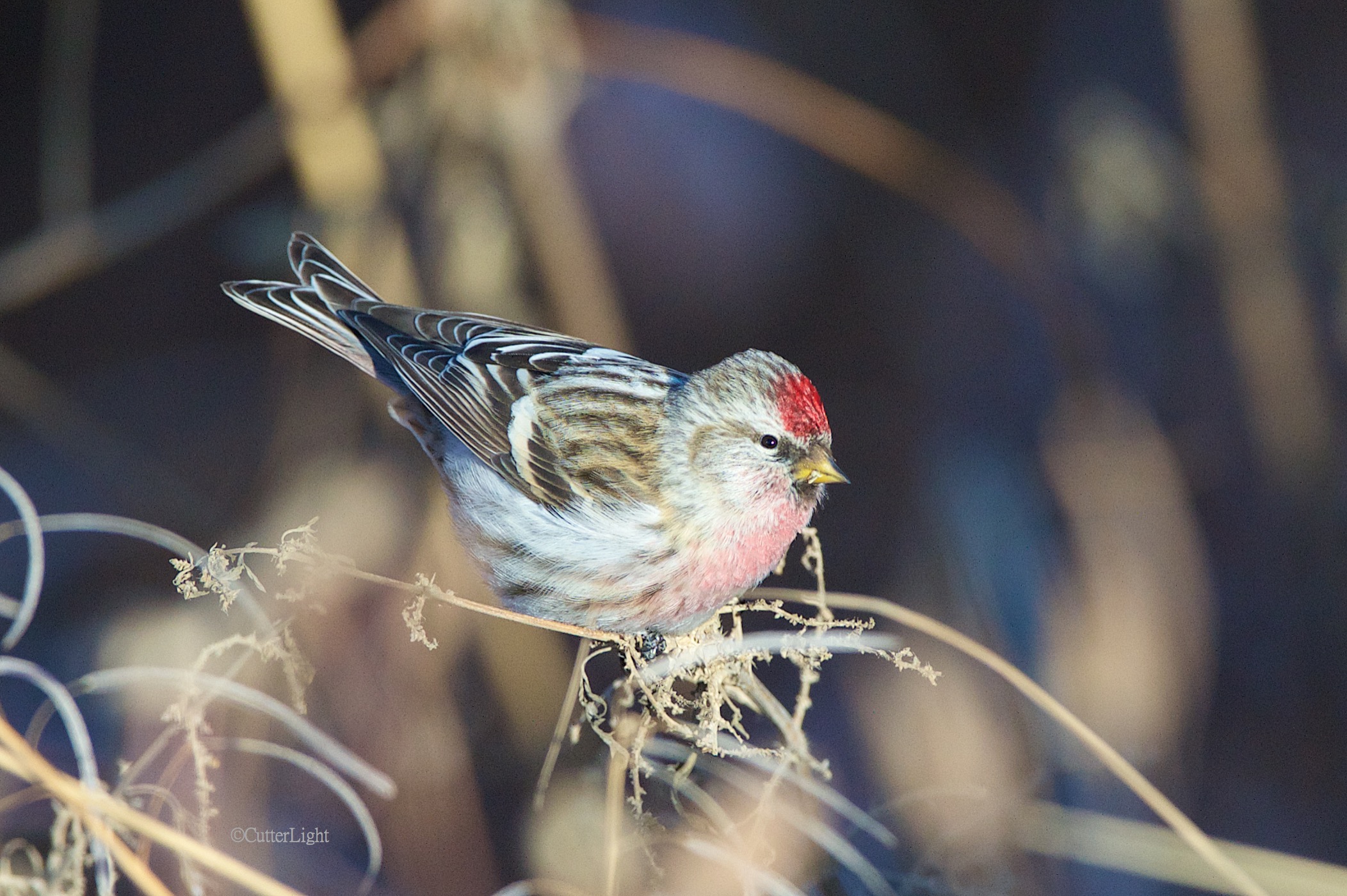
Redpoll, (Acanthis flammea)                                     Mongolian: Дөлөн цэгцүүхэй,

On a December morning with temperatures hovering around -13 degrees Farhenheit (-25 C) we fueled up with bacon and grits and walked from our apartment to the nearby Tuul River to check out the local bird scene.

Ulaanbaatar from frozen tuul n

Mist gently lifts from a patch of open water on Mongolia’s Tuul River. Along the shoreline to the right, frosted willows appear as sprays of white. In the background, dawn arrives on Ulaanbaatar, a rapidly growing city of just over one million inhabitants doing their best to stay warm with the country’s abundant coal. 

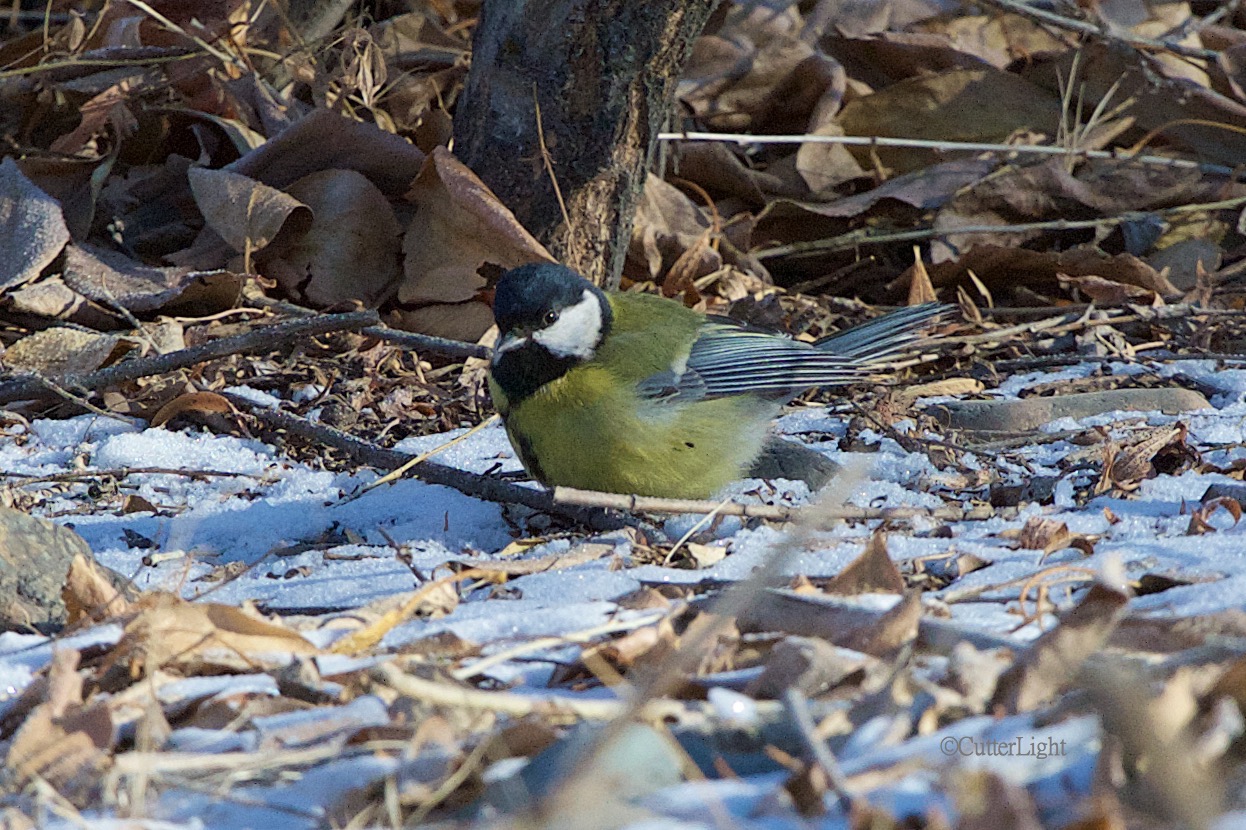
great tit ground n

Great tit, (Parus major)                                               Mongolian: Их хөхбух

Relatives of the familiar chickadees of North America, these are one of the more common and colorful passerines in and around Ulaanbaatar.

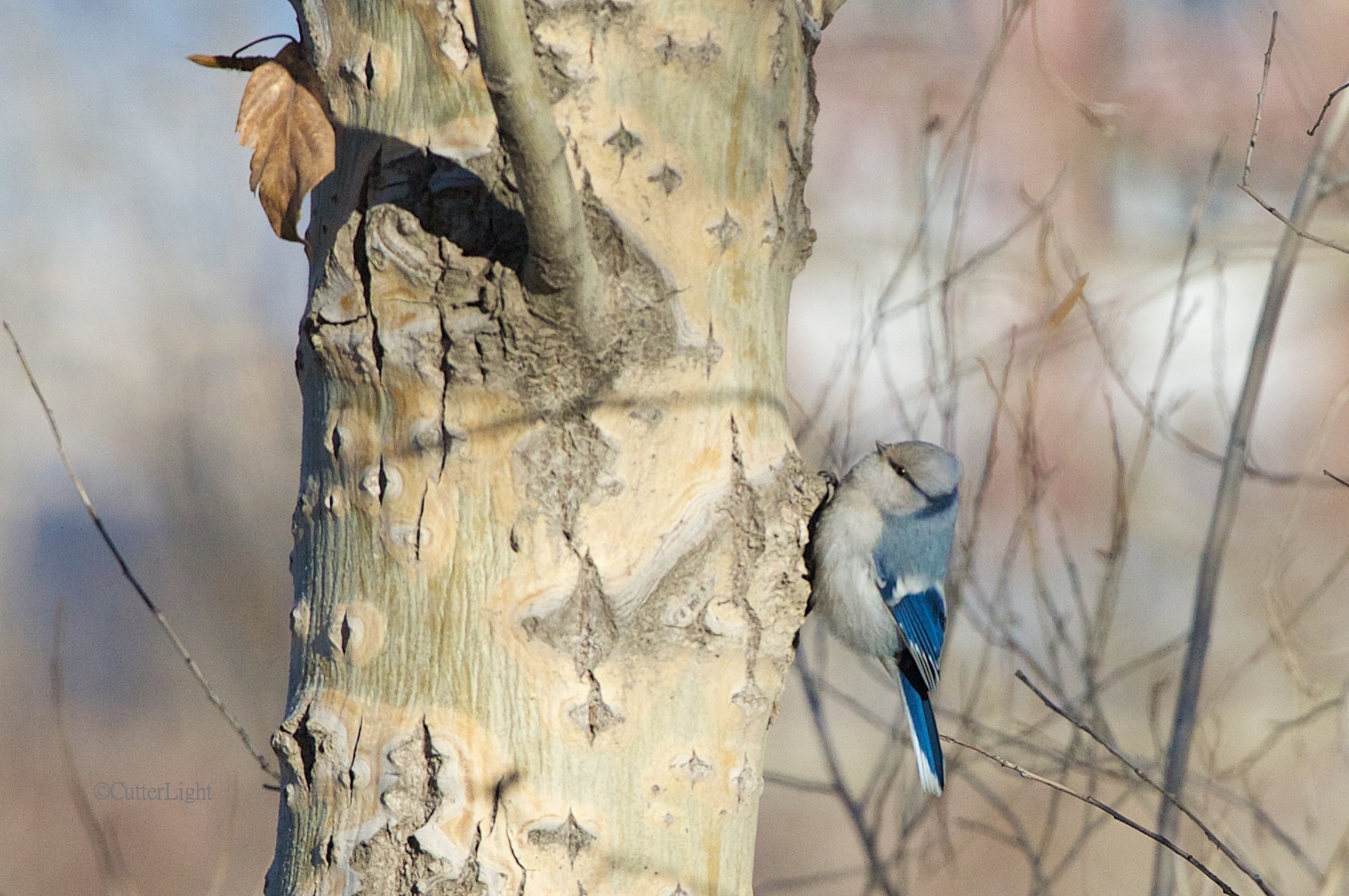
azure tit on tree n

Azure tit, (Parus cyanus)                                               Mongolian: Номин хөхбух

Abundant but more shy than great tits, these beautiful little birds are seldom seen in the city itself, but we saw several during our walk along the Tuul.

penduline tit nest n

We found two of these mitten-shaped nests – the work of white-capped penduline tits, (Remiz coronatus), (Бургасны ураншувуу). Like the buds of the tree it’s hanging from, the nest is dormant. Although the birds who made this nest will not use it again, male penduline tits, which arrive before females in the spring, use abandoned nests as indicators of suitable breeding habitat. Some Mongolians and other Asians hold a belief that these nests have medicinal powers – a belief unsupported by science – and collect them, a practice which has directly resulted in a decline in penduline tit numbers.
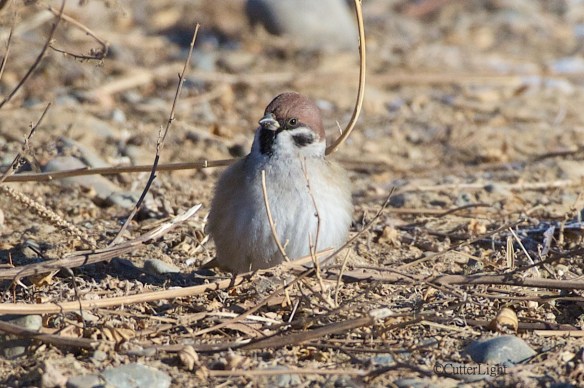
eurasian tree sparrow front n

Eurasian tree sparrow, (Passer montanus)                   Mongolian: Хээрийн бор шувуу

Much like pigeons, tree sparrows seem to show up wherever humans live. Presumably these friendly little birds have essentially co-evolved with people. Within the city of Ulaanbaatar they occur in flocks in a variety of habitats. But along the Tuul River, their numbers thin as passerines more adept at thriving without the spoils of humans outcompete them. By the time one crosses the river and enters the forests of Bogd Kahn Mountain, tree sparrows are almost entirely replaced by tits, finches, nuthatches and other birds.
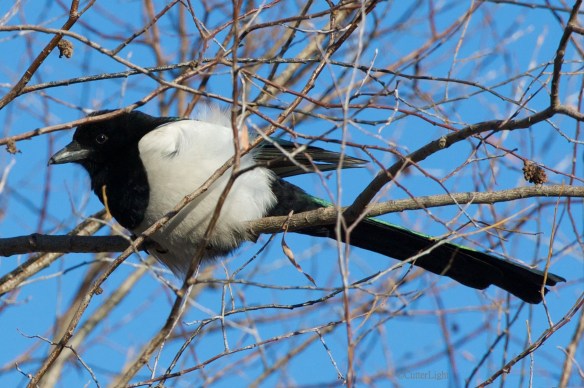
eurasian magpy shimmering n

Eurasian (or common) magpie, (Pica pica)                  Mongolian: Алаг шаазгай

In urban settings magpies are often quite approachable, however the magpies along the Tuul proved wary. We worked to get this photo of a bird puffed up against the cold, a streak of emerald-green shimmering along the length of the tail. Generally scavengers and foragers, the magpie’s hooked beak is a tell-tale sign that it will assume the role of predator given the opportunity.

carrion crows wings n cadis n

Carrion crows, (Corvus corone)                                         Mongolian: Хар хэрээ

We found a group of crows targeting caddisfly larvae in a shallow riffle that hadn’t yet frozen, as is evident by the caddisfly casing in the beak of the bird on the left. The crows were using the edge of the ice to access this bounty. Perhaps they learned this behavior by observing dipper birds, a species that also frequents open water such as this during winter to feed on insects and small fish.

OLYMPUS DIGITAL CAMERA

Scattered across the ice near the riffle where the crows were feeding, we found a number of empty caddis larvae casings. The larva that built this home from fragments of wood and tiny pebbles probably belongs to the Northern case maker group, family Limnephilidae. The fact that caddisflies are apparently abundant in this stretch of the Tuul indicates that despite urban development, water quality remains good.
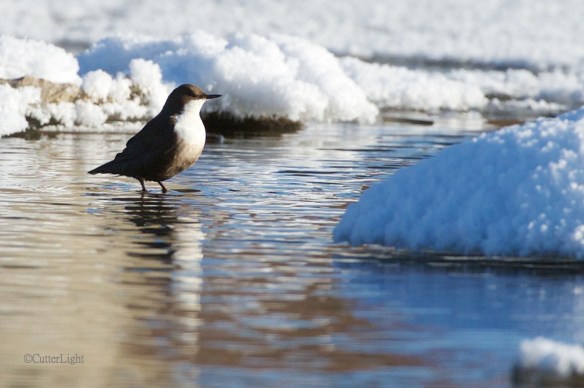
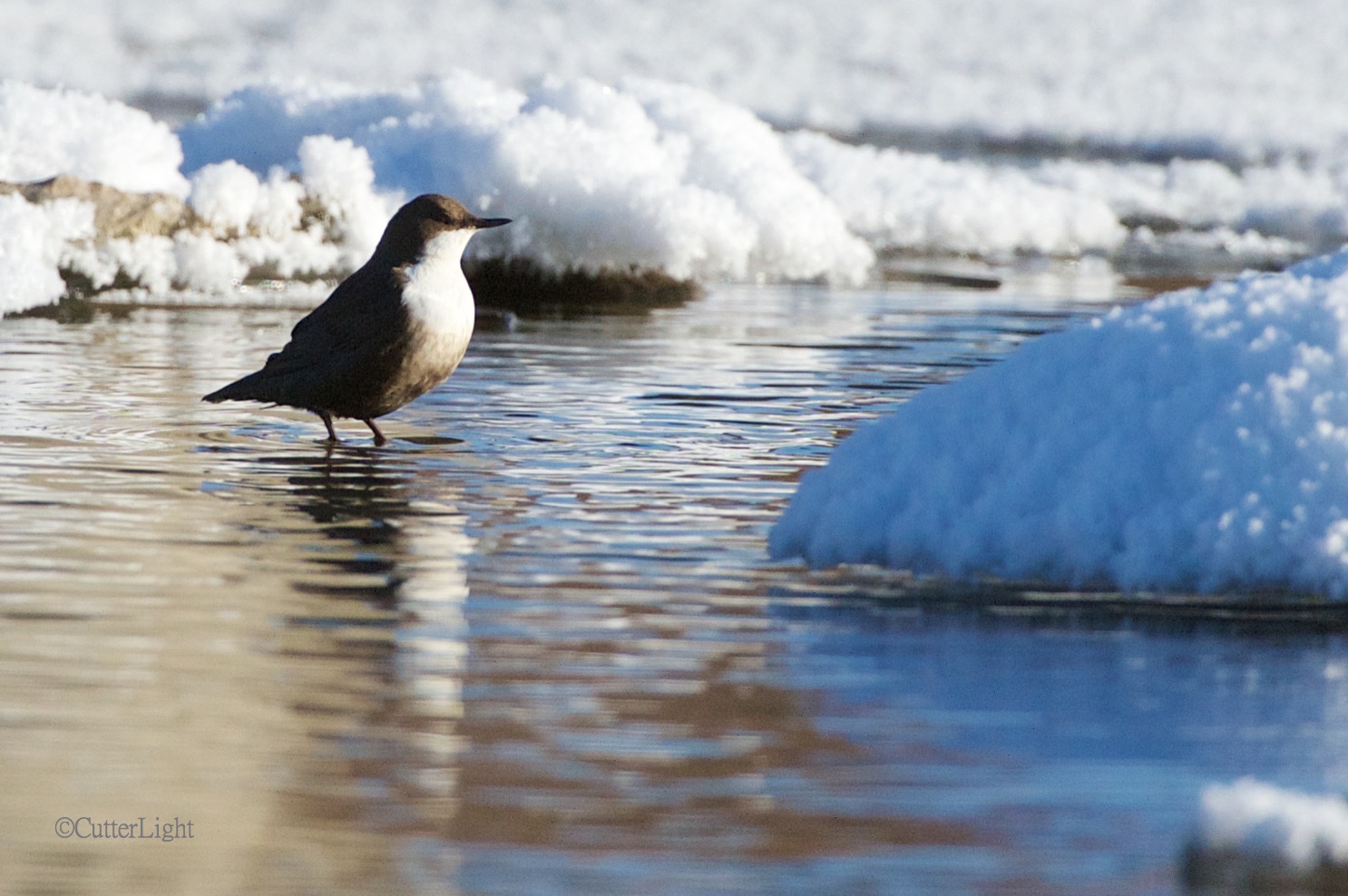
white throated dipper Tuul n

White-throated dipper, (Cinclus cinclus)                  Mongolian: Гялааномруу хараацай,

Bee-like rapid wingbeats and an electric buzzing cry alerted us to the presence of a dipper bird near the same water the crows were using. What threw us was the flash of white as the bird zoomed by; in America and Japan we’d seen only brown dippers. This one disappeared under the icy water and came up with a fairly large minnow. Any day we can check off a new species is a good day.

The mix of willows, poplars, cottonwood and pines along the banks of the Tuul, as well as the river itself, constitute a biologically rich greenbelt in the heart of a rapidly growing city. Here’s to hoping that the citizens of Ulaanbaatar recognize what a treasure this is and insist on its protection.

We invite comments, corrections, discussion and further information from our readers.

Ptarmigan and Cloudberries: A Walk on Alaska’s Arctic Tundra

willow ptarmigan pair n

Looking almost like exquisite mounts in a museum diorama, these Willow ptarmigan (Lagopus lagopus) proved to be quite approachable. While hiking on the tundra near Point Hope in September we came across two coveys totaling about 20 birds.

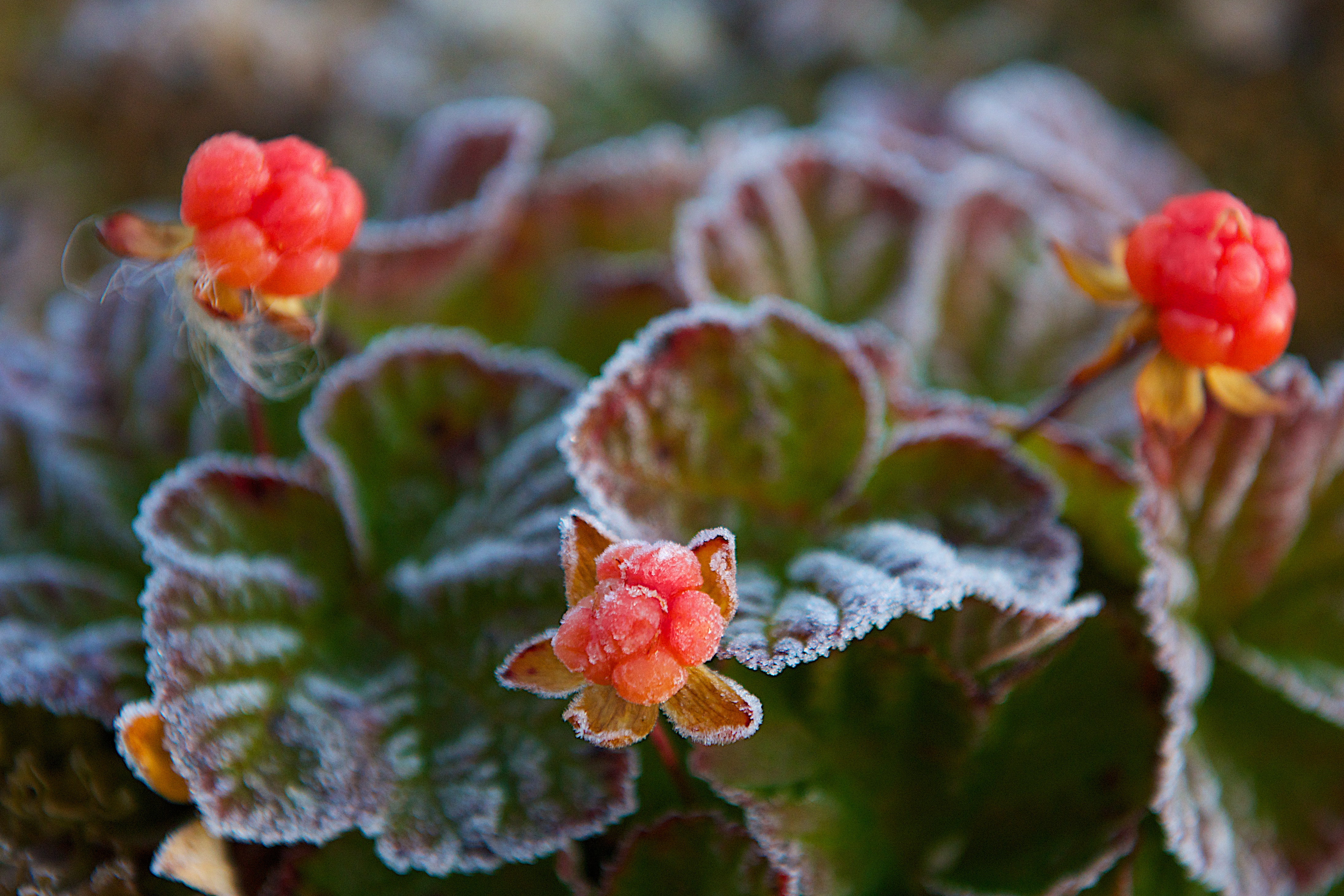
cloudberries early frost

Nipped with frost, these cloudberries tasted like sorbet and were no doubt what had drawn the ptarmigan.

willow ptarmigan jack shooting n

Barbra cautiously approached the birds as I lay on my stomach, inching through the boggy terrain, shooting, hoping a few shots might come out.

willow ptarmigan solitary n

The plumage of these fall birds is in transition from the mottled browns and reds of summer to the snow white of winter. These are the same species as the red grouse of Scotland.

willow ptarmigan barbra approaching n

Barbra crouches and stalks closer to the birds. Note the densely feathered legs. The Latin lagopus translates to “hare foot” for the resemblance of ptarmigans’ feather-covered legs and feet to those of snowshoe hares. 

caribou antler fall tundra n

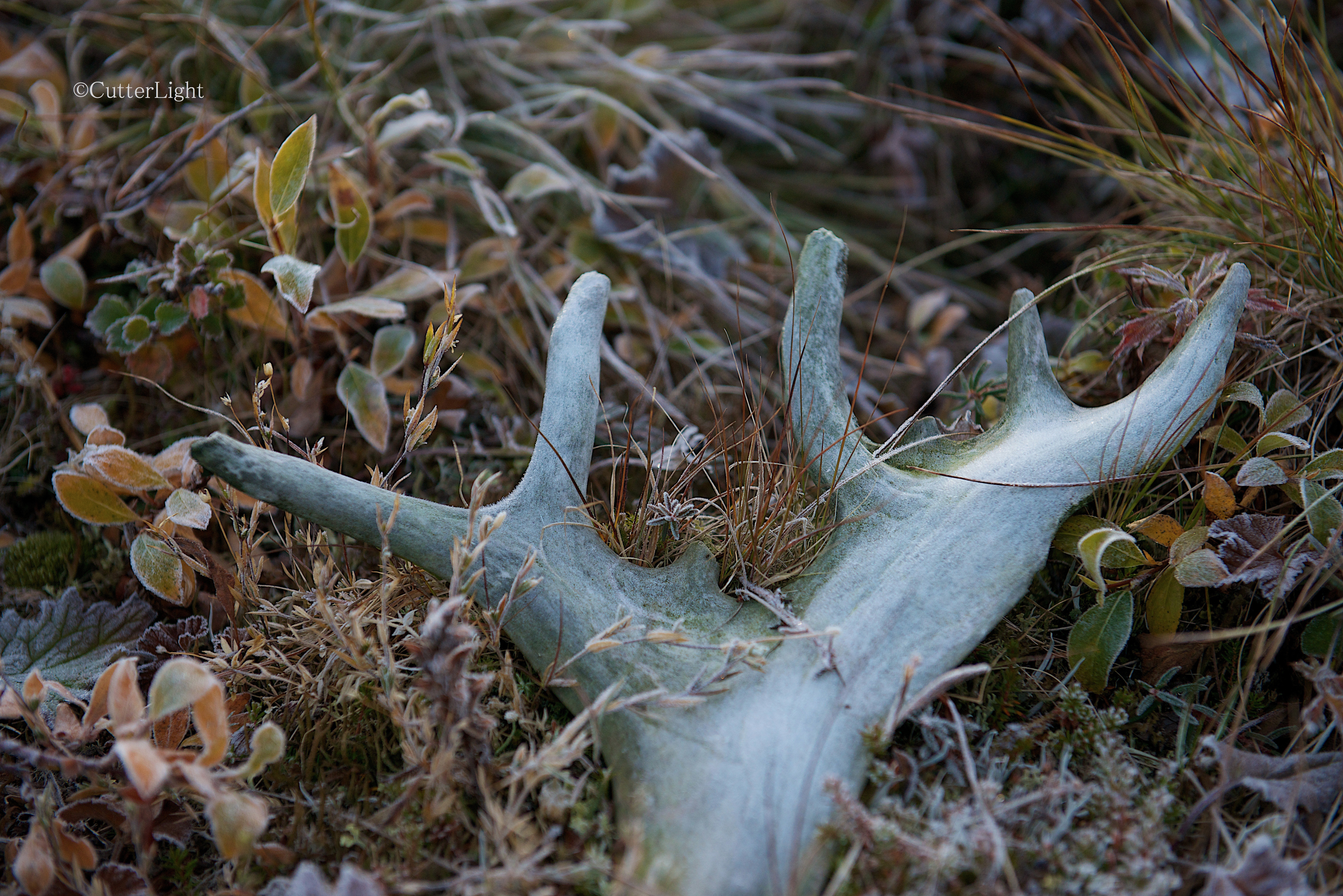
There’s always evidence of a rich ecosystem on the Arctic tundra. Caribou antlers, bird nests, animal burrows and an amazing array of plants are part of our walks.

brown bear track tundra beach n

Brown bears (grizzlies) are common visitors to the beaches and tundra near Point Hope. We found a set of fresh tracks along the shores of an inlet off the Chukchi Sea not far from where we encountered the ptarmigan. Red foxes, Arctic foxes, Arctic ground squirrels, weasels and caribou are frequently seen mammals. Wolves and musk oxen are less common, but also figure in the mix. In the foothills and mountains east of Point Hope there are wolverines and at higher elevations, Dall sheep. Rarely, moose are seen in the scrub willows along the nearby Kukpuk River, and during the winter months polar bears show up both on the sea ice and on land. 

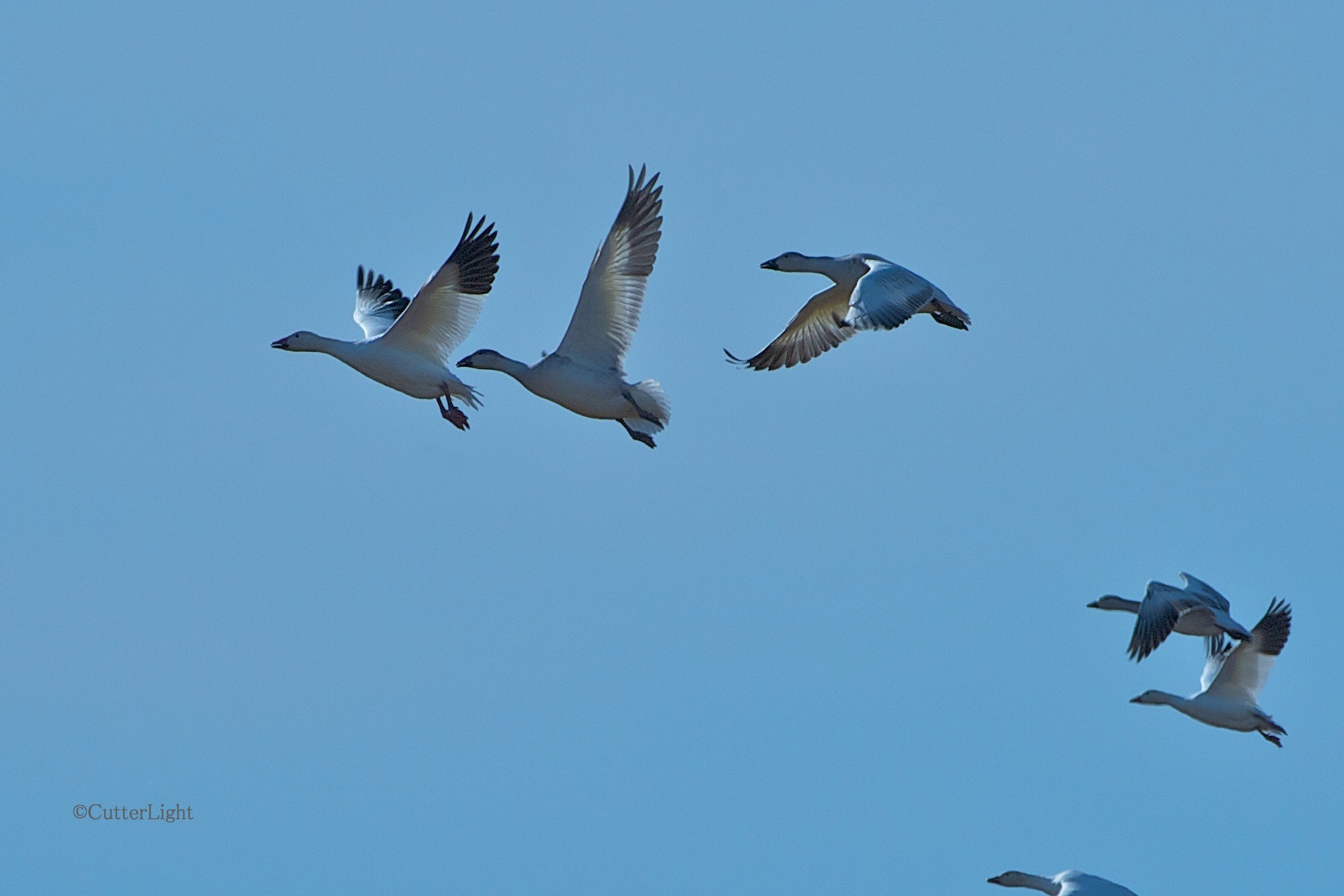
snow geese lifting off n

During the fall migration, snow geese are fairly common. (Above and below)

snow geese lifting off close n

Brandt, Canada geese, and a wide variety of ducks and shore birds are also common.

willow ptarmigan in flight n

When the ptarmigan finally had enough of us, they glided off a few yards, regrouped and resumed feeding. At that point we turned for home. 

cloudberries frozen in hand n

A handful of frozen sweetness for the road. 

cranes flying into the hills n

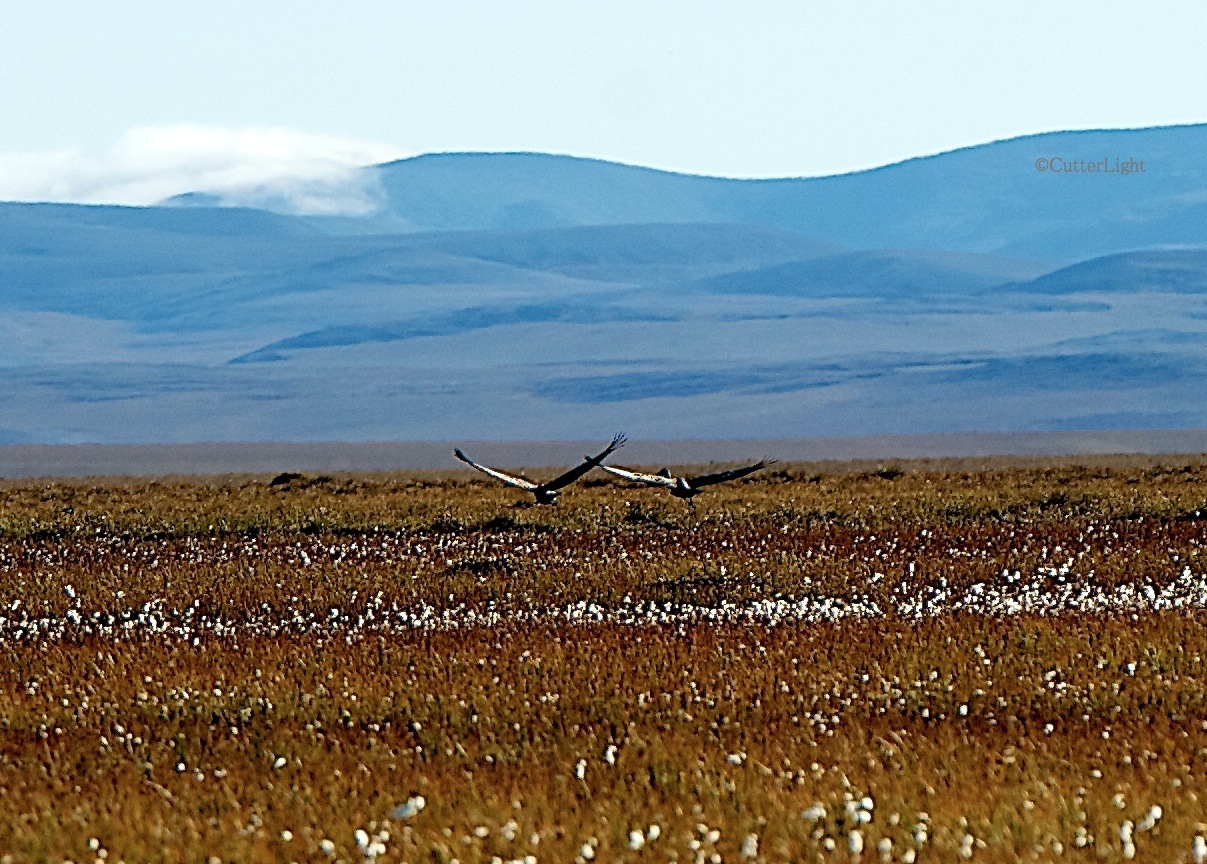
A pair of sandhill cranes lifts off above the last of the cotton grass on the tundra near Point Hope.

The Arctic Terns of Tern Lake: Artists that Redefine the Air

arctic tern hovering n

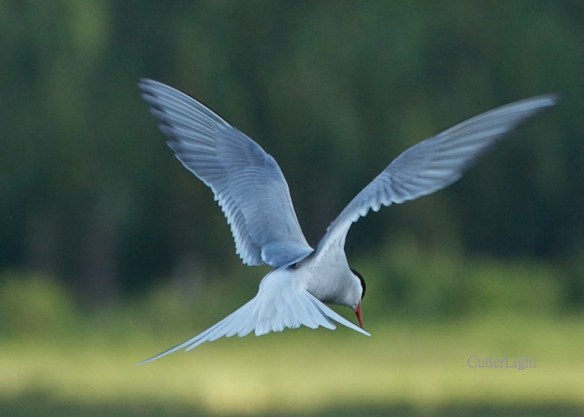
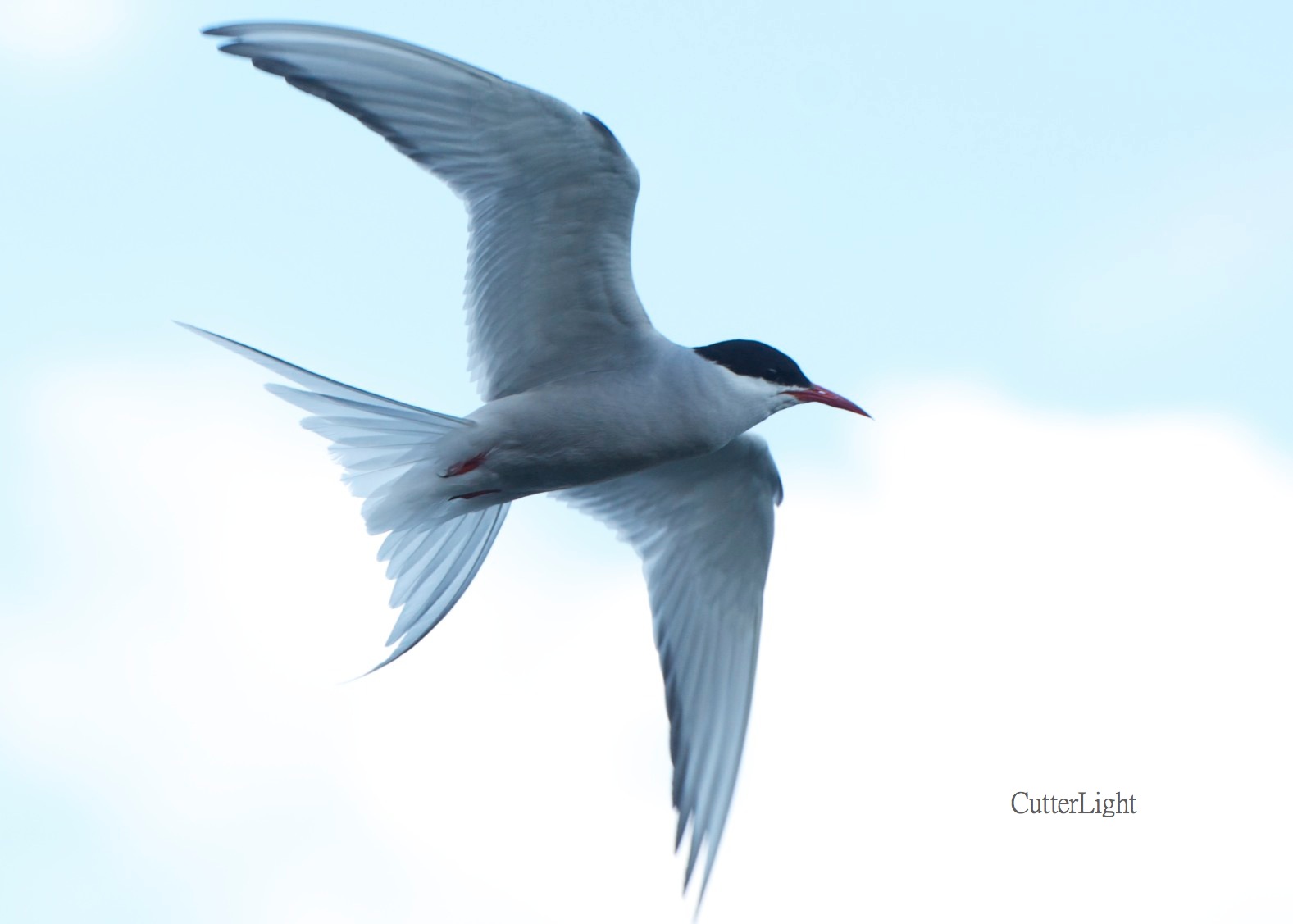
With a brood of chicks waiting to be fed, this Arctic tern (Sterna paradisaea) hovers above the water in search of small fish, its primary food source. Minute control over individual tail and wing feathers enables terns to be graceful, formidable hunters as well as inspiring to watch.

Making an annual round-trip of roughly 50,000 miles (80,000 km) between their breeding grounds in the Arctic and their summer feeding grounds in the Antarctic , Arctic terns are a species that fill one with awe and wonder. Unlike most of their cousins in the gull family, they are true seabirds as their migrations take them over vast oceans far from land. To stand on northern beach and watch terns fly is to watch an artist redefine the air.

arctic tern scouting n

Breeding pairs mate for life and most terns return year after year to the same grounds where they were hatched. There they scratch out a shallow depression in the earth and lay one to three eggs (sometimes more) the size and color of large, brown-flecked olives. Approximately three weeks later the eggs hatch and three to four weeks after that the young birds are fledged. In fall, they will join their parents in making the longest migration of any bird species.

arctic tern head on n

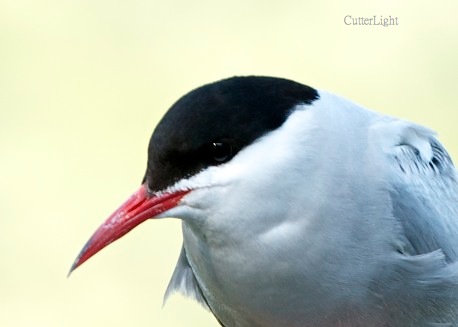
Inky black eyes almost disappear into a jet black cap. Although their legs seem impossibly short, terns are fairly adept on land. A specialized gland allows Arctic terns and other seabirds to extract the salt they ingest and expel it through their nasal cavities. 

Arctic tern close nAlthough one individual is reported to have lived to the advanced age of 34, the average lifespan of an Arctic tern is about 20 years. Their preferred nesting sites are on islands where they’re relatively safe from predators such as foxes and domestic cats, although they lose some eggs and young to gulls and other birds. At one point the millinery trade took a heavy toll on tern populations, but in recent years the greatest threat appears to be decreasing food supplies due to human overfishing. At present, there are estimated to be about one million Arctic terns worldwide.

arctic tern soaring n

Above: An Arctic tern scans the water below for the tell-tale silvery flash of a school of small fish. 

tern showing scissored tail n

Often flying with a scissored tail and the ability to execute amazing aerial acrobatics – including backflips – account for the Arctic tern’s genus specific name paradisaea – paradise – reminiscent of birds of paradise.

arctic tern reflected n

He’s probably not really looking at his own reflection, but with a snappy red bell and a handsome black cap like that, who could blame him if he is?

Ghost Trees and Ghost Birds: Video and a Poem

At some point during my youth in western Pennsylvania, I read about a magnificent bird – the ivory bill woodpecker, the Lord God Bird. I wanted badly to see one and I knew that my dad – a naturalist – would know where to look. “They’re gone,” he said. I looked at him quizzically. “They’re extinct. They need big, old forests, and the big, old forests have all been cut down.” My dad was right. You should know that going into this film – a feature-length documentary that is powerful and sad and very much worth seeing.

.

Ghosts of Trees, Ghosts of Birds

People imagine they see them still,

ivory bills,

in remnant stands of virgin forests

too small to sustain these great birds.

In that way God Lord Birds are everywhere –

an image in burnt toast, a shadow pulling itself

into a triangular head,

a flash of red

as the late sun slants through the canopy,

or a fractured rock on a hillside gathering the feathered light

and darkness like a black and white diamond on a water oak trunk.

Ghosts of trees, ghosts of birds

Their nesting holes,

five inches across, 50 feet up –

hewn into hardwood with bone-chisel bill –

gone, too,

vanished with the ancient forests

into the humid air

above the endless spread of soy bean fields

Ghosts of trees, ghosts of birds

And so we pause

in the late morning

and set our paddles across the canoe’s gunwales

amidst the cypress knees, black gum and snags

as the mist lifts from this swamp

far enough away from all that

that it could be

the last place on earth

these birds exist

and strain our ears

and listen for double knocks

that rose and died 60 years ago.

30,000 Seabirds

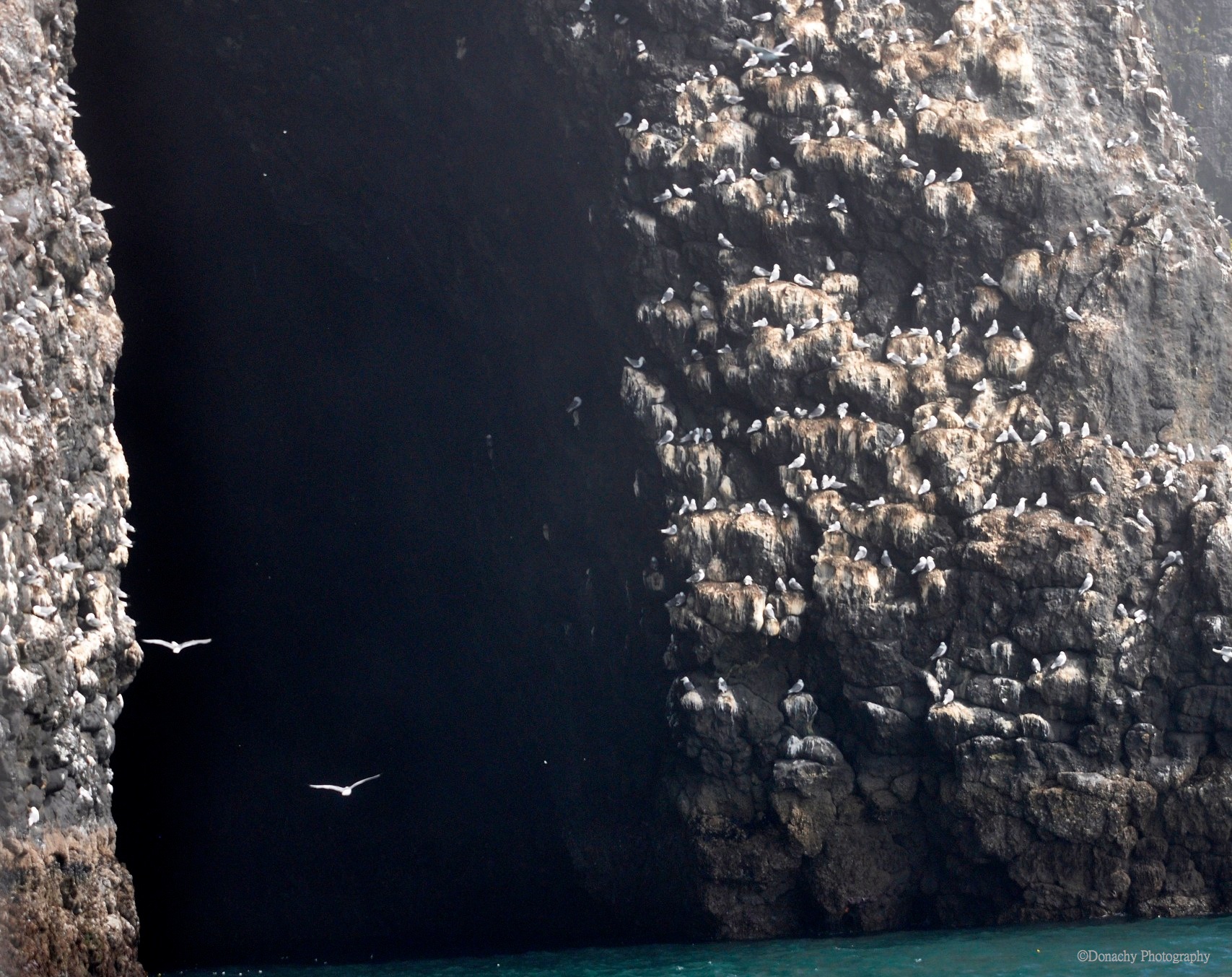
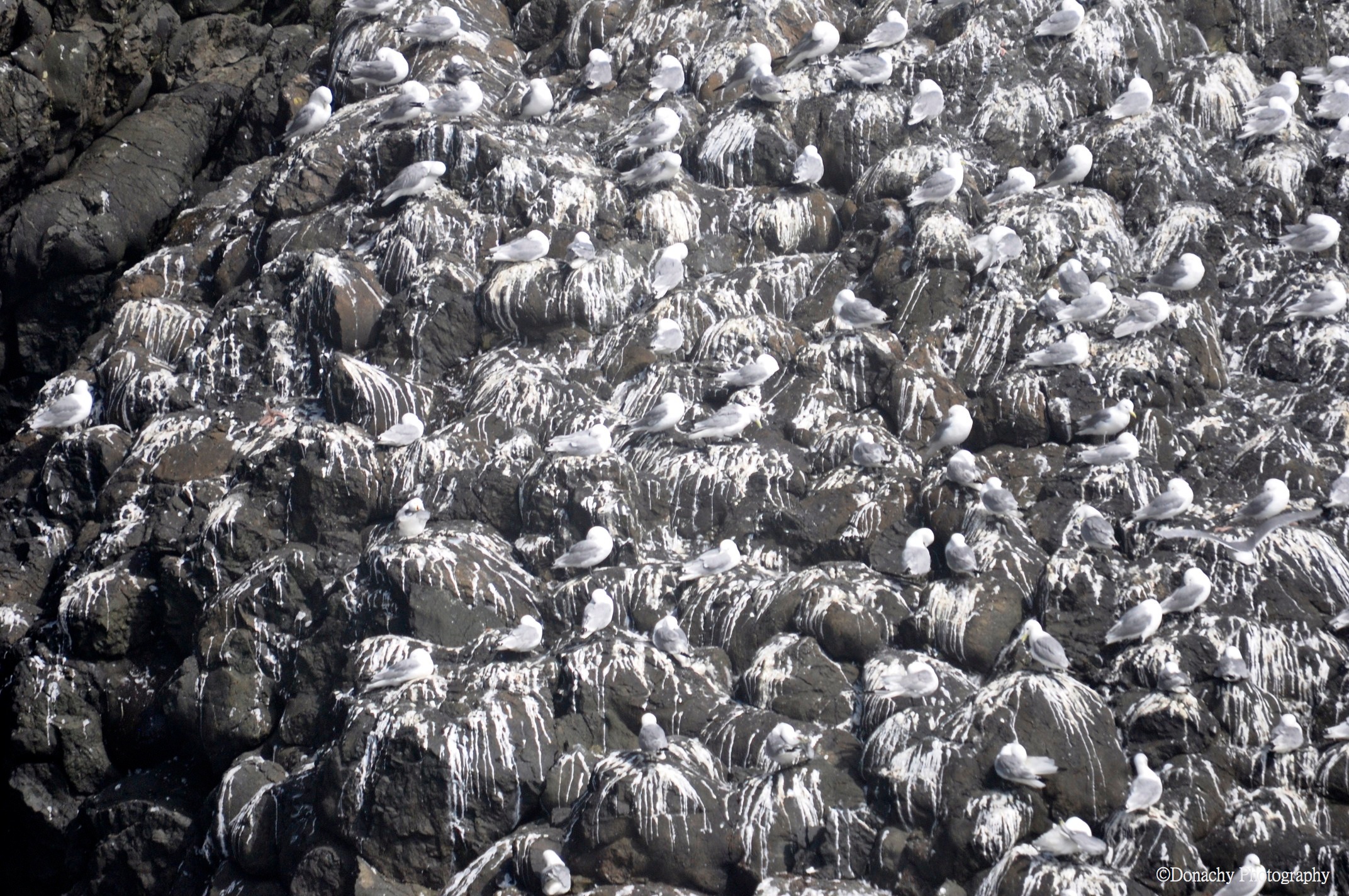
At any given moment, there are as many as 30,000 seabirds roosting, nesting, flying and feeding at Cape Resurrection near Seward, Alaska. While kittiwakes and common murres are the two most abundant species, tufted and horned puffins, murrelets, guillemots, auklets, oyster catchers, cormorants, various gulls and other seabirds are also in the mix. Above and below: black-legged kittiwakes in the thousands take advantage of every available ledge.

The noise (and smell) generated by these colonies is as startling as the sheer number of birds. 

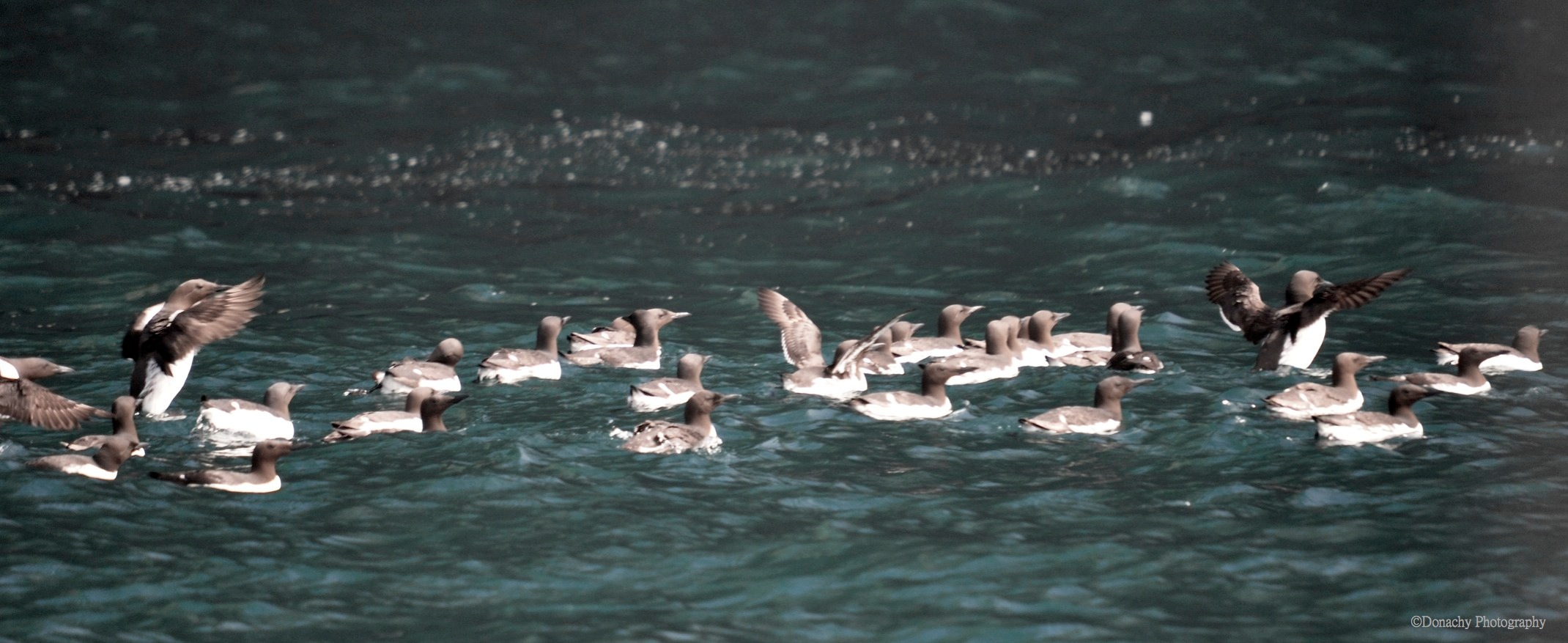
The cape also hosts large rafts of common murres containing dozens or even hundreds of birds.  

Horned puffins (above) and tufted puffins are also quite common. They use their thick, uniquely-hinged bills not only to fish, but to dig nesting burrows up to several feet deep. Once the nesting season is over, puffins spend the rest of the year at sea.

In flight, puffins look like large bumblebees, beating the air into submission with their stubby wings. In search of the small fish they feed on, puffins can dive up to 80 or more feet deep and are agile swimmers. 

On land, with their white bellies and dark backs, murres look a lot like penguins, and like penguins, they are very much at home in water. Murres have been recorded diving to depths of  600 feet. Their eggs are various shades of blue with brown speckles and are steeply pointed at one end to prevent them from rolling off the cliffs where they nest.