Chin Scratch

Chin Scratch
American Robin, Chignik Lake, Alaska Peninsula, May 20, 2019

Having long associated American Robins with manicured lawns in the Lower 48, I was mildly surprised the first time I encountered the species along the Chignik River. They were not reported in David Narver’s Birds of the Chignik River Drainage study based on his observations in the early 1960’s, and although they are considered common further up the peninsula, from Aniakchak National Monument and Preserve (which encompasses much of the Chignik Drainage) all the way to Izembek National Wildlife Refuge near the peninsula’s western tip, the species is either not documented at all or is listed as only an occasional migrant.

For the most part, that’s how we encountered them at and near The Lake – a few birds passing through in mid-spring, late summer and early fall. But, they seem to gradually be establishing themselves along the Chignik. In two years, at least one pair remained late into spring, well after the peak of the dandelion bloom. We thought that in at least one of those late springs a pair of robins had attempted to nest. However, the weather became persistently cold, rainy and windy and there was no indication of success.

Along with the weather, abundant magpies and ravens – well-known nest predators – might be limiting factors to breeding robins. Nonetheless, it is likely only a matter of time before American Robins become established as regular nesters on the peninsula, particularly in villages such as Chignik Lake where lawns provide easy access to the earthworms they like to forage on.

JD

Migration: The Peeps of Cordova

Western Sandpipers, Hartney Bay, Cordova, Alaska, May 3, 2024

This was the scene about six miles from the heart of Cordova this past Friday morning, and this is but a sliver of the many thousands of shorebirds that stop for a short while to fuel up and rest on tidal mudflats near the town as they make their way to nesting grounds further north. Figuring in nearby barrier islands and additional flats in the Copper River delta, some five million shorebirds represented by several species will visit the Cordova area over a few days in early May. While they are here, these Western Sandpipers will double their weight. The delta is absolutely critical to the health of these avian populations as there are only a few places in the world that offer the sheer biomass of invertebrates and biofilm these birds require in order to complete journeys that in many cases cover thousands of miles. Look for a more indepth article on this incredible migratory event in the coming days.

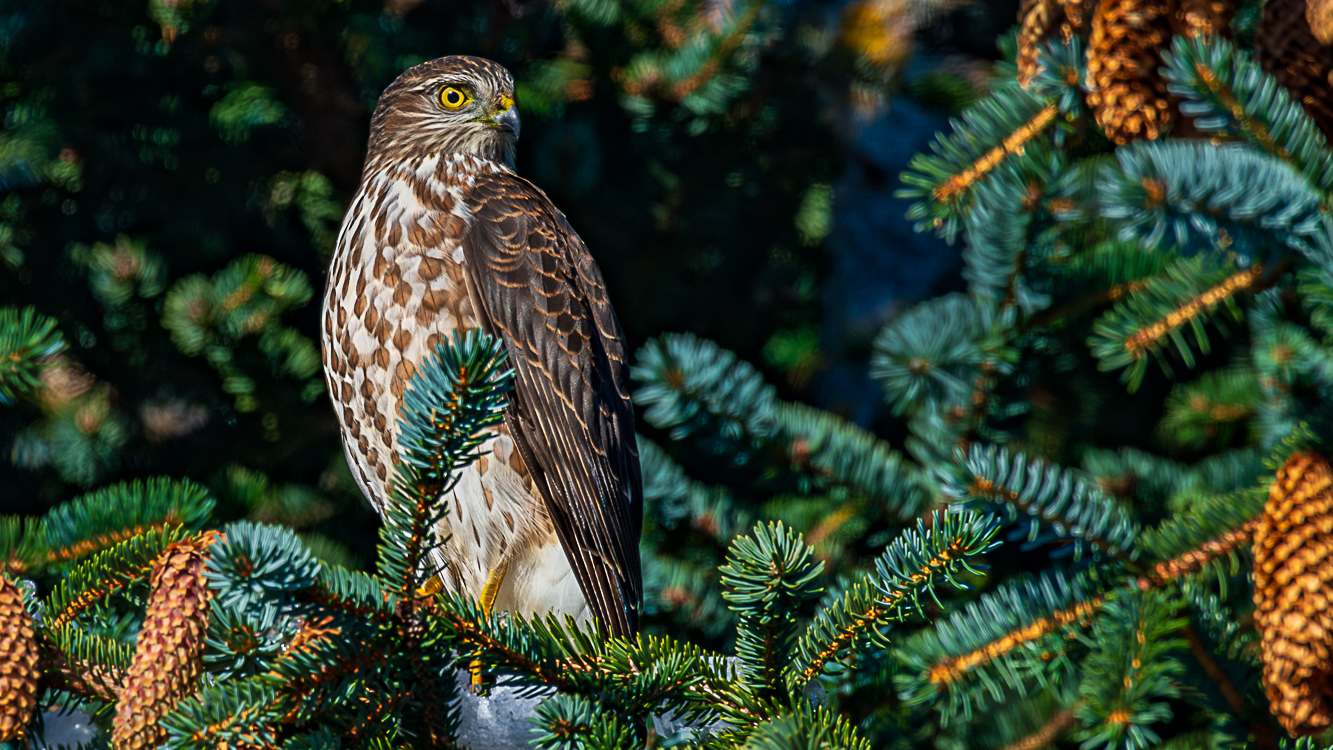
Sharp-shinned Predator

Photograph of a juvenile Sharp-shinned Hawk perched in a Sitka Spruce at Chignik Lake. This species is rare on the Alaska Peninsula.
Sharp-shinned Hawk, Sitka Spruce Grove, Chignik Lake, October 23, 2017
Rare visitors to the Alaska Peninsula, Narver did not document Sharp-shinned in his Chignik study of the early 1960’s, so this is perhaps the first documentation of the species in the Chignik River drainage. The specimen in this photograph arrived with passerines migrating south, was seen off and on for a couple of weeks, and then left. The mottled leaf-like pattern on the chest indicates a juvenile. Adults chests are more evenly ruddy.

Autumn Sign

Male Oregon Junco among Sitka Spruce Cones – Small flocks of Oregon Race Juncos, which had not previously been reported on the Alaska Peninsula, along with Slate-colored Juncos – only occasionally or rarely encountered on the peninsula, became regular fall through spring visitors during our years at The Lake. The mystery is, where were these birds coming from? Slate-coloreds nest in taiga forests two or three hundred miles northeast at the peninsula’s hip and beyond, but the Oregon’s closest summertime breeding grounds are unknown and would seem to be much further south. Juncos were not recorded during David Narver’s studies in the early 1960’s. It will be fascinating to monitor these population trends into the future… there is always more to discover. October 14, 2017

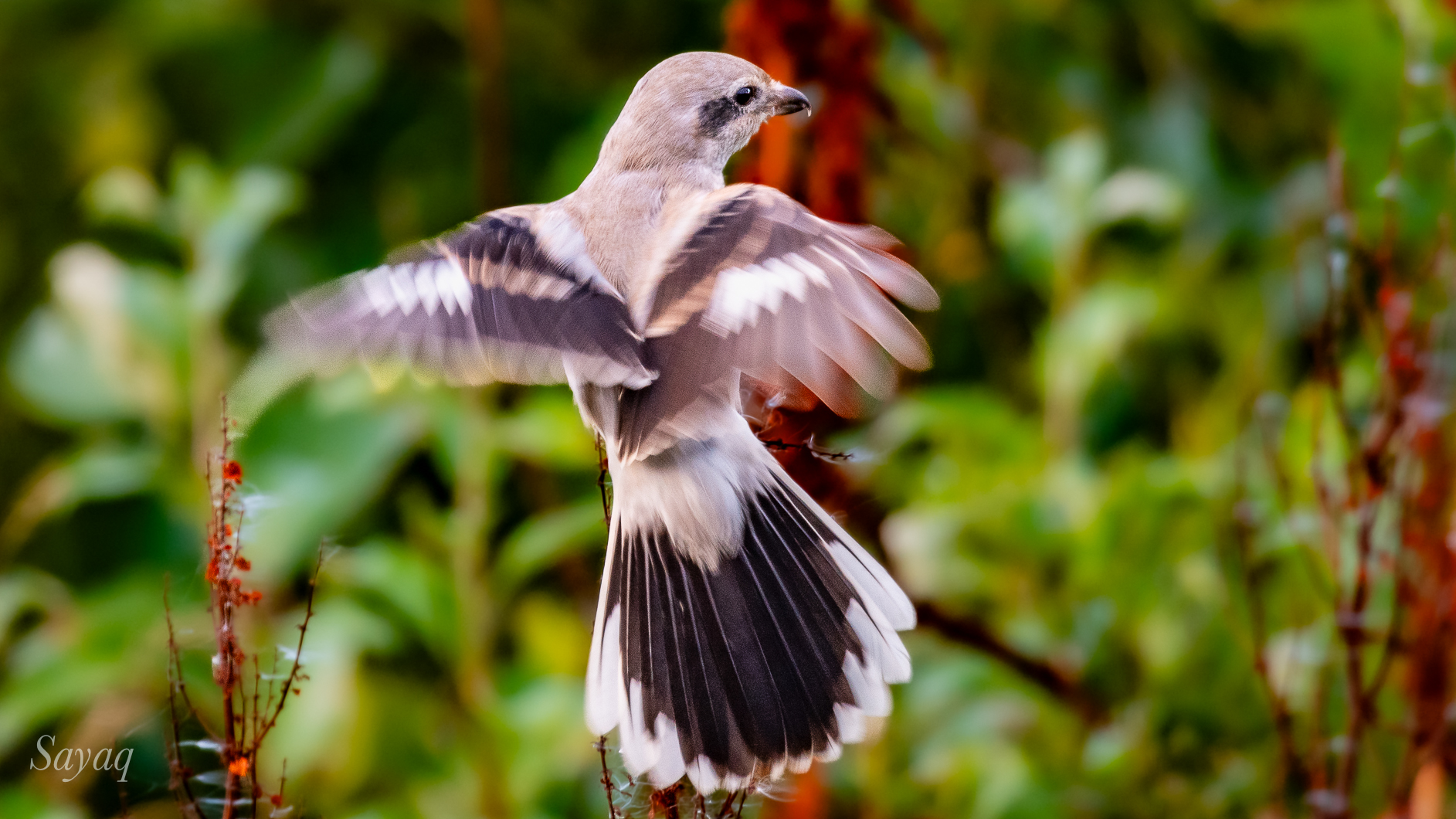
Autumn Shrike

Photograph of a Northern Shrike in flight as it settles onto a roost of autumn-brown Dwarf Birch.
Autumn Shrike – Northern Shrike burdock gone to rust and seed, Chignik Lake, 9/10/17
The brownish color of this shrike indicates a first-year bird. Mature adults are more gray, and the black eye mask is sharply defined and really pops. At The Lake, Northern Shrikes are typically arrive in late summer and remain common through fall with occasional specimens remaining into winter.

Spring Angels

Spring Angels
Returning Tundra Swans, flying above the Chignik River – Chignik Lake, March 17, 2017

At first it seemed counterintuitive to process this picture captured on a blue sky spring afternoon as a monochrome image, but I like the moodiness. I don’t know… what do you think?

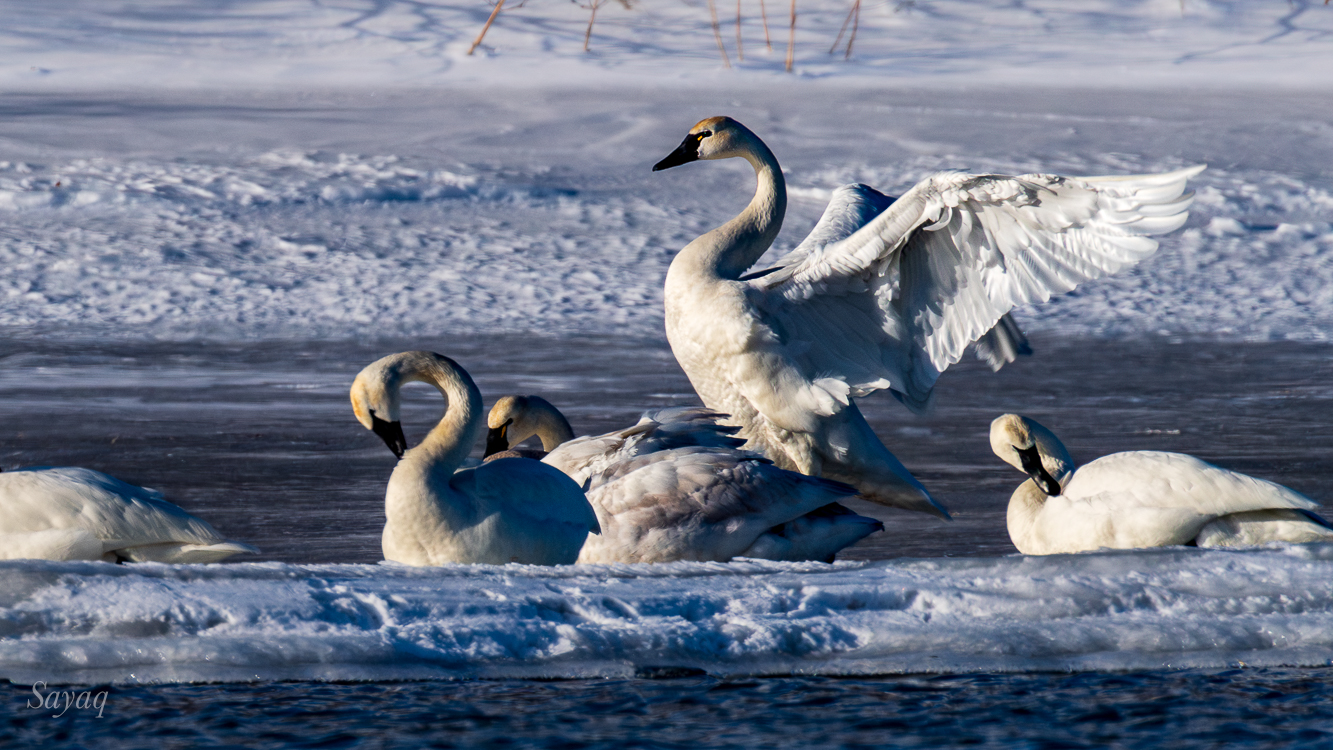
The Swans at Broad Pool

The Swans at Broad Pool Chignik River, 3/16/17
Each March, residents of Chignik Lake begin checking Broad Pool for early signs of spring – arriving flocks of Tundra Swans. The best swan viewing occurs in years when the river is partially iced over and therefore closed to boat traffic. This expansive pool has abundant Water Crowfoot, an aquatic vegetation preferred by swans and dabbling ducks. The swans, which mate for life and can live to be over 20 years old, will rest here and in other quiet water in the Chignik Drainage for up to a few weeks before breaking off in pairs and heading to tundra nesting sites on the Bristol Bay (northwest) side of the Alaska Peninsula. As human activity continues to cause the planet to warm and years of ice become fewer on the Chignik, Broad Pool may no longer provide a suitable resting place for returning waterfowl. Things are changing… fast. Get out and observe, photograph, document.

Spring Green

Spring Green Female in the lead and the trailing drake’s head lit up in the iridescent green that has earned the species the vernacular sobriquet “greenhead,” a pair of Mallards coast in for a landing on the Chignik’s Broad Pool. About a mile downriver from the village of Chignik Lake, the pool covers over 16 acres – approximately the size of 13 football fields including the end zones. Shallow and weedy, it is gathering place for returning springtime migrants such as Tundra Swans and genus Anus ducks (Mallards, Green-winged Teal, American Wigeons and Pintails). Slowly going through The Chignik Files, if and when I come across a good picture of Broad Pool, I’ll be sure to publish it. Since I’m in a March file right now, I am certain there will be photos of Tundra Swans, so look for a photo or two of these regal harbingers of spring in the near future. (March 14, 2017)

Tikigaq Sky with Horned Puffins and Thick-billed Murres

Looking out across the Chukchi Sea from the very tip of Tikigaq Peninsula.
Near Point Hope, Alaska, August 12, 2012.

It was a two-and-a-half mile walk from our home in Point Hope to the terminal point of Tikigaq Peninsula where it hooked into the Chukchi Sea. Cape Lisburne lay to the north; other rocky sea cliffs lay to the southeast. Dense colonies of seabirds – murres, puffins, various ducks, gulls and other birds – nested in these natural sanctuaries, and if you stood at the tip of the peninsula you could watch the adult birds fly back and forth all day long in the summer, in one direct bills and bellies empty, on the return their bellies crammed full of food and what they couldn’t fit in their bellies hanging from their bills. Sand Lances and other fish to be presented to nesting mates and offspring. It was a difficult hike out, a good bit of it along a pebbled beach. At that time in our lives we hadn’t yet made a study of wildflowers, but they were abundant and brightened the path. And you never new when you might come across an Arctic Fox, a Snowy Owl or something else of interest.

Hiking for any distance along a sand beach becomes work, and If you’ve ever walked far along a pebbled beach you know that pebbles make for an even more arduous hike. The ocean breeze was almost always cold at that latitude above the Arctic Circle.

Wishing at times to travel light, we did not always take camera gear.

Which was, of course, a mistake.

One morning in early fall, we arrived at the point and – not knowing what we were in for – found ourselves looking out at more birds than we had ever in our lives seen. Quite probably, more than we will ever see again. Wave upon wave of puffins, murres, kittiwakes, shearwaters and I don’t know what else were streaming out from the cliffs and capes, chicks fledged, the season over. Most of these seabirds would not return to land again until the following spring when they would begin a new nesting season. We had seen films depicting African migrations of wildebeests and other ungulates, and in Alaska of great herds of caribou, and those films were called to mind. I once, in Kentucky, found myself amidst a late spring migration of Box Turtles; I pulled my car to the shoulder and assisted over a dozen of them safely across the country road I was traveling. If I had that to do over, I’d have stayed for as long as it took and helped more…

Surely that morning on the tip of Tikigaq, Barbra and I were witness to one of the world’s greatest migration events. We felt, suddenly, a deep connection with… something… overwhelming. Thoreau’s contact, or a final couplet from Wordsworth:

To me the meanest flower that blooms can give
Thoughts that lie too deep for tears.