Fireweed

Alaska’s state flower is the forget-me-not. My choice for the state flower is fireweed. This magenta beauty thrives in open areas. Up close, it stands tall and proud. From a distance, it colors entire mountainsides. Magnificent.

I had never seen fireweed until our first venture into Alaska. When I look through my past photos, my love for this flower is obvious. I have shots of it alone, mixtures of fireweed blended with other wildflowers, and meadows and mountainsides blanketed by this beauty. There is something appealing about a flower that thrives in the aftermath of a possible disaster and is the beginning of new growth for a burned out area. It’s the picture of hope.

Since my introduction to the flower, I have learned this plant also has culinary benefits. Last summer, I tasted it in a natural plant stir fry. I also have tasted fireweed tea. The dried tea in a jar was beautiful, too. Next summer I plan to harvest some to work with in the winter and try it out for myself.

Frozen Paradise

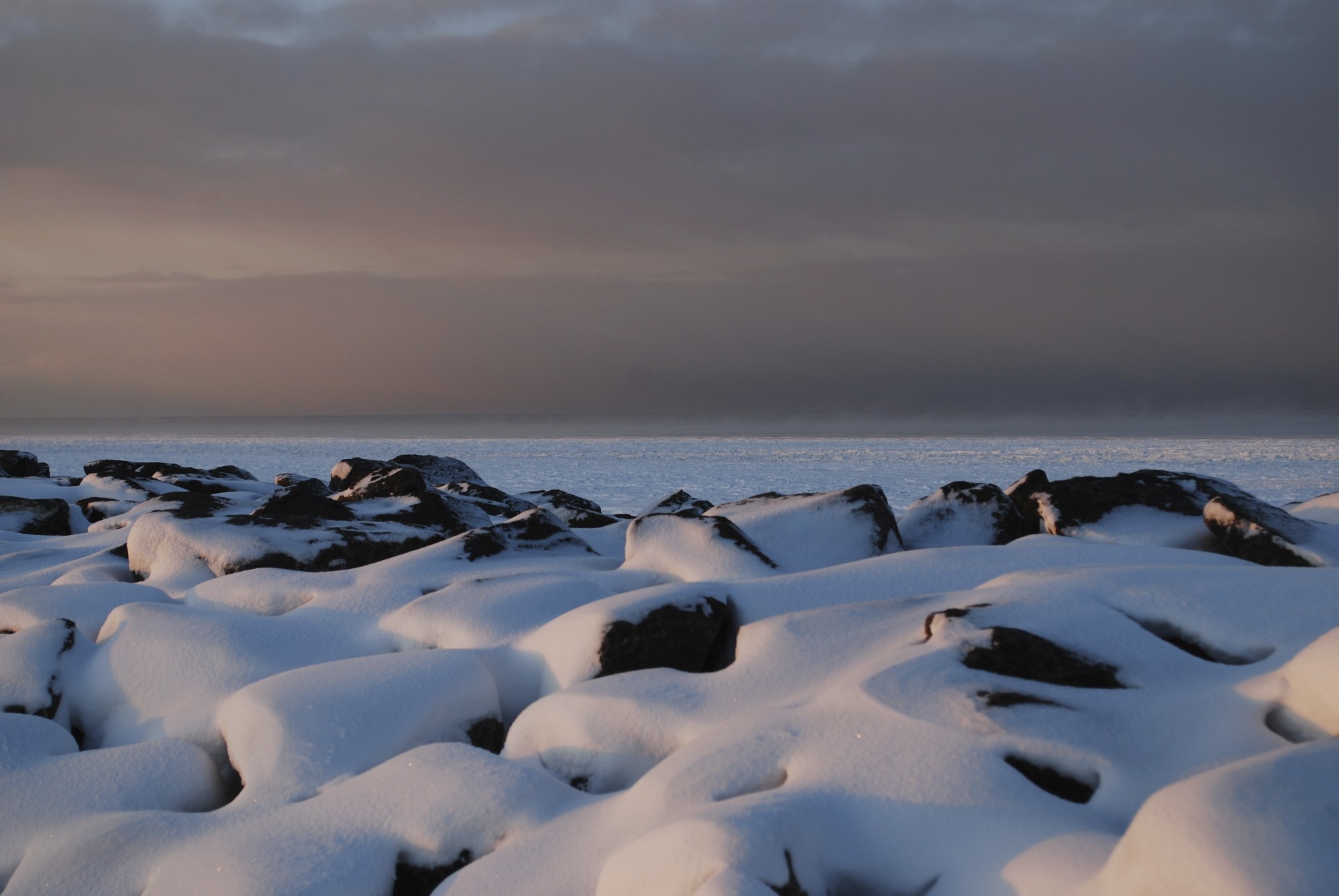
It was about 2 o’clock in the afternoon. The snow had stopped and the clouds broke. The slanted sun rays kissed the freshly fallen snow. The sky was painted with pinks and oranges. The sunshine looked…warm. But don’t let the sun rays fool you. The village thermometer read 12 degrees at the end of our walk. A couple of hours later, the village thermometer fallen to 6 degrees. I think I’m finally getting the winter weather I’ve been asking for.

One man’s trash

The dump.

City girl lands in bush Alaska. So, when’s trash day?

I’m not really that clueless. So, how does the trash get to the dump? There is a plywood box with a hinged lid by the end of our house. We take the trash out, carefully tied, to the box until there is about a truckload’s worth of trash. When we first unpacked, the trash accumulated quickly. I am pleased to say it doesn’t pile up as quickly any more. When we have a truckload, we get the key to the school’s truck, fill the back and drive out to the dump, which is about two miles away. We back in as far as we can, dump everything and then (my favorite part!) we light it on fire!

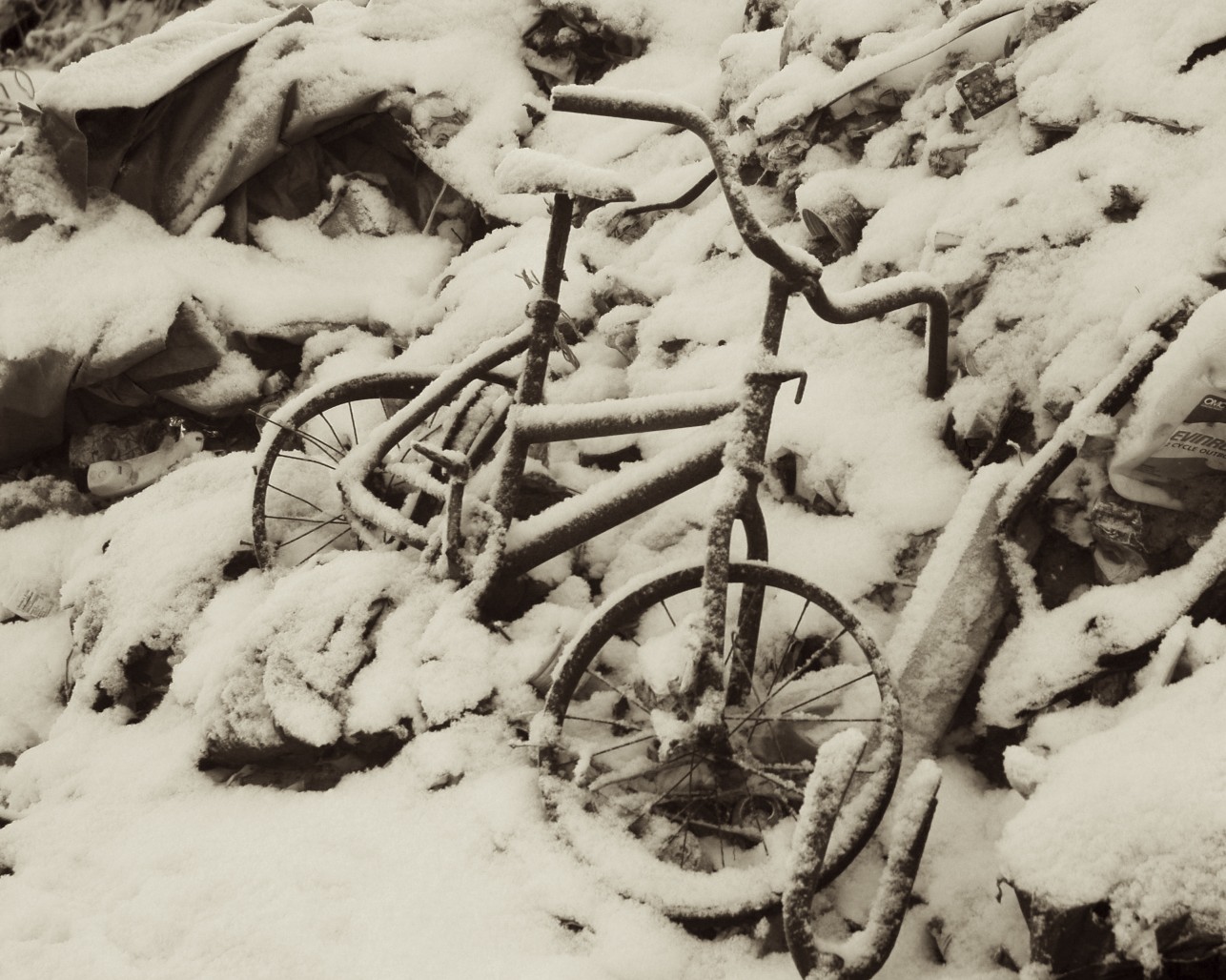
The dump is interesting. Archeologists find so much information about ancient peoples in dumps. The same could be said here. There are thousands of pop cans (up here we say “pop” not “soda”). I have seen different animal skins and all kinds of appliances. We burn everything here. If it doesn’t burn, it will rust or disintegrate eventually (in theory). There are two big incinerators. Relics of someone’s good idea that also has been dumped. The thing that was most out of place was an aged, rusted shopping cart. I can’t imagine how and why that came to Shishmaref.

As far as our contributions to the trash, I have noticed we are not producing much. In Sacramento, we had the smallest trash can available and only filled that halfway every week. We recycled and composted everything. We knew up here that we couldn’t recycle or compost. We were resigned to live with the idea that we would be creating way more trash. Something interesting has happened. Since we bake our own bread and cook everything from scratch, we don’t use packaged items. We reuse ziplock bags and containers to reduce our trash. We rarely drink pop. It seems we are producing about the same amount of trash as we were in Sacramento.

Big Sky

We are always amazed by the skies up here. The combinations of the clouds, sky, and angle of the sun result in stunning views. The morning sky (dawn is about 10:30 a.m. now) is beautiful. The sun peeks over the horizon and paints the clouds with a mesmerizing orange and pink glow. As we head toward winter, the sun makes its way across the sky much closer to the horizon. This means the color and the warmth of light differs from what I’m used to. Most days there are some varieties of clouds in the sky which add to the picture. Sunset these days is around 8:30 at night. A friend took a picture of the most beautiful sunset I’ve ever seen. It will be posted soon.

Frost Clings

Time has extended just past the last weekend of October. It is getting colder. There are enough cold days and nights to allow frost to cling to everything. The grasses by the ocean insist on standing tall in spite of the weight of the frost.

Shades of Blue


In the summer of 2009, we drove over 3200 miles to arrive in Valdez. We were hoping to make it in time for a half-marathon in Cordova, Alaska. It took us six days to drive from Sacramento, through Oregon, Washington, British Columbia, and Yukon Territory and finally through Alaska to Valdez. We drove hundreds of miles per day fueled by eagerness and the energy we absorbed from the incredibly beautiful drive and the daylight that lasted till late at night. The last leg of our journey was the 90 boat trip from Valdez to Cordova.

That sounds pretty doable, right? Never mind that we had just towed our boat behind our truck for all these miles. Never mind that our boat had only about 10 hours on the engine. 10 hours? Yes, Jack and I had taken the boat out of Bodega Bay into the great Pacific a sum total of two times.

We spent the night in the long term boat and trailer parking lot in Valdez. We had prepared the boat, the Gillie, for her journey. We filled her tanks. We scrubbed her down. We loaded her with all that we thought we would need to camp on her for a few days in Cordova. We woke early. She was launched pretty smoothly about 7 a.m. The water was flat. The weather calm and overcast. The further we were from Valdez, the more relaxed we became.

Being very new to boating with the Gillie, we constantly checked guages and our electronics to ensure that all was running smoothly. The main outboard engine was monitored to ensure that it was staying cool.

Ten miles away from Valdez, Jack noticed that the cooling stream from the outboard motor was slowing. It was not “pissing” as it should. Uh oh. We knew we had to shut off the engine and let it cool. Fortunately, we still had cell phone reception. I called the harbor master in Valdez to find out who could work on an outboard motor. Hmmm… no one. Yikes! Now what?

We have an 8 horsepower kicker that runs separately from the main outboard. We started that motor and limped back to Valdez to regroup.

Jack thought to call the motor shop in Sacramento to see if they had any advice. The guy who answered the phone suggested running something long and skinny up the exhaust to see if we could clear it. We found a long zip tie that fit perfectly. After a few pokes and a hard blow on the other end, small stones and dead bugs that had collected on the road spilled out. And then came the clear, strong flow of the cooling water. Thank you to Buck’s Outboard!

It was about noon at this time. The water was no longer flat. The wind had increased a few knots. Should we stay and miss the deadline? Should we go for it?

We went for it.

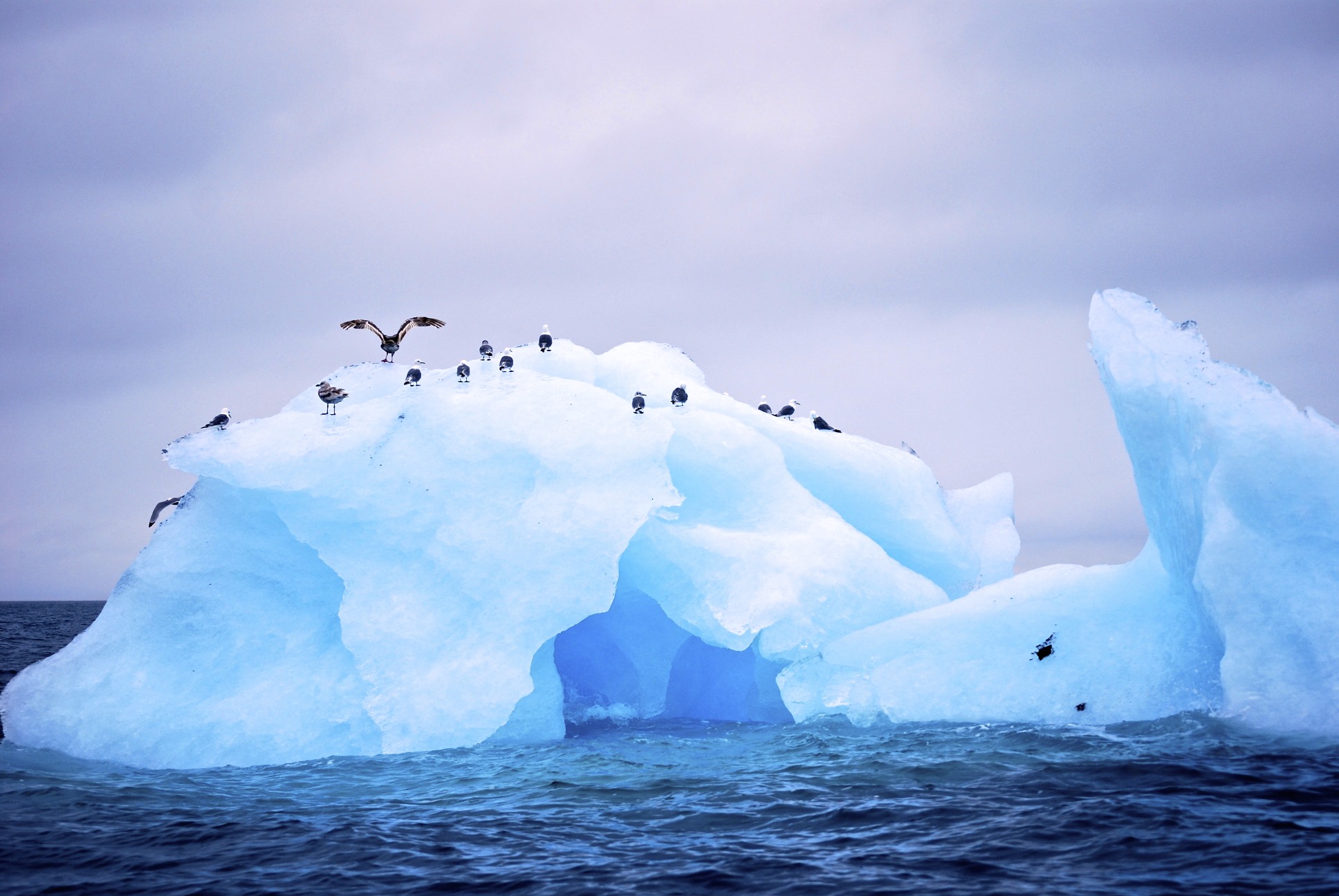
After we passed the place where we had turned back the first time out, we came to a finger of Prince William Sound which ran up as far as the Columbia Glacier. Someday I hope to see this glacier up close. Floating down from this finger where these beautiful sculptures of ice. The blues in the icebergs were amazing. They calmly floated away from the glacier carrying gulls and kittiwakes. The icebergs have these organic shapes that are captivating. The safe arrival in Cordova that evening should have been reward enough. The icebergs were the real reward.

I do enjoy long walks on the beach.


An October snow blankets the beach on Sarichef Island. The sea is still open. For now.

I remember my family taking me to the beach when I was very young. I loved the feeling of the warm sand on my feet and the gentle, salt-scented breeze on my face. I especially loved the energy I felt from the crashing waves. Sometimes when we had to go home, when we had to leave the beach, I would cry. Now, my home is a two-minute walk from the beach. Even though we’re only 22 miles south of the Arctic Circle, in late summer the days were surprisingly warm. Temperature weren’t much different from those on beaches in Northern California or Oregon.

But that was two months ago. Soon, the sea will freeze. On our daily walks along the shore, we notice patches of ice on the sand, and the near-shore water where it is most shallow is slushy at times. Most of the shorebirds are gone now.

Shishmaref 2010

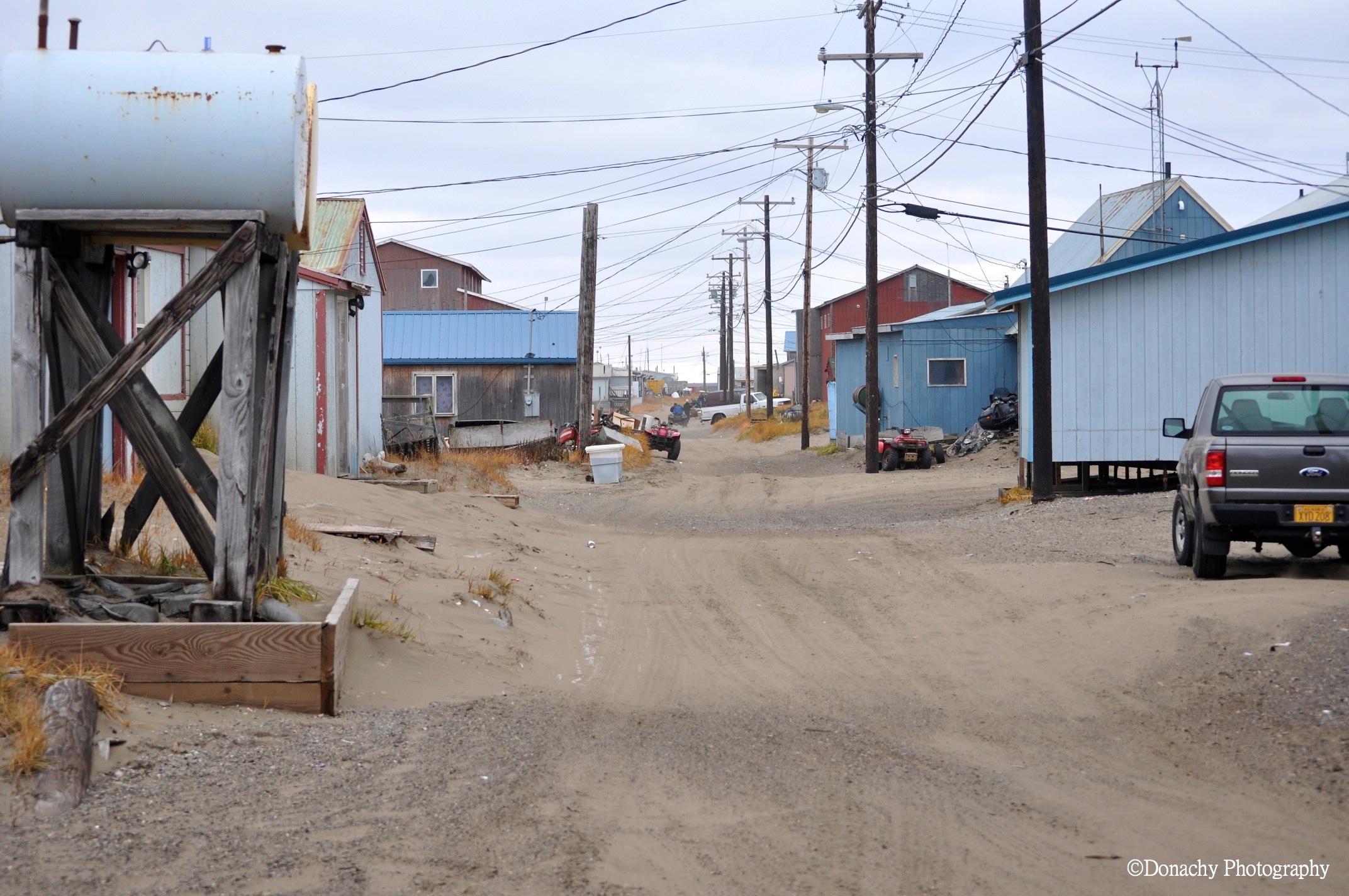
Golden tufts of grass offer a tell-tale that Shishmaref’s short summer has ended. In another two months, Main Street (shown here) will be covered in snow and snow mobiles, which are locally referred to as snow machines, will replace the few trucks as means of transportation. The ATV’s, known universally as Hondas in the Alaskan Bush, are pressed into service the year around. 

We spent this last summer traveling and moving from California to Alaska. I had promised to start a blog when we finally settled in. With this promise in mind, I contemplated… “Where do I start?”

Where did the adventure of Alaska begin for me? There was the decision to apply for jobs in the bush. No, it was before that. The beginning started during our 42 day adventure to Alaska and back in the summer of 2009. Actually, that was not really the beginning. Before our trip, Jack and I planned and dreamed about spending a summer in Alaska for three years before our trip. We poured over maps. We read everything we could get a hold of about camping and fishing and roaming around Alaska. We subscribed to magazines. We checked anything and everything on the internet that seemed relevant. I would read a book and Jack would read a different one and then we would trade.We had no boundaries. It could be a boating trip. Maybe a car camping trip. Time limits would not hold us back. We could spend a summer. A whole year was not out of the question. The rule was no rules. We had a huge map of Alaska tacked up on foam board so we could pin ideas onto the map. It was exhilarating and revitalizing to research and plan this adventure.

When we finally had outlined our timeline and itinerary of our trip, I was so excited I couldn’t sleep. Was that the beginning?

I thought about my personality. An Alaskan adventure was a metaphor of something true to my core. I have always wanted to be on the road and have always wanted to be outside where most people haven’t been. So the beginning has always been there in seed form. It was just a matter of nurturing the seed and bringing it fully to life.

When we flew into Shishmaref this summer and I saw Shishmaref from the co-pilot’s window from where I was sitting…tears came to me eyes. I inhaled a deep breath and thought…this is the beginning.