At The Gobi Desert’s Flaming Cliffs: a love of books – and the problem with bucket lists

A favorite “us” photo: At the Flaming Cliffs in Mongolia’s Gobi Desert. October 23, 2014

Growing up, I didn’t have many of what might properly be called “toys.” When I was young, friends would come over, look around, and complain, “There’s nothing to do.” And thereafter find reasons to not come over.

But I did have books. A few. And among those few were a handful of treasures I read over and over. They included Volume I of the Reader’s Digest Best Loved Books for Young Readers series. The volume was comprised of a four-story collection of abridged books which included Treasure Island and Call of the Wild, the latter tale so riveting I read it 13 consecutive times the year I was in third grade – with a flashlight under my blankets long after I was supposed to be asleep, in the backseat of the car, on my lap (second row, fourth seat) during Mrs. Dull’s third-grade math lessons. Other books included Our Amazing World of Nature, The Golden Book of The Civil War, a book titled something along the lines of George Washington and the Revolutionary War, all 20 volumes of the Pictorial Encyclopedia of American History, and Digging for Dinosaurs which included a Panorama slide show and a 33⅓ rpm vinyl record featuring Walter Cronkite’s resonant narration. Of course, there were other books, most treasured among them field guides for children – Golden Guides to fish and insects and a Peterson guide to seashells.

The funny thing – strange funny – is that for the most part these books either seemed to have always been there, on shelves in my room, or were presented to me with little ceremony. I never asked for any of them that I can recall, but they became a significant part of my world in a home in which I didn’t fit in and subsequently spent a great deal of time by myself in the forest that extended for limitless miles behind our home and upstairs in my bedroom stretched out on the bed or the floor, chin in palm, lost in the dream-world of a big-hearted dog going home to his wolf-roots in Alaska, battlefield maps, fascinating and fantastic stories about wild animals, pirates and their ships, and the lost world of dinosaurs. And whereas my parents subjected me – and themselves – to an unhappy annual ritual of ignoring whatever I’d asked for on Christmas and birthday wish lists, instead presenting me with things entirely unexpected, and then, after family friends and relatives saw that I had received a very fine gift indeed, taking away that gift when eyes were no longer on us, the books remained. Thus they were among the very few things I could think of as “mine” in a home where I was admonished by my father that “everything” belonged to him and to her, that nothing was mine, and that I needed to understand that “if you’re going to live here.” But the books were mine. None were ever taken back. They became a source of… safety. Peace. Comfort.

In the dinosaur book, there was a photo of fossilized eggs arranged as on desert earth as though in a nest – the first dinosaur eggs ever discovered, an incredibly important and exciting find. Text placed the nest in the Gobi Desert’s Flaming Cliffs. And so I grew up dreaming of sailing ships and seashells, of a world where, like Reddy, I might be freed from my present circumstances to go and live with my grandmother and know what love is. Alaska was mixed in with those dreams, along with a fascination with fish and insects, and though my interest in battlefields and wars has flagged, early reads in history brought with them an awareness of Native Americans, leading to my discovery of Dee Brown’s Bury My Heart at Wounded Knee on my parents’ shelves the year it was published. I was 12. I pored over the book, fueling dreams of experiencing life among Native Americans. Feathered in among all this was the thought that maybe one day I would go to the Gobi Desert and find fossils on my own.

And so it came to be. Not eggs. But we found fragile fossilized remains of something large and dinosaur-like.

Two thoughts:

There is nothing like a well-written book in the right hands and the good fortune of being left alone for shaping dreams.

and

The problem with so-called bucket lists – a list of this and that to be chased down or “accomplished” before one “kicks the bucket” – is that the very name makes too great a nod to death. Experiences should not be guided by sand funneling through an hourglass. So here’s a different way to look at our dreams and the experiences we might wish to have.

No lists, and none of the randomness and disconnection between items implied in the term “list.” Milk, celery, double AA batteries, nail polish… randomness is fine as a prompt when grocery shopping, but that’s no way to live a life. No grail-chasing. No doomed-to-failure race against mortality.

Instead, imagine the coolest version of yourself you can imagine… and then go be that person.

Khongoryn Els: The Gobi Desert’s Singing Dunes

It was a long held dream to walk along the ridges of Khongoryn Els, the Gobi Desert’s famed Singing Dunes. Mongolia, October 19, 2014

There are several examples of singing sands around the world. Not to be confused with the pleasant squeak sand sometimes makes as one walks along a beach, these dunes really do sing, producing a range of eerie, harmonious and lovely tones as the wind reshapes the peaks and ridges, causing individual grains of sand to rub against each other. Even the mini avalanches of sand caused by walking can produce music.

Yolan Am (Lammergeier Valley): a disappearing ice field in Mongolia’s Gobi Desert

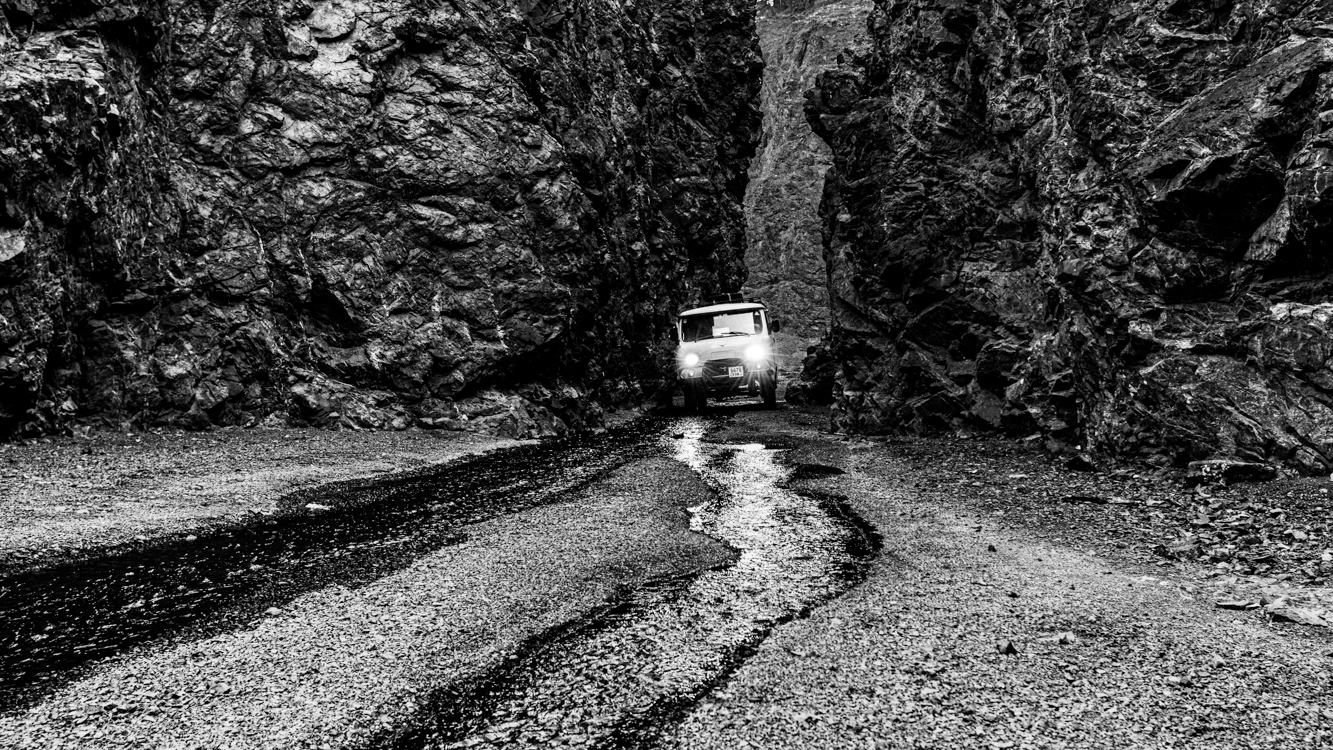
Our driver maneuvers the Russian-built van we were traveling in through a narrow passage in Yolan Am, a gorge in the Gobi Desert named for the Lammergeiers (Bearded Vultures) which are fairly common there. The stream is you see in this photograph is what remains of a thick ice field that builds up in the gorge each winter. In years past, the ice remained year-round. These days, the ice is mostly gone by fall. Gobi Desert, Mongolia, October 19, 2014.

Our brief time in Yolan Am, a narrow gorge in the northern Gobi Desert, was a highlight of our two years in Mongolia. We encountered a number of Siberian Ibex there – the Eurasian wild Mountain Goat, the males of which sport massive, backward curving horns -, a Central Asian Pit Viper, raptors including eagles and Lammergeiers, Red-billed Choughs, Chukars and other birds, Mongolian Pikas, gerbils and other wildlife. We stayed in a nearby ger, a yurt-like home common in the Mongolian countryside, and kept our energy up on traditional Mongolian fare (goat meat and mutton are commonly featured).

The Yolan Am Ice Field, which formerly became several meters thick over the course of each winter and remained throughout the year, now becomes a small stream by early fall. If you get the opportunity, by all means go. The entire Gobi Desert region is fascinating. And things are changing. Quickly.

Red-billed Choughs at Dusk

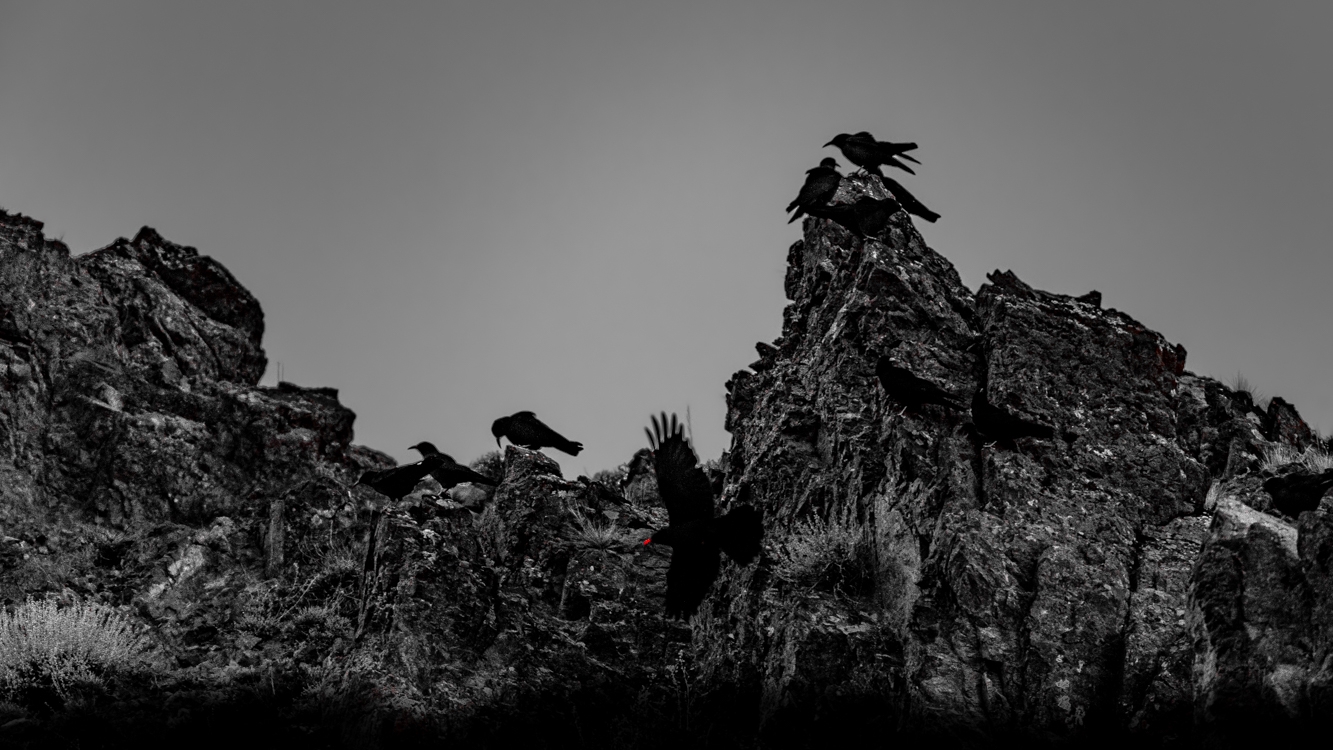
Red-billed Choughs at Dusk Gobi Desert, Mongolia, October 20, 2014

I decided to render this as a subtle duotone – a two-colored photograph – by enhancing the red on the one (and only) bill that showed the characteristic coloration of this corvid species. There was very little light when I captured this hand-held image; thus the remaining bills on these otherwise mostly black birds appear in colorless silhouette. Duotones can feel a bit gimmicky, but I like the effect here. What do you think?

I have begun working on a color portrait of one of these fascinating birds and will publish it tomorrow if all goes well.

Bactrian Camels, Gobi Desert, Mongolia (and the question: Should I set my digital camera to RAW or JPEG?)

Bactrian Camels in early morning light, Gobi Desert, Mongolia. October 19, 2014
See the original RAW file below.

There is not a clear date as to when we began to routinely create our images in RAW format. Most (all?) of the instructional material we had studied paid too little attention to this matter, or waffled on it, and so we didn’t appreciate the differences in the two formats.

Now we shoot everything – every image we might ever use other than strictly for ourselves – in RAW. Which is to say that while we sometimes use our phone to make a quick JPEG photo of our very fine kitty-cats Georgie and Kita for Facebook, or to take a field shot of a mushroom or flower we wish to identify, we’ve pretty much given up the idea that a JPEG file will suffice when we want to capture anything more than a quick record. We say that even though we have published photographs from original JPEG files in national magazines. And we say that knowing that at least one friend scored a national magazine cover with a JPEG phone shot.

So, yes, it’s possible to get a very nice capture in JPEG. In fact, oftentimes sports photographers shoot in JPEG – particularly when getting a photo out to a publisher in a timely manner is paramount. In a well-lighted stadium filled with agreeably contrasting colors, there may not be a need to retouch a photograph. Similarly, on a blue-sky mid-day at the beach, there may not be much – or any – advantage to capturing the scene in RAW format over JPEG.

But setting such circumstances aside, one’s odds of making a satisfying image increase if one begins with a RAW file. That same beach in soft morning or evening light or under a sky filled with storm clouds will photograph with more richness and subtlety when captured as a RAW file.

However, shooting in RAW is predicated on having the ability to retouch (process) the original image file in Lightroom or some similar program – and then committing oneself to doing so. Because the drawback to shooting in RAW is that images tend to look flat until they’ve been retouched.

This is the original RAW file of the above photograph. The sky is lighter, shadows are so dark details are lost – which also makes it more difficult to distinguish the outlines of individual camels-, the eye of the center camel is flat, there is less texture in the hair and the sunlit faces lack subtle variances. It’s all there… all of this information… in the RAW file. But it must be brought out in the retouching process.

So…

Generally speaking, if one’s objective is to take good – and perhaps sometimes even beautiful – pictures for an audience of family and friends, or simply to make a field record for one’s own use, and to do so with as few complications as possible, set the camera to JPEG, shoot away, and have fun.

If one’s objective is to more consistently create beautiful and even artistic images, set the camera to RAW, and then commit to evaluating and retouching images with editing software. Such software is the digital analog to processing film in a darkroom. Because a RAW image contains much more information than does a JPEG image, the software will provide more control when it comes to adjusting white balance, bringing out detail in shadowed areas, fine tuning color, sharpening details and controlling the amount of noise in an image.

One place the difference between RAW and JPEG most obviously manifests itself is in skies. Generally speaking, there’s not a lot that can be done to a sky in JPEG before noise – graininess, weird colors, strange lines – begins to emerge. RAW provides considerably more latitude before noise emerges… and once you begin to notice noise in images, you can’t stop noticing it.

Which brings me to this concluding observation. Whether one wishes to grow as a writer, musician, fly-fisherman, photographer, chef or in any creative activity, next to studying the accomplishments of others and applying the lessons therein, there is no substitute for mindful, purposeful self-editing. If you shoot in RAW, you will be compelled to edit your work.
Growth will come from that.

After the Dzud (зуд): Camel Skull, Gobi Desert

Camel Skull, Gobi Desert, Mongolia, October 18, 2014

A dzud (zud, зуд) is a weather-related phenomenon in arid parts of central Asia. It could be heavy snow or ice; or a lack of snow or rain; severe cold; drought. Any widespread weather pattern that prevents livestock from obtaining sufficient food or water. Mass deaths… and economic disaster for the semi-nomadic families who follow their animals – goats, sheep, yaks, camels, horses – from place to place across steppelands, grasslands and desert. Roughly a third of Mongolia’s 3.3 million people live this life – among the world’s last nomadic herdsman.

Oasis in the Southern Gobi: A Camel-Back Trek

Buntings framed by desert wood n

Brown with October’s cold, a gnarled desert tree frames buntings (possibly Jankowski’s) (Emberiza sp.) near our ger in Mongolia’s southern Gobi Desert .

A few miles south of the Khongoryn Els singing dunes marked our southern-most push into the Gobi.

OLYMPUS DIGITAL CAMERA

A herdsman’s goats crowd around a rare source of water. 

black-tailed gazelle against dunes n

While driving, we encountered a species of gazelle that was new to us – black-tailed gazelle (Gazella subgutturosa).

black-tailed gazelle n

The black-tails proved to be every bit as skittish as the Mongolian gazelle we’d been seeing throughout the trip. 

After driving through an expanse of mostly sand and rock, we came into an area of small trees, shrubs and tall grasses, evidence of water close to the desert’s surface. The family gers there would be our camp for the next two nights. With water available, one of our first orders of business was good hair shampooings all around. This was to be the closest thing to a shower we had during our eight-day trek, and it was decidedly refreshing.

OLYMPUS DIGITAL CAMERA

Jimi Carter and I lug water cans to our ger for impromptu hair washing. The effects of the mini-shower were immediately spirit lifting. 

gerbil in s gobi

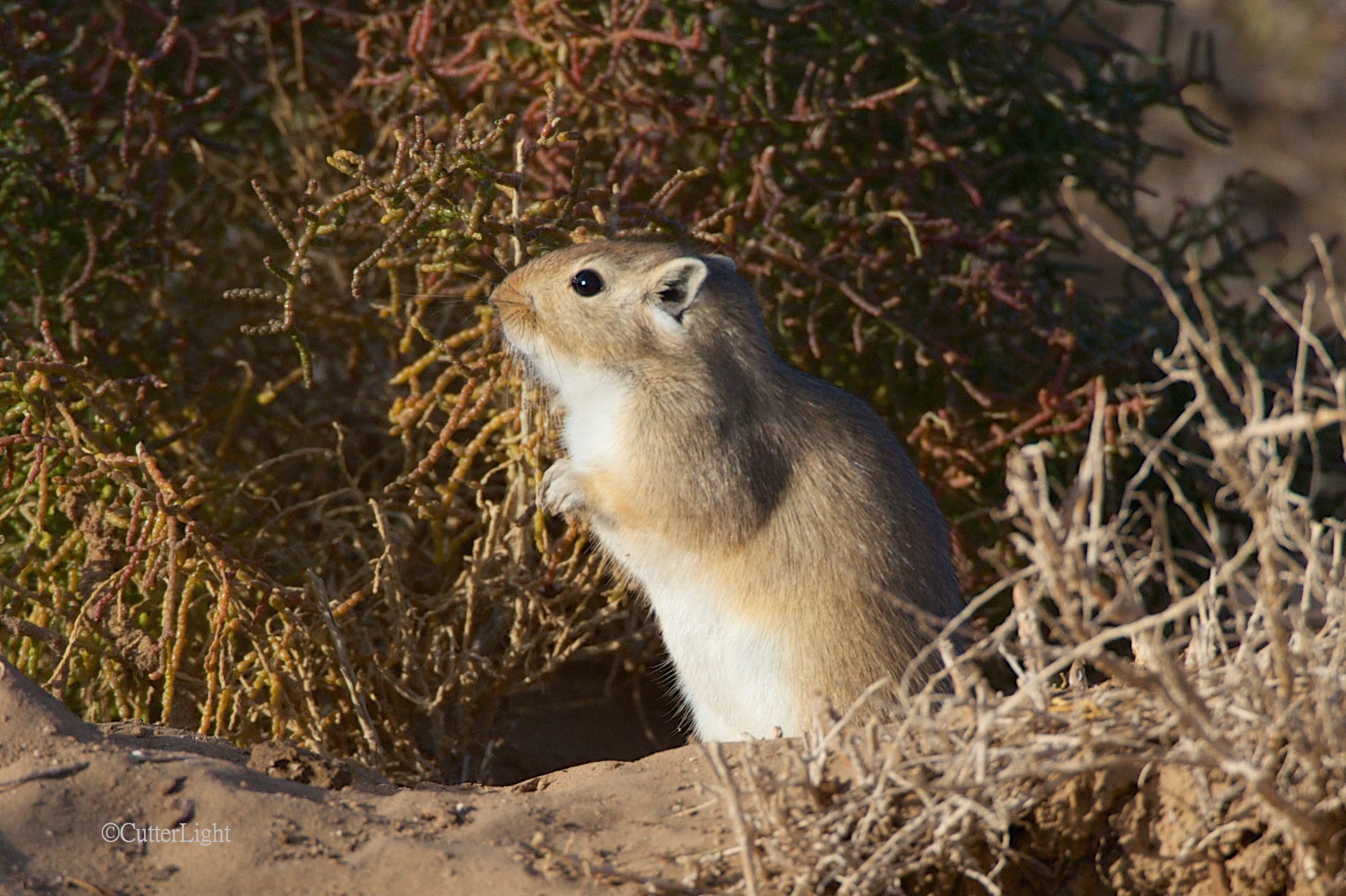
There was a large gerbil warren not far from our camp – and signs that a fox had recently visited it. 

OLYMPUS DIGITAL CAMERA

For dinner, the appetizers featured steaming bowls of temeni suute tsai (suu – te – tsay) – camel milk tea, fried bread and camel milk aarts. Aarts is similar to sweet, mild cream cheese. It was absolutely delicious, and we had to remind ourselves to save room for the main course – goat with a variety of goat meat sausages. 

sunset south gobi

The sunset that night was, as usual, spectacular. 

OLYMPUS DIGITAL CAMERA

This was the most spacious and ornately decorated ger we stayed in. Note the bag of aarts – camel milk cream cheese – on the right wall. After breakfast, our host rounded up several camels for our trek to a set of dunes about three miles from the ger. 

OLYMPUS DIGITAL CAMERA

Decked out in a traditional dell, our driver, Nimka, (foreground) and our host were ready to mount up and lead the way to the dunes.

cinereous n

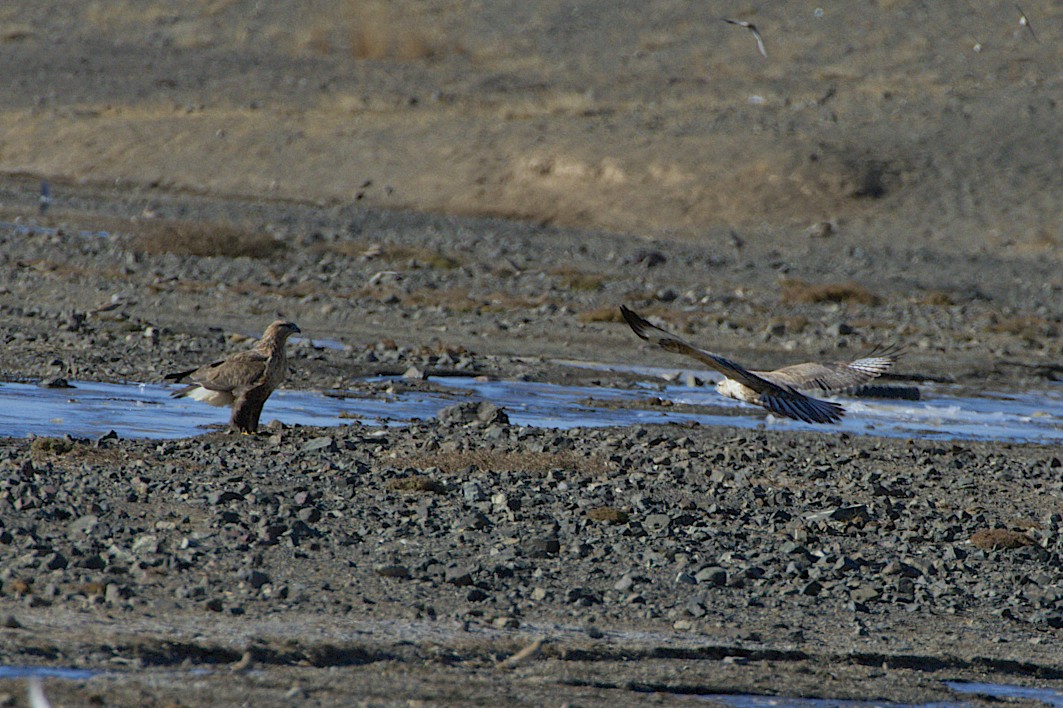
Raptors use the dunes as perches and hunting grounds. Here a cinereous vulture (Aegypius monachus) executes a take-off… 

common buzzard n

…and a common buzzard (Buteo buteo) soars above the landscape scanning for prey.

OLYMPUS DIGITAL CAMERA

Evidence of a successful hunt. The porcupine-like quills are those of a hedgehog. We found several of these pellets along the ridge of the dune. Birds of prey regurgitate the undigested parts of the birds and mammals they dine on.

OLYMPUS DIGITAL CAMERA

Camels tethered below, we ascended a fairly steep dune where we’d seen raptors perched. Although we never did encounter a fox, once again their tracks were present, along with those of hares. 

OLYMPUS DIGITAL CAMERA

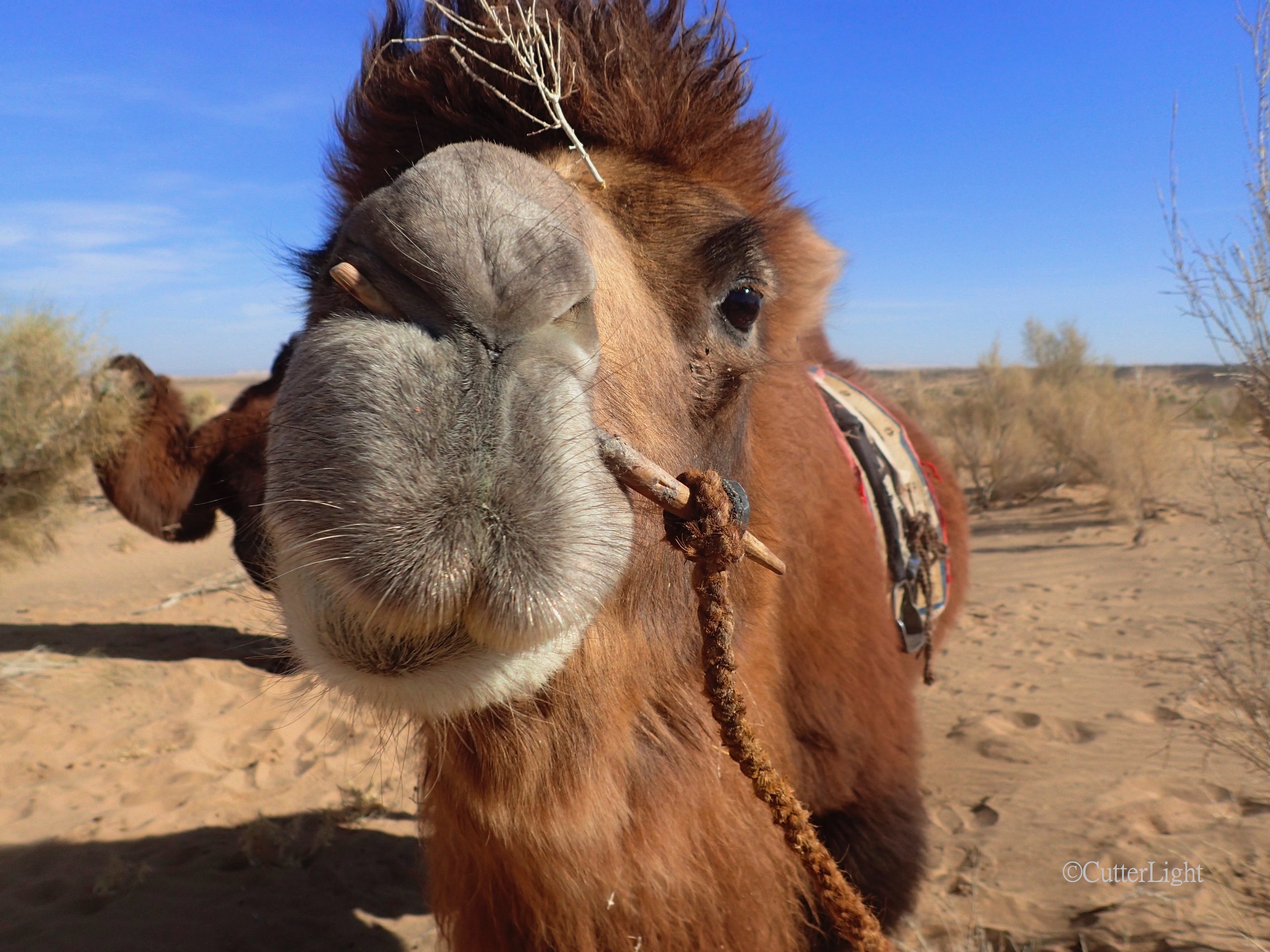
We named our camels for the trek. Here Barbra’s camel, Timmy, hams it up for the camera. (The Mongolian word for camel is teme – hence Timmy the teme.)

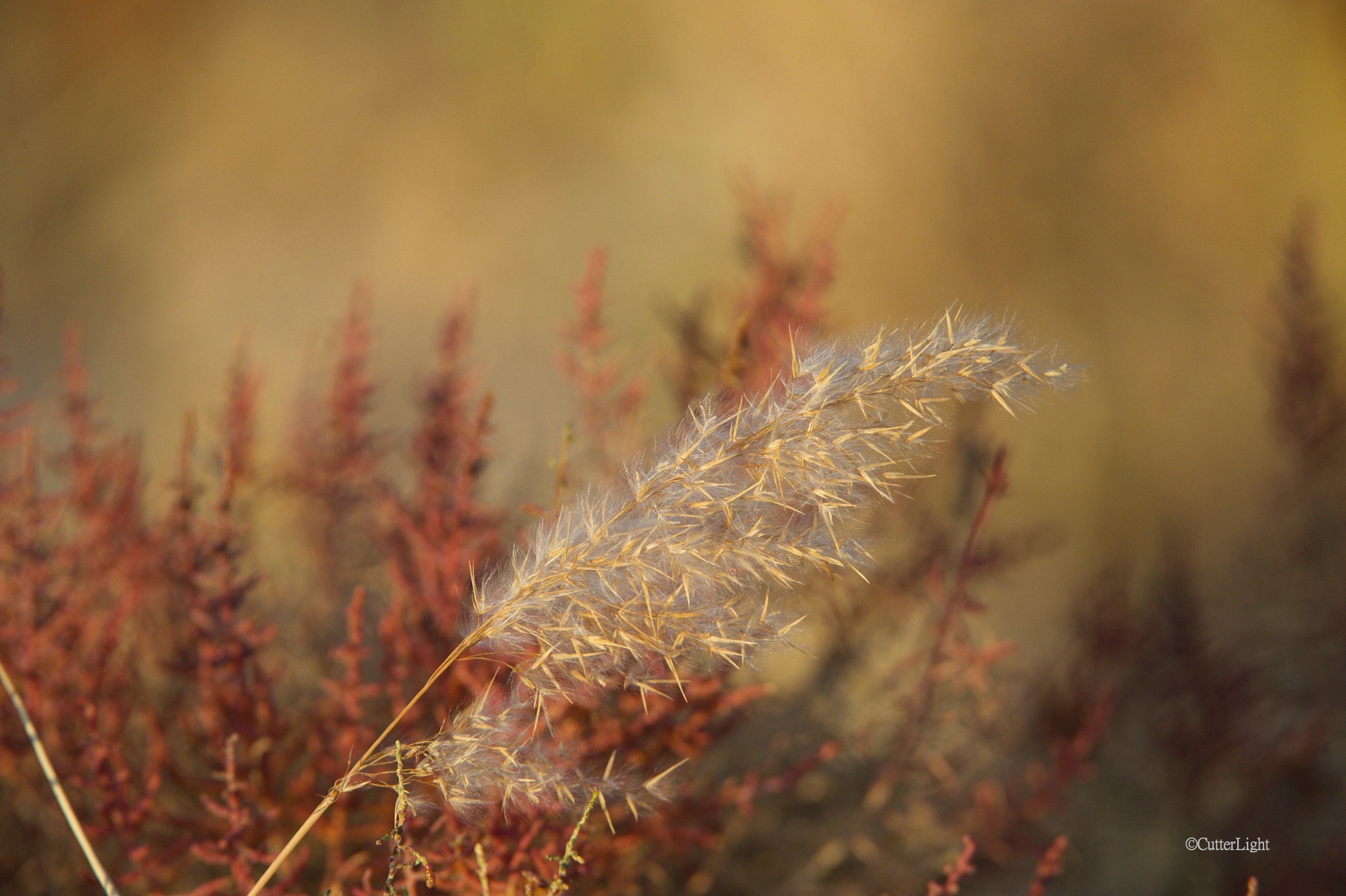
Below: Surprisingly lush growths of various seed producing grasses provide forage for the abundant bird and rodent populations, which in turn provide prey for foxes, wolves and the Gobi’s numerous raptors.

wheat grass wild n

red grass on wheat n

backlit seed head n

buntings 2 n

In addition to the many buntings and sparrows around this oasis ger, there were times in the early morning when thousands of doves filled the skies. 


Climbing Khongoryn Els: The Gobi Desert’s Singing Dunes

dunes big with human n

Towering nearly 200 meters high, Mongolia’s Khongoryn Els are among approximately 30 “singing dunes” worldwide. Precise balances of humidity, silicon content and sand grain size and shape must be perfect to achieve the deeply vibrating hum these dunes produce. Click any photo to enlarge. 

With each step up the steep slope of the dunes, we simultaneously gained and lost elevation, slipping back with the shifting sand. Although the mid-October day was cool, we were stripped down to jeans and shirts, and would have been more comfortable in shorts. By the midway point, we were drenched with sweat. And that’s about when we began to notice it – an unmistakable vibration that began in our feet and traveled through our leg bones up through our hips accompanied by a low, resonate hum. The sound was audible – sort of like monks chanting “ohmmmmmm” from somewhere deep in their throats.

sculpted dunes 1 n

Wind sculpted sand has fascinated humans for millennia. Views like this were our reward for hiking to the top of the dunes.

barbra climbing dunes n

Water bottle in tow, Barbra takes a breather halfway up the tallest dune. Livestock look like mere dots on the shores of the distant shallow lake. The water is a morning gathering place for doves in the thousands… perhaps tens of thousands.

OLYMPUS DIGITAL CAMERA

The top of the dunes felt like the top of the world –  the perfect place to make sand angels. 

sea of dunes n

Although much of the Gobi Desert is rocky and wet enough to support plant life, the area of the singing dunes is an ocean of ever-shifting sand. See Yolyn Am Canyon: Wildlife Safari amidst Remnants of the Gobi’s last Glacier and The Gobi Desert’s Valley of the Lammergeier.

dunes sculpted contrast n

Dusk was closing in by the time we descended the Khongoryn Els, creating dramatic contrasts along the dunes’ curving edges. 

One of the funnest runs of our lives was racing down the dunes barefoot – a 200 meter decent, big strides landing in soft, cool sand, only slightly tilted away from vertical.


The Gobi Desert’s Valley of the Lammergeier

ibex bull w cow n

On our second day in the Yolyn Am Canyon in mid-October, we encountered more ibex such as this handsome billy. The sheer number of raptors was astounding.

russian van tight squeeze n

Out trusty Russian van slipped through a seemingly impossible passage. Here and there, falcon, hawk and eagle’s nests were perched on ledges along the craggy, vertical walls.

Saker falcon n

A saker falcon stretches his wings during a morning of hunting. 

rough legged hawk wheatears

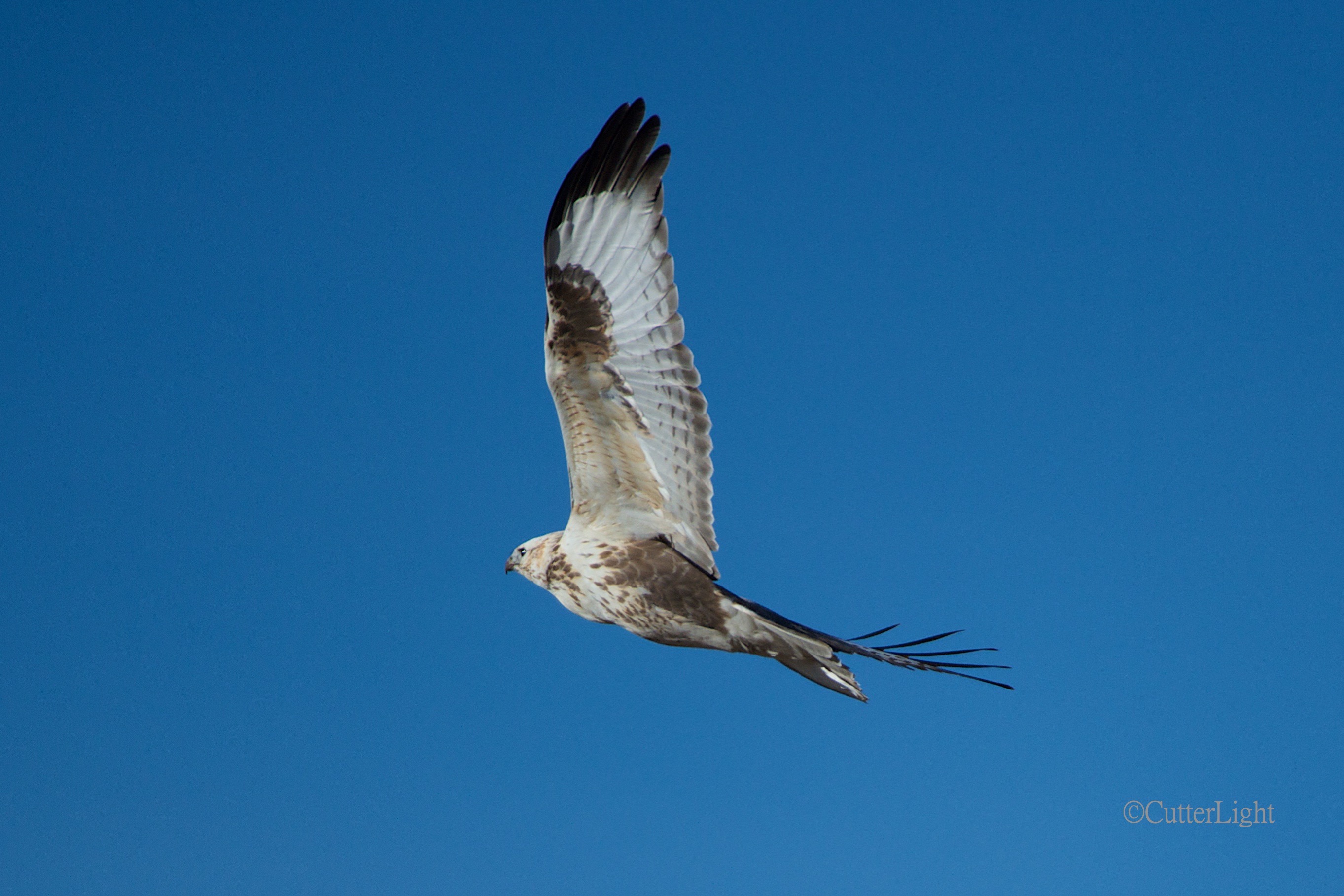
Small birds and mammals abound in the canyon, providing ample forage for raptors and other predators. On this morning, swarms of wheatears seemed oblivious to this rough-legged hawk, which was probably hoping to score one of the canyon’s many small mammals.

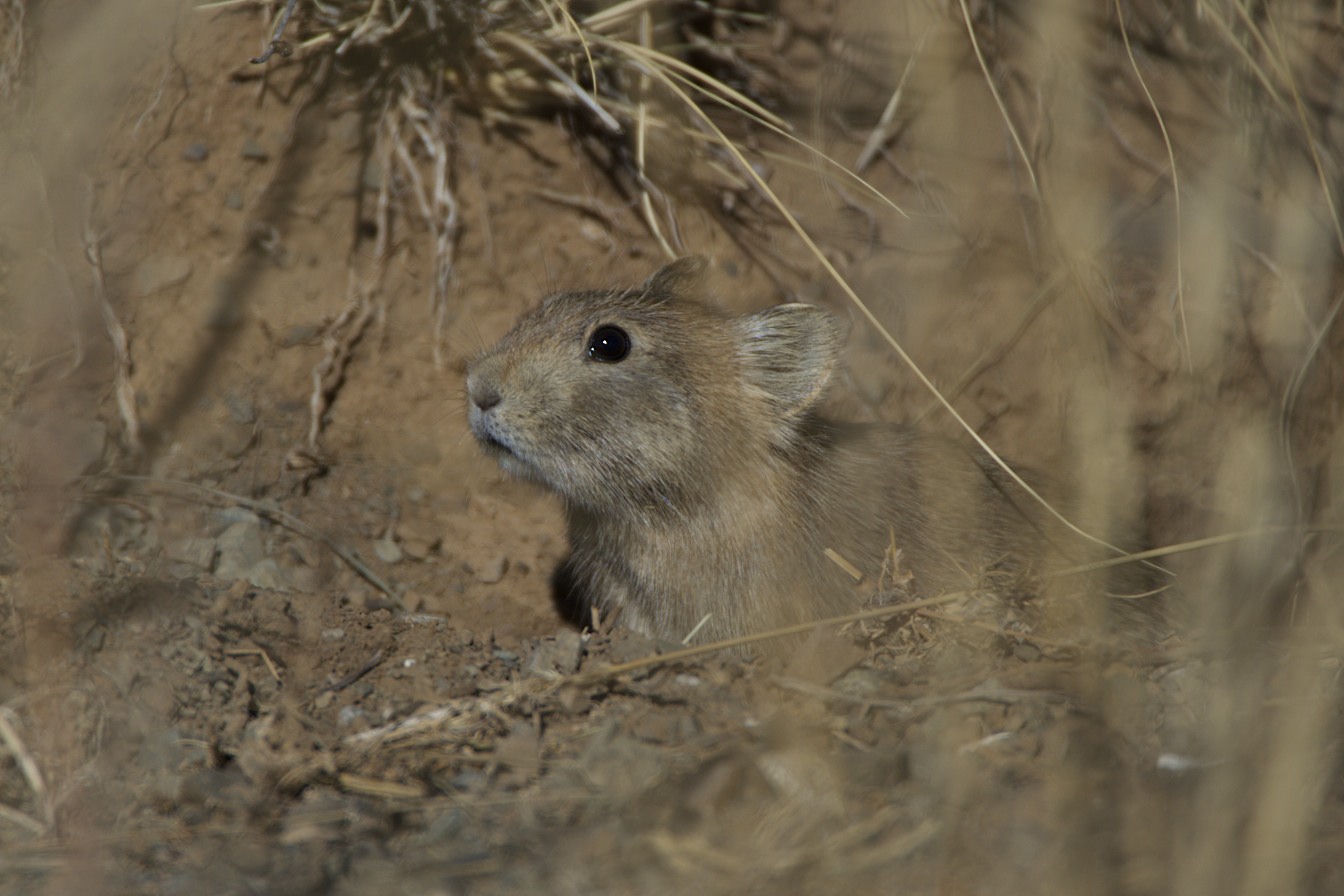
shy pica

This shy pica had good reason to be on high alert. 

rough legged hawk pair

Probably a mated pair, these rough-legged hawks were hunting along a spring creek.

young & female ibex yolyn am 2 n

During our two-day journey on foot and by van through the canyon, we saw over 20 ibex.

bull ibex walking downslope n

Bearded, muscular and with iron-like knobbed horns silhouetted against a blue Mongolian sky, this billy cast a baleful eye on us as he calmly passed by.

lammergeier disapper rocks

The shape of the tail and the gold under the chin make it easy to identify this as the Yolyn Am’s eponymous bird – a lammergeier, also known as a bearded vulture. They kept their distance. We have equally blurry shots of the canyon’s golden eagles. 

OLYMPUS DIGITAL CAMERA

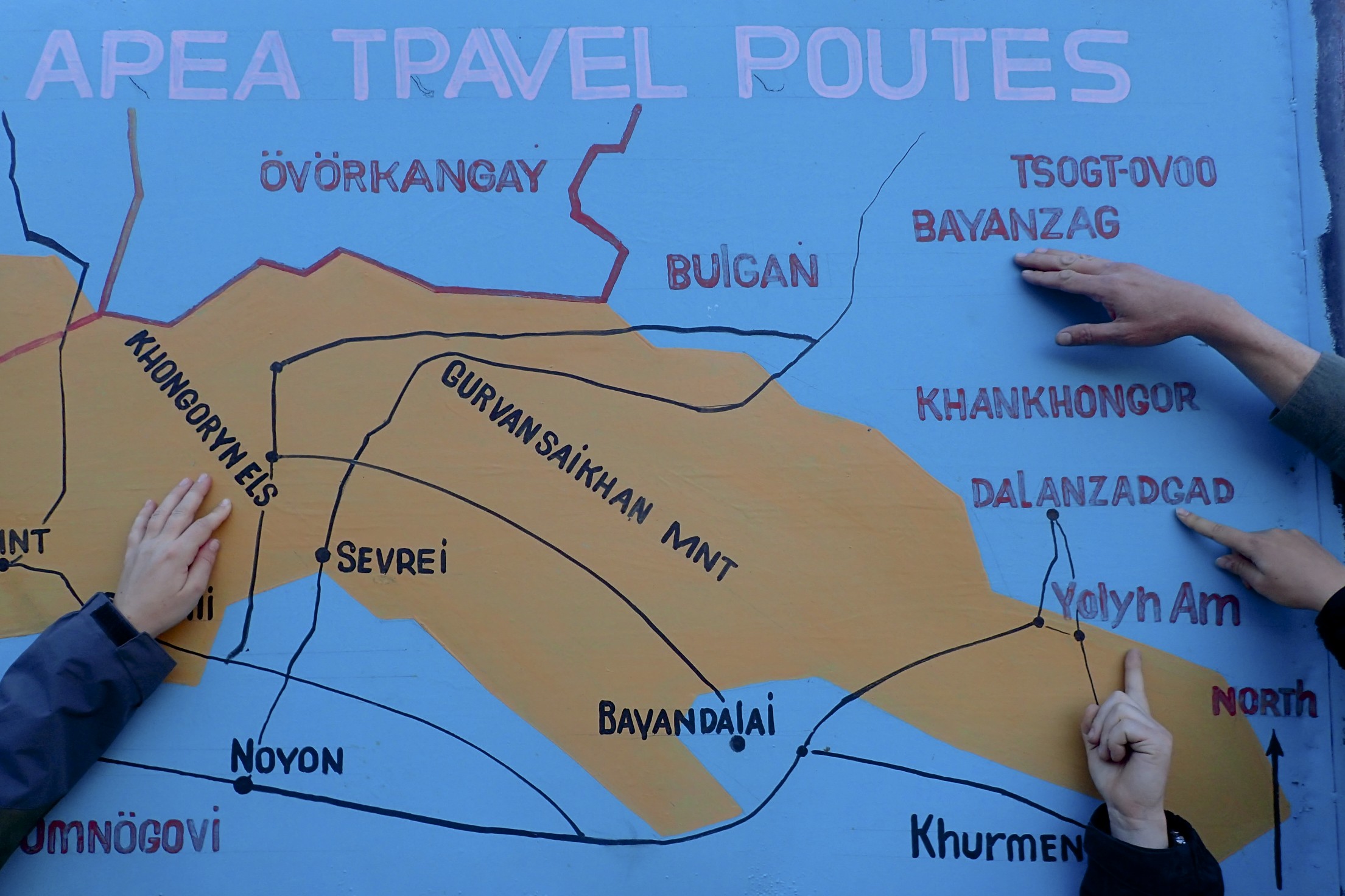
Three-hundred fifty miles (560 km) south of Ulaanbaatar, the Gobi Desert is wild and remote yet accessible. (In Mongolian cyrillic, the   “P’s” are pronounced as “R’s” in English.)

Coming next: The famous Singing Dunes – an Ocean of Sand

Day 3: Tsagaan Suvarga, The Gobi Desert’s White Cliffs – Gazelles and Ger Life

camel skull & white cliffs n

In the distance, Mongolia’s Tsagaan Suvarga – The White Cliffs. In the foreground, a camel skull. A zud (harsh winter) can wipe out hundreds of thousands or even millions of livestock. And yet a hardy breed of people thrive here and in a land where humans and their herds of animals have coexisted with nature for millennia, wild animals are surprisingly abundant.

As we continued our journey south, the land unfolding before us bore little resemblance to what we had imagined the Gobi would be like. Throughout the journey, our van passed through nearly endless mixed flocks of passerines – wheatears, larks, buntings and sparrows. Eagles, hawks, ravens and vultures soared overhead. And there were times when gazelle seemed to be everywhere.

barbra photo camel n

Initially, we had no idea what to expect from the domesticated Bactrian camels we encountered, so we approached with caution. As it turned out, they were even-tempered and in some cases not opposed to having their heads scratched. With thick coats of fur, sturdy legs, heavily muscled bodies and the capacity to go for a full week without water, these magnificent animals have evolved to thrive in one of the world’s harshest environments.

“Would you ride one?” Barbra asked playfully motioning toward the group of camels standing a few meters from us. I could tell by the smile on her face and the twinkle in her eyes that she was in.

“Maybe,” I replied with some hesitation. They appeared to be docile enough.  “But not in circles in some tourist camp. If I get on a camel, it’s going to be to go somewhere.”

In fact, we’d get our opportunity in a couple of days. Between seeing several mammal and bird species that were new to us and after eating and drinking things we’d previously only read about (and in a couple of instances had never heard of) this proved to be a trip of firsts.

gazelle bull vocalizing n

A thick-necked buck (center) vocalizes an alarm to his group of females and young. Mongolian gazelle (Procapra gutturosa) are the definition of skittish. It took our group several attempts before we began to learn how to approach these shy animals closely enough to get decent photographs.

Almost constantly on the move and sometimes covering thousands of square miles in a given year, Mongolian gazelle have adopted a nomadic lifestyle well-suited to the arid steppe and desert. Hunted both legally and illegally, their numbers remain robust at more than a million individuals. On our trip from Ulaanbaatar to the Gobi, we encountered thousands.

gazelle galloping kicking up dirt n

Pounding hooves and flying dirt. Standing about as tall as a man’s knee at the shoulder, these diminutive ungulates are capable of speeds up to 40 miles an hour (65 kph). (Click any of these photos to enlarge them.)

With seven of us in the van along with camera gear, sleeping gear, cooking gear, small chairs, tubs of food, extra water, eight three-liter boxes of wine, gifts for our host families, day packs and clothing bags rattling over steppe and desert, you might suspect we felt crowded and uncomfortable. It amazed us that we did not. We never tired of seeing the wildlife and landscapes and anticipating what might be around the next hill.

Nonetheless, after a day of bouncing across the open range, we were always happy to pull into our next ger, meet our hosts, and settle in.

hostess airating tea horizongtal

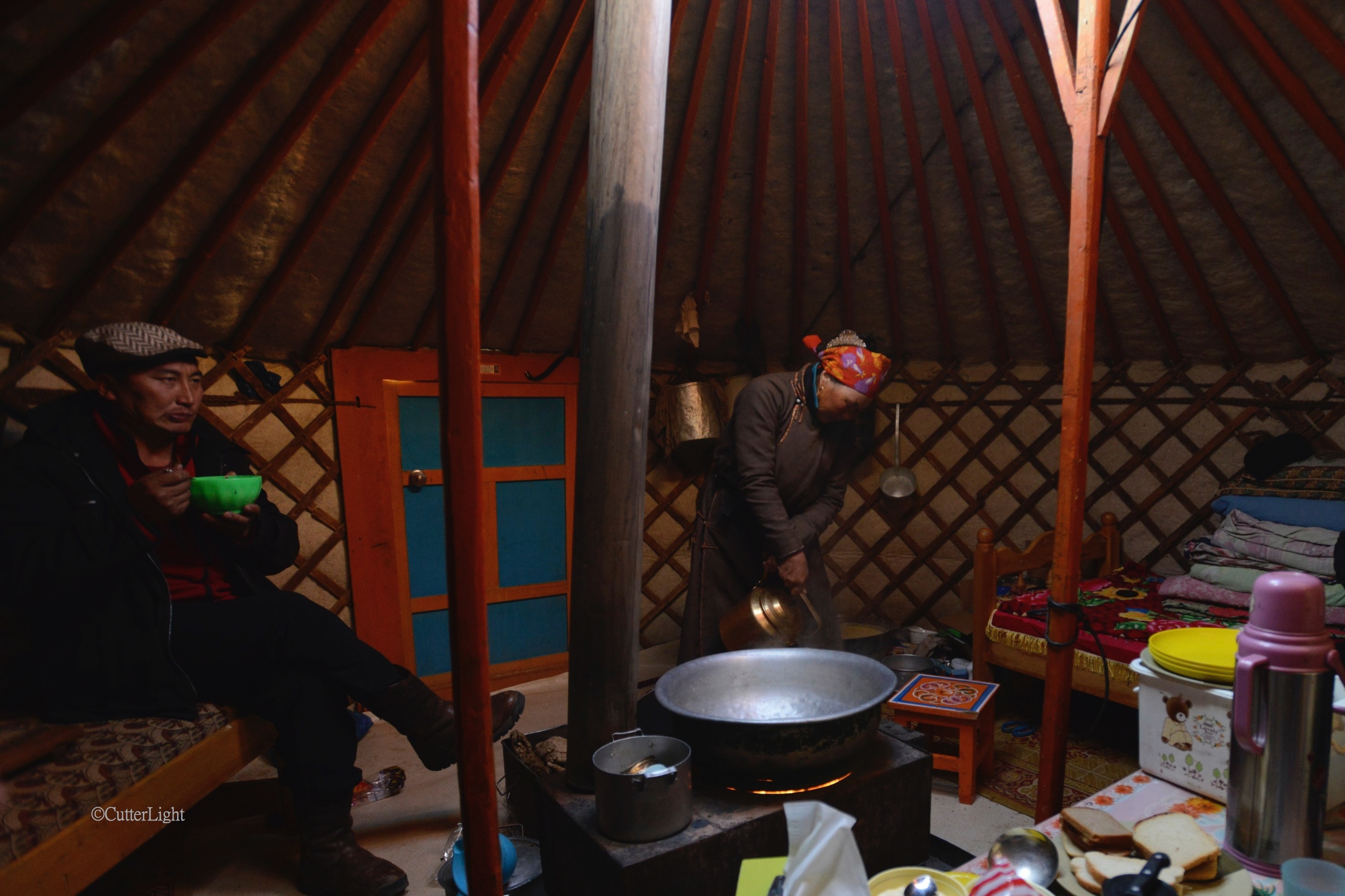
Our hostess aerates a steaming pot of yamani suute tsai (suu – te – tsay) . Goat milk tea is a staple beverage in many Mongolian gers. Adamant non milk drinkers, Barbra and I loved the warmth, nutrition and flavor of this drink and came to look forward to a steamy bowl of it (or of the equally delicious temeeni suite tsai – camel milk tea) before dinner each evening. 

Gers are eminently well-suited to the life of nomadic herdsmen and their families. Round and with conical roofs, there are no flat walls or edges to catch the wind. Covered with felt, they are well insulated. At around 500 square feet, (46 square meters) these one-room homes are an answer to the “tiny house” movement’s quest for a comfortable, efficient living space.

In modern times, many gers feature solar panels and batteries to power TVs and lights. A centrally-positioned steel stove, generally fueled with dry dung, serves as both a cook-stove and a heating system. Typical gers are appointed with wooden-framed beds, a small dining table, a few chairs, and perhaps a chest of drawers or two, all generally brightly colored. If you look around carefully, you’re likely to notice a rifle tucked away somewhere; wolves are still a threat to livestock in many locales, and foxes are common. There is no running water.

red motorcycle & ger n

Although many herdsmen tend their animals on horseback, motorcycles have proved their usefulness as well.

OLYMPUS DIGITAL CAMERA

In the last remaining light of the day, our host prepares a young sheep for dinner. His wife used the entrails to whip up the best country sausage we’ve ever tasted. Nothing was wasted. As the eldest in our group, I was offered dibs on the heart, kidneys, lungs, blood sausage, liver and the highly prized, succulently fatty tail. Some of these were epicurean firsts. Salted and otherwise very lightly seasoned, all were quite toothsome. The cigarette, which our host hand-rolled prior to beginning this chore, never left his lips.

nimka & ger life n

Breakfast. Our driver, Nimka, relaxes with a bowl of goat milk tea in which homemade sausage from the previous night’s meal is steeping.

Jack sipping goat milk tea w sausage n

Following Nimka’s lead, I have a bowl of the same. It was absolutely delicious.

rustic bucket & Ladle n

No doubt the key to the excellent flavor of everything was its freshness. Here is the bucket our hosts used for milking the goats.

photographer jack @ white cliffs n

Looking out over the desert plain from a vantage point on the White Cliffs. Day by day, hour by hour, we found ourselves falling in love with this country.

Next stop: Yolin Am Canyon: Remnants of the Gobi’s last glacier. Ibex, Picas, Raptors and more…