Birds of Mongolia: Daurian Partridge

Daurina partridge pair n

We encountered these softball-shaped Daurian partridge (Perdix daurica) in the pre-dawn of a December trip to Mongolia’s Hustai National Park.

Any day we see a new species of bird or other animal is a good day. On a recent three-day trip to Hustai, we had several such encounters. Nothing was any cuter than these relatives of pheasants and quail that would have fit perfectly in our cupped hands.

daurian partridge back n

We startled them, a covey of 14, as they were feeding on seeds on the coldest morning to date this winter in Mongolia. Maybe it was the sub zero (Fahrenheit) temperatures, or the fact that none of us – including the birds – were fully awake. But uncharacteristically they let us hang around and snap a few photos in the blue morning twilight. The orange beard-like feathers and gray side whiskers are part of their fall and winter plumage. 

Daurian partridge bokeh n

Named for the Daurian region of Russia, the average Daurian partridge is about 11 or 12 inches (28 to 30 cm) from head to tail and weighs around one half to three quarters of a pound (225 to 340 grams). The main part of their diet consists of seeds, which are abundant on Mongolia’s steppe grasslands. Insects and berries also figure into their diet, when available. Partridge are ground nesters, having developed a long-term dislike of heights (such as tree branches) when, Daedalus (father of Icarus of Greek legend) threw his nephew Perdix off the Athena hill in a fit of anger. Not wishing to experience another such fall, members of genus Perdix avoid high places to this day. So the legend goes.

daurian partridge flying away n

But they do fly, and this is the more usual view of Daurian partridge. Twice, previously, while hiking the Mongolian steppe we’ve had our startled hearts stop in our chests as a thrumming whoosh of wingbeats exploded practically underfoot. Once the birds have flushed, it’s difficult to approach them again, although you can sometimes track them down by listening for their rix, rix, rix, call as they regroup. 

Urban Birding in the World’s Coldest Capital City: A Winter Walk along Ulaanbaatar’s Tuul River

redpole on dark background 2 n

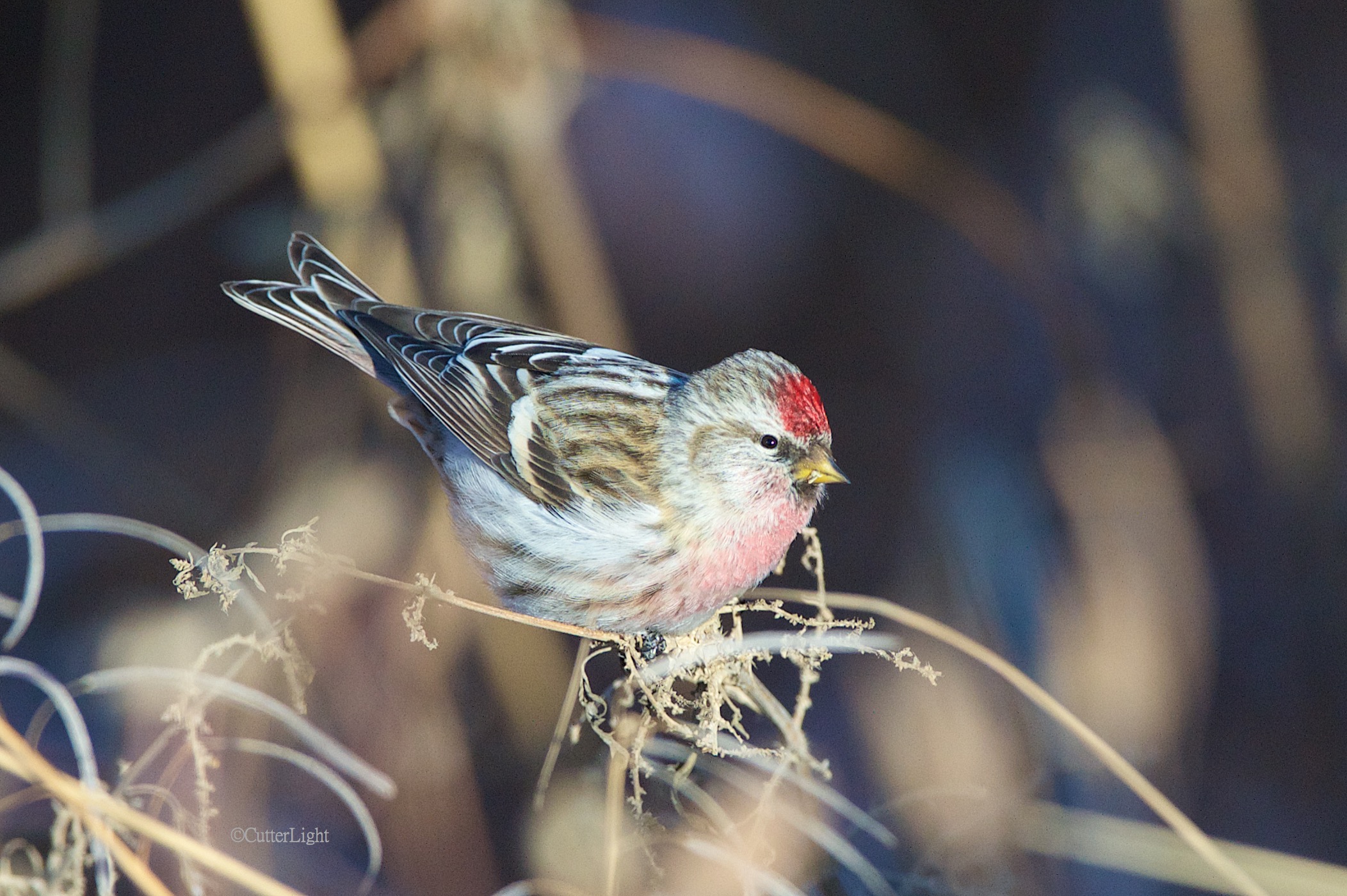
Redpoll, (Acanthis flammea)                                     Mongolian: Дөлөн цэгцүүхэй,

On a December morning with temperatures hovering around -13 degrees Farhenheit (-25 C) we fueled up with bacon and grits and walked from our apartment to the nearby Tuul River to check out the local bird scene.

Ulaanbaatar from frozen tuul n

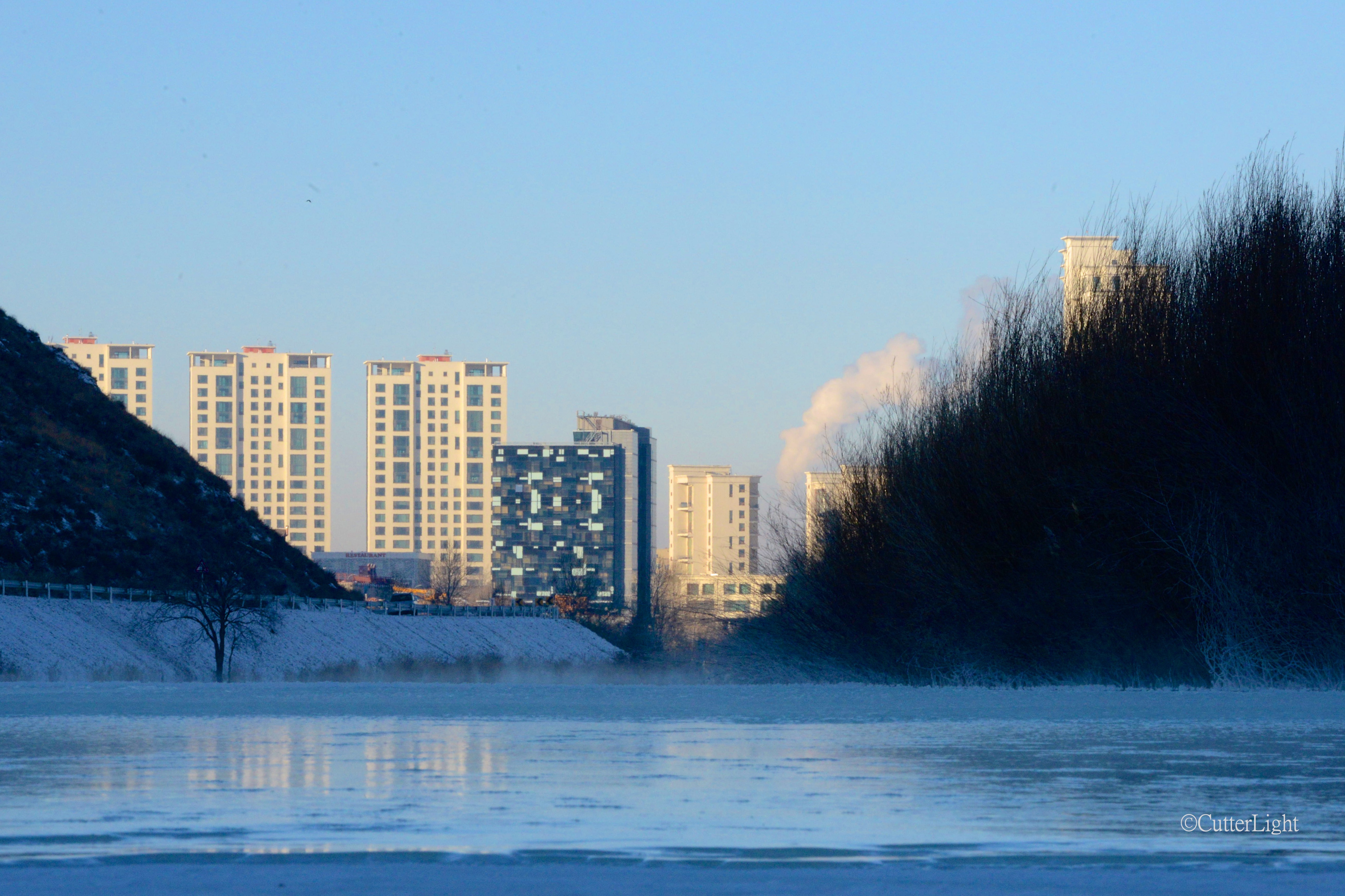
Mist gently lifts from a patch of open water on Mongolia’s Tuul River. Along the shoreline to the right, frosted willows appear as sprays of white. In the background, dawn arrives on Ulaanbaatar, a rapidly growing city of just over one million inhabitants doing their best to stay warm with the country’s abundant coal. 

great tit ground n

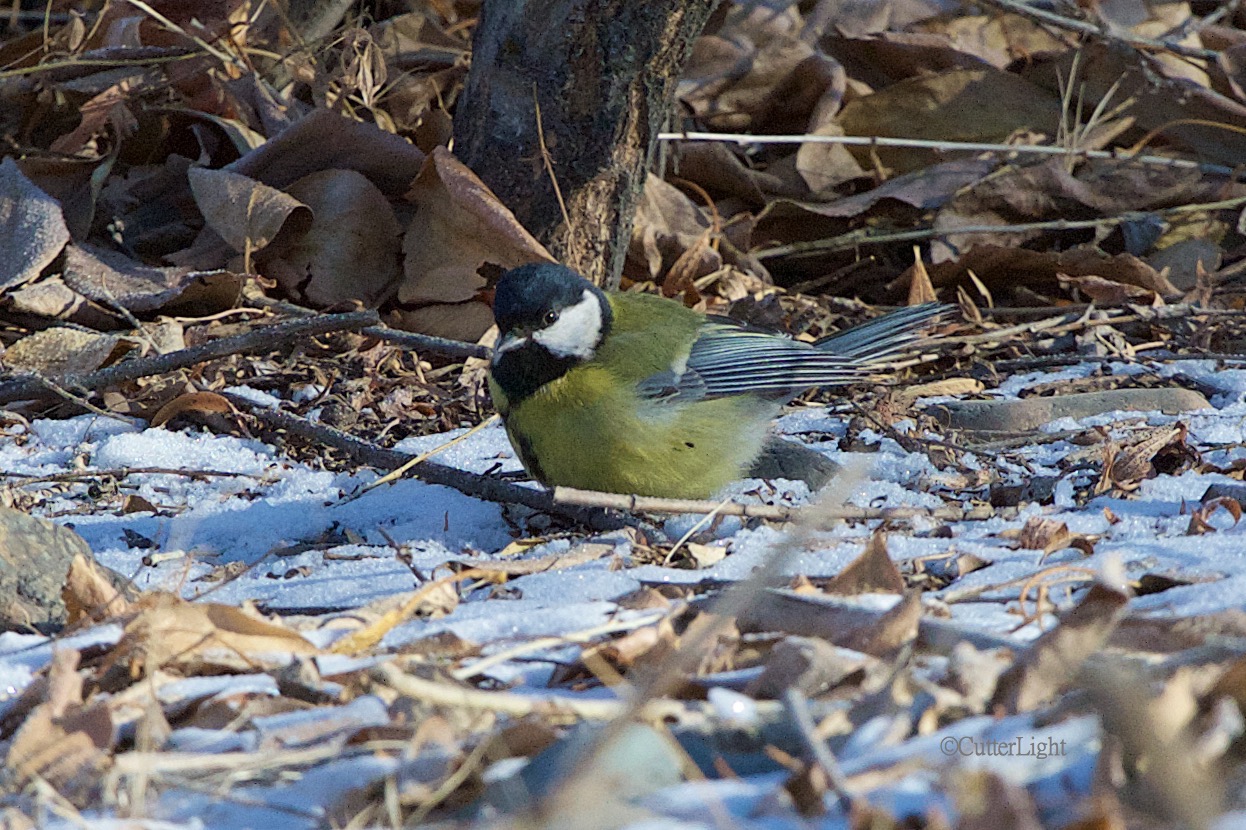
Great tit, (Parus major)                                               Mongolian: Их хөхбух

Relatives of the familiar chickadees of North America, these are one of the more common and colorful passerines in and around Ulaanbaatar.

azure tit on tree n

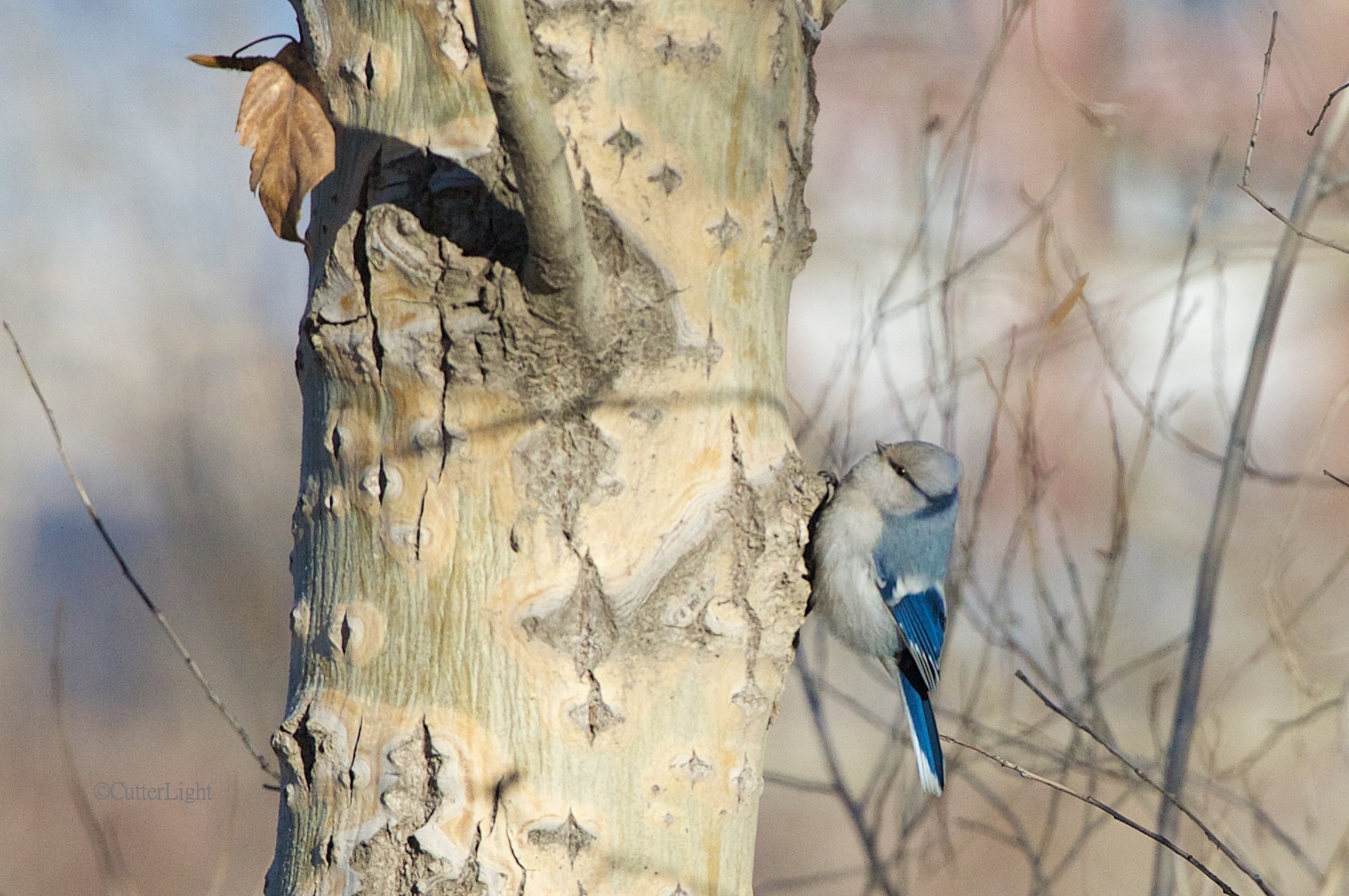
Azure tit, (Parus cyanus)                                               Mongolian: Номин хөхбух

Abundant but more shy than great tits, these beautiful little birds are seldom seen in the city itself, but we saw several during our walk along the Tuul.

penduline tit nest n

We found two of these mitten-shaped nests – the work of white-capped penduline tits, (Remiz coronatus), (Бургасны ураншувуу). Like the buds of the tree it’s hanging from, the nest is dormant. Although the birds who made this nest will not use it again, male penduline tits, which arrive before females in the spring, use abandoned nests as indicators of suitable breeding habitat. Some Mongolians and other Asians hold a belief that these nests have medicinal powers – a belief unsupported by science – and collect them, a practice which has directly resulted in a decline in penduline tit numbers.

eurasian tree sparrow front n

Eurasian tree sparrow, (Passer montanus)                   Mongolian: Хээрийн бор шувуу

Much like pigeons, tree sparrows seem to show up wherever humans live. Presumably these friendly little birds have essentially co-evolved with people. Within the city of Ulaanbaatar they occur in flocks in a variety of habitats. But along the Tuul River, their numbers thin as passerines more adept at thriving without the spoils of humans outcompete them. By the time one crosses the river and enters the forests of Bogd Kahn Mountain, tree sparrows are almost entirely replaced by tits, finches, nuthatches and other birds.

eurasian magpy shimmering n

Eurasian (or common) magpie, (Pica pica)                  Mongolian: Алаг шаазгай

In urban settings magpies are often quite approachable, however the magpies along the Tuul proved wary. We worked to get this photo of a bird puffed up against the cold, a streak of emerald-green shimmering along the length of the tail. Generally scavengers and foragers, the magpie’s hooked beak is a tell-tale sign that it will assume the role of predator given the opportunity.

carrion crows wings n cadis n

Carrion crows, (Corvus corone)                                         Mongolian: Хар хэрээ

We found a group of crows targeting caddisfly larvae in a shallow riffle that hadn’t yet frozen, as is evident by the caddisfly casing in the beak of the bird on the left. The crows were using the edge of the ice to access this bounty. Perhaps they learned this behavior by observing dipper birds, a species that also frequents open water such as this during winter to feed on insects and small fish.

OLYMPUS DIGITAL CAMERA

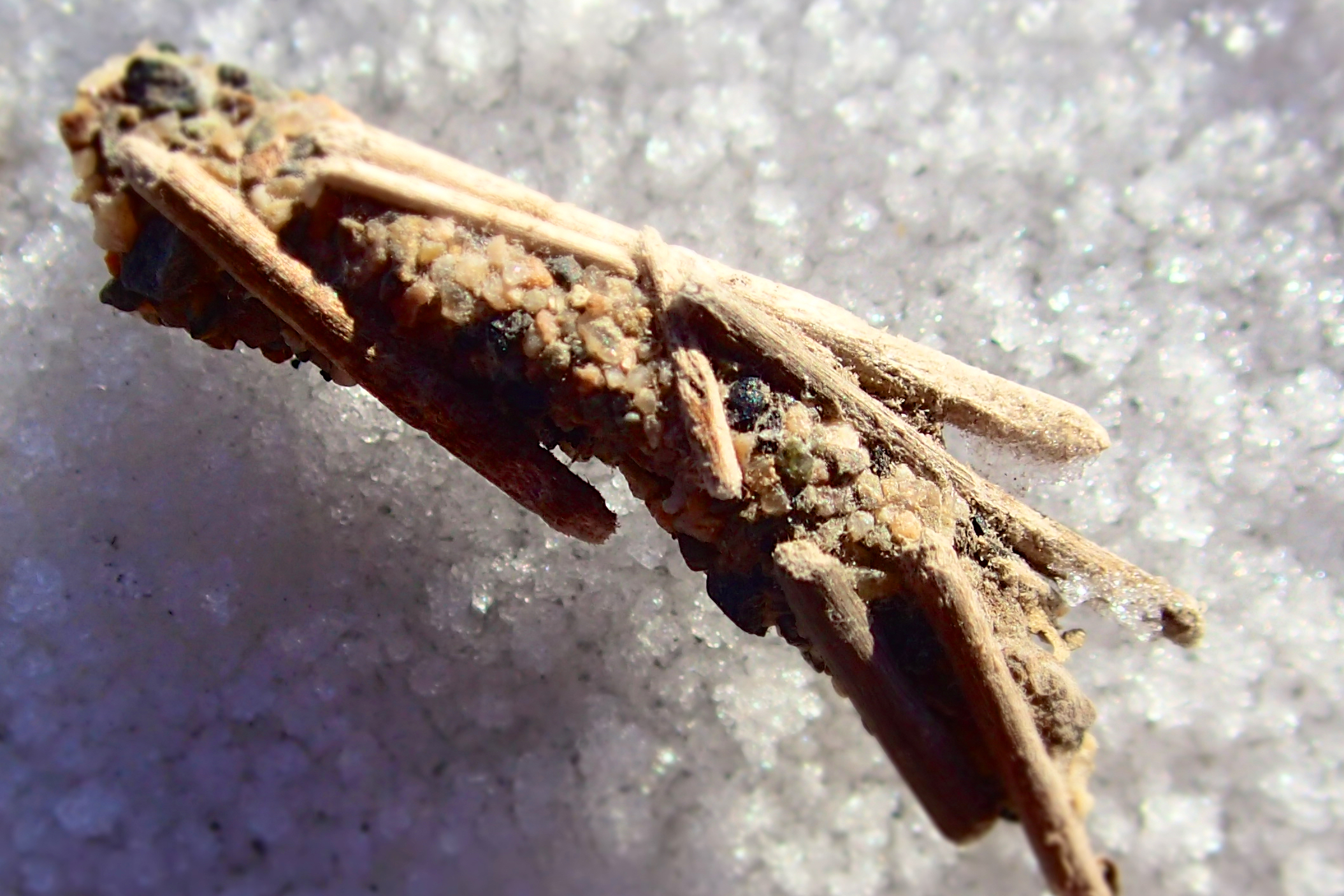
Scattered across the ice near the riffle where the crows were feeding, we found a number of empty caddis larvae casings. The larva that built this home from fragments of wood and tiny pebbles probably belongs to the Northern case maker group, family Limnephilidae. The fact that caddisflies are apparently abundant in this stretch of the Tuul indicates that despite urban development, water quality remains good.

white throated dipper Tuul n

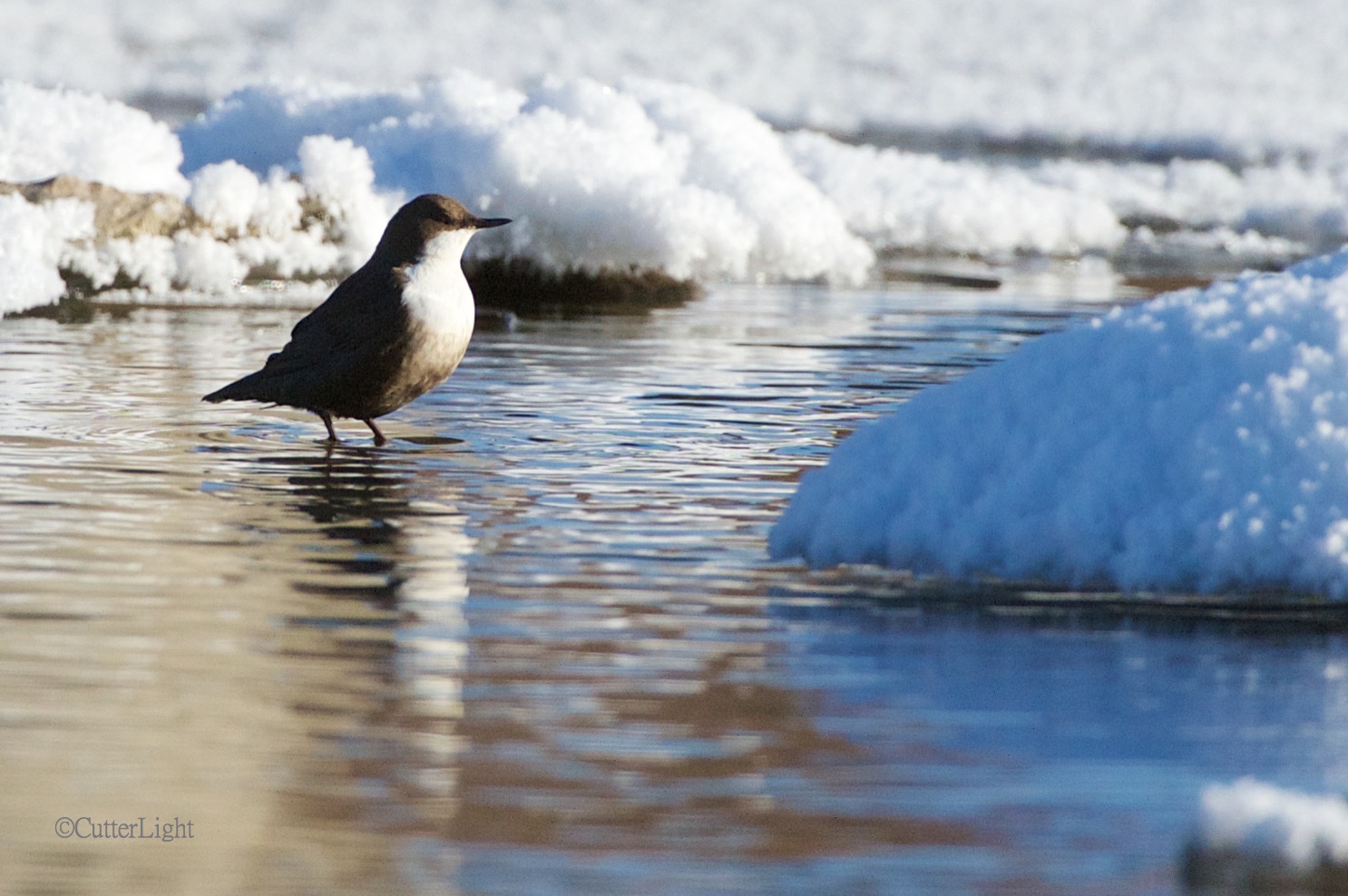
White-throated dipper, (Cinclus cinclus)                  Mongolian: Гялааномруу хараацай,

Bee-like rapid wingbeats and an electric buzzing cry alerted us to the presence of a dipper bird near the same water the crows were using. What threw us was the flash of white as the bird zoomed by; in America and Japan we’d seen only brown dippers. This one disappeared under the icy water and came up with a fairly large minnow. Any day we can check off a new species is a good day.

The mix of willows, poplars, cottonwood and pines along the banks of the Tuul, as well as the river itself, constitute a biologically rich greenbelt in the heart of a rapidly growing city. Here’s to hoping that the citizens of Ulaanbaatar recognize what a treasure this is and insist on its protection.

We invite comments, corrections, discussion and further information from our readers.

Oasis in the Southern Gobi: A Camel-Back Trek

Buntings framed by desert wood n

Brown with October’s cold, a gnarled desert tree frames buntings (possibly Jankowski’s) (Emberiza sp.) near our ger in Mongolia’s southern Gobi Desert .

A few miles south of the Khongoryn Els singing dunes marked our southern-most push into the Gobi.

OLYMPUS DIGITAL CAMERA

A herdsman’s goats crowd around a rare source of water. 

black-tailed gazelle against dunes n

While driving, we encountered a species of gazelle that was new to us – black-tailed gazelle (Gazella subgutturosa).

black-tailed gazelle n

The black-tails proved to be every bit as skittish as the Mongolian gazelle we’d been seeing throughout the trip. 

After driving through an expanse of mostly sand and rock, we came into an area of small trees, shrubs and tall grasses, evidence of water close to the desert’s surface. The family gers there would be our camp for the next two nights. With water available, one of our first orders of business was good hair shampooings all around. This was to be the closest thing to a shower we had during our eight-day trek, and it was decidedly refreshing.

OLYMPUS DIGITAL CAMERA

Jimi Carter and I lug water cans to our ger for impromptu hair washing. The effects of the mini-shower were immediately spirit lifting. 

gerbil in s gobi

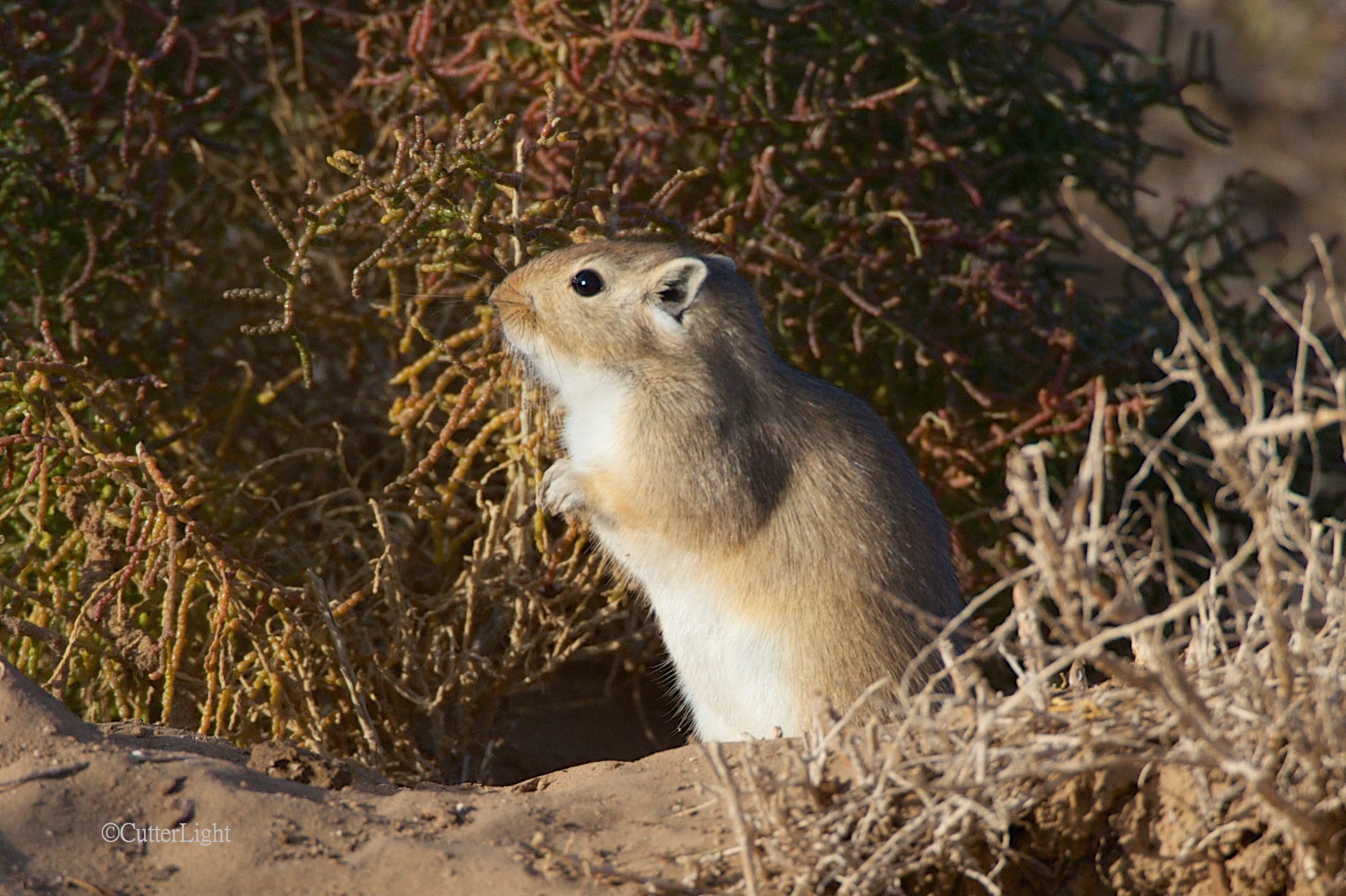
There was a large gerbil warren not far from our camp – and signs that a fox had recently visited it. 

OLYMPUS DIGITAL CAMERA

For dinner, the appetizers featured steaming bowls of temeni suute tsai (suu – te – tsay) – camel milk tea, fried bread and camel milk aarts. Aarts is similar to sweet, mild cream cheese. It was absolutely delicious, and we had to remind ourselves to save room for the main course – goat with a variety of goat meat sausages. 

sunset south gobi

The sunset that night was, as usual, spectacular. 

OLYMPUS DIGITAL CAMERA

This was the most spacious and ornately decorated ger we stayed in. Note the bag of aarts – camel milk cream cheese – on the right wall. After breakfast, our host rounded up several camels for our trek to a set of dunes about three miles from the ger. 

OLYMPUS DIGITAL CAMERA

Decked out in a traditional dell, our driver, Nimka, (foreground) and our host were ready to mount up and lead the way to the dunes.

cinereous n

Raptors use the dunes as perches and hunting grounds. Here a cinereous vulture (Aegypius monachus) executes a take-off… 

common buzzard n

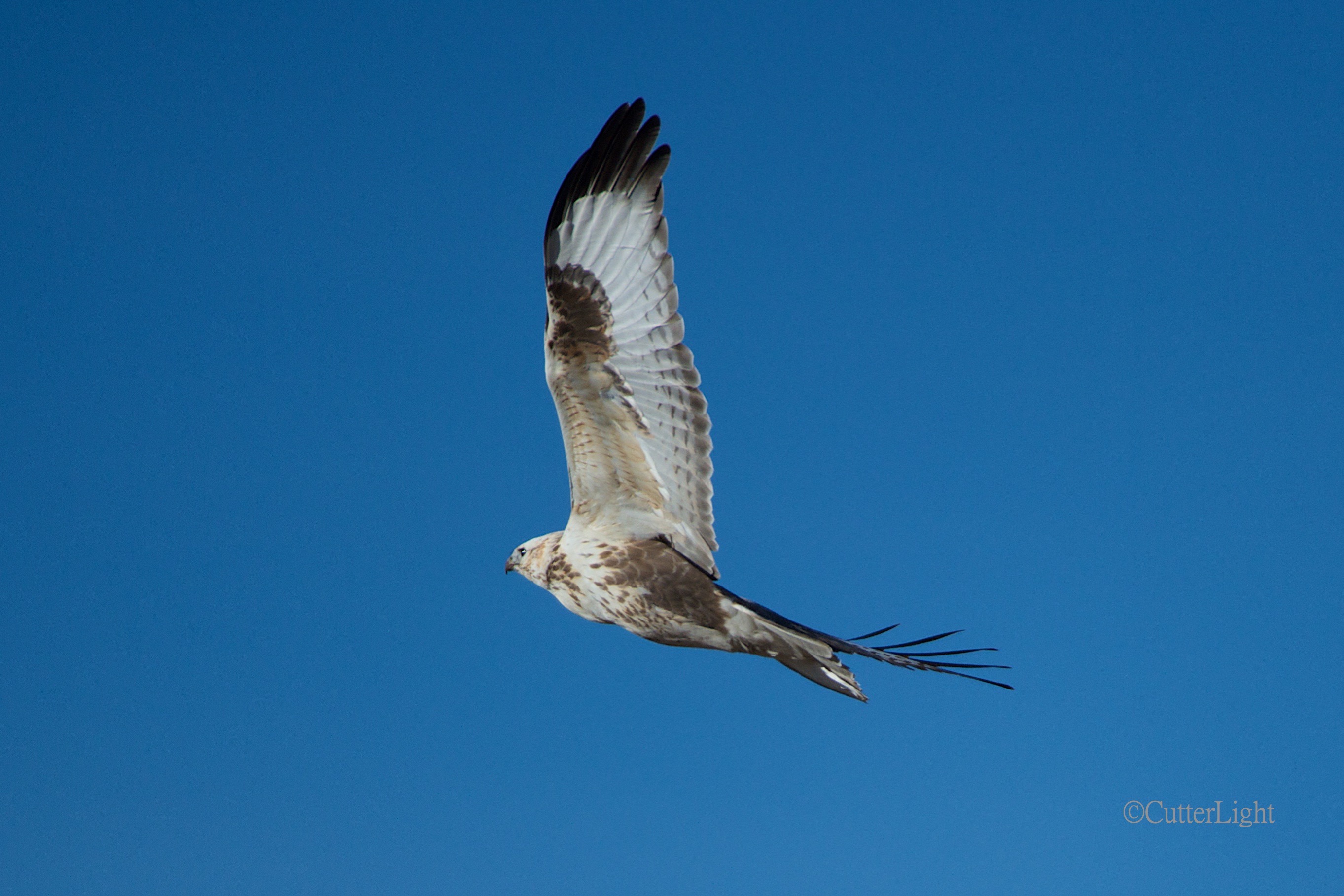
…and a common buzzard (Buteo buteo) soars above the landscape scanning for prey.

OLYMPUS DIGITAL CAMERA

Evidence of a successful hunt. The porcupine-like quills are those of a hedgehog. We found several of these pellets along the ridge of the dune. Birds of prey regurgitate the undigested parts of the birds and mammals they dine on.

OLYMPUS DIGITAL CAMERA

Camels tethered below, we ascended a fairly steep dune where we’d seen raptors perched. Although we never did encounter a fox, once again their tracks were present, along with those of hares. 

OLYMPUS DIGITAL CAMERA

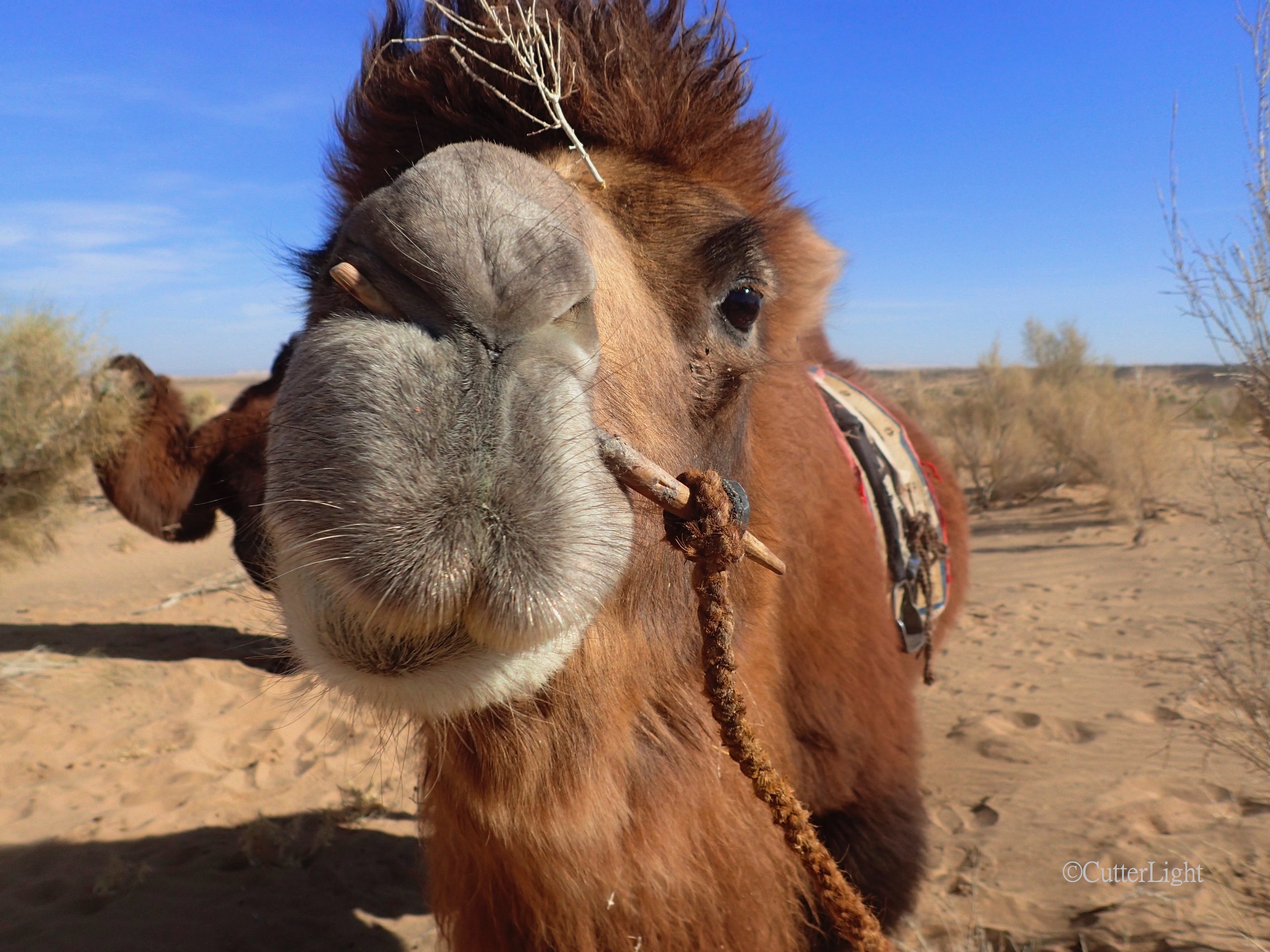
We named our camels for the trek. Here Barbra’s camel, Timmy, hams it up for the camera. (The Mongolian word for camel is teme – hence Timmy the teme.)

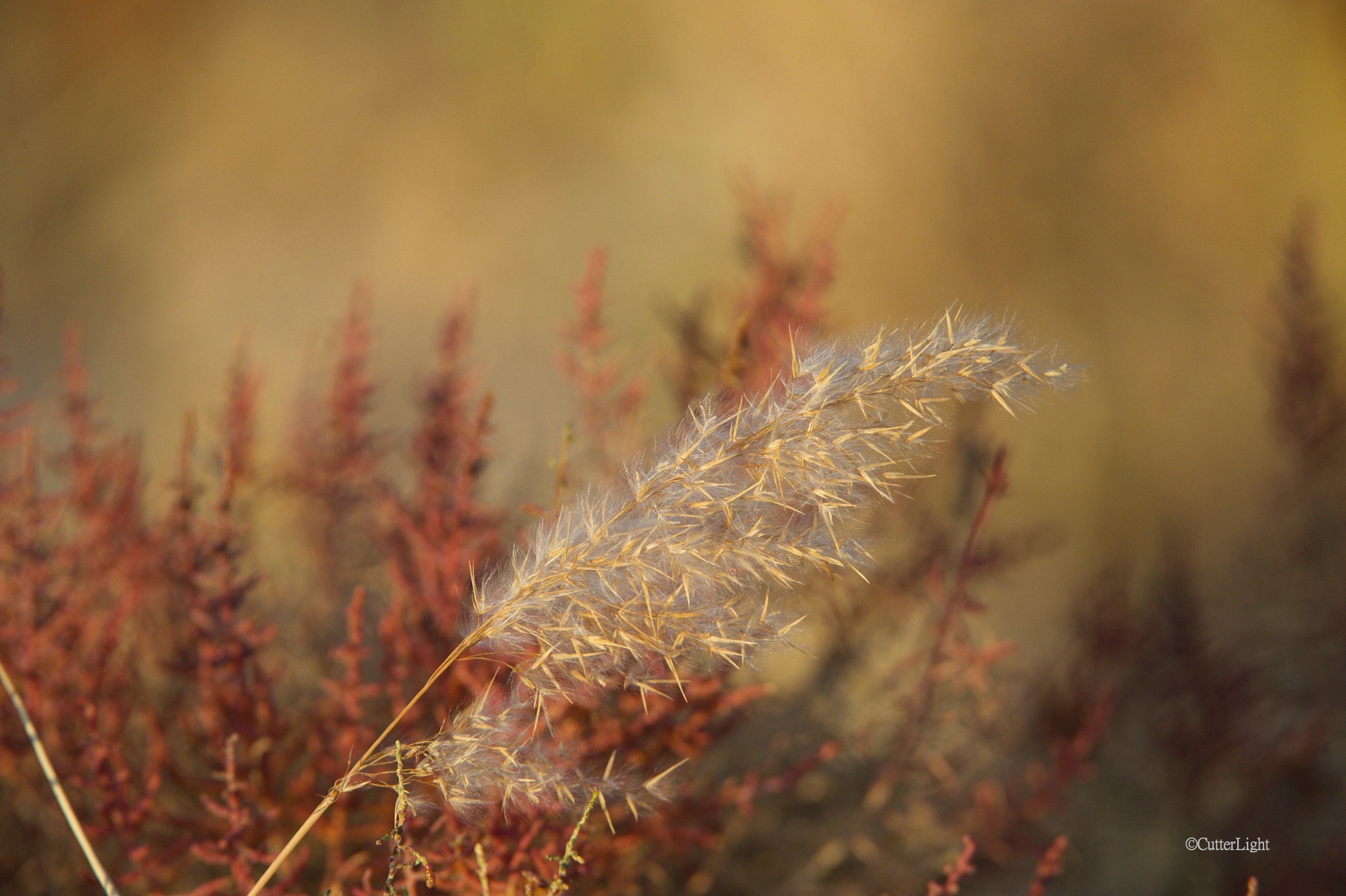
Below: Surprisingly lush growths of various seed producing grasses provide forage for the abundant bird and rodent populations, which in turn provide prey for foxes, wolves and the Gobi’s numerous raptors.

wheat grass wild n

red grass on wheat n

backlit seed head n

buntings 2 n

In addition to the many buntings and sparrows around this oasis ger, there were times in the early morning when thousands of doves filled the skies. 


Yolyn Am Canyon, Mongolia: Wildlife Safari amidst Remnants of the Gobi Desert’s Last Glacier

ibex bull disappearing n

When this magnificent male Siberian ibex turned his back to us and disappeared, our hearts sank. But moments later, he reemerged for a second photo op. His group of females, young males and yearlings was tucked away up a narrow arm of Mongolia’s remote Yolyn Am Canyon.

ovoo Yolin Am Canyon n

Ovoos – sacred mounds of stones and other objects – are common throughout Mongolia. This one is a testament to the special place Yolyn Am Canyon holds in the hearts of the Mongolian people. Translated as “The Valley of the Lammergeiers” (a raptor also known as bearded vultures), the canyon is home to abundant wildlife, some of it rare.

On the evening of day four of our tour from Ulaanbaatar through the Gobi Desert, we stayed in a ger on the outskirts of Mongolia’s Yolyn Am Canyon. Situated at elevation in a narrow valley surrounded by jagged peaks, sunlight only briefly reaches the canyon’s floor each day. Until recent times, ice remained in the valley throughout the year, which made Yolyn Am the Gobi’s last glacier. In recent years, the ice is gone by August or September. By the time of our visit in mid-October, however, ice had returned to the spring creek that flows through the valley’s shadows.

chaffinch n

It is the universal story across our planet: Where there is water, there is life. The spring creek emerging from the stone mountains of Yolyn Am are an oasis sought out by diminutive passerines such as this chaffinch (Fringilla sp) as well as charismatic megafauna such as the park’s argali bighorn sheep and Siberian ibex.

chaffinch bathing n

Fringed with October ice even in the sunny portions of the canyon, this water makes for a chilly bath.

pica fight 2 n

Dense populations of Daurian pika (Ochotona dauurica) and other rodents sometimes lead to disputes. With winter’s icy lock looming, it is critical that each pika lay claim to a food source and stock up enough grass and seed to get them through the coming dark and cold. When stakes are high, these relatives of rabbits go at it with teeth bared and kicks flying.

Pika vanquished n

Ears back and chin down, the vanquished rival retreats to his burrow.

Walking through the narrow canyon in late morning light, we found ourselves surrounded by innumerable pikas, gerbils, wheatears, horned larks, buntings and other passerines. The abundance of wildlife was a revelation, and for me, an avid birder, it was hard to take my eyes of the creek bank and sunny glades where most of the action was going on.

And then magic happened.

“Jack!” one or our party exclaimed. “Ibex!” I followed the line of his index finger to a far off ridge where, unmistakably silhouetted against a famously blue Mongolian sky stood a beautiful example of a mature male Siberian Ibex. In such flawless relief against the sky and perfectly still, it looked like a statue. Far off in the distance, it was staring directly at us and no doubt had been for some time.

I crouched low and began pacing myself toward it. Forty strides, stop, shoot. Forty strides, stop, shoot. Along the way I passed up the very shot of red-billed choughs (Pyrrhocorax pyrrhocorax brachipus)  – a crow-like bird with a distinctive bright red bill and matching legs – I’d been hoping to get on this trip. I kept closing ground on the ibex, and although still well out of range, I reasoned that with every set of 20 paces I might be getting slightly better shots.

And then I looked down to where my left foot was about to fall near the edge of the creek and saw something I hadn’t even considered would be a possibility on this cool October morning…

Halys pit viper n

Which of us more surprised the other is impossible to say. For a brief moment, I considered stopping to reposition this 22 inch (55 cm)  snake, or to at least get a better photographic angle on him. But the ibex… Ironically, it turns out that seeing a Halys pit viper (Gloydius halys) is more unusual than seeing an ibex. On the other hand, as the name “pit viper” suggests, it’s just as well I didn’t mess around with this guy. Besides, on this cold day in a land where raptors are abundant, it was in the snake’s best interest that I left him alone.

ibex bull 2nd look n

This was a thrill. The ibex was still far off and way up, but he couldn’t have been any more beautifully silhouetted against the October sky atop this classic, jagged ridge. And then he disappeared for the last time. When I turned around to find Barbra and our group, they were pointing up a narrow canyon arm I’d just passed. The arm was on the other side of the ridge over which the male had disappeared, so I suspected this is where the rest of his group might be. The chase was on!

Somewhere between walking and running, I began scrambling as fast as I could up a wild side canyon. For one short stretch where a feeder spring tumbled over a mossy rock face, the ascent was almost vertical and I struggled between the camera gear I was carrying and finding hand-holds. But once I got up on the bench, there they were. Six, no, eight… maybe a dozen ibex represented by young males with their horns just beginning to gain weight and curl, females, younger animals and kids. They were watching me, but they had the high ground and I was on the opposite side of the canyon. They didn’t seem particularly nervous, so I continued scrambling, breaking a trail as I climbed.

young ibex looking at me n

With sturdy legs and heavily muscled bodies, the wild goats are stunning. 

As I stepped through the low undergrowth, I suddenly recognized an unmistakable smell. Wild juniper. I reluctantly took my eyes off the ibex and looked down to see a vast carpet of berried shrubs blanketing the side of the canyon I was climbing. Still making my way to higher ground and watching the animals on the opposite canyon wall, I found myself almost instinctively thinking, “This would be the perfect place for…”

At that very moment the ground around my feet exploded in a wind-rush thrum of blurred wings. Chukar!

chukar w lichen rock n

Shooting in manual, I was spinning dials like mad on my camera to adjust from the sunny slopes on the opposite canyon wall where the ibex were to the shade where this hen chukar was kind enough to pose on a lichen-stained rock complimenting her colors. The rest of the covey – her brood, I’m guessing – kited off to the opposite canyon wall and began calling each other back together. 

white-winged snow finch im back n

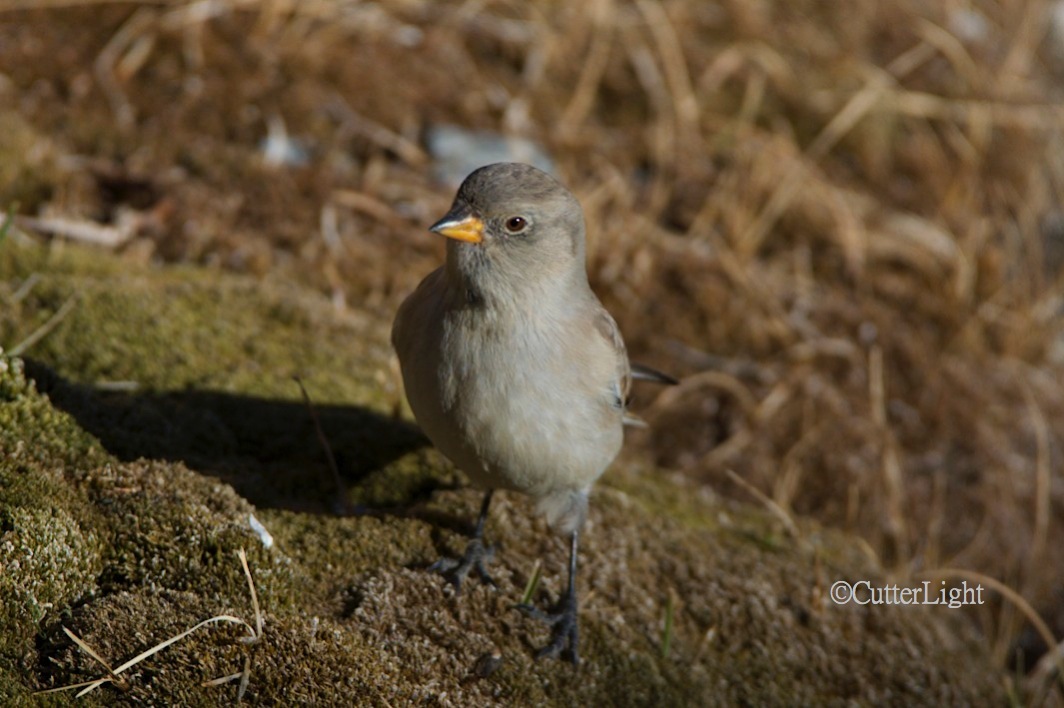
It seems that everywhere we looked that day, wildlife was abundant and cooperative. This young white-winged snow bunting (Montifringilla nivalis) insistently remained underfoot till I snapped a few shots.

white-winged snow finch im n

Our day-hike through Yolyn Am ended with shadows and cold crowding us out of the canyon, and though we could have walked further, we began to reckon that a warm ger and a hot meal sounded pretty good.

frozen water Yolin Am Canyon n

Ice – the great aquifer of arid highlands. It is this frozen water, slowly melting through the summer, that keeps the Yolyn Am Canyon wet and fecund. We couldn’t help but wonder what changes are in store for this magical place as the planet continues to warm.

red-billed choughs sunset n

A flock of red-billed choughs gathers in the canyon’s last light before flying to their roosts.

Next: Further South in the Yolyn Am Canyon – more ibex, gerbils, a lammergeier, rough-legged hawks, and a rare saker falcon in “The Valley of the Lammergeiers.”
The Wild Right Outside Ulaanbaatar: Hiking Mongolia’s Bogd Khan Mountain

bogdkahn hikers with lit up larches n

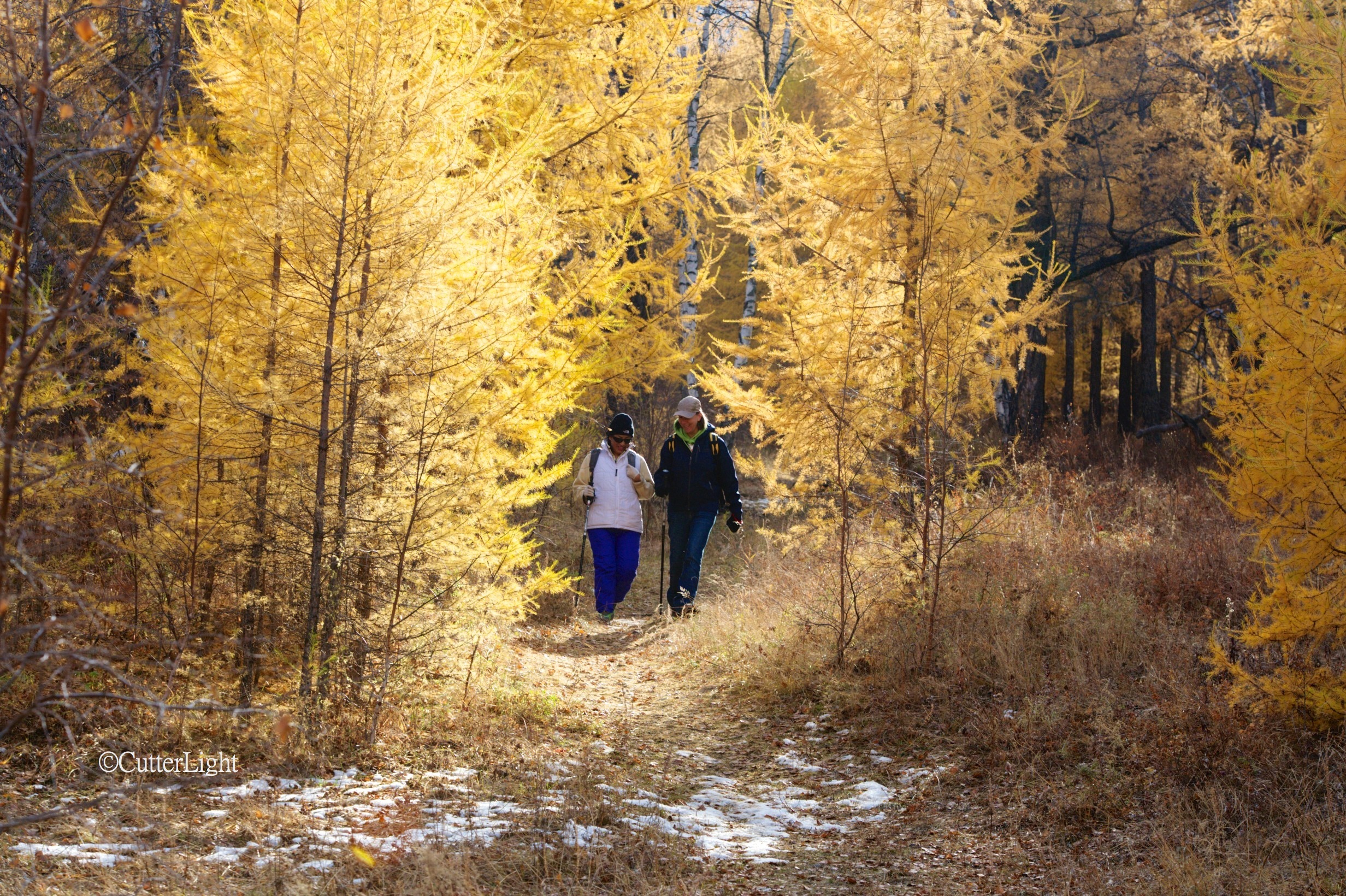
Yellow with fall, larch trees light the trail as Barbra and a friend make their way down from the summit of Bogd Khan Mountain. A Unesco Heritage Site, Bogd Khan rises 3,000 feet (914 meters) above the southern edge of the city of Ulaanbaatar, itself over 4,000 feet (1,310 meters) above sea level. Considered sacred by Mongolians, the mountain is home to numerous species of birds and other animals, some of which are rare.

Sciurus vulgaris eurasian red squirrel n

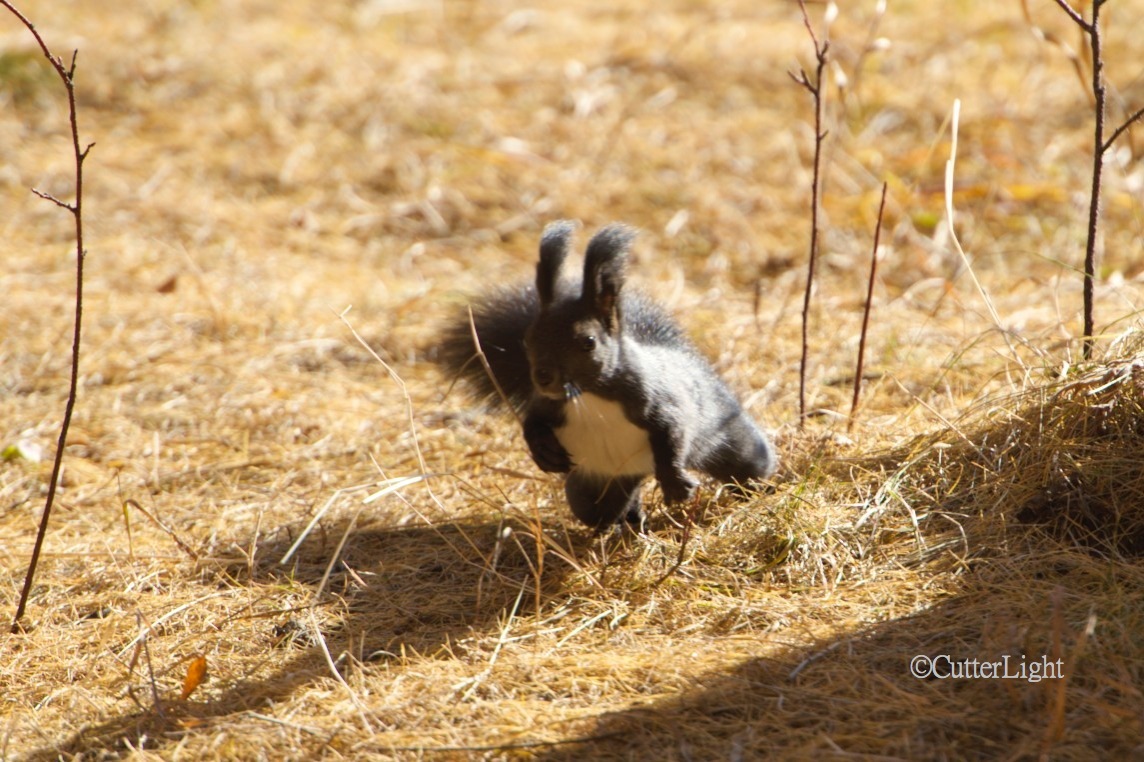
The Eurasian red squirrels (Sciurus vulgaris) of Bogd Khan are nearly black. Siberian Pine and Scotch pine provide ample forage for the forest’s squirrels and chipmunks; abundant birds of prey and foxes keep them on their toes. Prompted by increasingly cold nights, this one was a whir of activity as he scampered from tree base to tree base in an attempt to build his stash of pine seeds. 

red squirrel n

We followed a looping path up the mountain and back down, pausing at the summit for lunch under Mongolia’s signature blue skies. The hike took us through deciduous forests of mostly larch (Larix siberia) and birch (Betula paltyphylla) in the lower elevations, gradually giving way to evergreen forests predominated by Siberian and Scotch pine as we we climbed higher. 

icy stream with gold n

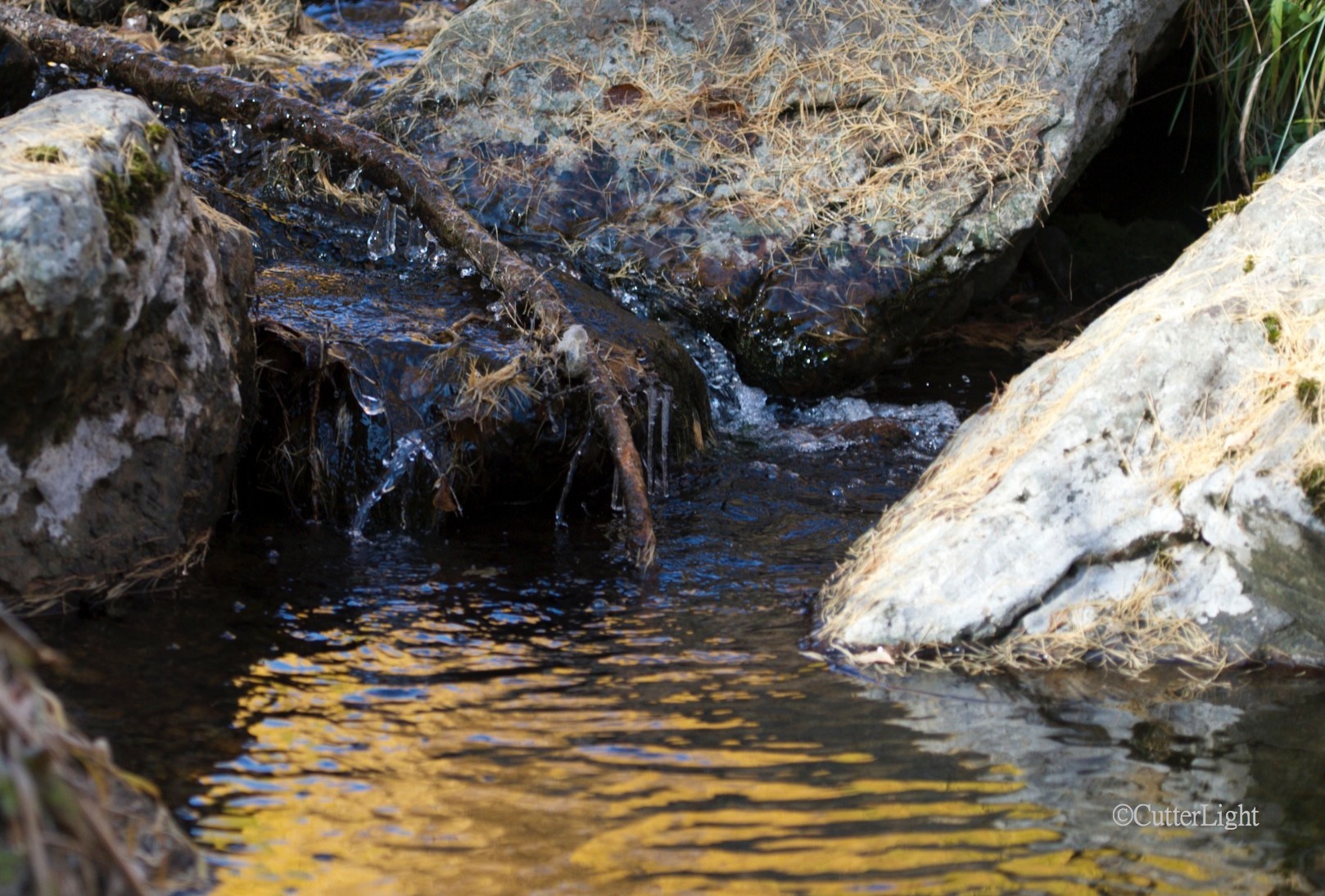
Recently nighttime temperatures have been plunging well below freezing with daytime highs climbing into the 40’s (degrees Fahrenheit), perfect fall hiking weather. This icy little brook is lit with the gold of larch trees and morning sunlight. 

Last embers of fall n

Catching the slanting rays of early sunlight, some of the last embers of red glow in this small meadow on the shoulders of Bogd Khan. Just weeks ago raptors such as black kites seemed to be everywhere. Now ravens and crows have taken over the skies. Winter is coming.

great tits Parus major n

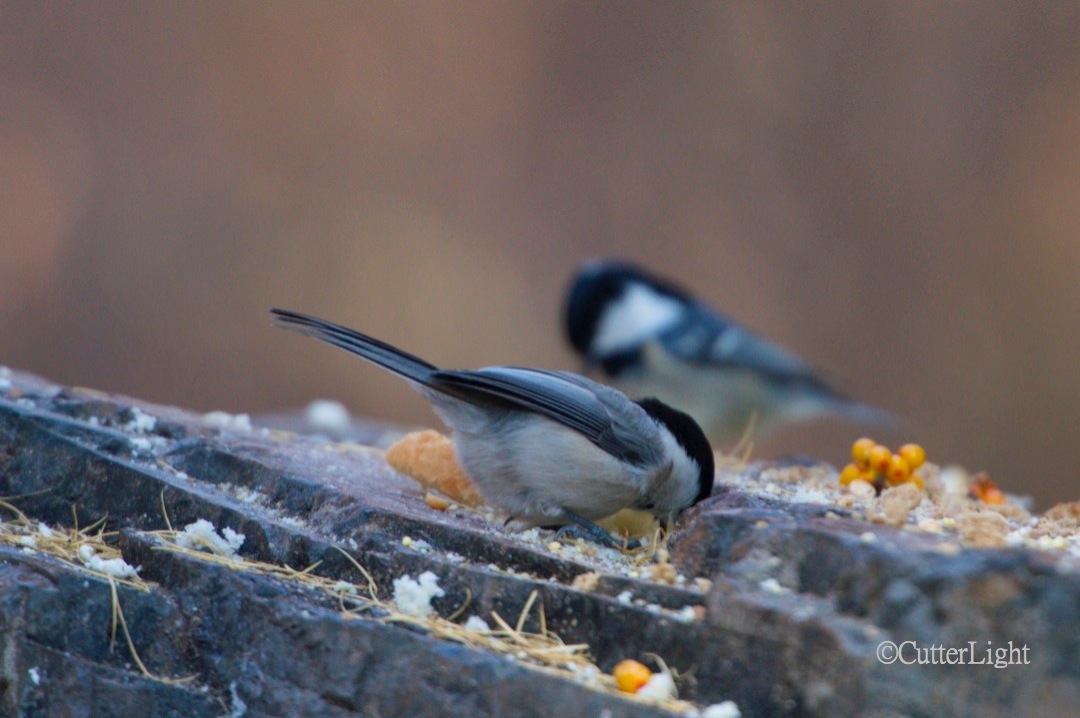
A previous hiker left a snack for these great tits (Parus major), including sea-buckthorn berries. They look and sound very much like their North American cousins, black-capped chickadees. 

eurasian nuthatch sitta europaea n

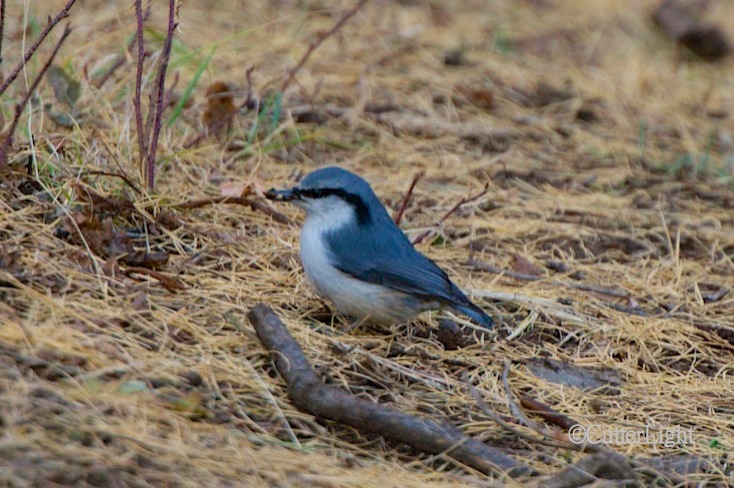
Another common resident of Mongolia’s forests is the Eurasian nuthatch, (Sitta europaea). This one is sorting through larch needles for insects and seeds. 

vulpus vulpus young red fox n

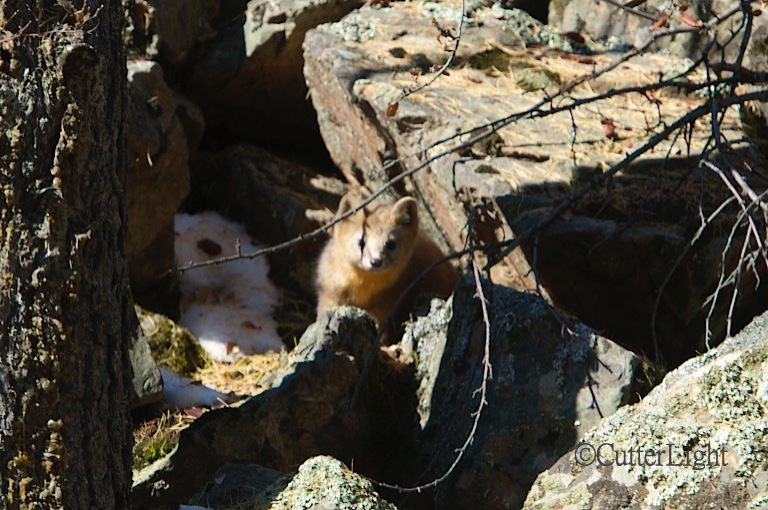
A first for us, this sable (Martes zibellina) appeared to be hunting when we startled each other. 

red fox hunting n

This little guy was quite skittish and didn’t hang around long before he took off for less populated (by us) hunting grounds. Picas, gerbils, squirrels and other rodents are abundant throughout the steppe and forests of Mongolia. Already thickened up for winter, his coat looks luxurious.

siberian chipmunk eutamias sibiricus n

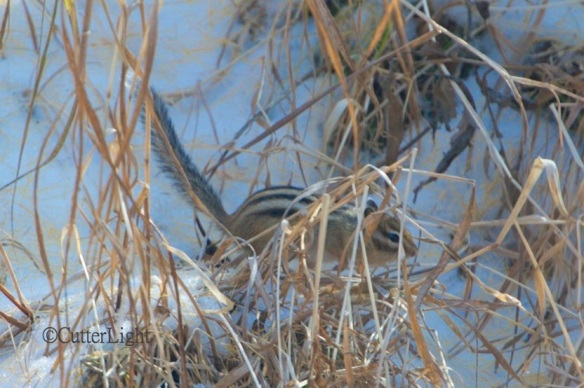
With foxes and sables on the prowl, this Siberian chipmunk didn’t sit still for even a second as he crammed his cheeks with seeds. Ranging from northern Japan through Europe, this is the only non-North American species of chipmunk. 

great tit n

As we gained altitude, stands of deciduous trees gave way to evergreens. The chirps and peeps of secretive birds followed us up the mountain.

garrulus glandarius brandtiieurasian jay n

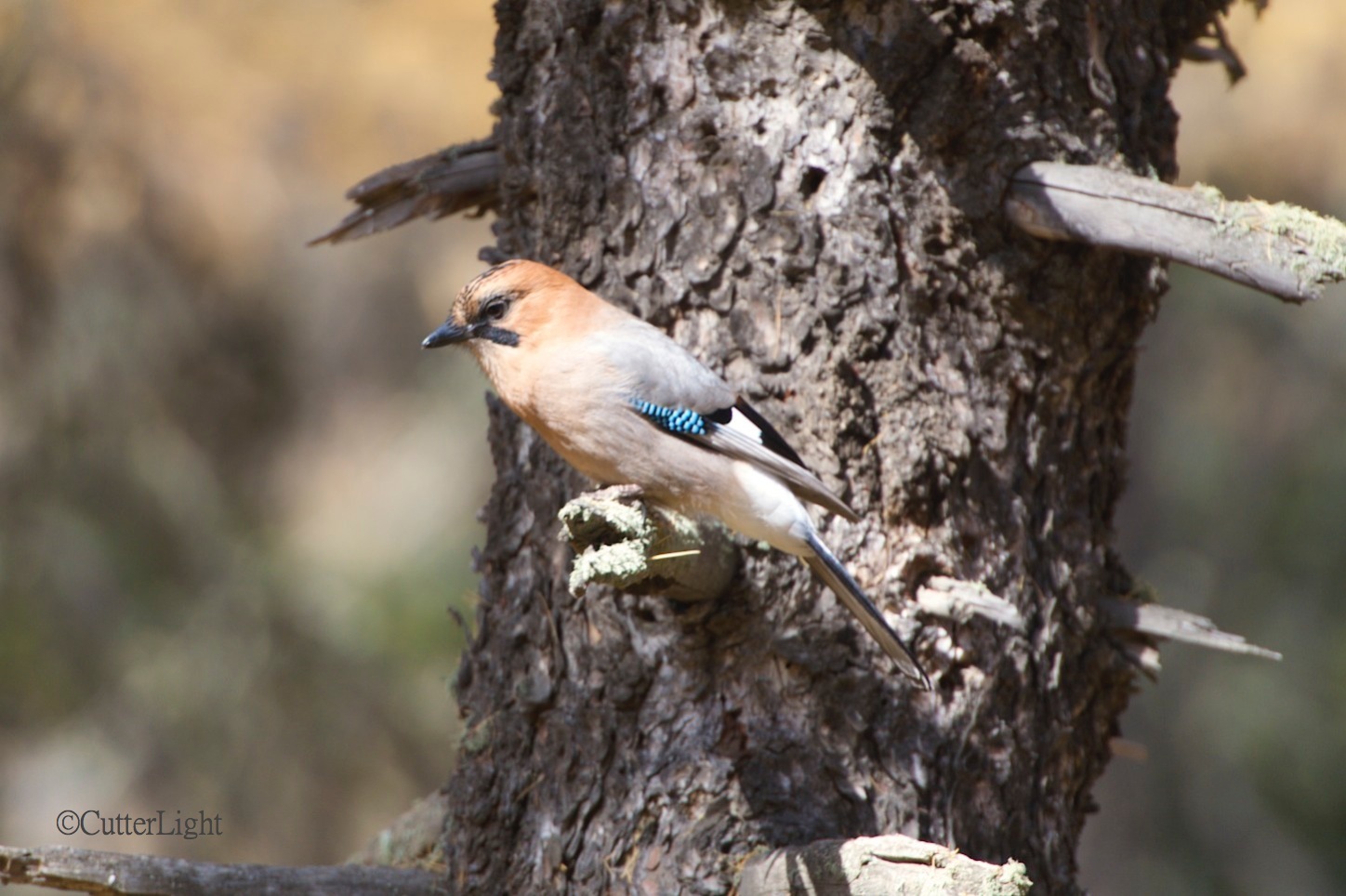
The jay from which all jays get their name – the Eurasian jay – was a bird we had really wanted to get a look at. The subspecies locally common in Mongolia, (Garrulus glandarius Brandtii) is one of the most colorful among this group. They appeared to us to be considerably larger than either the blue jay or the Steller’s jay of North America.

siberian jay in flight n

hike through fire-damaged bodkhan n

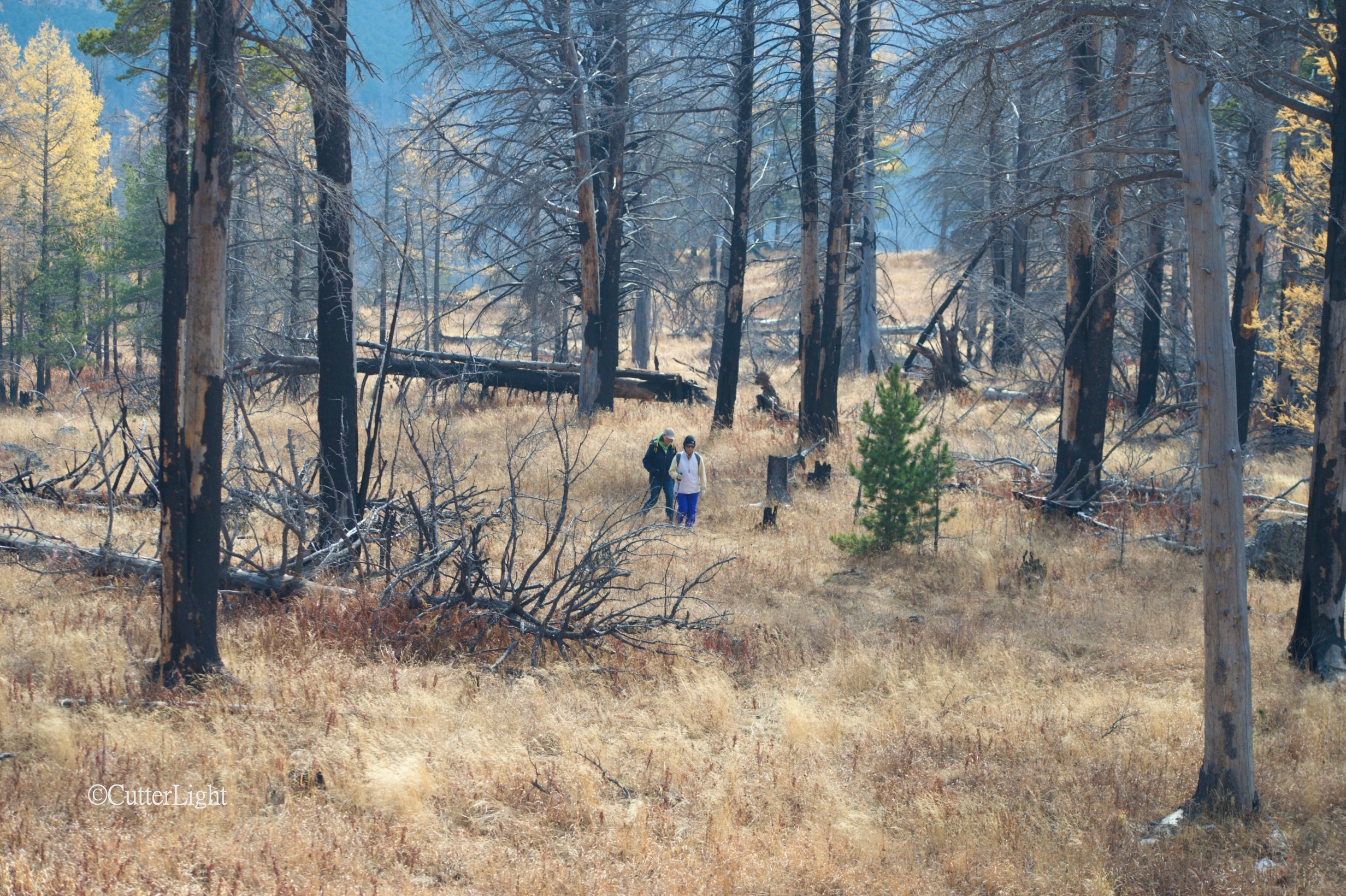
Fire opened the canopy in an area near the summit of Bogd Khan allowing a grassy meadow, laced with deer trails, to emerge. We’re looking forward to making this hike in warmer seasons when wildflowers are in bloom.

lichen chartreuse n

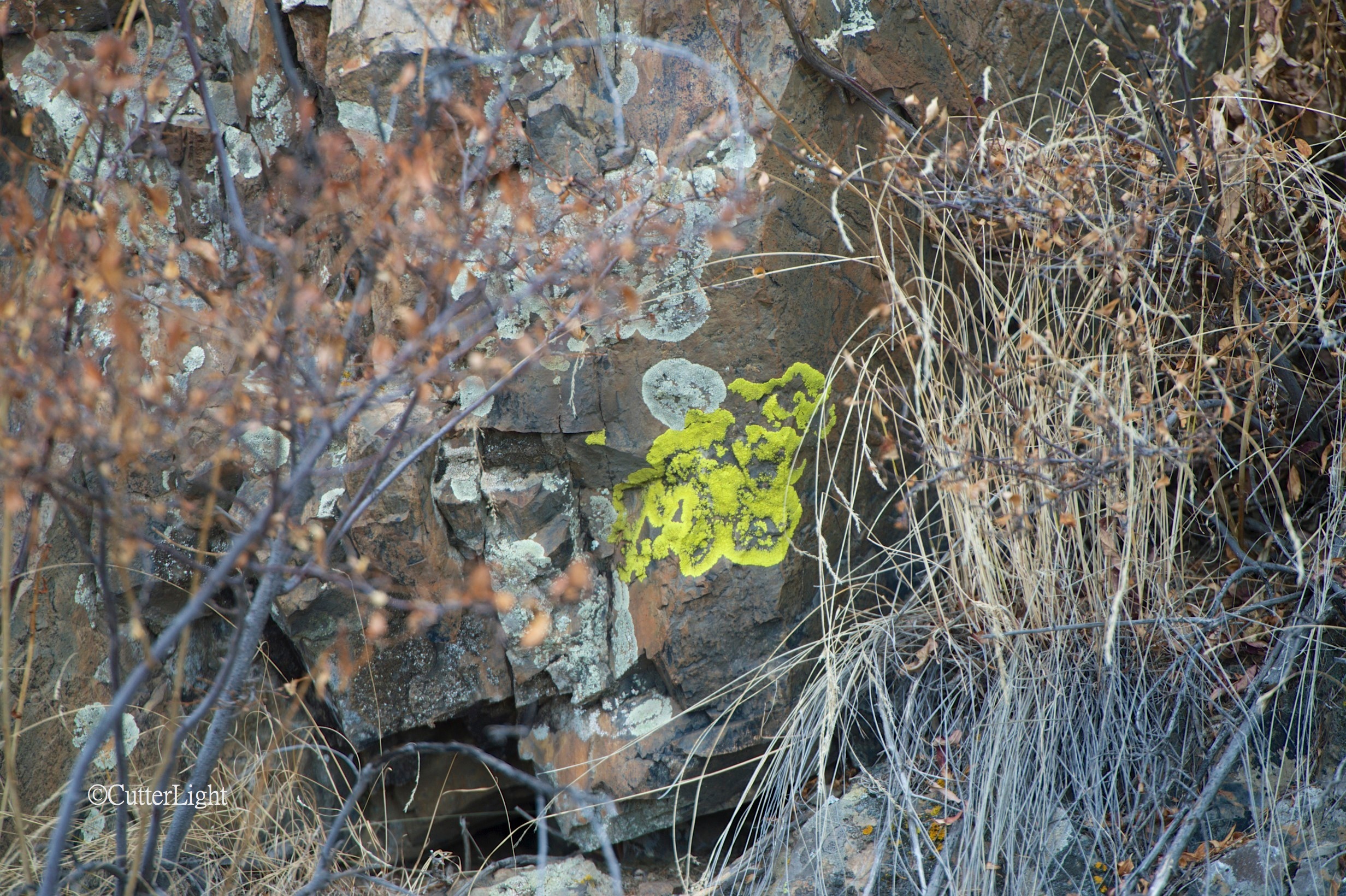
This splash of chartreuse from a rock-hugging lichen was startling.

yellow wildflower fall bloom n

As was the unexpected yellow in this small, late-blooming flower.

bodkhan fall larches birches n

And then their were landscapes like this… jumbles of birch and larch that seemed to be lit from within. 

OLYMPUS DIGITAL CAMERA

We emerged from the forest as the sun was beginning to sink below the mountain ridge, tired in the best possible way. It is a fortunate family that lives in this ger on the edge of this great forest.

Hustai (Khustai) National Park, Mongolia: Biodiversity and Ancient Carved Gravestones

Przewalski's horses a n

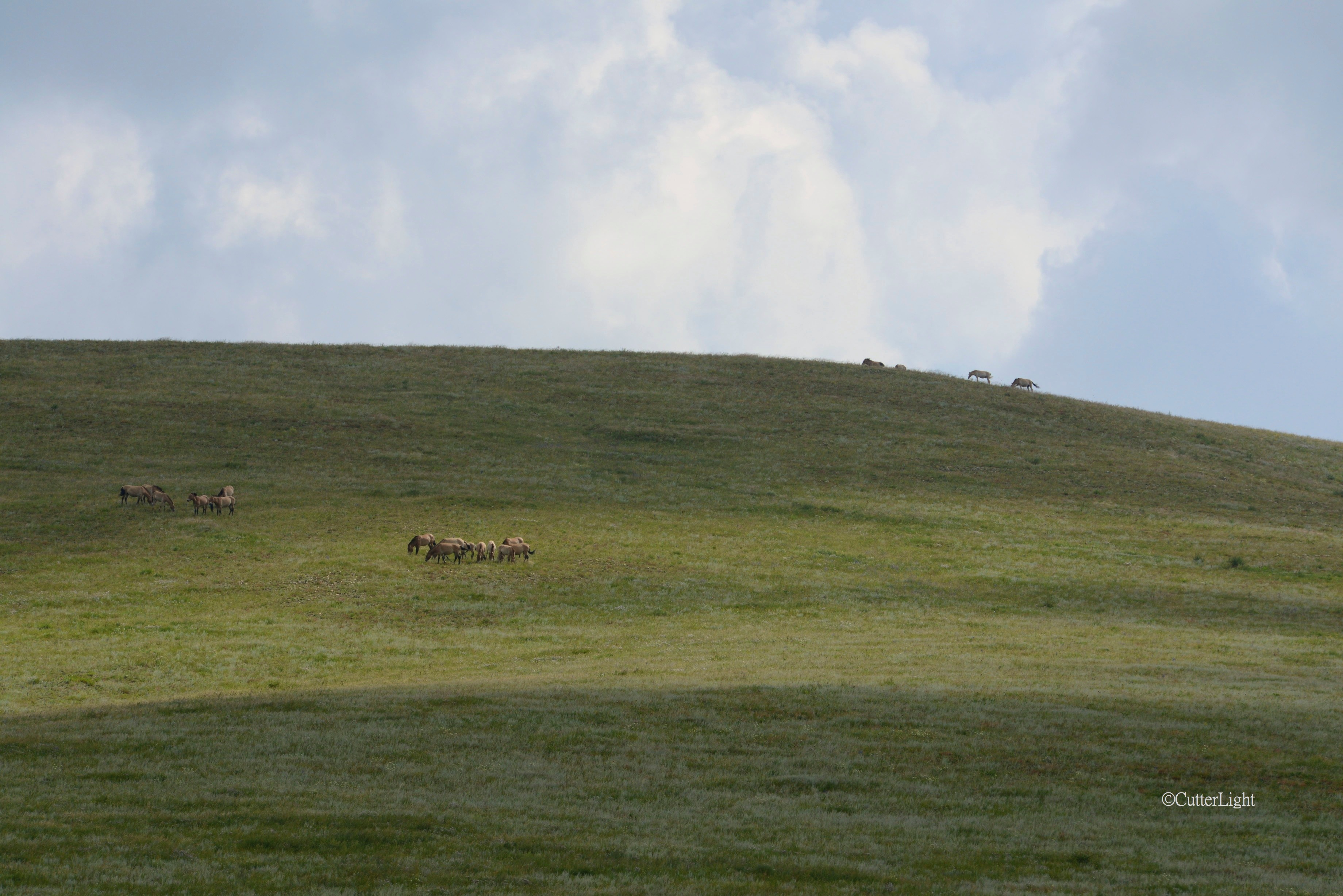
Wild Takhi, or Przewalski’s horses, graze the vast, rolling steppe lands of Mongolia’s Hustai National Park. Extinct in the wild by the late 1960’s, Takhi were reintroduced to Hustai in 1992 and have since flourished. Unlike the ferel “wild” horses of North America, Takhi are a true wild species – the only remaining wild horse in the world. We visited the park on a day when wildflowers and raptors seemed to be everywhere.

Located in Central Mongolia about 60 miles (100 km) west of the capital of Ulaanbaatar, Hustai National Park provides habitat for dozens of species of mammals and over 200 species of birds. Sixteen species of fish swim in the cold waters of the Tuul river which borders the southern edge of the park. On the day we visited in early August, recent rains had prompted a profusion of wildflowers.

Harebell n

Above, abundant hairbell blooms added vibrant splashes of color to the steppe as did pink bloom, (below). Interesting to us is that both species were familiar from hikes on the Alaskan tundra. 

Pink bloom n

marmots n

In any given year, as many as 150,000 marmots inhabit Hustai’s 195 square miles, providing food for the park’s foxes, wolves, lynx and birds of prey such as golden eagles.

black kite n

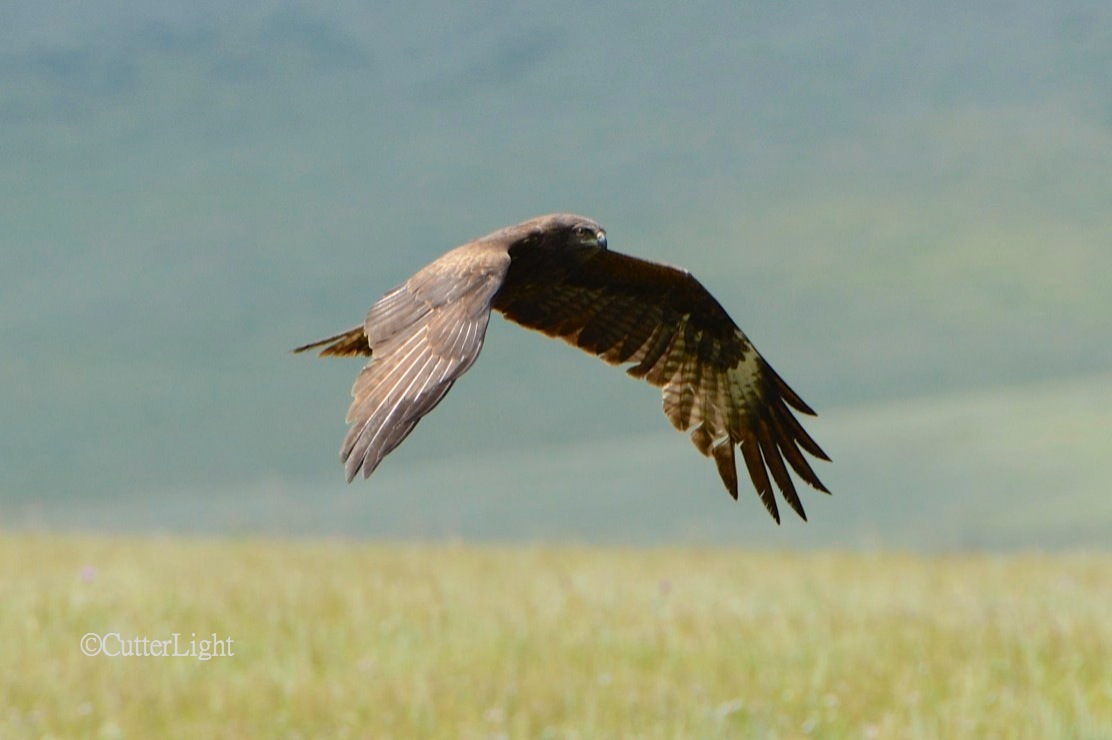
With our 200-400 mm lens in transit from the Nikon repair factory, we weren’t able to obtain the captures we wanted of the golden eagles and the beautifully marked lammergeiers we encountered. Happily, black kites like the handsome specimen above were abundant and not particularly shy. 

Mongolian herder n

His brightly colored traditional garb striking against the hazy pastels of the steppe, this nomadic herder was tending a mixed flock of sheep and goats. These herds share the grasslands with Mongolian gazelles, red deer, roe deer and the wild Takhi. 

DSC_7761 - Version 3 n

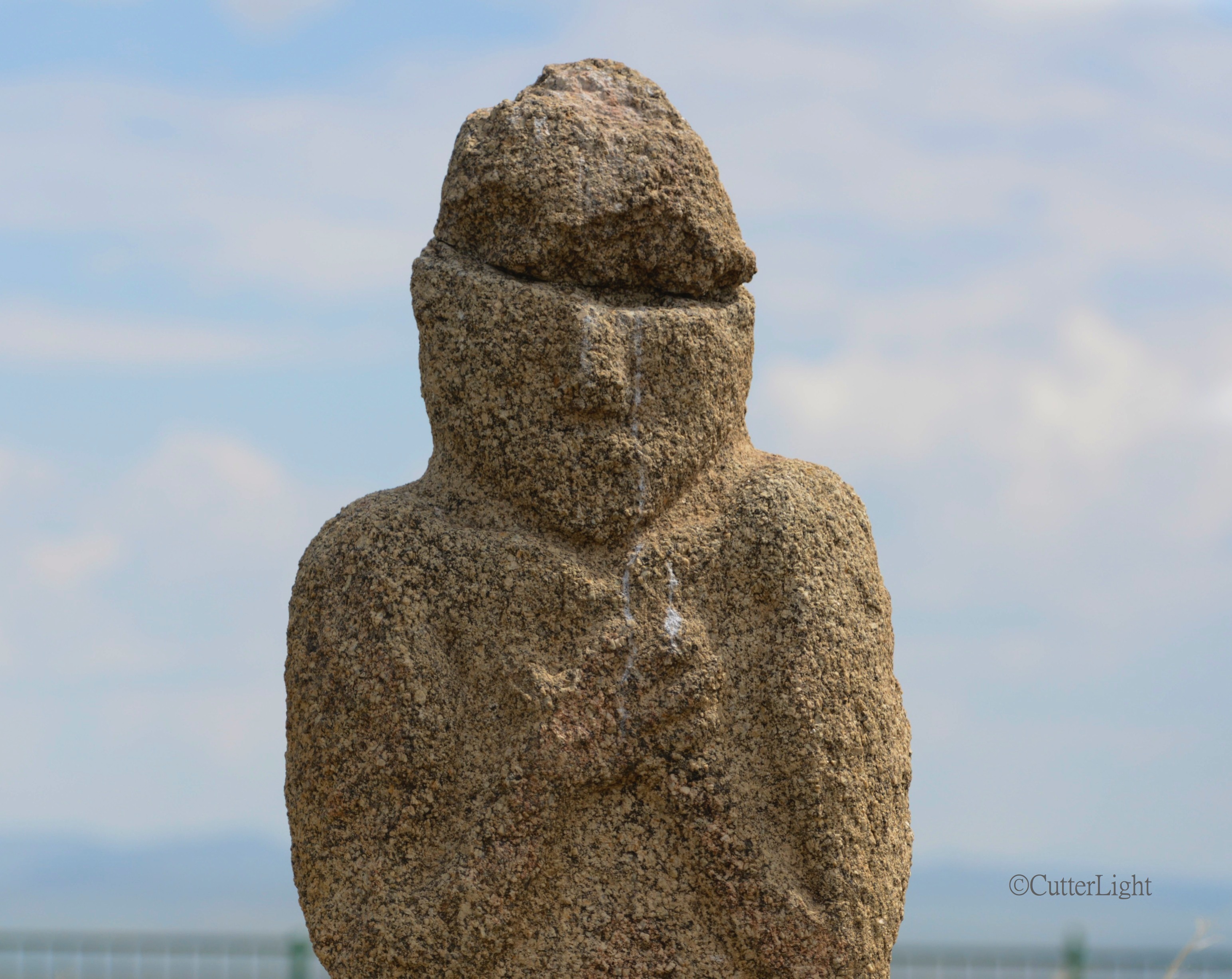
Some 1,200 to 1,400 years ago, a Turkic culture left behind groups of carved granite stone figures in the Hustai area. Elbows close to the body and hands folded across the heart, it’s likely that this six foot tall figure at the Ongot grave site is mourning the loss of a leader or nobleman. 

ram head stone n

Carved sheep represent spiritual sacrifice. Elsewhere, stylized lions watched guard over the grave site.

Pika n

Safely back at the entrance of his burrow, this pica posed for a moment before disappearing. The nearby steppe is also home to gerbils, hamsters and badgers.

pink wildflowers w ladybug n

Almost glowing, maiden pinks are said to have derived their name from the crenelated edges of their petals which appear to have been trimmed with pinking shears.

chiming bells Chiming bells are familiar throughout northern climes.

Prezwalski's horses b n

Horses do indeed make a landscape more beautiful. 

Resurrection Bay Wildlife, a C-Dory Angler Tour: Sea Lions, Mountain Goats and More

sea lion roaring 2014 nWith a mighty roar this young bull sea lion bellows out that this rock in Resurrection Bay near Seward, Alaska is his rock. Nestled between snow-capped mountains and hosting an abundance of otters, porpoises, seals and sea lions, sea birds by the tens of thousands and with whales almost a given, the bay offers lots to look at. 

A morning filled with sunshine, calm seas and friends visiting from out of town were inspiration to take our C-Dory out for a lap around Resurrection Bay.

mountain goat may 2014 n

sea otter spy hopping 2014 n


Sea otters like this curious spy-hopper are abundant along the shoreline. Meanwhile, scan the mountainsides on the east side of the bay for puffy white balls; put binoculars on them and they might become mountain goats. 

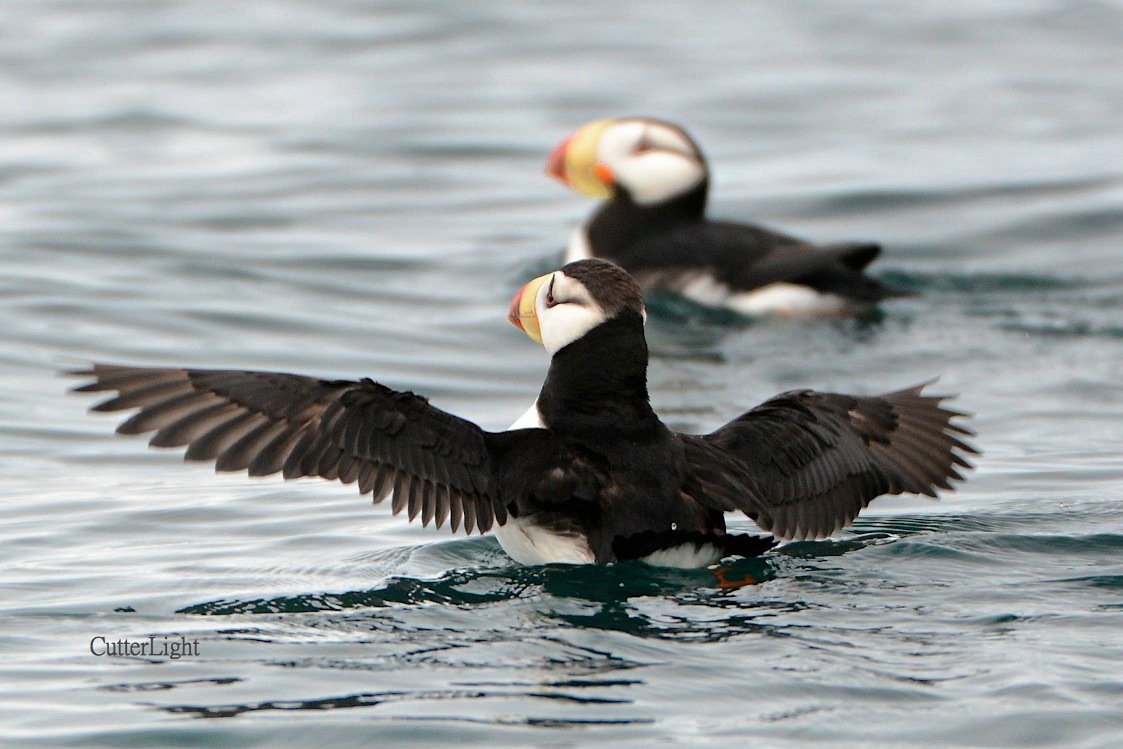
A pair of juvenile sea lions were swimming in the harbor near our boat as we made ready, and almost as soon as we cleared the marina a harbor porpoise arced near our boat. Bald eagles chirped and spiraled in the blue sky overhead, terns and kittiwakes dive-bombed for small fish, and several cormorants, including a crested cormorant, were drying their wings on the remnants of a pier after a morning of fishing. horned puffins may 2014 nHorned puffins are among the tens of thousands of seabirds that nest in the rocky mountainsides surrounding Resurrection Bay.  whale tale may 2014 nNo cruise is complete without encountering the whales that call the outer parts of the bay and the nearby Alaska Gulf home. This sounding humpback appeared to be feeding on herring.  sea lions communicating nThere’s sometimes a fine line between love and aggression. At one point, the smaller sea lion appeared to have its mouth entirely inside the larger one’s. After some barking back and forth and a little more bared-teeth interplay, the larger animal slid into the ice water – perhaps to forage.

kittiwakes nesting 2014 n

Approaching Cape Resurrection by boat, you can smell the rookery well before your eyes pick out individual birds on the whitewashed cliffs. Here, thousands upon thousands of black legged kittiwakes jockey for position as they haphazardly construct precariously perched nests.

murres raft 2014 n

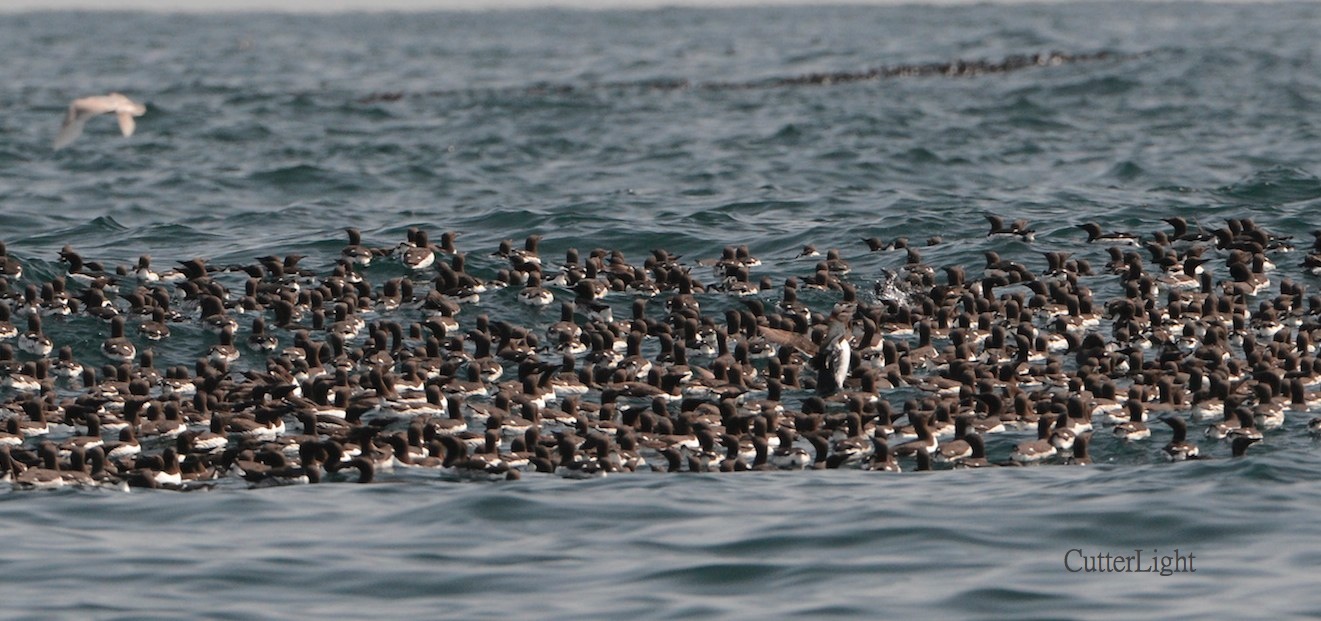
Dense rafts of murres rest near current seams that disorient small fish – the murres’ prey. At times, acres of herring can be seen just below the surface of Resurrection Bay’s waters.

murres 3 2014 n

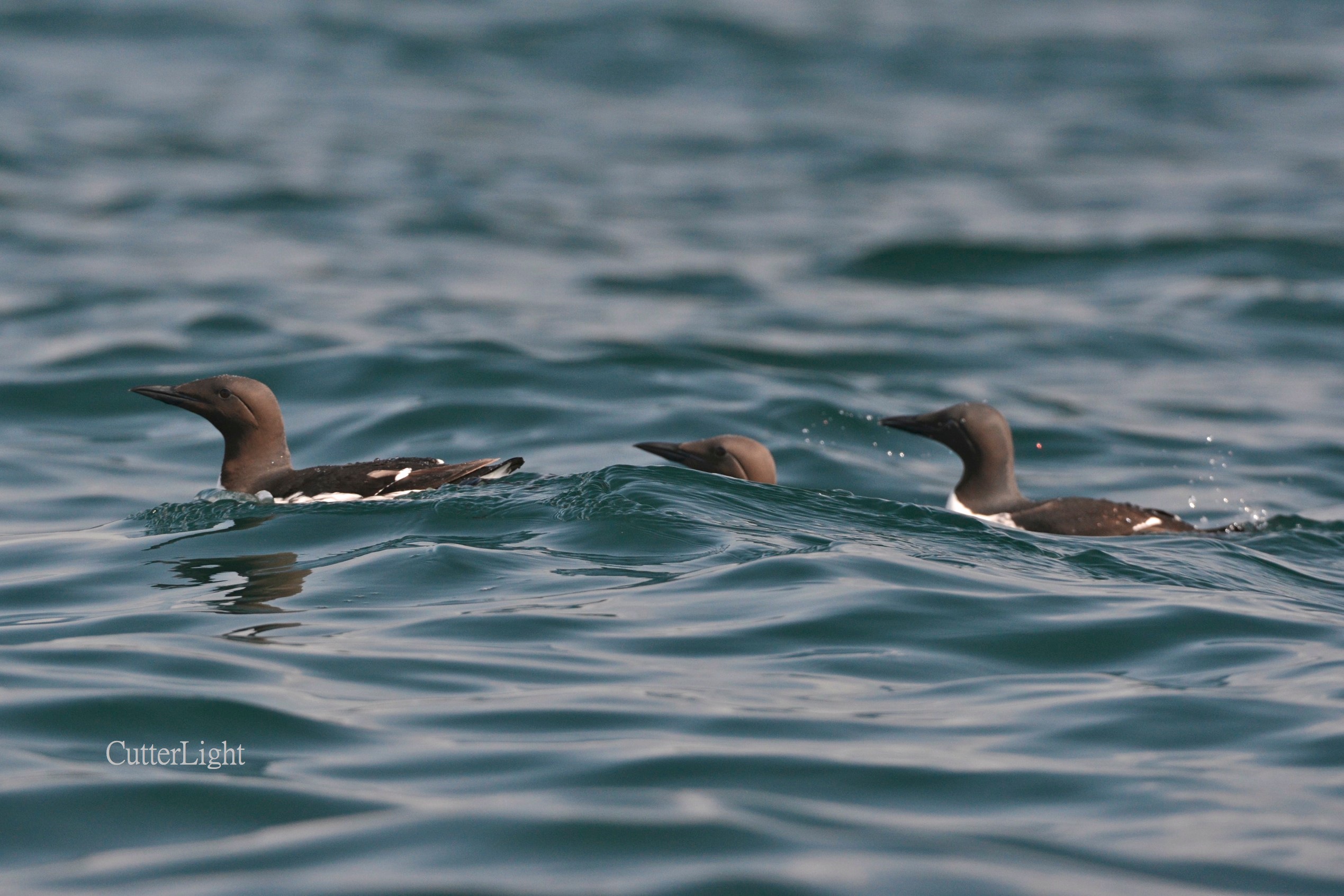
Thick-Billed Murres are so common it can be easy to forget what amazing birds they are. Somewhat stubby-looking on land, they can achieve flight speeds of 75 miles an hour. In water, they transform into sleek acrobats, capable of dives to over 300 feet deep – the length of a football field.  

tufted puffins may 2014 n

A pair of tufted puffins, golden sunlight illuminating their eponymous feathers, glide through the waters of Resurrection Bay in search of small fish.

Whether life takes you to coastal Alaska or some other shore, we can’t recommend a boat tour of inshore and nearshore waters highly enough. In Seward, local tour boat companies offer daily cruises captained by experienced National Park Service rangers – a not-to-be-missed experience.

C-Dory_new.jpg 

First Sea Ice, Point Hope 2013

snow arc point hope beach n

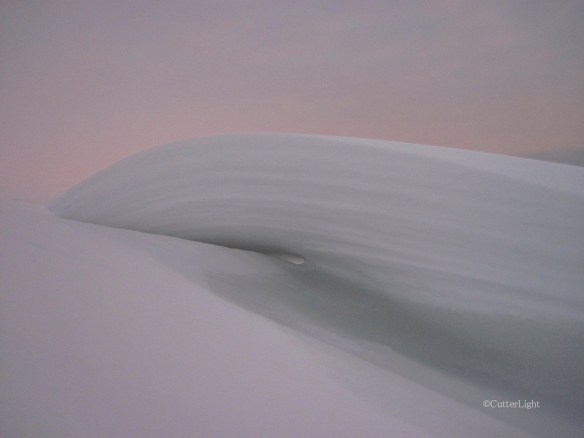
Wind and cold sculpted this mixture of sea spray and snow into a delicate arch. The sea ice has been late in coming to the Chukchi Sea this year. This photo was taken at 3:00 p.m. with the winter sun already skimming low on the horizon. Our month of day-long darkness will begin December 6.

The thick, slushy sea ice hisses and softly moans as it moves with the current past ice already frozen fast to shore. The hissing is vaguely reminiscent of a soft autumn breeze filtering through the dry leaves of oaks and maples in my native Pennsylvania. The moans sound like the muted voices of whales deep below the sea. All else is still, the ice stretching out as far as one can see. There is no wind, and there is no other sound.

sea jelly caught in ice n

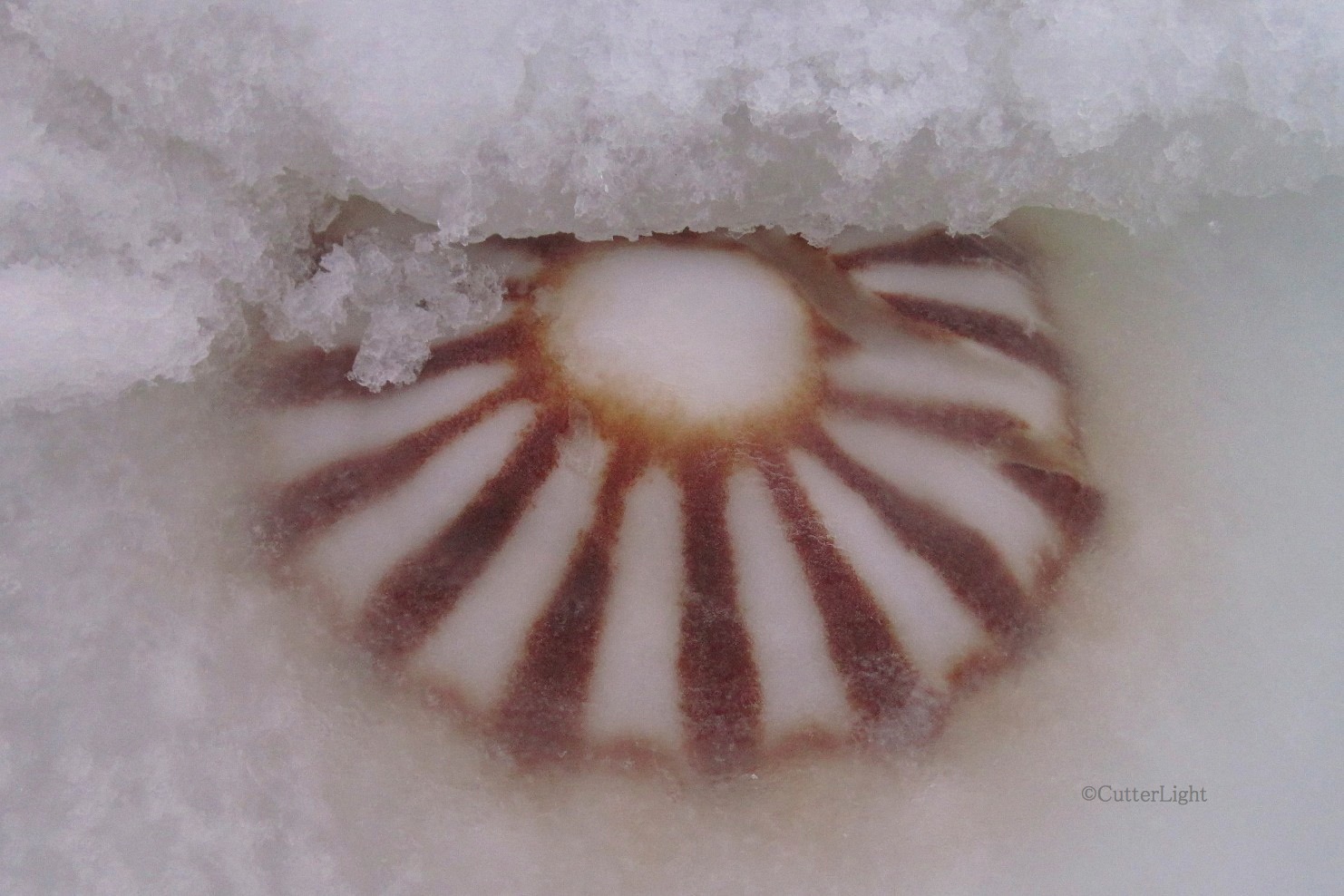
This sea jelly, entombed in shore ice, is about the size of a polar bear’s paw.

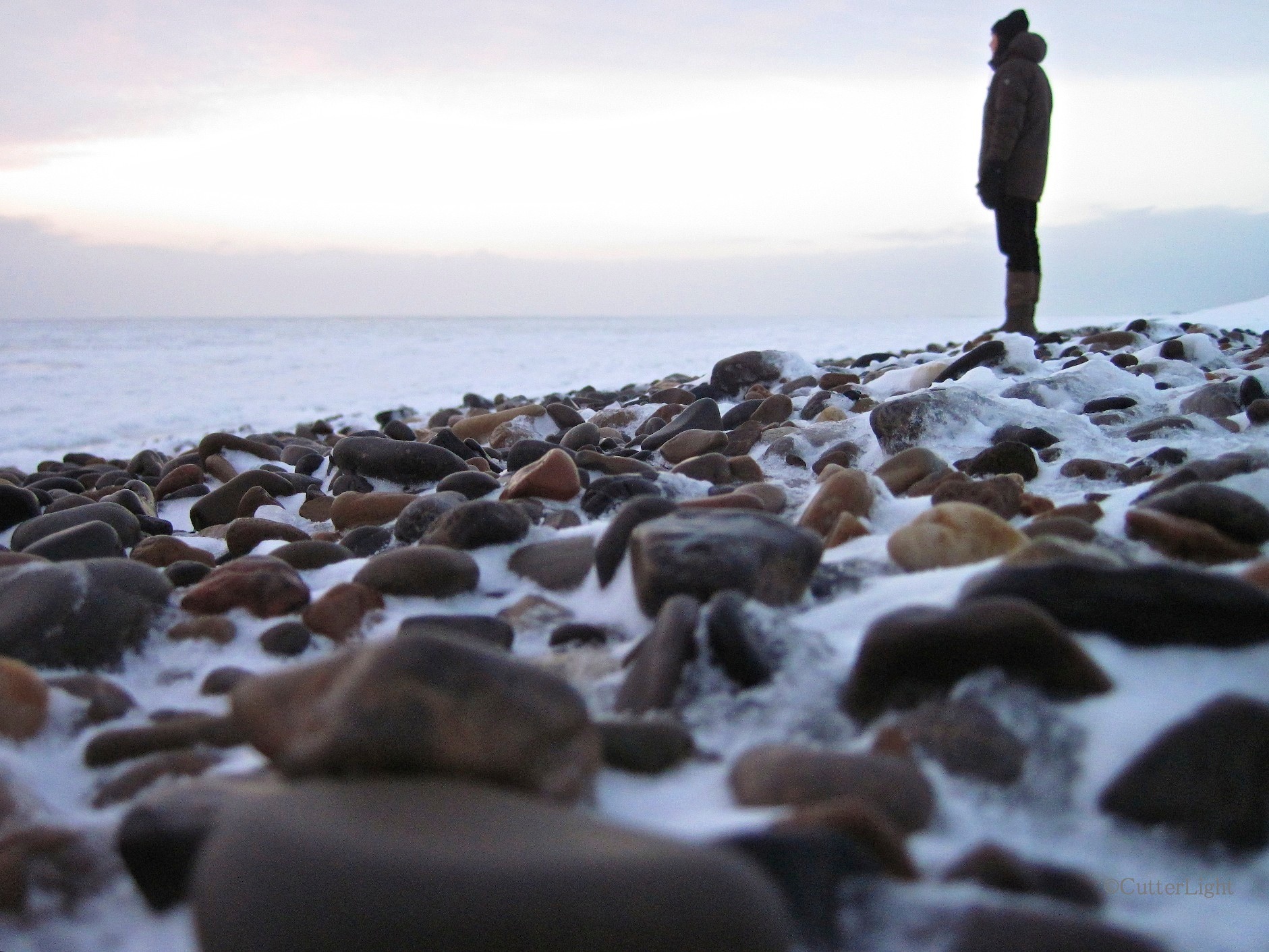
We searched for signs of life, perhaps a seal out on the ice or a snowy owl coursing the shoreline, or even the tracks of an Arctic fox. There is nothing, just the steady hiss of the ice as it flows before us. We walk along the pebbled beach for maybe a mile and finally spot a small group of ravens. Tough birds, making a living up here during the winter.

point hope frozen beach n

If you look closely among the rocks along the Point Hope Beach, it’s common to find jade. Less common are fragments of mastodon tusks.

first sea ice 2013 n

Thick ice prevents the shore from eroding during winter storms. Polar bears depend on the ice to hunt seals. Things are changing up here. The ice seems to be coming later, and there is less of it. Red foxes are becoming more common, pushing out their smaller Arctic cousins. Once winter truly locks up the sea and the sun sinks below the horizon, there is no place on earth that is quieter. It is cold and stark but beautiful. 

sea jelly caught in ice b n

We don’t always take our big cameras along on walks. Today we relied on “Little Blue,” our Cannon PowerShot D10, our trusty point and shoot.

Ptarmigan and Cloudberries: A Walk on Alaska’s Arctic Tundra

willow ptarmigan pair n

Looking almost like exquisite mounts in a museum diorama, these Willow ptarmigan (Lagopus lagopus) proved to be quite approachable. While hiking on the tundra near Point Hope in September we came across two coveys totaling about 20 birds.

cloudberries early frost

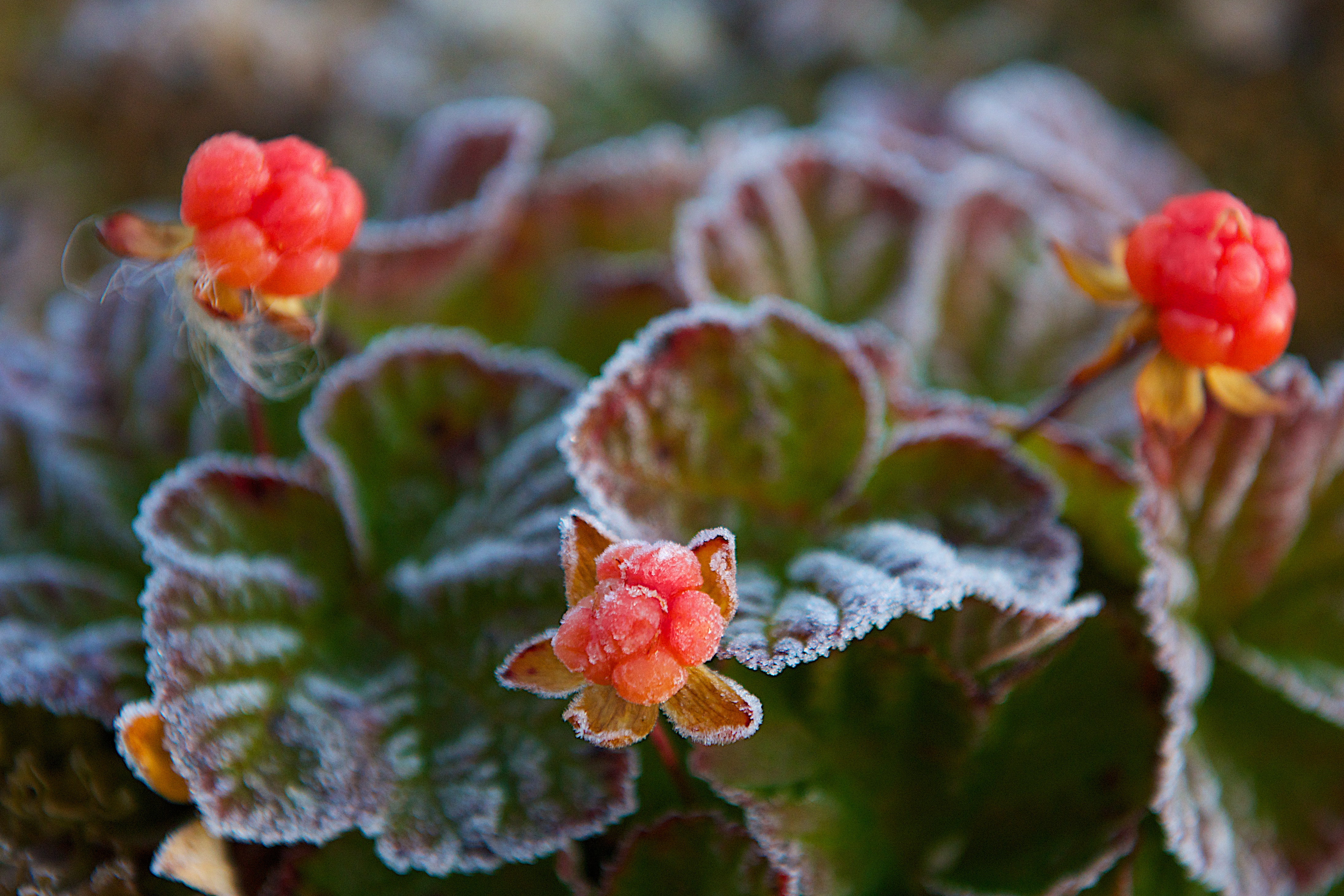
Nipped with frost, these cloudberries tasted like sorbet and were no doubt what had drawn the ptarmigan.

willow ptarmigan jack shooting n

Barbra cautiously approached the birds as I lay on my stomach, inching through the boggy terrain, shooting, hoping a few shots might come out.

willow ptarmigan solitary n

The plumage of these fall birds is in transition from the mottled browns and reds of summer to the snow white of winter. These are the same species as the red grouse of Scotland.

willow ptarmigan barbra approaching n

Barbra crouches and stalks closer to the birds. Note the densely feathered legs. The Latin lagopus translates to “hare foot” for the resemblance of ptarmigans’ feather-covered legs and feet to those of snowshoe hares. 

caribou antler fall tundra n

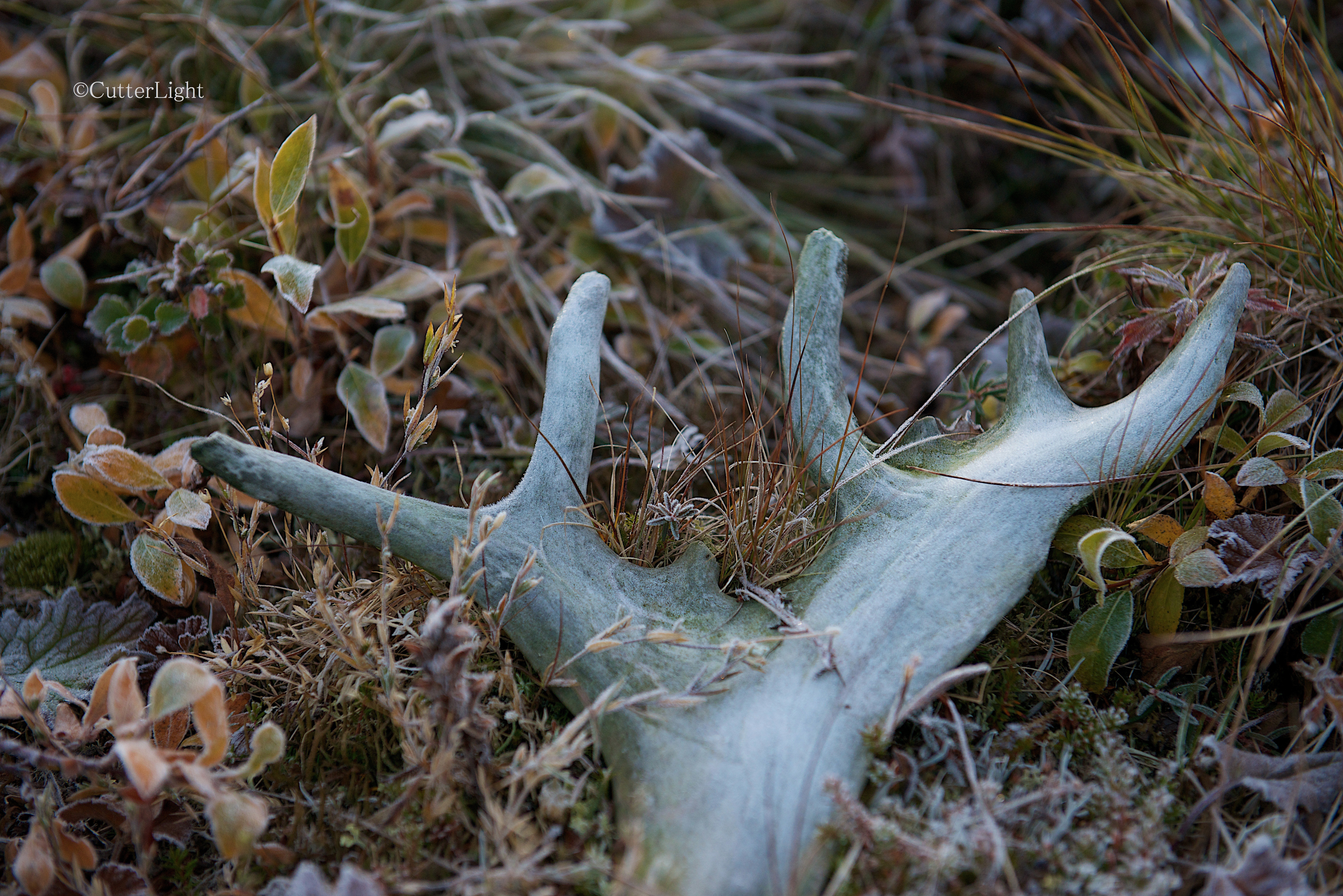
There’s always evidence of a rich ecosystem on the Arctic tundra. Caribou antlers, bird nests, animal burrows and an amazing array of plants are part of our walks.

brown bear track tundra beach n

Brown bears (grizzlies) are common visitors to the beaches and tundra near Point Hope. We found a set of fresh tracks along the shores of an inlet off the Chukchi Sea not far from where we encountered the ptarmigan. Red foxes, Arctic foxes, Arctic ground squirrels, weasels and caribou are frequently seen mammals. Wolves and musk oxen are less common, but also figure in the mix. In the foothills and mountains east of Point Hope there are wolverines and at higher elevations, Dall sheep. Rarely, moose are seen in the scrub willows along the nearby Kukpuk River, and during the winter months polar bears show up both on the sea ice and on land. 

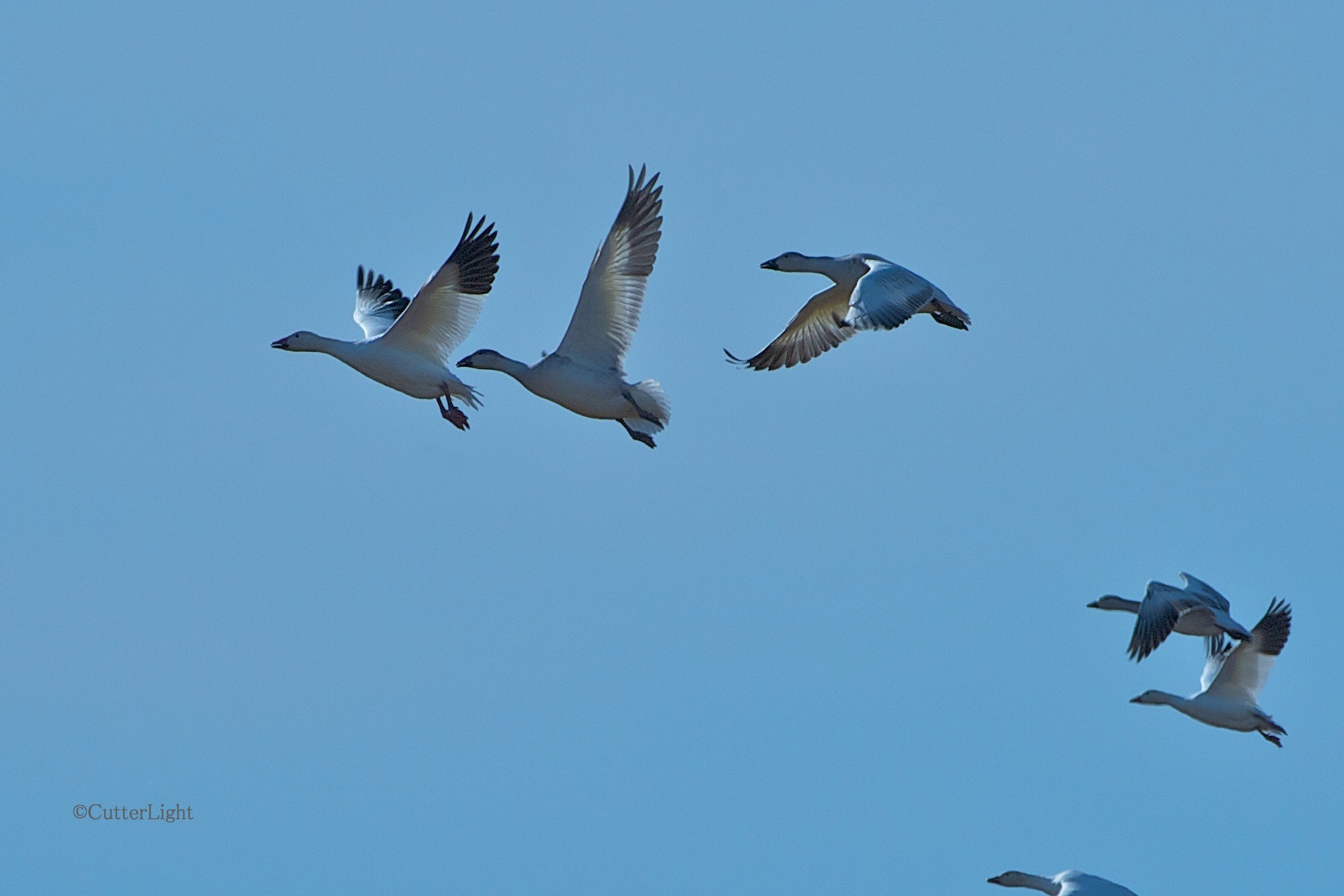
snow geese lifting off n

During the fall migration, snow geese are fairly common. (Above and below)

snow geese lifting off close n

Brandt, Canada geese, and a wide variety of ducks and shore birds are also common.

willow ptarmigan in flight n

When the ptarmigan finally had enough of us, they glided off a few yards, regrouped and resumed feeding. At that point we turned for home. 

cloudberries frozen in hand n

A handful of frozen sweetness for the road. 

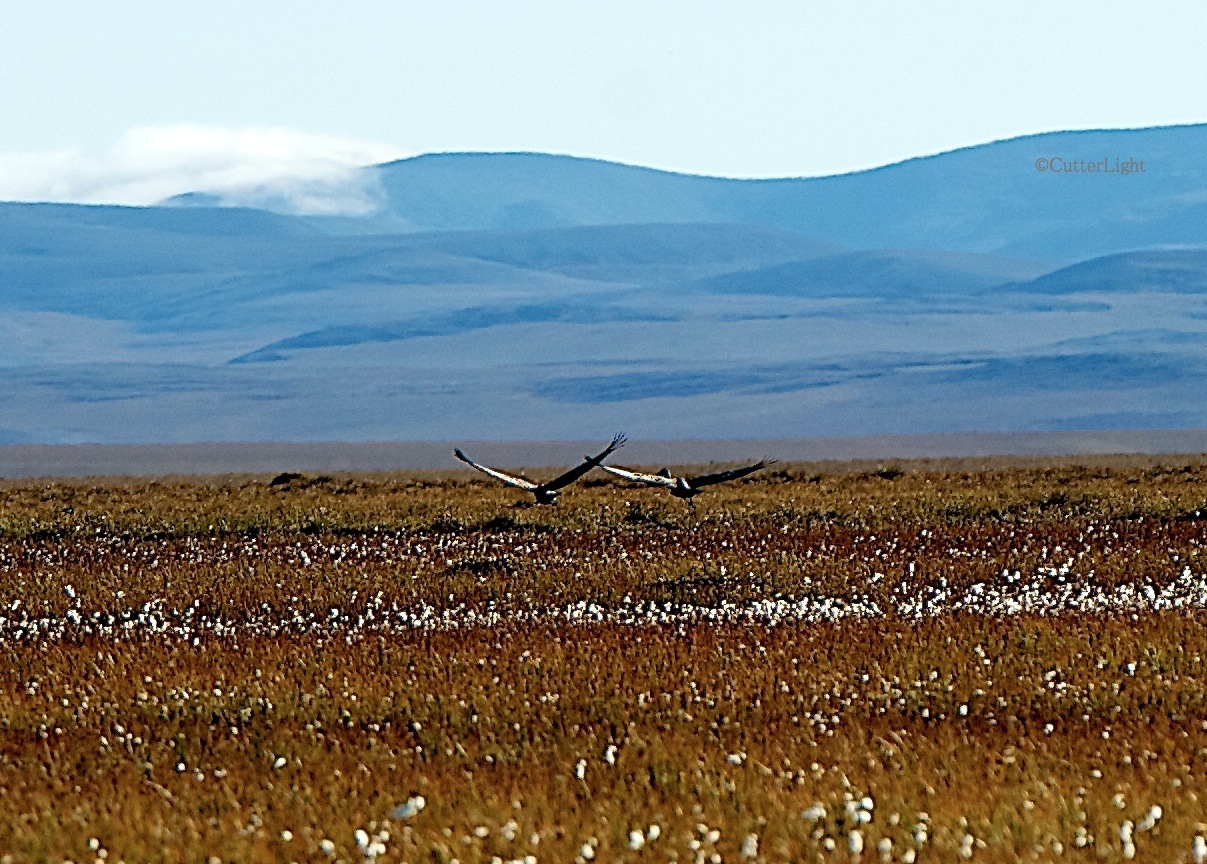
cranes flying into the hills n

A pair of sandhill cranes lifts off above the last of the cotton grass on the tundra near Point Hope.

Paul Klaver’s Short, Power Film, Eloquently Captures an Ecosystem

Paul Klaver’s 13-minute film, Alaska the Nutrient Cycle beautifully captures the critical role wild salmon play in sustaining a rich, diverse ecosystem. Unscripted but with beautiful background music, this breathtaking footage speaks for itself. This is why wild salmon and their environments are worth fighting for, and illustrates why we oppose farmed salmon.