Wilderness Camp – but What Is Wilderness?

Wilderness Camp
Denali National Park, 6/7/17

We procured a backcountry permit at the park office, took a shuttle bus a ways into the park, debarked and backpacked into the landscape in this photo to spend a couple of nights. The only sign of people we came across was a plastic lens cap from a camera – something accidentally lost, not littered. Caribou and Dall Sheep, Wolf prints and Wolverine tracks… A Grizzly Bear caused us to change our course… Short-eared Owls cruising low, nesting Willow Ptarmigan hens – the males waking us at first light with their call of Potato! Potato! Potato. Tree Sparrows flushing from tiny ground nests where clutches of blue-green & brown eggs were crowded together. We came across Caribou antler sheds; a moose rack attached to a skull suggested a successful hunt by wolves. In 1846, Thoreau needed only to travel from Concord, Massachusetts to Maine’s Mt. Katahdin* to immerse in the vital contact with wilderness he sought. During the 2022-2023 season, 105,000 tourists traveled to Antarctica – up from just 5,000 only a few years prior… which was up from somewhere near zero not so long before that. Even Alaska’s remote, far-north rivers are typically floated by multiple parties each year. Not long ago I came across a recent piece of video depicting an unimproved campsite I overnighted at on youthful floats down my native Clarion River. The site was seldom used in those days, nearly pristine, and you could nice-sized large trout in the pool and the riffle water that flowed by. The contemporary video showed trampled vegetation, fire pit scars, bags of trash…

There are no doubt as many definitions of wilderness as there are human expectations of what might be present or absent in such a place. The one certainty is that wilderness is becoming more difficult to find, to immerse in, to discover and explore. My recollection of reading Thoreau’s account of his attempt to ascend Katahdin is that at some point the climb (or was it the descent?) was terrifying. Perhaps therein lies a piece of what wilderness means… a place cut off from civilization, where things could go wrong, and if they do, you’re on your own. There’s something liberating in it.

*Thoreau’s account of his journey to Mt. Katahdin can be found in his book The Maine Woods.

On A Frozen Sea

Sphere and Pyramid
The Chukchi Sea, April 21, 2012

In late winter and early spring, our Inupiat friends in Point Hope began talking about “breaking trail” across the frozen Chukchi Sea so that snow machines (snow mobiles) and hondas (ATVs) could be driven out to leads (open lanes in the ice) in order to set up whaling camps. “Breaking trail?” Informed by our experiences with freshwater lakes, we wondered, “Can’t you just drive out across a smooth blanket of ice?”

Well, as we learned, a frozen sea isn’t like that. As ice forms and expands and is pushed around by winds and currents, sheets separate (creating leads) and later are pushed together again, the resulting pressure ridges can heave up massive jumbles of jigsaw ice. Some of the chunks are as large as a garage. This was all new to us the first time we hiked out to a camp. In the above photo our eyes are drawn to an otherworldly sphere and pyramid lit blue in pre-dawn light.

On a Frozen Sea

On a Frozen Sea, the two of us, April 14, 2013, near Point Hope, Alaska. This is about two miles from the village of Point Hope on a trail broken through huge chunks of ice, as seen, and marked here with a hook. Sea ice here is several feet thick – safe enough, but several of our local friends had stories about getting temporarily stranded when the ice they were on ice broke free from the main sheet. The gun is a precaution against Polar Bears.

I’ve enjoyed going back through photographs from our four years in Arctic Alaska. Although there are a number of additional pictures I’m reasonably happy with, the truth is that most of the images we made in those years constitute memories rather than art. As self-taught photographers, we still had a lot to learn about light, and how cameras interpret light, and composition, and optimal camera settings, lens choices and technique. Moreover, the images we made in those early days have a somewhat random feel about them as we hadn’t yet developed a vision for how we wanted to shoot and what we wanted to make images of… what stories we wanted to tell. We’d love to go back and revisit those scenes, and from time to time we discuss the possibility… but as Frost warned, way leads to way.

When we left Point Hope in the spring of 2014, we traveled to Mongolia where we lived for the following two years. We’re looking forward now to revisiting that collection. So, we hope to see you “in Mongolia!” JD

The Hike to Heney Ridge, Chugach National Forest

This is what a sub-polar temperate rainforest looks like on the dry side of a mountain. The first part of the trail gently meanders through a forest of hemlock, spruce and cedar. The understory is populated by blueberry, currant, salmonberry, devil’s club, twisted stalk, several species of fern and other plants. 

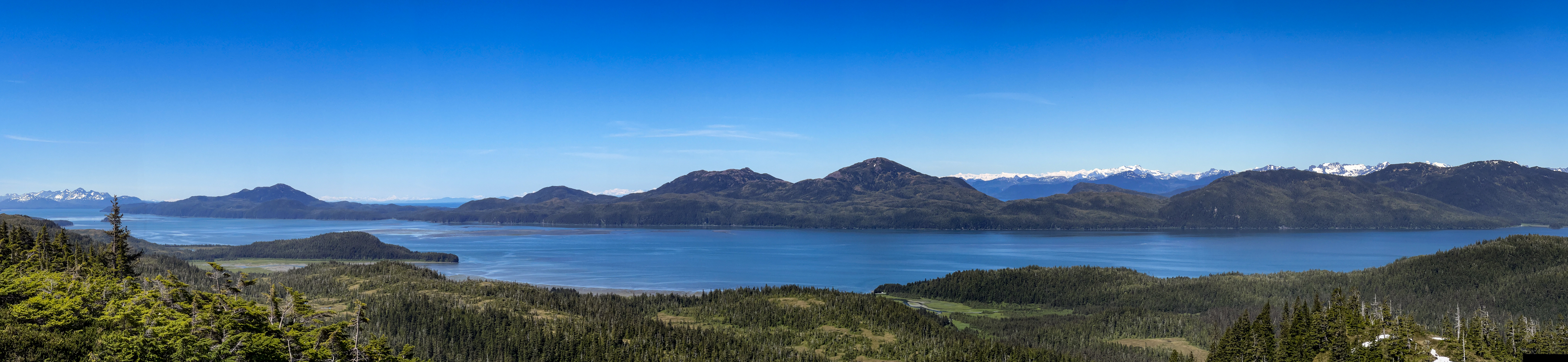
On June 18 we took advantage of a warm day filled with sunshine to take on the Heney Ridge Trail near Cordova. Lingering snow fields above the tree line stopped us with about a quarter mile to go on this 4.1 mile trail, but from where we stopped, the sweeping views taking in snow-capped peaks and Prince William Sound were nonetheless spectacular.

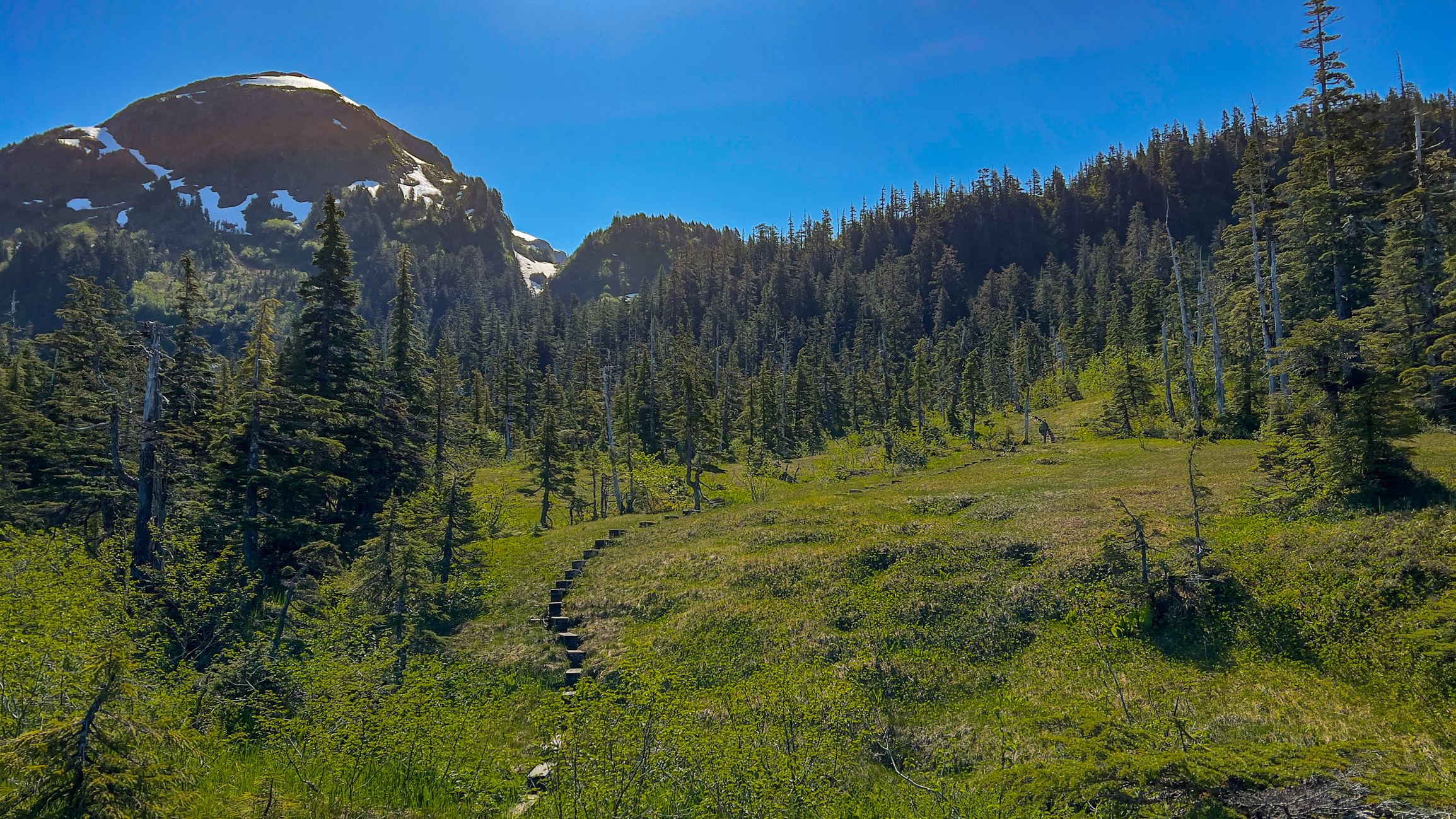
As we gained elevation, the trees gradually thinned out and in places gave way to muskeg meadows. This is marshy, fragile terrain. Narrow boardwalks and steps installed by the Forest Service help minimize hikers’ impact. (Barbra is right of center – a tiny figure giving some idea of the scale of this landscape.

Getting even a glimpse of birds proved challenging, but along the way we heard the songs and chatterings of Boreal Chickadees, Golden-crowned Kinglets, Ruby-crowned Kinglets, Orange-crowned Warblers, Wilson’s Warblers, Hermit Thrushes, Varied Thrushes, American Robins, Crows and Ravens. An American Dipper buzzed by as we were admiring the upper reaches of Heney Creek, and once we had climbed above the tree line we were able to look down on soaring eagles and gulls. Fresh bear scat. Fox scat dense with hair from its meal.

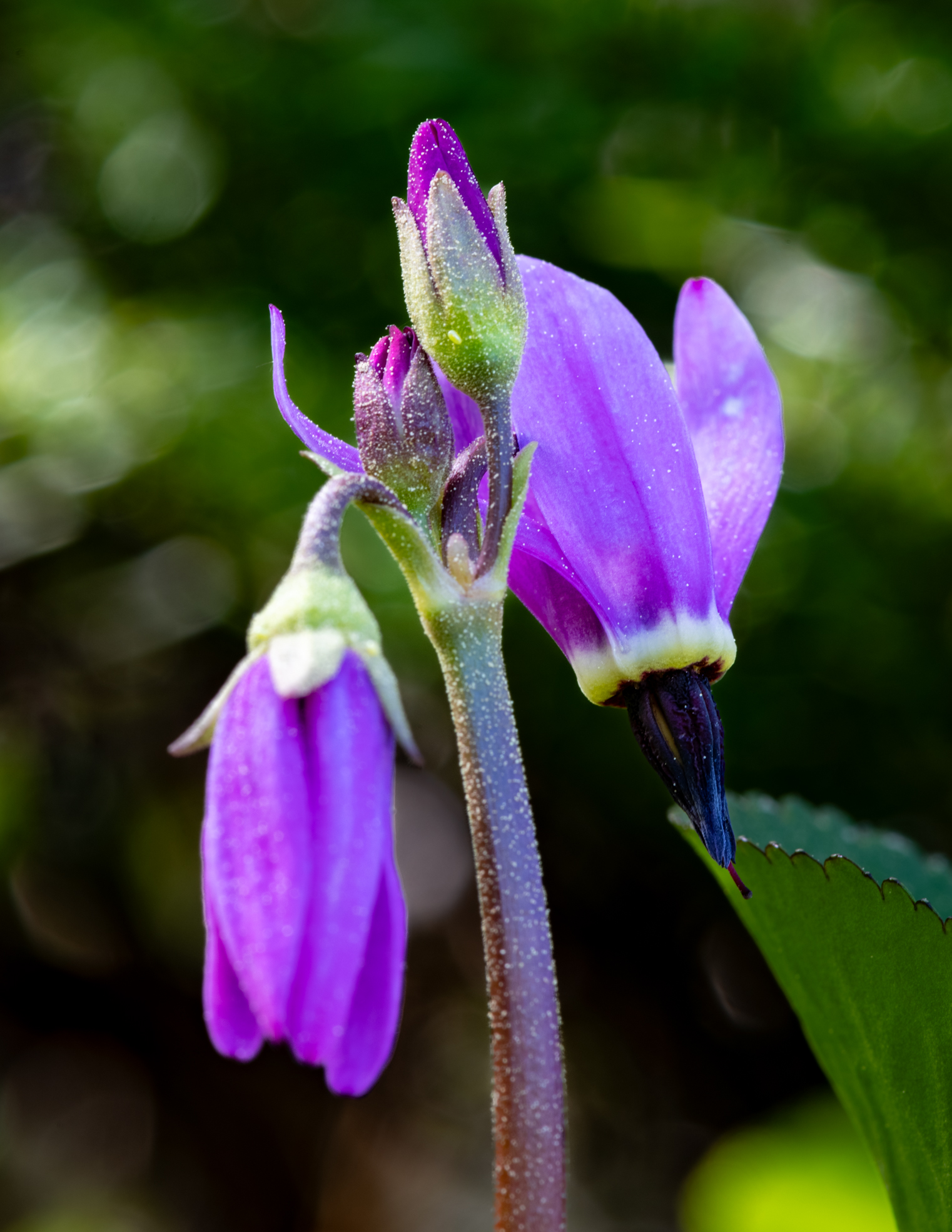
It was in these high meadows that we came upon an old friend: Shooting Stars, a favorite flower we didn’t have at Chignik Lake and were happy to reacquaint. This specimen is dusted with pollen from evergreen trees. 

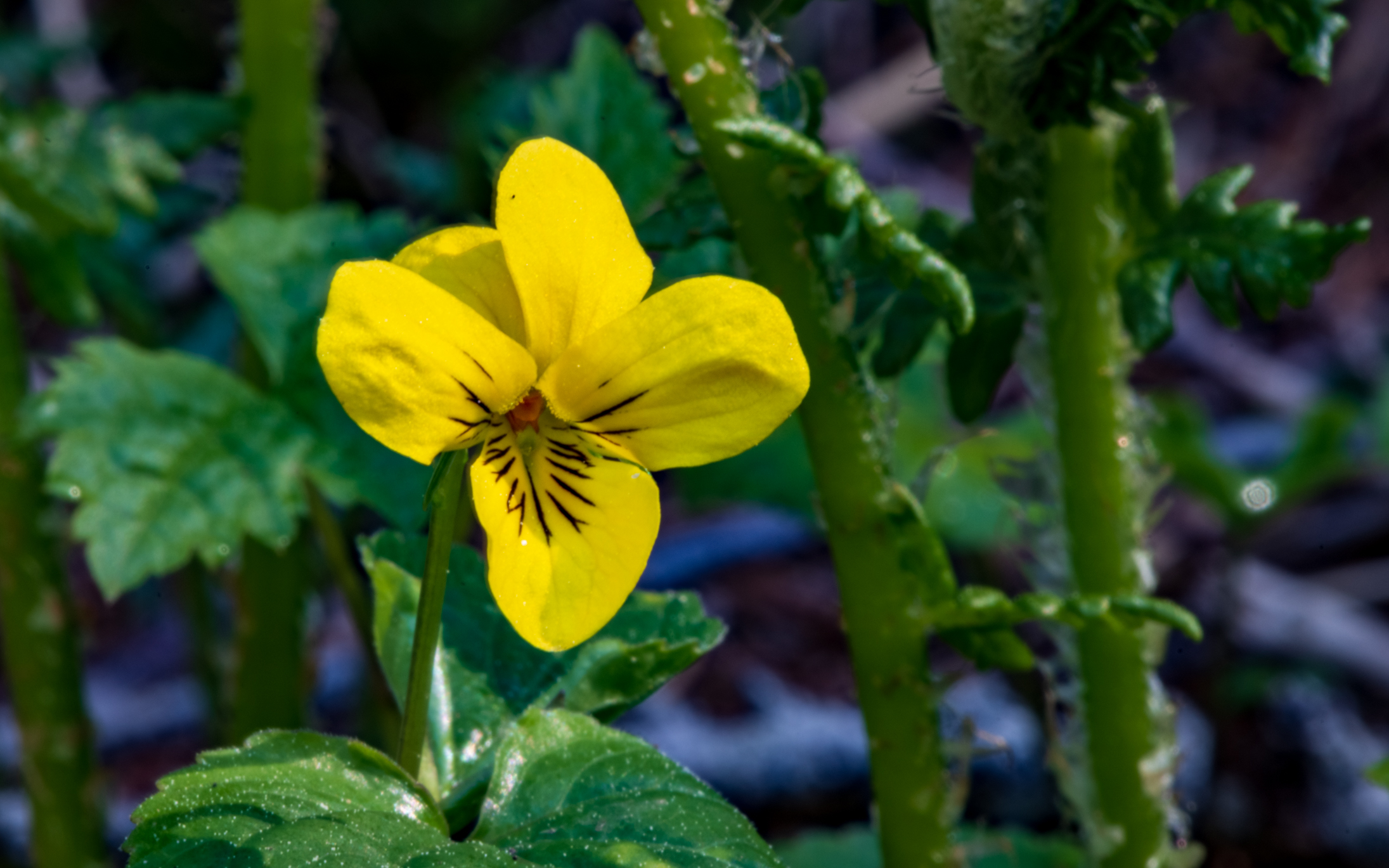
Several types of violet are native to Alaska. This tiny beauty is Stream Violet which we found growing near seeps and streams along the trail. 

From approximately the halfway point, the trail became steep (there is a ladder in one place) and mostly rocky. No technical climbing involved, but Barbra and I agreed on the adjective “rigorous.” Totally worth the effort, though. 

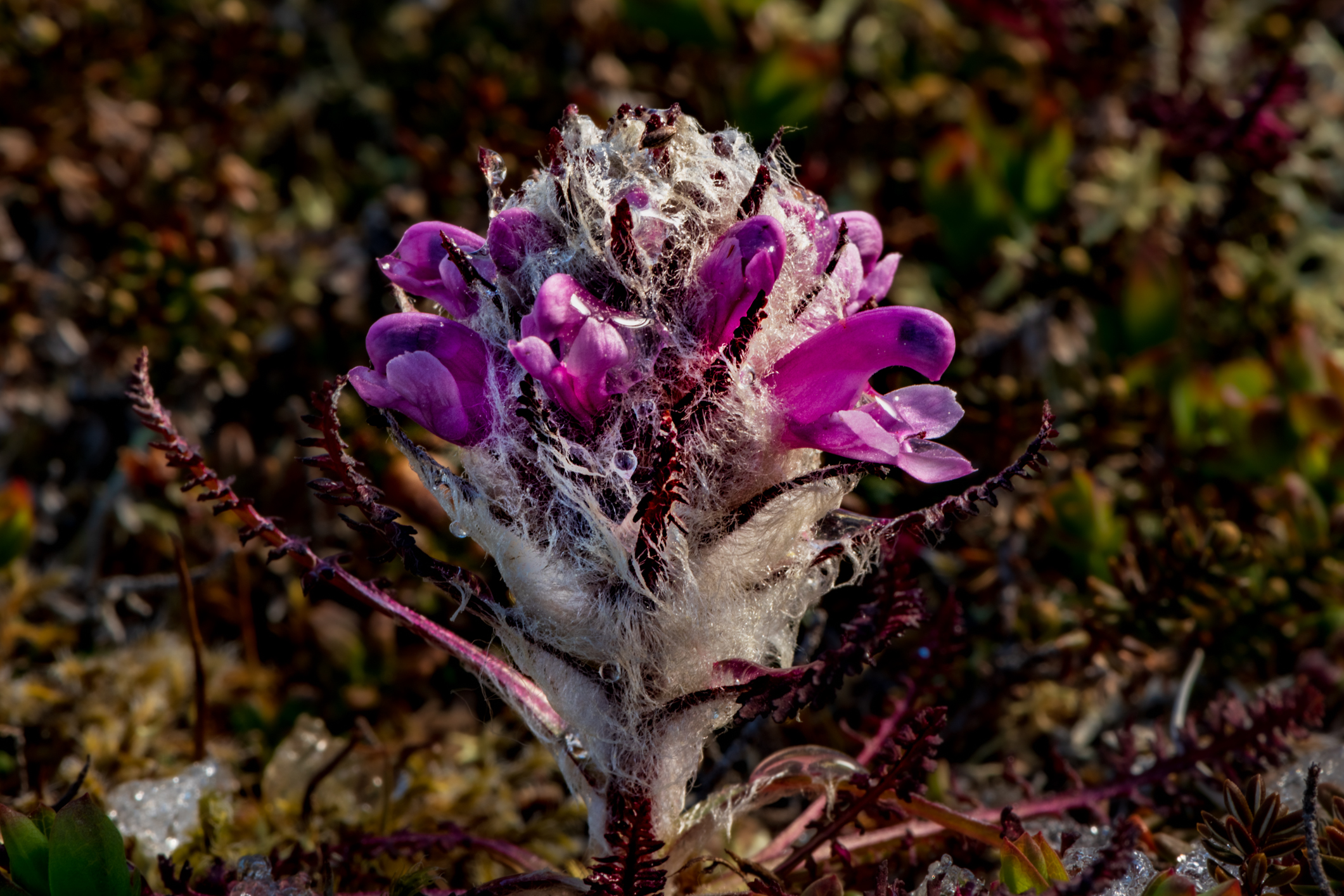
At the rocky terminus of our hike, we looked for alpine flowers. Small but beautiful, we found a few. Jewel of the mountains, Wooly Lousewort.

Narcissus-flowered Anemone

One often has to look closely to find the gems that are alpine flowers. This Wedge-leafed Primrose bloom is about the size of a fingernail…

…and these Alaskan Pincushion flowers are even small than that. But they’re all favorites, the two of us calling back and forth to each other with each discovery. Bell heather, tiny Vaccinium, minuscule Alpine Azalea, White Marsh Marigold (which might better be named Snow Marigold) in wet places…

Rock cairns mark the alpine portion of the trail. The last part is fairly lightly traveled, and it’s easy to confuse a rocky ephemeral creek bed for the actual path. Eagles soaring below, piping from perches in the distant forest, waterfalls rushing from melting snowfields, a light breeze, shirtsleeve warm, quiet… We’ll be back.

Rock Patterns

Ice scraped past in the form of a glacier, high above the ground and left this beautiful rock pattern.

Shot taken at the top of Exit Glacier on the edge of the Harding Ice Field.