Will They or Won’t They – The Hydroponics Experiment

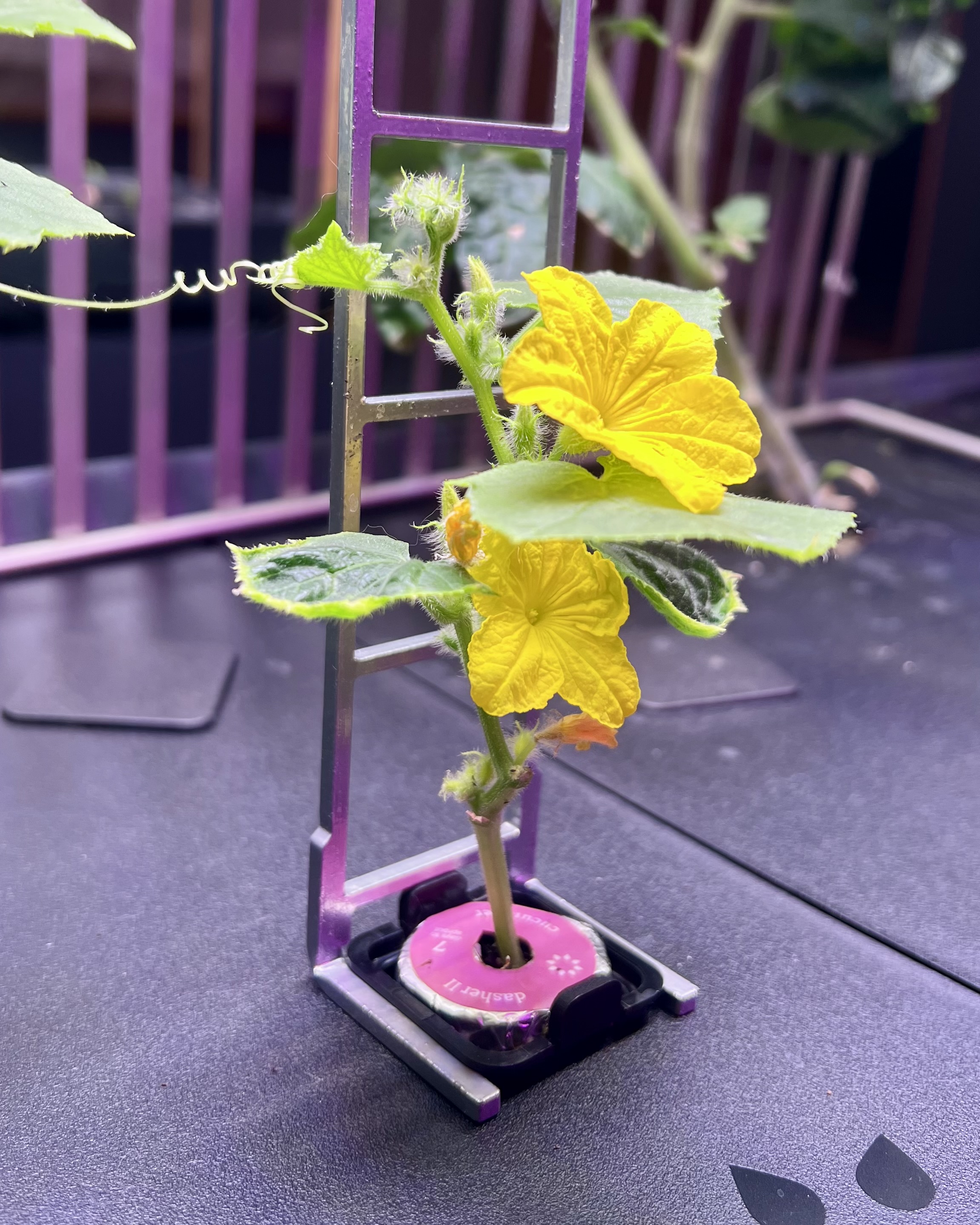
Part of our Alaskan culinary experimentation includes producing fruit and vegetables in a year-round hydroponic garden. We’ve been wildly successful growing our own gourmet lettuces. This little cucumber cutie is flowering like crazy. A little hand pollination and patience will answer the question – will it or won’t it bear fruit?

#hydroponicgarden #gourmethydroponics #hydroponic #chefdonachy #alaskacooking #food #foodphotography #eatingwelloffthebeatenpath #alaskafood #alaskabush #fooddestination

A Soup Involving Puff Pastry and a Tasty Reveal

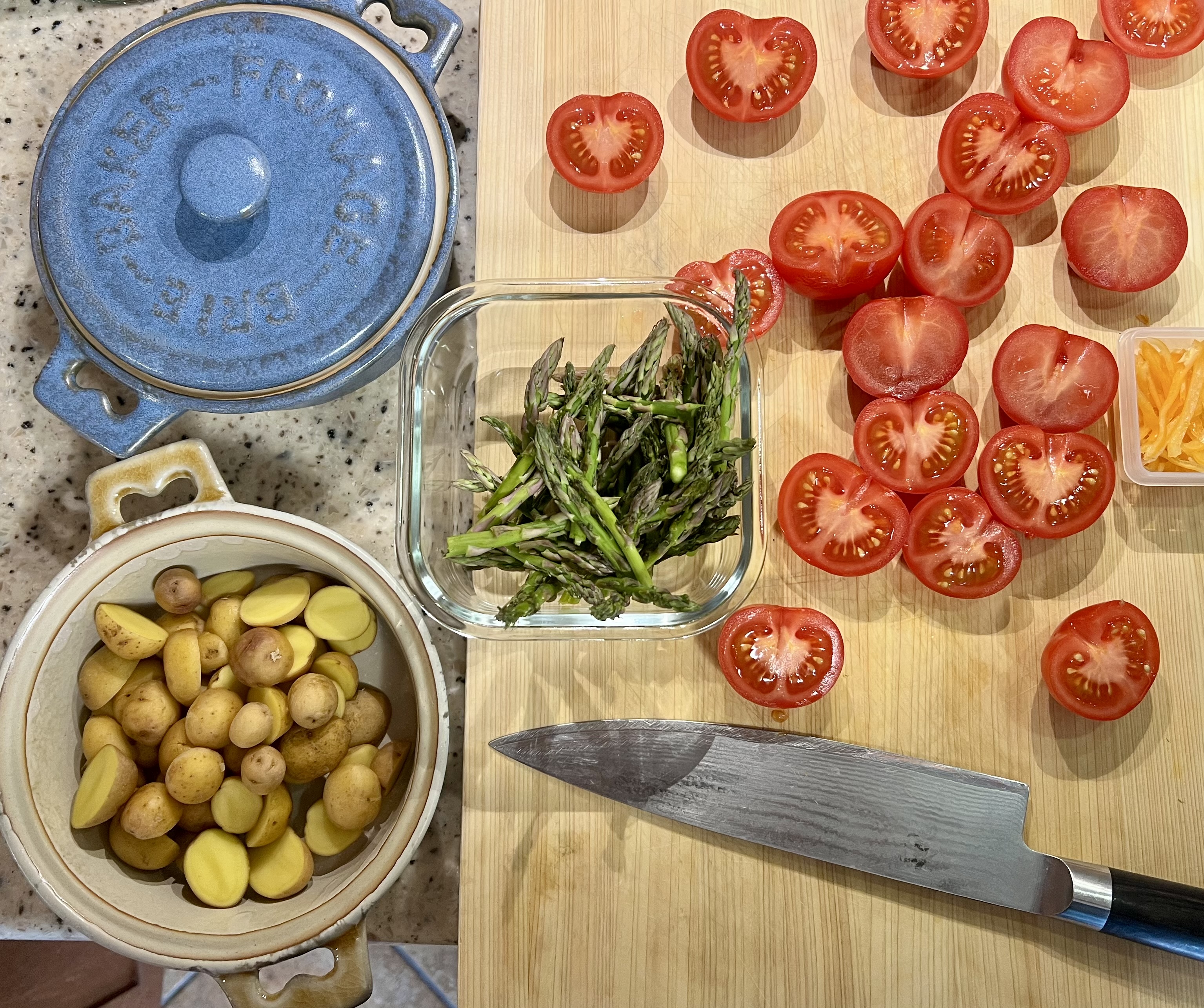
Jack is working his magic today. He’s perfecting a soup recipe baked in stoneware and topped with puff pastry. Spoiler alert? Your guest will crack into the perfectly baked pastry to find wild Alaskan Dungeness Crab. Yes, please!

#soup #puffedpastry #dungenesscrab #soupsurprise #chefdonachy #alaskacooking #food #foodphotography #eatingwelloffthebeatenpath #alaskafood #alaskabush #fooddestination

Premium Salmonberries

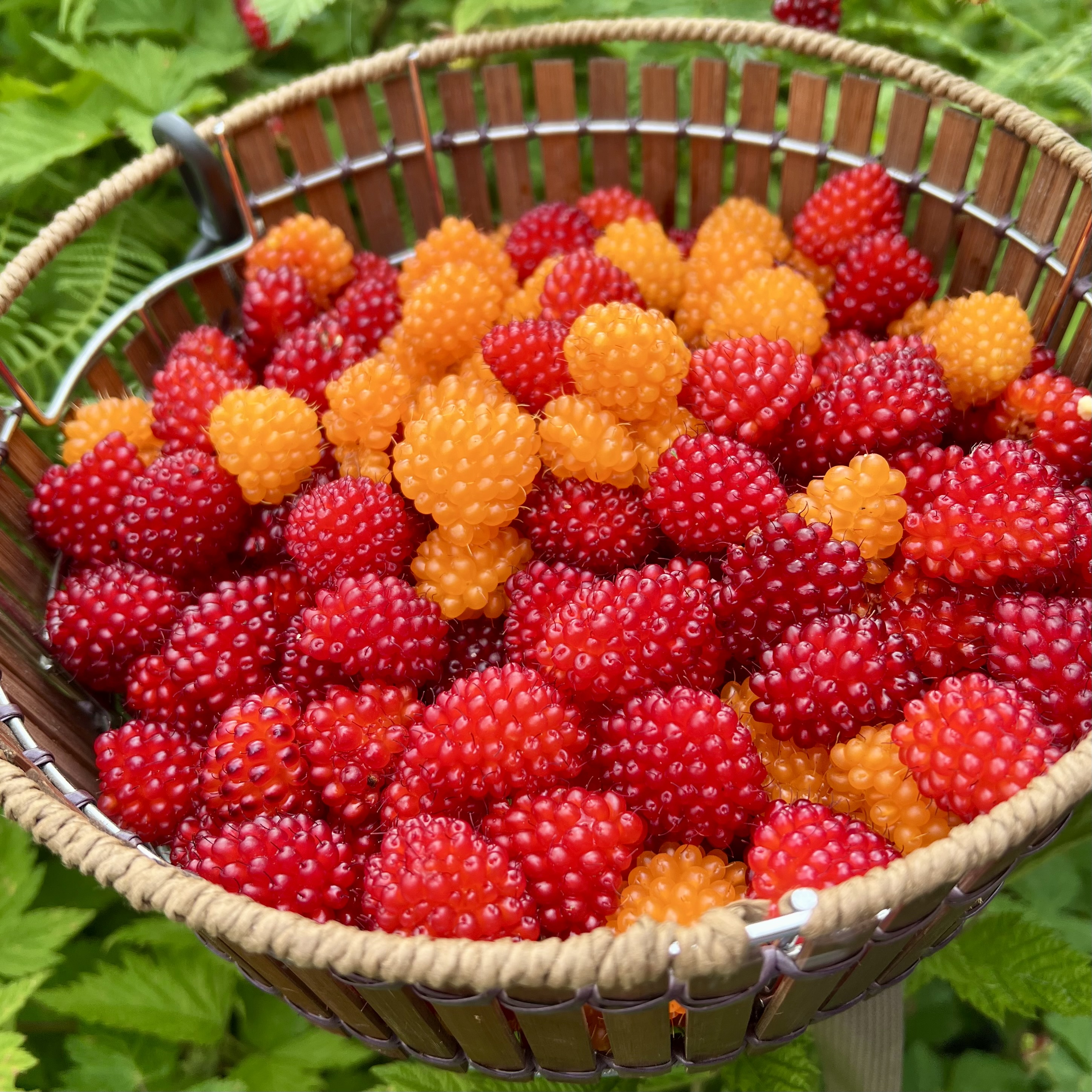
Today’s goal was to find premium salmon berries for upcoming cookbook recipes. I think we did pretty well!

#salmonberries #premiumberries
#chefdonachy #alaskacooking #food #foodphotography
#eatingwelloffthebeatenpath #alaskafood #alaskabush #fooddestination
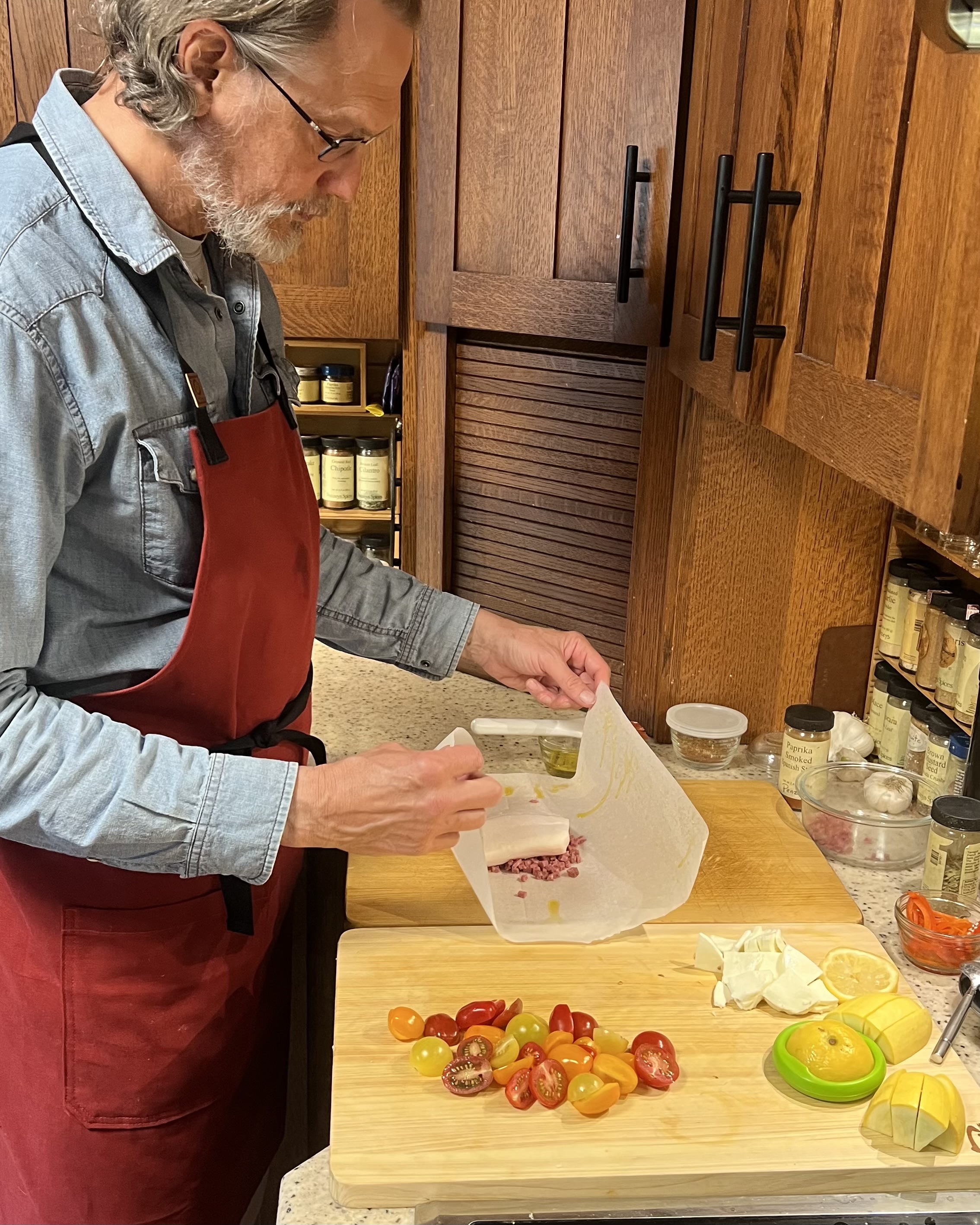
Dessert for Any Season – Frozen Salmonberries

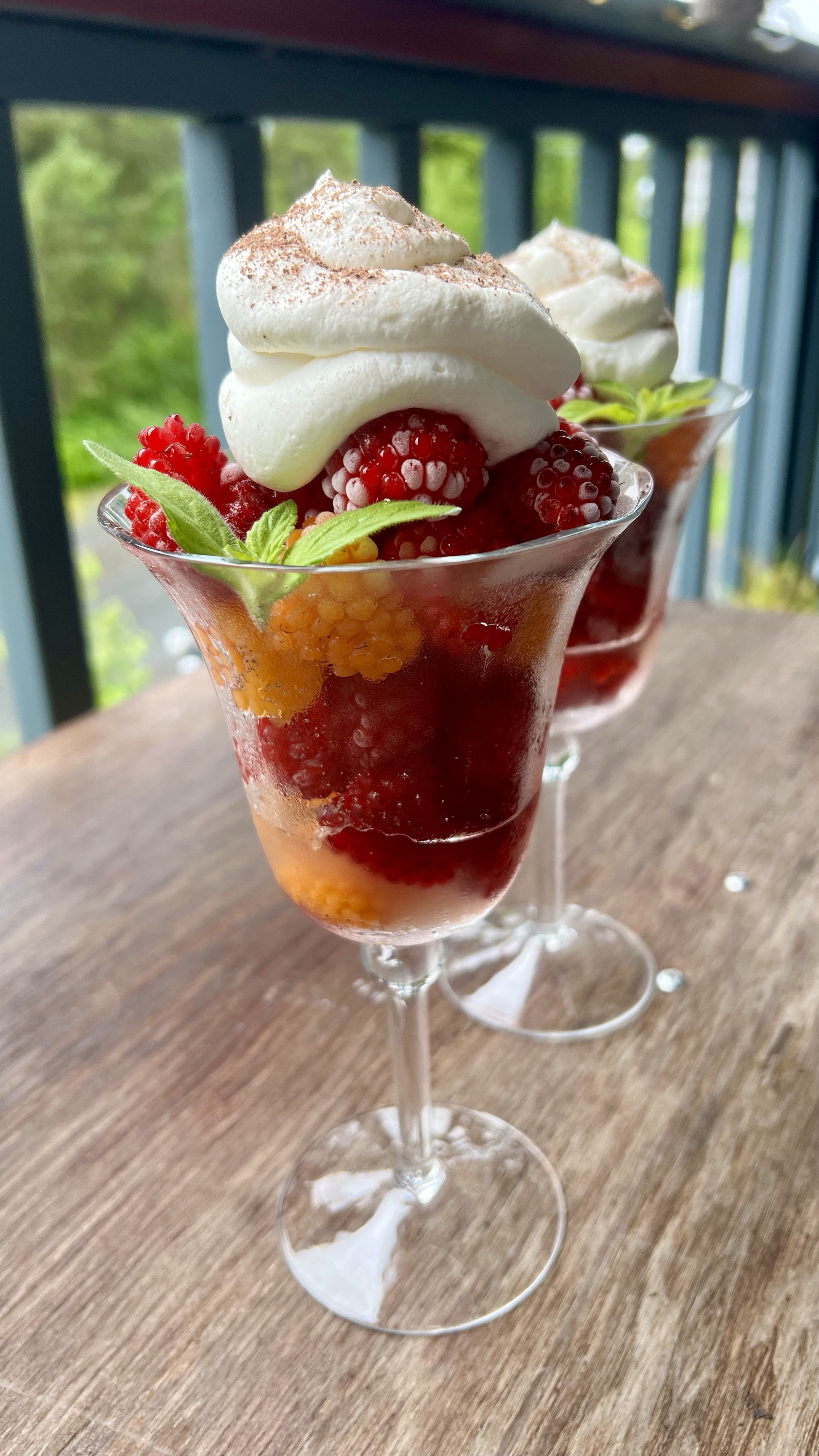
This is a favorite Jack creation. The elegance of the delectable array of salmonberries brings a wow-factor to meals all throughout the year.


#salmonberries #foragingalaska #dessert #frozenberries #chefdonachy #alaskacooking #food #foodphotography #eatingwelloffthebeatenpath #alaskafood #alaskabush #fooddestination #moose&malbec
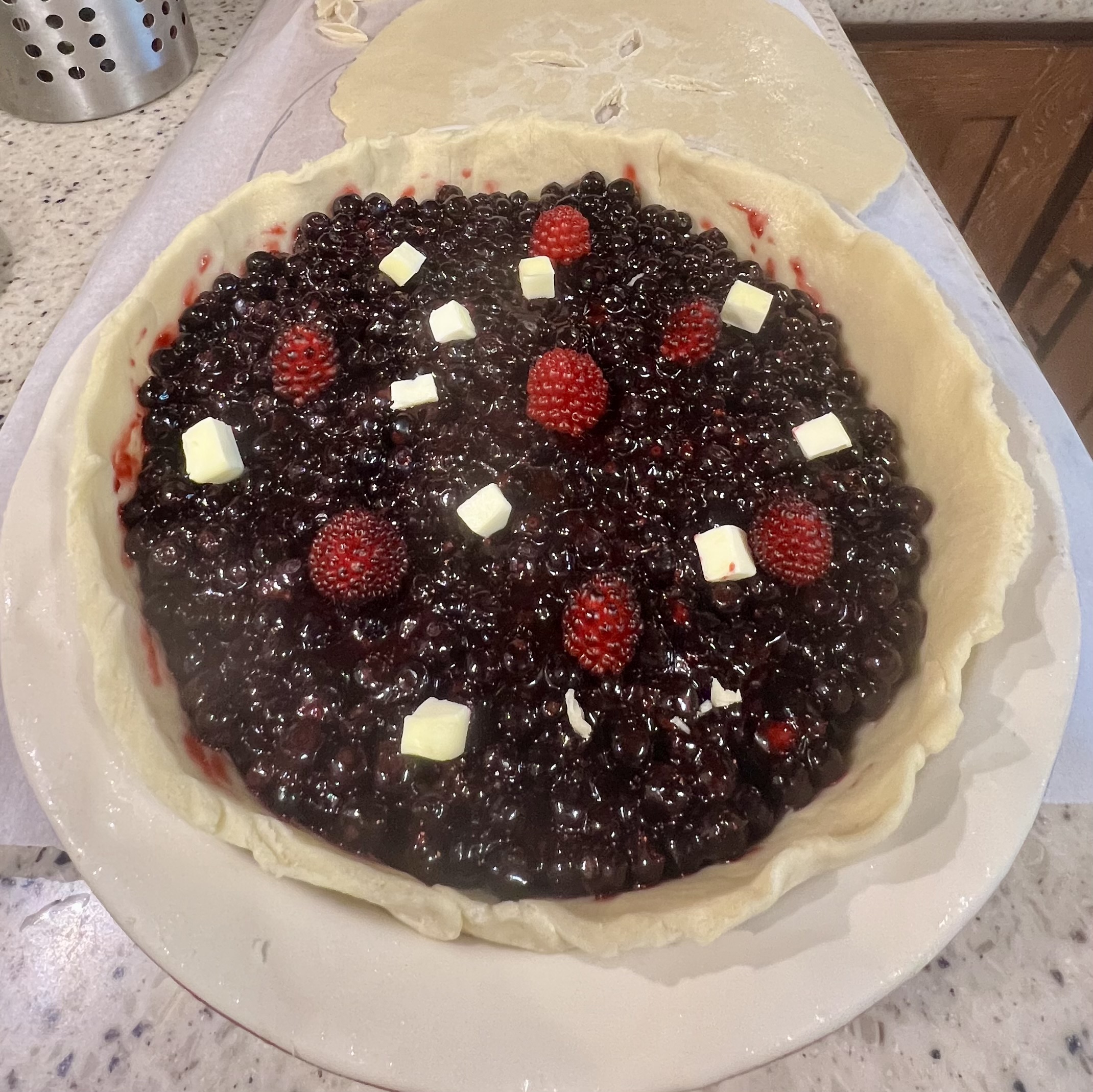
Wild Strawberry Rhubarb Hand Pies

A work in progress – wild strawberry rhubarb hand pies. Perfecting a recipe with frozen fruit. It’s not a feat for the easily frustrated.

#rhubarb #handpies #foraging #chefdonachy #alaskacooking #food #foodphotography #eatingwelloffthebeatenpath #alaskafood #alaskabush #fooddestination #moosepie&malbec

Moose Pie & Malbec – a New Adventure

Perfectly flaky crust stuffed with delectable ingredients. You want the recipe, right?

We are coming up on our fifteenth anniversary of publishing this blog. All those years ago, we packed up our beautiful California bungalow and headed off to live an adventure well off the beaten path in bush Alaska. People thought we would return to the lovely life we left in the urban world after a year or so. But we fell in love with all the joys and challenges with living in bush Alaska and here we are…still living well off the beaten path.

Much of this blog has been dedicated to foraging and recipe creation. Fifteen years of collecting experiences, reimagining food and beverage pairings and generating culinary ideas should lead to … a cookbook! Our blog catchphrase – living well off the beaten path – is now a work progressing toward a book with the working title Moose Pie and Malbec: Eating Well Off the Beaten Path in the Alaska Bush.

To keep you, our long-time readers (and new followers) in the loop, we will endeavor to post regular peeks into what we are working on here on Cutterlight and on Instagram. Follow along on our new adventure and see how it goes, leave a “like” and feel free to comment and share!

Thanks, as always, for reading and commenting!

Chefs and Bakers – Jack and Barbra

An Anxious Nation Waits

Election Day, November 5, 2024

It feels very much that when this is finished, America will continue as a democracy, or embark on a far more perilous course.

Landscape with Horned Grebe

Landscape with Horned Grebe
Clarks Bay, Chignik Lake, Alaska Peninsula, May 14, 2019

In the photo above, we’re standing on the beach not far from where Clarks River debouches into Chignik Lake. When the lake is glassed off like this, the view from the beach in Clarks Bay gives the impression of an infinity pool, the horizon disappearing in fog or low clouds. This is the only photograph I have of a Horned Grebe at The Lake, the species indiscernible in this color rendition but the bird’s “horns” really popping in the monochromatic (black and white) version of this image.

Hawk Chicks

Rough-legged Hawk Chicks
Chignik River, Alaska Peninsula, July 14, 2020

When I had the opportunity to make images of the Rough-legged Hawk nest at the cliffs along the lower Chignik River, I was still thinking of myself as primarily a documentarian. Additionally, human proximity to the nest was clearly upsetting to the chicks as well as to the parents. And so, a couple of times I waded into the river, made quick photographs, and left. Documentation accomplished.

In hindsight, it might have been worthwhile to construct a blind at a respectful distance and to thereby more thoroughly record the nesting events that occurred every summer until recently at this little ledge about 60 feet up from the surface of the river. A regret is that I never made a video of the birds. Unfortunately, in July 2021, a magnitude 8.2 earthquake rocked the Chignik area and in so doing deposited a volleyball-sized boulder squarely in the center of the nest. The little ledge had always been a precarious site – exposed at times to high winds, vulnerable to potential predation by our resident Great Horned Owls, and subject to regular skiff traffic (and associated engine noise) – and in fact the summer of the big quake after laying just one egg, for unknown reasons the hawks abandoned the nest, before the earthquake struck.

After the big earthquake, with a large rock left in the middle of the nest, the site was no longer usable. We think we discovered a new nest further up the drainage, so hopefully Rough-legged Hawks will continue to be a part of Chignik fauna.

Paired Bluebills in Spring Rain

Paired Bluebills in Spring Rain
Female (left) and male Greater Scaup, Chignik Lake, Alaska Peninsula, June 2, 2020

It hasn’t been until fairly recently, perhaps coinciding with a general interest in birding rather than mainly hunters looking closely at waterfowl, that the term Scaup has begun to supplant Bluebill when referring to the ducks in the above photo. These are Greater Scaup, a mated pair that paused at the lake along with several others of their kind for a little while in early June before heading off to find their own kettle pond nesting sight. There are also Lesser Scaup, very similar in appearance though slightly smaller and with a less rounded head. Though Greater Scaup were often abundant on the lake and in the river’s largest pools in winter and spring, I never encounter a Lesser there.

The term Scaup may be derived from the Scottish scalp which refers to bivalves such as clams and mussels, preferred food items for these diving ducks, though they also eat various types of aquatic vegetation. Interestingly, they are the only circumpolar diving duck – hence the European origin of their vernacular name. Their “quack” is a bit more hoarse or nasal than that of the familiar Mallard, and is often comparatively quiet. But at The Lake, it was a music we associated with spring, and we find now that we miss it.

JD