Cranberry Days

cranberry-miniature-xtra-close-n

Framed in a boggy, wet miniature world between yellowing willow leaves and a lime-green horsetail stalk, clusters of ripe low-bush cranberries (lingonberries) push up through densely growing crowberry plants. Chignik Lake, Alaska.

The savannah sparrows that have been passing through in small flocks are absent today. The last of their kind, they’ve joined the white-crowned, golden-crowned and fox sparrows along with the wrens and warblers that flew south back at the beginning of the month. With most of the passerines gone, the shrikes, too, will soon go, following their prey. It’s been two weeks since we’ve seen sandhill cranes and at least that long since loons were gliding across the lake. This morning following a spectacular, fiery red sunrise, the light broke almost white. Winter light.

Making my way through the village toward the trail to the berry meadow, I spot a kingfisher perched stalk-still on a dead alder along the lake. A few glaucous-winged gulls wheel and soar low over the lake, calling listlessly as others sit placidly rocking on the windblown water. In the sky overhead, a pair of ravens show off their vocals with deep, resonating qua-orks and are gone. As the trail enters the dense growth of willow, salmonberry, alder and fireweed stalks gone to cottony seed, I can’t help but notice the absence of birdsong. Not even the chickadees are out. A mile later, up in the bog, there is only wind blowing through the raggedy last of the cotton grass and bowing the sedges in undulating, yellow-green waves.

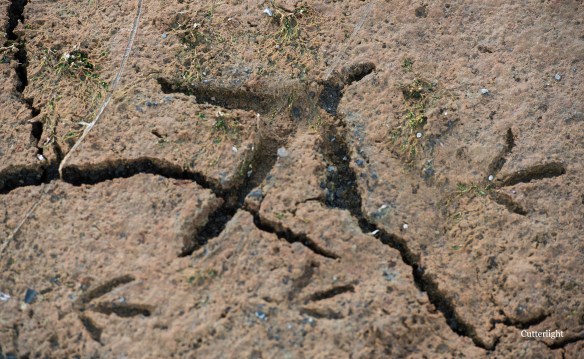
 crane-track-2016-n

Remains of summer: Sandhill crane footprint and raven tracks on the edge of an ephemeral pond near the berry bog.

I enter the berry meadow quietly from downwind and scan for moose and bears. There are tracks and other sign in the soft mud, but no animals. A sudden gust sprinkles my face with cold, misting drizzle.

I pull a five-cup container from my backpack and begin walking the edges of the watery meadow looking for mounds of crowberry plants. Cranberries seem to like growing among these mosslike plants. It’s not long before I find the perfect mound. Looking carefully among the needle-shaped crowberry leaves, I see the tell-tale maroon that gives away the berries I’m after. As my eyes hone in on this specific shade of red, I see more. And then lots.

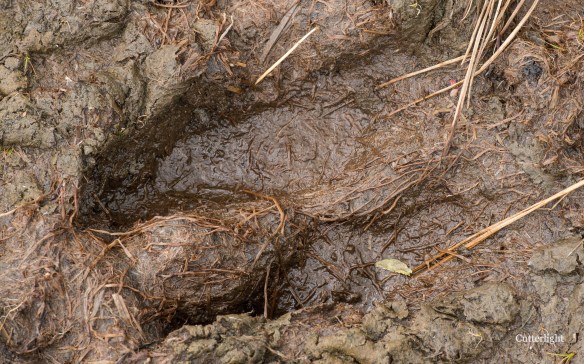
moose-track-1st-meadow-n

We sometimes find moose tracks at the berry bog as they come to feed on nutrient-rich sedges.

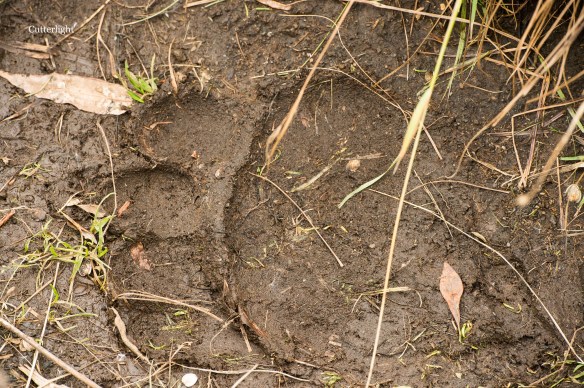
bear-track-1st-meadow-9-19-n

Brown bears (grizzlies) come to the meadow looking for the same thing that draws me – an abundance of bog-loving blueberries, crowberries and cranberries. Even with the nearby river and feeder streams brimming with salmon and charr, it’s common to find piles of bear scat loaded with little but berries and berry seeds.

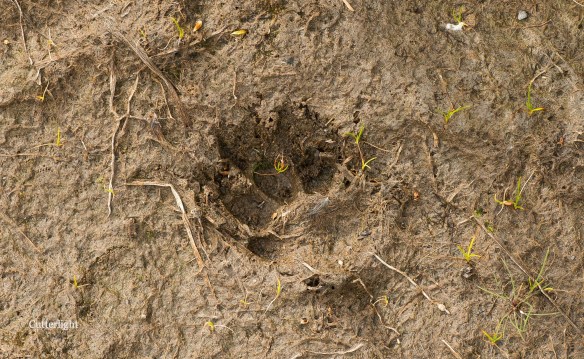
fox-track-1st-meadow-n

Red foxes love berries too, and are frequent visitors.

Picking goes fairly quickly and by lunchtime I’ve filled two containers with perfectly ripe, agreeably tart, firm berries. These I’ll clean and add to the two-and-a-half quarts Barbra and I picked yesterday, making well over a gallon. Freezing these lingonberries will sweeten them up a bit. After that, we’ll turn them into syrup to add to our Soda Stream fizzed water and into sauces for grilled pork cutlets, roasted chicken and Thanksgiving turkey. 

cranberries-in-moss-berries-n

Wild geranium leaves turned orange-red add a splash of color to one quart and one cup of low-bush cranberries… No one with a stash of gold ever felt wealthier.

While picking, my mind follows its own path in and out of dialogs and dreams but I try to remain vigilant to the possibility of animals. In addition to bears, moose, foxes and an array of birds, wolves, too, occasionally travel through the meadow. Just as I top off the second container, I hear a succession of three distinctive snorts directly downwind. Something has picked up my scent. A bear? A moose? I slowly stand and look. Whatever made the noise is buried deep in alders some distance away. I probably won’t get a look, but just in case I check the settings on my camera, make sure my canister of bear spray is handy, and pack up for the mile-long walk home.

Along the trail back to Chignik Lake, crimson fireweed stalks accent the gold of autumn willows. Up on the mountains, the season’s first snow.

As I come around a bend in the trail a snipe explodes into the air, it’s back marbled in browns and streaked with white. Sunshine breaks through the September clouds and the meadow and hills and distant mountains light up. I recall a story about a boy who fell asleep, and when he woke couldn’t determine if he was still asleep and dreaming, or wide awake in a new land.

The Magic of Freshly Cured Ikura (Salmon Roe Caviar)

ikura fresh in clear glass n

In The Bell Jar, Sylvia Plath describes eating an entire bowl of caviar by herself. Which sounds a little piggish. Certainly we would never do such a thing. No, never. The happy little seal… well, he’s not talking.

Making your own ikura (salmon roe caviar) is easy.  The recipe, linked below, continues to be one of Cutterlight’s most popular.

Click here for the recipe: Ikura: Curing Salmon Eggs

This batch came from a Sockeye salmon, and although chum salmon eggs are the traditional choice due to their large size, the ripe eggs of any species of salmon or trout work well.

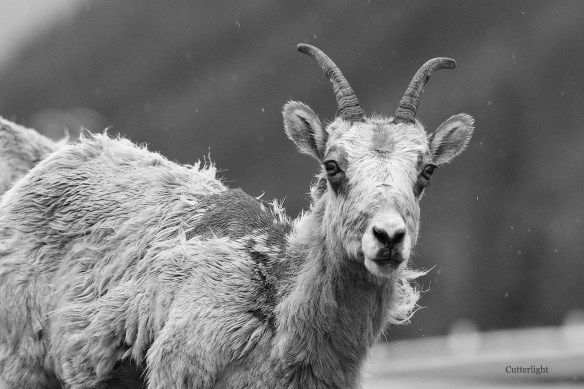
C’mere and give us a kiss

mountain sheep give us a kiss n

We’ve all been there – mornings when you’re out of cigarettes and reduced to digging through an overflowing ashtray; mornings when you can’t find your Scotch glass… or the sash for your robe. Your lipstick’s smeared from the night before, your head is pounding, you can’t even look at food and you just want to know that you’re still loved. (Stone Sheep Ewe on a rainy day in Alberta, Canada)

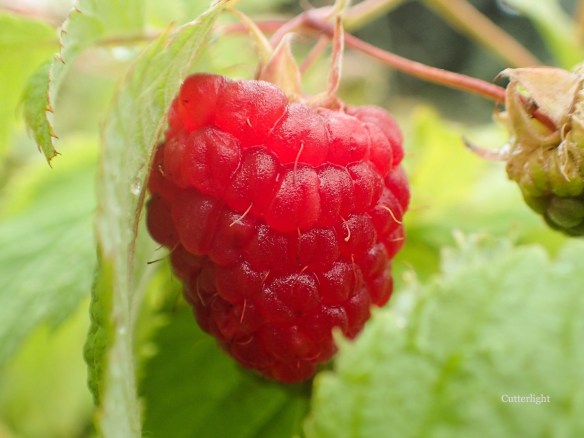
Where all the Raspberries are as Big as Your Thumb

“Pick me! Pick me!”

Anyone who knows Jack knows that he is a fisherman through and through. Moving to a village where the salmon are running so thick we can see them finning up the river and into the lake is beyond Jack’s wildest expectations. This is not his dream. This is our reality. He’s spent time every day walking the shore, sometimes with fishing rod in hand, other times just watching and listening to the music of river current and salmon jumping, splashing, sloshing their way upstream.

And so it’s understandable that it was left to me to spot the patch of raspberries Jack had walked right past on his way to the river. And such raspberries! The patch isn’t large, but this has been an exceptional year for berries and the vines are heavy with tart, sweet, jem-like fruit.

raspberries in bowl chignik n

And with green berries still growing in more shaded parts of the patch, we should be able to pick all we need. Jam, pies, syrups, fresh with morning cereal… How about a raspberry-chipotle sauce to go with fresh-caught salmon?

“Bigger than store-bought,” as Jack says. Tastier, too. I don’t know about them being as big as your thumb, but they’re the biggest we’ve ever seen. Can you believe he was so intent on the salmon that he walked right past the whole patch without even noticing?!

And Then Gillie was Gone… Or… Intrepid C-Dory Thwarts Thieves!

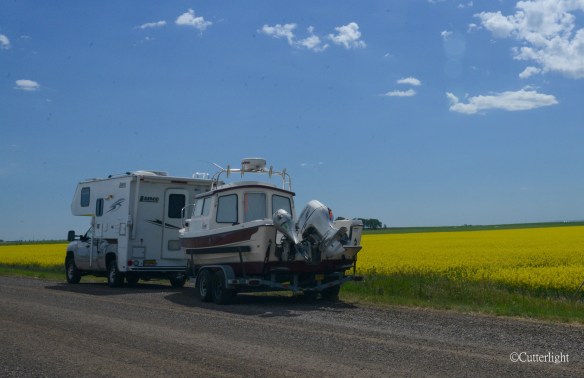
Gillie and Canola_n

Gillie faithfully following her crew, enjoying the canola fields of Alberta.

July 18, 2016, Yukon Territory. In an incredible act of heroism, the fishing vessel Gillie, a 22’ C-Dory Angler freed herself from an attempted abduction. Following her captains north to Alaska on the Alaska-Canada highway, Gillie, along with Stanley the Chevy Silverado and Lance the Cab-Over Camper, had pulled off the highway for a driving break at the Smart Creek turn-out near the British Columbia/Yukon Territory border. Her captains were gone for mere minutes, looking for grayling and char in the trouty-looking river just out of Gillie’s view when the thugs attacked.

Armed with precisely the right tools, the perpetrators made short work of Gillie’s couplings, hitched her to their own criminal vehicle, and sped off. At this point, Gillie feared the worst. She imagined herself in a chop shop, her engines torn from her stern, her insides gutted. She shuddered, knowing she may never see her beloved captains again.

But when she shuddered, she noticed that in their haste, the thieves had neglected to properly secure the nut holding the hitching ball in place. Each time the speeding trailer hit a bump on the very bumpy Al-Can, Gillie put her own two tons of weight into the bounce. Bit by bit, the nut worked its way down the hitching ball shank.

“If I can just get free before they hit the chop shop…” She didn’t complete her thought. Not more than 50 meters up the road was a bright orange marker. She knew what that meant. Big Bump.

“This is it,” she thought, digging deep for the courage she’d need to withstand the crushing impact when the tongue of her trailer hit the pavement at 70 miles (110 kilometers) per hour. The front wheels of the thieves’ truck hit the bump, Gillie gave herself a mighty lift, the trailer wheels careened over the bump, Gillie slammed down hard on the hitching ball and, to her great joy, rebounded, catching just enough air to lift herself clear.

The tongue of the trailer came down with a heavy, metallic, grating crash! The safety chains holding the trailer to the truck went tight. Now, atop the trailer, still upright, Gillie was being dragged along while the tongue of the trailer cut a scar into the highway asphalt. From the cab of the truck, Gillie could hear loud shouting and words that can’t be printed here.

The next thing she knew, the truck was pulling off the highway. “Yea!” Gillie exclaimed in thought. But the shoulder was steeply canted. “If they go any further, I’m going to roll!” She thought in a panic.

Just in the nick of time, the whole rig skidded to a halt. The thieves burst out of their truck, cursing their “bad luck” and accusing each other. They had little choice and they knew it. Already, police between Watson Lake and Teslin were looking for the most unmistakable boat on the Al-Can. Gillie didn’t know it, but her captains had already supplied the Royal Canadian Mounted Police (who always get their boat) with a photo of Gillie and a description of a possible suspect vehicle. Gillie didn’t know this, but thanks to their friends who listened to police scanners, the thieves did know it. With a hot boat atop a disabled trailer and police on the lookout, the thieves had no choice but to cut and run.

Her captains were in the midst of a rather quiet, pensive dinner at the Yukon Motel and Restaurant in Teslin when Officer Stelter of the Royal Canadian Mounted Police entered the establishment and confidently strode toward their table, barely able to suppress a grin.

“She’s on the road, down at marker 1168. It looks like they abandoned her.”

The restaurant hostess quickly packed the dinner “to go.” The captains climbed into the Chevy, fueled up and hustled to the site, 42 miles to the east. By the time they arrived, Officer Stelter had already secured a brand new 2” hitching ball to the trailer – held fast in place with a properly tightened nut.

You never saw a bigger smile on a boat. Her captains were smiling pretty hard, too.

Bull Fight on the Al-Can

Bison Bull Fight n

Nearly a ton each, when wood bison decide to take over a piece of the Alaska-Canada highway, they do. Shooting from the deck of our C-Dory, we found ourselves surrounded by leathery thuds of muscle smacking muscle, the crack of horn on horn, hooves pounding pavement and turf as animals the size of small trucks worked themselves into sprints, snorts, grunts, bellows and the thick odor of bison. We’d been photographing more placid scenes in a herd of about 100 animals – cows and nursing calves, young bulls, grandpa bulls and The Kings – the taut-muscled mature males that stood hands higher than the other members of the herd. Aside from a few younger males occasionally testing each other with head-butts, all was tranquil. The older bulls, hump-shouldered, muscle-ripped massive beasts, grazed peacefully along with the cows and calves or rolled in dust wallows.

The dynamics changed in the blink of an eye. A couple of the big boys started snorting at each other, then locking horns hard and kicking up dust. Suddenly every big bull in the herd, including the largest bull, was on high alert, tails held high, heads lowered as they zeroed in on the point of conflict. Kicking up grass, shrubs, sand and dust, these muscle-sculpted kings moved with impressive speed in their attacks which were aimed at bellies and buttocks as well as heads and shoulders.

Vehicles on the road cautiously edged backwards to give the sparring bison sufficient berth. The motorcyclist seen on the left side of this photo turned around and headed in the opposite direction as the fight edged closer to him.

Still Life with Woodpecker

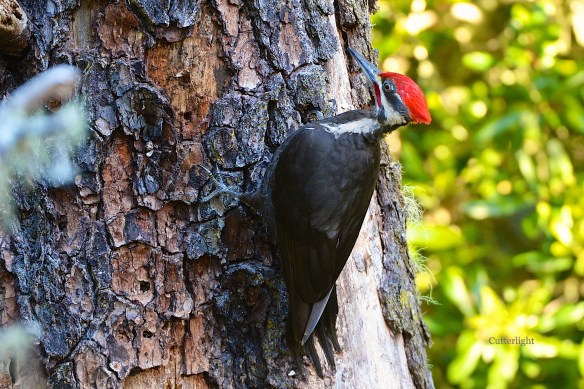
pileated woodpecker n

Traveling up Highway 1 through Oregon, heading back home to Alaska, reading Tom Robbins’ Still Life with Woodpecker along the way. Saw this pileated woodpecker in Bullards Beach State Park.

Lots of wildflowers and butterflies, too, and a herd of Roosevelt elk.

Still Life with Woodpecker

Back on the Water: Upriver Grayling in Mongolia

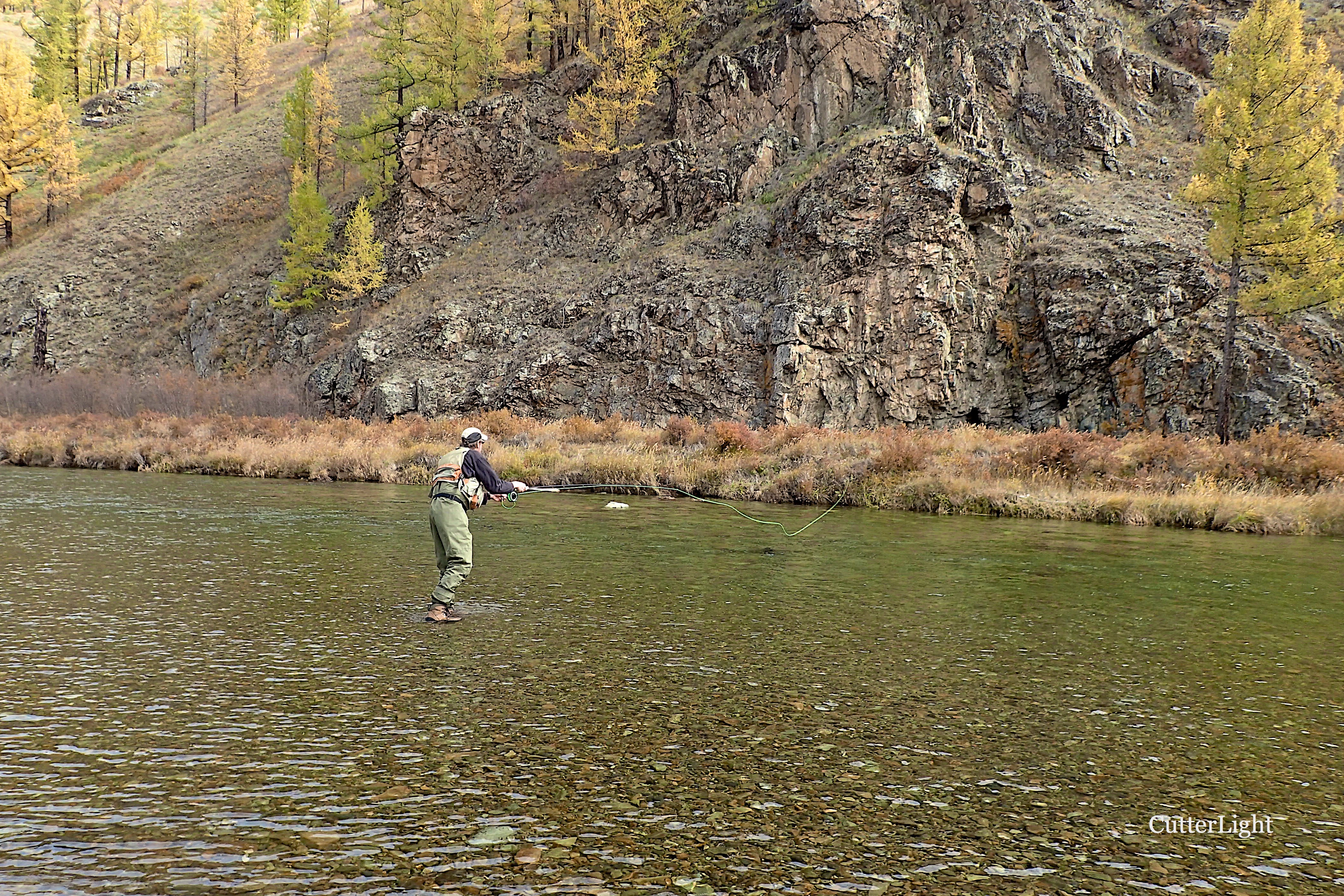
It felt good to finally get out on water. Prospecting for these handsomely marked grayling on a small river in Mongolia took us back to prospecting for trout in small waters in other places.

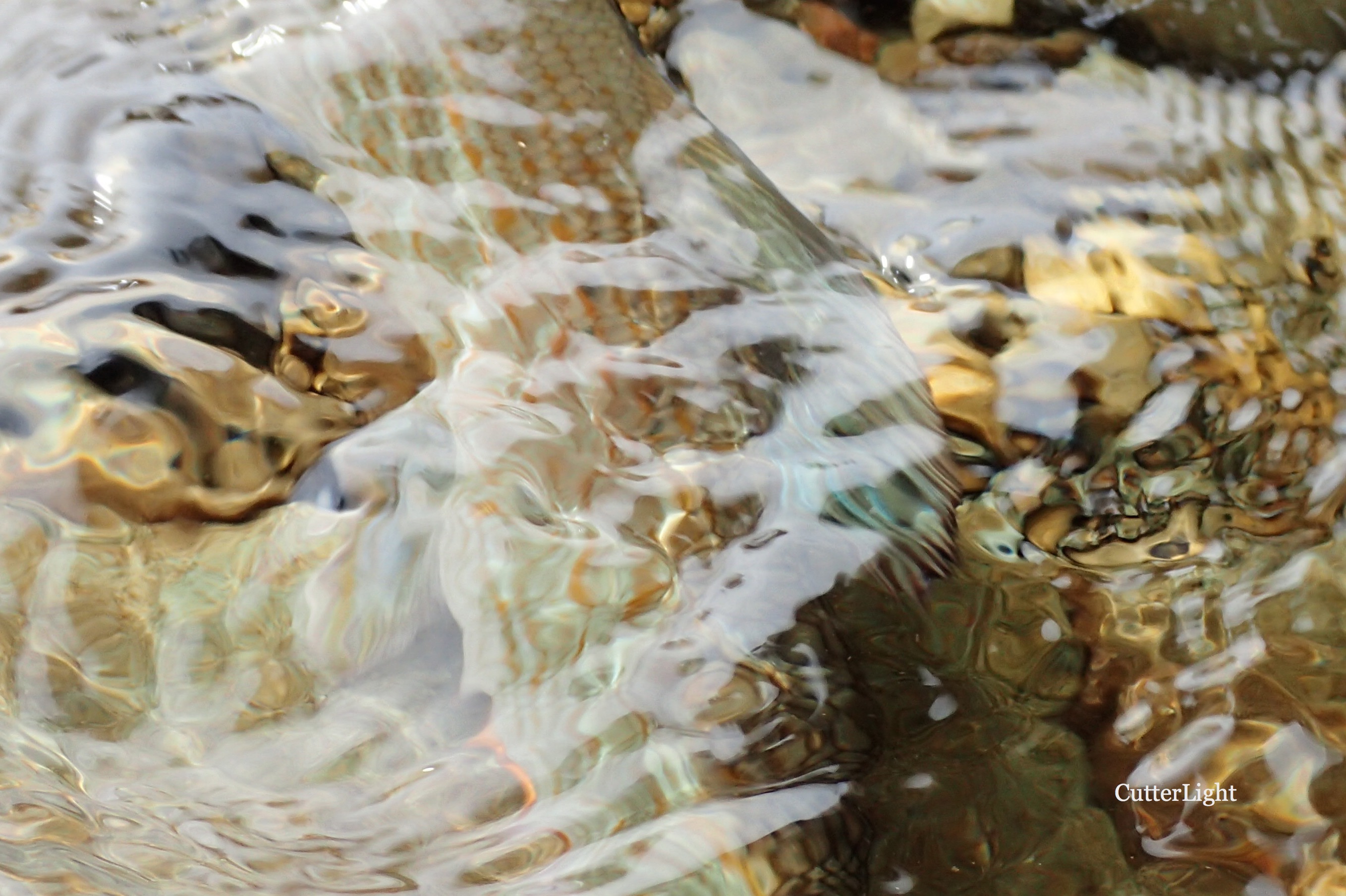
Nearly as translucent as water and marked like colored glass, the grayling’s dorsal fin…

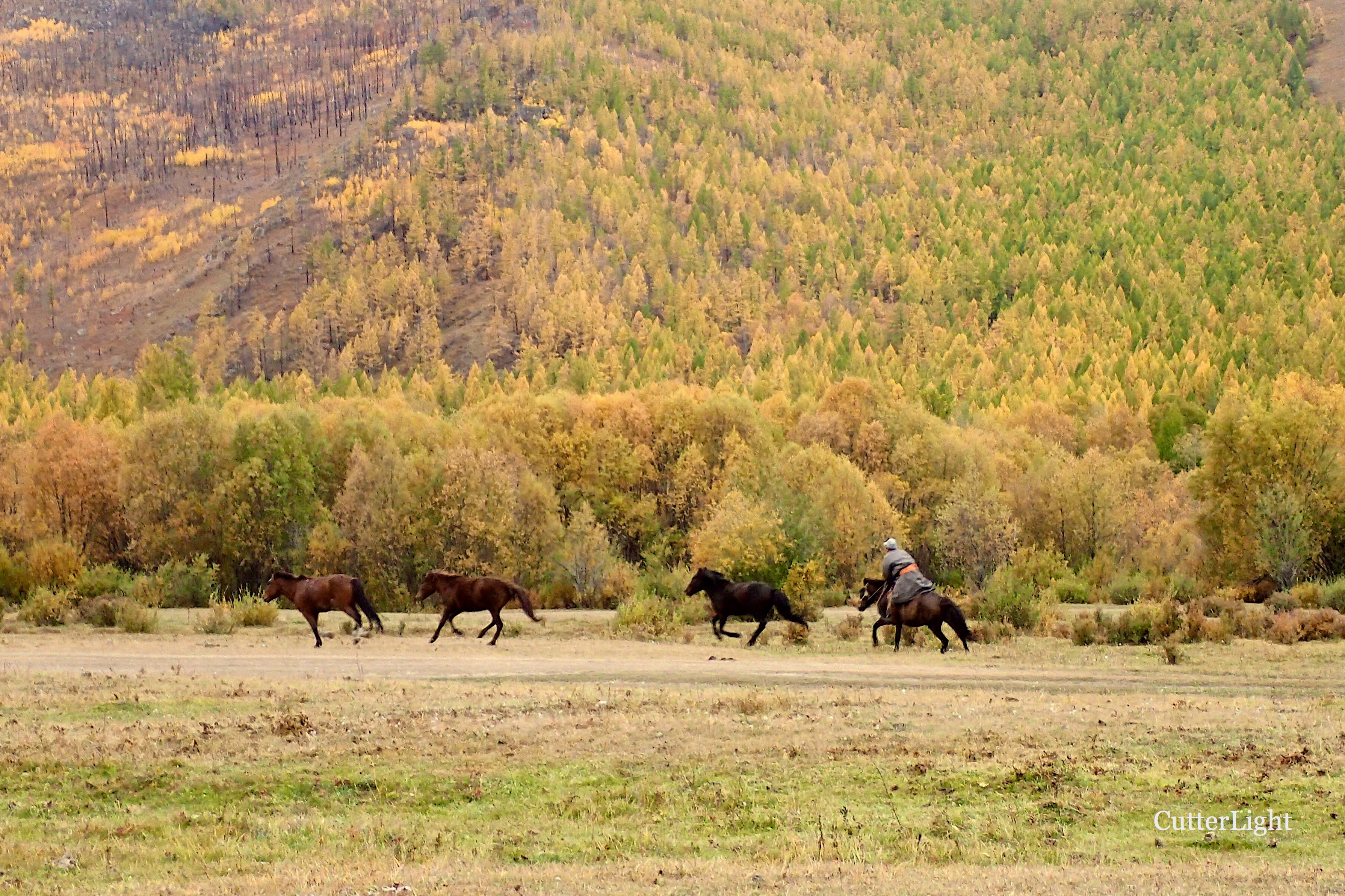
By mid-September, autumn has come to Mongolia’s steppes and mountains. By the end of September, we’ll have had our first snows.

Sluggish with cold and dark with Autumn, one of the year’s last grasshoppers. 

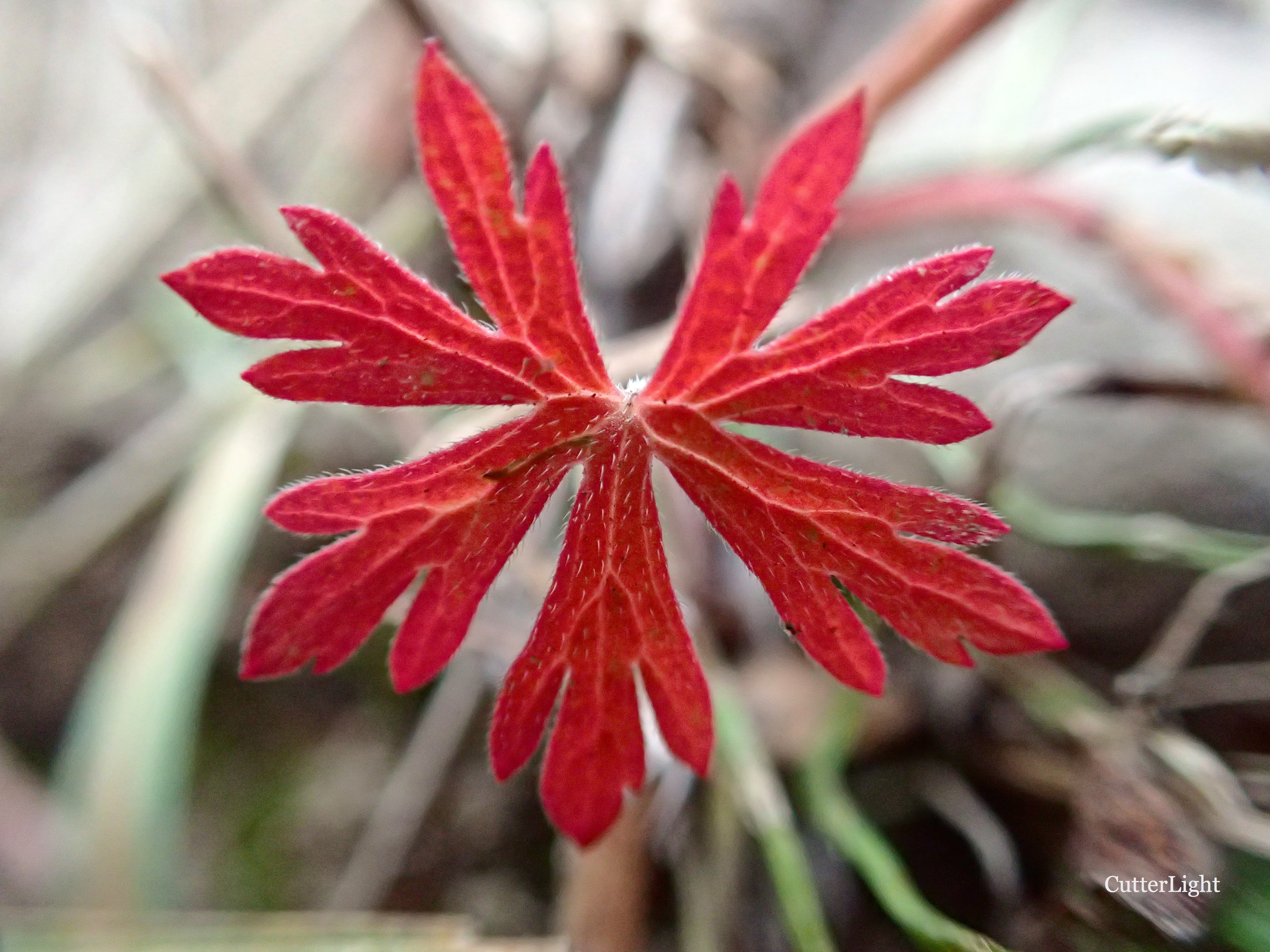
Yellows, golds and browns mixed with the blue-green of evergreens, predominant fall colors across this land. Here and there a touch of crimson. 

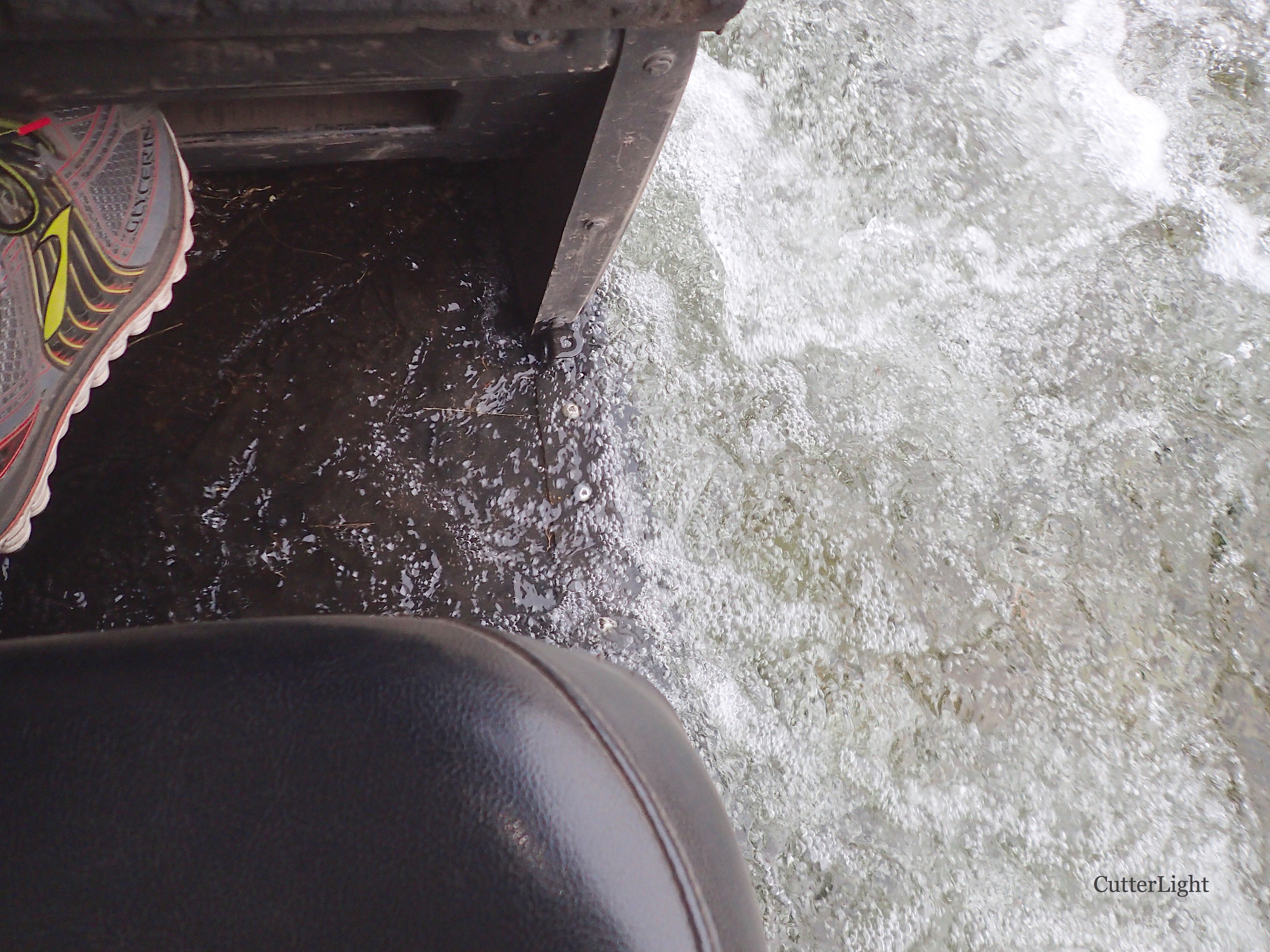
Feet up. Water pours across the floorboards of the doorless Polaris Ranger. One of several crossings.

Not everyone made it.

Stringing up. Something between rumor and someone’s good authority sent us up to these headwaters, prospecting.

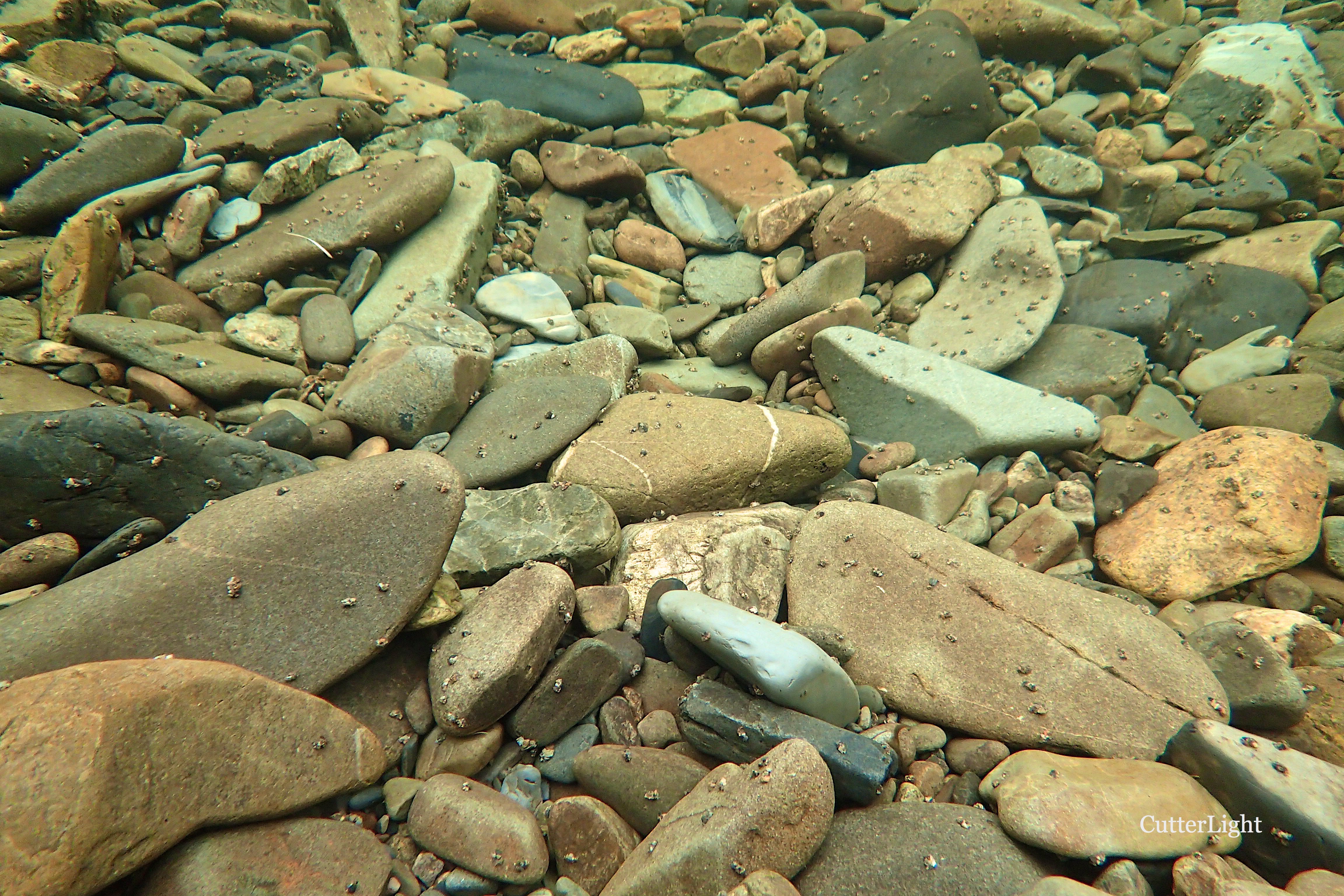
I stuck my camera into the icy water to get a photo of rocks speckled with caddis casings. 

OLYMPUS DIGITAL CAMERA

We encountered sporadic blue-winged olive mayflies. Rocks we flipped revealed caddis and stoneflies, a few loaches and this dragonfly nymph. 

Possible water, but not promising. Larch trees yellowed by frost-laced mornings, pools in shaded feeder streams iced over.

It feels like a lifetime ago that we were on our boat in Alaska, filling coolers with a years’ worth of ocean bright salmon, halibut and rockfish to sustain us through months in the Arctic Bush. Back to roots – a fly rod, a small river, drifting nymphs and dries. Bone satisfying to once again feel the weight of a fish. Could be a rainbow stream in Colorado, cutthroat water in Oregon, a brookie creek in Pennsylvania or a yamame stream in Japan. It all feels like home.

Barbra’s first grayling and her first fish in Mongolia.

We hiked and drove and hiked some more. At last we found the water I’d been looking for – the right depth, the right flow, the right-sized boulders breaking up the bottom at the right intervals. And there in front of us, tens of fish materialized out of nothing – out of water as clear as air – porpoising and splashing across a run maybe 60 feet long and half that width in pursuit of something tiny emerging from the water. Several times these grayling rocketed completely out of the water as they threw themselves at our mayfly patterns. A number of times we were both hooked up, simultaneously.

Eight inches or eighty pounds… It never gets old. The grayling were still feeding when we left, reluctantly, the sun low behind clouds.

OLYMPUS DIGITAL CAMERA

A backward look…

Grayling. Grayling water. Mongolia…

Wisconsin Wildlife Services Removes 100’s of Beaver Dams Each Year, Many by Explosives

beaver dam blown up

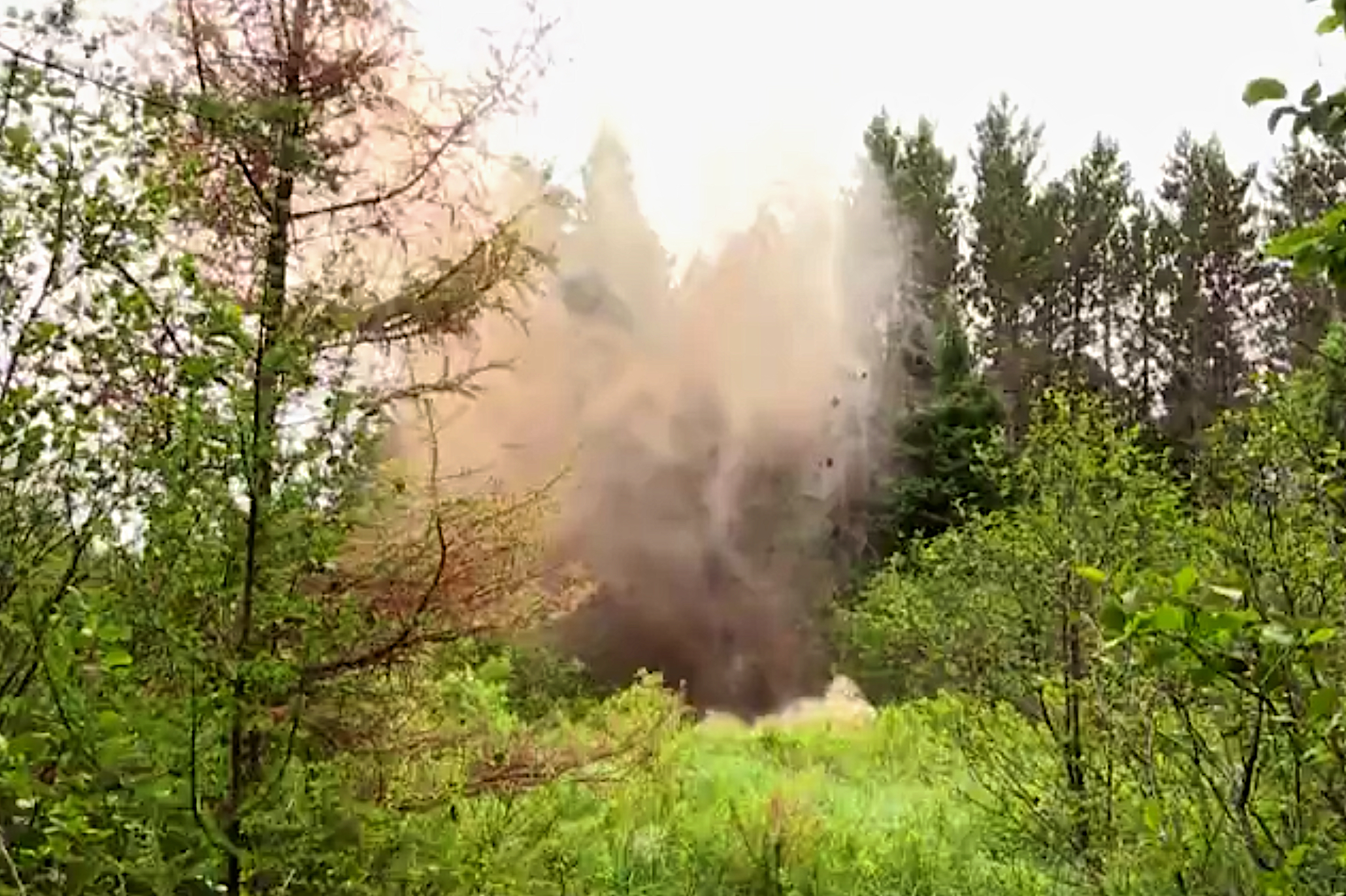
This video (see link below) showing a beaver dam being blasted sky high by Wisconsin Wildlife Services in the name of “improving habitat for trout” left us speechless. This particular detonation took place on the upper reaches of Wisconsin’s Wolf River, a National Scenic River. We’re interested to know what readers think of this strategy for managing wildlife and natural resources.
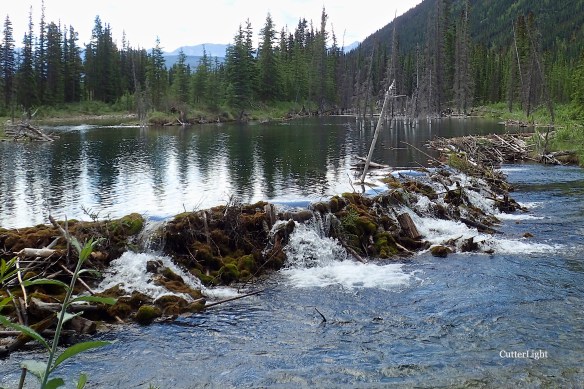
Beaver ponds such as this one in British Columbia represent biologically rich, exceptionally diverse, constantly changing micro-habitats within the larger forest.The many snags (dead trees) in this pond represent feeding opportunities for woodpeckers as well as potential cavity nesting sites for a variety pf species of birds and mammals. Eventually, this pond will become silted in, the beavers will leave, and a beaver meadow will replace the pond. These meadows, free from the shade of the forest canopy and with a bed of thick, fertile soil create places where unique species of flowers and other plants thrive. Black bears are among the many animals that visit these meadows to graze on the grasses and berries that may not exist elsewhere in the forest. The meadow itself will eventually be replaced by mature hardwood forest. So it has been in North America for thousands and thousands of years, with trout, beavers, bears and berries co-evolving.

The setting is a small stream in a Wisconsin forest. The water has been dammed by beavers. Because the pool of water created by the beavers may become too warm for healthy brook trout populations and because beaver dams can block the migration of these native trout, fishermen complained. Enter the Wisconsin Department of Natural Resources, the United States Forest Service, the Wisconsin Wildlife Services and several pounds of explosives. Although government officials occasionally remove beaver dams in order to prevent flooding of roads, make no mistake, most of these dam removals in Wisconsin are for one reason and one reason only: “The purpose of our work is to create a free-flowing stream for the benefit of the trout to be able to migrate up and down.”

See video at: http://www.nbcnews.com/video/government-blasts-away-beaver-dams-475081283719

In a recent three-year period, Wisconsin Wildlife Services removed over 2,000 beaver dams. According to the NBC News report cited above, government officials in Wisconsin use explosives on about 150 dams annually. The beavers are trapped and the dams are destroyed in order to …”(maintain)… one of the natural resources we’ve got for the public to enjoy, trout fishing…”

Barbra and I watched this video and listened to these comments with our jaws hanging open. Speechless. After about two minutes, the video came to an end.

“Wow,” was all we could manage to articulate at first. And then again, “Wow.”

For the past day, we’ve been researching this issue as thoroughly as we’re able to, reaching out to Trout Unlimited groups in Wisconsin and kicking our own thoughts around between each other. We haven’t reached any conclusions. But we do have a few observations.

If… if… the chief or only goal of environmental stewardship were to improve brook trout habitat, Wisconsin’s beaver management strategy might deserve a round of applause. Brook trout thrive in cold, free-flowing streams that feature clean, silt-free rock and gravel bottoms. Temperatures in beaver ponds can hit 70 degrees or more under the summer sun, near the upper limits of what these native char can tolerate and well above their preferred temperature range of 55 – 65 degrees Fahrenheit (12 – 18 degrees C). And because brook trout have very specific requirements for successful spawning – small, clean gravel where upwelling from springs occurs – it’s critical that they be able to access these areas during the fall spawning season.

So just blow up the beaver dams, right?

Not so fast.

moose in beaver pond n

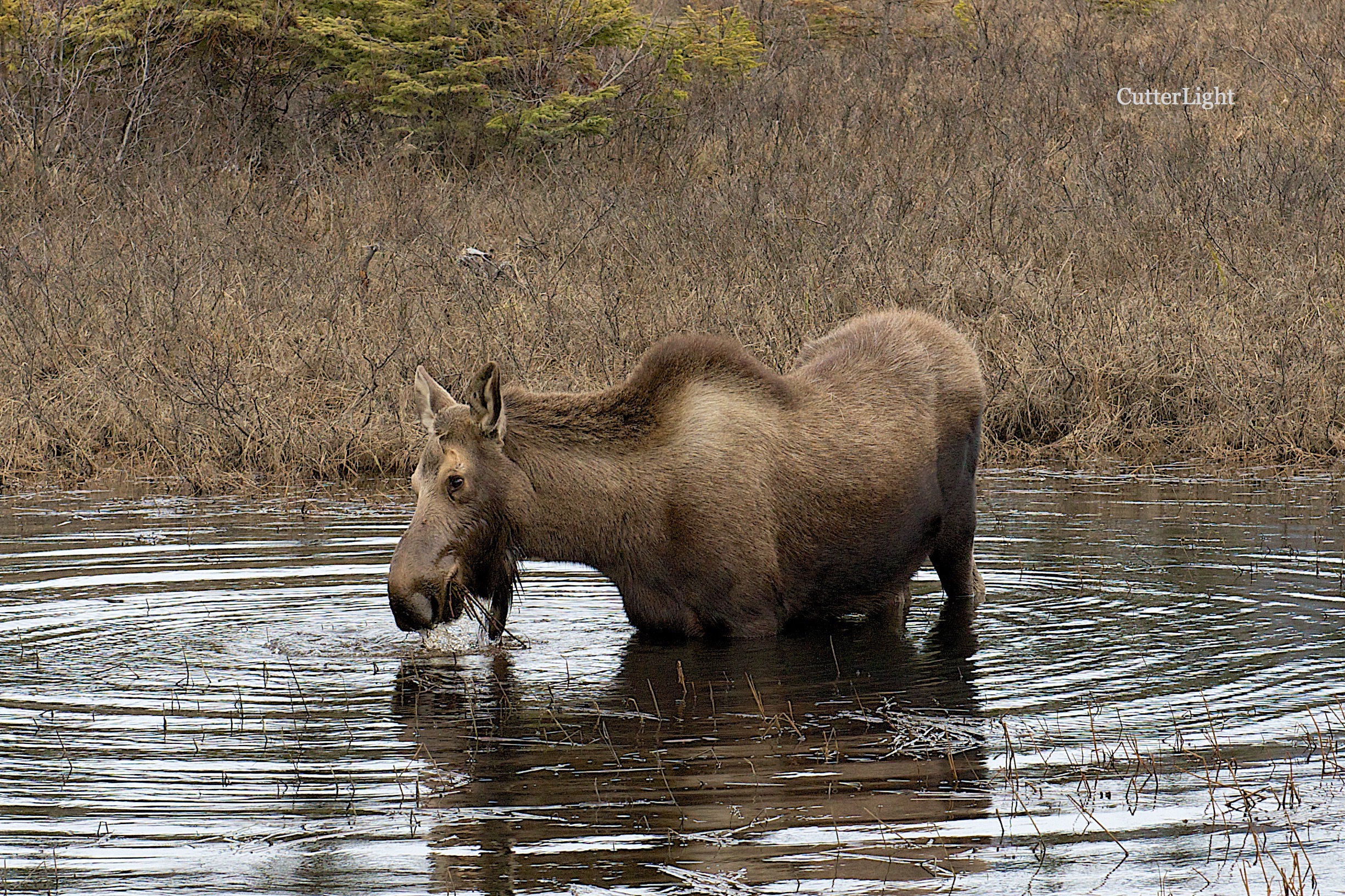
After a long winter in Alaska, this young moose finds a meal in the upper reaches of a north country beaver pond.

Beaver ponds represent dynamic, ever-changing micro-habitats that foster some of the greatest species diversity in the forests where they are found. We’re for biodiversity. As much as we enjoy trout fishing, we would never wish that our desire to catch a particular species of fish be placed above the overall health of an ecosystem.

During the life of the beaver pond, it can provide vital habitat for all kinds of animals. As trees are drowned, they become snags. (One Wisconsin DNR report stated simply that “beaver dams kill trees” – an example of how a statement can be both completely true and completely misleading. Dead trees are part of every healthy forest.) Pileated woodpeckers and other woodpeckers utilize these snags as forage bases and nesting sites. The cavities woodpeckers create in turn become nesting sites for flying squirrels, owls, wood ducks, and host of other mammals and birds. Meanwhile, these ponds become important stop-over or seasonal habitat for a variety of waterfowl and often attract shore nesting species. Tree swallows, flycatchers and similar passerines thrive in the edge habitat created by the beavers’ activity. Again, the snags provide nesting sites, and the cleared airspace above the insect-rich pond creates excellent feeding opportunities for insect eating birds as well as for bats.

The pond itself becomes one the most biologically rich systems in the forest – perhaps the most biologically rich. Everything from burrowing mayflies to dragonflies and damselflies to a variety of aquatic beetles inhabit these waters. Amphibians such as newts, salamanders, toads and frogs depend on these these ponds as well, which provide vital nurseries for their young. Aquatic and semi-aquatic snakes take advantage of the smorgasbord, and in turn may provide a meal for a hawk. Deer, moose, turkeys and grouse are among the frequent visitors to the edge habitat found along the shores of beaver ponds.

Silt prevented by the dam from moving downstream eventually creates a rich bed of mud which in turn fosters the growth of aquatic vegetation. This vegetation may provide a meal for a moose or a migrating duck, a nursery for the young of certain fish species, a place for a tiger salamander to attach its eggs, or an ambush post for a predacious diving beetle. What’s best for trout is not necessarily best for the countless other species that depend on the habitat created by beaver ponds. Healthy stream and forest systems feature a variety of habitats.
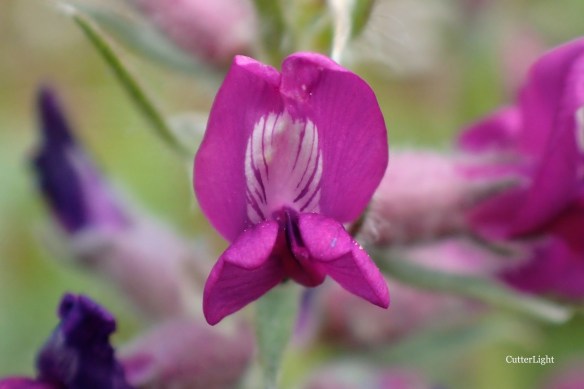
One of several stunning flowers we photographed last summer along the shores of a beaver pond.

Moreover, because these dams cause water to pool, some of that water percolates down into subterranean aquifers. This should be an important consideration in a state that is rapidly pumping its aquifers dry. The particular stream in question, the upper reaches of the Wolf River, becomes vital lake sturgeon spawning habitat further down river. As the underground aquifers beaver dams contribute to resurface in the form of springs further downstream, these springs cool the main river, which helps ensure that lake sturgeon spawn successfully. Take away the beaver dams upstream, and you take away a piece of a complex system which countless species have evolved to thrive in.

Eventually these ponds become overly silted, increasingly shallow and the beavers move on. Over time, the dams break up, the stream cuts a familiar channel, often finds a rock bed again. What’s left behind is a beaver meadow – a place with thick, rich soil capable of supporting an incredible variety of trees, flowers and grasses. For the overall health of the forest, it’s a good thing that these dams retain forest soil. Butterflies take advantage of the abundance of flowers, deer and bears come for the grass, and the snags – the trees that died when they became flooded – continue to provide nesting sites for a variety of animals till the day they fall to the earth and become nursery logs.

It’s important to keep one other fact in mind. Salvalinus fontinalis, the native char most fishermen refer to as the brook trout, has been co-evolving with beavers and beaver dams for longer than humans have been on the North American continent. This sudden need to “manage” wildlife is an outcome of an ongoing series of humankind’s mismanagement of this planet.

All this being said, it may appear that we’ve made up our minds on this issue.

We haven’t.

Between the absence of sufficient natural predation and insufficient economic incentive for more beavers to be trapped for their pelts, we understand that it is entirely possible that Wisconsin’s beaver population is out of balance. This would seem to present three options:

  1. Reintroduce predators and foster the growth of their numbers. Predators? That would be wolves. The problem with that strategy is that wolves historically have been more interested in ungulates such as deer and moose (and even in voles and mice) than in beavers. Prior to European settlement, the population of beavers in North America is estimated to have been between 60 and 400 million. There were lots of wolves back then, too. They apparently weren’t eating many beavers.
  2. Continue the present strategy. Where beaver dams appear to be negatively impacting brook trout habitat, kill the animals and tear out their dams. If the dams can’t be broken up by hand, employ explosives.
  3. Do nothing. Let it go. Enjoy the biodiversity beaver ponds foster. If the natural activity of beavers temporarily (or permanently) makes a stream unsuitable for brook trout, rest assured that the habitat is probably becoming just right for other species. Find another stream to fish, or tie up some Clousers and go bass fishing.
  4. And if anyone is really concerned about rising temperatures in streams, maybe consider getting rid of your air conditioner, installing double-paned windows in your house, and locating in a place where you can leave your car at home and walk to work, to the grocery store, and to your friends’ homes.

We’re sure there’s more to the beaver situation in Wisconsin than we currently realize. We’d love to hear what others think. Thanks for reading.

Sincerely,

Jack & Barbra
Black-Veined White Butterfly

Black-veined white (Aporia crataegi), Ulaanbaatar, Mongolia.

For a few days in late June, maybe a week, these black-veined whites (that’s their name) were everywhere. In the air, in the bills of birds, sipping on purple flowers. And then they were gone. In that one week, they were beautiful…