Seward Summers: Nesting Black-legged Kittiwakes – and the metaphor of the bookshelf

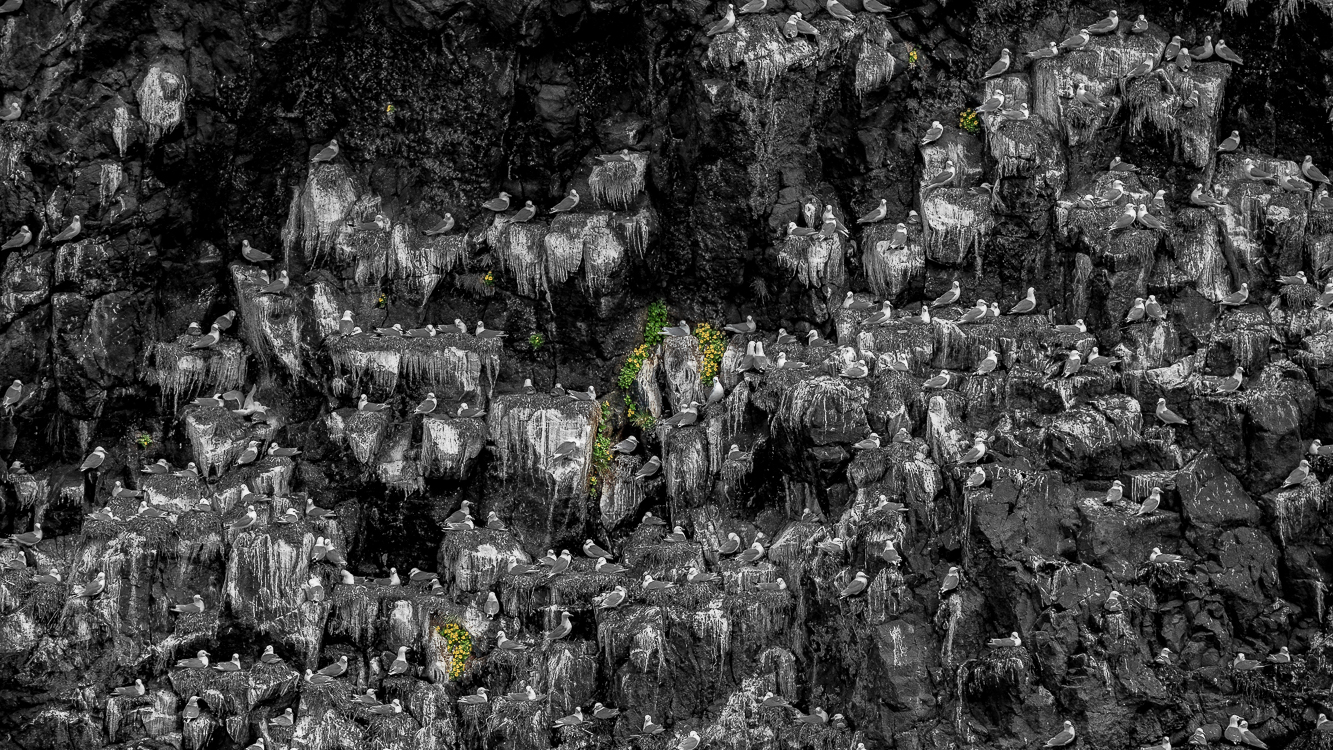
Nesting Black-legged Kittiwakes with Yellow Monkeyflower, Resurrection Bay, Gulf of Alaska, June 22, 2013. This is an example of spot-color photography.

We miss our C-dory. A lot. Photographs such as the one above can’t be made without a boat, not to mention the role Gillie played in filling our freezers with tasty halibut, lingcod and rockfish. And for a pleasurable day of leisure, it’s difficult to top fair weather on a calm sea.

While we lived on the Chignik River, we found a shallow-draft welded-aluminum scow to be more practical than the larger fiberglass dory, and so we sold Gillie. Regrets followed. She would be perfect here at our new home on the shores of Prince William Sound. In the peripatetic lives Barbra and I have lived both prior to and during our marriage, with each move we’ve effortlessly let items pass through our lives: beautifully crafted Christmas ornaments, artwork, cherished pieces of furniture, treasured books… even valued fishing tackle. The few items we take pains to keep in our possession mainly come down to cookware, photography gear and fly-fishing equipment. After all, most things are replaceable, and so the metaphor of the bookshelf constitutes an important element of our life philosophy.

The metaphor of the bookshelf is our way of thinking of… things… in a life where we find benefit in living slim and where we appreciate each move as an opportunity to pare down. The idea is to always leave room for the new, and if there is no room, to create it. So rather than fill up shelves with books we’re unlikely to read again, we don’t. Because if your shelves are full, there’s nowhere to add new items to your life – unless you keep adding shelves till your home is crammed full of shelves. It’s lovely to move to a new place and find that you have abundant blank spaces to populate with new treasures. Most things are easy to replace (a first edition copy of A River Runs Through It I allowed to slip through my possession being a noted exception).

Norman Maclean’s classic fly-fishing memoir, Gillie… it’s a short list. Art is replaced by other art. Souvenirs from one place have been let go of to make room for new keepsakes from new places.

We also let go of our aluminum scow when we left the Chignik, and so, taking the optimist’s view and embracing the metaphor of the bookshelf, it appears we now have a space in our life begging to be occupied by a new – or new to us – seaworthy vessel. Something to look forward to.

Our Annual Mongolian Khorkhog

exploding khorkhog n

Packed with sheep, potatoes, carrots, cabbage, sizzling hot fist-sized rocks and water, the piping hot contents of this milk can are tender and ready to be served. Let the khorkhog begin!

It’s a a tradition keenly anticipated at the International School of Ulaanbaatar (ISU). With our first week of school behind us, it’s time for faculty, staff and administrators to relax in the style of traditional Mongolia – with a khorkhog. In days past, the animal’s stomach would have served as the cooking pot. These days, it’s more common for khorkhog to be slow roasted with hot rocks, meat and vegetables placed in an old-fashioned milk can. Prepared thus, the meat comes out tender and flavorful, though as the photo suggests, containers are to be opened with caution.

steaming khorkhog n

A shovel handle is used to apply pressure to the milk can to slowly let off steam while ISU’s driver turned chef Baatar pulls a roasted potato from another can.

With a faculty, staff and student body representing over 30 nationalities, ISU is truly an international school. But the school’s roots are planted firmly in Mongolia. The site selected for this year’s khorkhog is on the outskirts of Ulaanbaatar on the shoulders of Bogd Khan Mountain, a place Mongolians point to with pride as the world’s oldest national park. An easy bike ride from our Ulaanbaatar apartment, we’ve come across signs of deer and wild boar on hikes and rides through the hills, and have encountered fox, sable, marmots and Eurasian red squirrels. We’ve also focused our binoculars on dozens of species of birds including demoiselle cranes, hoopoes, falcons, eagles, hawks, kites and numerous song birds.

imperial eager n

Circling high overhead, an imperial eagle checked out our feast.

khorkhog musicians in cell phone n

Song is a rich tradition in Mongolia, and once stomachs were full a guitar and drum came out. 

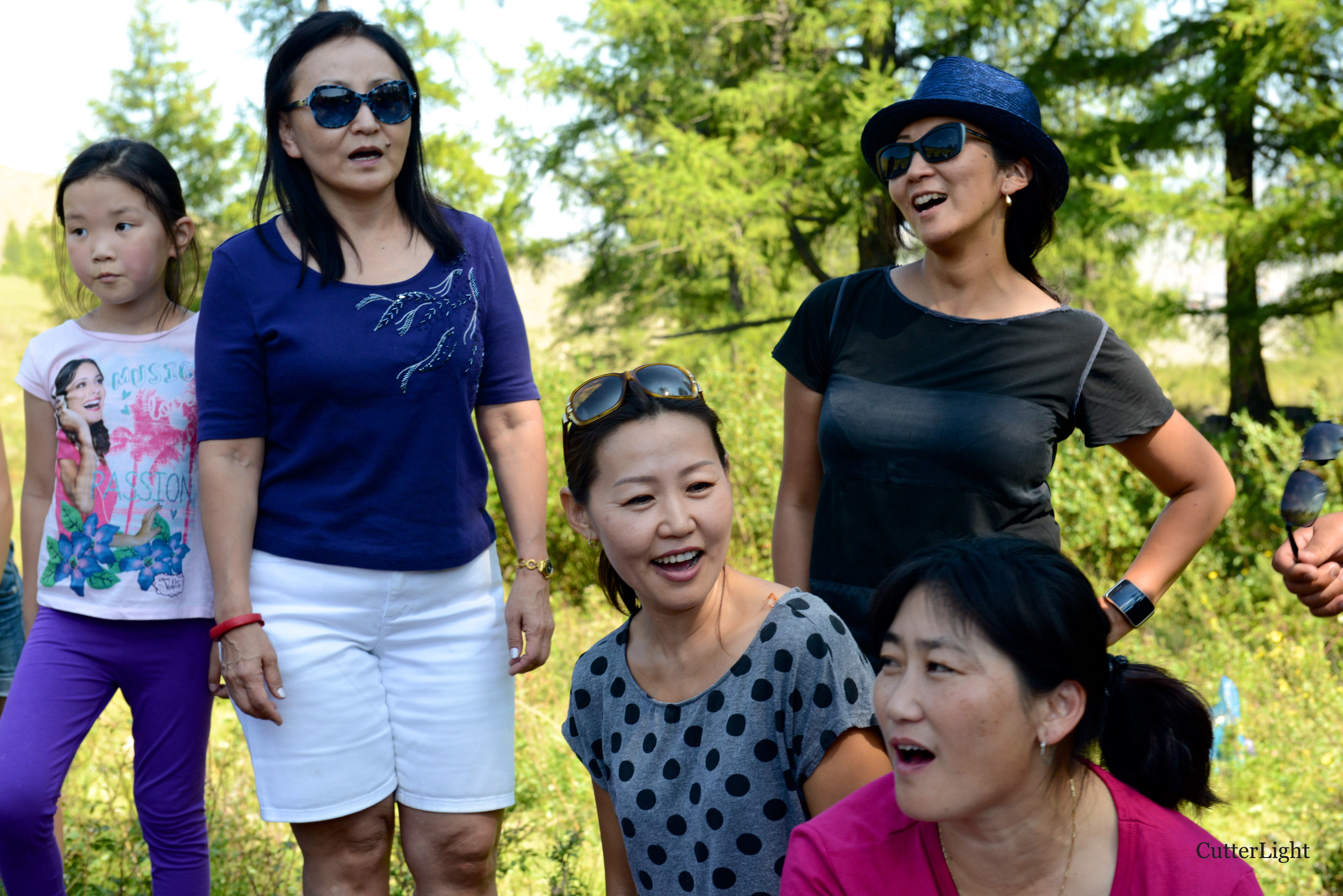
khorkhog singing n

Everyone knew the words to the Beatles’ classics!

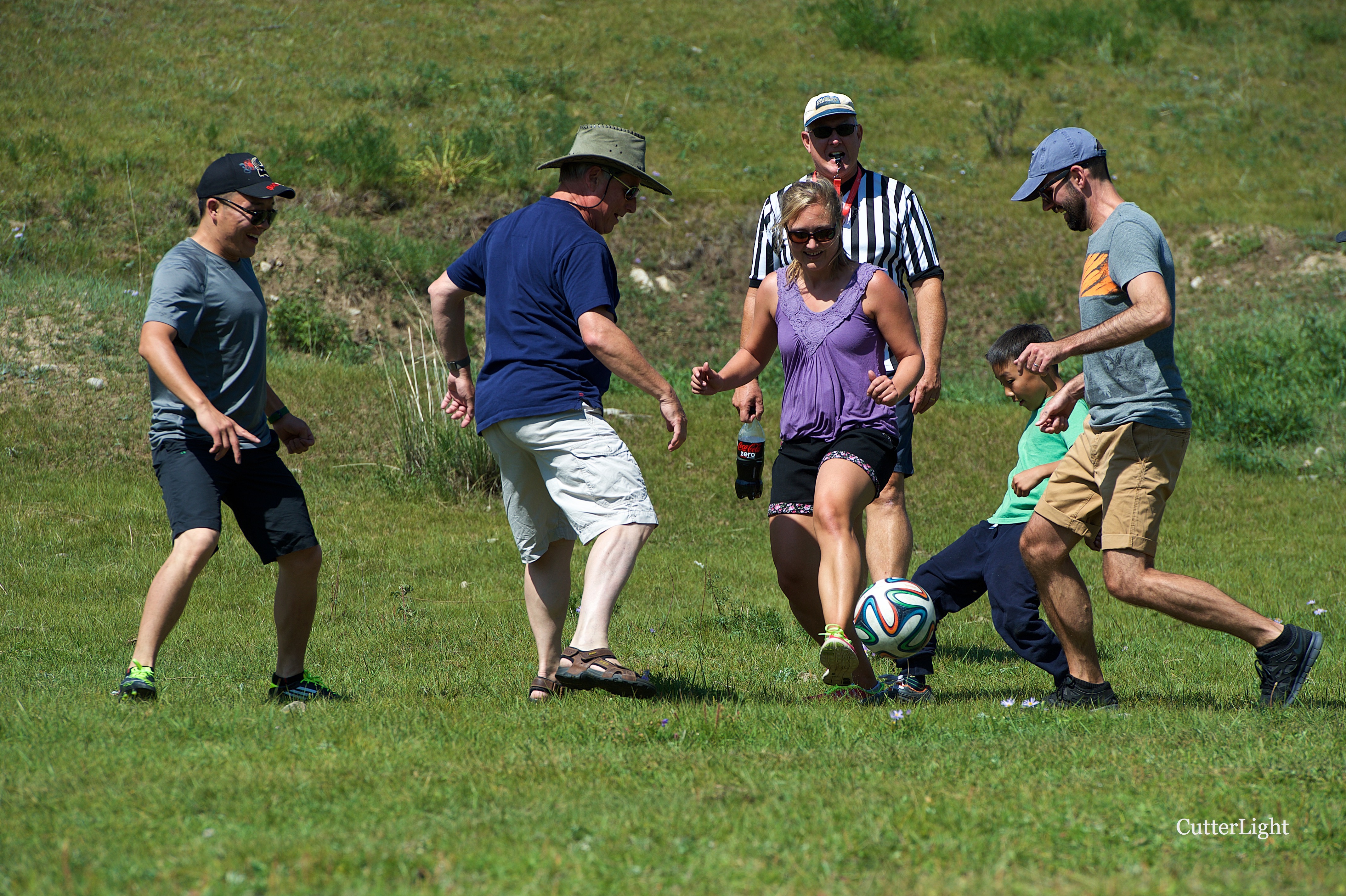
khorkhog soccer n

Meanwhile, a group found a perfect pitch speckled with wildflowers for a game.

tug of war n

Rounds of tug-of-war were amiable enough…

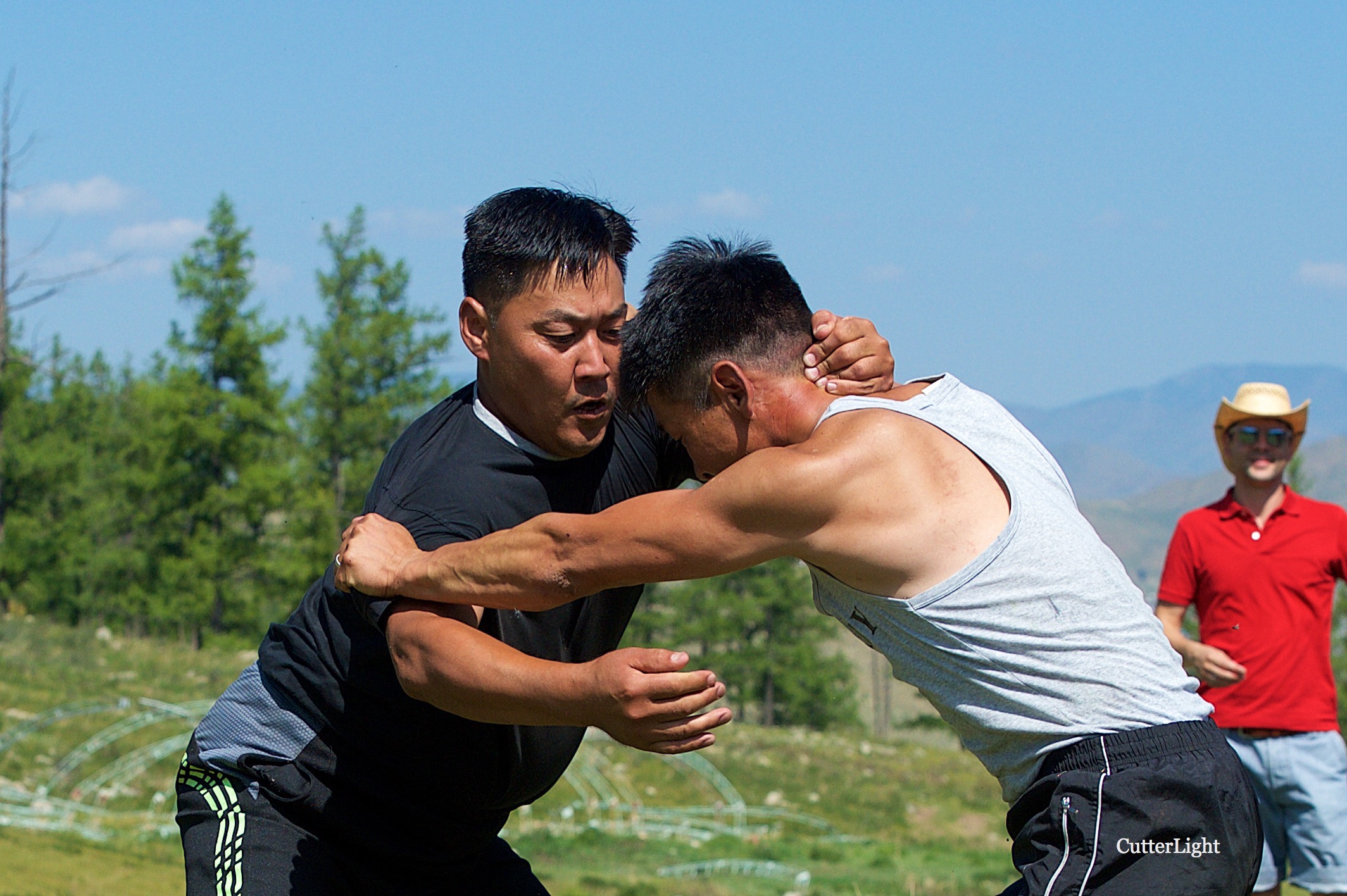
wrestling at khorkhog n

… but wrestling, one of the Mongolia’s national sports, always has a serious edge to it.

Recent rains have turned the fields and forest lush shades of green, and wildflowers – not to mention abundant wild herbs such as mint, sage and caraway – are everywhere.

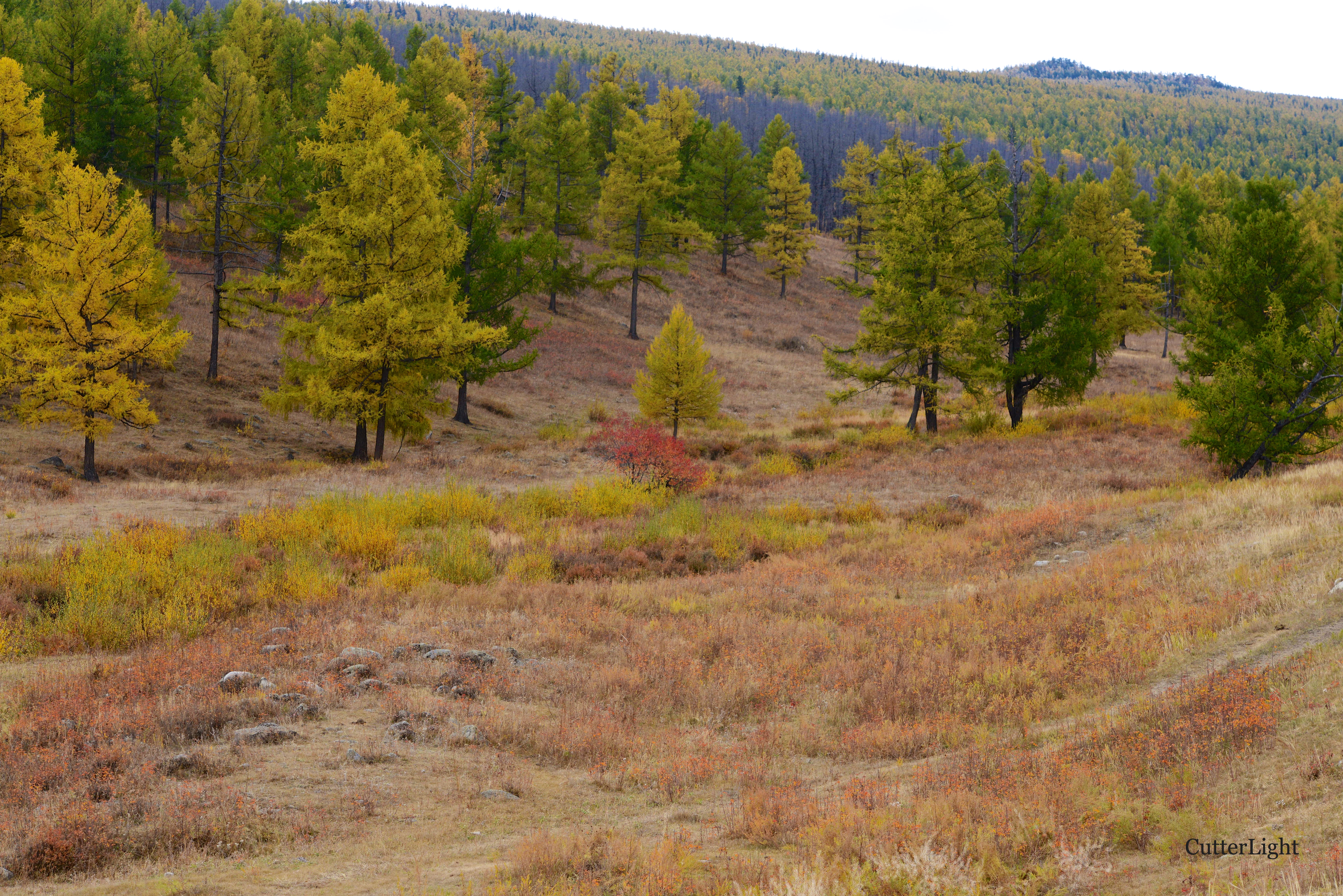
Mongolia fall foiliage n

Situated at over 1,300 meters (4,300 feet) above sea level and not terribly far south of Siberia, fall comes quickly on the heels of summer in Ulaanbaatar. Already nights are growing cool. In a few weeks time the larch trees where we recently held our khorkhog feast will turn gold with autumn. 

Gobi Desert Trek Day II: The Central Mongolian Steppe from Ikh Khayrkhan Uul to Baga Gazaryn Uul

horses in salt lake n

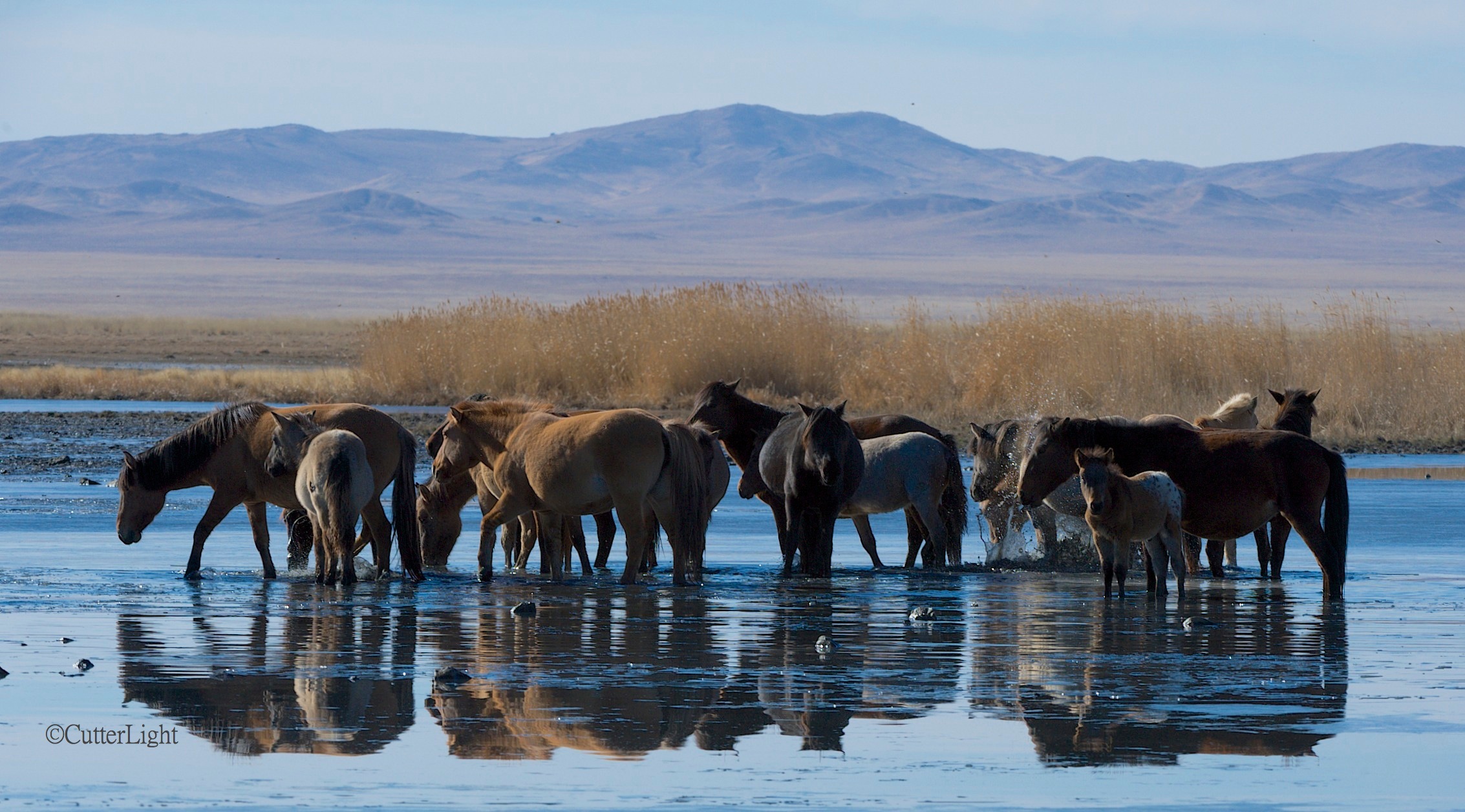
It’s a tough breed of horses that call Mongolia home. Most Mongolians were practically born in the saddle, and even Ulaanbaatar’s urbanites ride them with ease. But these horses are never truly tamed in the western sense of that word. Here a group wades a small salt lake on a mid-October morning a few ticks above freezing.

We woke after spending our first night in a ger to a world of frosted grass and blue skies. After breakfast and some casual rock climbing on nearby outcrops, we piled into the van and resumed our journey south to the Gobi Desert.

russian van off road n

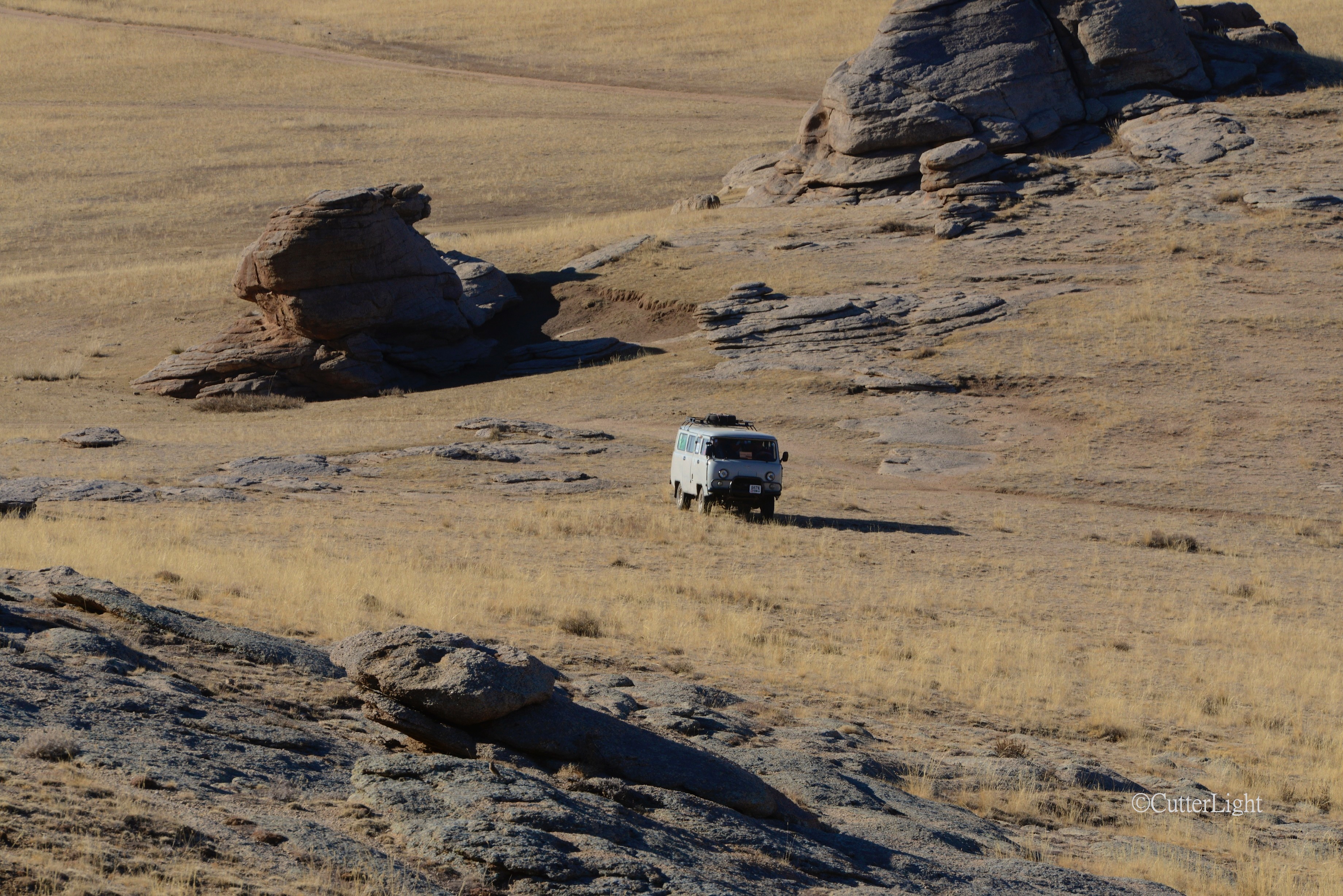
Beefy and easy to keep running, four-wheel drive Russian-built vans are standard on the Mongolian steppe. 

ruddy shelducs salt lake n

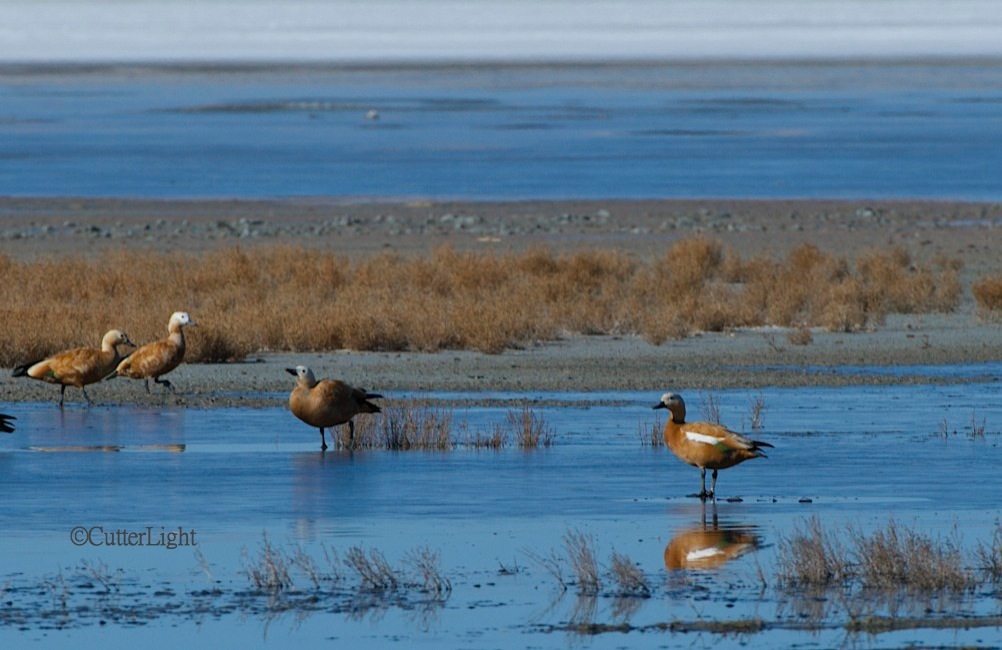
Ruddy shelducks (Tadorna furruginea). The white edge along the lakeshore at the top of this photo is salt.  Known for their affinity for brackish water, ruddy shelduck numbers are declining worldwide as salty wetlands are drained for agriculture. In addition to the horses in the photo above, the lake was also populated with common shelducks and teal. 

common shelducks salty lake n

Heads down and tails up, common shelducks (Tadorna tadornain muted late fall plumage sift through the lake’s briny muck. Meanwhile, hundreds of passerines, including scores of horned larks, flitted through the air and along the shoreline.

The sun moved higher into the sky. With the soft morning light leaving the lake’s waters, it was time to climb back into the van. The vastness of the land, dotted here and there with horses, cattle, goats, sheep and wild gazelle, continued to mesmerize us. But ever so subtly, we noticed that the grass itself was becoming more sparse.

Off in the distance, a group of especially large-looking horses caught our attention. As we drew closer, humps emerged from their backs. Camels! In less than a morning’s drive, we found ourselves transitioning from the lush grasslands of the steppe to the northern edge of one of the world’s great deserts: the Gobi.

OLYMPUS DIGITAL CAMERA

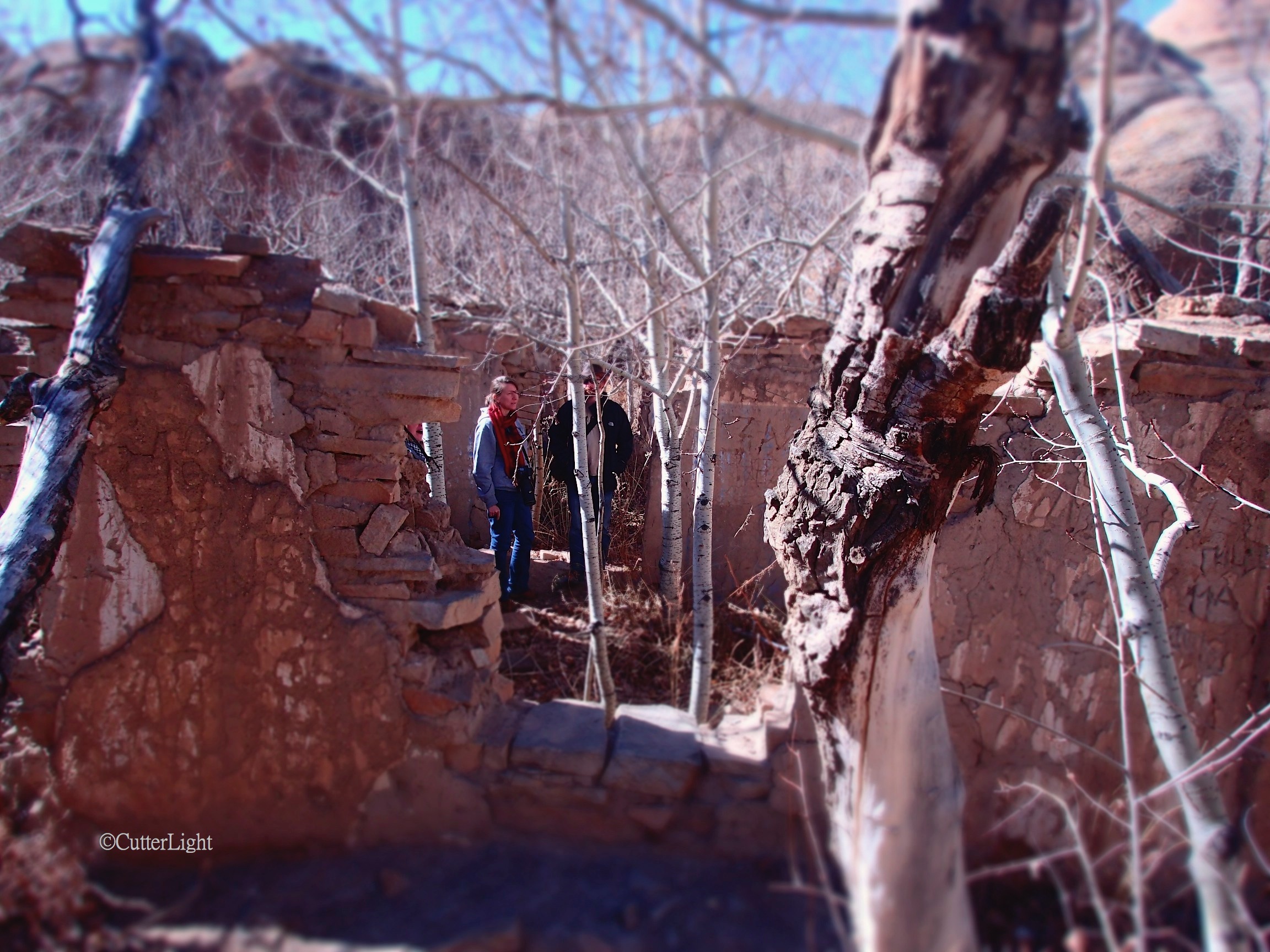
Birch trees tell a tale of water just below the ground’s surface in an otherwise parched landscape, and it was here a band of monks established a monastery long since abandoned and fallen to ruins. 

OLYMPUS DIGITAL CAMERA

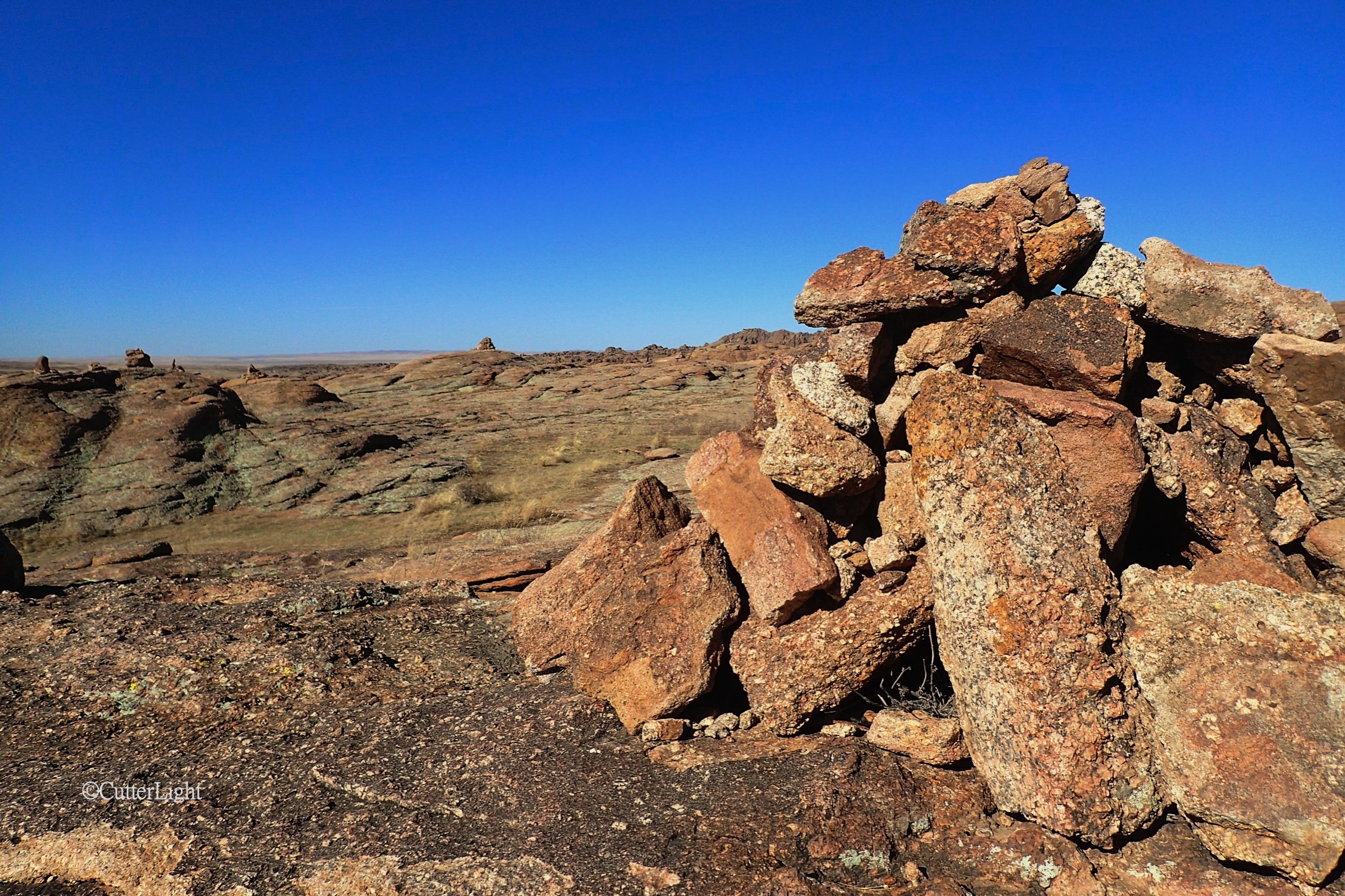
And yet in a sense, the monastery is still alive and vibrant as these nearby ovoos attest. It is the custom in Mongolia to add rocks and other items to these cairns and walk around them clockwise three times out of respect for the sky and earth and to ensure a safe journey.

grasshopper_new

Brown with late autumn, this familiar grasshopper is a testament to species similarity throughout the Northern Hemisphere. Existing in tremendous numbers in a country where pesticides are still all but unheard of, these hopping protein pills account for the huge number of birds here.

OLYMPUS DIGITAL CAMERA

Featuring a dinner of stew with Mongolian-style noodles, goat milk tea, and six liters of wine along with our hosts’  airag (fermented mare’s milk), our second night was celebratory. 

That night, we stayed with a nomadic family in their winter camp. Their gers and ungated livestock enclosures (where the otherwise free-ranging animals spend the night) were tucked away from the coming winter wind among rock outcrops.

Nomadic Mongolian herders don’t travel constantly; they maintain two to four seasonal camps. As the seasons change, they pack up their gers, gather their livestock, and take advantage of fresh pasture.

Twice at this camp – once in the evening and once in the morning – we flushed out large coveys of some type of partridge. Both times the birds flew directly into the low sun, so that all we got was the sudden wind-rush thrum of wings, hearts stopped dead in our chests, and winged silhouettes. As usual, rock buntings and other finch-like birds were abundant.

red rocks at sunset n

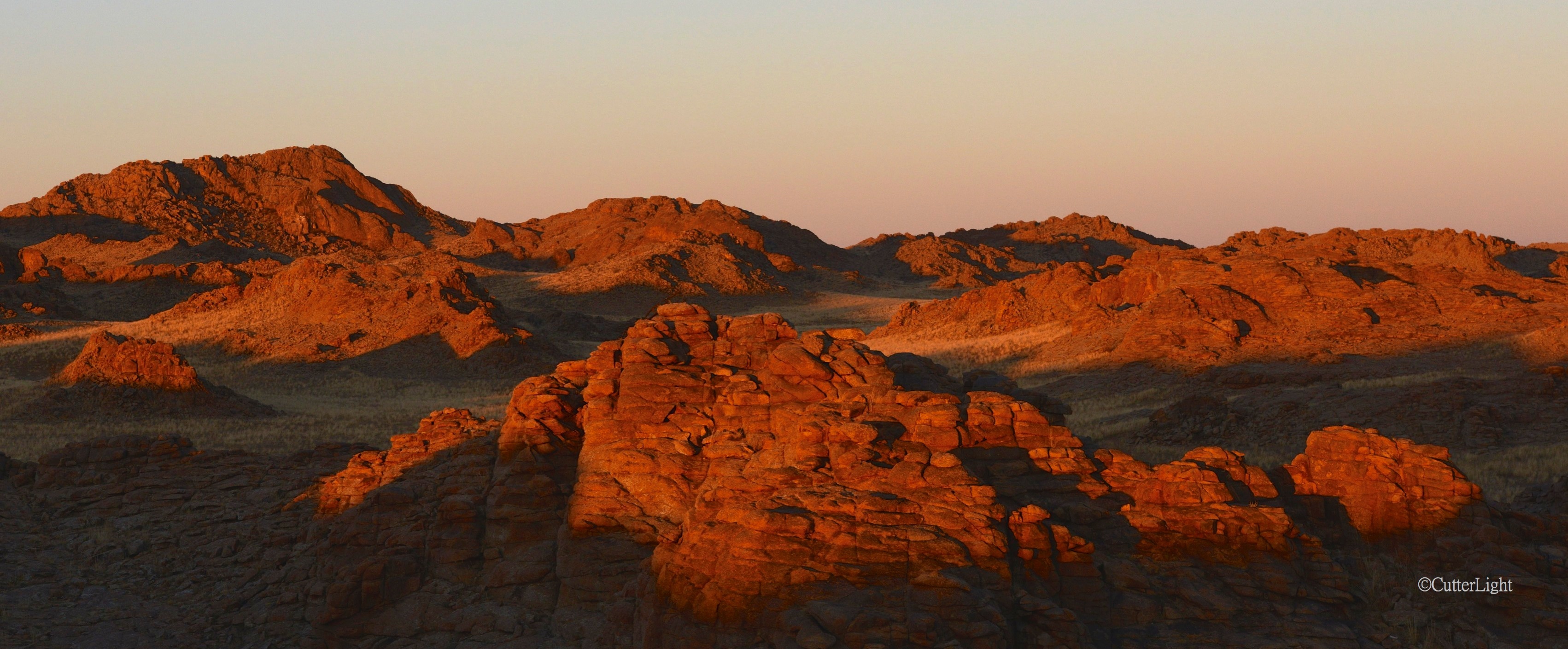
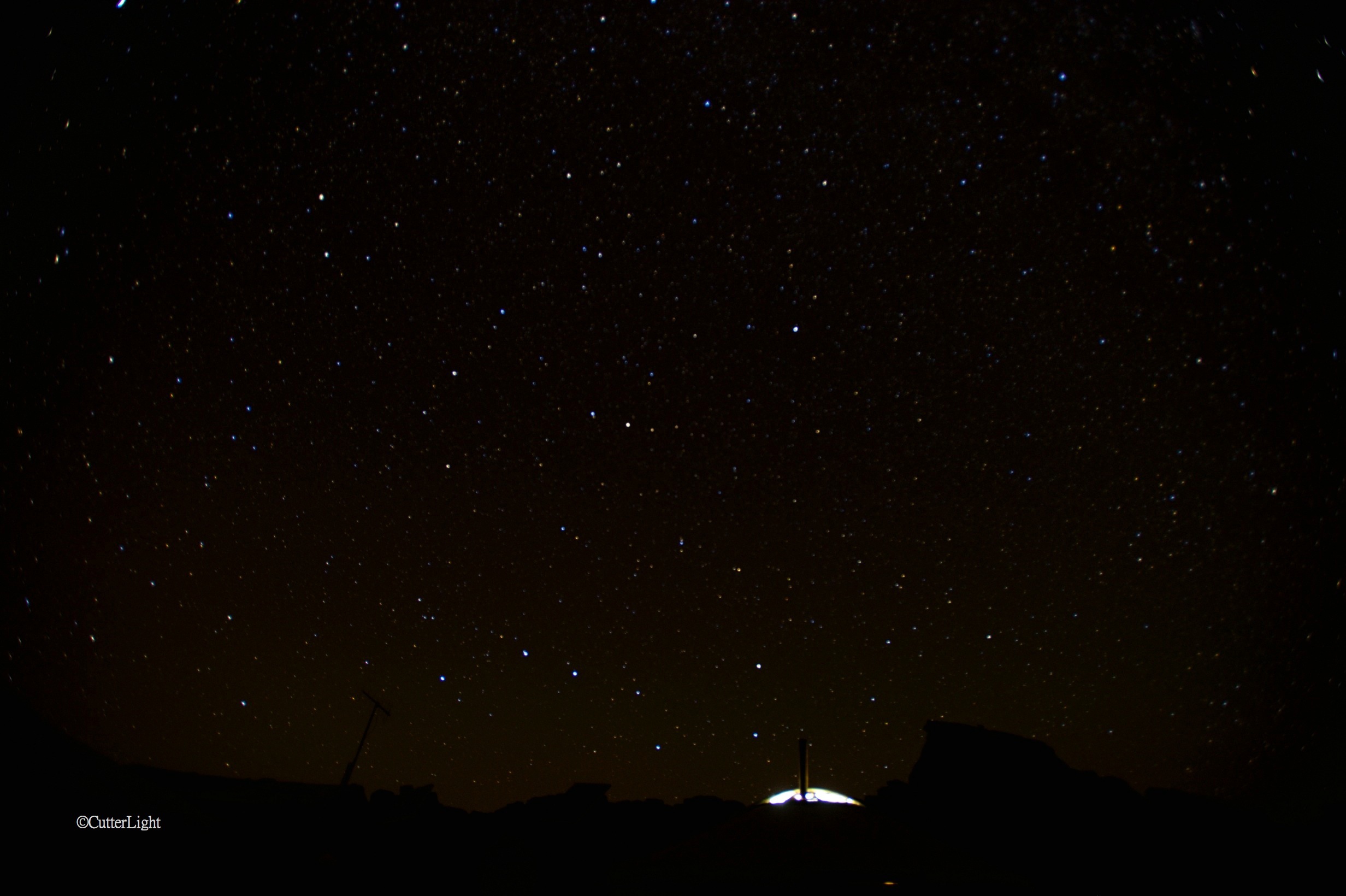
Sunset on another day in the cold, spare paradise we were discovering. Below, the night sky.

big dipper over ger n

Dipper scooping out the horizon… dome of the felt-covered ger glowing white on the sky… Fire inside against the chill of the night… Straight above, the wash of the Milky Way… 

Next: The Middle Gobi Desert: Life in a Mongolian ger.

Coming soon: Raptors, Gazelles, Ibex, Picas and a Pit Viper