
* “Honda” is the Alaskan term for quad or ATV. “Snowmachine” is Alaskan for snowmobile. Out in the bush, bicycles are often called pedal bikes to distinguish them from hondas/ATVs, which are also often called bikes.

* “Honda” is the Alaskan term for quad or ATV. “Snowmachine” is Alaskan for snowmobile. Out in the bush, bicycles are often called pedal bikes to distinguish them from hondas/ATVs, which are also often called bikes.
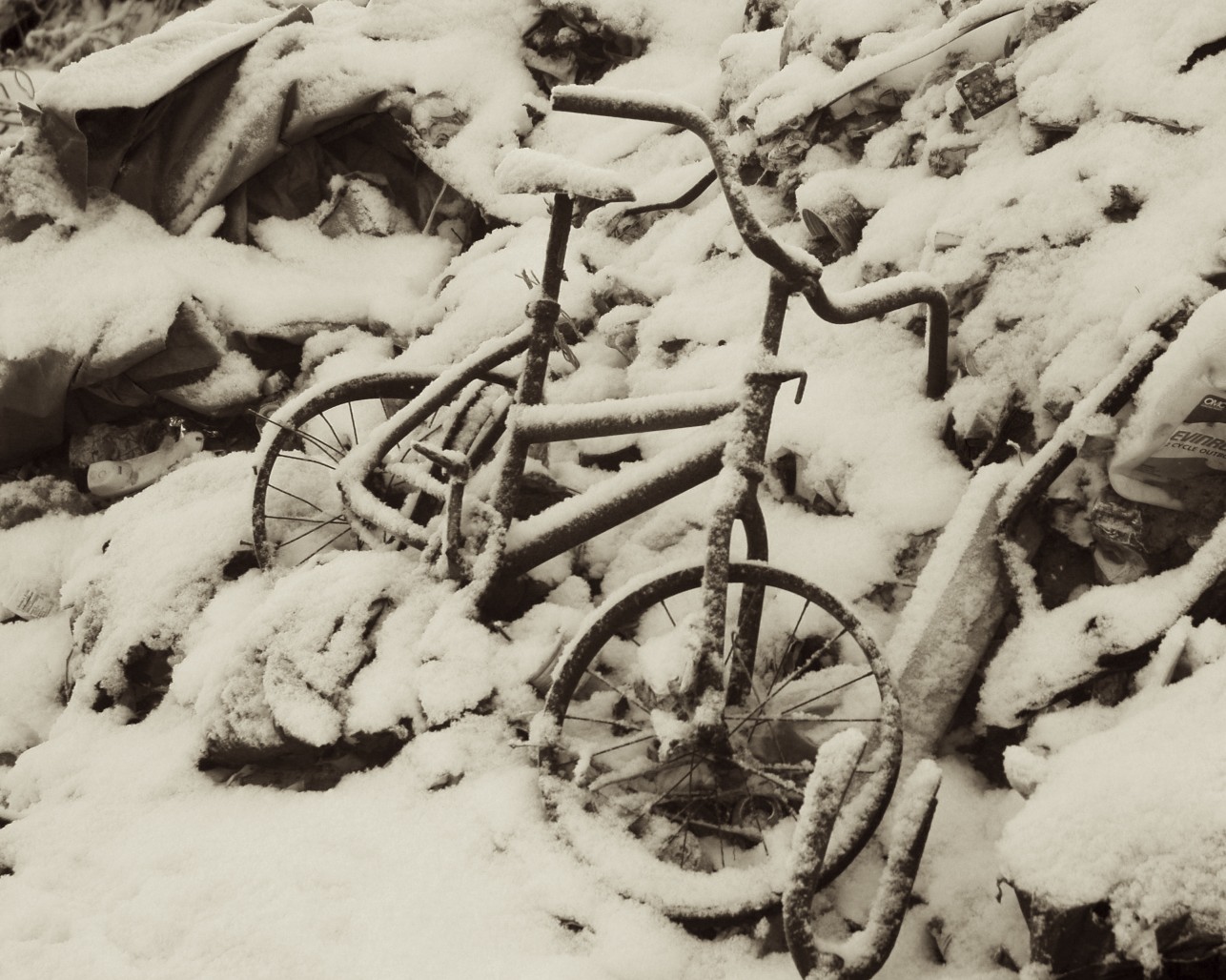
The dump.
City girl lands in bush Alaska. So, when’s trash day?
I’m not really that clueless. So, how does the trash get to the dump? There is a plywood box with a hinged lid by the end of our house. We take the trash out, carefully tied, to the box until there is about a truckload’s worth of trash. When we first unpacked, the trash accumulated quickly. I am pleased to say it doesn’t pile up as quickly any more. When we have a truckload, we get the key to the school’s truck, fill the back and drive out to the dump, which is about two miles away. We back in as far as we can, dump everything and then (my favorite part!) we light it on fire!
The dump is interesting. Archeologists find so much information about ancient peoples in dumps. The same could be said here. There are thousands of pop cans (up here we say “pop” not “soda”). I have seen different animal skins and all kinds of appliances. We burn everything here. If it doesn’t burn, it will rust or disintegrate eventually (in theory). There are two big incinerators. Relics of someone’s good idea that also has been dumped. The thing that was most out of place was an aged, rusted shopping cart. I can’t imagine how and why that came to Shishmaref.
As far as our contributions to the trash, I have noticed we are not producing much. In Sacramento, we had the smallest trash can available and only filled that halfway every week. We recycled and composted everything. We knew up here that we couldn’t recycle or compost. We were resigned to live with the idea that we would be creating way more trash. Something interesting has happened. Since we bake our own bread and cook everything from scratch, we don’t use packaged items. We reuse ziplock bags and containers to reduce our trash. We rarely drink pop. It seems we are producing about the same amount of trash as we were in Sacramento.
 CutterLight