Seward Summers: Springtime Girl
Reply
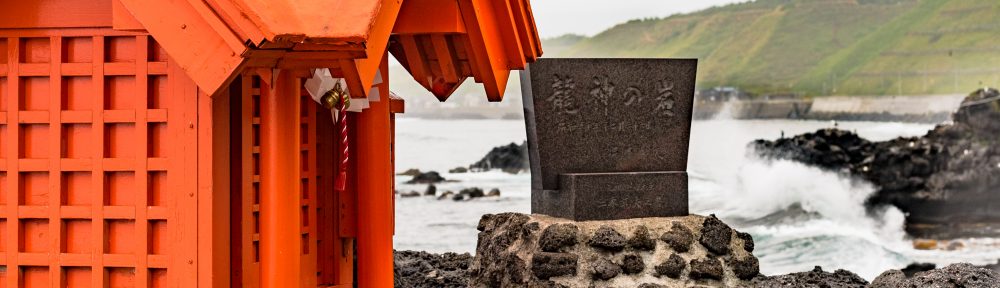
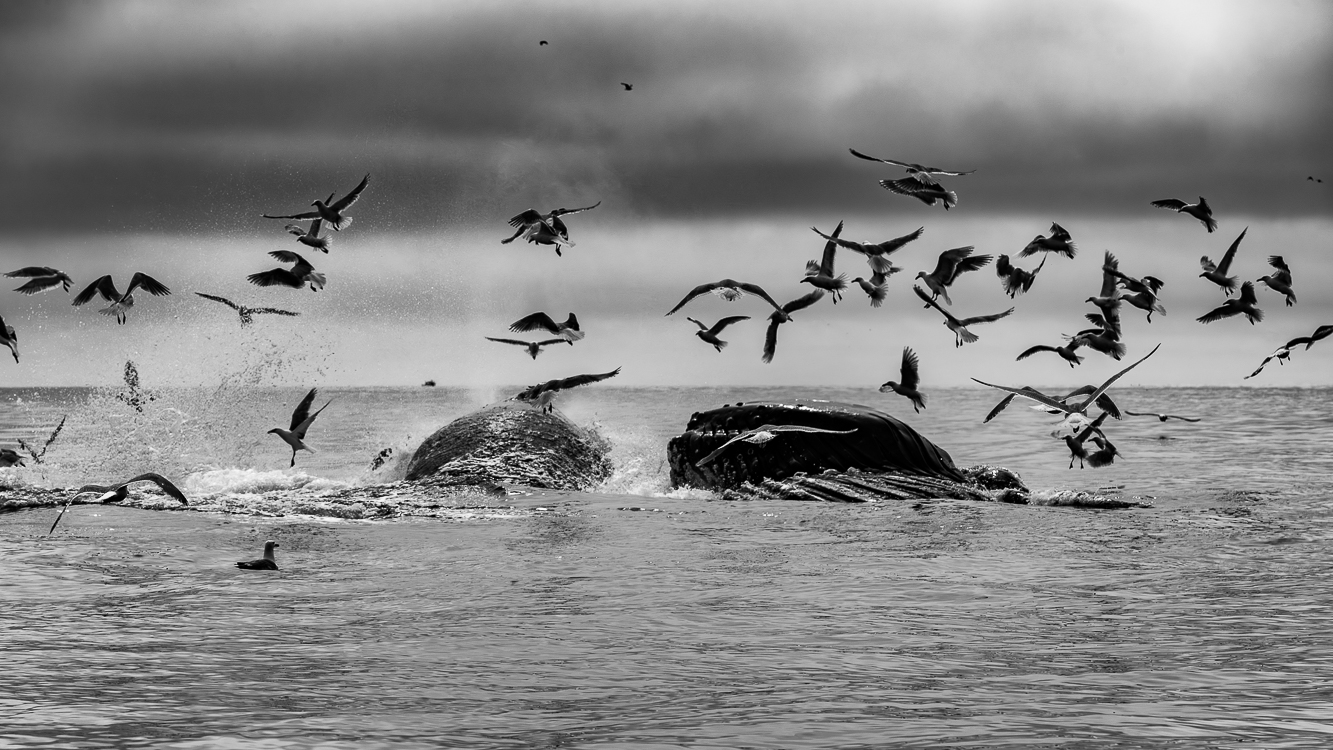
Moose roast and root vegetables in a bath of mushroom broth, red wine, cream and fresh herbs slow-cooking in the oven, pumpkin cheese cake setting. Lots to be grateful for on this Thanksgiving Day… and every day. Barbra and I hope all is well in your world.
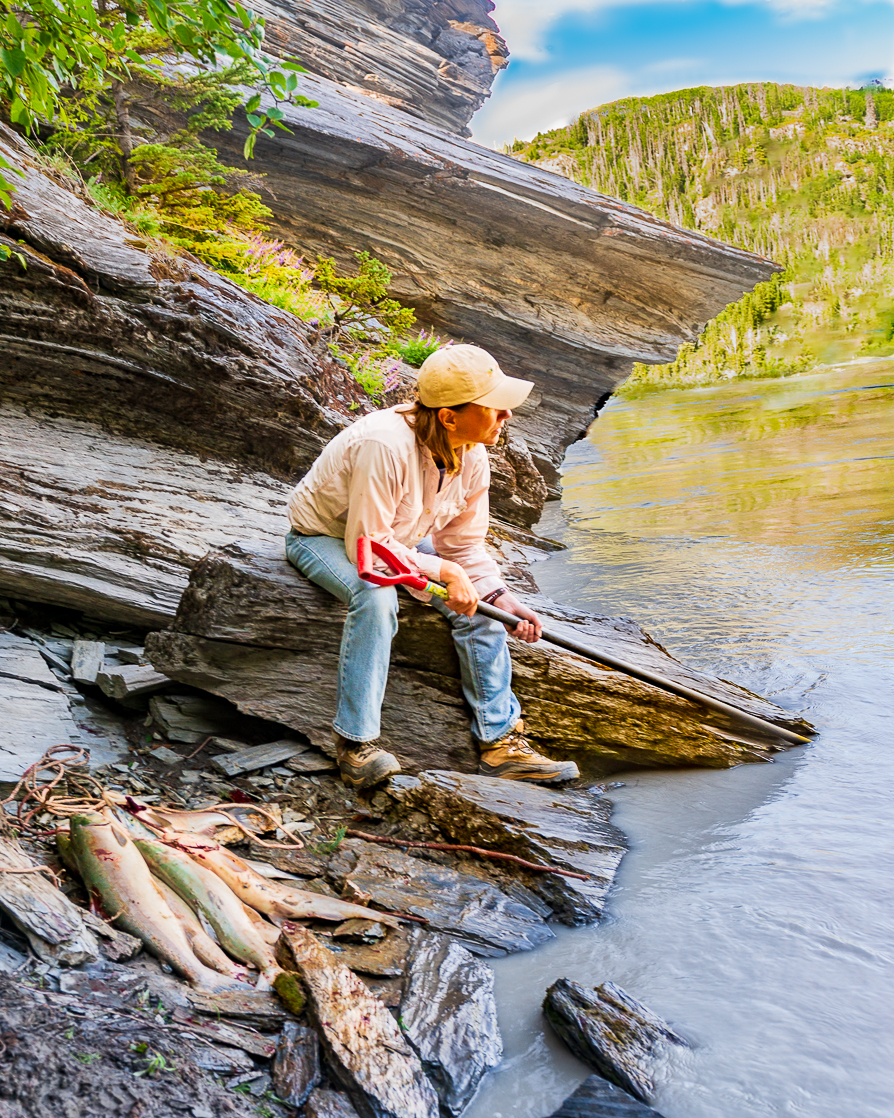
Iconic Alaska. Hike in along a canyon trail, then down a steep, more narrow trail to water’s edge. The river’s chalky, clay-colored glacial till reveals nothing. But the fish are there. Upwards of a million Sockeyes will ascend the Copper, and that’s after the commercial fishing fleet has taken a similar number from the sea near the river’s mouth. Armed with a net on a big hoop attached to a 15-foot pole, you find a fishable perch along the canyon wall and ease the net into an eddy. If you’ve timed it right, huge schools of fish are passing in front of you within feet of the shoreline. It doesn’t take long till you feel the morning’s first solid thump as a Red hits the net. If you’ve got the patience and don’t pull in right away, you might feel another thump, and then another – three fish in one scoop. And you feel a connection with people who have been fishing for salmon this way for thousands of years… grateful that there’s a place where it can still be done, not another person in sight except for the companion you’ve hiked in with. You get the feeling this isn’t going to last… which makes you appreciate it all the more. Iconic Alaska.

The hike to Harding Icefield is a little over four miles up a mountain trail, more or less following a ridge above Exit Glacier. Patches of snow, wildflower meadows, birds, bears, maybe other wildlife along the way. There are many vast landscapes in Alaska. The view out over the Harding Icefield, the great mother ice lake that feeds Exit and dozens other glaciers is… otherworldly. We were on a rock outcrop overlooking part of Harding’s eleven hundred square miles. I was preoccupied with alpine flowers when Barbra noticed a trail across the snow-covered ice. It didn’t make sense. Till we spotted the bear.
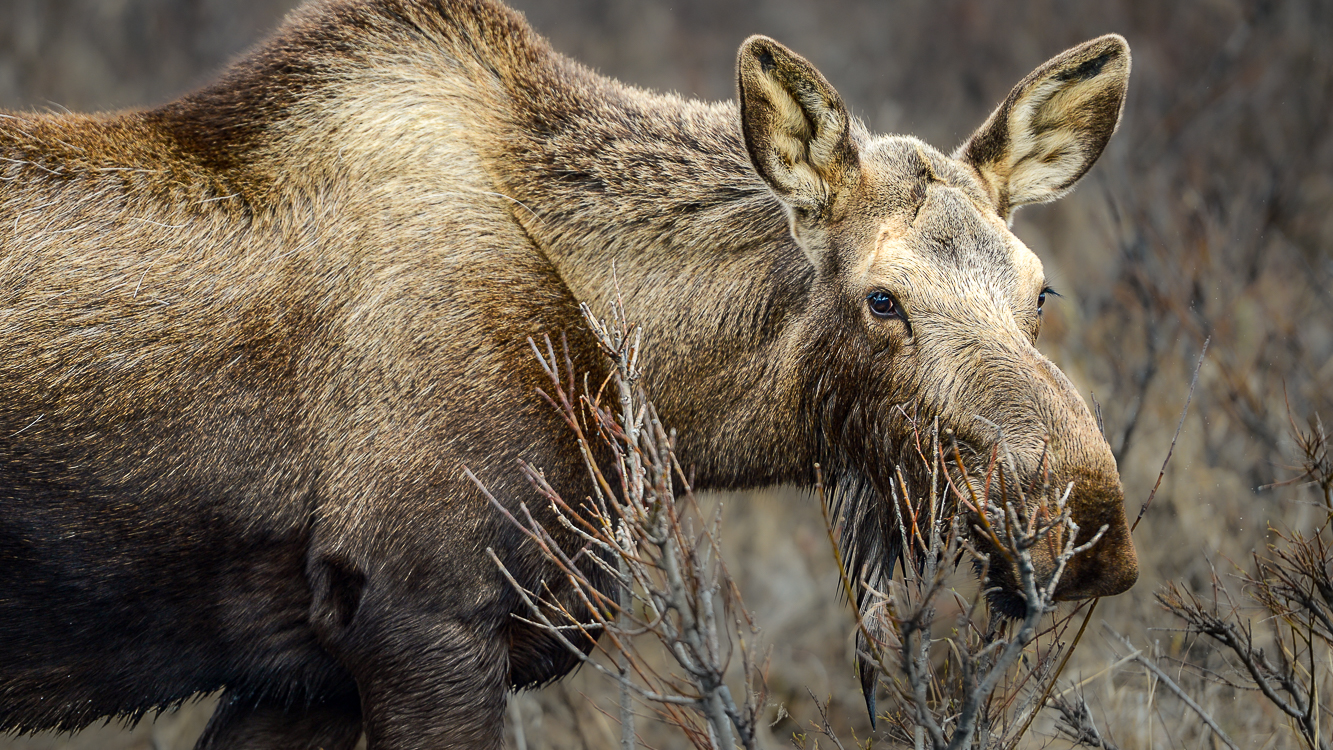
Moving on from the photos we took in Mongolia, I’m now going through “Alaska Summers.” Some of these catalogues predate our trip to Mongolia. As I come upon images I really like – such as the above composition – I’ll share them here and on Instagram. jackdonachy, if you’re interested in following there. I also put most of these photos on Facebook – Barbrajack.
I like this photograph for the way it recalls a quote by Bob Dylan that describes Barbra, and me, and maybe this bear, and maybe you.
I was born very far from where I’m supposed to be, and so, I’m on my way home…

I’ve enjoyed going back through photographs from our four years in Arctic Alaska. Although there are a number of additional pictures I’m reasonably happy with, the truth is that most of the images we made in those years constitute memories rather than art. As self-taught photographers, we still had a lot to learn about light, and how cameras interpret light, and composition, and optimal camera settings, lens choices and technique. Moreover, the images we made in those early days have a somewhat random feel about them as we hadn’t yet developed a vision for how we wanted to shoot and what we wanted to make images of… what stories we wanted to tell. We’d love to go back and revisit those scenes, and from time to time we discuss the possibility… but as Frost warned, way leads to way.
When we left Point Hope in the spring of 2014, we traveled to Mongolia where we lived for the following two years. We’re looking forward now to revisiting that collection. So, we hope to see you “in Mongolia!” JD

It was a two-and-a-half mile walk from our home in Point Hope to the terminal point of Tikigaq Peninsula where it hooked into the Chukchi Sea. Cape Lisburne lay to the north; other rocky sea cliffs lay to the southeast. Dense colonies of seabirds – murres, puffins, various ducks, gulls and other birds – nested in these natural sanctuaries, and if you stood at the tip of the peninsula you could watch the adult birds fly back and forth all day long in the summer, in one direct bills and bellies empty, on the return their bellies crammed full of food and what they couldn’t fit in their bellies hanging from their bills. Sand Lances and other fish to be presented to nesting mates and offspring. It was a difficult hike out, a good bit of it along a pebbled beach. At that time in our lives we hadn’t yet made a study of wildflowers, but they were abundant and brightened the path. And you never new when you might come across an Arctic Fox, a Snowy Owl or something else of interest.
Hiking for any distance along a sand beach becomes work, and If you’ve ever walked far along a pebbled beach you know that pebbles make for an even more arduous hike. The ocean breeze was almost always cold at that latitude above the Arctic Circle.
Wishing at times to travel light, we did not always take camera gear.
Which was, of course, a mistake.
One morning in early fall, we arrived at the point and – not knowing what we were in for – found ourselves looking out at more birds than we had ever in our lives seen. Quite probably, more than we will ever see again. Wave upon wave of puffins, murres, kittiwakes, shearwaters and I don’t know what else were streaming out from the cliffs and capes, chicks fledged, the season over. Most of these seabirds would not return to land again until the following spring when they would begin a new nesting season. We had seen films depicting African migrations of wildebeests and other ungulates, and in Alaska of great herds of caribou, and those films were called to mind. I once, in Kentucky, found myself amidst a late spring migration of Box Turtles; I pulled my car to the shoulder and assisted over a dozen of them safely across the country road I was traveling. If I had that to do over, I’d have stayed for as long as it took and helped more…
Surely that morning on the tip of Tikigaq, Barbra and I were witness to one of the world’s greatest migration events. We felt, suddenly, a deep connection with… something… overwhelming. Thoreau’s contact, or a final couplet from Wordsworth:
To me the meanest flower that blooms can give
Thoughts that lie too deep for tears.


 CutterLight