Home Made Pasta


Jack and I brought up a manual pasta machine with every intention of making our own pasta. We forced the issue by not purchasing any pre-made pasta in our annual shopping. We sent up a twenty-five pound bag of semolina and a dose of sheer determination.

Honestly, the machine looked a little daunting. After eating through our rice at a pace likely to use up our stores, the reality set in that we would need to face the machine and make the pasta.

We took the machine out of the box. We opened the directions. Directions? There was a basic recipe and a phone number to order parts. Thank goodness for the internet! We read recipes and watched youtube videos and set to work.

The first attempt was a DISASTER! I swear every recipe on the internet had comments like “this was so easy,” and “simplest way to make pasta.” When I looked up “what do I do with ruined pasta dough?” I found nothing. So no one ruins their dough? Interesting. I thought maybe I could salvage it and use the dough for a top of something. I was so frustrated, I threw the whole thing out.

Because of my tenacious streak (nice way to say stubborn), I tried the dough again. This time, I didn’t follow the directions and didn’t  incorporate all the flour.  Now the texture seemed more pliable. I wrapped it in plastic and let it rest overnight.

Round two with the machine. I ran the dough through the machine, like I had been instructed. I decided to make fettuccine noodles. The thinking was that flat wide noodles might be easier to handle. The dough ran through the machine nicely and was thin and even. I cranked the dough through the fettuccine cutter and GLOB, a sticky mess. Good thing I could run it through the flattening part again. After a couple of tries, I got the noodles to come through the cutter in strips with fettuccine indentations. I decided to let them dry all together in big pieces. After a couple of hours, I peeled them apart. They looked weird and too thin, almost translucent. The raw noodles did taste ok, though.

Jack then whipped up an olive oil, sundried tomato, garlic, mushroom, chicken mixture to serve with the pasta. He dropped my pasta creation into the boiling water. I couldn’t look. Another disaster was looming. After three minutes, he pulled the pasta out of the pot and drained it.

Drum roll, please. It was amazing. Just the right texture. Boiling the dried out noodles gave them spring and chewiness. We were honestly shocked how good they tasted.

We’re totally sold! I spent the next hour looking up recipes for raviolis. I think I’m ready to handle the ravioli attachment now.

White Chocolate Chip Pear Butter Bread

I impressed myself when this came out of the oven. It had that perfect rich baked brown crust on the top with a beautiful crack that revealed the white chocolate chips. The whole pan of bread disappeared in two days!

I had made pear butter the weekend before with a dozen bruised and ailing pears. I found a recipe that called for pears, orange juice, orange zest and nutmeg. I cooked it in a crock pot over night and finished it with some pectin in the freezer. It turned out wonderfully. It was dark and thick, sweet and spicy with a lovely citrus note.

I thought the pear butter would work really well in a sweet bread. I found a recipe for apple butter bread and altered it to suit my needs. I added chopped pecans and white chocolate chips for a surprise.

Crazy for Biscuits

It’s official. The first snow came yesterday. We can now enjoy wintery comfort food without being scorned.

When I was a kid, my mom made all of our bread. Generally, she made whole wheat loaves and sometimes white braided breads for special occasions. Her home made breads were so good out of the oven. This must be where my love of breads originated. When I moved out on my own, I tried making biscuits that came out of a refrigerated can. Those were ok. That was the sum of my biscuit experience.

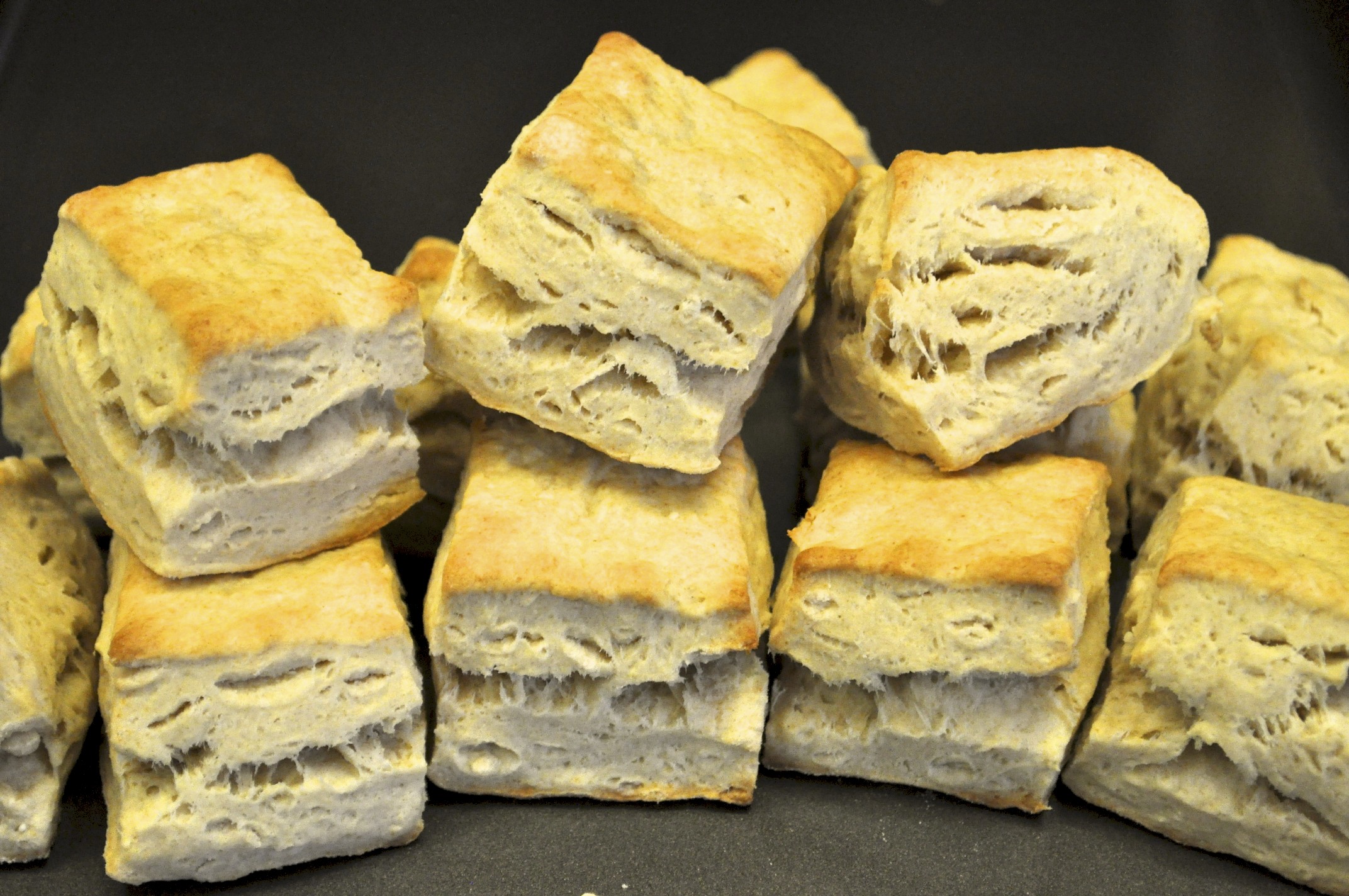
After a conversation about biscuits with my friends at work, I was inspired to try my hand at some. Who knew you didn’t need a box of Bisquick to make biscuits?! My first batch came out buttery and delicious. After cutting perfect round biscuits, I kneaded the leftover dough and cut the last batch. I learned that kneading them again caused them to not rise as well as the first batch. I’ve also learned that biscuits don’t have to be round. I cut the next batch into squares, and voila! a perfect batch of biscuits.

Since that experience, I’ve made batches of biscuits. They only take 1/2 hour and they taste wonderful with our homemade cloudberry jam. Yum!

I’ve read I can use the biscuit dough as a base in muffin cups and stuff the biscuits with anything my heart desires. If that isn’t enough, I can imagine what could get baked right into the biscuits…herbs, cheeses…oh, boy!

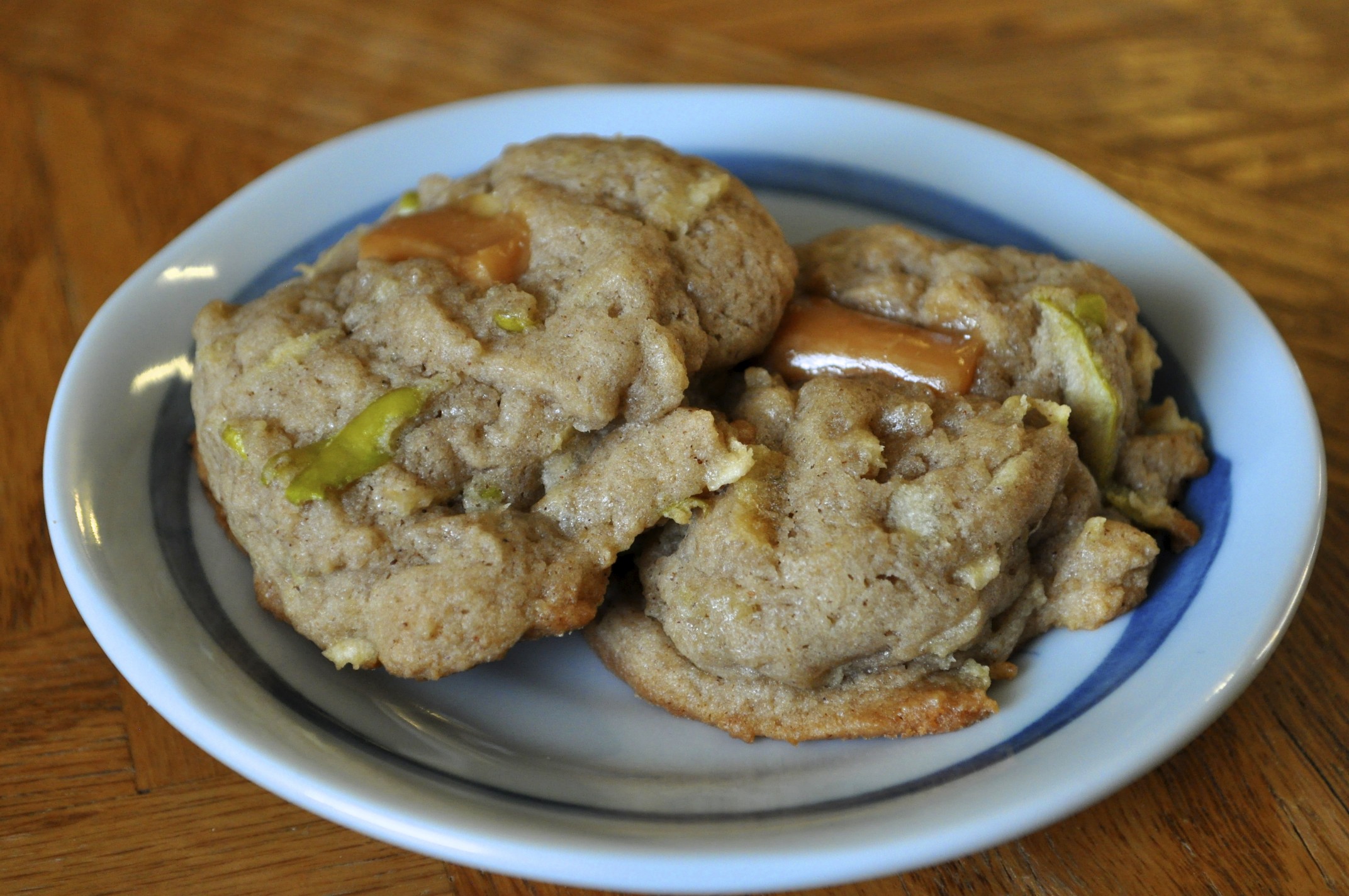
Caramel Apple Cookies

The inspiration? A granny smith apple and a bag of individually wrapped caramels.

The two items sitting in our kitchen made me think “wouldn’t an apple cookie with a caramel tucked inside taste like fall?”

Let me tell you, it does! Hot cinnamon flavor dancing around toasty cooked grated apple pieces.  Make sure you take two bites so you can savor the caramel twice!

Here it is: Caramel Apple Cookies

1/2 cup butter, softened

1 cup packed brown sugar

1 tsp vanilla

1 egg

2 cups flour

1/2 tsp salt

1/2 tsp baking soda

1 tsp ground cinnamon

1 shredded granny smith apple

15 wrapped caramels

Preheat oven to 350F. Line baking sheet with parchment, or lightly grease sheet.

In a large bowl, stir together flour, salt, baking soda, and cinnamon.

In another bowl, cream together the butter and sugar. Add vanilla and egg and beat until light and fluffy. Add flour mixture and stir to combine. Fold in apple pieces.

Take caramels out of cellophane and cut in half.

Drop tablespoon sized drops of dough onto baking sheet with some space in between (they will spread). Push half caramels into center of cookie drop. Make sure to leave some dough under the cookie so the caramel doesn’t burn.

Bake for 12 minutes or until edges are set. Allow to cool slightly on baking sheet and finish cooling on a wire rack.

(I tinkered with the original recipe found on http://www.chewywaffles.blogspot.com/.)

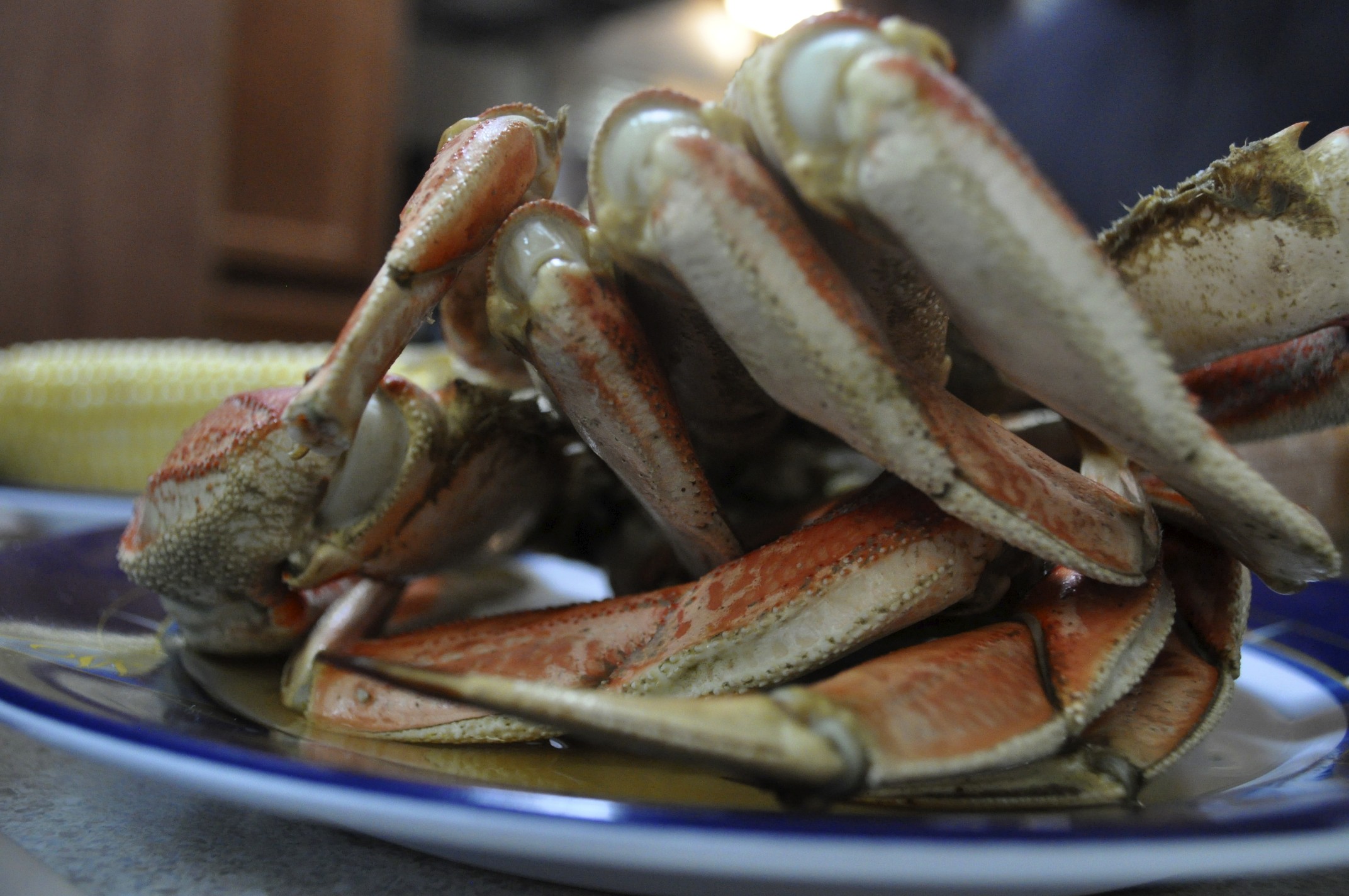
Dungeness Memories

Dungeness crabs.

Fresh from the ocean

Boiled just minutes ago

Serve with hours of conversation, sourdough bread and a good chardonnay

Every bite reminds me of long, candle-lit evenings

Laughing

Storytelling

Reminds me of soups in clay bowls steaming through puff pastry

And chunks of crab meat dripping with butter and lemon and soy sauce

Steamed in miso on a honeymoon night.

Drifting and Dancing Wood


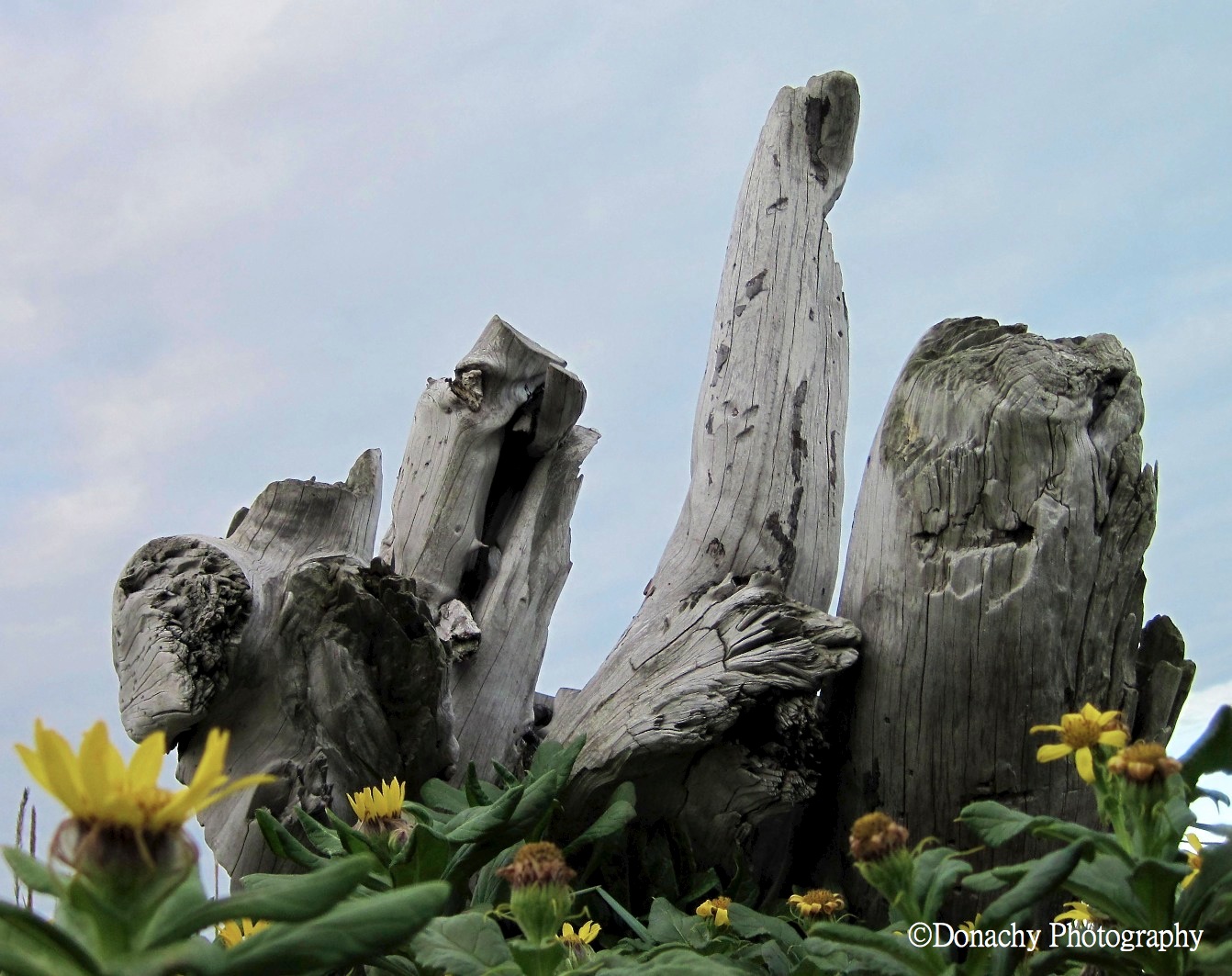
There are beautiful pieces of driftwood on our beaches here in Point Hope. The piece above looked like ocean animals doing a dance among the summer flowers. I never really thought about where driftwood might travel from until yesterday. I realized that this wood traveled in from the ocean, maybe hundreds or thousands of miles from my village. There are no trees here. The closest trees are small willows that grow up river some ways away. Each piece of driftwood, some as small as sticks and some as large as entire tree trunks, has a story. Maybe they came from Japan or Russia? Where have they come from? How did they come to be on this beach? What caused them to drift? What did they experience along the way?

Rock Patterns

Ice scraped past in the form of a glacier, high above the ground and left this beautiful rock pattern.

Shot taken at the top of Exit Glacier on the edge of the Harding Ice Field.

Setting the Net

September 4: We’d be wanting to learn how to set a net from shore, so when a couple invited us to come fishing with them, we jumped at the opportunity. The way nets are set here is pretty ingenious.

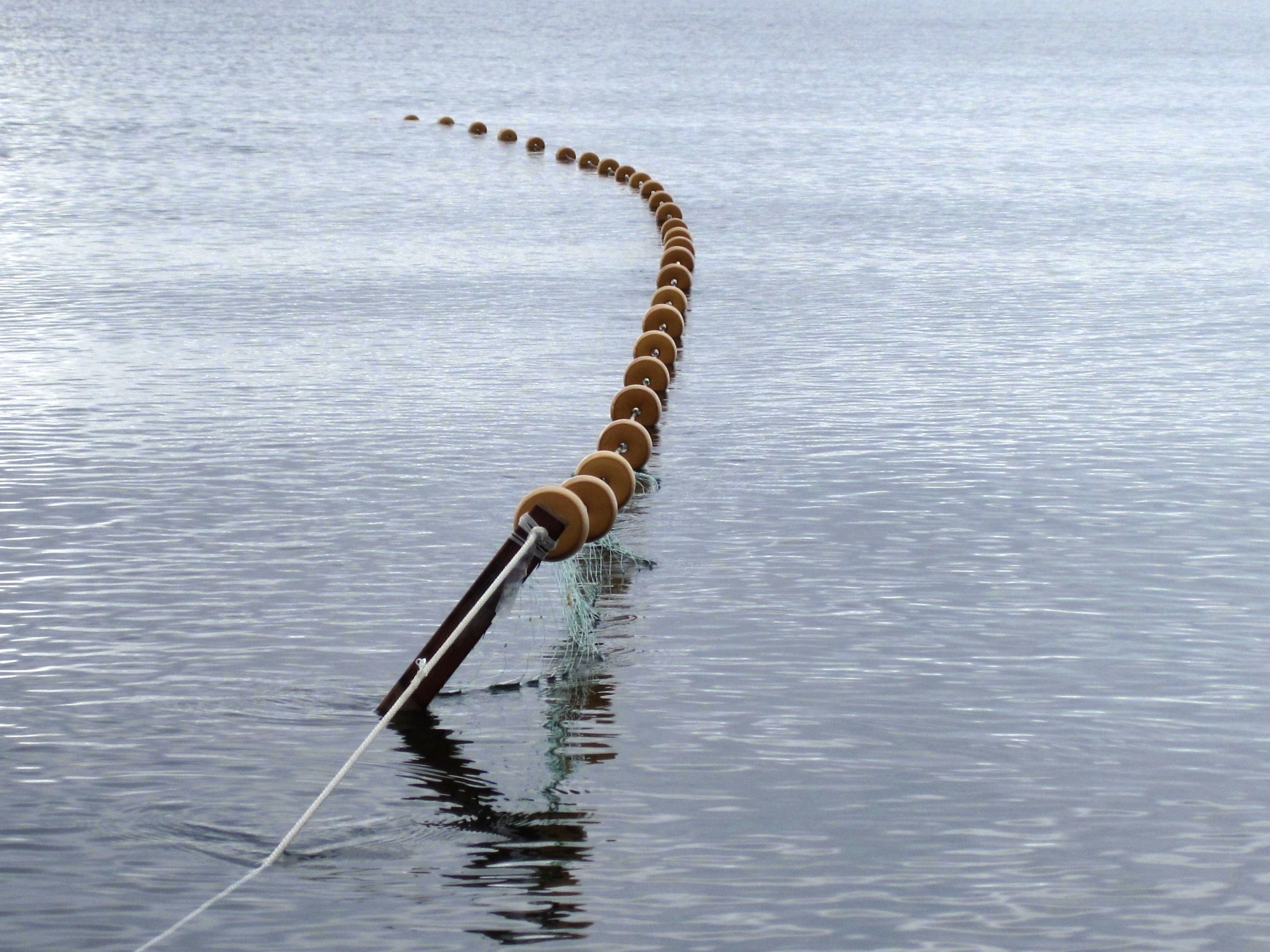
The first order of business is to get a big enough weight out from shore to securely anchor the far end of the net. In Shishmaref and lots of other places, they use small dingies or other watercraft to accomplish this. But the current runs strong near Point Hope, and high winds can come up quickly. In the past, lone anglers launching small boats off the beach led to drownings. So a different method for getting the cloth sacks of rocks which serve as weights out into deeper water was developed. Here fishermen use long poles–sometimes lengths of two-by-fours nailed together. The fish often run quite close to shore, so even 25 feet or so can be far enough and a 30 foot net set is all you need. The pole is threaded through a loop on the top of the weight, enough floatation in the form of plastic buoys is attached to the end of the pole to keep everything floating as its pushed out, and then the pole is pulled back and the weight drops to the bottom.

Meanwhile, a long line has been run through one end of the net, top to bottom along a piece of wood attached to the net and is also run through the weight. With the ends of the line tied together to form one long loops, and controlled from the beach, this line is pulled until one end of the net is snugged up against the weight. The top and bottom lines are adjusted so that the net is positioned upright, and the lines are tied off to two stakes on the beach. At the other end of the net–the one closest to the beach–another line holds the net in place and is similarly tethered. Corks keep the top of the net up, and a lead line keeps the bottom of the net down. It sounds a bit complicated, but in practice the whole process is fairly simple and intuitive.

Once the net is set, the fishing is much like any kind of fishing anywhere. You wait, hoping to see the tell-tale dancing of corks, or maybe a splash as a large fish entrapped in the net swims to the surface. Up here the quarry are salmon (pinks, silvers and Chinook), and the highly prized “trout,” i.e. sea-run Dolly Varden. While you wait for the fish to come along, you might see grey whales or even Orcas, seals, or maybe a walrus. Hundreds of thousands of seabirds nest and roost on the cliffs of Cape Thomson to the south, so the sea is usually alive with murres, gulls, puffins and more.

Where There’s Only Sky and Water


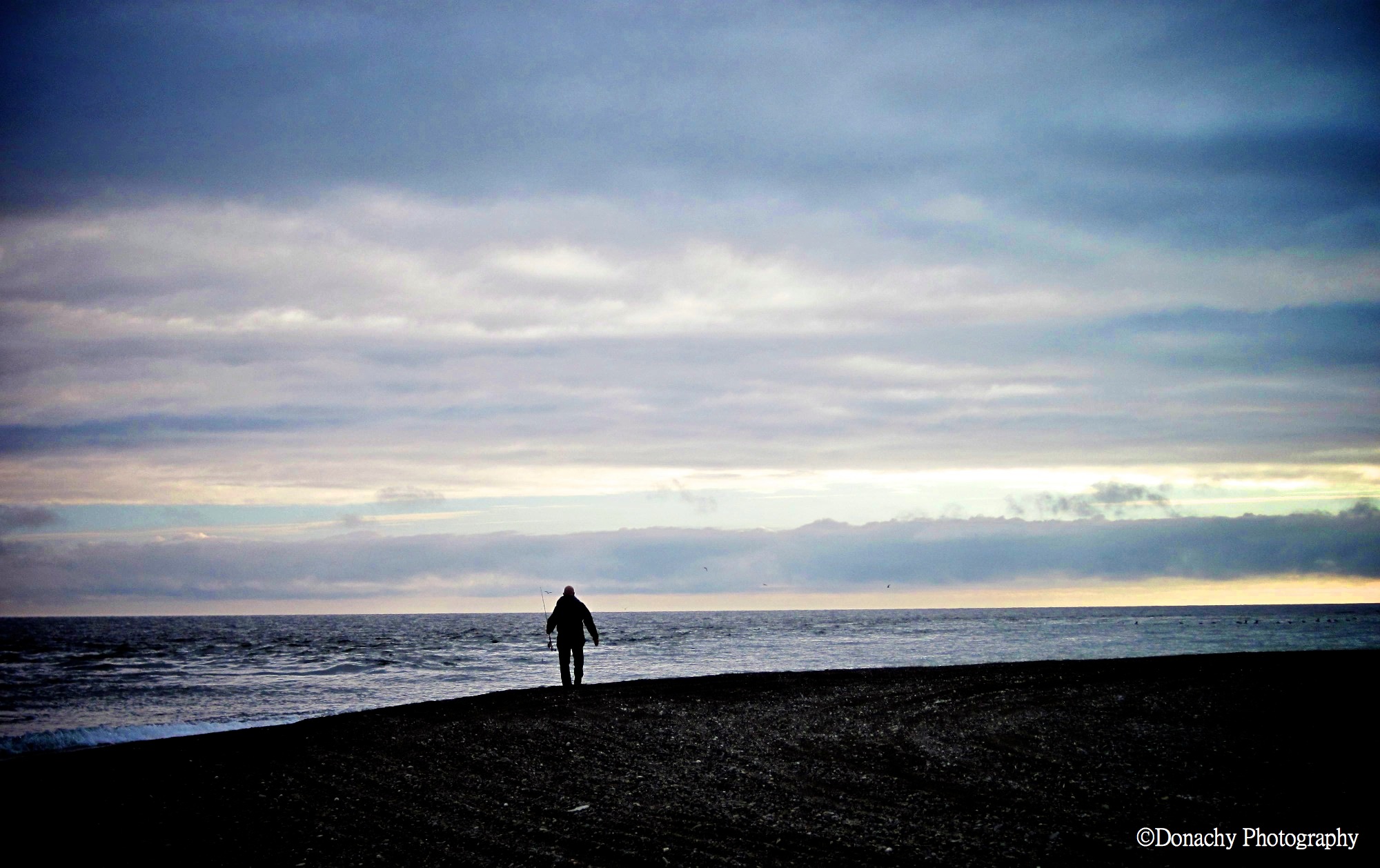
A solitary surf fisherman in late August hoping to intercept the last of the pink salmon or a roving school of Dolly Varden on the point at Point Hope, Alaska.

Surf fishing is addicting. Part of the magic lies in not knowing when or even if the fish will show up. So you fall into a rhythm, walking up or down the beach casting, waiting for the lure to land, and beginning your retrieve. As you fall into this rhythm, invariably your mind wanders… back to fish you’ve caught and fish you’ve lost on this beach or on other beaches, back to something your dad, or a coach, or a friend said to you a long time ago, back to places you’ve been and to people who have slipped into and out of your life. At other times, you find yourself looking into the future, forward to the day when your mortgage is paid off, or to a day when you are at last able to travel to some dream destination. Your feet are planted more or less firmly on sand or pebbles. Behind you are cities and towns, offices, classrooms, dinner parties, appointments, work, triumphs and regrets, small talk, clocks, calendars… Before you, stretching out as far as you can see, there is only sky and water and the possibility that on the next cast you’ll be woken from your reverie, everything suddenly solid, your rod bent into a graceful, lively arc.

The Bones of a Village

New enough to reveal steel and aluminum nails, old enough to be well-weathered by the Arctic climate, the bones of this seal-skin whaling boat were left behind when Point Hope (Tikigaq) relocated two-and-a-half miles inland in the 1970s. Point Hope is one of the longest continuously inhabited places in North America.

The Inupiaq name for Point Hope Village, Tikigaq (tick-ee-yahk) means index finger and described the way the gravel point once hooked into the Chukchi Sea. Time and tide long ago washed away the crook of the finger, leaving behind a triangular point near enough to deep water that the whales that first drew the Inupiat people here thousands of years ago still swim close to shore. The 2.3 mile hike from the current town out to the point gets a little tough once the road ends and the pea-to-chunk-size gravel begins, but it is well worth the effort. In addition to bowhead and other whales, which are frequently sighted, the collision of currents at the point holds large schools of finger-sized baitfish, which in turn draw flocks of Arctic terns, gulls, murres, puffins, jaegers, guillemots and ducks while various sandpipers patrol the shore. At times, the sea and sky are filled with hundreds–if not thousands–of birds. The small fish also attract roving schools of pink, silver and Chinook salmon and sea-run Dolly Varden which in turn are followed by spotted, common and bearded seals. Walruses show up from time to time as well.

The walk to the point passes through the Old Village, a ghost town of semi-subetranean homes made from sod, whale bone and driftwood as well as more modern, wood and metal houses. It’s fascinating to walk through the Old Village and contemplate what life would have been like up here before electricity, running water, guns and gasoline engines–when the only “grocery stores” were the great herds of caribou 25 or more miles to the east, bowhead whales swimming in the freezing Arctic Ocean, and the various fish, seals, berries and plants gathered in their seasons.