Takhi: The Last Wild Horses

I want that One Early morning light splashes a trio of bachelor Takhi in Khustai National Park, Mongolia. December 19, 2024

Although colloquially called “wild” it is a misnomer, technically speaking, to refer to the free-roaming mustangs of North Carolina’s Outer Banks and the American West as such. In both cases, the horses in question are escapees from from domestic stocks and therefore, biologically speaking, are feral, not wild. But neither a 10-year-old boy nor a 64-year-old man is as likely to eagerly crane his neck from a car window to look at merely “feral” horses as for a glimpse of wild horses, and so in most cases the colloquial “wild” stands. In any regard, the distinction matters to some, less so to others.

The word “takhi” translates to spirit or spiritual in English, a fitting appellation for these noble beings – far more so than the alternative, Przewalki’s horse, applied as though the person who “discovered” them for Western Europe has the right to enslave them with his clunky name in perpetuity in an illusory pursuit of his own immortality. Just as all humans have a right to a name of their own choosing, should not all beings be distinguished with their own, unique, noble title.

The above having been accounted for, there is in fact one truly wild species of Equus still remaining in our world – the Takhi of Mongolia. The species was on the very brink of extinction by the 20th century and in fact became extinct in the wild by mid-century, having been hunted for meat. The few remaining Takhi were scattered in zoos in Europe and the United States, their outlook bleak. But in 1990, at the same time Mongolia became a Democracy, a breeding program was established and a few horses were reintroduced to Mongolia’s steppelands – perhaps the world’s greatest remaining uninterrupted grasslands.

And so now, in the year 2023, one can travel to Mongolia’s Khustai National Park and to a few other places and see for themselves these beautiful animals.
Hustai (Khustai) National Park, Mongolia: Biodiversity and Ancient Carved Gravestones

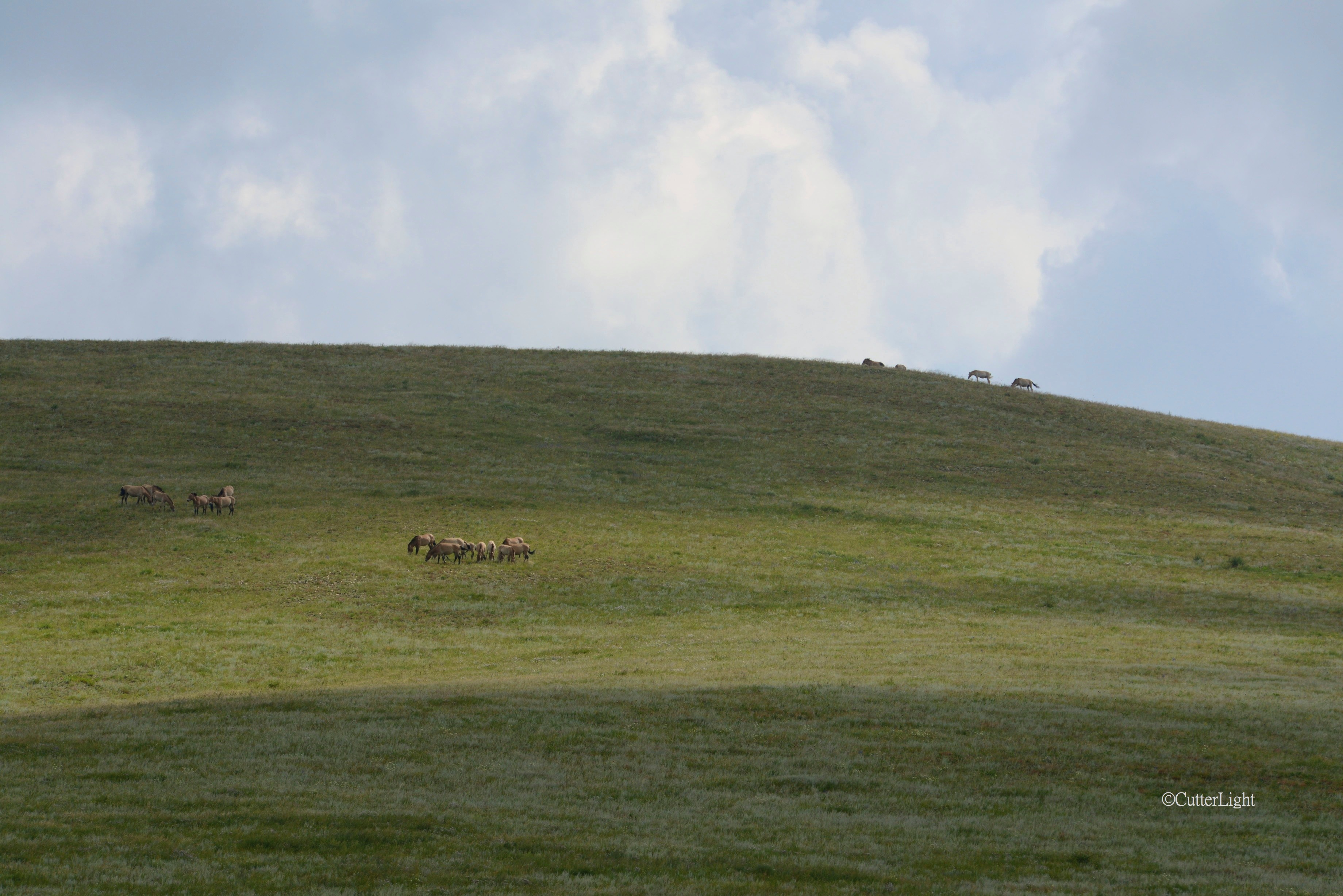
Przewalski's horses a n

Wild Takhi, or Przewalski’s horses, graze the vast, rolling steppe lands of Mongolia’s Hustai National Park. Extinct in the wild by the late 1960’s, Takhi were reintroduced to Hustai in 1992 and have since flourished. Unlike the ferel “wild” horses of North America, Takhi are a true wild species – the only remaining wild horse in the world. We visited the park on a day when wildflowers and raptors seemed to be everywhere.

Located in Central Mongolia about 60 miles (100 km) west of the capital of Ulaanbaatar, Hustai National Park provides habitat for dozens of species of mammals and over 200 species of birds. Sixteen species of fish swim in the cold waters of the Tuul river which borders the southern edge of the park. On the day we visited in early August, recent rains had prompted a profusion of wildflowers.

Harebell n

Above, abundant hairbell blooms added vibrant splashes of color to the steppe as did pink bloom, (below). Interesting to us is that both species were familiar from hikes on the Alaskan tundra. 

Pink bloom n

marmots n

In any given year, as many as 150,000 marmots inhabit Hustai’s 195 square miles, providing food for the park’s foxes, wolves, lynx and birds of prey such as golden eagles.

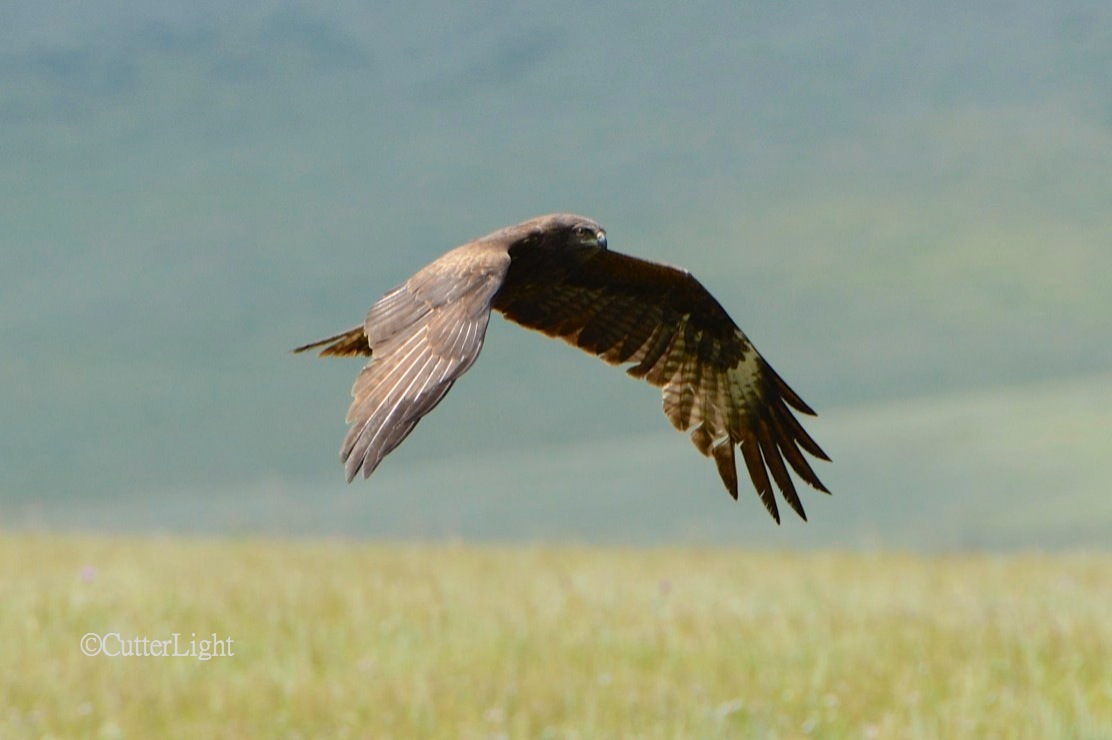
black kite n

With our 200-400 mm lens in transit from the Nikon repair factory, we weren’t able to obtain the captures we wanted of the golden eagles and the beautifully marked lammergeiers we encountered. Happily, black kites like the handsome specimen above were abundant and not particularly shy. 

Mongolian herder n

His brightly colored traditional garb striking against the hazy pastels of the steppe, this nomadic herder was tending a mixed flock of sheep and goats. These herds share the grasslands with Mongolian gazelles, red deer, roe deer and the wild Takhi. 

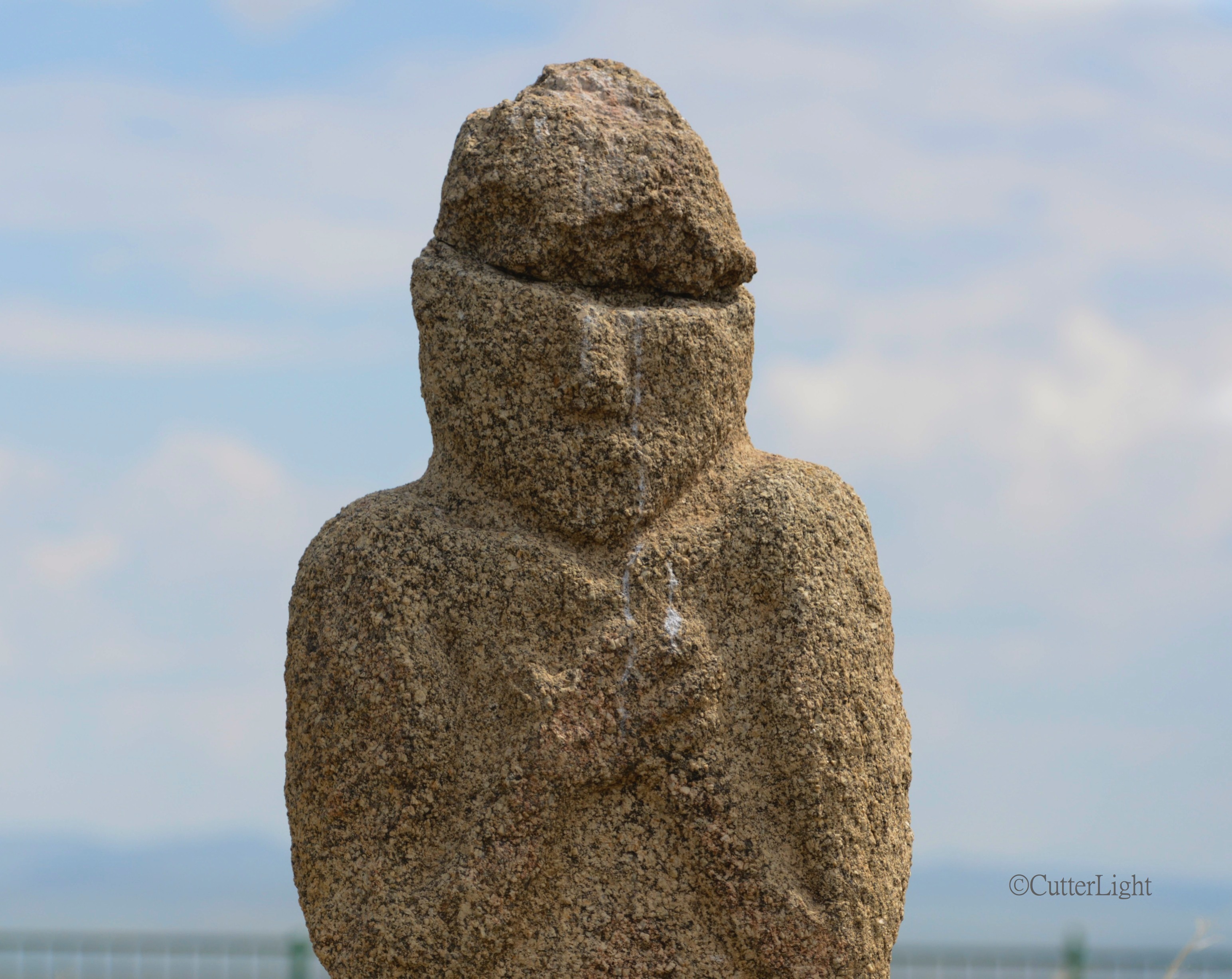
DSC_7761 - Version 3 n

Some 1,200 to 1,400 years ago, a Turkic culture left behind groups of carved granite stone figures in the Hustai area. Elbows close to the body and hands folded across the heart, it’s likely that this six foot tall figure at the Ongot grave site is mourning the loss of a leader or nobleman. 

ram head stone n

Carved sheep represent spiritual sacrifice. Elsewhere, stylized lions watched guard over the grave site.

Pika n

Safely back at the entrance of his burrow, this pica posed for a moment before disappearing. The nearby steppe is also home to gerbils, hamsters and badgers.

pink wildflowers w ladybug n

Almost glowing, maiden pinks are said to have derived their name from the crenelated edges of their petals which appear to have been trimmed with pinking shears.

chiming bells Chiming bells are familiar throughout northern climes.

Prezwalski's horses b n

Horses do indeed make a landscape more beautiful.