Purple Martins: The Highest-Flying Swallow

purple martins w draggonfly n

The Catch: Purple Martins, Kimiwan Lake Bird Walk, Alberta, Canada

Swallows are a favorite bird wherever they fly, and among them North America’s largest and most universally appreciated species is without a doubt the Purple Martin (Progne subis). Before Europeans ever came to North America, Native Americans in the South were known to hang hollow gourds as nesting boxes to attract these birds. The beneficial nature of Martins is well known: not only do they consume enormous quantities of insects that humans consider pests – among them horseflies, beetles, termites and grasshoppers -, they also aggressively drive away birds of prey as well as crows and thus were traditionally welcomed by farmers. Often soaring at altitudes of several hundred feet, Martins capture their prey exclusively on the wing; they quench their thirst on the wing as well, skimming the surface of ponds, lakes and rivers.

purple martin male gun metal n

Iridescent purples and gun metal blues mark the plumage of the male Martin.

Although the range of the three subspecies of Martins covers most of the U. S. and sections of southern Canada, they tend to be rather uncommon. This is due in part to their very specific nesting requirements and to the fact that invasive species – European starlings and house sparrows – frequently outcompete Martins for preferred sites. Formerly found in hollow trees, Eastern Martins have almost exclusively shifted their nests to human created housing: apartment-like complexes on poles, rows of houses side-by-side, or, particularly in the South, hollow gourds. Like Chimney Swifts and Barn Swallows, Eastern Purple Martins have become dependent upon humans for nesting sites.

purple martin female n

The plumage of females is lighter in color, predominated by shades of brown.

Writing in the early 1800’s, John Audubon observed the ubiquitous nature of Martin nesting boxes in America:

The… Indian is also fond of the Martin’s company. He frequently hangs up a calabash on some twig near his camp, and in this cradle the bird keeps watch, and sallies forth to drive off the Vulture that might otherwise commit depredations on the deer-skins or pieces of venison exposed to the air to be dried. The slaves in the Southern States take more pains to accommodate this favourite bird. The calabash is neatly scooped out, and attached to the flexible top of a cane, brought from the swamp, where that plant usually grows, and placed close to their huts. Almost every country tavern has a Martin box on the upper part of its sign-board; and I have observed that the handsomer the box, the better does the inn generally prove to be. 

All our cities are furnished with houses for the reception of these birds; and it is seldom that even lads bent upon mischief disturb the favoured Martin. He sweeps along the streets, here and there seizing a fly, bangs to the eaves of the houses, or peeps into them, as he poises himself in the air in front of the windows, or mounts high above the city, soaring into the clear sky, plays with the string of the child’s kite, snapping at it, as he swiftly passes, with unerring precision, or suddenly sweeps along the roofs, chasing off grimalkin, who is probably prowling in quest of his young. Birds of America, John J. Audubon, printed 1827 – 1838.

Purple Martin male wings n

Healthy Martin colonies indicate a healthy environment.

The next time you see a large flock of dark birds, look closely. Although often starlings, Martins, too, come together in the thousands and even hundreds of thousands, particularly in late summer as they prepare to migrate to South America.

For more information about Purple Martins, or to learn more about building a nesting complex of your own to attract them, visit www.purplemartin.org

For more information on the wonderful Kimiwan Nature Walk and Interpretive Center in McLennan, Alberta, please visit www.kimiwanbirdwalk.ca.


Nervous Water and Red Salmon


first salmon Chignik n

Looked out the window this morning and saw nervous water on the lake. Skipped breakfast. Three hens and a buck. I’ll cure eggs for ikura later today. Shioyaki salmon for dinner tonight. Beginning of our second week in Chignik Lake, Alaska.

Bull Fight on the Al-Can

Bison Bull Fight n

Nearly a ton each, when wood bison decide to take over a piece of the Alaska-Canada highway, they do. Shooting from the deck of our C-Dory, we found ourselves surrounded by leathery thuds of muscle smacking muscle, the crack of horn on horn, hooves pounding pavement and turf as animals the size of small trucks worked themselves into sprints, snorts, grunts, bellows and the thick odor of bison. We’d been photographing more placid scenes in a herd of about 100 animals – cows and nursing calves, young bulls, grandpa bulls and The Kings – the taut-muscled mature males that stood hands higher than the other members of the herd. Aside from a few younger males occasionally testing each other with head-butts, all was tranquil. The older bulls, hump-shouldered, muscle-ripped massive beasts, grazed peacefully along with the cows and calves or rolled in dust wallows.

The dynamics changed in the blink of an eye. A couple of the big boys started snorting at each other, then locking horns hard and kicking up dust. Suddenly every big bull in the herd, including the largest bull, was on high alert, tails held high, heads lowered as they zeroed in on the point of conflict. Kicking up grass, shrubs, sand and dust, these muscle-sculpted kings moved with impressive speed in their attacks which were aimed at bellies and buttocks as well as heads and shoulders.

Vehicles on the road cautiously edged backwards to give the sparring bison sufficient berth. The motorcyclist seen on the left side of this photo turned around and headed in the opposite direction as the fight edged closer to him.

Still Life with Woodpecker

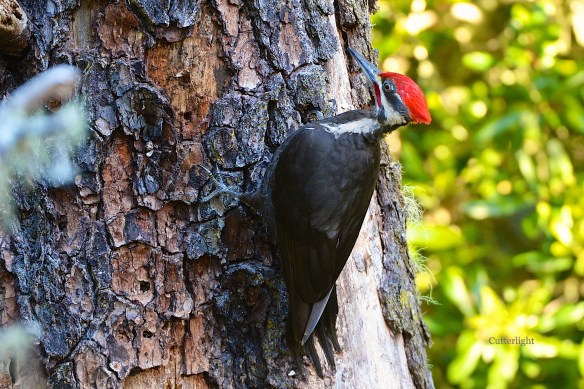
pileated woodpecker n

Traveling up Highway 1 through Oregon, heading back home to Alaska, reading Tom Robbins’ Still Life with Woodpecker along the way. Saw this pileated woodpecker in Bullards Beach State Park.

Lots of wildflowers and butterflies, too, and a herd of Roosevelt elk.

Still Life with Woodpecker

Snow and Flowers: It’s Spring in Mongolia!

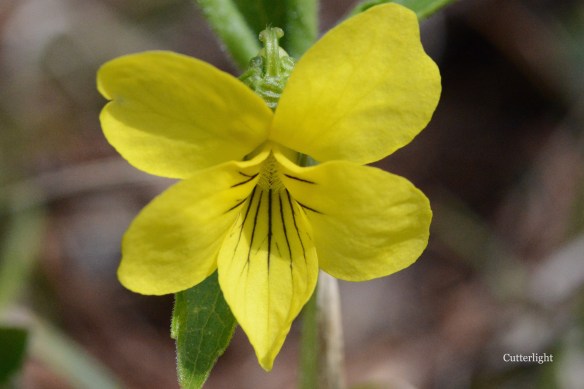
yellow flower beautiful n

Our most recent heavy snow was just two weeks ago, and we’ve had a few flurries since then. But out in the countryside near Ulaanbaatar, wildflowers have begun to grow in profusion. 

snow drop mongolia n

Snow drops (above) are among the very first flowers to show.

white flowers w yellow, pink orange n

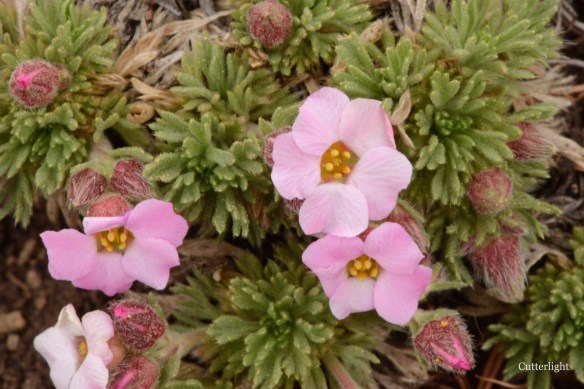
Notice the small red ant on the right side of the photo. The centers of these particular flowers reveal a tell-tale indication of their age, with the youngest flowers having yellow centers. Most of the early wildflowers are small. But they’re everywhere, and close examination they often reveals intricate beauty…

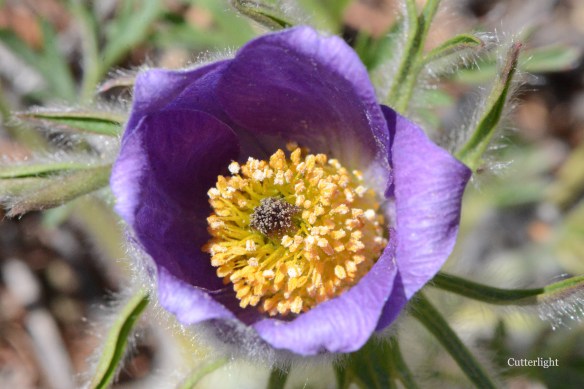
purple flower macro n

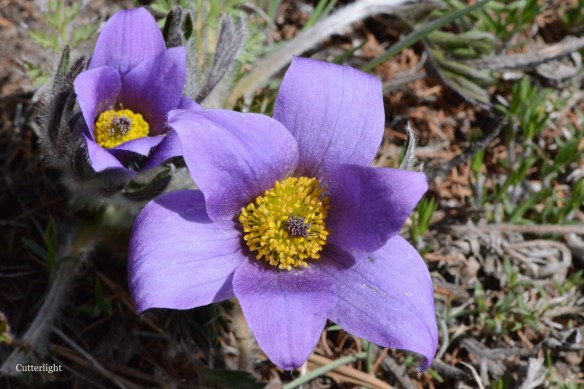
…making us wish we knew more about these splashes of color.

purple flower macro inside pollen n

pink flower macro stamens n

yellow poppy w pink n

forget-me-nots mongolia n

And happy to come across something as familiar as Alaska’s state flower, forget-me-nots.

rubarb wild n

There’s wild rhubarb, too, and wild mint and caraway are abundant.

purple flower Mongolia n

But it’s the flowers that capture our attention.

pink flower succulent n

And leave us vowing to take a botany course when we return to Alaska.

wild iris n

Bar May snowstorm n

The scene in Ulaanbaatar just over two weeks ago on May 11. 

Common Merganser with Chicks, Tuul River, Ulaanbaatar

common merganser 2015 Tuul River n

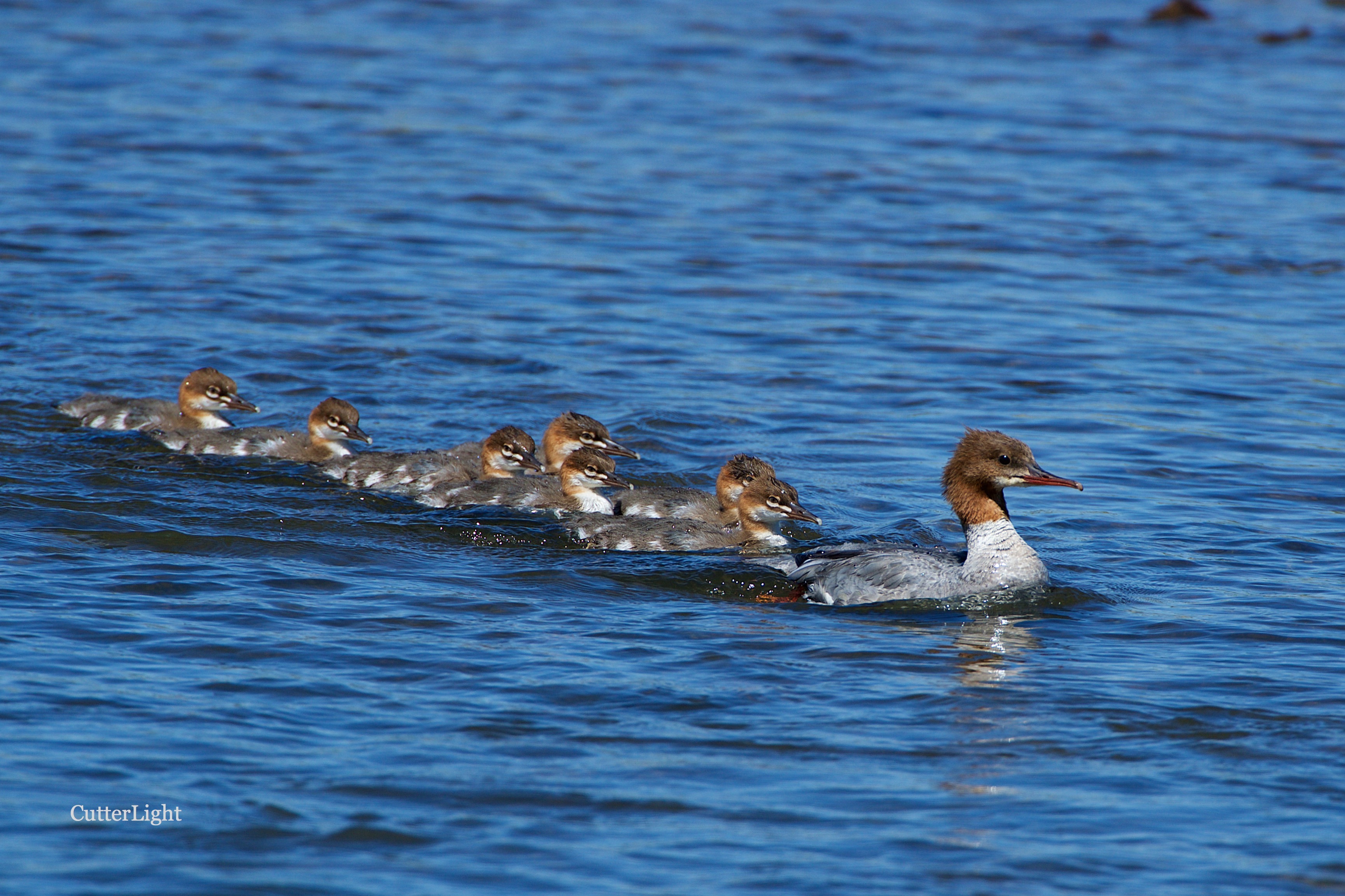
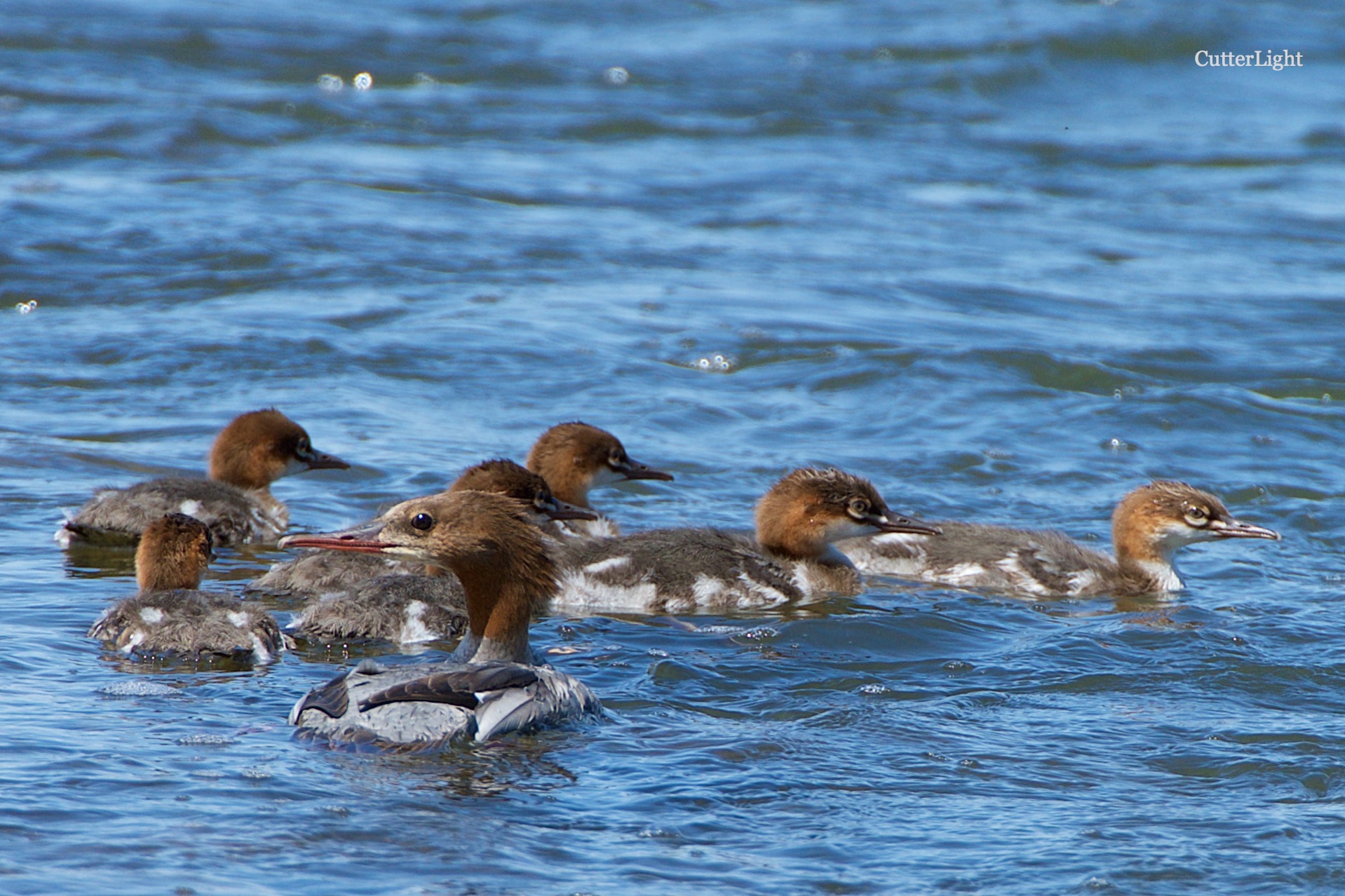
A healthy family of common mergansers (Mergus merganser) indicates an abundance of small fish in the Tuul River on the outskirts of Ulaanbaatar, Mongolia.

Mergansers are large diving ducks that subsist primarily on fish, although the young also fill up on aquatic insects such a the larva of mayflies and stoneflies. They make their nests in cavities in trees, sometimes a good distance from water. Less frequently, mergansers nest in holes in cliffs or high banks. They can be found on open water throughout the Northern Hemisphere, and are a good indicator of clean water and healthy populations of small fish.

Common Merganser hen 2015 n

If you look closely, you can make out the serrations on her bill – the perfect adaptation for holding onto fish. In contrast to the females, the drakes’ heads are dark green, their flanks are white and their backs are black. Although common mergansers are usually encountered on freshwater lakes and rivers, they are frequently seen in coastal bays and estuaries as well.

Common merganser family Tuul n

A baleful eye tells us we’ve approached close enough. Undisturbed this family went about their business, dipping their heads underwater in search of food as they paddled along the river’s current breaks.

Little Ringed Plover

Plover Little Ringed UB 2015 n

Little Ringed Plover, Charadrius dubius, Tuul River, Ulaanbaatar, Mongolia. Nikon D4, Nikkor 200-400mm lens, 1.4 teleconverter.

At about six inches (15 cm) from bill to tail and weighing just an ounce and a half or so (40 g), little ringed plovers are common along the Tuul River near Ulaanbaatar. Their small size, pale pink legs and bright yellow eye rings are diagnostic. These wary little birds seem to bob their heads and scurry back and forth along the shoreline constantly, hence the Latin “dubius” which means moving to and fro. They’re ground nesters. Among the shoreline rocks and pebbles, their light brown or grey speckled eggs are virtually invisible. As fall approaches, little ringed plovers migrate to Africa where they spend the winter.

We’re now at 40 species and counting in our urban birding adventures in and around Ulaanbaatar.

Red-billed Chough: Corvids are Cool

Red-billed chough

Striking a regal pose after a morning of catching grasshoppers: Close cousins of crows, ravens, jays and magpies and adaptable to both urban and wilderness environs, choughs are common around Ulaanbaatar.

chough convention n

The convention: On the crest of this rocky hill, there were dozens of choughs. A hundred. Maybe more. Many of them were gathered around a cluster of chough feathers near these rocks. A fox? A kite? An eagle or hawk? Some predator had diminished their numbers by one. The entire flock was concerned.

choghs flock of n

Choughs in dawn light, hanging together, winging their way across the mountains and steppe near Ulaanbaatar.

Wisconsin Wildlife Services Removes 100’s of Beaver Dams Each Year, Many by Explosives

beaver dam blown up

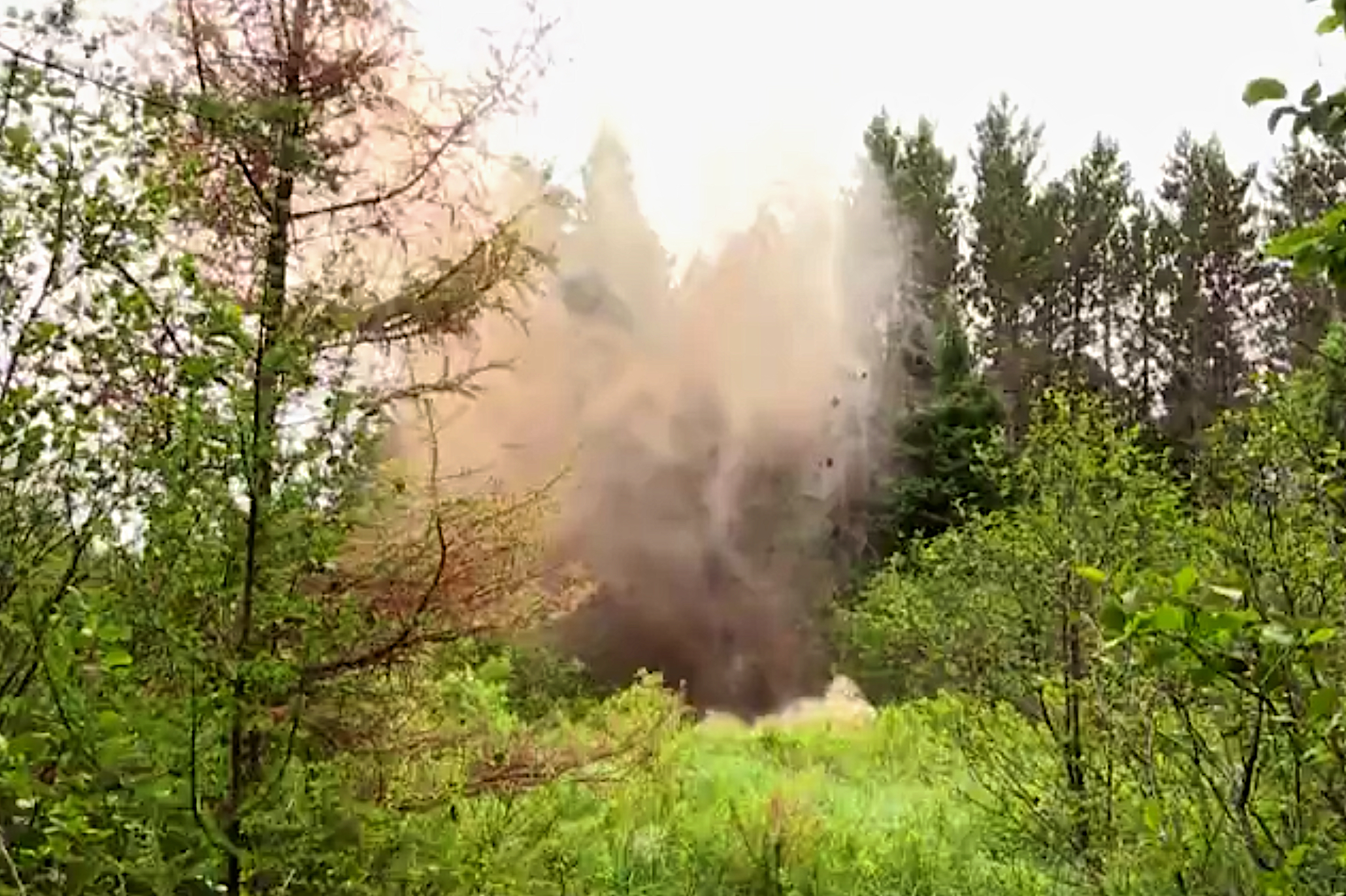
This video (see link below) showing a beaver dam being blasted sky high by Wisconsin Wildlife Services in the name of “improving habitat for trout” left us speechless. This particular detonation took place on the upper reaches of Wisconsin’s Wolf River, a National Scenic River. We’re interested to know what readers think of this strategy for managing wildlife and natural resources.
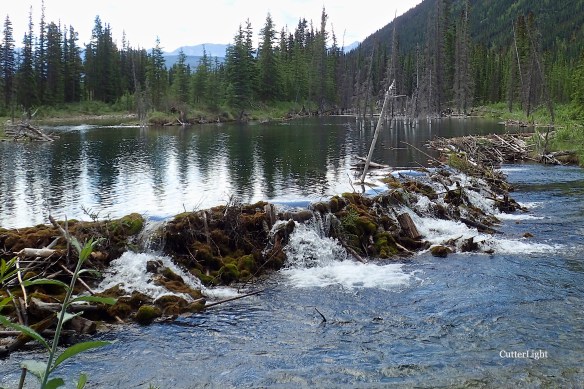
Beaver ponds such as this one in British Columbia represent biologically rich, exceptionally diverse, constantly changing micro-habitats within the larger forest.The many snags (dead trees) in this pond represent feeding opportunities for woodpeckers as well as potential cavity nesting sites for a variety pf species of birds and mammals. Eventually, this pond will become silted in, the beavers will leave, and a beaver meadow will replace the pond. These meadows, free from the shade of the forest canopy and with a bed of thick, fertile soil create places where unique species of flowers and other plants thrive. Black bears are among the many animals that visit these meadows to graze on the grasses and berries that may not exist elsewhere in the forest. The meadow itself will eventually be replaced by mature hardwood forest. So it has been in North America for thousands and thousands of years, with trout, beavers, bears and berries co-evolving.

The setting is a small stream in a Wisconsin forest. The water has been dammed by beavers. Because the pool of water created by the beavers may become too warm for healthy brook trout populations and because beaver dams can block the migration of these native trout, fishermen complained. Enter the Wisconsin Department of Natural Resources, the United States Forest Service, the Wisconsin Wildlife Services and several pounds of explosives. Although government officials occasionally remove beaver dams in order to prevent flooding of roads, make no mistake, most of these dam removals in Wisconsin are for one reason and one reason only: “The purpose of our work is to create a free-flowing stream for the benefit of the trout to be able to migrate up and down.”

See video at: http://www.nbcnews.com/video/government-blasts-away-beaver-dams-475081283719

In a recent three-year period, Wisconsin Wildlife Services removed over 2,000 beaver dams. According to the NBC News report cited above, government officials in Wisconsin use explosives on about 150 dams annually. The beavers are trapped and the dams are destroyed in order to …”(maintain)… one of the natural resources we’ve got for the public to enjoy, trout fishing…”

Barbra and I watched this video and listened to these comments with our jaws hanging open. Speechless. After about two minutes, the video came to an end.

“Wow,” was all we could manage to articulate at first. And then again, “Wow.”

For the past day, we’ve been researching this issue as thoroughly as we’re able to, reaching out to Trout Unlimited groups in Wisconsin and kicking our own thoughts around between each other. We haven’t reached any conclusions. But we do have a few observations.

If… if… the chief or only goal of environmental stewardship were to improve brook trout habitat, Wisconsin’s beaver management strategy might deserve a round of applause. Brook trout thrive in cold, free-flowing streams that feature clean, silt-free rock and gravel bottoms. Temperatures in beaver ponds can hit 70 degrees or more under the summer sun, near the upper limits of what these native char can tolerate and well above their preferred temperature range of 55 – 65 degrees Fahrenheit (12 – 18 degrees C). And because brook trout have very specific requirements for successful spawning – small, clean gravel where upwelling from springs occurs – it’s critical that they be able to access these areas during the fall spawning season.

So just blow up the beaver dams, right?

Not so fast.

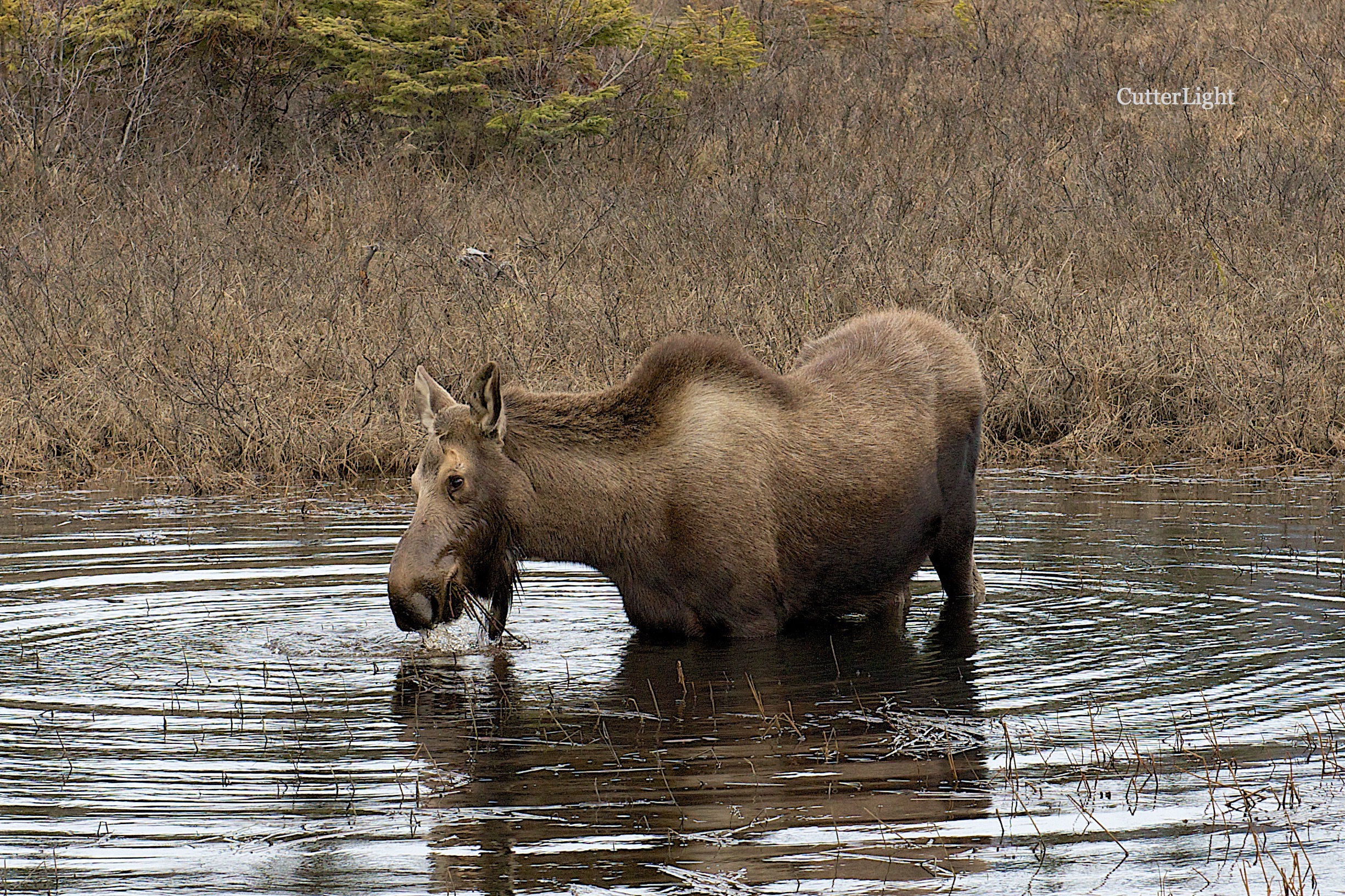
moose in beaver pond n

After a long winter in Alaska, this young moose finds a meal in the upper reaches of a north country beaver pond.

Beaver ponds represent dynamic, ever-changing micro-habitats that foster some of the greatest species diversity in the forests where they are found. We’re for biodiversity. As much as we enjoy trout fishing, we would never wish that our desire to catch a particular species of fish be placed above the overall health of an ecosystem.

During the life of the beaver pond, it can provide vital habitat for all kinds of animals. As trees are drowned, they become snags. (One Wisconsin DNR report stated simply that “beaver dams kill trees” – an example of how a statement can be both completely true and completely misleading. Dead trees are part of every healthy forest.) Pileated woodpeckers and other woodpeckers utilize these snags as forage bases and nesting sites. The cavities woodpeckers create in turn become nesting sites for flying squirrels, owls, wood ducks, and host of other mammals and birds. Meanwhile, these ponds become important stop-over or seasonal habitat for a variety of waterfowl and often attract shore nesting species. Tree swallows, flycatchers and similar passerines thrive in the edge habitat created by the beavers’ activity. Again, the snags provide nesting sites, and the cleared airspace above the insect-rich pond creates excellent feeding opportunities for insect eating birds as well as for bats.

The pond itself becomes one the most biologically rich systems in the forest – perhaps the most biologically rich. Everything from burrowing mayflies to dragonflies and damselflies to a variety of aquatic beetles inhabit these waters. Amphibians such as newts, salamanders, toads and frogs depend on these these ponds as well, which provide vital nurseries for their young. Aquatic and semi-aquatic snakes take advantage of the smorgasbord, and in turn may provide a meal for a hawk. Deer, moose, turkeys and grouse are among the frequent visitors to the edge habitat found along the shores of beaver ponds.

Silt prevented by the dam from moving downstream eventually creates a rich bed of mud which in turn fosters the growth of aquatic vegetation. This vegetation may provide a meal for a moose or a migrating duck, a nursery for the young of certain fish species, a place for a tiger salamander to attach its eggs, or an ambush post for a predacious diving beetle. What’s best for trout is not necessarily best for the countless other species that depend on the habitat created by beaver ponds. Healthy stream and forest systems feature a variety of habitats.
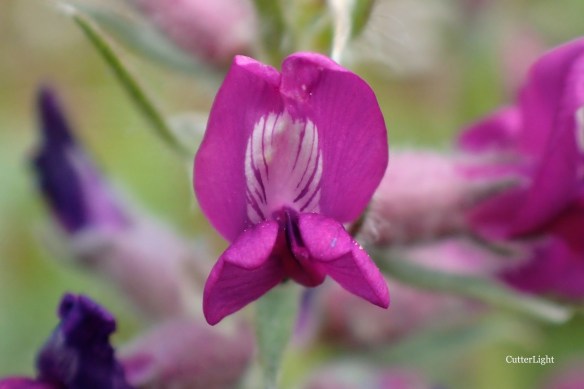
One of several stunning flowers we photographed last summer along the shores of a beaver pond.

Moreover, because these dams cause water to pool, some of that water percolates down into subterranean aquifers. This should be an important consideration in a state that is rapidly pumping its aquifers dry. The particular stream in question, the upper reaches of the Wolf River, becomes vital lake sturgeon spawning habitat further down river. As the underground aquifers beaver dams contribute to resurface in the form of springs further downstream, these springs cool the main river, which helps ensure that lake sturgeon spawn successfully. Take away the beaver dams upstream, and you take away a piece of a complex system which countless species have evolved to thrive in.

Eventually these ponds become overly silted, increasingly shallow and the beavers move on. Over time, the dams break up, the stream cuts a familiar channel, often finds a rock bed again. What’s left behind is a beaver meadow – a place with thick, rich soil capable of supporting an incredible variety of trees, flowers and grasses. For the overall health of the forest, it’s a good thing that these dams retain forest soil. Butterflies take advantage of the abundance of flowers, deer and bears come for the grass, and the snags – the trees that died when they became flooded – continue to provide nesting sites for a variety of animals till the day they fall to the earth and become nursery logs.

It’s important to keep one other fact in mind. Salvalinus fontinalis, the native char most fishermen refer to as the brook trout, has been co-evolving with beavers and beaver dams for longer than humans have been on the North American continent. This sudden need to “manage” wildlife is an outcome of an ongoing series of humankind’s mismanagement of this planet.

All this being said, it may appear that we’ve made up our minds on this issue.

We haven’t.

Between the absence of sufficient natural predation and insufficient economic incentive for more beavers to be trapped for their pelts, we understand that it is entirely possible that Wisconsin’s beaver population is out of balance. This would seem to present three options:

  1. Reintroduce predators and foster the growth of their numbers. Predators? That would be wolves. The problem with that strategy is that wolves historically have been more interested in ungulates such as deer and moose (and even in voles and mice) than in beavers. Prior to European settlement, the population of beavers in North America is estimated to have been between 60 and 400 million. There were lots of wolves back then, too. They apparently weren’t eating many beavers.
  2. Continue the present strategy. Where beaver dams appear to be negatively impacting brook trout habitat, kill the animals and tear out their dams. If the dams can’t be broken up by hand, employ explosives.
  3. Do nothing. Let it go. Enjoy the biodiversity beaver ponds foster. If the natural activity of beavers temporarily (or permanently) makes a stream unsuitable for brook trout, rest assured that the habitat is probably becoming just right for other species. Find another stream to fish, or tie up some Clousers and go bass fishing.
  4. And if anyone is really concerned about rising temperatures in streams, maybe consider getting rid of your air conditioner, installing double-paned windows in your house, and locating in a place where you can leave your car at home and walk to work, to the grocery store, and to your friends’ homes.

We’re sure there’s more to the beaver situation in Wisconsin than we currently realize. We’d love to hear what others think. Thanks for reading.

Sincerely,

Jack & Barbra

Black-Veined White Butterfly

Black-veined white (Aporia crataegi), Ulaanbaatar, Mongolia.

For a few days in late June, maybe a week, these black-veined whites (that’s their name) were everywhere. In the air, in the bills of birds, sipping on purple flowers. And then they were gone. In that one week, they were beautiful…