Wilderness Camp – but What Is Wilderness?

Wilderness Camp
Denali National Park, 6/7/17

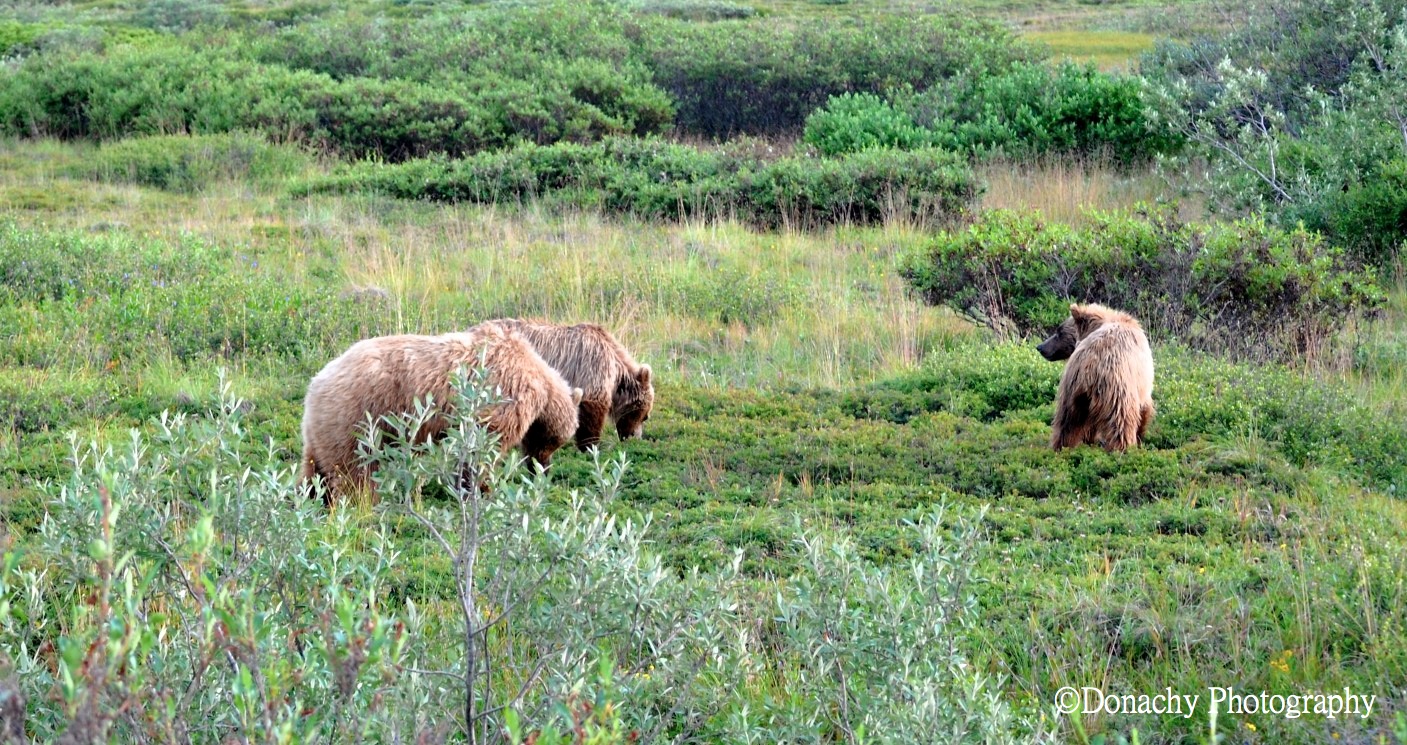
We procured a backcountry permit at the park office, took a shuttle bus a ways into the park, debarked and backpacked into the landscape in this photo to spend a couple of nights. The only sign of people we came across was a plastic lens cap from a camera – something accidentally lost, not littered. Caribou and Dall Sheep, Wolf prints and Wolverine tracks… A Grizzly Bear caused us to change our course… Short-eared Owls cruising low, nesting Willow Ptarmigan hens – the males waking us at first light with their call of Potato! Potato! Potato. Tree Sparrows flushing from tiny ground nests where clutches of blue-green & brown eggs were crowded together. We came across Caribou antler sheds; a moose rack attached to a skull suggested a successful hunt by wolves. In 1846, Thoreau needed only to travel from Concord, Massachusetts to Maine’s Mt. Katahdin* to immerse in the vital contact with wilderness he sought. During the 2022-2023 season, 105,000 tourists traveled to Antarctica – up from just 5,000 only a few years prior… which was up from somewhere near zero not so long before that. Even Alaska’s remote, far-north rivers are typically floated by multiple parties each year. Not long ago I came across a recent piece of video depicting an unimproved campsite I overnighted at on youthful floats down my native Clarion River. The site was seldom used in those days, nearly pristine, and you could nice-sized large trout in the pool and the riffle water that flowed by. The contemporary video showed trampled vegetation, fire pit scars, bags of trash…

There are no doubt as many definitions of wilderness as there are human expectations of what might be present or absent in such a place. The one certainty is that wilderness is becoming more difficult to find, to immerse in, to discover and explore. My recollection of reading Thoreau’s account of his attempt to ascend Katahdin is that at some point the climb (or was it the descent?) was terrifying. Perhaps therein lies a piece of what wilderness means… a place cut off from civilization, where things could go wrong, and if they do, you’re on your own. There’s something liberating in it.

*Thoreau’s account of his journey to Mt. Katahdin can be found in his book The Maine Woods.

Superb Owl Sunday!

Boreal OwlDenali National Park, June 6, 2017

I’ve gone around knocking on hollow trees most of my adult life, hoping a flying squirrel or owl would pop it’s head out. And then one day, it happened!

The Tattler of Tattler Creek

Tattler Creek TattlerWandering Tattlers are an uncommon shorebird that can perhaps most reliable be encountered along Alaska’s upland creeks and where they nest. The nests themselves are difficult to locate, though on one occasion we came upon tiny, recently-hatched peeps scurrying along a stony river shoreline. One day while visiting Denali National Park, Barbra and I hike up Tattler Creek to look for tattlers. We lucked out and got this photograph. Later, we saw them on the Chignik, often in pairs in late summer after the nesting season was complete and they were leaving the area.

Denali – The High One

Denali – meaning “The High One” in Koyukon Athabascan – is known by many as Mount McKinley. 

The day we toured Denali National Park the namesake mountain was shrouded in clouds, a situation so commonplace we weren’t disappointed at not being able to see more than its base sloping up into the shrouding mist. In fact, a small industry exists to fly people up through the clouds for a bird’s eye view of North America’s highest summit. But with prices for those flights running hundreds of dollars per passenger, we figured we’d take our chances and wait for happenstance to put us on a plane flying near the elusive peak.

This past Friday, a flight from Point Hope to Anchorage via Kotzebue finally gave us the view we’d been hoping for. Denali’s rugged shoulders seemed to float on a sea of thick clouds. Barbra and I looked out our window awestruck as we contemplated the tectonic forces capable of thrusting this much solid granite nearly four miles above sea level.

In 2010, our trip to Denali National Park took place on a foggy day in mid-summer. The hills and valleys were verdant, wildflowers were in bloom and animals seemed to be everywhere. Ptarmigan burst from roadside cover, golden eagles soared overhead, moose browsed the willows along creeks, and Dall sheep – some with thick, heavy, fully-curled racks – dotted the slopes like tufts of white cotton. We saw three different sets of female grizzlies and their cubs, and after having heard wolves on different occasions while camping in Yellowstone and Yukon Territory, we finally saw a pack of wolves, males, females and cubs, resting and playing on a grassy hill. That alone made the trip to Denali worth it for us.

Although there is a very brief window in which a limited number of lottery winners (literally) are permitted to drive their own vehicles deep into the park, the more typical approach is to sign up for one of the bus tours. These shuttle tours are no frills, economical, and worth every penny. While we camped on the park’s outskirts (our campground neighbor showed us a photo of a lynx he’d seen the previous day), camping – both tent and RV – is available in the park as well. A 91 mile road – almost all of it unpaved – cuts through the heart of the park, but only the first 15 miles are open to the public. That’s where the bus tours come in. Backpacking permits are available as well.

We took the bus all the way to the end of the road at Wonder Lake, hoping against hope for a photo of The High One reflected in the lake’s glassy waters. No mountain, but lots of wild blueberries!