Autumn Sign

Male Oregon Junco among Sitka Spruce Cones – Small flocks of Oregon Race Juncos, which had not previously been reported on the Alaska Peninsula, along with Slate-colored Juncos – only occasionally or rarely encountered on the peninsula, became regular fall through spring visitors during our years at The Lake. The mystery is, where were these birds coming from? Slate-coloreds nest in taiga forests two or three hundred miles northeast at the peninsula’s hip and beyond, but the Oregon’s closest summertime breeding grounds are unknown and would seem to be much further south. Juncos were not recorded during David Narver’s studies in the early 1960’s. It will be fascinating to monitor these population trends into the future… there is always more to discover. October 14, 2017

Frost in March Sunshine

Frost in March Sunshine – One of our all-time favorite foxes, Frost often slept on the sunny bank just below our home at The Lake. March 26, 2017

Goldeneyes

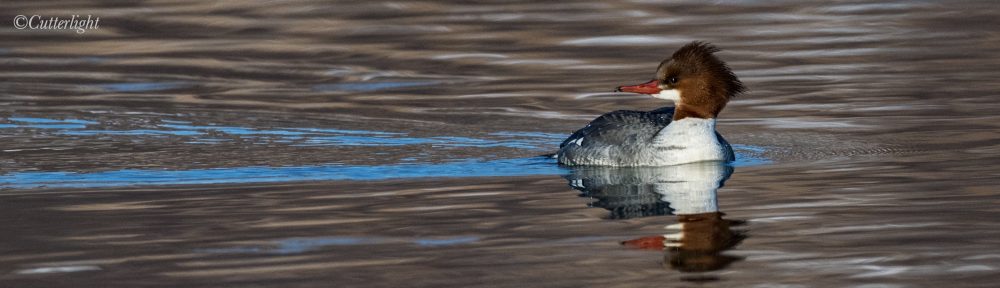
Photograph of a flock of a hen Common Goldeneye leading her first-year brood in flight down the Chignik River.
Goldeneyes – A flock of Common Goldeneyes flies down the Chignik River. The bright yellow on the bill tip of lead bird indicates a mature hen, so this might by a mother leading her first-year brood. Nicknamed “Whistler” for the distinctive whistling sound of their wings in flight, Common Goldeneyes are one of the Chignik’s most abundant fall, winter and spring ducks.

Water Necklace

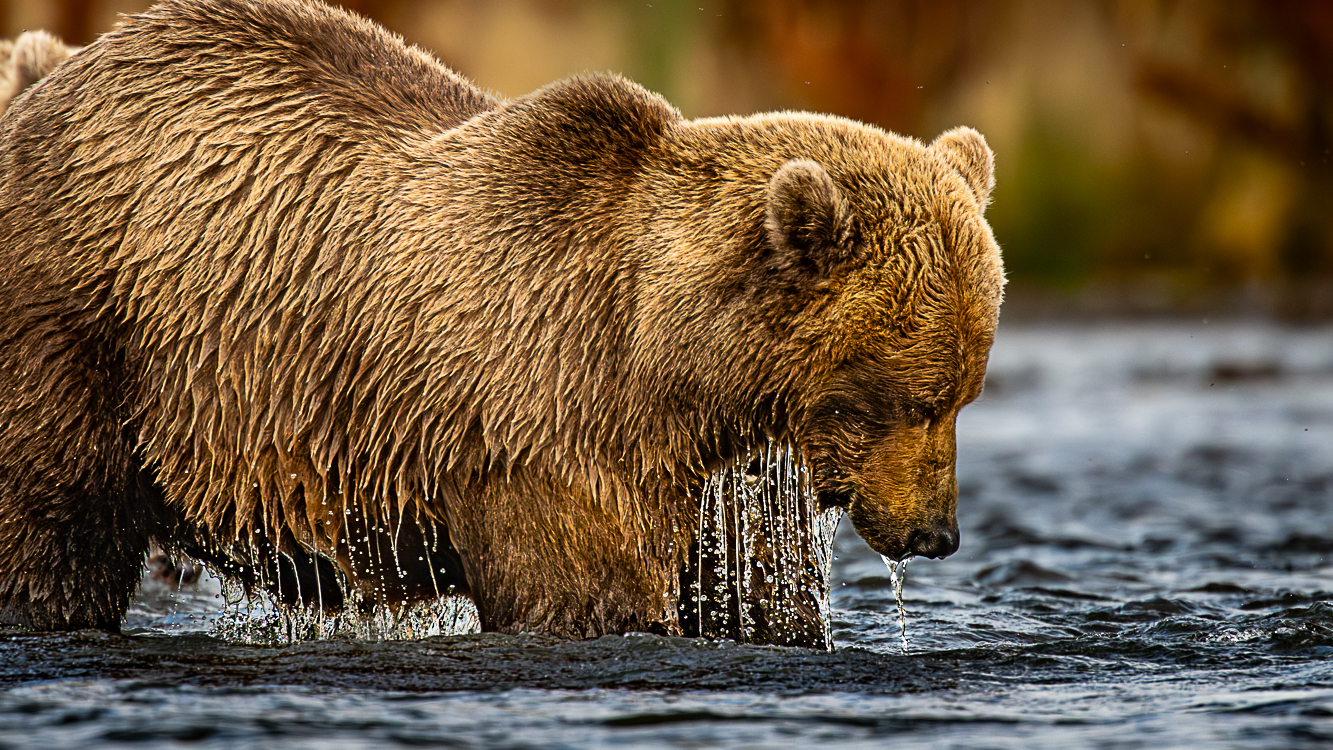
Water Necklace – Chignik River, September 18, 202

A second bear is just barely visible in the upper left of this photograph of a healthy sow that has trapped a spawning Sockeye Salmon in her forepaws beneath the water. Anytime the salmon are running from July through November, bears can be expected along the river and lake.

Under a Broken Sky

Under a Broken Sky – Barbra swinging a Rocket Man streamer for Silvers at Paradise Bend, October 7, 2018

During the several years we fished the water at Paradise Bend (our name for an expansive area of tidally influenced braided runs and gravelled, vegetated islands), we only encountered other anglers on one occasion. Their guide had them casting in the wrong places – unproductive water unlikely to hold salmon. In due time their casts became listless, eventually gave way to billed caps lifted and head-scratching, and then to searching glances at each and beseeching looks toward the guide. They left fishless, and that was the only time we encountered anglers on “our” pool.

Paradise is a very special place, often beautifully lit by morning light, frequented by some of the world’s largest Brown Bears, traversed by moose, mink, fox, otter and wolf, shorelines decorated in season by magenta fireweed, sunflower-like arnica, marsh marigold and a dozen other showy blooms. At any time of year the water is free of ice you might hear the ratchety call of a kingfisher, and all summer long there are the songs of thrushes, sparrows and warblers to cheer the day. Gulls and eagles scavenge the islands when the fish are in, and in spring the wide, weedy shallows load up with Tundra Swans and hundreds of ducks. The ducks, particularly Mallards and Green-winged Teal, return en force in fall, and it was near Paradise that I encountered a brilliantly marked male Spotted Redshanks – a rare stray from Asia.

Tucked back in a bend off the main channel where boats never ran, it was easy to lose oneself during a morning at Paradise. Schools of newly arriving Coho pushing up tidal-bore-like bulges of smooth water as they arrived in the main pool were a thrill, and the fishing could be agreeably challenging in the clear, shallow water where we could watch the fish come to our flies. At the take, we would strip-set and then brace for long runs punctuated by cartwheeling acrobatics. There were more productive pools on the river, but none more enjoyable to fish.

Maybe even more satisfying than these periods of activity were the times in between, the water temporarily empty of salmon, the big sky, the vast landscape, bird song, rushing water and quiet… a place to let thoughts find their own way and perhaps to visit with a friend or love from the past who, for whatever reason, is now absent. There are a lot of reasons to take down a fly rod from its wall pegs and go to the water. There is the fishing, of course… but there are times when the promise of uninterrupted thought is the more compelling motivation.

Lake Sunrise

Photograph of an October sunrise at Chignik Lake. With the sun coming up over the mountains at the lower end of the lake at this time of year, fall sunrises were often spectacular.
Sunrise
From our living and dining room windows, we would follow the position of the sun as it changed with each season. Autumn mornings, when the sun rises over the lower end of the lake, are often spectacular. Coho Salmon are still migrating up the lake and river at this time of year, and on still mornings such as this we would watch from our windows for wakes and bulges along the shoreline. Chignik Lake, 10/16/17

Leaper at The Bend

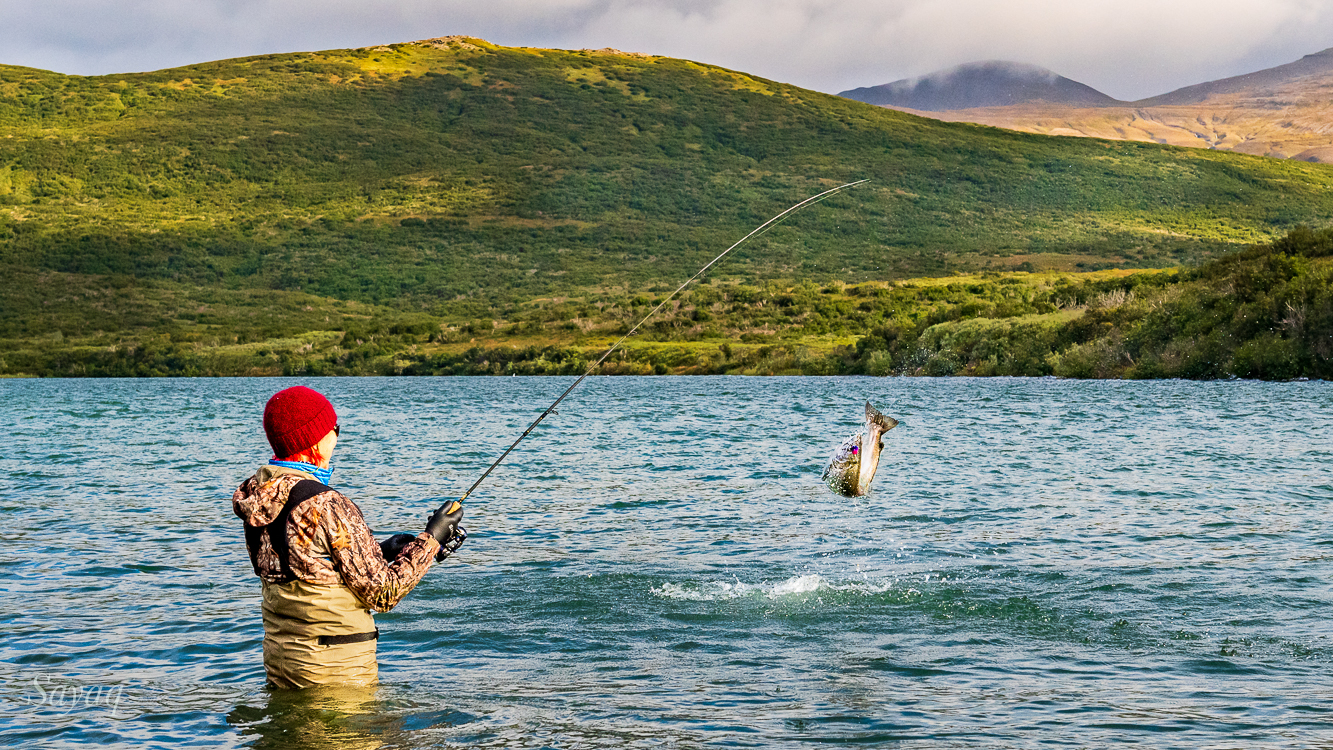
Photograph of Barbra hooked up with a high-leaping Coho Salmon on the Chignik River in early September, the landscape still mostly in green.
Leaper at The Bend – Ten Pounds of Silver two feet in the air at the juncture where Chignik Lake, to Barbra’s left, necks down and becomes Chignik River, to Barbra’s right. The village of Chignik Lake is on this near shore, less than half a mile up the lake. Approximately six miles from this spot, the river enters the salt waters of the estuary at Chignik Lagoon. Here at the early peak of the Coho Salmon run in early September, though most of the flowers are finished and summertime nesting birds are gone, low along the water alders are still wearing summer green; higher up the slopes, vegetation is autumn gold.

Autumn Shrike

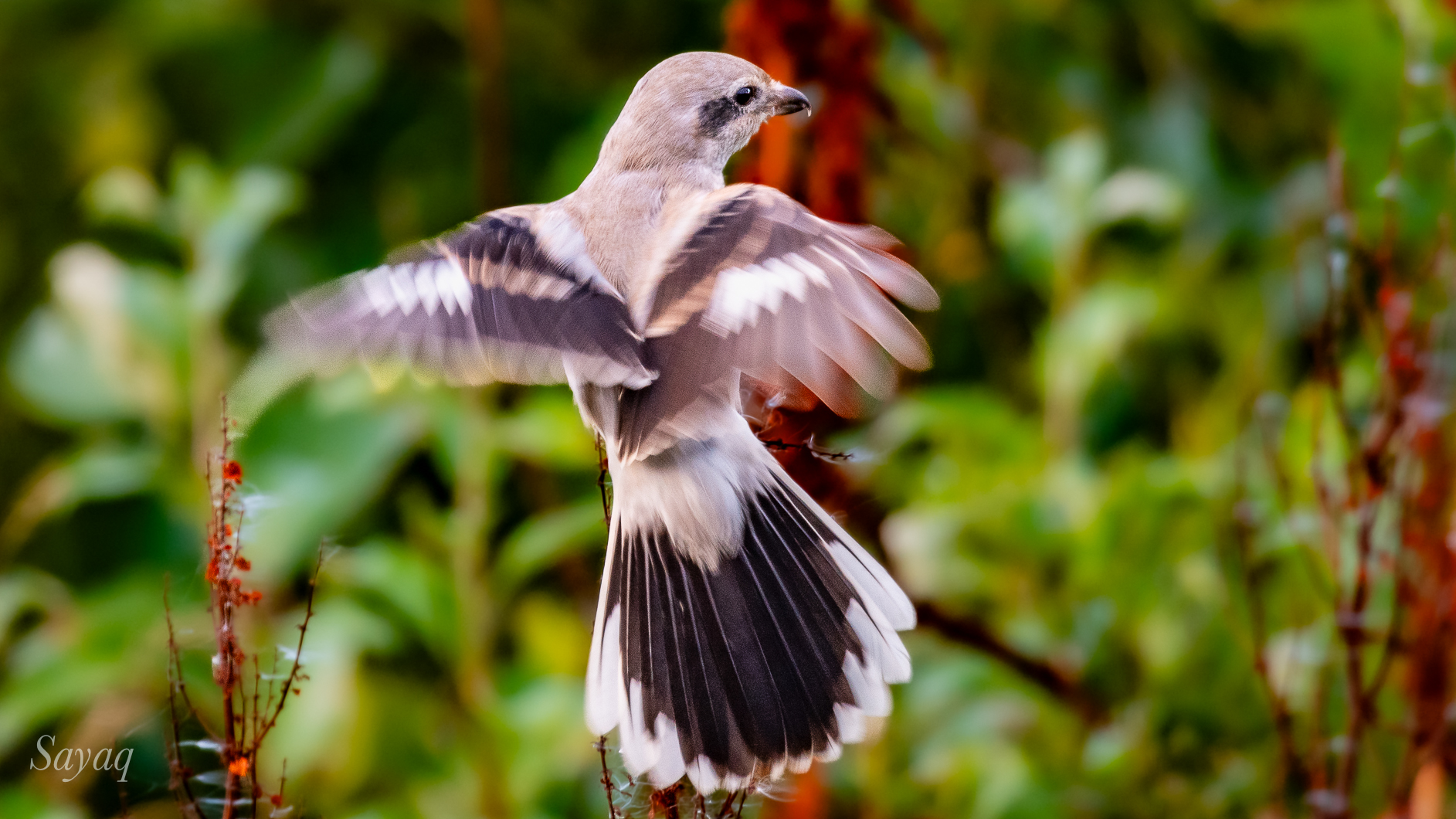
Photograph of a Northern Shrike in flight as it settles onto a roost of autumn-brown Dwarf Birch.
Autumn Shrike – Northern Shrike burdock gone to rust and seed, Chignik Lake, 9/10/17
The brownish color of this shrike indicates a first-year bird. Mature adults are more gray, and the black eye mask is sharply defined and really pops. At The Lake, Northern Shrikes are typically arrive in late summer and remain common through fall with occasional specimens remaining into winter.

Friends Don’t Let Friends…

Friends Don’t Let Friends Eat Farmed Fish
Alaska is home to a number of iconic bumper stickers. It is my understanding that in former times, this Suburban served as Chignik Lake’s ambulance. That was awhile ago…

Little One

Little One The waters of the Alaskan Gulf near Chignik Bay provide an important nursery for Sea Otters and their pups. Rich with schools of herring, sand lance, migrating salmon and other fish, these waters on the southeast side of the Alaska Peninsula are also home to Harbor Seals, migrating Orcas and whales, and vast numbers of seabirds.