
Frost Fox – of the Chignik Lake Foxes
3

If you’re reading this, you are among more than six thousands subscribers and countless additional readers who have popped in at one time or another over the years from virtually every country on the planet. We truly appreciate it! Thanks! Barbra and I wish you and yours all the best in 2024. Van Gogh? An old friend from Chignik Lake.
- Jack & Barbra Donachy, Cordova, Alaska


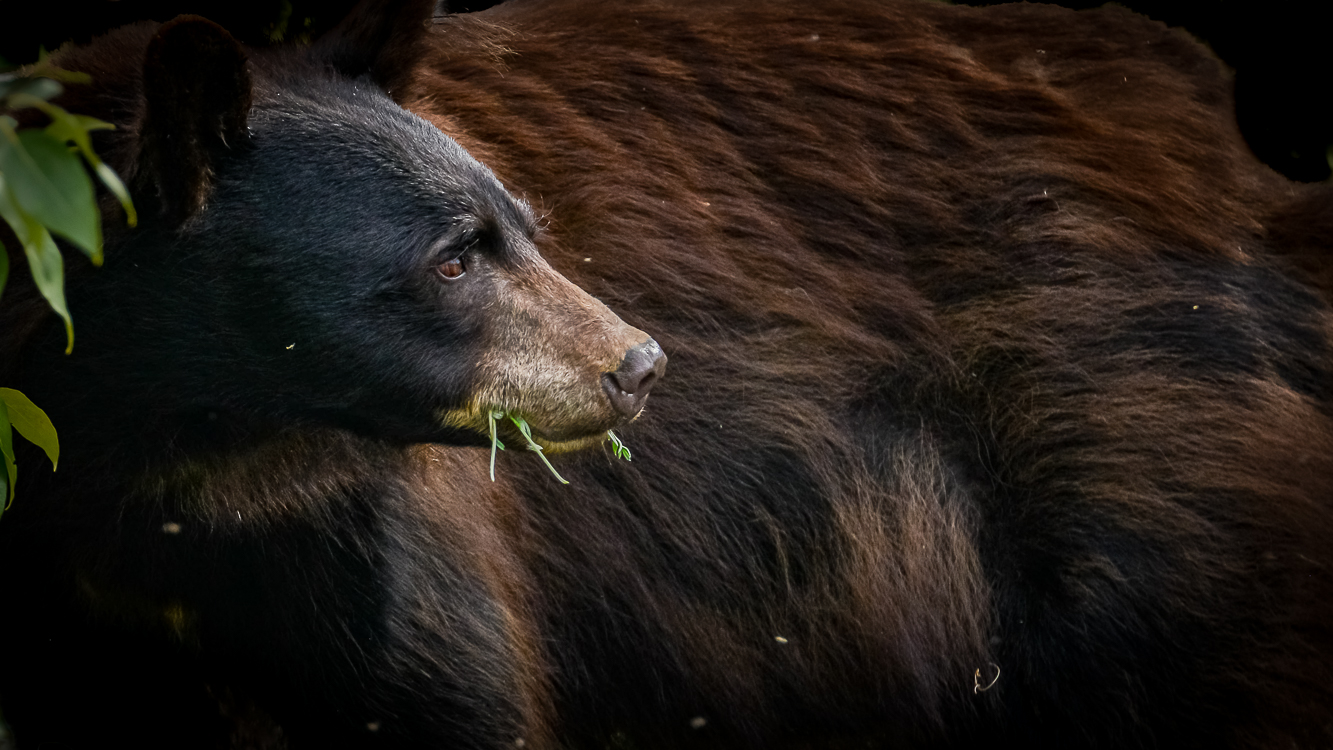
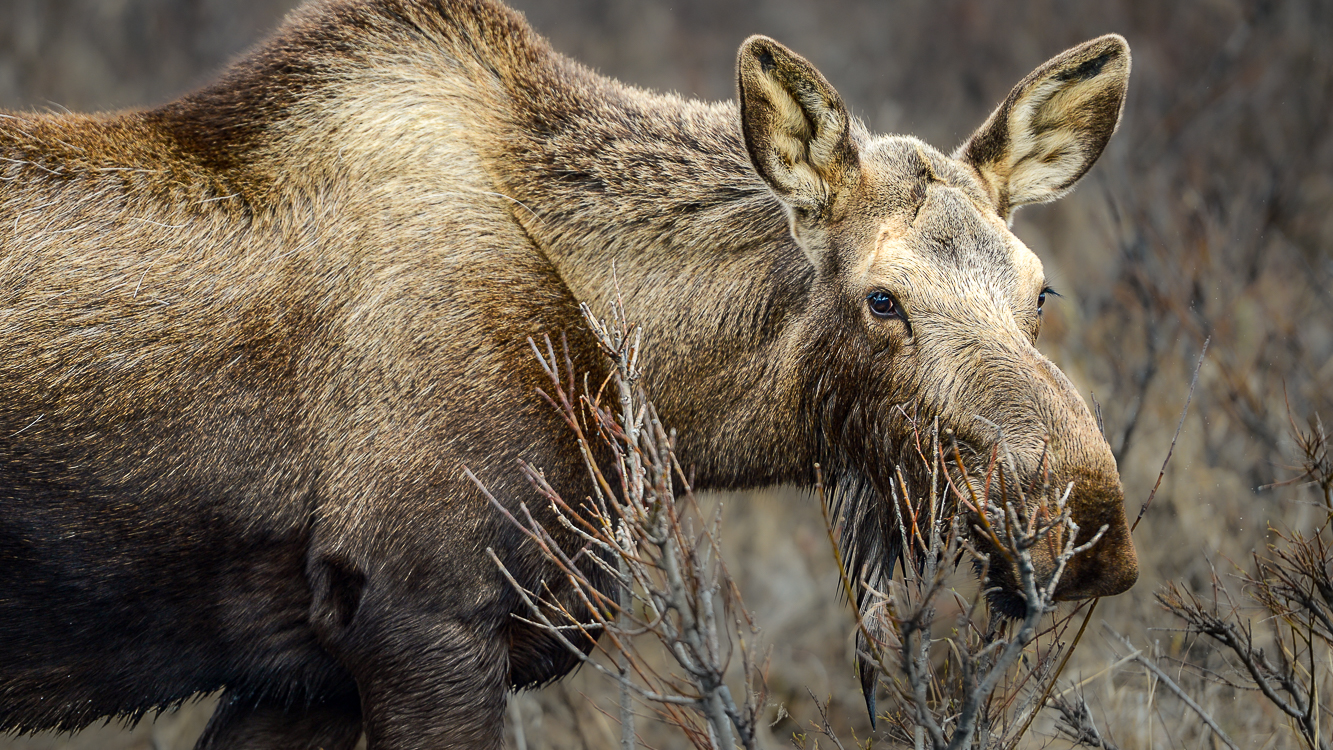
Moose roast and root vegetables in a bath of mushroom broth, red wine, cream and fresh herbs slow-cooking in the oven, pumpkin cheese cake setting. Lots to be grateful for on this Thanksgiving Day… and every day. Barbra and I hope all is well in your world.

Although colloquially called “wild” it is a misnomer, technically speaking, to refer to the free-roaming mustangs of North Carolina’s Outer Banks and the American West as such. In both cases, the horses in question are escapees from from domestic stocks and therefore, biologically speaking, are feral, not wild. But neither a 10-year-old boy nor a 64-year-old man is as likely to eagerly crane his neck from a car window to look at merely “feral” horses as for a glimpse of wild horses, and so in most cases the colloquial “wild” stands. In any regard, the distinction matters to some, less so to others.
The word “takhi” translates to spirit or spiritual in English, a fitting appellation for these noble beings – far more so than the alternative, Przewalki’s horse, applied as though the person who “discovered” them for Western Europe has the right to enslave them with his clunky name in perpetuity in an illusory pursuit of his own immortality. Just as all humans have a right to a name of their own choosing, should not all beings be distinguished with their own, unique, noble title.
The above having been accounted for, there is in fact one truly wild species of Equus still remaining in our world – the Takhi of Mongolia. The species was on the very brink of extinction by the 20th century and in fact became extinct in the wild by mid-century, having been hunted for meat. The few remaining Takhi were scattered in zoos in Europe and the United States, their outlook bleak. But in 1990, at the same time Mongolia became a Democracy, a breeding program was established and a few horses were reintroduced to Mongolia’s steppelands – perhaps the world’s greatest remaining uninterrupted grasslands.
And so now, in the year 2023, one can travel to Mongolia’s Khustai National Park and to a few other places and see for themselves these beautiful animals.
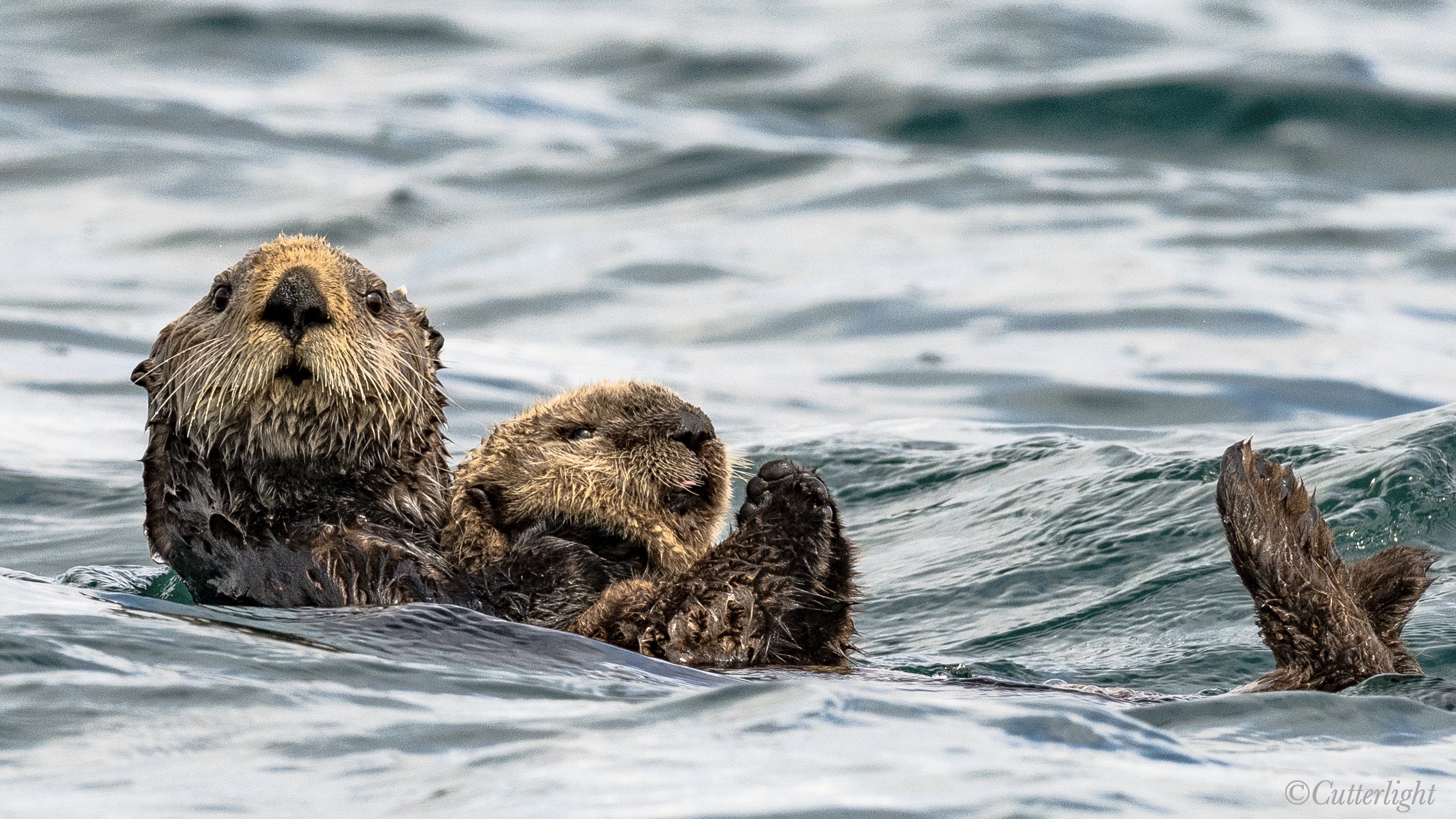
Sea Pup
Forest-like patches of bull kelp, a rocky shoreline, small islands and protected bays add up to Sea Otter habitat. While there always seem to be at least a few of these engaging animals in the nearshore sea along the Chignik coast, late spring and early summer when mothers can be found nursing pups is a particularly rewarding time to look for them. We found the pair in this photo on June 28, 2020 along with over 100 additional otters just outside of Anchorage Bay, an inset of the larger Chignik Bay. The mother’s surprised expression and the hint of the pup’s pink tongue set this photo apart from other captures we got that day.
Shooting from a boat at sea is always challenging as subject and photographer alike are continuously in motion. Reflected by water, light can overwhelm an image causing highlights to be blown out. For a moment, clouds obscured the sun, but there was still enough light to set the ISO low, close the aperture enough to keep both mother and pup in focus, and still shoot fast enough to get a clear image on a gently bouncing sea. (Nikon D850, 600mm f/4, 1/2500 at f/8, ISO 500.)
 CutterLight