
Breakfast at The Lake
2

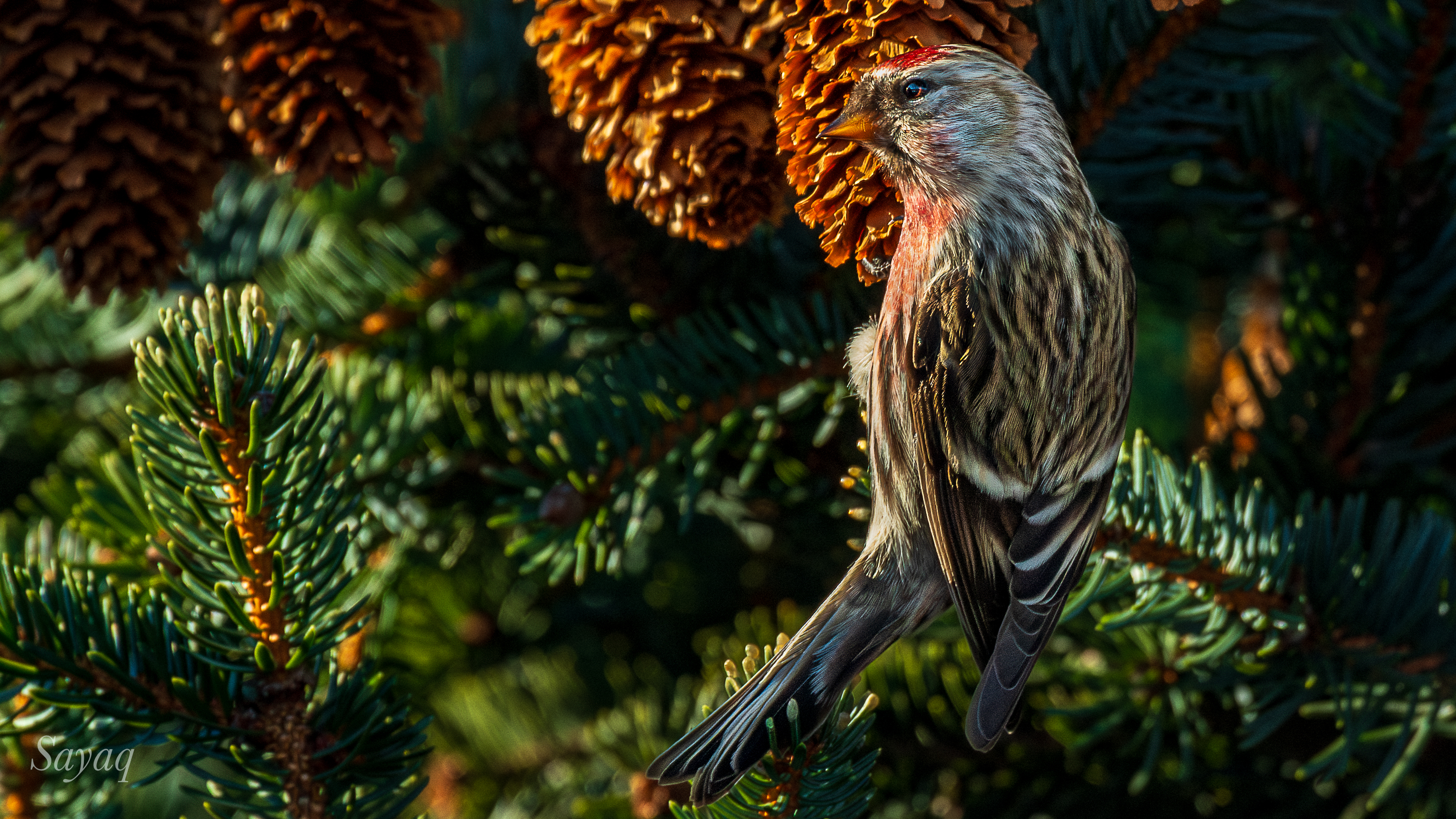
Up and down Southwest Alaska’s Alaska Peninsula, Redpolls, Siskins, Crossbills and Grosbeaks – all members of the finch tribe – have typically been marked as uncommon, rare or absent, breeding in small numbers here and there but generally not species one expects to encounter on the windswept peninsula. However, as trees – particularly alders -, have become increasingly abundant in that part of the world, so too have the finches. Seeds of the tiny alder cones are relished by Redpolls; the tender leaf buds by Pine Grosbeaks. But nowhere has the recent emergence of trees more dramatically impacted avian life than in the village of Chignik Lake where 70-some years ago Sitka Spruce trees were transplanted from seedlings gathered on Kodiak Island.
Some of the spruce trees at The Lake now tower over the landscape, producing both shelter and food for a wide variety of birds. The seeds of mature cones draw Pine Siskins, Hoary and Common Redpolls, White-winged and Red Crossbills, Black-capped Chickadees, Black-billed Magpies and several species of sparrow. While they’re still soft and reddish-purple, immature cones are feasted on by Pine Grosbeaks. Meanwhile, the variety of invertebrates that have moved into the little groves of spruce trees provide sustenance for Downy Woodpeckers, Pacific Wrens, Golden-crowned Kinglets and Yellow Warblers. Great Horned Owls roost and nest in the dark shadows of spruce bows and Northern Shrikes, Merlins and an occasional Sharp-shinned Hawk hunt the songbirds attracted to the trees. My guess is that it’s only a matter of time – and not too distant time – before the first Steller’s Jays are reported at The Lake. In fact, based on a description a now deceased resident reported to me, I’m not sure they haven’t already been there.
But here’s a question: Are these trees actually an invasive species… like the Orange Hawkweed that only very recently has begun showing up at The Lake? Or, for that matter, the dandelions which have taken over the school yard (and also, in some years, provide food for the finches as they go to seed)? And what about the above-mentioned alders that are steadily crowding out what remains of the peninsula’s tundra?
For decades, the transplanted Sitka Spruce trees did not propagate themselves in the Chignik Drainage. But about five years ago that began to change when seedlings suddenly began volunteering themselves throughout the village. One might argue that even without human intervention it was only a matter of time before Picea sitchensis made its way down the peninsula. But couldn’t the same be said of the Orange Hawkweed, dandelions and even the Kamchatka Rhododendron that has naturally, over time, found its way to The Lake from its native grounds in far eastern Russia?
Dumping a bucket of carp or pike into a lake where they never before existed is one thing…
On the other extreme are dandelions and hawkweed, which seem to to have devised strategies to show up wherever environmental conditions suit them.
Somewhere in between are a vast array of flora and fauna that – with or without humankind’s assistance – are finding their way into new niches.
So, what do you think? Where is the line between happily-received newcomer and dreaded invader?


Slow work, going through the thousands of photographs we took in our years at Chignik Lake. But the late summer and fall of 2016 are “in the can,” and today I begin the February 2017 files. I honestly don’t know what I’ll find. So, we hope you’ll keep watching this space! Thanks!


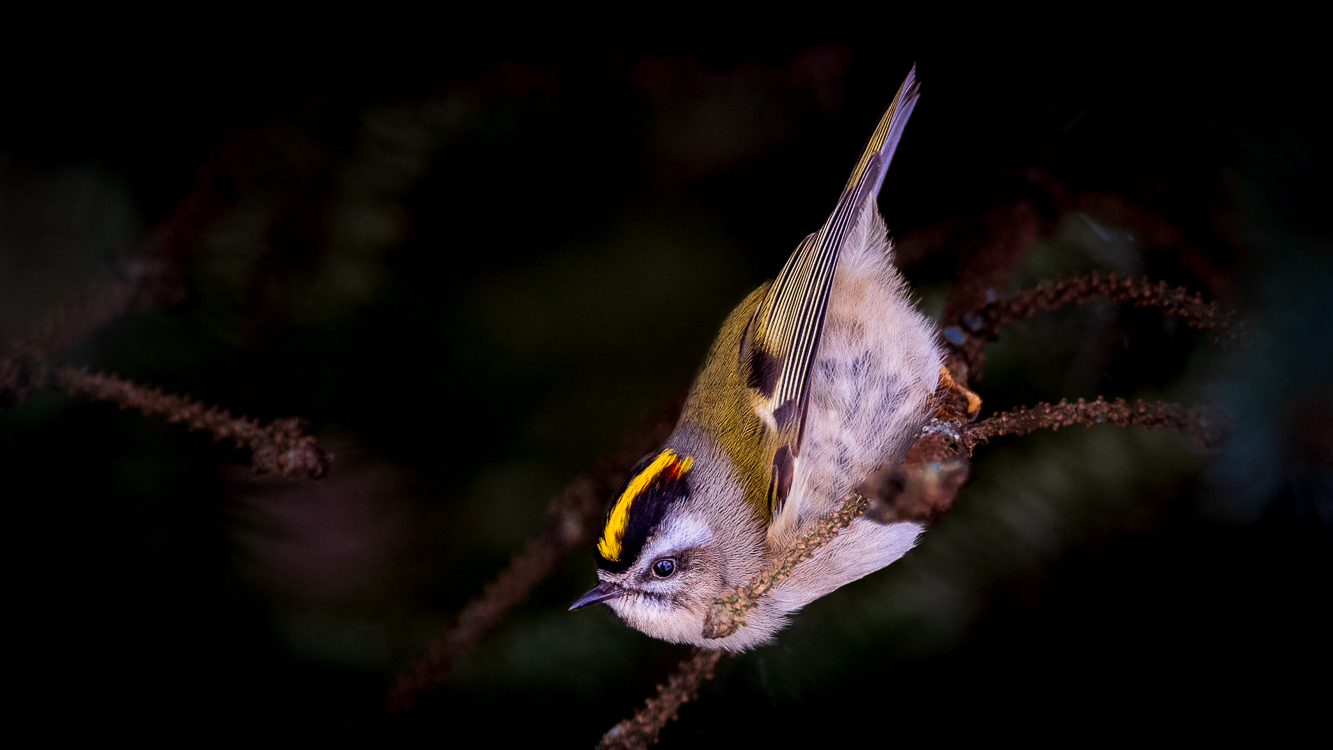
Every autumn coinciding with the peak of the Coho run on the Chignik River, we’d begin to hear a new voice as we pushed through thick stands of alders or walked by the village’s scattered spruce trees. By this time, there weren’t many other passerines around, and so there was no mistaking the high, almost cricket-like call of returning Golden-crowned Kinglets. They were a new species for for us, always in motion, difficult to locate in the dense alders and dark spruce boughs they prefer, and they are not indicated on the Alaska Peninsula on any of the range maps we checked – Cornell, Audubon, Sibley – so we were very happy when we finally got binoculars on them and could make positive identification. Kinglets tended to remain at The Lake throughout winter. At some point, they presumably had cleaned all the invertebrate eggs and dormant insects they could find and moved on to other grounds, but they were there every year in those fall and winter months and should be added to peninsular checklists and range maps.

Red Foxes tussle, nip and bark at each other. A Brown Bear might literally rip the face off a rival in a dispute over fishing and mating rights. Even cute little Black-capped Chickadees and Redpolls sometimes aggressively gape at each other and might engage in a quick peck to establish pecking order.
I suppose there are times when River Otters squabble, but in years of observing them at the lake, we never saw anything more than a look of envy cast from one otter toward another. (The coveting occurred over an exceptionally toothsome flounder one lucky fellow came up with.) Mostly, otters are the social goofballs of the four-legged world – rolling in snow, piling atop each other, sliding over ice and snow on sleek bellies, crowding together four-heads-at-a-time popping up from a hole in the ice, chasing each other in jaunty little parades as they scoot up and down the waterway. Maybe it was the Chignik’s abundant supply of fish that allowed for such conviviality. Whatever the reason, it was our observation that these inquisitive, cheerful beings simply like each other. And we think there’s a lesson in that for the rest of us.
 CutterLight